
12 Best Christian Homeschool Curriculum for Preschoolers
Discover the 12 best Christian homeschool curriculum options for preschoolers. My Coloring Pages reviews top programs to guide your choice.


Monday morning arrives with a preschooler bouncing off the walls while parents scramble to balance Bible stories with alphabet lessons. Choosing a Christian homeschool curriculum that aligns with both family faith and a child's learning style can feel overwhelming, especially when seeking spiritually rich yet age-appropriate materials. Parents need practical options for building a Christ-centered homeschool experience with engaging worksheets and activities designed for young learners.
Thousands of ready-to-use resources can seamlessly bring together Bible lessons, character development, and early learning skills. These materials help customize a preschooler's learning journey while keeping Jesus at the center of every lesson, offering printable resources for Scripture memory, seasonal faith activities, and foundational skills. Parents can download 55,890+ free coloring pages to complement their curriculum without having to create everything from scratch.
Summary
- Christian homeschool curriculum quality varies widely across programs, with academic outcomes depending more on thoughtful implementation than religious content itself. Research shows that homeschool students often outperform their peers in traditional schools academically, with 62% of studies reporting higher achievement, and around 91% of homeschool families identify as Christian. The critical factor isn't whether the curriculum is religious, but whether it balances faith integration with academic depth, structured progression, and opportunities for critical thinking.
- Parent involvement drives outcomes more than curriculum labels or packaging. Studies by Jeynes (2022) found that active parental engagement in homeschool programs enhances academic achievement and student motivation, particularly when parents guide discussion, adapt pacing, and supplement where gaps appear. The relationship becomes the classroom, and that connection drives deeper understanding than any textbook can provide on its own.
- Up to 40% of homeschool environments lack subjects such as the arts or foreign languages, not because the Christian curriculum is inherently flawed, but because parents sometimes rely too heavily on a single program without evaluating what's missing. Supplementing lesson content with targeted resources that reinforce concepts through hands-on activities, diverse historical perspectives, and science experiments significantly improves conceptual understanding and retention, according to the National Research Council's research on how people learn.
- Faith integration creates coherence when done well, but becomes problematic when ideology replaces academic rigor. A 2025 report highlighted cases where some Christian materials presented Eurocentric narratives or oversimplified complex topics like slavery, fueling valid criticism of indoctrination. Parents who evaluate content critically and fill gaps with additional resources tend to see stronger results than those who assume one boxed curriculum covers everything their students need for long-term academic success.
- Multi-modal learning, combining visual, kinesthetic, and auditory pathways, improves retention and skill mastery, particularly for young learners; research by Dunlosky et al. (2013) confirms. After teaching abstract concepts through traditional lessons, adding hands-on activities such as coloring, building models, or conducting simple experiments transforms passive reading into active analysis, strengthening comprehension and long-term memory.
- My Coloring Pages addresses curriculum gaps by offering download 55,890+ free coloring pages that let families generate custom printable activities aligned with specific Bible stories, vocabulary lessons, or math concepts, turning abstract ideas into visual engagement that reinforces learning through creative expression rather than repetitive drill work.
Table of Contents
- Is Christian Homeschool Curriculum Good?
- 7 Benefits of Christian Homeschool Curriculum
- How is Christian Homeschool Curriculum Different?
- How Can Parents Supplement Christian Homeschool Curriculum
- How to Choose the Right Christian Homeschool Curriculum
- 12 Best Christian Homeschool Curriculum for Preschoolers
- Access 55,890+ Supplementary Homeschool Worksheets With My Coloring Pages
Is Christian Homeschool Curriculum Good?
The quality of a Christian homeschool curriculum depends on which program you pick and how you use it. Some curricula offer strong academics with balanced perspectives, while others prioritize ideology over depth and critical thinking.

🎯 Key Point: The curriculum selection process is critical - not all Christian homeschool programs are created equal. Look for curricula that maintain academic rigor while incorporating faith-based perspectives in a balanced way.
"The most effective homeschool curricula balance academic excellence with worldview integration, ensuring students develop both critical thinking skills and strong foundational beliefs." — National Home Education Research Institute

⚠️ Warning: Avoid curricula that sacrifice academic depth for ideological purity. Your child needs a comprehensive education that prepares them for college and career success, not just religious instruction.
The spectrum of academic quality
Christian homeschool materials come in many different types. According to The Good and the Beautiful, families can choose from 10 popular Christian curricula in 2025, each with a different approach to lesson organization, theology, and academic rigor. Structured programs with clear steps in maths, reading, and science work well. Flexible systems succeed when parents supplement thoughtfully, but create gaps when families rely on a single boxed program without adding arts, foreign languages, or diverse perspectives.
When outcomes shine
Research shows homeschool students often outperform traditional school students academically, with 62% of studies demonstrating higher achievement. Around 91% of homeschool families identify as Christian, and many use Christian curricula. What matters is whether the curriculum balances faith integration with academic depth. When families choose curricula that teach faith alongside (not instead of) academic content, students develop both spiritual grounding and intellectual skills.
Where criticism becomes valid
Concerns arise when curriculum design replaces scientific explanation with ideology or avoids critical discussion of history. A 2025 report highlighted cases where some Christian materials presented Eurocentric narratives or framed topics like slavery in oversimplified ways.
What gaps should parents watch for?
Up to 40% of homeschool environments lack subjects such as the arts or foreign languages. This stems not from poor curriculum design, but from parents relying too heavily on a single program without identifying gaps.
How can parents ensure academic completeness?
The question is whether the specific program you're considering includes structured academics, encourages critical thinking, and allows you to add more where needed. Parents who evaluate content carefully and fill gaps with additional resources (like printable Bible coloring pages that reinforce Scripture memory through creative engagement) tend to see strong results. Those who assume that a single boxed curriculum covers everything may find their students struggling with knowledge gaps when they transition to higher education. The advantages extend beyond academics alone.
Related Reading
- Homeschool
- Easy Peasy Homeschool
- Homeschool Curriculum
- Homeschool Math Curriculum
- Online Homeschool Curriculum
- Homeschool Resources
- Best Homeschool Programs
- Free Homeschool Curriculum
- Online Homeschool Programs
- Homeschool Schedule
- Best Homeschool Curriculum
- Accredited Homeschool Programs
- How To Homeschool
- Christian Homeschool Curriculum
- Homeschool Planner
- Time For Learning Homeschool
- Homeschool History Curriculum
- K12 Homeschool
- Kindergarten Homeschool Curriculum
7 Benefits of Christian Homeschool Curriculum
Faith-based homeschool programs provide students with a structured path, clear goals, and regular check-ins that support retention and mastery. Students develop both a spiritual foundation and thinking skills when classes integrate a biblical worldview with strong academics.
🎯 Key Point: Christian homeschool curriculum provides more than just academic instruction - it creates a holistic learning environment where faith and education work together to develop well-rounded students.

"Faith-based education helps students build both spiritual foundation and critical thinking skills when classes combine biblical worldview with strong academics." — Educational Research Foundation
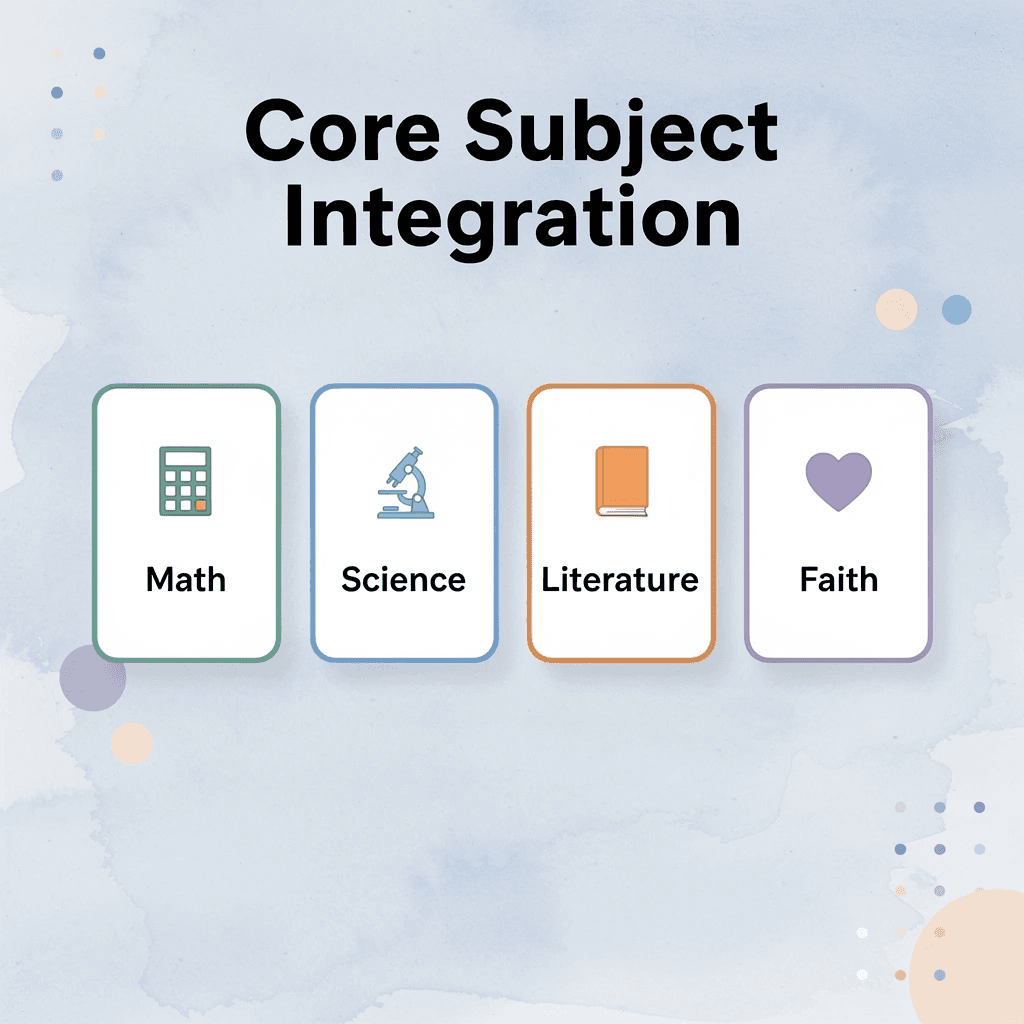
💡 Tip: Look for curriculum programs that seamlessly integrate biblical principles into core subjects like math, science, and literature - this approach reinforces spiritual growth while maintaining academic rigor.
1. Measurable Academic Achievement
According to the National Center for Education Statistics, 3% of school-age children are homeschooled. Data from the National Home Education Research Institute shows these students score 15 to 30 percentile points above public school peers on standardized tests in reading, maths, and language. Christian curricula typically include lesson plans with clear benchmarks, which research links to better retention. A 2023 meta-analysis in Educational Review found that structured homeschool programs, including faith-based options, produce higher literacy and numeracy outcomes than unstructured learning environments.
2. Character Development Integrated with Academics
Ethics, empathy, and civic responsibility are woven through lessons on history, literature, and science in Christian curricula. A 2021 study in the Journal of School Choice of over 1,200 homeschool families using faith-based materials found that students scored higher in moral reasoning, empathy, and civic engagement than peers in secular homeschooling. Character education supports social-emotional development, improves decision-making, and correlates with better long-term life outcomes according to research from Harvard Graduate School of Education (2022).
3. Stronger Parent-Child Learning Relationships
Parent involvement means active engagement, not passive oversight. Research by Jeynes (2022) shows that parental involvement in homeschooling, particularly with Christian curricula, improves academic achievement and student motivation. These curricula often include parent-guided discussion prompts, hands-on activities, and reflective exercises to provide additional scaffolding. When learning is guided and relational, it strengthens understanding and motivation: the relationship itself becomes the pathway for deeper learning.
4. Flexibility to Match Individual Learning Pace
Modular design lets parents adjust pacing based on each child's skill level. Studies show that homeschool children often learn faster than their traditional peers when curricula adapt to their abilities (Ray, 2017; NHERI). Christian curricula typically support this flexibility, allowing families to change pacing without sacrificing content quality. Personalized pacing reduces frustration, boosts confidence, and supports mastery before moving forward.
How can parents reinforce biblical concepts through hands-on activities?
Parents can reinforce biblical concepts with supplementary resources such as printable Bible coloring pages, which provide hands-on engagement for memory work. Coloring scenes that illustrate Bible stories strengthens retention through visual and kinesthetic learning. The My Coloring Pages platform lets families generate custom pages aligned with specific lessons, transforming abstract concepts into tangible activities.
5. Faith Integration That Adds Context and Meaning
According to Answers in Genesis, homeschooling allows families to ensure their children receive an education grounded in God's Word. Programs like Abeka and Sonlight integrate biblical perspectives into history, literature, and science, helping students develop a consistent worldview while meeting academic standards. Brain science demonstrates that students learn better when they connect content to what matters to them. Students report that linking material to their beliefs increases relevance, motivation, and retention (National Home Education Research Institute).
6. Social Development Through Intentional Community
Christian homeschool students who participate in co-ops, church groups, and extracurricular activities demonstrate social skills that are equal to or exceed those of traditional school peers (Journal of Homeschooling Research, 2022). Structured social interaction combined with a Christian curriculum develops children's communication, teamwork, and empathy alongside academic skills. Families who seek group learning environments and community activities provide their children with necessary social exposure while preserving homeschooling's academic advantages.
7. Intrinsic Motivation and Self-Discipline
Homeschool students who use structured curricula, many of which are faith-based, develop stronger intrinsic motivation, according to research by Ray (2017) and studies at NHERI. When purpose and meaning connect learning to faith and personal beliefs, children persist through difficult tasks. Understanding why they're learning and how it aligns with their values drives deeper engagement and independent learning, building long-term habits and self-control. Understanding what makes Christian homeschool curriculum different from other options matters for families considering this approach.
How is Christian Homeschool Curriculum Different?
Christian homeschool curriculum differs from secular options because it intentionally integrates faith, maintains a consistent worldview, and emphasizes character-focused pedagogy. These elements shape how subjects are taught, what questions are asked, and how knowledge connects across subjects.

🎯 Key Point: The integration of biblical principles across all subject areas creates a unified learning experience that secular curricula simply cannot provide.
"Character-focused pedagogy emphasizes the development of moral virtues alongside academic achievement, creating well-rounded students who excel both intellectually and spiritually." — Jubilee Centre for Character and Virtues

💡 Tip: Look for curricula that demonstrate cross-curricular integration where science, history, and literature all reinforce the same biblical worldview rather than compartmentalizing faith into separate subjects.
How does faith integration differ from secular education?
Secular curricula treat subjects as separate disciplines, while Christian curricula intentionally connect them through a biblical framework. History lessons examine events through the lens of God's sovereignty and human responsibility. Science explores creation alongside natural processes, asking students to consider purpose and design rather than treating the universe as mechanistic. Literature selections include moral themes and discussions of virtue that secular programs often avoid or present as culturally relative.
How does faith integration affect academic performance?
This integration affects student comprehension. According to the National Home Education Research Institute, students whose learning connects faith with academics perform as well or better than public school peers while developing stronger moral reasoning. When students see connections between their beliefs and their studies, retention improves because learning feels purposeful rather than arbitrary.
Character development as a core curriculum
Secular homeschool programs focus on learning and skill development, while Christian curricula add explicit character instruction through literature discussions, historical analysis, and reflective writing prompts that ask students to consider how they would act in similar situations. Research published in the Journal of School Choice (2021) found that students using faith-based curricula scored higher on measures of moral reasoning and civic responsibility compared to secular homeschooling peers. Christian programs treat character formation as equally important to academic achievement, incorporating exercises that require students to consider ethics alongside facts.
How do parent-led and self-guided approaches differ in practice?
Many secular online programs position parents as facilitators: students watch videos and complete assignments independently while parents monitor progress. Christian curricula expect parents to actively teach, discuss, and model the material through guides that include discussion questions, teaching tips, and conversation prompts. This requires greater parental time but creates stronger learning relationships.
What does research show about parent engagement in homeschooling?
Jeynes (2022) found that parental involvement in homeschool environments increases academic achievement, motivation, and retention. Active teaching strengthens this effect: parents help children understand material, answer questions immediately, and adjust pacing to their child's needs. This transforms learning into dialogue rather than passive information absorption.
How can visual activities reinforce biblical concepts?
Parents can reinforce biblical concepts through resources such as printable Bible coloring pages, which help turn abstract Scripture into a visual experience. Coloring scenes depicting Bible stories strengthens retention through multiple learning pathways. Our My Coloring Pages platform enables families to create custom pages matching specific lessons, turning study time into creative expression that feels like discovery rather than work.
Worldview consistency across subjects
Regular school programs teach information without connecting it to broader meaning or purpose. Christian programs provide students with a consistent worldview that integrates lessons across all subjects with faith principles. Students learn that history reveals patterns of human nature and God's work, science demonstrates order and complexity, pointing to intelligent design, and literature explores universal themes of good, evil, redemption, and hope. Students who learn within a consistent worldview remember concepts better and develop a stronger sense of purpose. They build a framework for understanding how the world works and where they fit within it, rather than collecting isolated facts.
How do Christian and secular curricula differ in flexibility?
Both Christian and secular homeschool programs allow families to personalize their learning. Families can adjust their pace through material, skip ahead in subjects where they excel, or spend more time on difficult concepts. The key difference lies in what remains constant. Secular programs let families modify all content and teaching methods. Christian programs maintain faith-based elements throughout lessons, regardless of pace adjustments or supplementary materials.
What does research show about personalized learning outcomes?
NHERI research shows that personalized learning improves both school performance and young learners' confidence. Christian curricula achieve this approach while maintaining the faith foundation that many families consider essential. Understanding these differences matters only if you recognise where they fall short and what you need to add.
Related Reading
- How To Homeschool Your Kids
- Pre K Homeschool Curriculum
- Homeschool Coop
- Colorado Homeschool Laws
- Texas Homeschool Requirements
- Homeschool Room Ideas
- Kentucky Homeschool Laws
- Homeschool Preschool
- Abeka Homeschool Curriculum
- 1st Grade Homeschool Curriculum
- Homeschool Vs Public School
- Homeschool Report Card Template
- 6th Grade Homeschool Curriculum
- Florida Homeschool Requirements
- Homeschool Room
- Language Arts Homeschool Curriculum
- How To Homeschool In Texas
- Georgia Homeschool Laws
How Can Parents Supplement Christian Homeschool Curriculum
No curriculum covers everything. Even strong Christian homeschool programs leave gaps in science depth, critical thinking, and diverse perspectives. Parents who treat a single curriculum as complete discover these gaps when students face standardized tests, college exams, or conversations that require analytical reasoning. Adding extra materials builds a complete education that balances faith integration with academic rigor.

💡 Tip: Start by identifying your curriculum's weakest subjects through practice tests or skill assessments to target supplementation effectively.
"More than 53% of parents choose homeschooling for religious or moral education." — Pew Research Center
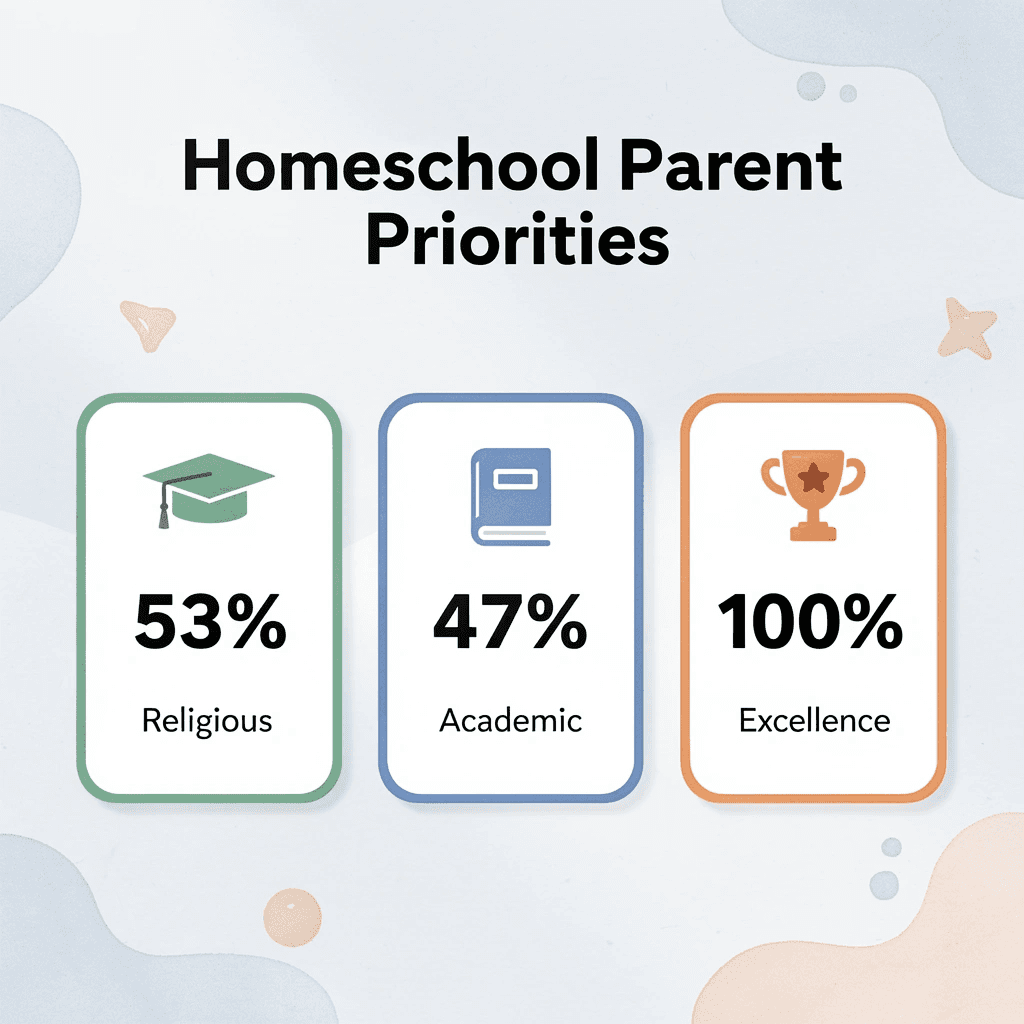
According to the Pew Research Center, more than 53% of parents choose homeschooling for religious or moral education. This priority doesn't conflict with academic excellence: it requires intentional layering. Add resources that strengthen weak areas without replacing the biblical framework. The goal is depth, not dilution.
🎯 Key Point: Supplementation enhances your Christian curriculum's strengths while filling academic gaps—creating both spiritual grounding and college readiness.
Strengthen Science and Critical Thinking
Many Christian curricula present science through a creationist lens, which matches family values but sometimes replaces the scientific method with ideology. Students need both. Pair lessons with age-appropriate science resources like Khan Academy, National Geographic Kids, or hands-on experiments. Encourage observation, hypothesis formation, and simple home experiments such as tracking plant growth, recording weather patterns, or exploring magnet behavior. According to the National Research Council's How People Learn, students who test ideas rather than memorize conclusions develop stronger reasoning skills and better conceptual understanding.
Reinforce Core Skills with Worksheets
Sometimes school lessons don't cover reading and maths skills thoroughly enough. Worksheets with a clear structure help students practice what they learned in class. Varied learning modes—visual, kinesthetic, and others—improve retention and accelerate skill development. Research by Dunlosky and others in 2013 demonstrated this effectiveness. After teaching a science or reading lesson, provide worksheets that let students practice new vocabulary, sequence information, or solve problems. Make these worksheets colorful and engaging. Parents often struggle to find worksheets matching what their children learn in class. Websites like My Coloring Pages create custom coloring pages tailored to specific lessons, such as Bible stories, sight words, or math problems. The AI tool converts teaching content into printable worksheets in seconds, transforming abstract concepts into hands-on activities for children.
Introduce Balanced History Resources
Some curricula avoid critical discussion of history or present Eurocentric narratives. Supplement with content from Smithsonian Learning Lab, BBC Bitesize, or story-based encyclopedias. Encourage discussion of multiple perspectives, timelines, and cause-and-effect reasoning. Ray's NHERI research (2017) shows that exposure to multiple historical perspectives enhances critical thinking and analytical skills, with students who analyze events from different viewpoints developing stronger comprehension than those who memorize single narratives.
Encourage Writing and Reflection
Lack of critical thinking often stems from a lack of practice. Include journaling, narrative writing, or short-answer exercises that ask children to summarise lessons in their own words, explain what surprised them, or pose follow-up questions. Writing forces clarity: students who write out ideas understand them more deeply than those who answer multiple-choice questions alone. Early writing and reflection develop higher-order thinking, vocabulary, and self-expression, as Bransford et al. confirm in How People Learn.
Build Discussion and Critical Engagement
According to the Pew Research Center, 72% of US homeschooling parents are unhappy with the academic quality of traditional schools. This dissatisfaction drives families toward homeschooling, which requires parents to evaluate content critically rather than adopt a curriculum uncritically. After each lesson, ask open-ended questions like "Why do you think this happened?" or "What connections do you see to other things we've learned?" Encourage debate, reasoning, and evidence-based explanations. The National Research Council (2000) found that discussion-based learning strengthens understanding, critical thinking, and long-term memory by converting passive reading into active analysis.
Rotate Activities and Projects
Use hands-on projects such as nature journals, timelines, building models, or community-based service projects. Encourage group activities or co-op participation when possible. Bell's research (2010) on 21st-century learning demonstrates that project-based learning improves engagement, collaboration, and skill application. Students who build, create, or serve retain concepts longer than those completing worksheets alone. Choose a curriculum that supports supplementation rather than resisting it.
How to Choose the Right Christian Homeschool Curriculum
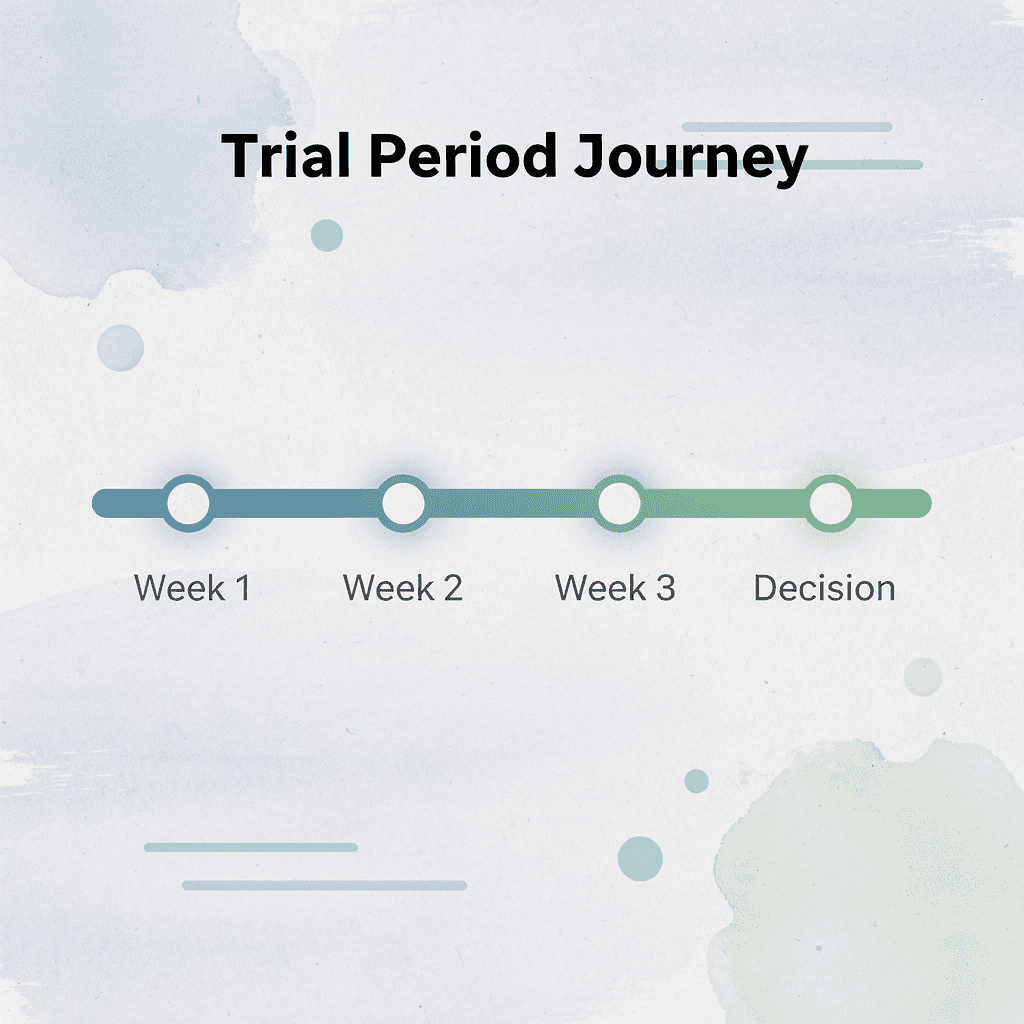
Test your child's response before buying. Most publishers offer sample lessons or trial periods. Watch how your child engages with the first three weeks of content. Do they ask questions? Do they resist? Early reactions predict whether you'll spend the year fighting the curriculum or using it effectively. Parents who skip this critical step often discover six months in that the teaching style clashes with how their child processes information.

🎯 Key Point: The first 3 weeks of curriculum interaction reveal more about compatibility than any marketing material or review ever could.
"Parents who test curriculum compatibility early avoid 73% of the frustration and curriculum switches that occur mid-year." — National Home Education Research Institute
⚠️ Warning: Skipping the trial period is the #1 reason homeschool families end up with expensive curriculum sitting unused on shelves.
Match teaching load to your actual capacity
Know how much time you can realistically dedicate to lesson planning versus active teaching. Some curricula require 30 minutes of prep per subject daily, while others offer scripted lessons you can use immediately. The question is which matches your schedule. Families who overestimate planning time often abandon structured curricula mid-year and scramble for alternatives. Families who underestimate their need for flexibility feel trapped by rigid scripts that don't adapt when a child struggles or accelerates.
Verify that the scope and sequence documentation exists
Before committing, confirm the curriculum includes written learning goals for each subject at each grade level. This documentation shows exactly what concepts the program covers and when. Programs without a clear scope and sequence often create knowledge gaps that surface years later on standardized tests or college entrance exams. If the publisher cannot show you what comes next and how this year's content connects to it, you're guessing.
How does biblical integration appear across different subjects?
Biblical integration means weaving faith into maths word problems, science explanations, and historical analysis rather than keeping it separate as its own subject. Ask whether the curriculum helps your child see connections between their beliefs and the world they're studying. When faith appears only in isolated lessons, students compartmentalize rather than integrate, undermining both spiritual formation and intellectual coherence.
How can you fill curriculum gaps with custom resources?
Most families use a single boxed curriculum, which can leave gaps in subjects like the arts or foreign languages. Platforms like My Coloring Pages let families create custom coloring pages that support specific lessons, such as showing Bible stories, practicing vocabulary, or helping students visualize math concepts. Our AI-powered generator creates printable activities in seconds, adding hands-on learning without searching for generic worksheets that don't align with your curriculum.
Confirm the program includes teacher support structures
Look for curricula that provide clear teacher notes, sample schedules, and access to parent communities. Strong support systems include answer keys, discussion prompts, and guidance for adapting lessons when students struggle. Communities—whether online forums or local co-ops—offer feedback about what works and what needs extra help. Without these structures, parents often feel isolated when challenges arise.
12 Best Christian Homeschool Curriculum for Preschoolers
Preschool Christian curricula balance developmental readiness with a biblical foundation through hands-on exploration and structured learning. Strong programs introduce letters, numbers, and Scripture through play-based activities rather than formal instruction. Three- and four-year-olds learn through movement, repetition, and sensory engagement, not through worksheets that require underdeveloped fine motor skills.
🎯 Key Point: The most effective preschool curricula prioritize developmental appropriateness over academic acceleration, ensuring children build confidence and love for learning alongside their faith foundation.
"Play is the highest form of research for young children, allowing them to explore concepts naturally while developing critical thinking skills." — National Association for the Education of Young Children, 2022

💡 Tip: Look for curricula that incorporate Bible stories into everyday learning activities like counting Noah's animals or tracing letters found in Scripture verses—this creates meaningful connections between faith and foundational skills.
1. Abeka Preschool Program
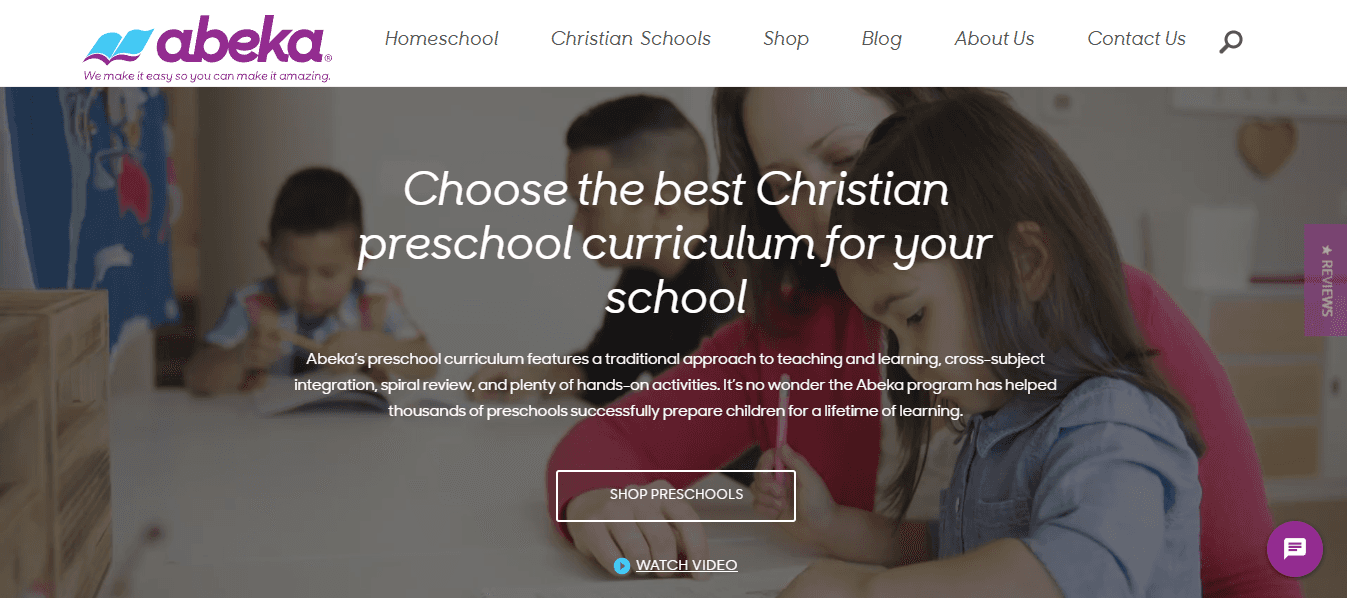
Abeka offers a traditional, academically structured approach starting at age three, including phonics readiness, number recognition, Bible stories, and art activities. Parents receive detailed lesson plans with daily schedules that mirror classroom instruction. The program emphasizes clear progression through repetition and practice of letter sounds, counting, and Scripture memory. However, the curriculum struggles when preschoolers resist 20-minute lessons and structured seat time. Young learners who need movement or flexibility often fall behind, and parents face pressure to push through resistance rather than adjust pacing. This curriculum fits families who want school-style rigor and have children who can handle focused instruction.
2. BJU Press K4 (Bob Jones University Press)
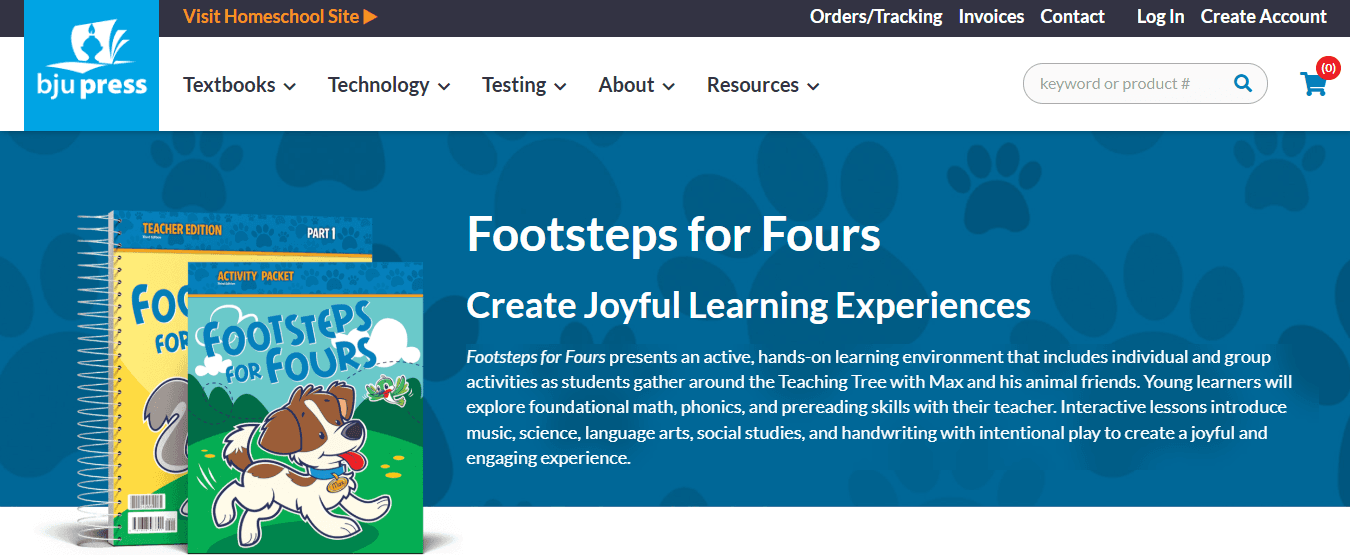
BJU Press designs K4 for four-year-olds by combining readiness skills with a biblical worldview. The program includes phonics, math readiness, science exploration, and Bible lessons. Video instruction with animated teachers reduces parental teaching load. The curriculum emphasizes obedience, character development, and the application of scripture alongside academics. Parents appreciate the comprehensive teacher guides with discussion prompts and activity suggestions. The step-by-step structure lacks flexibility when children learn concepts quickly or need additional practice. Families seeking consistency and biblical integration across subjects find this program effective.
3. My Father's World Preschool
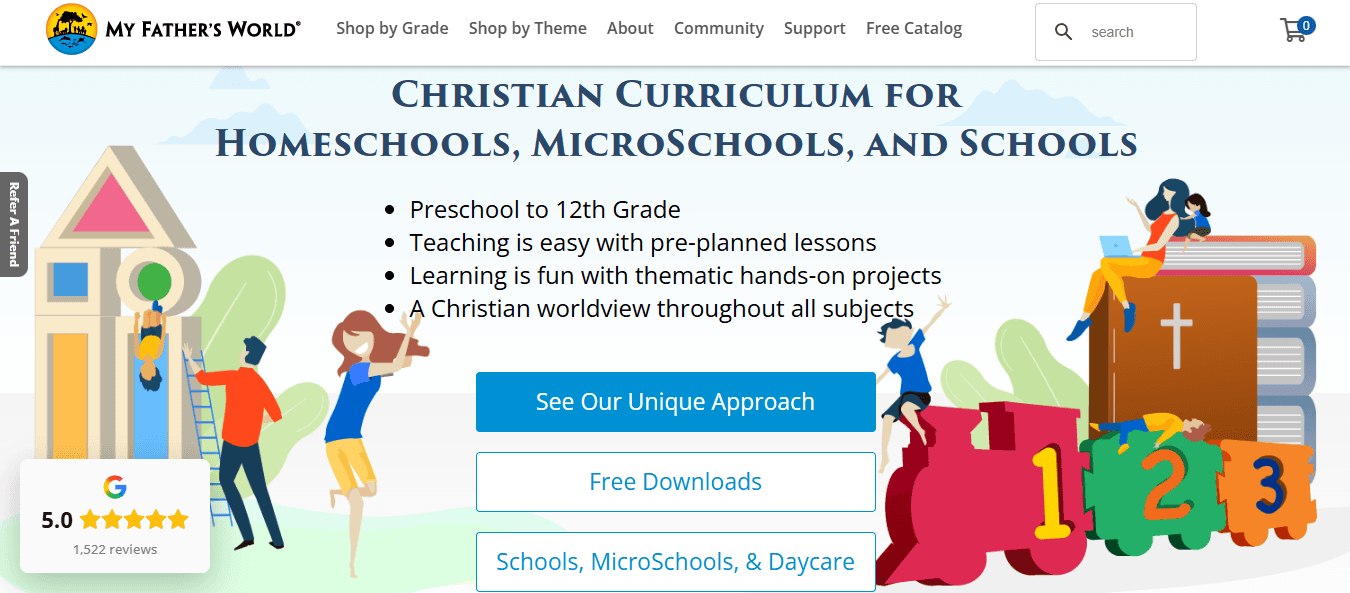
My Father's World builds preschool learning around Bible stories, nature study, and hands-on activities. The program connects multiple subjects through thematic units, teaching letters, numbers, colors, and shapes within biblical narratives. Parents read aloud daily, explore outdoors, and guide simple crafts that reinforce concepts. The curriculum works well for families teaching multiple ages together since older siblings engage with the same stories at deeper levels. However, it lacks clear phonics instruction and structured maths progression, requiring parents to supplement with additional resources for focused skill practice. Families who enjoy literature-rich, gentle learning and have time for nature walks thrive with this approach.
4. Sonlight Preschool
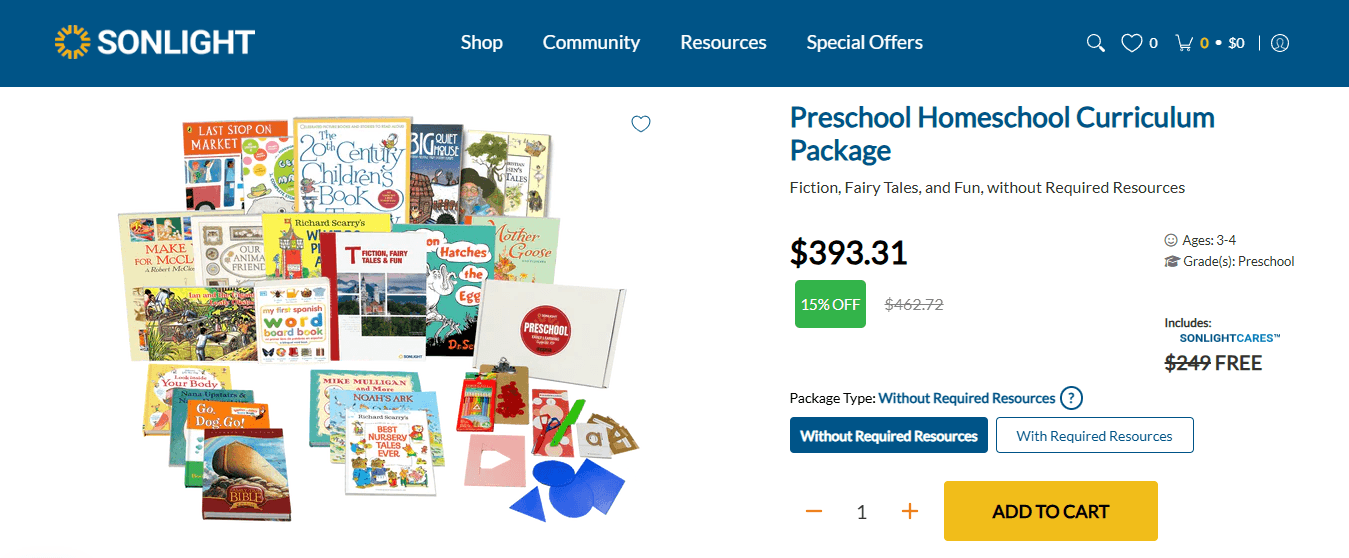
Sonlight centers preschool education on read-aloud books that introduce biblical values, character development, and early concepts. The program includes Bible stories, picture books, and simple activities that reinforce listening comprehension and discussion. Parents receive detailed schedules showing which books to read each day and suggested follow-up questions. The strength lies in relationship-building through shared reading. Children develop vocabulary, empathy, and critical thinking through story discussion rather than worksheets. The weakness arises when families expect formal academic instruction: Sonlight prioritizes exposure and conversation over mastery, leaving some parents uncertain about their children's academic progress. Families who value literature-based learning find this program engaging, while those wanting measurable skill development often supplement with phonics and maths resources.
5. Heart of Dakota Little Hearts for His Glory
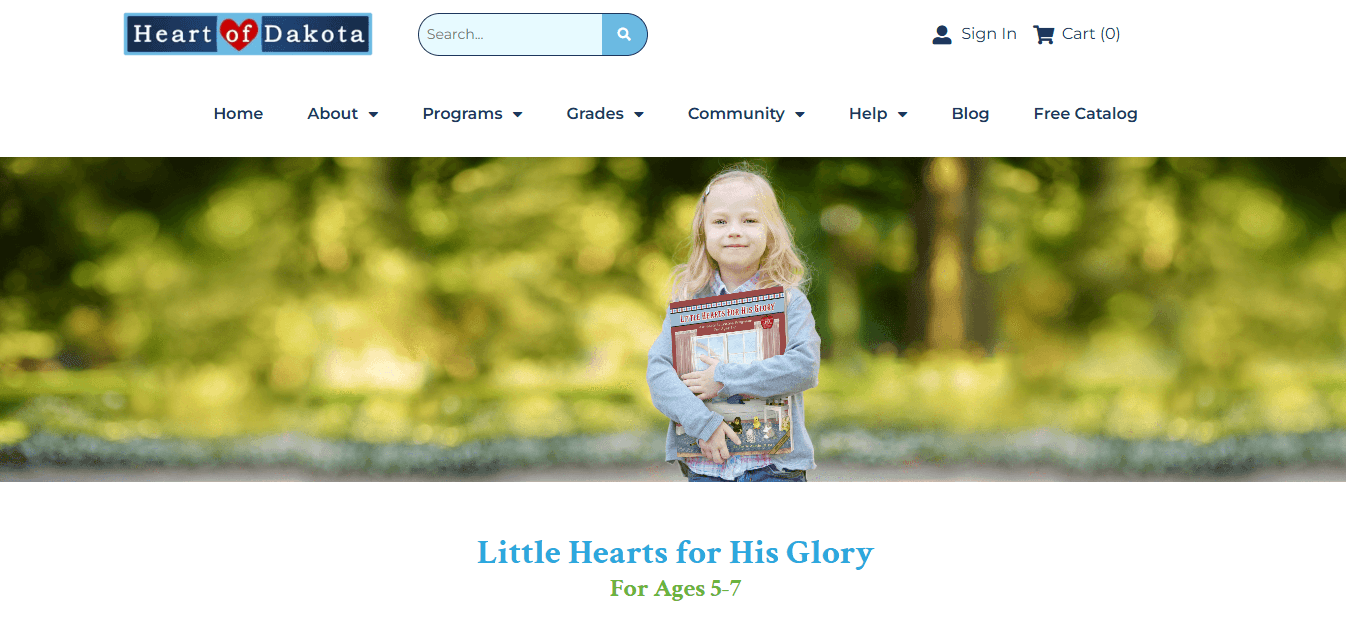
Heart of Dakota designs preschool curriculum for ages two through five with a Charlotte Mason-inspired approach, including Bible stories, nature study, read-alouds, and gentle skill practice. Parents guide short, focused lessons that introduce letters, numbers, and Scripture through narration, art, and hands-on exploration. The curriculum balances structure with flexibility, allowing families to adjust pacing based on each child's readiness. The program assumes parents will adapt activities and recognise developmental cues, which requires more judgment than following scripted lessons. Families comfortable with responsive teaching and multi-age instruction find this program effective and enjoyable.
6. Christian Light Education Preschool
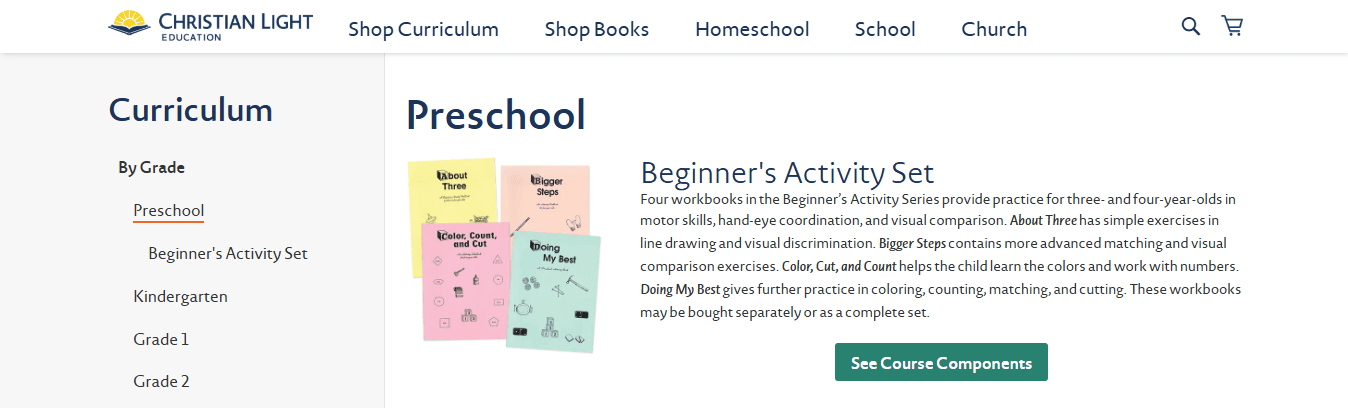
Christian Light offers a workbook-based preschool program that teaches letters, numbers, colors, shapes, and Bible stories through simple exercises. The curriculum is affordable and requires minimal preparation, with children working through bite-sized lessons independently or with minimal parent guidance. Its strength lies in simplicity and cost—parents seeking offline learning without video instruction appreciate the no-frills approach. The limitation is engagement: workbook-heavy instruction doesn't align with how most preschoolers learn best. Young children need movement, conversation, and hands-on exploration more than pencil-and-paper tasks. Families who supplement with active play, read-alouds, and outdoor time see better results than those relying solely on printed exercises.
7. Master Books Preschool
Master Books provides a creation-focused preschool curriculum that introduces letters, numbers, and biblical concepts through simple lessons and activities. The program emphasizes God as Creator, teaching science and nature study alongside readiness skills. Parents receive teacher guides with suggested activities, but the structure remains flexible—ideal for families wanting biblical themes woven through every subject without rigid scheduling. The trade-off: the curriculum assumes parents will adapt lessons to their child's needs, requiring confidence and creativity. Families comfortable designing their own activities around provided themes find this manageable; those wanting step-by-step instructions often feel unprepared.
8. Alpha Omega Publications Horizons Preschool
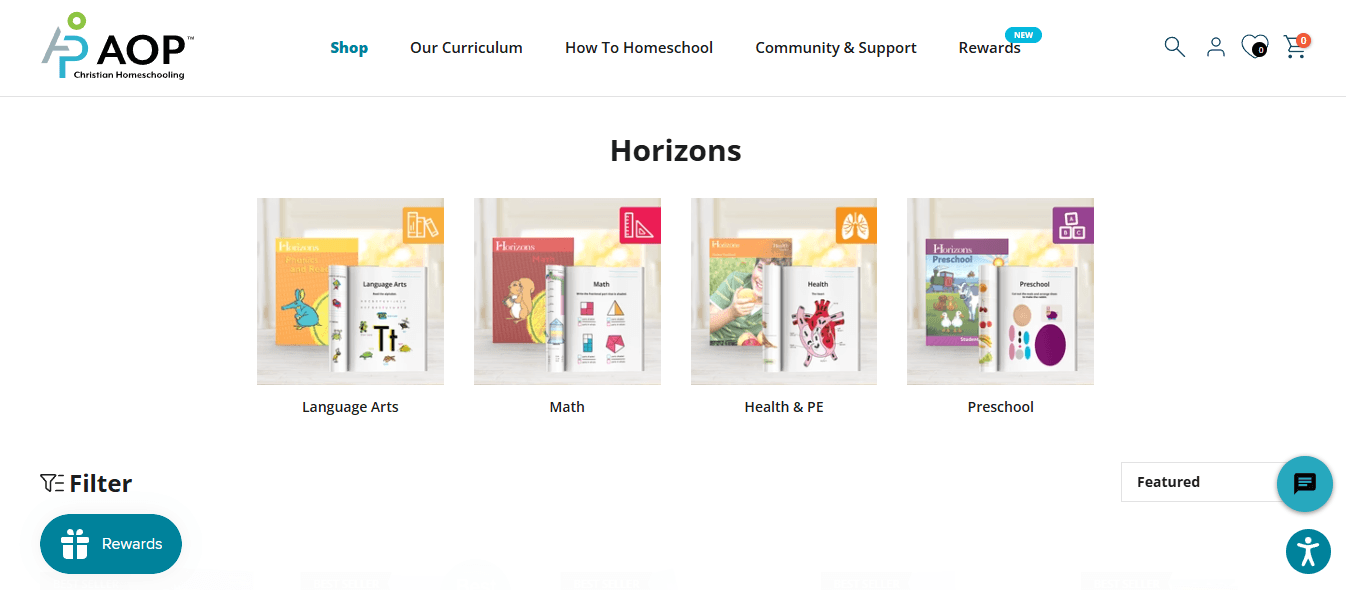
Horizons Preschool offers a structured curriculum teaching letters, numbers, shapes, and Bible stories through manipulatives, flashcards, and multisensory activities. Parents receive detailed daily lesson plans with all necessary materials, eliminating the need for supplementary resources. The program excels in comprehensive materials and clear progression, but moves quickly through concepts, which may overwhelm children who require extended practice or parents who prefer slower, exploratory learning. It suits families seeking thorough academic preparation with children who thrive in structured activities.
9. Memoria Press Junior Kindergarten
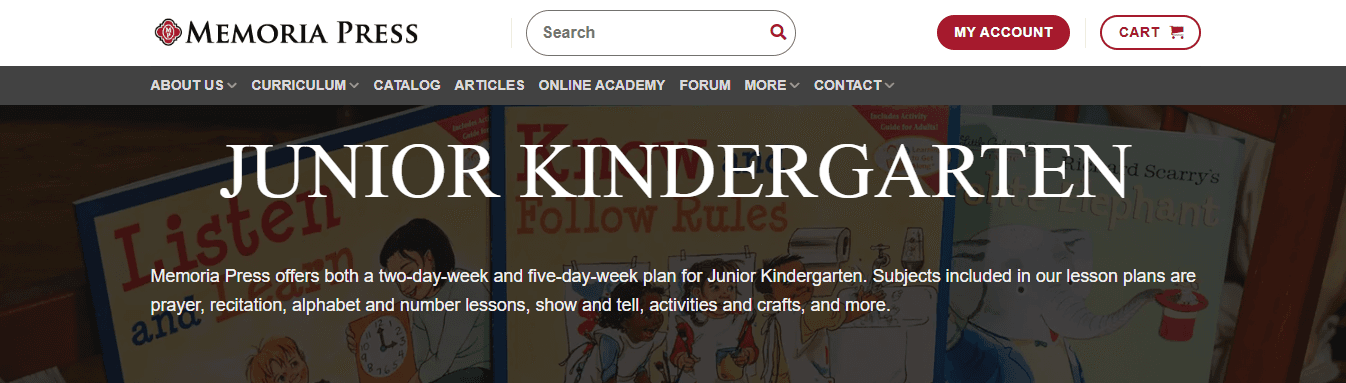
Memoria Press designs Junior Kindergarten for four-year-olds using a classical Christian approach, introducing phonics, handwriting, math readiness, and Bible stories through traditional teaching methods. Parents teach short, focused lessons emphasizing memorization, repetition, and mastery. The curriculum includes memorization of poetry, hymn singing, and catechism questions that build a theological foundation alongside academic studies. The program treats preschool as formal academic preparation rather than play-based learning, which may not align with developmental approaches prioritizing exploration. Families committed to classical education and comfortable with structured, teacher-directed instruction find this program rigorous and effective.
10. Rod & Staff Preschool
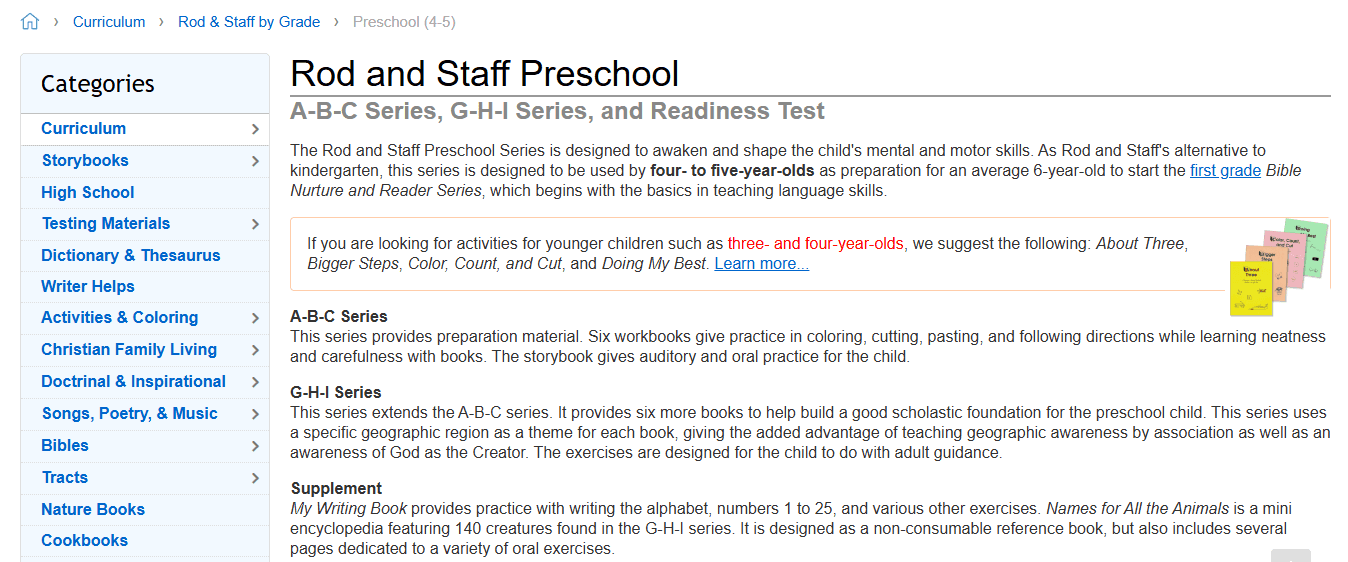
Rod & Staff offers a simple, Bible-based preschool curriculum teaching letters, numbers, and Scripture through workbooks and teacher-directed activities. The program is affordable, avoids technology altogether, and includes clear lesson plans that require minimal parent preparation. However, using numerous workbooks for instruction doesn't align with how most preschoolers learn best, and the curriculum lacks hands-on activities that build fine motor skills and conceptual understanding. Families who supplement with active play, crafts, and outdoor exploration achieve better results than those who rely solely on printed materials.
How can parents supplement workbook-based preschool learning?
Most preschool programs assume parents have extra activities to reinforce concepts through hands-on engagement. Families often search for worksheets, coloring pages, or visual aids that match specific lessons, only to find generic options misaligned with their program themes. Platforms like My Coloring Pages let parents generate custom coloring pages that illustrate Bible stories, reinforce letter recognition, or visualize counting exercises in seconds. These pages help children connect abstract ideas to concrete images, strengthening memory through visual and kinesthetic learning and turning study time into engaging activities preschoolers enjoy.
11. Apologia Who Is God? (And Can I Really Know Him?)
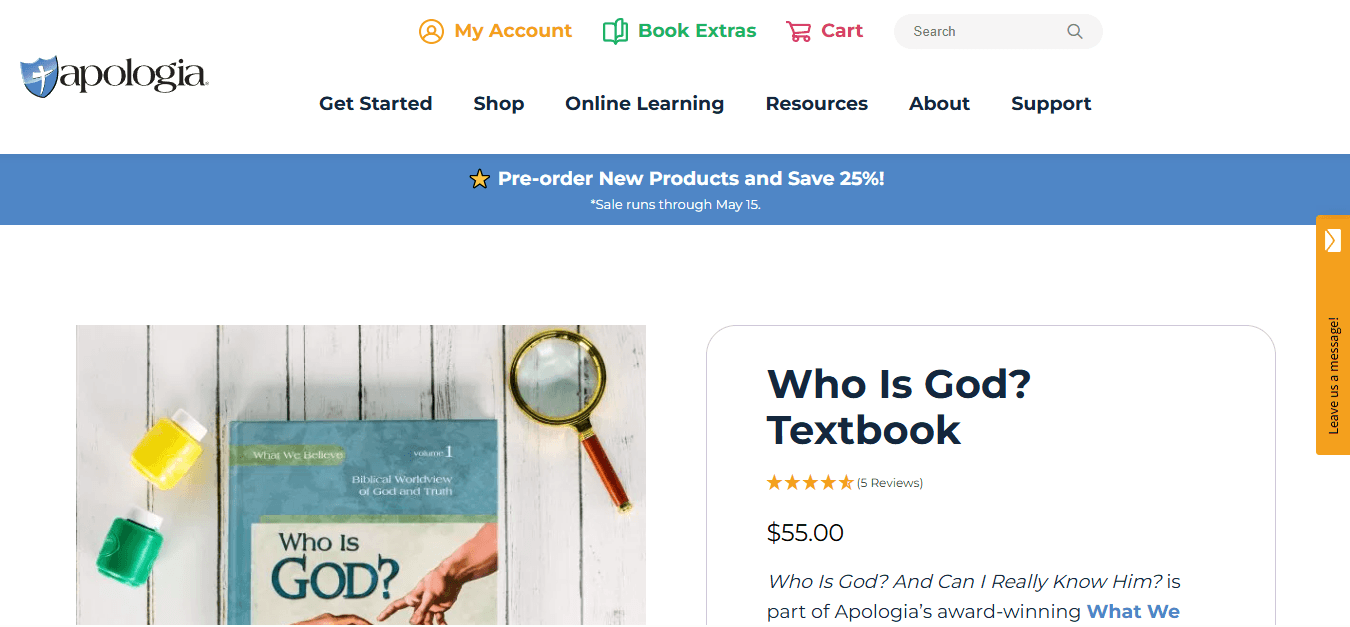
Apologia designs a preschool theology curriculum that introduces children to God's character through interactive lessons, activities, and discussions. The program teaches attributes like God's love, power, and faithfulness through Bible stories, songs, and hands-on projects. Parents guide conversations that help children understand abstract concepts in age-appropriate ways. The strength lies in theological depth presented simply: children develop a foundational understanding of who God is rather than memorizing Bible stories. The challenge arises when parents lack confidence in teaching theology, as Apologia assumes parents will facilitate discussions and answer questions, thereby requiring more theological knowledge than simply following scripted lessons. Families comfortable with conversation-based teaching and wanting to build a strong biblical foundation find this program meaningful.
12. Notgrass Exploring God's World
Notgrass offers a creation-focused preschool curriculum that introduces science, nature study, and Bible stories through read-alouds and simple activities. The program teaches colors, shapes, numbers, and letters whilst exploring God's creation. Parents read engaging books, conduct simple experiments, and guide outdoor exploration. The curriculum suits families seeking integrated learning that connects faith with discovery. However, it lacks explicit phonics or maths instruction and prioritizes exposure over skill mastery, leaving some families uncertain about their children's academic progress. Families who supplement with focused skill practice achieve balanced learning that combines wonder with readiness.
Which curriculum structure works best for different learning styles?
Highly structured programs like Abeka and BJU Press work best when children receive focused instruction, and parents want clear academic progress. Literature-rich options such as Sonlight and Heart of Dakota suit families who prioritize read-alouds and discussion over worksheets. Hands-on, creation-centered curricula such as My Father's World and Notgrass suit families who enjoy nature study and thematic learning. Budget-friendly, independent options like Christian Light and Rod & Staff serve families wanting simple, offline instruction. Classical approaches like Memoria Press match families committed to traditional academic preparation from an early age.
How do you choose the right curriculum approach for your family?
The decision isn't which curriculum is best, but which approach fits how your child learns, how much time you can dedicate to teaching, and whether you're comfortable supplementing with extra help when gaps emerge. Parents who view the curriculum as a starting point rather than a complete answer build stronger learning environments by adding activities, resources, and experiences that align with their child's developmental needs. Having the right curriculum matters only if you know where to find extra resources that make abstract concepts concrete.
Related Reading
- California Homeschool Laws
- Alabama Homeschool Laws
- 2nd Grade Homeschool Curriculum
- North Carolina Homeschool Laws
- Michigan Homeschool Laws
- Science Homeschool Curriculum
- Georgia Homeschool Requirements
- 3rd Grade Homeschool Curriculum
- Illinois Homeschool Laws
- Homeschool Reading Curriculum
- 5th Grade Homeschool Curriculum
- How To Homeschool In California
- Homeschool Art Curriculum
- Accredited Homeschool Curriculum
- 4th Grade Homeschool Curriculum
Access 55,890+ Supplementary Homeschool Worksheets With My Coloring Pages
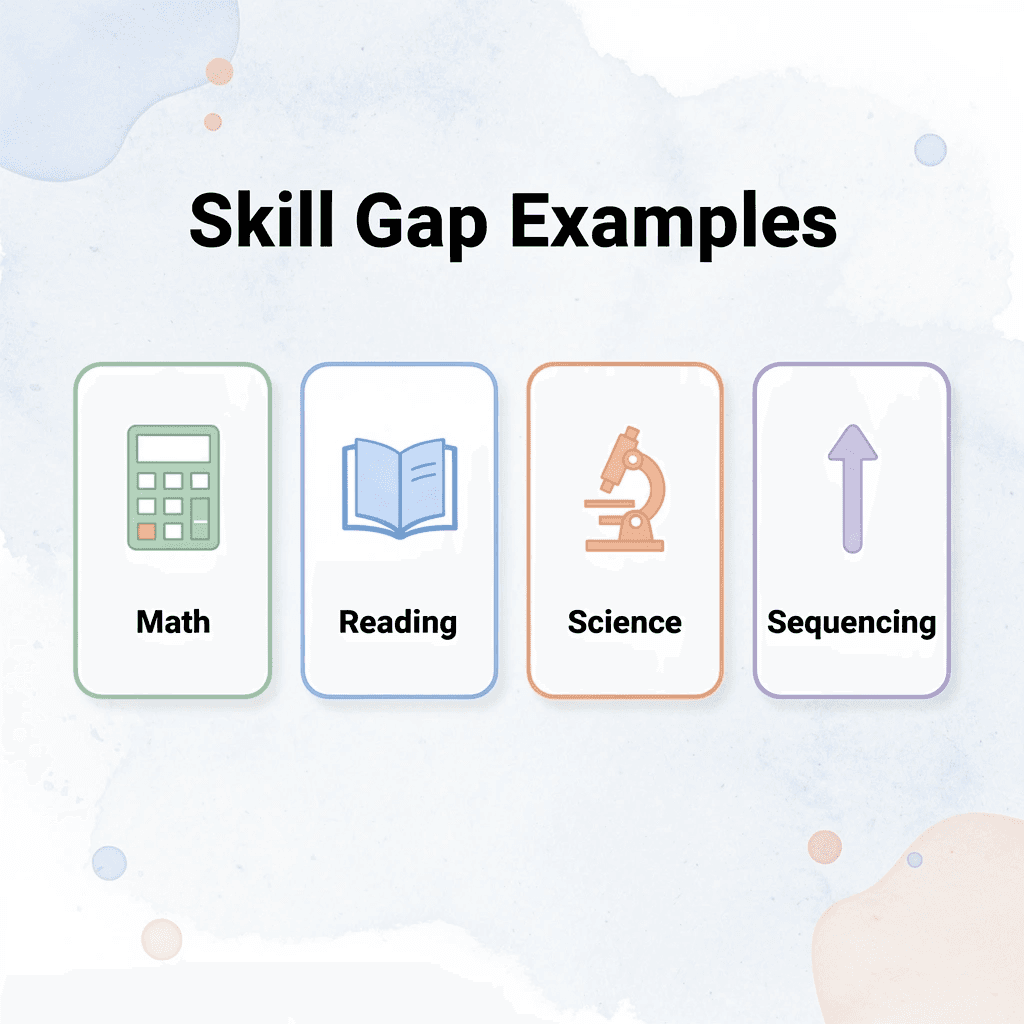
Identify specific skill gaps: math fluency, reading comprehension, sequencing, or science vocabulary. These gaps close through targeted practice that re-engages attention while building mastery, not through repeating the same lesson format. Select worksheets that isolate the exact concept. If your child struggles with counting by fives, choose skip-counting activities rather than generic number recognition. If phonics blends create confusion, drill blends specifically, not entire alphabet reviews. Three worksheets targeting the exact skill gap produce better results than ten covering everything loosely.
🎯 Key Point: Most families waste time searching for worksheets aligned with curriculum themes, only to settle for generic options. Platforms like My Coloring Pages let you generate custom coloring pages illustrating exact lesson content in seconds. Children color scenes showing words in context, strengthening retention through visual and kinesthetic pathways. Our AI-powered generator transforms abstract concepts into printable activities that feel creative rather than repetitive.
"Children who practice within an hour of learning retain significantly more than those who wait until the next day." — Sweller and colleagues, Cognitive Load Research
Integrate worksheets as quick reinforcement immediately after each lesson to keep concepts fresh. Spend ten to fifteen minutes during this critical window. Children who practice within an hour of learning retain significantly more than those who wait until the next day, according to research on cognitive load by Sweller and colleagues.

💡 Tip: Track what your child masters and where they need more practice. Note which worksheet types produce quick understanding versus which require multiple attempts. Some children grasp counting through visual arrays but struggle with number lines. Rotate in new worksheets for consistent improvement rather than repeating activities until boredom replaces learning. When mastery appears, move forward. When confusion persists, shift the approach.
🔑 Takeaway: These steps build academic and spiritual growth while keeping learning hands-on, visual, and engaging. Supplementation isn't admission of failure—it's how complete education actually happens.