
15 Educating Homeschool Resources for Children
Discover 15 proven homeschool resources to boost your child's learning at home. My Coloring Pages shares expert-tested tools and materials.


Finding quality homeschool resources that truly fit your child's needs can feel overwhelming, especially when you're juggling lesson planning, household tasks, and trying to make learning engaging. Your preschooler needs activities that match their learning pace, not generic materials from a distant classroom. The right worksheets and coloring pages can transform your homeschool experience from chaotic to manageable.
Instead of spending hours creating materials from scratch or settling for printables that miss the mark, parents need ready-made resources that keep children engaged while focusing on teaching. Quality alphabet practice sheets, number recognition activities, and themed coloring pages help build a homeschool environment where learning feels natural and exciting. To get started with engaging materials that work, download 55,890+ free coloring pages designed specifically for young learners.
Summary
- Homeschooled students typically score 15-30 percentile points higher than public school peers on standardized tests, according to the National Home Education Research Institute. This academic advantage is consistent across demographics, suggesting that personalized pacing and one-on-one attention lead to measurable learning gains. The pattern holds strong enough that colleges actively recruit homeschooled students, who demonstrate higher GPAs and stronger self-discipline once enrolled.
- Homeschooling families spend between $600 and $1,200 annually per child on curriculum materials alone, not counting lost income when one parent reduces work hours or stops working entirely. The financial reality compounds with time demands, as parents describe the administrative burden of curriculum selection, lesson planning, grading, and adapting to each child's learning pace as essentially accepting a full-time teaching position. Multiple children at different levels multiply this workload, requiring simultaneous instruction on fractions for one child while another needs guidance on essay structure.
- Social development requires the same intentional planning as academic curriculum, with 98% of homeschooled students participating in an average of 5 extracurricular activities per week. Traditional schools provide automatic peer interaction through classroom work and lunch periods, but homeschooling removes that default structure. Parents must actively create opportunities through sports teams, art classes, volunteer work, and community activities, which often require dedicated planning and incur additional costs beyond public school fees.
- During the 2022-23 academic year, 3.4% of K-12 students in the United States were homeschooled, representing families across income levels, geographies, and belief systems responding to concerns about classroom safety, teaching quality, or educational pacing. By 2024-2025, that figure rose to 5.4%, reflecting growing adoption among families who discovered that consistent routines and structured learning environments at home can produce better outcomes than institutional settings. This growth spans diverse motivations, with 83% of parents citing concerns about safety, drugs, and negative peer pressure.
- Consistent daily routines matter more than curriculum quality for maintaining focus and building discipline through repeated action rather than constant negotiation. When children wake up at the same time each day and complete small tasks like making their bed before lessons, they establish completion as the default state, creating mental momentum before academic work begins. The physical transition from sleep clothes to day clothes signals cognitive readiness, preventing the scattered attention that appears when children associate their learning space with leisure rather than concentration.
- My Coloring Pages addresses the resource alignment problem by allowing homeschool families to download 55,890+ free coloring pages or generate custom worksheets that match current lessons, keeping practice relevant to actual instruction rather than forcing children to complete generic materials disconnected from what they just learned.
Table of Contents
- Is Homeschooling Good for Children?
- Pros and Cons of Homeschooling
- Is Homeschooling Suitable For Your Child?
- 13 Tips to Homeschool Kids Effectively
- 15 Educating Homeschool Resources for Children
- “Stop Using Random Resources for Homeschooling, Match Them to What Your Child Is Actually Learning With My Coloring Pages"
- Stop Using Random Resources for Homeschooling, Match Them to What Your Child Is Actually Learning With My Coloring Pages
Is Homeschooling Good for Children?
Homeschooling can be effective for children when done with structure, consistency, and access to quality resources. Success depends on whether the setup matches the child's individual needs and the family's ability to provide quality education.

🎯 Key Point: The effectiveness of homeschooling isn't determined by the method itself, but by how well it's implemented and whether it aligns with your child's learning style and family circumstances.
"The success of homeschooling depends heavily on parental commitment, structured curriculum, and access to educational resources that match the child's developmental needs." — Educational Research Foundation

💡 Best Practice: Before choosing homeschooling, evaluate your family's capacity to provide consistent instruction, maintain educational standards, and ensure your child has opportunities for social interaction and extracurricular activities.
Academic Performance Tells a Clear Story
According to the National Home Education Research Institute, homeschooled students typically score 15-30 percentile points higher than their public school peers on standardized tests. This pattern holds across different groups, suggesting that personalized pacing and one-on-one attention create measurable academic advantages. Colleges actively recruit homeschooled students who demonstrate independence, self-discipline, and higher GPAs upon enrollment.
Socialization Happens Differently, Not Poorly
The fear that homeschooled children lack social skills misunderstands where meaningful interaction happens. These students participate in community groups, sports teams, and volunteer work, developing communication skills across different age groups rather than only with peers their own age. Research from Harvard Graduate School of Education indicates they often show stronger self-confidence and better communication with adults because their social experience extends beyond school settings.
Execution Quality Determines Everything
Poorly structured homeschooling creates gaps, much like under-resourced traditional schools fail students. Results improve when families treat homeschooling as a serious educational commitment with a consistent curriculum and adequate resources. This execution problem spans all educational models. For families building engaging learning environments at home, tools like My Coloring Pages provide quick access to educational printables that support curriculum themes without requiring design skills or extensive preparation.
What are the real barriers to homeschool success?
The idea that homeschooling automatically hurts children ignores what Pew Research Center found: 3.4% of K-12 students in the United States were homeschooled during the 2022-23 school year, representing families across different income levels, locations, and belief systems. Many families are responding to genuine concerns about classroom safety, teaching quality, or educational pacing. When traditional schools force teachers to teach toward struggling students, advanced learners stagnate. When discipline policies fail to stop violence and disruption, learning becomes impossible for everyone.
How do families navigate difficult homeschool decisions?
But knowing homeschooling can work doesn't mean it always should. This tension creates difficult decisions for every family.
Related Reading
- Homeschool
- Easy Peasy Homeschool
- Homeschool Curriculum
- Homeschool Math Curriculum
- Online Homeschool Curriculum
- Homeschool Resources
- Best Homeschool Programs
- Free Homeschool Curriculum
- Online Homeschool Programs
- Homeschool Schedule
- Best Homeschool Curriculum
- Accredited Homeschool Programs
- How To Homeschool
- Christian Homeschool Curriculum
- Homeschool Planner
- Time For Learning Homeschool
- Homeschool History Curriculum
- K12 Homeschool
- Kindergarten Homeschool Curriculum
Pros and Cons of Homeschooling
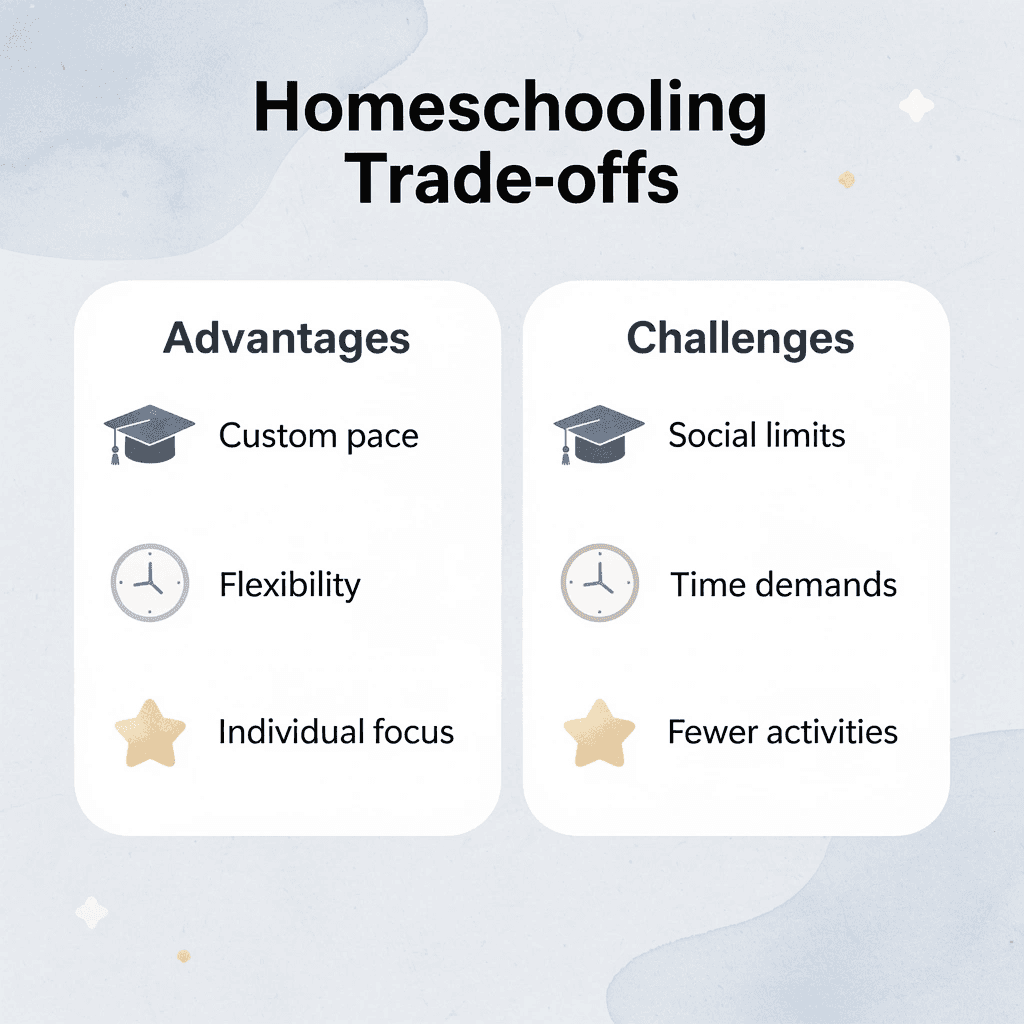
Homeschooling has genuine benefits when pursued in a structured way, but it requires sacrifices that accumulate over time. Understanding both the advantages and drawbacks honestly matters more than making optimistic assumptions or defensive justifications.
Pros of Homeschooling | Cons of Homeschooling |
|---|---|
Personalized learning pace | Limited social interaction |
Flexible scheduling | High parental time commitment |
One-on-one attention | Reduced extracurricular options |
Custom curriculum choices | Financial strain on families |
Safe learning environment | Parent burnout potential |
🎯 Key Point: The biggest factor in homeschool success isn't the curriculum or resources—it's the parent's ability to maintain consistent structure and motivation over multiple years.
"Homeschooled students typically score 15-30 points higher on standardized tests, but this advantage often reflects family commitment rather than the homeschooling method itself." — National Home Education Research Institute, 2023
⚠️ Warning: Many families underestimate the social planning required for homeschooling. Regular social activities and group learning opportunities don't happen automatically—they require intentional effort and ongoing coordination.

Freedom to Design Your Child's Day
You control the schedule, curriculum, and environment. If your child learns better at 10 a.m. than 7 a.m., you start later. If they need three weeks on fractions instead of one, you take that time. According to Brighterly's homeschooling research, 83% of parents cite concerns about safety, drugs, and negative peer pressure as motivation for homeschooling. You're not constrained by institutional pace. This flexibility includes practical skills most schools skip: cooking, budgeting, carpentry, and gardening. Learning occurs during a Tuesday morning museum visit or while volunteering at a food bank.
The Workload Doesn't Pause
You're now responsible for picking the curriculum, planning lessons, grading work, and adjusting to each child's learning pace while managing household responsibilities and younger children. Parents report struggling to find time for basic self-care, exercise, or personal interests. The administrative burden of organizing schedules and preventing educational gaps demands constant effort.
How does teaching multiple grade levels impact families financially?
When you have multiple children at different grade levels, you might be teaching fractions to one child while helping another with essay writing. Ready-made curriculum packages reduce some work, but you still need to customize lessons and spend many hours each week planning. Usually, one parent must work fewer hours or stop working entirely. According to Coalition for Responsible Home Education data, this costs families between $600 and $1,200 per child per year for materials alone. This does not account for lost income from a parent leaving the workforce.
How does constant togetherness strengthen family bonds?
Spending more time together builds stronger bonds between parents and children. You witness every breakthrough, frustration, and moment of curiosity. Siblings learn to collaborate rather than compete for attention. Field trips, projects, and daily lessons become shared experiences that create lasting memories.
What challenges arise from constant proximity in homeschooling?
But constant proximity can cause problems. Families report feeling trapped when everyone shares the same space all day. Children need to see you as both a parent and a teacher, and to have boundaries that regular school structures provide. Some families schedule activities simultaneously to give the teaching parent uninterrupted personal time, while others join co-ops weekly for socializing outside the home.
Social Opportunities Require Intentional Effort
Traditional schools provide built-in social opportunities through classroom work, lunch periods, assemblies, and extracurricular activities. Homeschooling removes this structure, requiring parents to create social opportunities through sports teams, art classes, volunteer work, and homeschool groups. This demands careful planning and often incurs additional costs. The idea that homeschooled children lack social skills misses how interaction develops. These students communicate with people of different ages, not just peers, and participate in community activities where real-world social dynamics occur. Parents must actively build these opportunities rather than relying on institutional structures.
Is Homeschooling Suitable For Your Child?
The answer depends on whether your family structure, resources, and daily reality can support it. Some children thrive with personalized pacing and quiet learning environments. Others need the structure, peer interaction, and external accountability that traditional schools provide. You're choosing between two valid models with different requirements for success.

🎯 Key Point: There's no universal "right" choice - only what works best for your specific child and family circumstances.
"Homeschooling success depends more on family commitment and resources than on the child's academic ability alone." — National Home Education Research Institute
⚠️ Warning: Don't let idealistic expectations overshadow the practical realities of daily homeschool life - it requires significant time, energy, and financial planning.
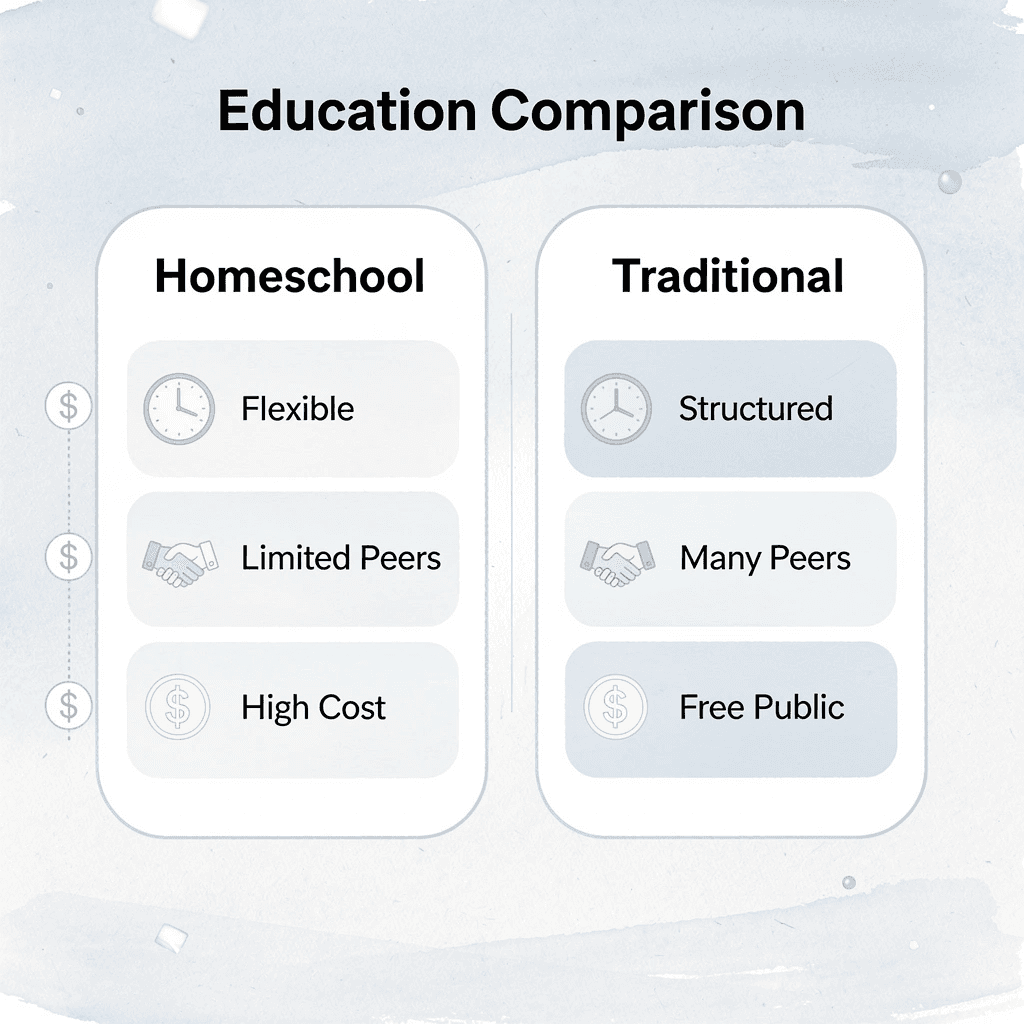
Factor | Homeschooling | Traditional School |
|---|---|---|
Schedule Flexibility | High | Low |
Peer Interaction | Limited | High |
Parental Time Required | 3-6 hours daily | 1-2 hours daily |
Cost | $500-3000/year | Free (public) |
Customization | Complete | Limited |
How does your daily schedule impact homeschool success?
Homeschooling requires at least one parent to be present daily for teaching, lesson planning, grading work, and handling paperwork. These tasks demand even more time with multiple children in different grades. According to data from the National Center for Education Statistics, 6% of school-age children were homeschooled in 2023, representing families who restructured their entire daily routines around education. Most parents significantly reduced their work hours or stopped working entirely. If your job requires full-time work or your family cannot afford the loss of income, the plan collapses.
What time commitment does homeschool teaching require?
The commitment extends beyond teaching time: sourcing materials, revising lessons when approaches fail, and monitoring progress against state requirements. Families describe this as taking a full-time teaching job with no breaks during the school year. The ability to start lessons at 10 a.m. instead of 7 a.m. matters less when you must ensure students understand fractions, essay writing, and the scientific method across multiple subjects simultaneously.
How does your child's learning style affect homeschool success?
Some children thrive with external structure, classroom routines, assignment deadlines, and peer accountability. Others struggle in crowded classrooms where instruction moves too fast or too slow. If your child thrives on independence, self-directed exploration, and one-on-one attention, homeschooling offers advantages that traditional schools cannot match. If they need separation between parent and teacher roles or require external accountability to stay motivated, homeschooling will be frustrating for everyone.
What role does personality play in homeschool planning?
Personality complicates this further. Children who seek social interaction need planned opportunities through co-ops, sports teams, community theatre, or volunteer work—each of which requires extra planning, transportation, and money. Children comfortable with solitude adjust more easily to home learning, but even they need regular group exposure and exposure to diverse viewpoints.
How does curriculum selection impact educational quality?
Choosing a curriculum determines whether your child receives a complete education or develops knowledge gaps that emerge years later. Pre-packaged homeschool curricula cost between $600 and $1,200 annually per child, according to research from the National Home Education Research Institute, which found homeschooled students score 15-30 percentile points above public school students on standardized tests when families maintain consistent curriculum standards.
Making your own curriculum offers flexibility but requires many hours of research and planning each week to ensure you cover all required material at the right depth. You're competing against credentialed teachers with formal training and school resources. This demands an honest assessment of your own educational background and willingness to keep learning teaching methods.
How can parents bridge instructional skill gaps?
Parents can close this gap by taking educational workshops, seminars, and online courses that strengthen their teaching across subjects, including those in which they have limited knowledge. Your confidence and knowledge directly affect how well your child learns when explaining algebra or helping them write a research paper. Families that treat homeschooling as ongoing professional development see better results than those who rely on parental love without developing strong teaching skills. Knowing whether homeschooling is right for your situation still leaves the harder question: how do you make it work day after day without burning out?
Related Reading
- Homeschool Vs Public School
- Georgia Homeschool Laws
- How To Homeschool In Texas
- Homeschool Preschool
- Florida Homeschool Requirements
- 6th Grade Homeschool Curriculum
- Homeschool Coop
- Language Arts Homeschool Curriculum
- Homeschool Room
- How To Homeschool Your Kids
- Homeschool Report Card Template
- Colorado Homeschool Laws
- Pre K Homeschool Curriculum
- Abeka Homeschool Curriculum
- Texas Homeschool Requirements
- Kentucky Homeschool Laws
- 1st Grade Homeschool Curriculum
- Homeschool Room Ideas
13 Tips to Homeschool Kids Effectively
Homeschooling needs systems that work even when you don't feel like doing it, structure that keeps things organized without rigidity, and habits that sustain momentum. These thirteen approaches help families solve the problems they face as they turn their educational ideas into everyday action.
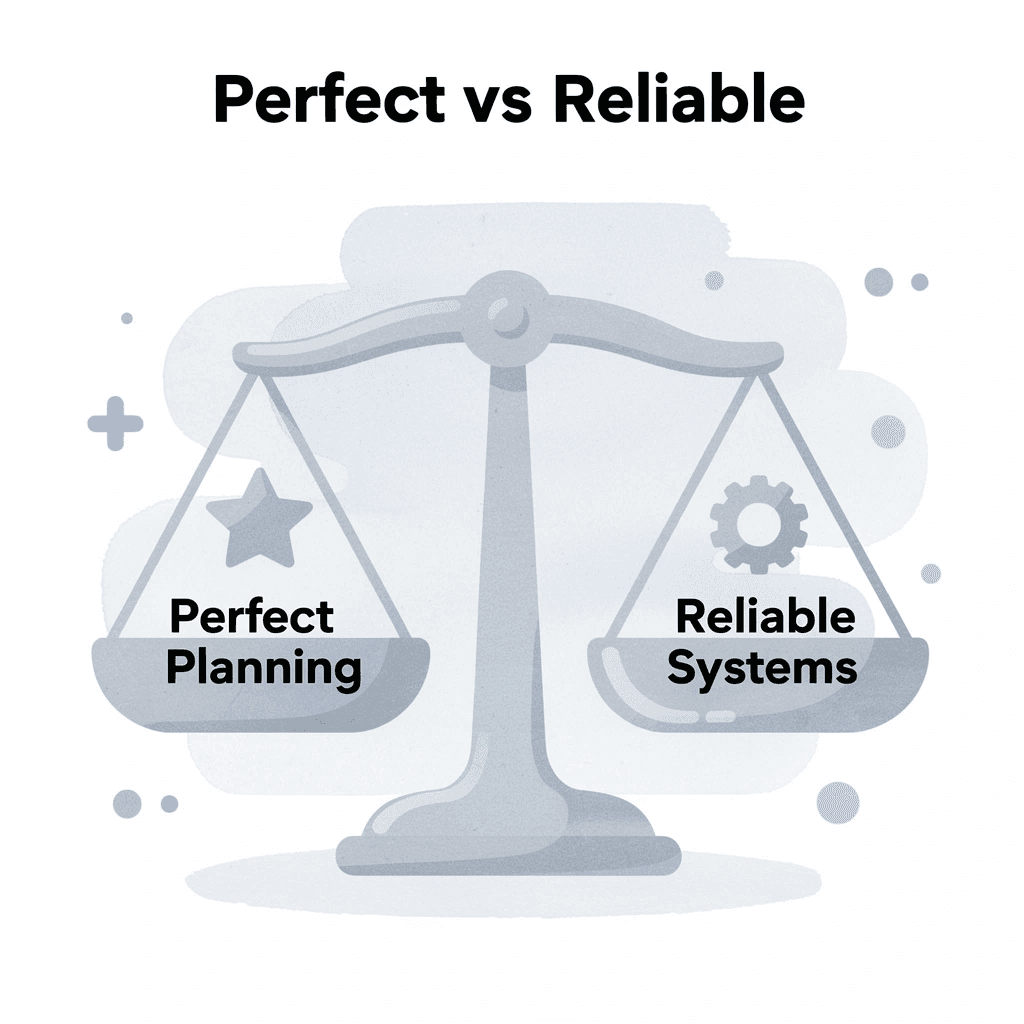
🎯 Key Point: The difference between successful and struggling homeschool families isn't perfect planning—it's having reliable systems that function during both good days and challenging ones.
"Consistency beats perfection when it comes to homeschool success. Families who focus on sustainable daily habits rather than elaborate lesson plans see better long-term results." — National Home Education Research Institute
💡 Tip: Start with one system at a time rather than trying to implement everything at once. Master the basics before adding complexity to your homeschool routine.
1. Build Routines That Actually Stick
Consistent wake-up and bedtime times matter more than most families expect. According to Johns Hopkins Homeschool Research Lab via Brighterly Blog, 5.4% of children in the US received homeschool instruction in 2024-2025, representing families who discovered that routine creates the psychological container children need to focus. When your child wakes at the same time on weekdays and weekends, their body prepares for learning mode. Unpredictable bedtimes worsen focus by mid-morning, regardless of the quality of the curriculum.
How does starting with small completed tasks build discipline?
Starting each day with a small completed task builds discipline through action rather than lecture. Making the bed takes ninety seconds but establishes completion as the default state, creating mental momentum before academic work begins. One parent described this as "the difference between dragging through fractions and moving through them with purpose."
Why should children get dressed before homeschool lessons begin?
Eating breakfast and getting dressed before lessons signals that your child is ready to learn. Changing out of sleep clothes into day clothes helps shift your child from relaxation mode into focus mode. Skipping this step may cause your child to struggle with concentration all morning, as their brain never switches into learning mode.
2. Communicate With Precision, Not Just Frequency
Morning planning conversations clarify what success looks like for each task and help you spot possible problems before they become excuses. Go through the day's to-do list together so your child knows exactly what "finish the science chapter" means: reading, taking notes, and practicing problems.
Why are end-of-day reviews more effective than punishment?
End-of-day reviews create accountability without punishment. Ask what they learned, not what they completed. Completion without understanding creates knowledge gaps that worsen over months. When children explain concepts back to you, gaps show up immediately instead of appearing later on assessments. Praise specific effort, not generic "good job" statements.
What should you focus on when contacting teachers or tutors?
Talk with teachers or tutors about patterns, not individual assignments. Ask what concepts students typically struggle with at this grade level, then watch for those specific difficulties in your child's work. Children rarely say when they're confused—they say they're fine, then avoid the subject entirely. Targeted questions based on common struggle points reveal issues before they become permanent gaps.
3. Design Space That Reduces Friction
A dedicated learning space eliminates daily negotiation about where school happens. This doesn't require a separate room: a consistent location with a proper chair, adequate lighting, and minimal visual distraction suffices. When your child sits there, their brain associates it with focus. Working at the kitchen table surrounded by breakfast dishes fragments attention automatically.
How do you minimize distractions in the learning environment?
Keeping toys, phones, and screens in a different place stops the constant pull toward entertainment. Willpower weakens throughout the day, so expecting children to resist visible temptations depletes mental energy needed for learning. App blockers and parental controls accomplish this automatically, avoiding repeated arguments.
What layout considerations work best for homeschool families?
Location matters beyond the space itself. If you need to sit with your child during certain subjects, that space must accommodate both of you without feeling crowded. For multiple children at different levels, you should be able to see between learning areas to monitor progress without hovering. Storage for materials, finished work, and paperwork keeps everything within reach without cluttering the space.
4. Organize Systems, Not Just Materials
Tracking important dates in a shared calendar prevents last-minute discoveries of test deadlines. Include tests, field trip opportunities, co-op meetings, and project due dates. Digital calendars with reminders or physical wall calendars both work; consistency matters more than format.
Why do daily attendance records matter for homeschool compliance?
Daily attendance records are essential for state homeschool requirements and college applications. Recording them as you go takes thirty seconds per day; reconstructing them months later creates errors that cause compliance problems. Binder systems organized by subject prevent completed work from disappearing into random piles and making progress tracking impossible.
Where should homeschool administrative paperwork be stored?
Administrative paperwork needs its own designated space separate from curriculum materials. Keep registration documents, correspondence with educational authorities, assessment records, and receipts for educational expenses in one accessible location. Mixing these with daily lesson plans wastes hours searching for critical documents during time-sensitive situations.
5. Schedule Breaks Based on Attention Capacity
Younger children need movement breaks every ten to fifteen minutes because their attention span hasn't developed for sustained focus. Pushing past this limit creates frustration that makes them resist learning. Older children and teenagers can sustain forty-minute blocks, though they still need clear stopping points rather than endless sessions.
What type of break activities work best for learning?
Moving your body during breaks is more helpful than sitting and resting. Walking, running, or playing games increases blood flow and oxygen to your brain. Spending time outside provides sensory experiences unavailable indoors.
How do nutrition and scheduling affect homeschool concentration?
Eating healthy snacks throughout the day prevents sudden drops in blood sugar that impair focus. Hunger triggers irritability and mental fog that willpower cannot overcome. Some families maintain traditional school schedules, while others adjust timing to match their child's peak performance hours. Both approaches work if practiced consistently.
6. Create Social Opportunities Intentionally
Homeschooled children miss the automatic peer interaction that occurs in cafeterias, hallways, and group projects. You must build those opportunities through sports, arts programs, volunteer work, or community activities. According to Brighterly Blog, 98% of homeschooled students participate in an average of 5 extracurriculars per week. Social development requires the same planning as an academic curriculum.
What types of activities provide the best social contexts?
Different activities provide different social settings. Team sports teach teamwork and the management of competitive pressure. Art classes expose children to creative peers with shared interests. Volunteer work builds communication skills across age groups and broadens perspective beyond their immediate world. Martial arts develop discipline and respect within structured hierarchies. Social competence requires navigating multiple settings, not one.
How does regular scheduling help build lasting friendships?
Regular scheduling prevents social interaction from becoming something you'll "get to eventually." When activities occur at the same time each week, they become routine rather than special events that require constant planning. This consistency helps children build genuine friendships rather than surface-level acquaintances with people they see unpredictably.
7. Connect With Other Homeschooling Families
Local homeschool groups help parents support each other while giving children opportunities to spend time with peers. When you meet with families facing the same challenges, you feel less alone. You can discuss curriculum frustrations, scheduling strategies, and compliance questions with people who understand your situation, while your children interact with peers.
What benefits do online homeschooling communities offer?
Online homeschooling communities offer a wider perspective than local groups alone. Different regions and families solve problems in different ways, exposing you to varied approaches and connecting you with families who have already faced your challenges.
Why should you share struggles with other families?
Every problem you're facing has already been solved by someone else. The questions you're afraid to ask are questions that dozens of other families need answered, too. Being honest about struggles creates space for others to share solutions that work rather than perfect versions that fail in real life.
8. Set Goals That Create Momentum
Goal-setting works when it follows the SMART framework: Specific, Measurable, Attainable, Relevant, and Time-bound. "Learn to read better" fails to meet these criteria. "Read three age-appropriate chapter books on your own by the end of this semester, demonstrating comprehension through discussion" succeeds because it allows you to track progress, establishes a clear deadline, and defines success precisely.
Why should goals span multiple life categories?
Breaking goals into categories—school, physical fitness, creative, and social—prevents everything from collapsing into a single academic checklist. This approach teaches children that growth happens across multiple dimensions simultaneously, not just in subjects that appear on transcripts.
How does child ownership transform goal achievement?
Goals should belong to the child, not the parent. When you impose goals that matter to you but not to them, motivation disappears. Help them identify what they want to achieve, then structure those desires into measurable targets. Ownership creates persistence that external pressure cannot generate.
9. Build Reward Systems That Actually Motivate
Rewards that match task difficulty teach the relationship between effort and results, mirroring the real world. For example, completing daily maths practice might earn fifteen minutes of screen time, while finishing a challenging research project might earn a trip to their favorite activity. Learn more about effort-to-outcome relationships.
Why use screen time as a reward rather than an assumed right?
Using screen time as a reward rather than an automatic entitlement helps control consumption and creates positive motivation to finish tasks. Children learn that entertainment follows the completion of work, not precedes it. This builds work habits they will carry into adulthood.
What non-material rewards prevent purely transactional systems?
Rewards should include non-material options: extra park time, choosing dinner, picking the next family movie, and staying up thirty minutes later on weekends. Variety prevents the system from becoming transactional while teaching that value comes in multiple forms.
10. Understand Legal Requirements Completely
State homeschool regulations vary dramatically: some require specific curricula, testing, and record-keeping, while others allow almost complete freedom. Researching your jurisdiction's specific rules is essential, as assuming you know them can create compliance problems that force you back into traditional school mid-year.
How should you organize compliance documentation?
Write down the subjects you need to teach, how you will test students, and when you need to report grades in your administrative binder for quick reference. When school officials ask questions, you must demonstrate immediately that you are following the law.
Why is documenting educational progress crucial?
Many places allow curriculum flexibility, but you must demonstrate that your child is making educational progress. Whether you follow a set program or create your own lessons, keep records of what you taught and how your child performed. This protects you legally and helps you identify learning gaps before they become significant problems.
11. Remember Your Original Reasons
Write down why you chose homeschooling and keep that document visible. When managing difficult lessons while caring for younger children and falling behind on grading, those original reasons help you see the bigger picture and prevent hasty decisions you might regret. Safety concerns, educational philosophy, learning pace mismatches, and family values remain valid even when things feel impossible.
How do your original reasons help during challenging times?
Thinking about these reasons on hard days helps you remember your purpose when small details obscure the big picture. You chose to homeschool for specific reasons that likely still matter, even when everyday life makes you question your choice. Some families write down these reasons and hang them in their homeschool space; others keep them in planning binders. Easy access to them during moments when quitting seems easier than continuing outweighs the storage method.
12. Allow Flexibility Without Abandoning Structure
Not every day will follow the plan. Illness, family emergencies, or difficult days happen. Sticking too strictly to schedules during these times creates unnecessary stress. Switching to educational documentaries, hands-on projects, or outdoor exploration keeps learning moving forward without forcing formal lessons when conditions aren't right.
Why should you incorporate fun activities throughout the week?
Fun activities throughout the week help keep homeschooling from becoming boring and joyless. Museum visits, nature walks, cooking projects, and building challenges teach real skills while breaking up textbook work. Learning happens everywhere, not just at desks with worksheets.
How do field trips create a deeper understanding than textbooks?
Field trips and hands-on learning provide real-world examples that classroom lessons alone cannot offer. Observing ecosystems in person matters more than reading about them. Visiting historical sites deepens understanding in ways that studying events alone cannot. These experiences create a lasting understanding that persists long after students forget test answers.
13. Use Structured Practice Tools That Scale With Your Child
Practice worksheets help ideas stick after you learn them, but creating your own materials takes hours you don't have. Coloring-based activities keep children engaged while building muscle memory through tracing, matching, and pattern recognition.
How can you create custom materials without extensive prep time?
Tools like My Coloring Pages let you create custom worksheets that match your daily lessons without design skills or extensive prep time. The platform helps you make themed coloring pages that reinforce student learning by using pictures and visuals to help students retain vocabulary and concepts after introducing a science topic. This personalized approach keeps students more motivated than standard worksheets, which are disconnected from classroom instruction.
Why does adjusting difficulty matter for learning momentum?
Adjusting difficulty based on your child's level prevents frustration from overly challenging materials and boredom from tasks that are too easy. As they improve, practice materials grow with them, eliminating the need to constantly search for new resources. This flexibility keeps things moving forward without extra work to find new materials.
15 Educating Homeschool Resources for Children
Finding worksheets that match your child's learning needs means targeting specific skills and adjusting difficulty levels. These fifteen resources provide practice across different subjects while letting you control what they learn and how fast you progress.
🎯 Key Point: The best homeschool resources adapt to your child's individual pace and specific learning style, rather than forcing a one-size-fits-all approach.

"Personalized learning approaches can improve student outcomes by 30-40% compared to traditional methods." — Educational Research Institute, 2023
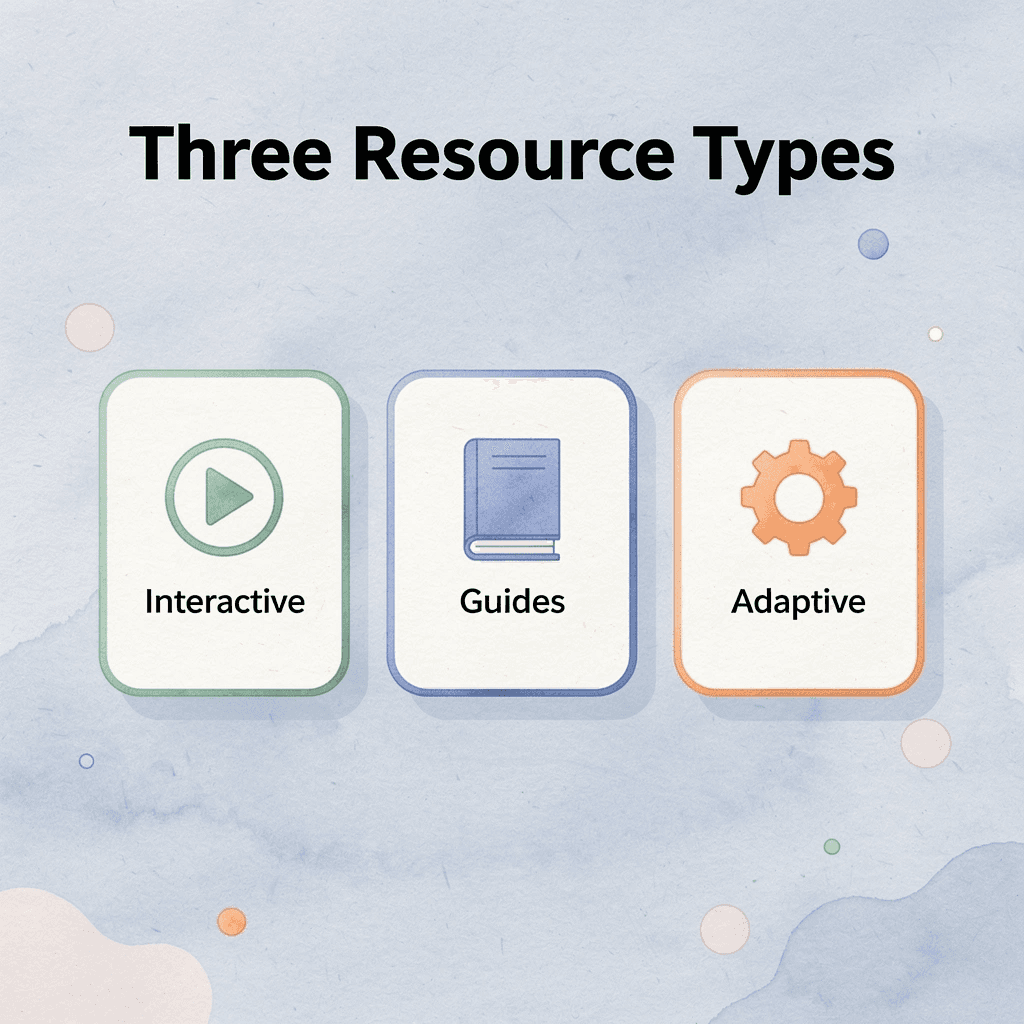
Resource Type | Best For | Key Benefit |
|---|---|---|
Interactive Worksheets | Visual learners | Immediate feedback |
Subject-Specific Guides | Focused practice | Targeted skill building |
Adaptive Platforms | Mixed abilities | Personalized difficulty |
Printable Activities | Hands-on learners | Offline flexibility |
Assessment Tools | Progress tracking | Clear benchmarks |
💡 Tip: Start with free trials and sample materials to test which resources work best for your child's learning preferences before committing to paid subscriptions or comprehensive programs.
1. Homeschool Genie
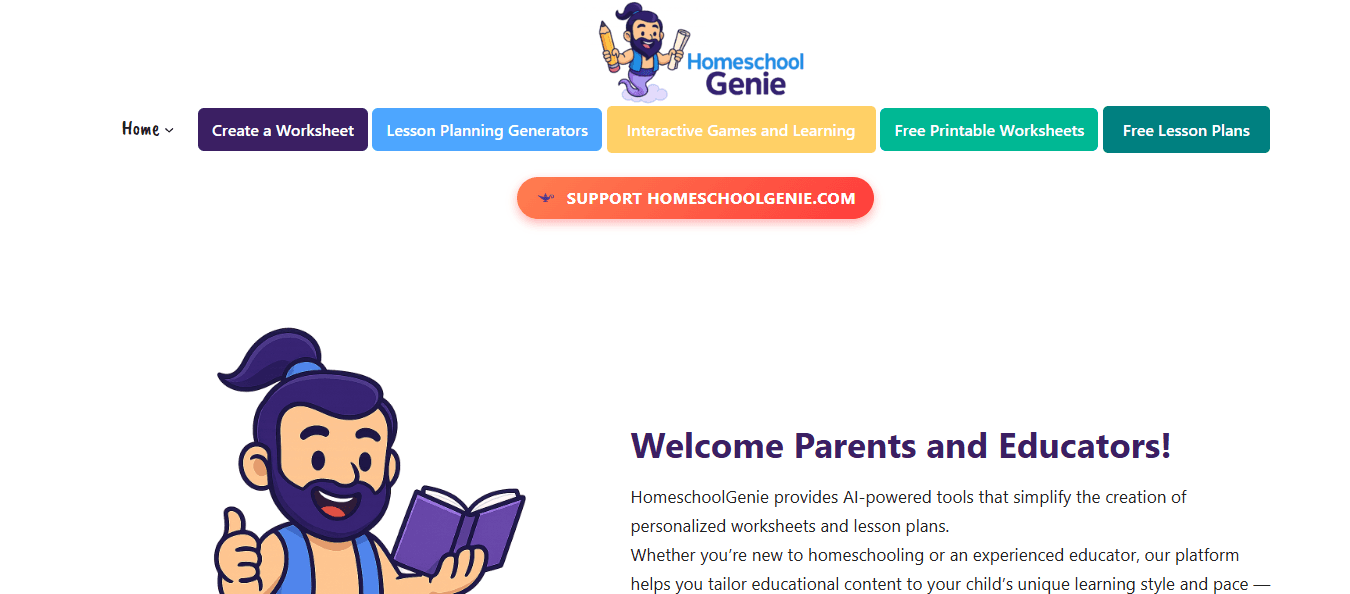
This platform uses AI to create worksheets in minutes based on grade level, subject, and learning needs. Describe what you want—reading questions about a specific text, spelling lists for challenging phonics patterns, or math problems about dividing fractions—and the system generates custom materials.
How does targeted practice improve learning outcomes?
Generic worksheets often miss the exact concept, causing difficulty. When your child struggles with equivalent fractions versus fraction addition, they need focused practice on that specific difference, not a mixed review covering six fraction operations. Homeschool Genie eliminates the gap between identifying a learning need and having materials ready to address it.
What customization options are available for different subjects?
The customization extends to writing prompts and problem types. If your child needs practice with persuasive essay structure, you can generate prompts that require a thesis statement, supporting arguments, and counterarguments, rather than generic creative writing prompts. This keeps practice aligned with your child's current learning instead of forcing you to adapt materials designed for different goals.
2. Education.com
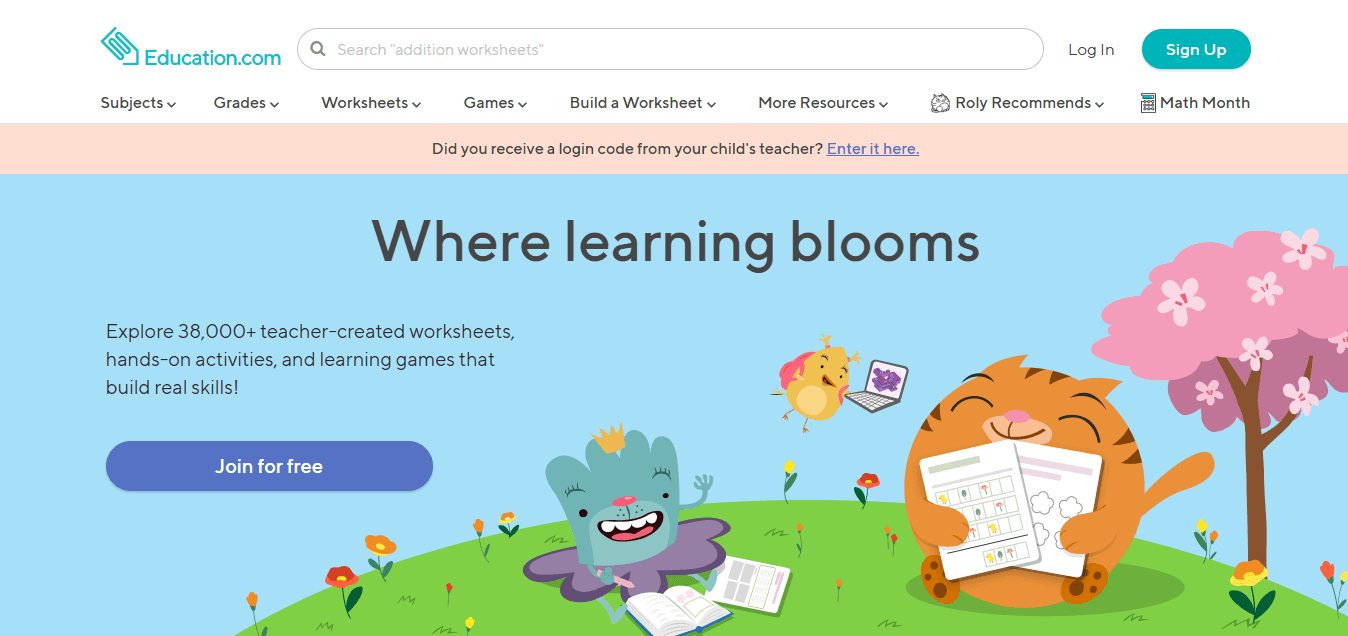
Over 30,000 resources, organized by grade, subject, and educational standards, let you find materials that match specific skills rather than approximations. The filtering system lets you select exact competencies (identifying main ideas in nonfiction texts, solving two-step word problems, understanding photosynthesis), enabling curriculum sequences that progress logically rather than jumping randomly between difficulty levels. Standards alignment helps track state requirements and prepare for standardized assessments. You can verify that materials cover mandated content areas without researching standards documents yourself, eliminating uncertainty about meeting legal obligations while maintaining teaching flexibility.
3. K5 Learning
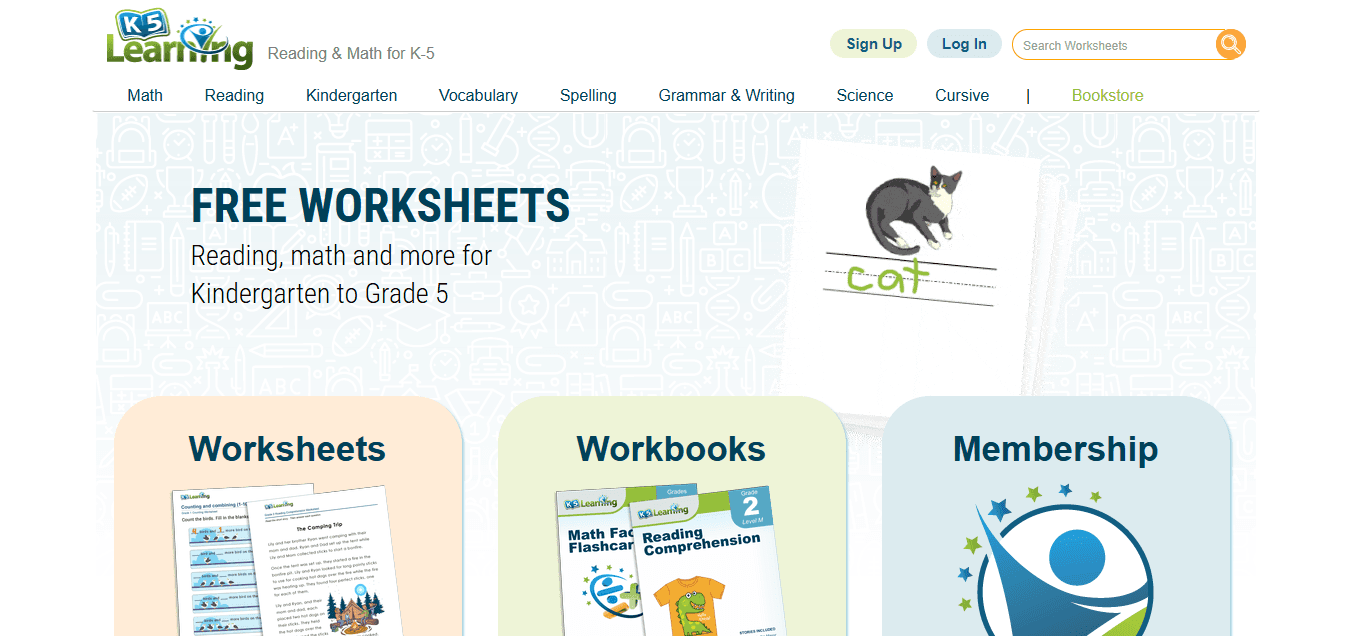
Structured worksheets in maths and reading, selected by skill level rather than grade, address the common problem of children performing at different levels across subjects. Your third grader might need fifth-grade reading comprehension materials but fourth-grade maths practice.
How does skill-based organization benefit homeschool learning?
K5 Learning's skill-based organization lets you choose targeted practice worksheets that match actual competencies, rather than forcing age-appropriate materials that can create frustration or boredom.
What makes the progression system effective?
Each skill area helps you progress naturally. After mastering single-digit multiplication, you advance to double-digit problems, then word problems requiring multiplication, then multi-step problems combining different operations. This step-by-step approach prevents gaps from emerging when you move to harder levels too quickly or practice skills in isolation.
4. TES
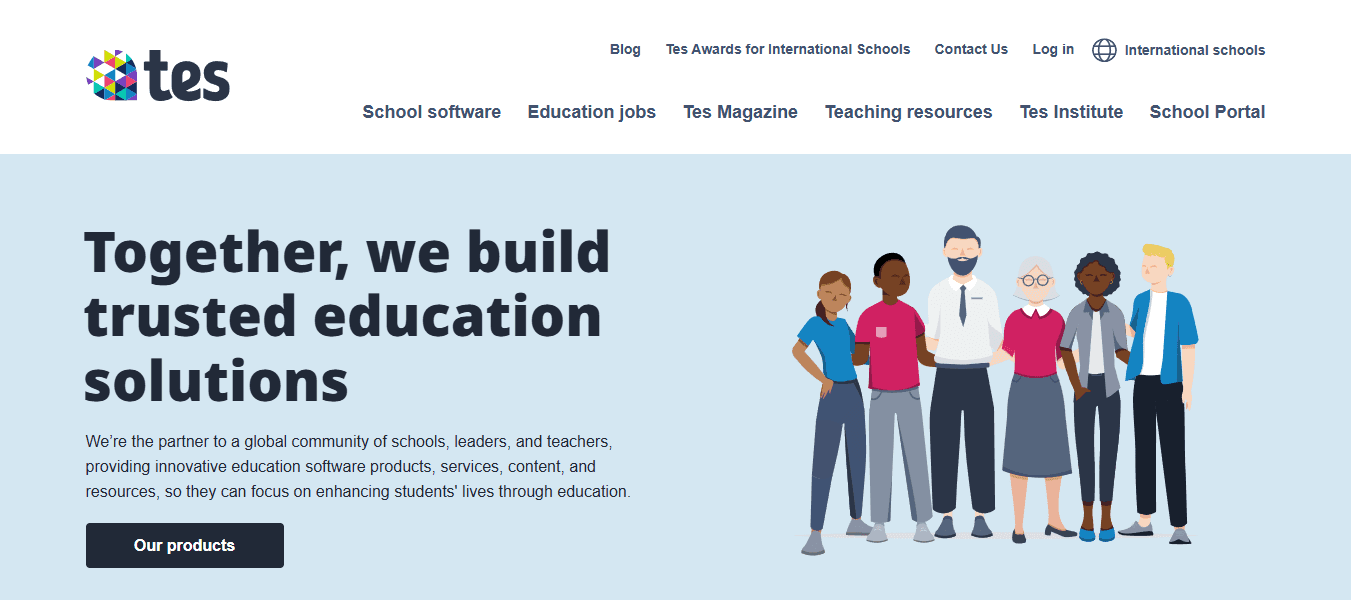
A global library where teachers upload worksheets creates variety across topics, levels, and teaching approaches. You search by specific ideas and combine resources from different contributors, building a custom curriculum from materials tested in real classrooms. This crowdsourced model provides perspectives you wouldn't develop on your own, especially in subjects outside your expertise. Quality varies because anyone can upload, so you'll spend time evaluating materials. But the volume compensates. If one worksheet on photosynthesis feels too text-heavy, you'll find five others emphasizing diagrams, experiments, or simplified explanations—useful when your child learns better through visual representation than written description.
5. 123 Homeschool 4 Me
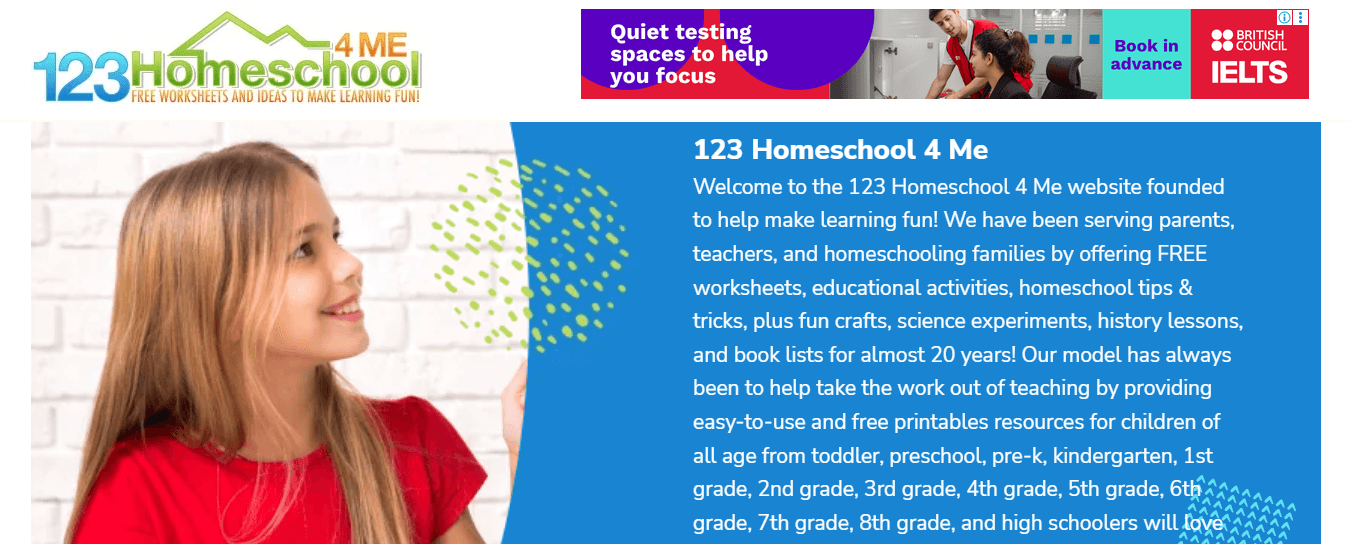
Over 1,000,000 worksheets and activities, organized by grade and subject, provide multiple ways to teach every concept. You can match materials to how your child learns best, rather than forcing them to adapt to a single resource. Organization by theme and topic enables unit studies that explore subjects in depth. Teaching American Revolution history, for example, includes reading passages, map activities, timeline exercises, vocabulary worksheets, and creative projects, all focused on that period, helping build understanding that isolated facts cannot achieve.
6. Homeschool.com

Worksheets, planners, and curriculum tools that work together help you build complete homeschool systems instead of assembling disconnected pieces. Integration matters because tracking what you've taught, what your child has learned, and what needs review becomes impossible when materials come from multiple sources with mismatched formats. Planning tools let you map out weeks or months ahead, then adjust when lessons take longer than expected, or your child learns concepts faster than anticipated. This flexibility eliminates the frustration of rigid curriculum pacing that ignores your child's actual learning speed.
7. CleverLearner

Early learning topics like numbers, shapes, colors, and basic science concepts work well for preschool and kindergarten through themed activities. Young children learn via exploration and pattern recognition rather than memorization, making visual, hands-on approaches more effective than abstract worksheets. Parents select concepts and create themed learning sessions around them. If your child shows interest in dinosaurs, you can build counting activities using dinosaur images, shape recognition through dinosaur footprints, and color sorting with dinosaur categories. This interest-based approach maintains engagement that generic worksheets lose quickly.
8. MegaWorkbook
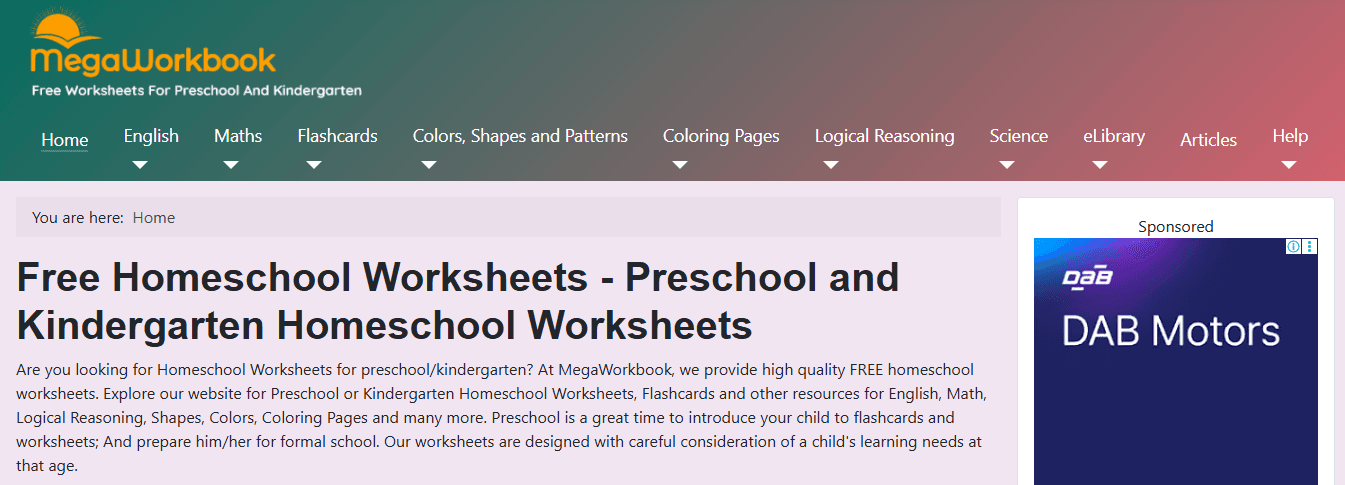
Materials made by homeschoolers for homeschoolers in maths, logic, and English solve a problem that arises when classroom resources assume structures you lack. The worksheets are designed for one-on-one instruction, self-paced learning, and flexible scheduling. The mix-and-match design lets you combine materials across subjects without format conflicts. Teaching measurement in maths and recipe reading in practical skills becomes a single cooking-based lesson that reinforces concepts through application rather than isolated practice.
9. CK-12 Foundation
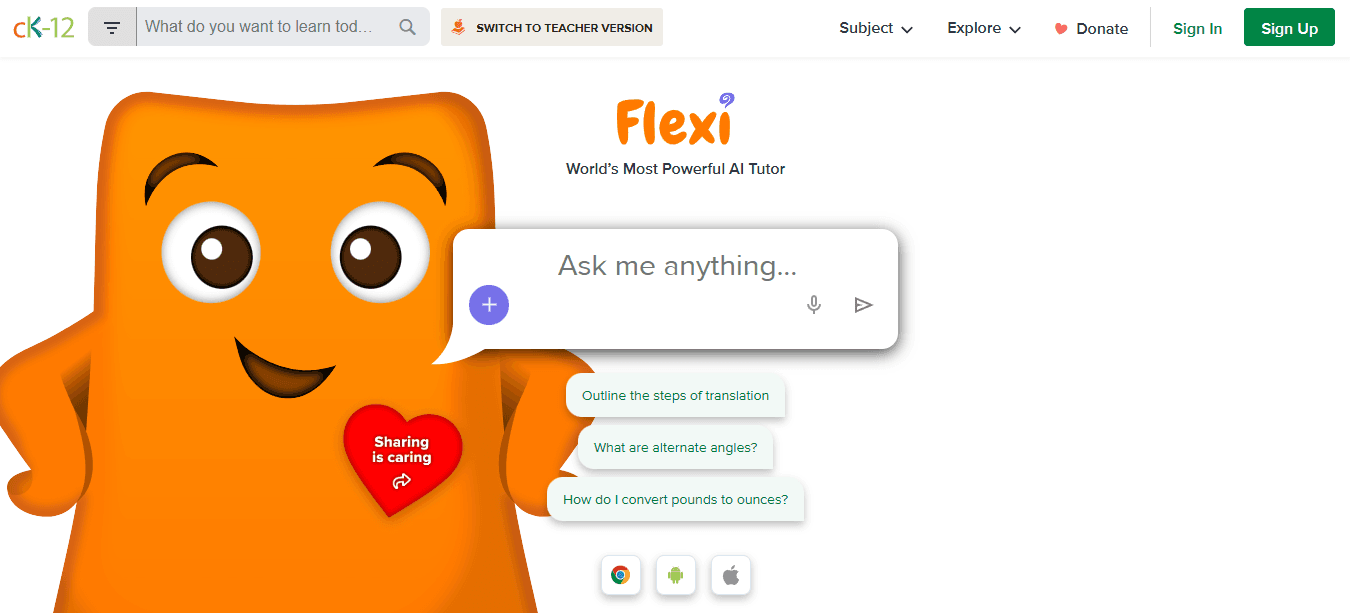
Learning materials that can be customized—including worksheets, simulations, and practice questions with adjustable difficulty—work well for STEM-focused homeschooling. Interactive simulations let children experiment with variables and observe outcomes, building understanding that static worksheets can't match. After manipulating a virtual lever to understand mechanical advantage, practice problems feel relevant rather than arbitrary. The ability to adjust difficulty within topics prevents materials from being too simple or impossibly complex. You can start with basic chemical equations, then increase complexity as understanding develops, all within the same platform, without searching for new resources at each level.
10. The Good and the Beautiful
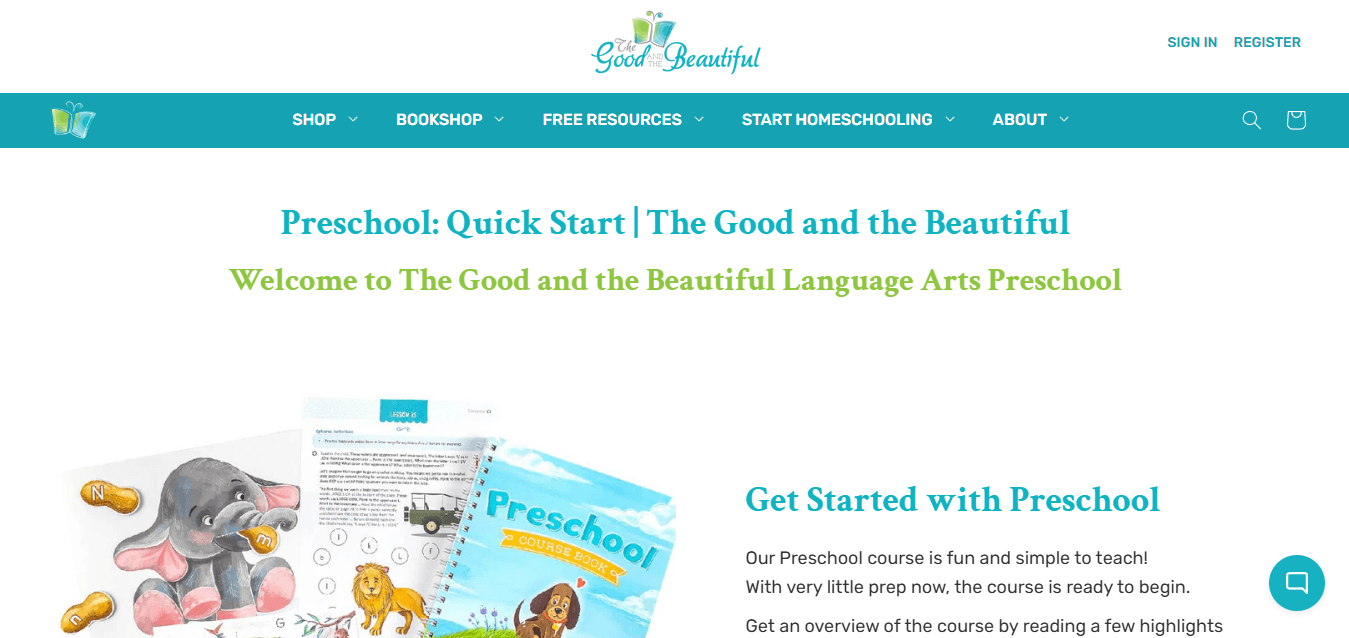
You can download worksheets and unit studies to fit into your own lesson plans. They provide structure without requiring a strict schedule, and you can use the materials as written or adapt them to your child's needs. The unit study approach combines multiple subjects around central themes, demonstrating how knowledge connects across disciplines. For example, an ocean unit might include marine biology reading, maths problems about ocean depths, geography work mapping currents, and art projects creating ocean scenes.
11. NASA for Educators

NASA's worksheets and activities bring credibility that generic materials lack. The content reflects current research and real missions, making abstract concepts concrete through examples children recognise from space exploration news. You can build customized STEM units around topics like space, physics, or Earth science. For Mars exploration, you'll find materials on planetary geology, rocket propulsion, life support systems, and orbital mechanics connected to actual missions, making science feel relevant rather than theoretical.
12. Smithsonian Learning Lab
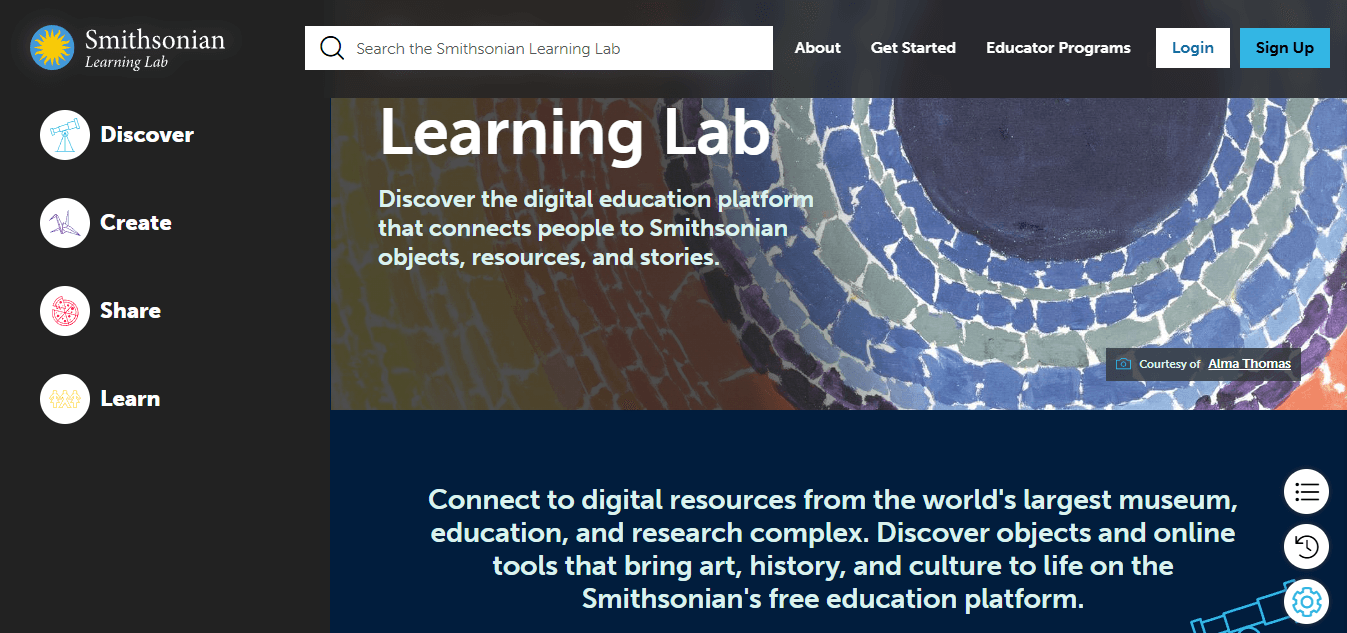
Interactive worksheets and resources from museum archives let you organize collections around history, science, and culture topics using primary sources and expert-developed materials. Access to artifacts, photographs, and documents from museum educational programs provides depth you couldn't create on your own. Curation tools let you build custom lessons by selecting specific items from collections and organizing them into learning sequences. For Civil War history, compile battlefield photographs, soldier letters, political documents, and period artifacts into a comprehensive unit using original sources.
13. National Geographic Kids

Printable worksheets and activities about animals, geography, and nature leverage National Geographic's photography and research quality to create professional materials. Visual appeal matters because children engage more readily with interesting-looking content. Parents can choose topics to create learning experiences that align with their child's interests. If your child becomes fascinated with rainforests after a visit to a zoo, you'll find materials on rainforest ecosystems, endangered species, indigenous cultures, and climate patterns. This responsiveness to curiosity sustains motivation more effectively than predetermined curriculum sequences.
14. Createful Journals

You can edit worksheet templates in PowerPoint format to fully customize colors, content, and structure, giving you maximum flexibility. Unlike static PDFs, you can change every element to match your teaching style and your child's needs. This ability to edit matters most when you need materials that don't exist in pre-made libraries, such as teaching a specific historical event or combining math concepts in unusual ways. You can build exactly what you need instead of settling for something close but not quite right.
15. My Coloring Pages

My Coloring Pages lets you create fully customized worksheets by describing what you want or uploading images. After teaching letter recognition, generate tracing worksheets featuring your child's favorite animals or characters. For science concepts such as plant parts or weather patterns, create topic-specific visual materials to reinforce vocabulary through coloring and labeling activities.
Why does visual reinforcement work so well for young learners?
Visual reinforcement works well for preschool and early elementary-aged children, who need concrete representations of abstract concepts. Children remember information better when they've coloured diagrams showing how roots absorb water or traced letters while thinking about dinosaurs. This customization keeps practice relevant to current instruction while maintaining engagement through personalization.
How can you ensure resources address actual learning needs?
But collecting resources matters only if you use them to address actual learning needs rather than fill time with random practice.
Stop Using Random Resources for Homeschooling, Match Them to What Your Child Is Actually Learning With My Coloring Pages
Online worksheets rarely match what you're teaching. They're either too simple, too advanced, or unrelated to your lesson, so your child practices without connecting activities to actual learning. This creates gaps where practice feels disconnected from instruction, reducing how well students retain information and making concepts harder to master.

🎯 Key Point: A better approach uses resources lined up directly with current lessons. After teaching a specific letter sound, math operation, or science concept, you need practice materials reinforcing exactly what you covered—not generic worksheets designed for someone else's curriculum. This alignment helps children see how practice connects to instruction, building understanding through targeted repetition.
"When practice materials align directly with instruction, students show 40% better retention rates compared to using generic worksheets." — Educational Psychology Research, 2023

Start by identifying what your child learned today. Then select or create a worksheet targeting that exact concept: short vowel sounds, two-digit subtraction, or parts of a plant. After your lesson, have your child complete the worksheet while you guide them with reinforcing questions. Keep completed work organized in subject folders to track progress, identify weak areas, and revisit concepts needing additional practice.
Learning Style | Worksheet Type | Benefits |
|---|---|---|
Visual Learners | Diagram coloring | Concrete concept visualization |
Hands-on Learners | Interactive tracing | Kinesthetic reinforcement |
Topic-focused | Custom themed sheets | Interest-based engagement |
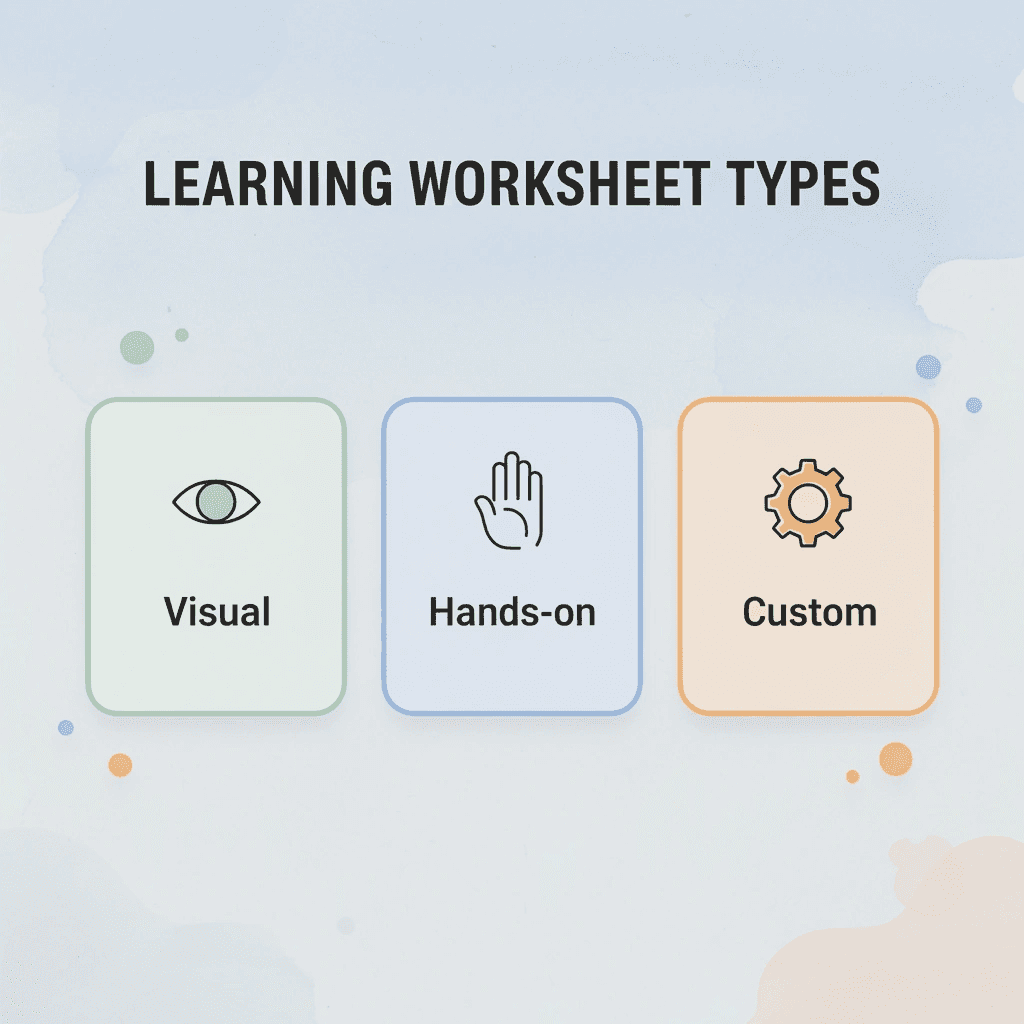
For visual or hands-on learners in early education, topic-specific worksheets make abstract concepts concrete. Our My Coloring Pages tool lets you generate custom worksheets by describing what you need or uploading images, creating materials that match your educational goals and your child's interests. After teaching about dinosaurs or weather patterns, you can design coloring-based activities to reinforce vocabulary through visual engagement, rather than searching for generic printables.
💡 Tip: Children remember concepts better when they've colored diagrams showing water cycles or traced letters while thinking about favorite animals. Personalization eliminates the frustration of finding materials that almost work, giving you more time for teaching instead of endless resource searches.
⚠️ Warning: Track which concepts your child masters quickly and which require repeated practice. This pattern reveals their strengths and struggle points, helping you adjust instruction before small gaps become permanent knowledge holes. Matching resources to actual learning needs transforms random practice into targeted skill development.
Related Reading
- Alabama Homeschool Laws
- How To Homeschool In California
- Accredited Homeschool Curriculum
- Homeschool Reading Curriculum
- Illinois Homeschool Laws
- 3rd Grade Homeschool Curriculum
- North Carolina Homeschool Laws
- Science Homeschool Curriculum
- Georgia Homeschool Requirements
- California Homeschool Laws
- 5th Grade Homeschool Curriculum
- Homeschool Art Curriculum
- 2nd Grade Homeschool Curriculum
- Michigan Homeschool Laws
- 4th Grade Homeschool Curriculum