15 Best Online Homeschool Curriculum for Preschoolers
Discover the 15 best online homeschool curriculum options for preschoolers. My Coloring Pages reviews top programs to help you choose the perfect fit.


Monday morning arrives with a preschooler bouncing off the walls while parents frantically search for age-appropriate learning materials that actually hold their attention. Finding the right resources for homeschooling shouldn't feel like solving a puzzle with missing pieces, especially when balancing education standards with a child's unique learning style. Selecting an online homeschool curriculum that works requires practical guidance on accessing customized worksheets and activities that transform learning time into something children anticipate.
Quality educational materials should simplify lesson planning rather than create additional stress for busy families. Printable resources that support letter recognition, number skills, and creative development eliminate the hassle of creating everything from scratch. Whether families need themed worksheets for seasonal units or activities that reinforce current lessons, having access to comprehensive educational materials puts effective learning tools at their fingertips, which is why many parents download 55,890+ free coloring pages to complement their curriculum.
Summary
- Homeschooled students score 15 to 30 percentile points above public school students on standardized tests, according to the National Home Education Research Institute, and this gap persists regardless of parent education level or household income. The results suggest that individualized pacing and instruction methods drive academic outcomes more than demographic advantages, challenging assumptions that classroom settings provide superior rigor.
- Traditional schools advance students by calendar rather than comprehension, creating accumulated knowledge gaps that compound over time. Homeschooling replaces artificial pacing with mastery progression, where children work on concepts until they genuinely understand them before moving forward. A fifth grader who never truly grasped multiplication will struggle with division, not because they're learning new math, but because they're drowning in confusion from earlier gaps that were never addressed.
- Approximately 20% of students experience bullying in traditional schools, creating stress that directly undermines both academic performance and emotional development. Homeschooling eliminates daily exposure to peer harassment and the anxiety many children feel navigating institutional environments. Parents consistently report watching their children relax and re-engage with learning once removed from settings where they felt unsafe or constantly judged.
- The National Center for Education Statistics reports that 66.7% of homeschooled students attend college compared to 57.5% of public school students. This higher continuation rate suggests that homeschooling develops the self-direction and independent thinking that college success requires, rather than fostering dependence on structured classroom environments, where external deadlines and teacher instructions drive all activity.
- Most preschool homeschool families find success spending just 30 to 60 minutes on focused learning activities daily, with the rest of the day unfolding through play that reinforces concepts organically. This concentrated approach eliminates time lost to classroom management, transitions between activities, and waiting for peers to finish tasks, making learning efficient rather than stretched across institutional timeframes designed for administrative convenience.
- Parents who expect complete coverage from a single curriculum program end up either accepting mediocre materials in certain subjects or spending hours searching for supplements that match what their child needs. A better approach treats one core program as your structural foundation, then fills specific gaps with flexible resources that adapt to current interests and developmental readiness. My Coloring Pages addresses this by offering 55,890+ free printable pages searchable by exact topic, letting families download specific alphabet letters, number practice sheets, or themed activities that reinforce this week's learning without accumulating unused materials or subscribing to bundled content they'll never use.
Table of Contents
- Is Homeschool Curriculum Good Enough for Children?
- Benefits of Homeschool Curriculum
- What to Include in Preschool Homeschool Curriculum
- How to Design Homeschool Curriculum for Preschoolers
- 15 Best Online Homeschool Curriculum for Preschoolers
- Find the Best Online Homeschool Worksheets for Preschoolers on My Coloring Pages
Is Homeschool Curriculum Good Enough for Children?
Homeschool curriculum can deliver strong academic results when parents match materials to their child's pace and learning style. Homeschooled students score 15-30 percentile points above public school students on standardized academic achievement tests, according to the National Home Education Research Institute, across curriculum types: structured, eclectic, or parent-designed.

"Homeschooled students score 15-30 percentile points above public school students on standardized academic achievement tests across different curriculum types." — National Home Education Research Institute
🎯 Key Point: The flexibility to customize curriculum to individual learning needs appears to be a significant advantage of homeschooling over traditional one-size-fits-all approaches.
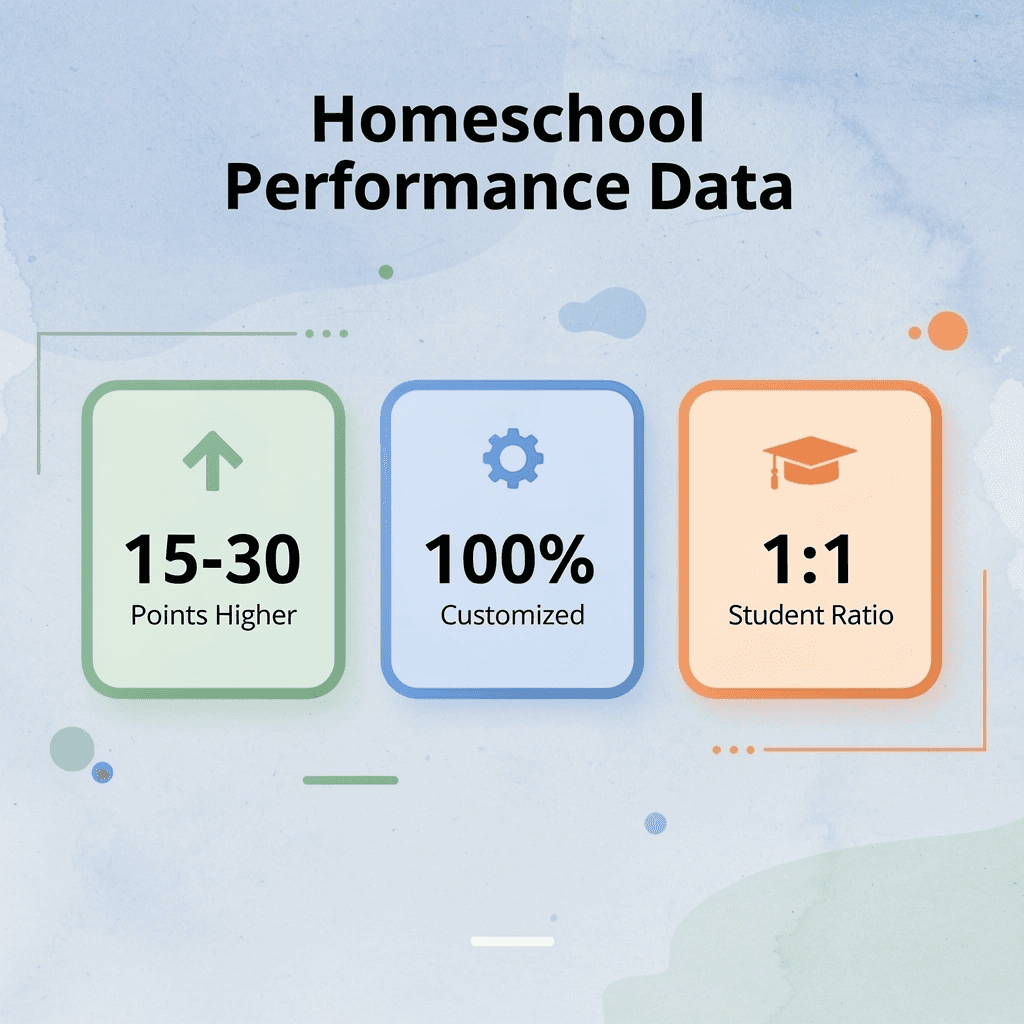
🔑 Takeaway: These achievement gaps suggest that homeschool curriculum quality is not just adequate—it's often more effective than traditional public school materials when properly implemented.
How does flexible pacing benefit student learning?
Traditional classrooms follow fixed pacing because one teacher manages twenty-five students: some children sit bored while others scramble to keep up. Homeschooling removes this constraint. Parents can pause on fractions until the concept clicks, then accelerate through topics their child already understands. This isn't about lowering standards; it's about matching instruction to comprehension rather than calendar dates.
Why does depth matter more than coverage?
Families often learn more deeply than any classroom allows. A third-grader interested in ancient Egypt needn't stop after two weeks when the curriculum moves to the next unit. She can spend a month building pyramids, reading mythology, and mapping trade routes. Learning well matters more than covering lots of material.
How do multiple resources create better learning than single systems?
Homeschooling combines library books, printable worksheets, hands-on projects, and real-world experiences into a complete learning system. A science lesson might include a nature walk, a YouTube video from a working biologist, and sketching observations in a journal. This multi-source approach creates a deeper understanding than any single curriculum can provide.
Why do printable resources offer immediate flexibility for homeschoolers?
For subjects like art, handwriting, and early literacy, printable resources offer quick flexibility without creating materials from scratch. Platforms like My Coloring Pages provide thousands of themed coloring pages that reinforce letter recognition, number skills, and fine motor development. Parents can print materials matching their current unit—whether ocean animals for a marine biology week or geometric shapes for a maths lesson—without being locked into a rigid workbook sequence.
What matters more than curriculum choice?
Results depend less on which program you choose and more on consistency, parent involvement, and willingness to adapt when something isn't working. According to the National Center for Education Statistics, 66% of homeschooled students go on to college compared to 57% of public school students. The best curriculum won't work if it doesn't match your child or if assignments feel like busywork.
How can you serve your child's actual needs?
The question isn't whether homeschool materials are good enough—it's whether you're using them in ways that address your child's real needs instead of copying classroom limits that never worked well for individual learners in the first place.
Related Reading
- Homeschool
- Easy Peasy Homeschool
- Homeschool Curriculum
- Best Homeschool Programs
- Free Homeschool Curriculum
- Homeschool Resources
- Online Homeschool Programs
- Homeschool Schedule
- Best Homeschool Curriculum
- Accredited Homeschool Programs
- Homeschool Math Curriculum
- Homeschool
- How To Homeschool
- Christian Homeschool Curriculum
- Homeschool Planner
- Time For Learning Homeschool
- Homeschool History Curriculum
- K12 Homeschool
- Kindergarten Homeschool Curriculum
- Online Homeschool Curriculum
Benefits of Homeschool Curriculum
Homeschool curriculum offers eight clear advantages that traditional classrooms cannot match. These benefits are measurable outcomes backed by decades of research across different family structures, income levels, and teaching approaches.
Homeschool Advantage | Traditional Classroom Challenge |
|---|---|
Personalized pacing | Fixed grade-level progression |
Flexible scheduling | Rigid daily timetables |
One-on-one attention | Teacher divided among 20-30 students |
Customized learning styles | One-size-fits-all instruction |
Real-world application | Theoretical classroom learning |
Family values integration | Secular standardized content |
Immediate feedback | Delayed grading cycles |
Interest-driven exploration | Predetermined curriculum mandates |
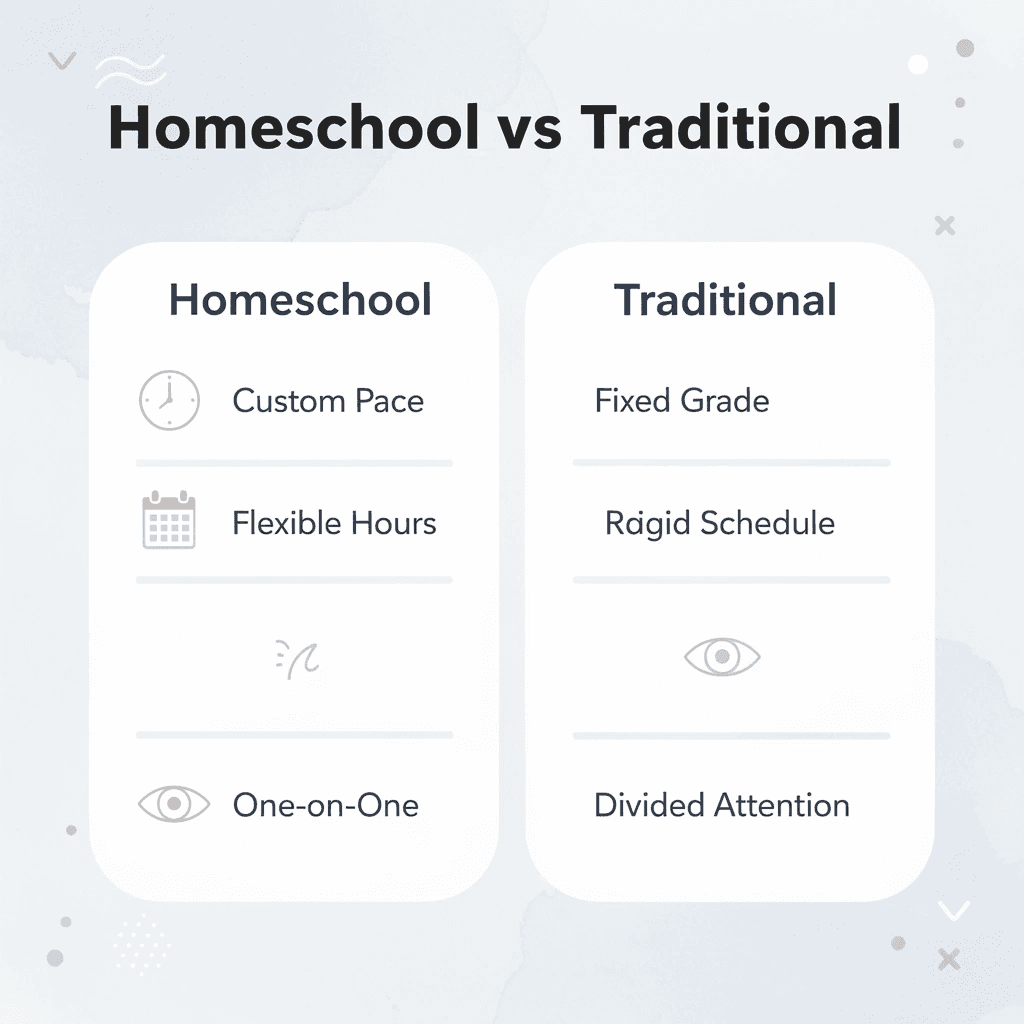
🎯 Key Point: Homeschool families report significantly higher satisfaction rates with their children's academic progress and overall educational experience compared to traditional school settings.
"Homeschooled students typically score 15-30 points higher on standardized tests and show greater self-direction in learning compared to their traditionally-schooled peers." — National Home Education Research Institute, 2023

💡 Tip: The most successful homeschool curricula combine structured learning objectives with flexible implementation methods, allowing parents to adapt teaching strategies to their child's unique learning profile and developmental needs.
How does personalized education address different learning styles?
Every child processes information differently: some need visual demonstrations, others hands-on manipulation, or verbal explanation. Traditional classrooms struggle to accommodate these differences when a single teacher manages twenty-five students using identical lesson plans. Homeschooling removes this constraint by adjusting pacing, presentation style, and depth to match how each child learns best. A student struggling with abstract maths can work with physical manipulatives until understanding clicks, then accelerate through topics they grasp intuitively.
What results does personalized homeschool education produce?
This customization produces measurable results. According to the National Home Education Research Institute, homeschooled students score 15-30 percentile points above public school students on standardized academic achievement tests. That gap persists regardless of parent education level or household income, suggesting the individualized approach itself drives outcomes.
How does homeschooling provide scheduling flexibility?
School schedules organize hundreds of students, not individual learners. Homeschooling lets families structure days around peak attention windows, family commitments, and real-world opportunities. A child who focuses best in the early morning can complete core academics before lunch, then spend afternoons on projects, physical activity, or community involvement. Families can pause formal lessons for travel experiences that provide richer education than textbook chapters on geography or history.
Why is homeschool instruction time more efficient?
Families who homeschool report spending two to four hours on formal instruction compared to six-hour school days, yet achieving stronger academic outcomes. The difference comes from eliminating time lost to classroom management, transitions between activities, and waiting for peers to finish tasks. Learning becomes focused and efficient rather than constrained by institutional timeframes.
How does mastery-based learning create stronger foundations?
Traditional schools move students forward based on the calendar, not on whether they understand the material. Third grade ends in June, whether or not children have learned fractions. Homeschooling replaces this artificial pacing with mastery progression. Children work on concepts until they understand them, building strong foundations rather than shaky towers of partial knowledge. A student who is stuck on long division practices until the process becomes automatic, then moves forward with confidence instead of confusion.
Why do early learning gaps become major problems later?
This approach prevents the common pattern in which early gaps become major struggles. When a fifth grader who never understood multiplication faces multi-digit division, they're drowning in accumulated confusion. Mastery-based progression stops this cycle before it starts.
Is Homeschooling a Safer Learning Environment?
About 20% of students experience bullying in traditional schools, which creates stress that harms their grades and emotional growth. Homeschooling eliminates daily exposure to peer harassment, social hierarchies, and the anxiety of crowded hallways and cafeterias. Parents report their children relax and rediscover interest in learning once they leave environments where they felt unsafe or judged. Safety goes beyond bullying. Homeschooled children avoid pressure to conform to peers regarding substance use, early romantic relationships, and academic dishonesty. They develop their identity and values within their family rather than through peer-driven social dynamics that undermine learning and wellbeing.
How does homeschooling allow families to integrate their values into education?
Public schools must serve diverse student populations, so curriculum often strips out cultural, moral, or religious context to avoid controversy. Homeschooling allows families to integrate their specific values into daily learning: studying history through their faith tradition's perspective, exploring literature that reflects their cultural heritage, or discussing scientific topics within their philosophical framework. Education becomes connected with family identity rather than separated from it.
What supplemental materials support value-based learning?
For extra materials, platforms such as My Coloring Pages offer thousands of themed printable pages that parents can select to match current learning units or family interests. Whether reinforcing letter recognition with alphabet coloring sheets, exploring cultural celebrations with holiday-themed pages, or supporting science lessons with nature illustrations, the platform offers options that align with your educational approach without locking you into predetermined workbook sequences.
How does homeschooling strengthen parent-child bonds?
When parents and children learn together, it creates natural opportunities to talk, collaborate, and connect in ways that strengthen their relationship. Parents witness their children's learning and growth firsthand rather than hearing about it during brief teacher meetings. Children come to see their parents as guides and mentors who facilitate learning, not merely authority figures enforcing rules or reviewing report cards. These everyday interactions build mutual respect and understanding that extends beyond childhood.
How does extended family contribute to homeschool education?
The extended family often becomes more involved in the education of homeschooled children. Grandparents share skills, aunts and uncles contribute expertise in their professional fields, and siblings learn together across age groups. This multi-generational approach mirrors how humans learned for most of history, before age-segregated classrooms became standard.
Does Homeschooling Increase Autonomy and Confidence?
Homeschooled children make meaningful decisions about their education from early ages: choosing books for literature study, designing science experiments, and pursuing passion projects. This ownership builds intrinsic motivation and confidence in directing their own learning rather than waiting for teacher assignments. The National Center for Education Statistics reports that 66.7% of homeschooled students attend college compared to 57.5% of public school students, suggesting homeschooling fosters the self-direction and independent thinking that college success requires.
Does Homeschooling Improve Real-World Readiness?
Homeschooling includes experiences that traditional school schedules don't accommodate, such as community volunteering, professional apprenticeships, small-business management, and practical skills like cooking, budgeting, and home maintenance. These aren't extras squeezed into evenings; they're substantive learning that prepares children for adult responsibilities. Homeschooled students often start college or careers with stronger planning and time-management skills and greater comfort with self-directed work, having spent years managing their own schedules and taking responsibility for learning outcomes rather than following external instructions and deadlines. But what goes into a homeschool curriculum, especially in those crucial early years?
What to Include in Preschool Homeschool Curriculum
Preschool homeschooling works best when it combines structured skill-building with play, exploration, and hands-on discovery. Create an environment where children develop foundational abilities through engaging activities rather than forced academics. Most families spend 30 to 60 minutes on focused learning, then let play reinforce concepts naturally throughout the day.
🎯 Key Point: The sweet spot for preschool learning is 30-60 minutes of structured time combined with natural reinforcement through play.
"Play is the highest form of research for young children, making it the most effective learning tool for preschoolers." — Early Childhood Education Research
💡 Tip: Let curiosity and hands-on exploration drive preschoolers' learning for better retention and enjoyment.

Early Literacy Foundations
Kids need to learn letter recognition, phonics basics, vocabulary expansion, and storytelling before reading independently. Read aloud daily, sing alphabet songs, use picture books with strong illustrations, and let children practice simple tracing or coloring activities to learn letter shapes. The goal is to help them recognise sounds, connect letters to those sounds, and express ideas with growing confidence.
Number Sense and Early Math
Teach numbers through hands-on activities rather than worksheets. Focus on counting real objects like toys or snacks, recognizing written numbers from 1 to 20, finding shapes in everyday places, and making simple comparisons such as big versus small or more versus less. Use puzzles, sorting games, and pattern-building activities that make maths feel like play. When children stack blocks by size or share crackers equally among siblings, they develop logical thinking skills that support later mathematical learning.
Science as Curiosity
Preschool science helps children learn to ask questions and observe carefully. Nature walks offer opportunities to explore plants, animals, and weather patterns. Simple experiments—such as testing which objects sink or float, or watching ice melt—encourage children to wonder "what will happen if..." and test their predictions through direct experience.
How do art activities support early learning development?
Art activities build fine motor skills while fostering imagination. Coloring, drawing, painting, and crafts strengthen hand control needed for writing. Free drawing lets children experiment without pressure, while structured activities like tracing shapes or cutting with safety scissors develop specific muscle coordination.
What solutions exist for finding age-appropriate art materials?
Parents can struggle to find age-appropriate materials that match their learning themes without spending money on workbooks. Platforms like My Coloring Pages offer thousands of printable pages organized by topic, including alphabet letters, number recognition, seasonal themes, and science subjects such as ocean animals and weather. Print only what you need when you need it, avoiding unused materials and predetermined sequences that don't match your child's interests.
Physical Activity and Practical Skills
Big muscle development and life skills receive less attention in school plans, yet they're equally important. Daily outdoor time for running, jumping, and balancing builds physical strength and coordination. Simple tasks like tidying toys, dressing independently, or helping prepare meals develop confidence and self-reliance. These foundational skills support all future learning. Creating a daily schedule that includes all of these things is challenging.
How to Design Homeschool Curriculum for Preschoolers
Creating a preschool curriculum means building purposeful learning experiences around how young children develop, not copying institutional classrooms. Design for exploration, repetition, and discovery through play rather than standardized pacing. The process requires clarity about what matters for your child, flexibility to adjust when something isn't working, and confidence that rich experiences matter more than completed worksheets.
🎯 Key Point: Play-based learning is not unstructured time—it's intentional curriculum design that follows your child's natural development patterns and interests.
"Children learn best when they are actively engaged in meaningful experiences that connect to their developmental stage and individual interests." — Early Childhood Development Research, 2023
💡 Pro Tip: Start with 15-20 minute learning blocks and observe your child's attention span—most preschoolers need frequent transitions and hands-on activities to stay engaged and retain information effectively.
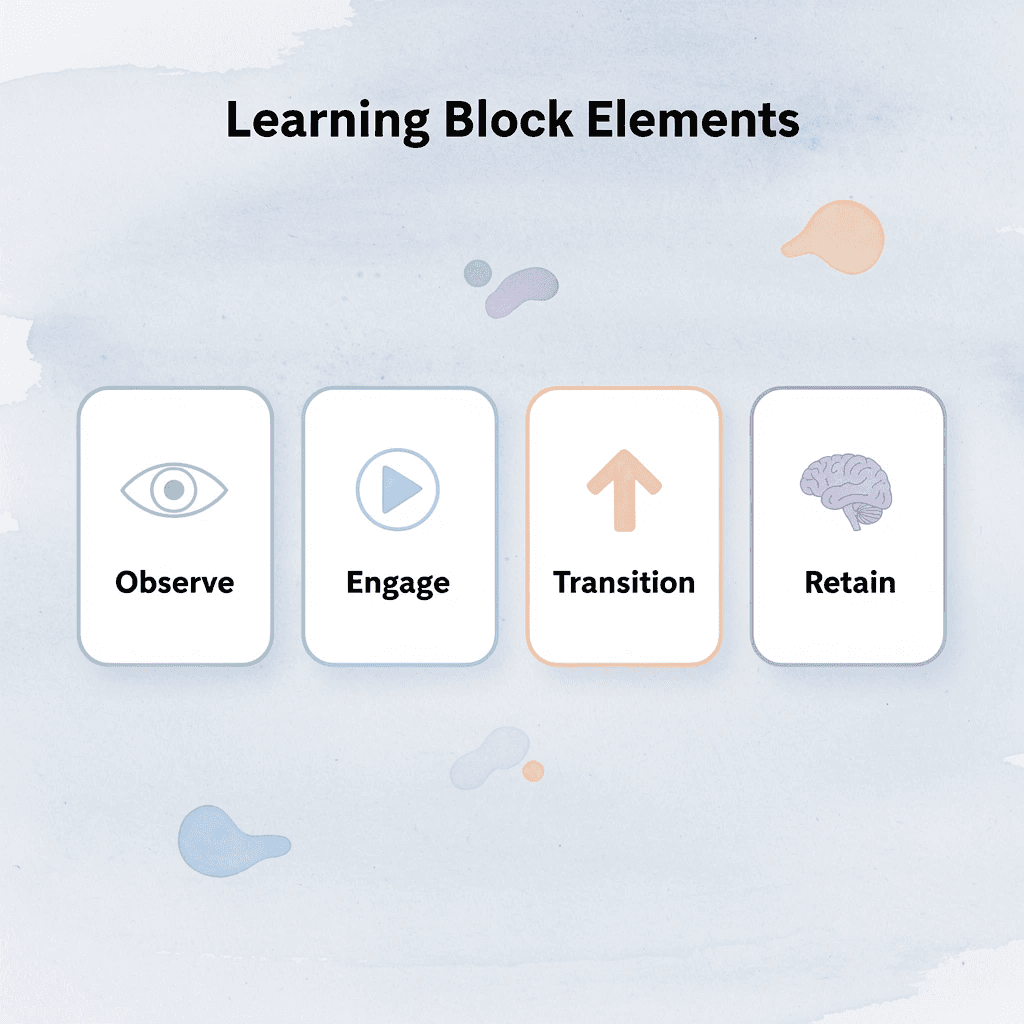
How do you identify developmental priorities over subject requirements?
Most curriculum planning starts backward: parents download scope-and-sequence charts, then worry about coverage. Instead, pick three to five skills you want to strengthen this year—building vocabulary through conversation and stories, developing number sense through hands-on counting and sorting, or improving fine motor control through art and practical tasks. When you know what matters most, every activity either serves those goals or gets cut.
Why should learning connect across subjects naturally?
Young children don't separate learning into subjects. A nature walk where you count pinecones, describe textures, and collect leaves for art projects simultaneously engages maths, science, language, and creativity. Themed units like seasons, animals, or community helpers create natural connections across different areas of learning. Your child learns that knowledge connects together rather than existing in isolated boxes.
How does experience-based learning work for preschoolers?
The best preschool learning happens when children interact directly with the world around them. Cooking teaches measurement and sequential steps. Building with blocks develops spatial reasoning and problem-solving skills. Caring for plants introduces life cycles and teaches responsibility. Worksheets, if used at all, should reinforce concepts your child already learned through real activity, not introduce them for the first time on paper.
What supplemental materials work best without overwhelming families?
Many families struggle to find supplementary materials matching their current focus without accumulating unused workbooks or committing to rigid programs. When your child shows interest in letters and needs alphabet practice, or wants number recognition sheets after a counting game, My Coloring Pages lets you print exactly what supports this week's learning. Search your specific theme—ocean animals, geometric shapes, or seasonal changes—print what you need, then progress without being locked into set sequences that don't match your child's interests or developmental readiness.
How do you create flexible routines that work for young learners?
Young children thrive with predictable patterns but resist forced timelines. Create a daily rhythm that includes morning circle time, a focused activity such as a science experiment or art project, outdoor play for gross motor development, and unstructured time for imaginative play. This might require 45 minutes of structured learning rather than the six hours schools require. The rest develops through play that builds crucial cognitive and social skills.
What's the best way to track progress without formal testing?
Keep track of what's working by watching engagement and skill development, not by testing. Write simple notes about new words, concepts learned, or emerging interests. Take photos of block structures, art projects, and outdoor discoveries. This documentation shows real growth without a formal assessment that compares children against standardized benchmarks.
15 Best Online Homeschool Curriculum for Preschoolers
Finding a curriculum that matches your preschooler's developmental stage means balancing structure with flexibility: letting you adapt materials to your child's interests rather than forcing predetermined pacing. What works depends on whether the approach aligns with how your family actually functions during a typical week.
💡 Tip: Choose curricula that offer flexible scheduling options and multiple learning modalities to accommodate your child's natural rhythms and attention span.

According to the National Center for Education Statistics, 3.7 million students were homeschooled in the United States as of 2024. The following resources represent different approaches to early childhood education, from free structured programs to subscription services with hands-on materials. Some emphasize phonics and literacy, others prioritize play-based learning, and several integrate character development with academic skills.
"3.7 million students were homeschooled in the United States as of 2024." — National Center for Education Statistics
🔑 Takeaway: The range of homeschool approaches allows you to find a curriculum matching your family's values, learning style preferences, and educational goals for your preschooler.
1. Easy Peasy All-in-One Homeschool

This free curriculum provides daily lesson plans organized by grade level. The preschool track uses a letter-of-the-week structure with matching activities, songs, and printables that reinforce letter recognition and sound association. Each day's work takes 30 to 45 minutes, covering early literacy, basic counting, and fine motor development through coloring and tracing exercises. Parents appreciate not having to purchase materials or create lesson plans from scratch, though some find the Christian content more prominent than they prefer in secular homeschooling.
2. ABC Jesus Loves Me
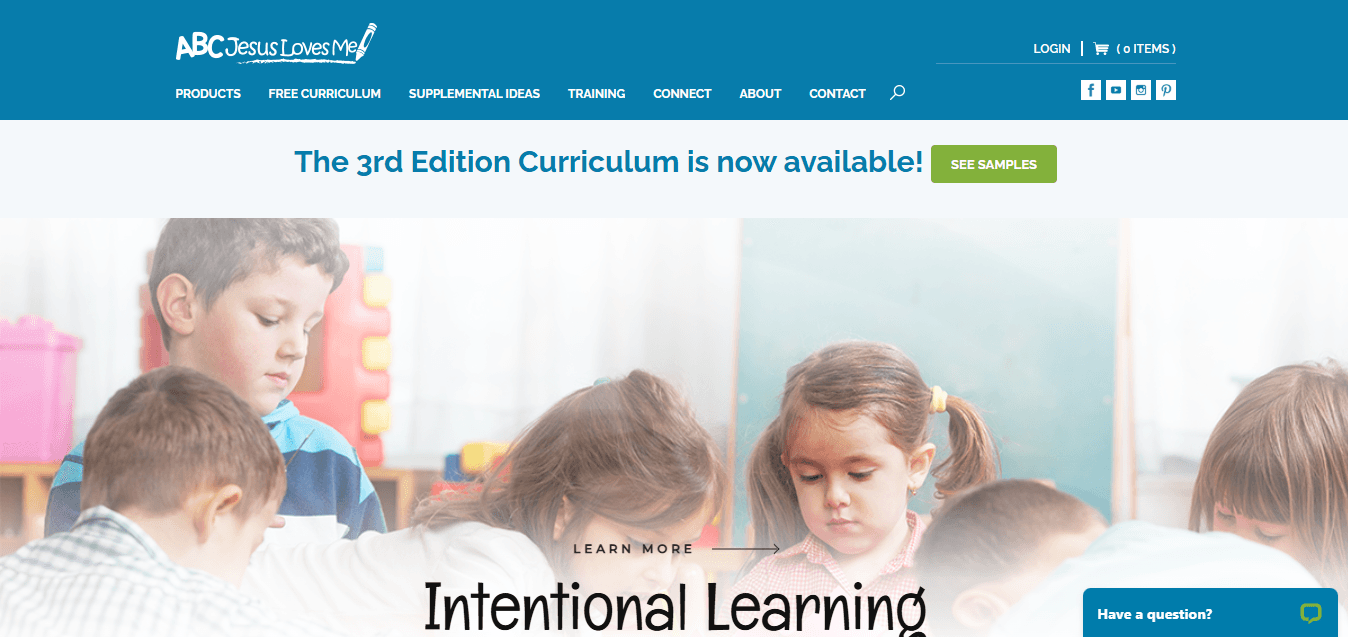
Made for children ages two through five, this 36-week curriculum balances schoolwork with developmental milestones and character formation. Lesson plans include Bible stories, phonics instruction, number recognition, and practical life skills such as self-care and following multi-step directions. Detailed daily schedules tell parents exactly what to teach and when, reducing decision fatigue for families new to homeschooling. Materials include printable worksheets, activity suggestions, and book lists, though you'll need to gather many supplies yourself rather than receiving a complete kit.
3. Kindergarten Prep Preschool Curriculum
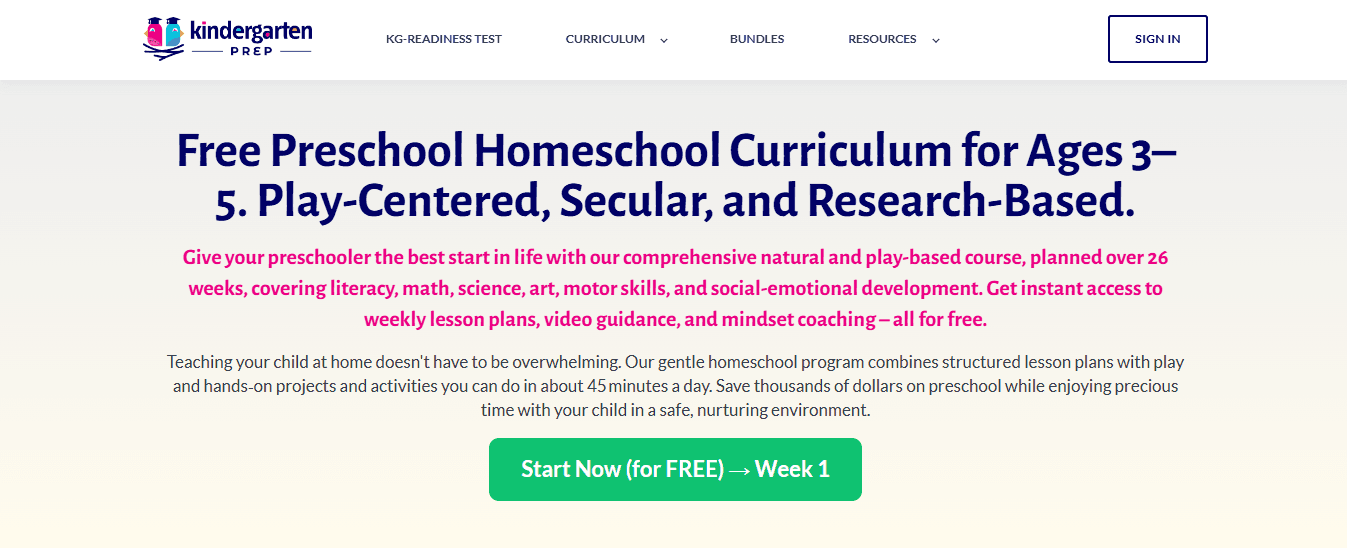
This research-driven program organizes 26 weeks of learning across literacy, math, science, and social-emotional development through play-based activities lasting about 45 minutes daily. The curriculum emphasizes hands-on exploration using everyday materials—blocks, household items, and outdoor discoveries—to build foundational concepts. Parents appreciate the realistic time commitment and alignment with child development, though some desire more structure in certain subject areas.
4. Old Fashioned Education Preschool
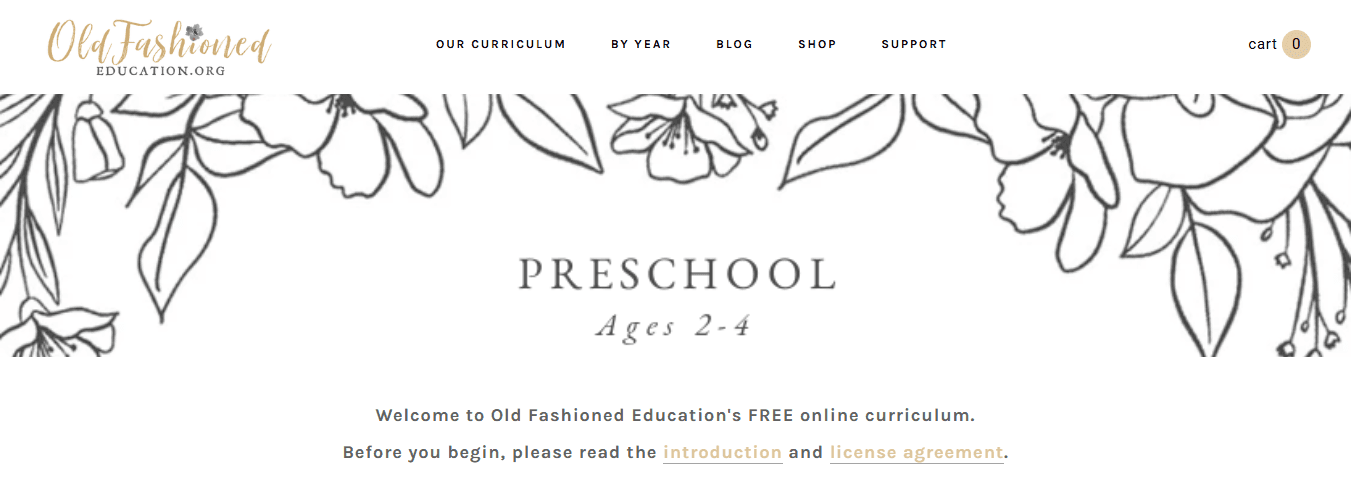
Inspired by Charlotte Mason's philosophy, this curriculum emphasizes living books, nature study, and simple routines over formal academic pressure. The 36-week schedule includes phonics instruction, read-aloud selections, and activities that build reading foundations, with no performance expectations. Families appreciate the focus on fostering a love of learning rather than rushing early reading, though children who thrive with interactive or hands-on activities may need supplementary materials.
5. Starfall
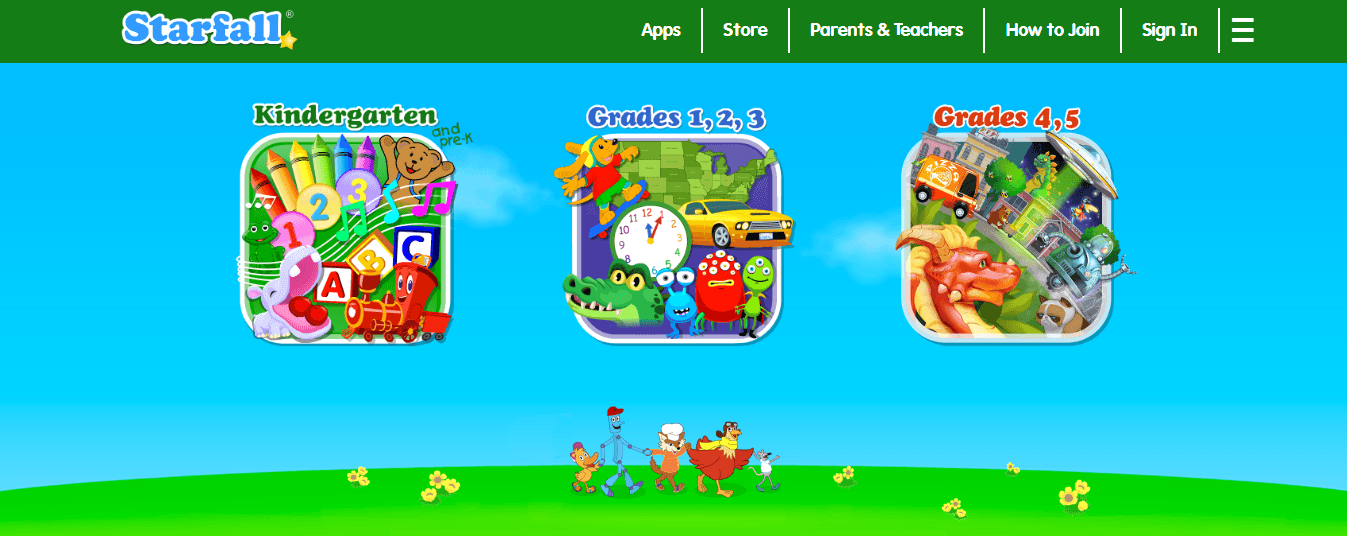
This interactive website uses games, animations, and songs to teach phonics and early reading skills. Children click through activities introducing letter sounds, simple words, and basic maths concepts. The free version offers substantial content, while paid membership unlocks additional activities and removes advertisements. Starfall works best as a supplement to hands-on activities rather than a complete curriculum.
6. Khan Academy Kids
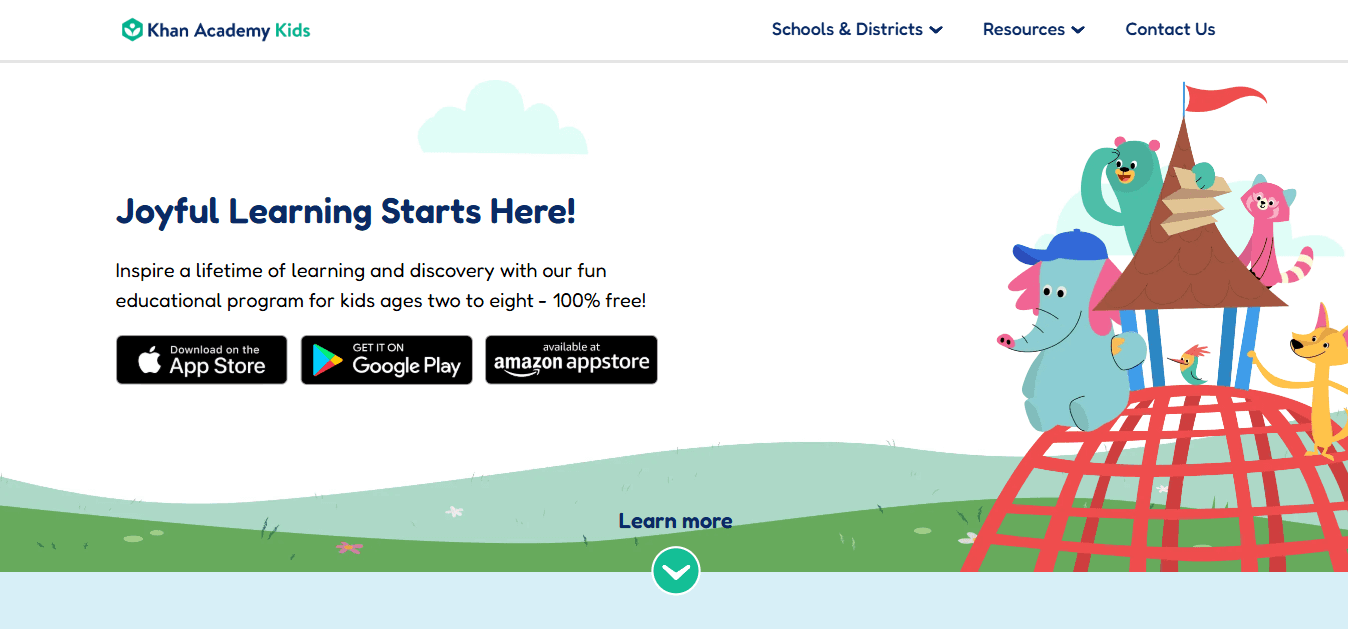
This free app covers maths, reading, social-emotional learning, and creative expression through interactive stories and activities. Research-backed design adapts to each child's pace, providing extra practice on challenging concepts and advancing through mastered skills. Progress tracking helps parents monitor development without formal testing. No ads or in-app purchases mean it's genuinely free. Some families prefer limiting screen time and need offline alternatives for balance.
7. The Good and the Beautiful Preschool
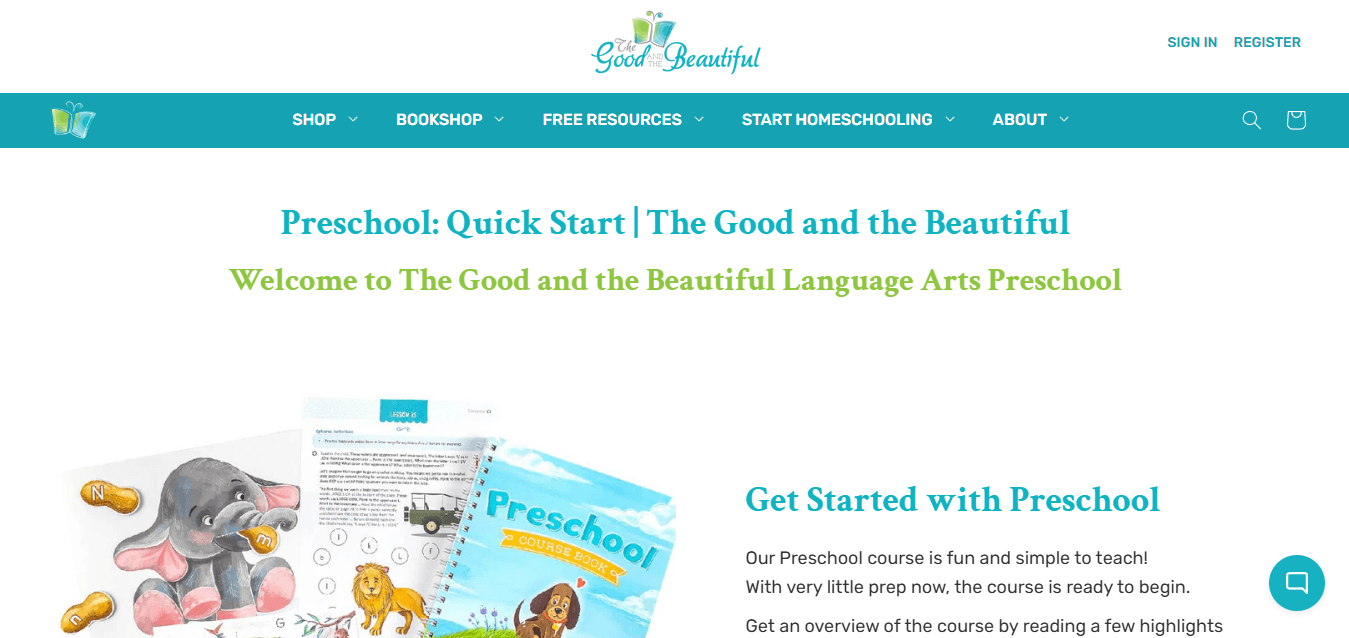
This complete curriculum combines reading and writing instruction with art appreciation, nature study, and values-based character development. Free downloadable resources include lesson plans, printable activities, and book recommendations organized into daily sessions. The approach emphasizes beauty, wonder, and gentle learning rather than academic pressure, appealing to families seeking screen-free education rooted in traditional values. Some parents supplement their child's math instruction with additional resources if their child shows readiness for more structured number work.
8. Homeschool Creations Preschool Packs
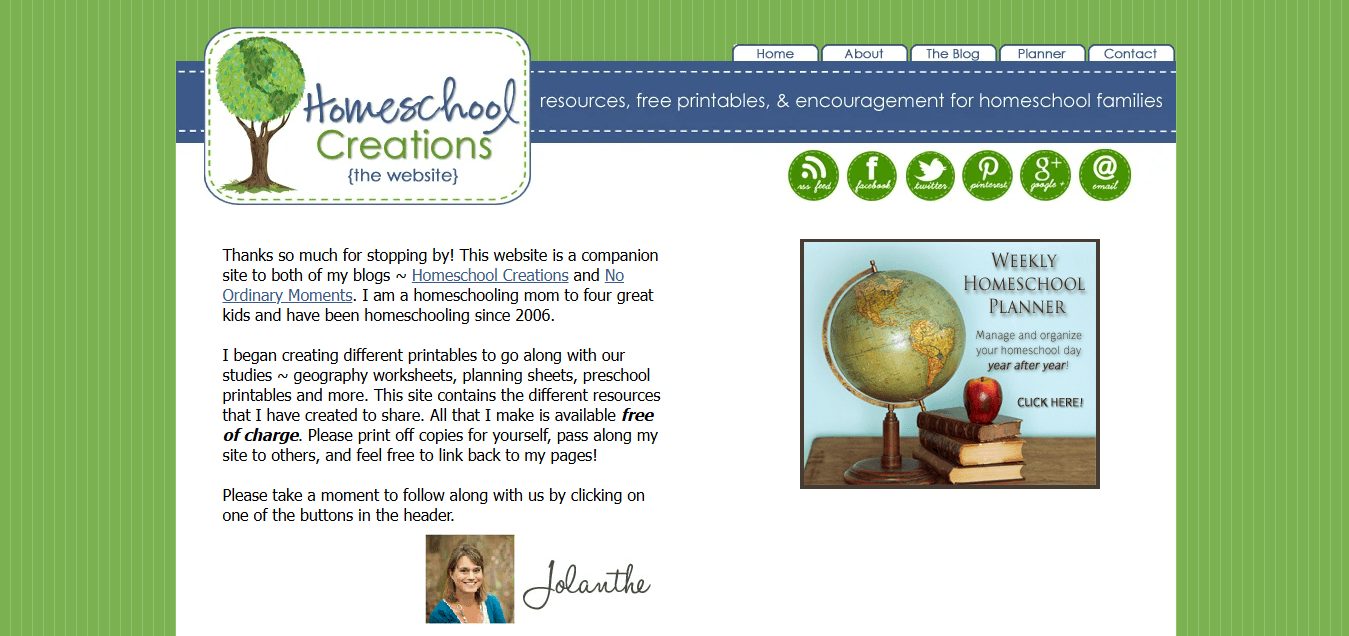
These themed printable packs cover letters, numbers, seasons, holidays, and topics such as ocean animals and community helpers, with coordinated worksheets and activities. Parents download what matches their current focus, print the needed pages, and integrate them into daily routines without committing to a full curriculum. The flexibility lets you customize learning around your child's interests, though you'll need to create lesson plans and determine the appropriate sequence.
How do printable packs solve common homeschool challenges?
Many families struggle to find supplementary materials that match their child's learning without accumulating unused workbooks or paying for mismatched programs. When you need alphabet practice after your child shows interest in letters, or themed coloring pages aligned with a science unit on weather patterns, our My Coloring Pages platform lets you search thousands of printable options, select what you need this week, and print immediately. You're not locked into a set sequence or charged for materials you won't use.
9. Mother Goose Time
This subscription service delivers monthly boxes with hands-on materials organized around specific themes. Each day's activities cover math, literacy, science, and art through manipulatives, games, and creative projects that emphasize sensory and experiential learning. The program provides everything except basic supplies like crayons and glue, saving preparation time. Parents appreciate the convenience and quality, though monthly costs add up and some items go unused, creating waste that concerns budget-conscious families or those who prefer to minimize clutter.
10. Ambleside Online Early Years
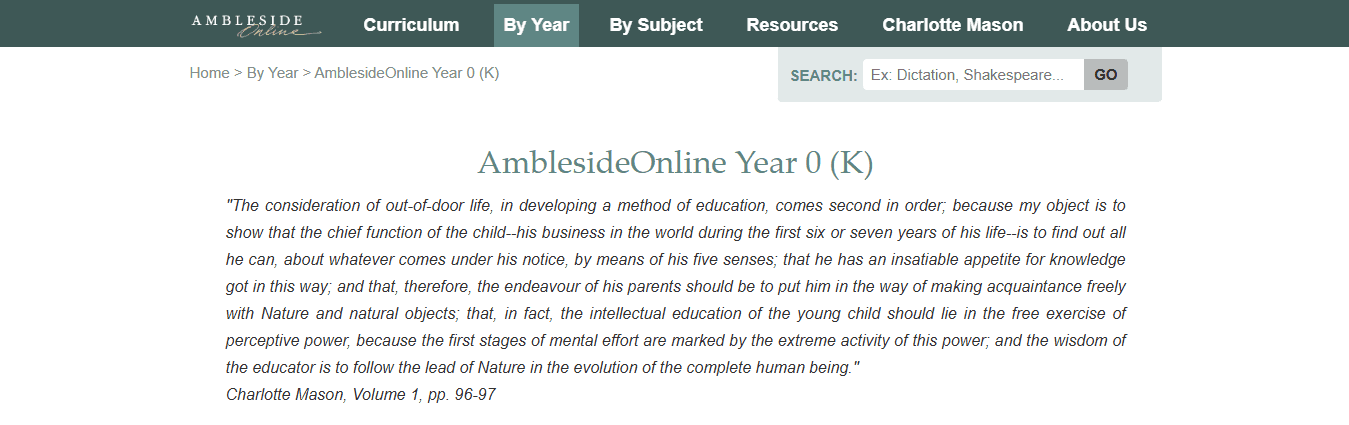
This literature-based curriculum follows Charlotte Mason principles, centering education on rich stories, poetry, nature observation, and narration rather than worksheets or formal lessons. The free online resource provides book lists, scheduling suggestions, and philosophical guidance for implementing the approach at home. Families report their children develop a deep understanding and love of learning, though it requires significant parent involvement in reading aloud and leading discussions.
11. Core Knowledge Foundation
This organization offers free downloadable preschool curriculum covering early literacy, maths, science, and cultural knowledge through structured lessons. The approach builds vocabulary and background knowledge step-by-step, preparing children for later academic success. Materials adapt traditional school methods for home use, appealing to families seeking clear learning objectives and measurable progress. Some parents find the structure too rigid or the content more formal than they prefer for preschool-aged children, particularly those who favor play-based learning approaches.
12. Creative Kids Virtual Preschool
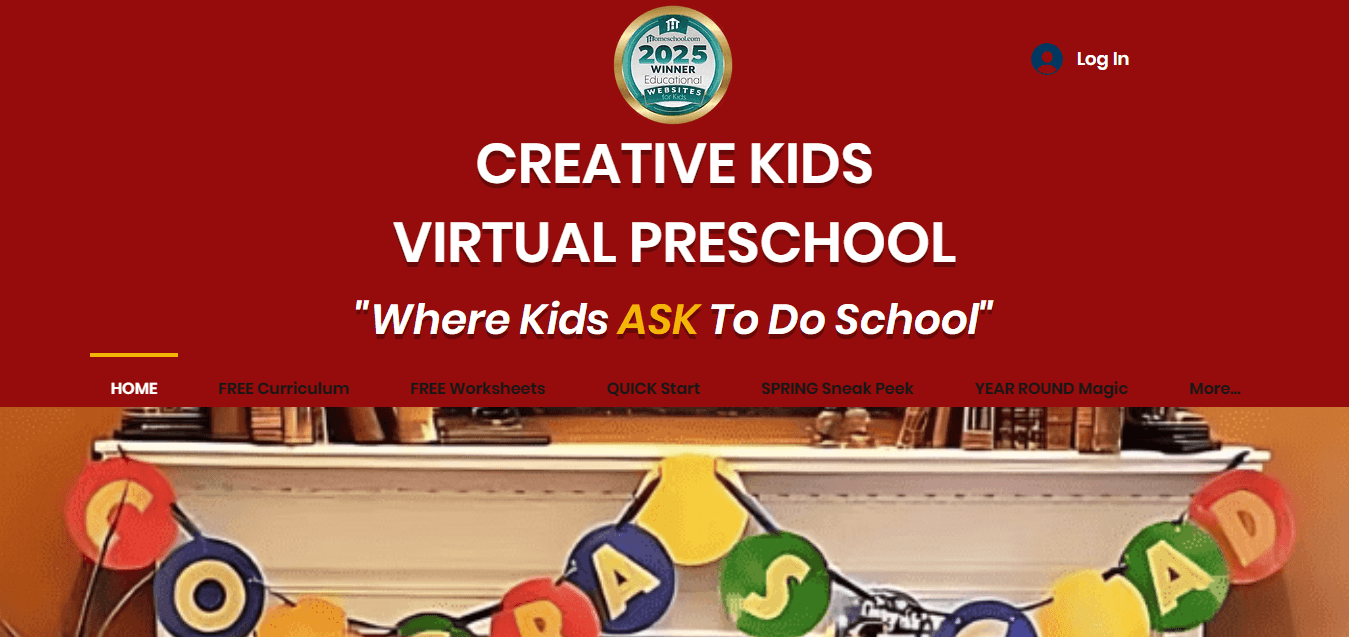
This online program offers interactive lessons and activities that replicate classroom experiences at home. Children follow along with video lessons, complete matching activities, and participate in virtual circle time. The format works well for families seeking formal instruction or for children who thrive on routine and teacher-directed learning, though it requires consistent screen time that may not fit every family's technology constraints.
13. Funbrain
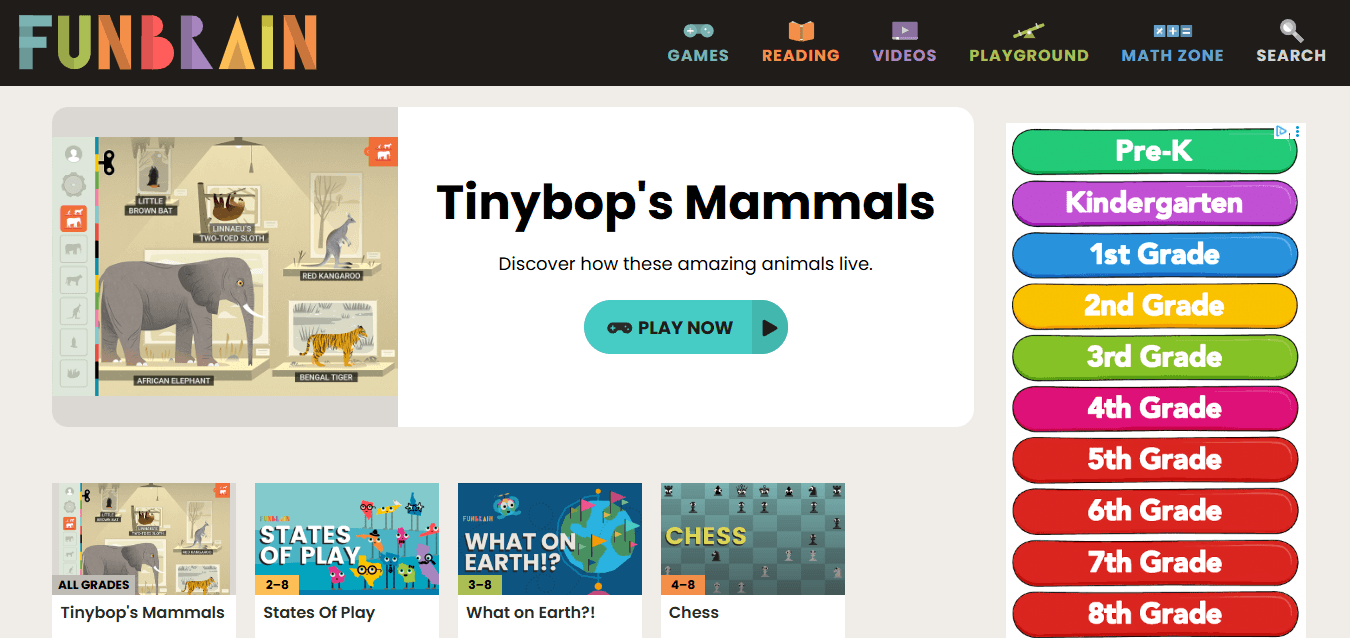
This website offers educational games, digital books, and videos covering reading, maths, and problem-solving skills. Children can navigate activities independently, making it useful for keeping siblings occupied while you work with another child. The free content works best as supplementary practice, reinforcing concepts introduced through other methods.
14. Hess UnAcademy Resource List
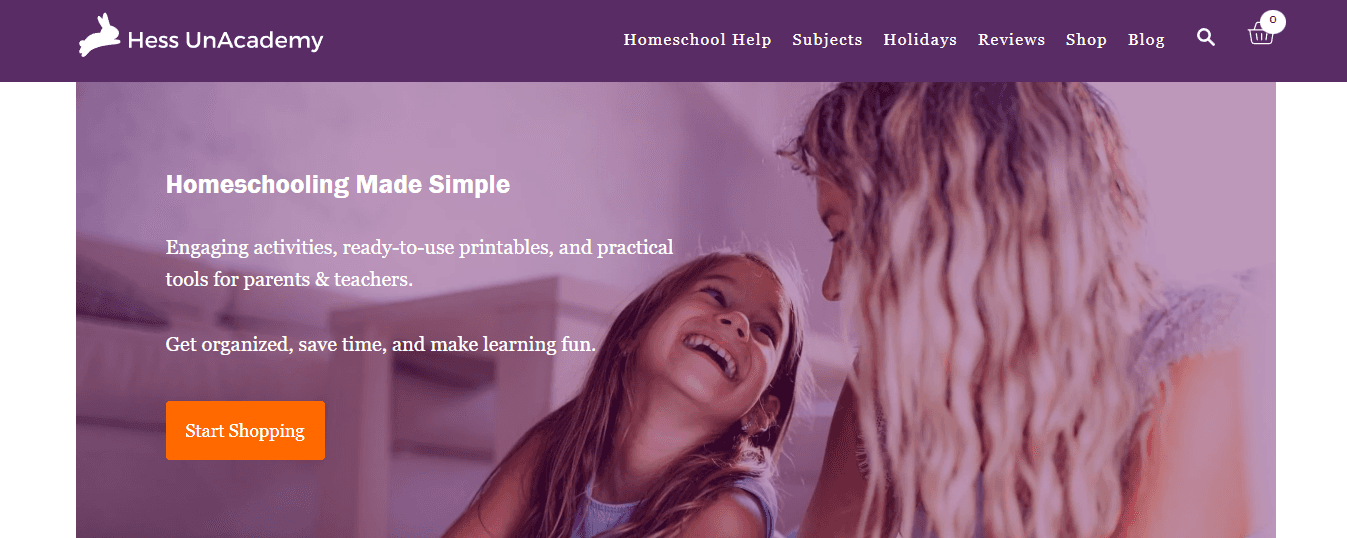
This curated collection brings together more than 50 free homeschool resources in science, unit studies, art, and printable materials. It serves as a starting point for families who want to build custom programs using materials from various sources rather than adopting a single complete curriculum. Parents benefit from having quality options checked and organized in one place, though you'll still need to decide lesson order, create lesson plans, and ensure all important skills are covered.
15. My Coloring Pages
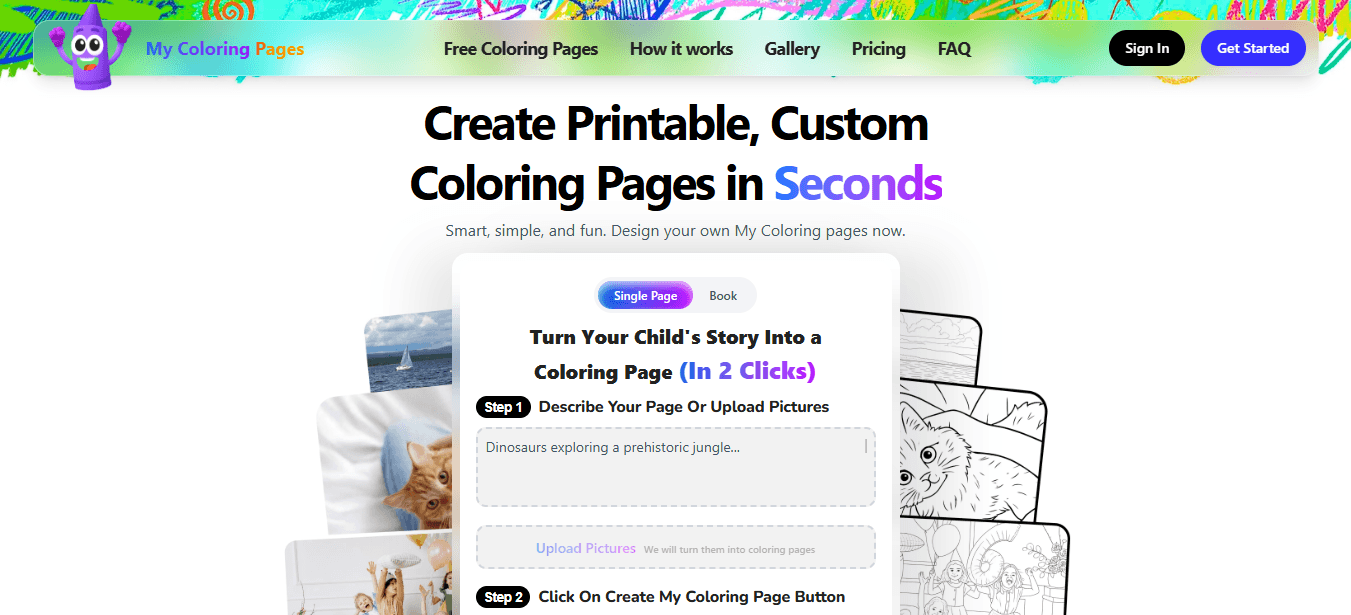
This platform lets parents create custom printable worksheets and coloring pages for specific learning goals or interests. You can design activities around individual letters (like "B for Ball" with matching images), numbers and counting practice, science topics such as animals or weather, or any curriculum-aligned theme. The tool transforms abstract concepts into visual, hands-on learning experiences without requiring graphic design skills or expensive workbook purchases. But knowing which option works for your family's specific needs takes more than reviewing a curriculum list.
Related Reading
- Florida Homeschool Requirements
- Homeschool Preschool
- Kentucky Homeschool Laws
- 1st Grade Homeschool Curriculum
- Texas Homeschool Requirements
- Homeschool Room
- Language Arts Homeschool Curriculum
- How To Homeschool Your Kids
- 6th Grade Homeschool Curriculum
- Homeschool Report Card Template
- Abeka Homeschool Curriculum
- Homeschool Room Ideas
- Homeschool Coop
- Homeschool Vs Public School
- Pre K Homeschool Curriculum
- Georgia Homeschool Laws
- How To Homeschool In Texas
- Colorado Homeschool Laws
Find the Best Online Homeschool Worksheets for Preschoolers on My Coloring Pages
No single curriculum platform offers complete coverage. One might excel at phonics but have weak math activities; another offers solid science but lacks engaging art projects. Parents who accept mediocre materials in certain subjects or spend hours searching for matching supplements face unnecessary friction.
⚠️ Warning: Don't expect any single platform to excel in every subject area—curriculum gaps are inevitable.
Treat online curriculum as your structural foundation, then fill gaps with flexible resources that adapt to your child's interests and developmental readiness. Select one core program for daily lesson plans and learning progression in priority subjects. Watch where your child struggles, loses interest, or races ahead—those moments reveal where supplemental materials matter most.
"The most effective homeschool approach combines structured curriculum with responsive supplementation tailored to individual learning needs." — Educational Research, 2023
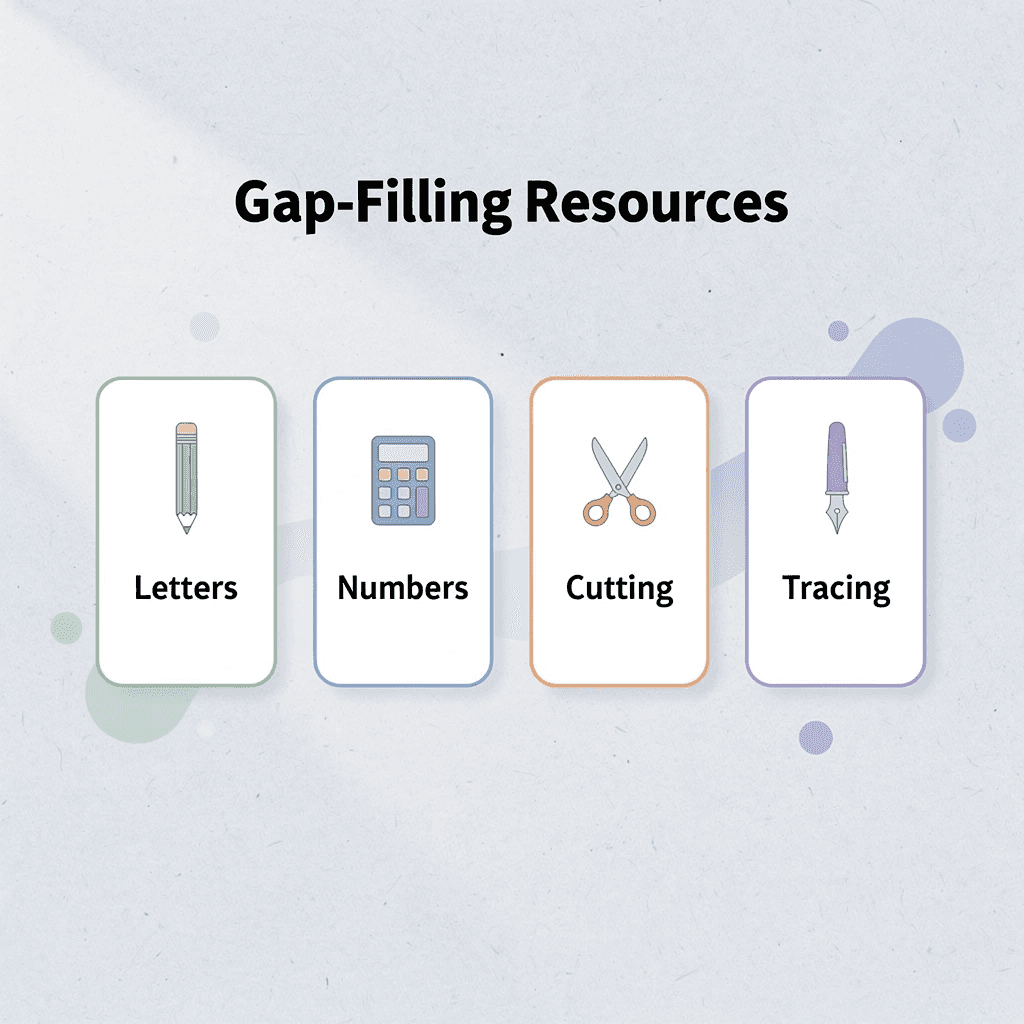
When gaps appear, search for resources addressing the specific concept rather than subscribing to another complete program. If your child needs extra letter recognition practice, find alphabet activities that make tracing enjoyable. If counting works but number writing frustrates them, locate worksheets isolating that single skill. Our My Coloring Pages platform lets you search 55,890+ free printable pages by exact topic: uppercase letter B, numbers 1 through 10, geometric shapes, or seasonal themes. You print what serves this week's learning without accumulating unused materials or paying for bundled content you'll never use.
💡 Tip: Search by specific skills rather than broad subjects to find exactly what your child needs right now.

Review your child's progress every few weeks. Notice which concepts they've mastered and which need reinforcement. Adjust your resource mix accordingly. If phonics is solid but fine motor skills need attention, shift from alphabet tracing to cutting activities and detailed coloring. If your child becomes fascinated with dinosaurs, integrate science, counting, and art through themed materials that capitalize on that natural motivation.
Assessment Area | Action Required |
|---|---|
Mastered Skills | Move to advanced materials |
Struggling Areas | Add targeted practice |
Interest Spikes | Integrate themed resources |
Boredom Signs | Switch activity types |
This mixed approach prevents families from jumping between complete curriculum programs searching for perfection that doesn't exist in a single package. You're building a custom system from multiple sources, addressing your child's actual needs rather than what a curriculum developer decided all four-year-olds should learn in week seventeen. The core program provides structure; the supplements provide responsiveness. Together, they create education serving your specific child.
🎯 Key Point: Custom-built education systems outperform one-size-fits-all approaches by addressing individual learning patterns and interests.
Related Reading
- 4th Grade Homeschool Curriculum
- 3rd Grade Homeschool Curriculum
- 2nd Grade Homeschool Curriculum
- Michigan Homeschool Laws
- North Carolina Homeschool Laws
- Alabama Homeschool Laws
- Homeschool Art Curriculum
- Science Homeschool Curriculum
- Illinois Homeschool Laws
- Accredited Homeschool Curriculum
- California Homeschool Laws
- How To Homeschool In California
- 5th Grade Homeschool Curriculum
- Georgia Homeschool Requirements
- Homeschool Reading Curriculum