130+ Fun, Engaging Activities at Home Activities for Kids
At Home Activities for Kids gives parents simple ways to turn that restless hour into play that teaches, calms, and sparks creativity without stress or expensive supplies.

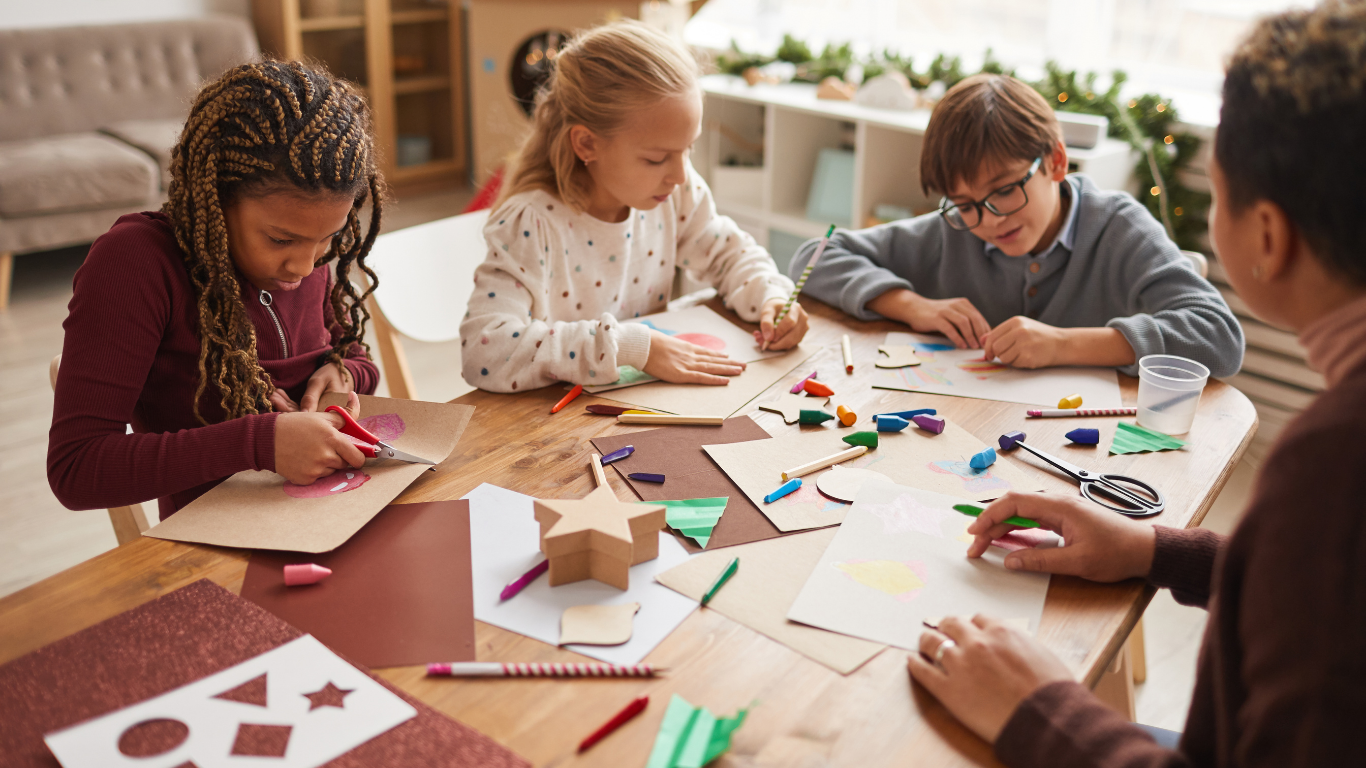
You know that moment when the living room turns into a toy pile, and your child asks what to do next? At Home Activities for Kids gives parents simple ways to turn that restless hour into play that teaches, calms, and sparks creativity without stress or expensive supplies.
This guide shares easy crafts, sensory play ideas, simple science experiments, printable worksheets, and screen-free games to keep kids happily entertained and learning at home. To help with those goals, My Coloring Pages offers 10,000+ free coloring pages you can print or use on a tablet so children practice fine motor skills, color recognition, and focus while you steer the day.
Summary
- Caregiver presence drives follow-through. Weeklong trials showed that participation increased when a parent or caregiver actively attended at least one session, and projects often stalled when adults only set out materials and left.
- Focus and repetition beat scattered attempts, so the article recommends picking three favorites and running each twice in a week, since repetition builds competence and rotation fights boredom.
- Wide options reduce friction for different ages and spaces, with the post compiling 122 activities in total, starting with 50 core ideas and 72 additional entries for more variety.
- Low-prep templates increase usability, as the initial 50 activities are written for quick setup and easy scaling by changing materials, steps, or challenge level.
- Many activities intentionally target fine motor and early literacy skills, for example, item #9 uses tweezers with corn kernels, item #33 is cereal threading, and item #101 focuses on clothespin pickups.
- Costs and cleanup stay manageable by using household supplies and simple recipes, for instance, Moon Dough calls for 1 cup cornstarch and 1/2 cup conditioner, while the salt dough recipe lists 1 1/4 cups salt, 5 cups flour, and 2 cups water.
- 10,000+ free coloring pages address this by offering an extensive library of ready-to-print, age-appropriate coloring pages that reduce prep time and support fine motor practice.
50 Fun, Engaging Activities At Home Activities for Kids
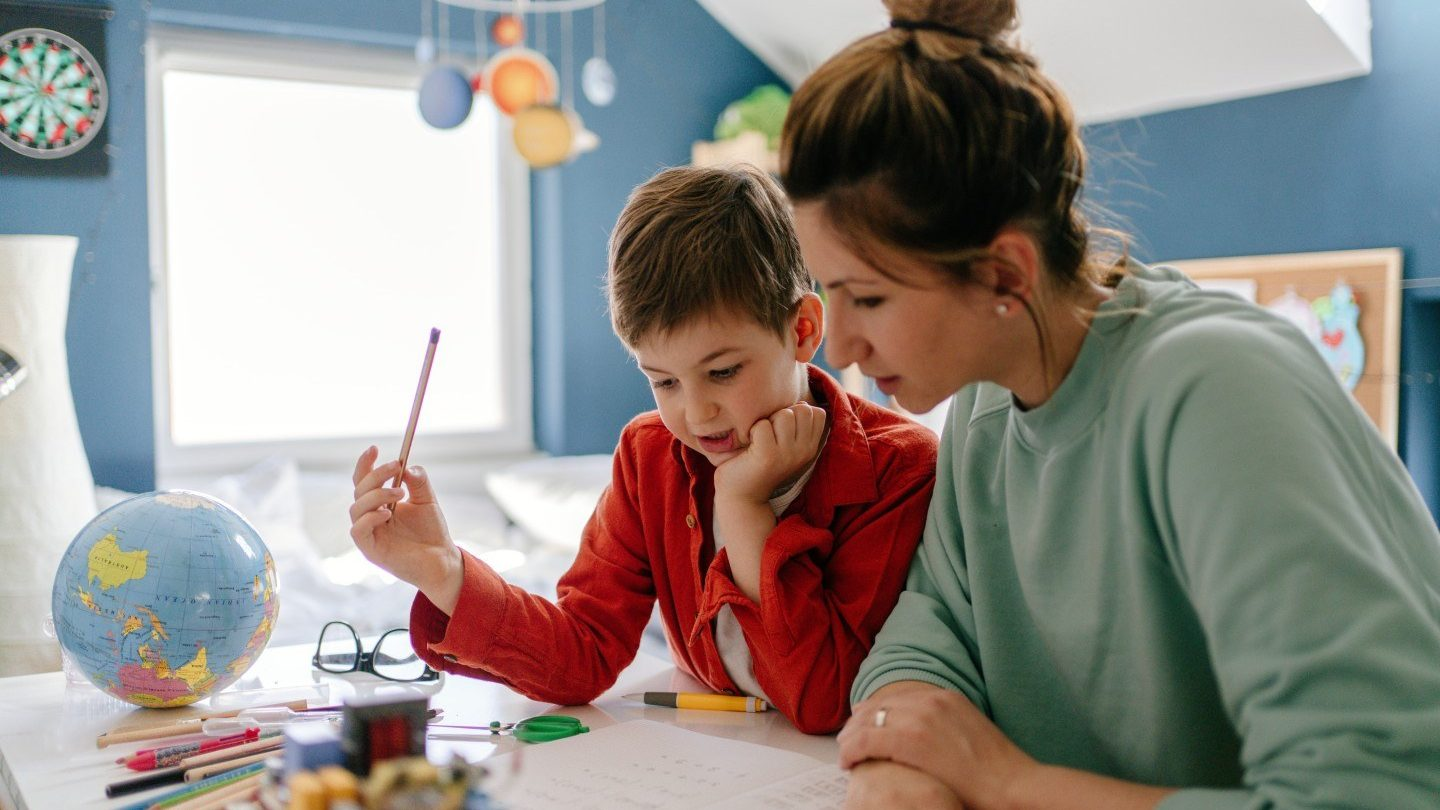
These 50 at-home activities give families clear, flexible ways to play, create, and learn together, each written so parents can set up quickly and adapt to ages or space. Use them as templates: change materials, shorten steps, or invite a grandparent on video to scale the challenge or calm the chaos.
1. Ephemeral Art with Leaves
Gather fallen leaves and other natural bits, then compose temporary mosaics on the grass, a mirror, or a sidewalk with chalk. Encourage your child to plan a color pattern, rearrange pieces, and photograph the final layout so the memory outlives the art.
2. Water On Waxed Paper
Set a cookie sheet with wax paper, offer eyedroppers and bowls of colored water, and let kids explore droplet shape, mixing, and tilt-controlled motion. This is a low-prep science lab for observation, fine motor skill practice, and controlled mess.
3. Tree Decorating
Draw a tree with chalk, or tape a pine shape to the floor, and let your child “decorate” it with buttons, shells, yarn, and small toys. Treat the loose parts as reusable ornaments and rotate through holiday, ocean, and outer space themes to keep the activity fresh.
4. Garden in a Jar
Layer rocks, leaves, twigs, and small toys in a mason jar, fill with water, and top with ribbon or a floating candle for a centerpiece. Make themed jars and ask your child to narrate the story behind each element, building vocabulary and sequencing skills.
5. Clay Art on Trees
Press playdough faces, doors, or windows gently into tree bark, then photograph the creations before rain erases them. This outdoor sculpting strengthens hands and invites imaginative storytelling about who lives inside each tree.
6. Biodegradable Confetti
Use hole punches on collected leaves to make shapes, which strengthens hand muscles and yields usable craft bits for other projects like the Garden in a Jar or sticky-window collages. Store punched shapes in a small jar, so your child can decorate repeatedly.
7. Music-Enhanced Drawing
Play different musical styles while kids draw and ask them to change strokes to match the tempo or mood, building emotional literacy and observational vocabulary. Headphones work if you need to protect the household soundtrack.
8. Pumpkin Boats
Hollow mini gourds, add toy passengers and a leaf sail, then float them in a tub or bathtub to experiment with buoyancy and weight distribution. Invite your child to redesign sails for speed or stability.
9. Indian Corn Kernels
Provide tweezers and a bowl for transferring dried corn kernels for fine-motor practice, sorting, or pattern-making. Turn it into a counting or color-sequencing game for older kids.
10. Falling Leaf Catch
Stand beneath a leaf-dropping tree and challenge kids to remain still and time a catch, honing patience, listening skills, and predictive movement. Make it a gentle competition: who can wait the longest without moving?
11. Tunnel or Den of Lights
Build a blanket fort with a box and string lights poked through holes, creating a cozy, illuminated hideaway for storytelling or quiet reading. Let your child lead the construction to reinforce planning and spatial awareness.
12. Moon Dough Recipe
Mix 1 cup of cornstarch with 1/2 cup of hair conditioner and optional food coloring, then knead into soft dough for tactile play. Store in a sealed bag and reuse with small figurines for dramatic play.
13. “Laser” Maze
String yarn or crepe paper across a hallway at varied heights and ask kids to crawl or tiptoe through without touching, rewarding creative movement and problem-solving. Place a small prize at the end to teach goal-setting.
14. Corn and Peas Water Bin
Fill a tub with water and frozen or canned corn and peas, adding scoops and sieves to explore sinking, scooping, and temperature changes. This sensory station supports descriptive language and safe, independent play.
15. Sticky Windows
Tape a sheet of clear contact paper to a window and let children press leaves, feathers, tissue, or buttons to create layered collages, building fine motor control and a sense of cause and effect. Peel and reseal for repeat sessions.
16. Magnet Fishing
Float magnet letters or shapes in a tub and fish them out with a paperclip on a string, practicing letter recognition, sorting, and hand-eye coordination. Color the water with a drop of food coloring for visual appeal.
17. Popsicle Stick Photo Puzzles
Glue a photo across rows of popsicle sticks, let it dry, then cut between sticks so kids can reassemble the image, practicing spatial reasoning and memory. Older children can add a second image on the reverse for extra challenge.
18. Plastic Insects
Scatter toy bugs in a sensory tray, hand over tongs or tweezers, and ask kids to excavate, sort, or place them into habitats, supporting categorization skills and imaginative play. Freeze some in ice cubes for a mini excavation lab.
19. Monster Eraser Tops
Use little eraser toys for sorting, pencil-topping, or as counters in math games; they’re perfect for quick transitions between play and quiet table activities. Let kids create stories about each monster to strengthen narrative skills.
20. Halloween Pencils
Decorate pencils with stickers or eraser tops, and use them for detailed drawing or writing exercises, giving children a new tool that makes fine-motor practice feel special. Teach safe use of handheld sharpeners under supervision.
21. Dried Indian Corn
Use kernels for tweezing practice or as materials for gluing onto patterns, and paint dried husks to make seasonal ornaments. Combine tactile sorting with a snack-time lesson if you plan to pop some kernels first.
22. Small Pumpkins
Include mini pumpkins in sink-and-float tests, painting projects, or sensory trays. Let children predict outcomes and record results to practice the scientific method in a bite-sized format.
23. Chalk Paint
Mix cornstarch, baking soda, water, and food coloring to create sidewalk paints and let kids work on cardboard panels or the driveway, exploring color mixing and large-motor strokes. Rinseable paints keep cleanup manageable.
24. Watercolors from Scratch
Combine baking soda, vinegar, corn syrup, cornstarch, and food coloring into an ice cube tray palette, dry for a few days, then paint with your homemade paint to make the act of painting itself feel earned and memorable.
25. Lemon Volcano
Cut lemons in half on a tray, let kids poke and squeeze juice, then add baking soda to watch fizzing reactions, a safe chemistry demo that invites hypothesis and observation. Extend by trying different citrus fruits and comparing results.
26. Circle Painting
Cut cardboard rolls into stamps and let children dip and stamp circles to build patterns, layers, and color experiments, which improves hand control and compositional thinking. Encourage deliberate placement, not just random stamping.
27. Fan Fun
Test what flies best in front of a fan, from ribbons to feathers, to teach airflow and cause-and-effect. Turn it into a design challenge: which homemade kite or paper plane stays aloft longest?
28. Ring Toss
Create a simple ring toss with household rings and a broom handle in a box, using distance and angle to vary difficulty for different ages. Score points to practice counting and turn-taking.
29. Bake Cookies
Invite kids to measure, mix, roll, and decorate cookies, teaching fractions, sequencing, and patience while producing an immediate, joyful reward. Use cookie decorating to practice color naming and fine motor control.
30. Slow-Cooked Dinner Together
Choose a slightly ambitious recipe and have kids help with washing, stirring, and seasoning, teaching food skills and responsibility while normalizing the experience of tasting new foods—a gentle step toward reducing picky eating when parents stay engaged.
31. Pom-Pom Wall
Convert cardboard tubes into a vertical plinko board for pom-poms, which strengthens planning and introduces gravity experiments while using recycled materials. Let children redesign the board to test different drop paths.
32. Dance Party
Put on upbeat music and give permission to move wildly; use freeze-dance rules to practice impulse control and rhythm. Rotate music styles to expand musical taste and body awareness.
33. Cereal Necklace
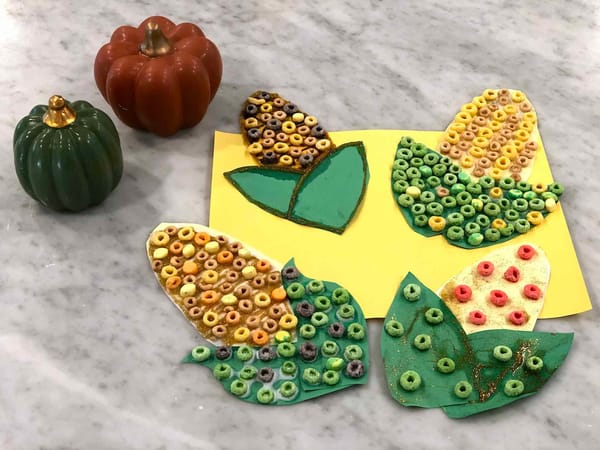
Thread Cheerios or Fruit Loops to practice pincer grasp and pattern-making, then snack on the finished creation, turning the craft into a lesson about moderation and reward.
34. Pillow Fort
Build a fort with sofa cushions, chairs, and blankets, and outfit it with a flashlight, books, or tablets for a reading nook that encourages independent play and cooperative construction skills.
35. Sleepover Night
Make a living-room sleepover with sleeping bags and popcorn, practicing late-night storytelling and social rules like quiet voices and shared snacks, which strengthens family bonds.
36. Homemade Play-Doh or Slime
Mix simple, safe ingredients to create tactile materials that teach measurement and chemistry. Store in sealed containers for repeat sculpting sessions that strengthen hand muscles.
37. Spring Painting Party
Set up large paper rolls outdoors, assign theme prompts, and let kids collaborate on murals to build teamwork, scale perception, and bold mark-making.
38. Virtual Museum Tours
Use online exhibits to explore art or science collections, then ask kids to recreate a favorite piece with crayons or a paper collage, turning passive viewing into active making.
39. Quiet Hour
Schedule a daily block where kids choose low-energy activities—puzzles, independent reading, or coloring—so adults can recharge and children learn self-directed calm. This predictable pause reduces tantrums later in the day.
40. Scavenger Hunt
Create lists that work indoors or in the yard, tailoring clues to age and reading level, which encourages problem-solving, observation, and cooperative play when done in teams.
41. Easy Origami
Fold simple animals and shapes with step-by-step visual prompts to practice following sequences and improve fine motor precision. Display finished pieces on a “paper zoo” shelf.
42. Online Class Together
Take a short crafting or cooking lesson with your child, then immediately apply what you've learned to make a tangible item that reinforces memory and provides a visible reward for effort.
43. Balloon Party
Inflate many balloons and use them for catching games, static electricity experiments, or gentle volley play that improves reaction time and cooperative play. Add safe rules about outdoors and choking risks for toddlers.
44. Healthy Snack Making
Involve children in measuring and mixing no-bake energy bites or smoothies, teaching nutrition, and reducing resistance to new flavors when kids help create the food.
45. Video Calls with Loved Ones
Schedule short shared activities on a video call, like drawing the same picture or baking the same simple recipe, to keep relationships active and show kids that creativity connects across distance.
46. Board Games and Puzzles
Rotate age-appropriate games to teach turn-taking, strategy, and patience; use simpler versions for preschoolers and more complex games for older siblings to grow together.
47. Send a Postcard
Have kids draw a scene or dictate a short message to mail or send via a postcard app, teaching writing, spatial awareness, and the joy of giving first-person.
48. Dot Stickers
Create sticker-line tracing sheets to practice fine motor precision and pre-writing paths, then increase difficulty with tighter curves or smaller stickers as kids improve.
49. Rubber Band Activities
Loop rubber bands onto cans or bottles for coordination challenges that scale from easy to hard based on cylinder size, developing wrist strength and persistence.
50. Rubber Band Chains and Single-Band Slingshot
Teach chaining rubber bands for fine-motor sequencing, then carefully demonstrate how a paper-backed single-band slingshot launches a folded paper strip, emphasizing safety, aim, and responsible play.
Why caregiver involvement matters, and what usually breaks: When we run weeklong activity trials with families, the pattern was clear within days. Participation increased when a parent or caregiver actively attended at least one session, and projects stalled when adults only set out materials and then left. The familiar approach is to assemble supplies and hope kids self-start, which saves time but often reduces follow-through and learning.
That hidden cost shows up as wasted materials, missed skill practice, and frustration, especially around habits like picky eating or homework resistance, where consistent adult modeling matters more than a single activity. Platforms like My Coloring Pages reduce that friction by centralizing high-quality, customizable coloring pages and step-by-step prompts, letting caregivers jump in with a ready-made activity that still feels personal, cutting prep time while keeping the family present.
For more ideas you can borrow or adapt, check Waterford.org's 50 Fun, Engaging Activities and BabyOrgano's "50+ fun indoor games for extra variety and templates that scale to your space and time.
A quick note from experience: pick three favorites, run each twice in a week, then rotate—the repetition builds competence, and the rotation fights boredom.
What happens next will complicate everything you think you know about keeping kids engaged.
Related Reading
- Activities for Kids
- Hobbies for Kids
- Activities for 5-Year-Olds
- Creative Activities for Kids
- Educational Activities for Kids
72 More Fun, Engaging Activities At Home: Activities for Kids
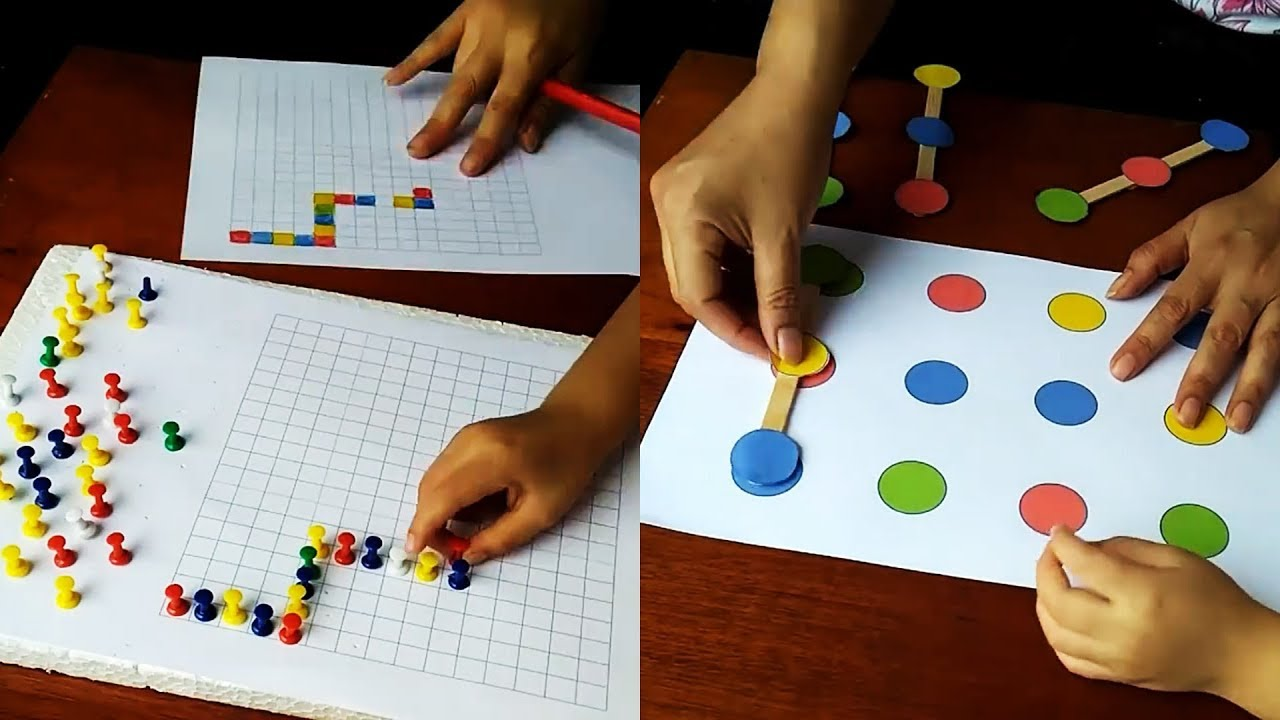
I’ll continue the list with items 51 through 122, keeping each activity kid-friendly, flexible across different ages and spaces, and focused on creativity, problem-solving, movement, or imagination. Read each entry as a quick setup and several simple ways to scale the challenge or change the materials.
51. Color Mix Squish Bags
Fill a large sealable bag with about a tablespoon of two primary tempera colors, remove the air, tape it closed, and let kids squash to see new hues form. Add small rollers, toy cars, or corks for alternative mixing tools, and use a second bag with white or black to teach tone changes.
52. Color Circles
Use the paint from squish bags to stamp circles with cups or lids onto paper or cardboard; let children design patterns, layer colors, and wear an oversized T-shirt for mess control, then compare which shapes make the brightest prints.
53. Salt Dough Sculptures
Mix 1¼ cups salt, 5 cups flour, and 2 cups water to knead the dough, build small sculptures or practical items, bake at 350°F for about 45 minutes (adjust for size), then paint with watercolors before baking or with acrylics after, and turn the pieces into keepsakes.
54. Mason Jar Density Experiment
Layer 1 cup of salt and 1/4 cup of popcorn kernels in a jar, seal it, roll it on the carpet to mix, then place the lid down and observe the separation patterns; older kids can predict and test why materials settle differently.
55. Story Boxes/Baskets/Trays
Build a prop box around a favorite tale using rocks, fabric, blocks, and printed characters; children perform, rewrite the ending, or swap props to create their own version, strengthening narrative skills and symbolic play.
56. Cutting Practice
Start with cooked spaghetti, a skein of yarn, or rolled paper to practice safe scissor cuts, teach how to hold scissors, and set clear safety rules about where scissors can be used and carried.
57. Kitchenware Sorting and Number Play
Let kids return washed utensils to drawers, sort plates and spoons, and set the table; add counting or subtraction challenges by giving extra forks to return, turning chores into numeracy practice.
58. Paper Nail Salon
Draw hand outlines on paper and let children paint or color fingernails, experiment with patterns, or create themed nail sets for dolls and stuffed animals.
59. Rescue From the Spider Web
Tape masking tape across a tub opening, add small toys, and have kids use tongs or a large spoon to extract trapped items; add water to test which float and sink, with towels handy for spills.
60. Dump and Sweep
Give children a container of small items to dump onto a taped floor area, then hand them a kid broom and dustpan to collect and return the pieces, teaching order, motor control, and responsibility.
61. Milking the Cow Glove
Fill a latex glove with water, suspend it, and prick the fingertips so water drips into a basin; kids practice squeezing and steady hands, with towels nearby for cleanup.
62. Magnet Exploration
Gather refrigerator magnets, then test objects around the house for magnetism; have older children predict and record results to build experimental reasoning.
63. Produce Poking
Mark dots on an apple or potato, and let kids push toothpicks into each spot, or use a small hammer on a halved fruit to steady it; follow up by peeling or eating the produce for a satisfying reward.
64. Water Transfer Toys
Provide small jars, sponges, pompoms, and droppers in a shallow pan; kids practice soaking and squeezing objects to move water, strengthening fine motor control and cause-and-effect thinking.
65. Will It Melt?
Place identical items like broken crayons, flowers, and gummies into muffin tin sections, let kids hypothesize, and then leave the tray in the sun to observe what changes, recording predictions and results.
66. Water Bottle Target Practice
Hang bottles and lightweight objects from a tree and let kids use spray bottles to hit targets, watch sound and splash responses, or try to move ground objects using aim and pressure.
67. Big Bottle Drop
Repurpose a wide-mouth jug for dropping found items like sticks, leaves, and buttons; children concentrate on fitting odd shapes through the opening and later use the bottle as a shaker instrument.
68. Wood and Water Play
Soak scrap wood, craft sticks, and twigs in a tub, then let kids notice how wood soaks, sinks, or flips over time; ask them to predict how changes affect play scenarios and boat-building experiments.
69. Produce Peeling Practice
Teach safe peeler use with carrots and cucumbers, then let children rotate the vegetable while they peel; progress to apples and potatoes as skill and caution improve.
70. Suitcase Adventure
Prepack a small suitcase with snacks, cups, a tablecloth, and a stuffed animal for an indoor picnic, or challenge older kids to pack for a destination you name, discussing choices and weather-appropriate clothing.
71. Face Paint Play
Offer washable face paints, a mirror, and Q-tips, and let children design characters, combine makeup and storytelling, and safely wash at the end while you photograph their creations.
72. Rubber Band Instruments
Stretch rubber bands across a shoebox or cardboard to make string instruments; kids explore pitch by changing band tension and plucking patterns.
73. Balloon Games
Inflate balloons for keep-it-up games, decorate them, chase them, or demonstrate static cling by rubbing balloons on fabric; supervise popped balloons and clear fragments immediately.
74. Aluminum Foil Boats
Shape foil into boats and float them in a tub, testing loads and sail shapes; experiment by adding passengers or making spinners to see which designs travel furthest.
75. Hole Punch Art
Use single or three-hole punches on paper or leaves, collect confetti for sensory bottles or collages, and challenge kids to create patterns or mosaics with the punched pieces.
76. Umbrella Day Fort
Open umbrellas indoors to create a low-ceiling hideaway, add pillows and books, and hang lightweight decorations for a private reading nook.
77. DIY Bowling Alley
Fill and label old cans or bottles as pins, weigh some with sand if needed, and use a soft ball for bowling indoors or on the driveway, tracking scores for counting practice.
78. Edible Sand for Infants
Crush crackers in a bag or food processor, then place the “sand” in a shallow tray with spoons and small toys to scoop, bury, and uncover, keeping the experience snackable and safe.
79. Fishing in a Box
Sit in a laundry basket or box and use tongs to “fish” for stuffed animals or sock-fish; balancing and reaching build coordination while play stays contained.
80. Shaving Cream Spackle
Use shaving cream to glue foam blocks together with a spatula, or create temporary sculptures; keep water and towels nearby for cleanup and extend into painting or stamping once dry.
81. Flower Sensory Soup
Fill a pot with water and flower parts, give ladles and sieves, and let children “cook” floral soups, noticing scent, texture, and buoyancy.
82. Nature Threading
Use collected leaves, petals, and stems on a dull needle, stiff wire, or branch to make garlands, necklaces, or mobiles that preserve a walk’s memories.
83. Nature Pounding
Arrange leaves and petals on fabric or paper, cover with wax paper, and pound with a hammer to transfer natural dyes; rinse and air-dry fabric for permanent pieces.
84. Color Sorting with Tools
Offer buttons, ties, or mixed items and tongs or tweezers for sorting into containers, or create hole-size challenges that demand matching shapes to slots.
85. Tape Trails for Balance and Play
Lay tape lines on the floor for heel-toe walking, object lining, or to form paths for toy cars and light strings inside tents.
86. Toy Pool Party
Set a basin with water and toy guests, use sponges as floats, and supply towels to dry toys and practice gentle play routines.
87. Child-Height Clothes Line
Hang a low line outdoors for children to clip and hang their clothes or handmade flags, teaching responsibility and fine-motor clipping skills.
88. Watercolor Droplets on Filters
Use eyedroppers to add diluted food coloring to coffee filters or paper towels, watch colors spread and blend, and cut dried filters into shapes for decals.
Most caregivers set out materials hoping kids will self-start because that approach saves time and feels familiar. That strategy can fragment attention and produce many half-finished projects or scattered supplies, especially as children age or sibling counts grow. Platforms like My Coloring Pages help by centralizing thousands of downloadable, customizable coloring pages and step-by-step prompts, so families get curated, age-appropriate activities that reduce prep time, keep projects cohesive, and preserve creative choice.
89. Dry-Erase Letter Hunt
Write scrambled letters on glass or mirrors and have children erase matching letters while singing or following an alphabet box; allow wiping for younger hands and tracing for older learners to build letter recognition.
90. Draw and Shake Tray
Spread salt, coffee grounds, or sand thinly in a tray and let kids draw letters or shapes with a finger, then shake to erase and try again, reinforcing pre-writing strokes without pencil pressure.
91. Paper Clip Challenges
Edge cards with paper clips to practice precision; change card shapes and add counting tasks for older kids to combine fine motor work with number sense.
92. Shaving Practice
Put shaving cream or lotion on an arm and use a popsicle stick to “shave” it off, training sweeping motions and orientation using a mirror for facial play.
93. Tea Bag Sensory Lab
Provide tea bags, warm water, scissors, and containers so kids can cut open bags, steep different flavors, smell, compare color changes, and strain with tea balls for a simple sensory experiment.
94. Indoor Ice Skating
Use dryer sheets on hard floors so children can slide lightly and practice balance; clear the area of sharp corners and add music for improv movement.
95. Homemade Moon Sand
Mix 2 cups of flour with 1/4 cup of baby oil in a tray, let kids build tactile sculptures, and keep the activity contained on a towel to reduce floor scatter.
96. Junk Mail Remix
Offer catalogs and junk mail for rip-and-glue collages, envelopes to reseal, and cutting practice with child scissors; turn scraps into handmade cards or small books to mail.
97. Cut Sponge Blocks
Slice new sponges into repeatable blocks for building, stacking, and wet play; test colored water or soap for different textures and reuse after drying.
98. Take Apart Station
After removing batteries and cords, provide safe screwdrivers and pliers for kids to open old toys, collect screws in jars, and explore mechanical parts with supervision.
99. Bread Painting
Use diluted food coloring and brushes to paint on bread slices; let kids design edible art that can be toasted and eaten later, with adult supervision for safe handling.
100. Bull’s-Eye Box
Decorate a box, cut a hole in the bottom larger than the ball, and have children tilt the box to guide the ball into the hole, increasing the surface area or angle for added challenge.
101. Clothespin and Clip Pickups
Offer clothespins or chip clips, along with small items to grasp and move, to strengthen the pincer grasp and build stamina for writing tools.
102. Spray Bottle Shooting Gallery
Set up paper towel rolls with light balls on top and let kids spray to hit targets; vary distances and nozzle settings to teach force control.
103. Cheerios Stacking on Spaghetti
Anchor spaghetti in Play-Doh, then have children stack Cheerios to practice counting and fine motor patience, adding numbered labels for older children.
104. Golf Tee Marble Balances
Hammer golf tees into foam and carefully place marbles on top, challenging kids to plan sequences and steady placement without toppling earlier marbles.
105. Can Food Play
Use full cans for rolling, stacking, and sorting by size or label color; move the activity outside if you expect crashing towers.
106. Clipboard Scavenger Drawing
Secure paper to a board and ask children to sketch items from different rooms, or give letter prompts and have them draw objects that start with each letter.
107. Tug and Pull Box
Thread fabric strips, bandanas, and rope through holes in a box and knot ends so kids can pull and tug different textures while exploring cause and effect.
108. Edible Baby Paints
Blend dry baby cereal, almond milk, and pureed vegetables to make naturally colored, edible finger paints for infants and toddlers, keeping all parts safe to taste.
109. Stuffed Animal Role Play
Use household props to stage restaurants, schools, or trains for stuffed animals, giving kids scripts, tickets, and small tasks to run imaginative businesses.
110. Q-Tip Maze Construction
Build mazes on tables using Q-tips, then roll toy cars or move small figures through the pathways; for 3D mazes, attach Q-tips to Play-Doh bases.
111. Bubble Making
Mix water and soap in a basin, then use utensils like strawberry baskets or whisks to create foam and bubbles, and add sponges for cleanup and sensory play.
112. Paint Sample Color Sorting
Use paint color cards to sort small objects into shade families, asking kids to arrange from darkest to lightest to deepen color vocabulary.
113. Color Matching With Swatches
Match real objects to multi-shade paint cards, encouraging precise observation as children hold items up to the shades and adjust them until they find a close match.
114. Sticky Sandpaper Designs
Lay sandpaper on the table and arrange yarn in patterns that grip and stay put, allowing children to compose tactile pictures.
115. Paper Plate Frisbees
Decorate paper plates and practice throwing outdoors, exploring spin and aim, and decorating for teams if playing with siblings.
116. Puzzle Hunt
Hide pieces of a favorite puzzle and have kids search to complete it, adjusting hiding difficulty by age and encouraging partner searches for cooperative play.
117. Puzzle Jumble Warm-Up
Start puzzles with only two pieces available and add more as children succeed, building sorting skills and managing incremental challenge.
118. Homemade Puzzles and Lacing Boards
Glue photos or artwork to cardboard, cut into pieces, or punch holes for lacing, giving kids ownership of their puzzles and repeated practice.
119. Cup Building
Stack and connect paper or plastic cups with tape and other recycled parts to make towers and sculptures, testing stability and design choices.
120. Target Practice With Hanging Cups
Hang cups inside a box and toss soft balls to knock them, reinforcing accuracy and distance judgment while collecting points.
121. Crunchy Box Smash
Place crackers or cereal in a box and let kids smash them with a mallet; then reuse the crumbs for crusts or toppings after gathering everything up.
122. Diaper Wipe Pull Box
Fill an empty wipe container with scarves, lids, and small toys for kids to pull out and re-stuff, or try identifying items by touch while keeping the activity quick and repeatable.
For more inspiration, see 67 screen-free activities for kids, a 2023 roundup that parents have used to rotate ideas. The post itself attracted 18 comments in 2023, a sign that quick adaptations and shortcuts are what families trade most.
This pattern appears across home mornings and preschool drop-ins. When activities let children choose materials or change rules, they stay engaged longer, and parents gain meaningful stretches of focused time.
What happens next is more interesting than another activity list.
Related Reading
- Activities for 6 Year Olds
- Activities for 7-Year-Olds
- Fun Activities for Elementary Students
- Fun Activities for Preschoolers
- Screen-Free Activities for Kids
- Activities for 8-Year-Olds
Create Custom Printable Coloring Pages and Coloring Books in Seconds
Consider My Coloring Pages when you want fast, meaningful, screen-free activities: describe a scene or upload a photo, and the app turns it into a ready-to-print coloring page in seconds, or browse more than 10,000 free community pages to find age-appropriate, customizable options. We use it because it converts tight evenings into hands-on creativity that produces keepsakes and keeps kids engaged without extra prep.