15 Affordable Preschool Graduation Gift Ideas
Discover 15 budget-friendly preschool graduation gifts that celebrate your little graduate's milestone. My Coloring Pages shares creative ideas under $20.

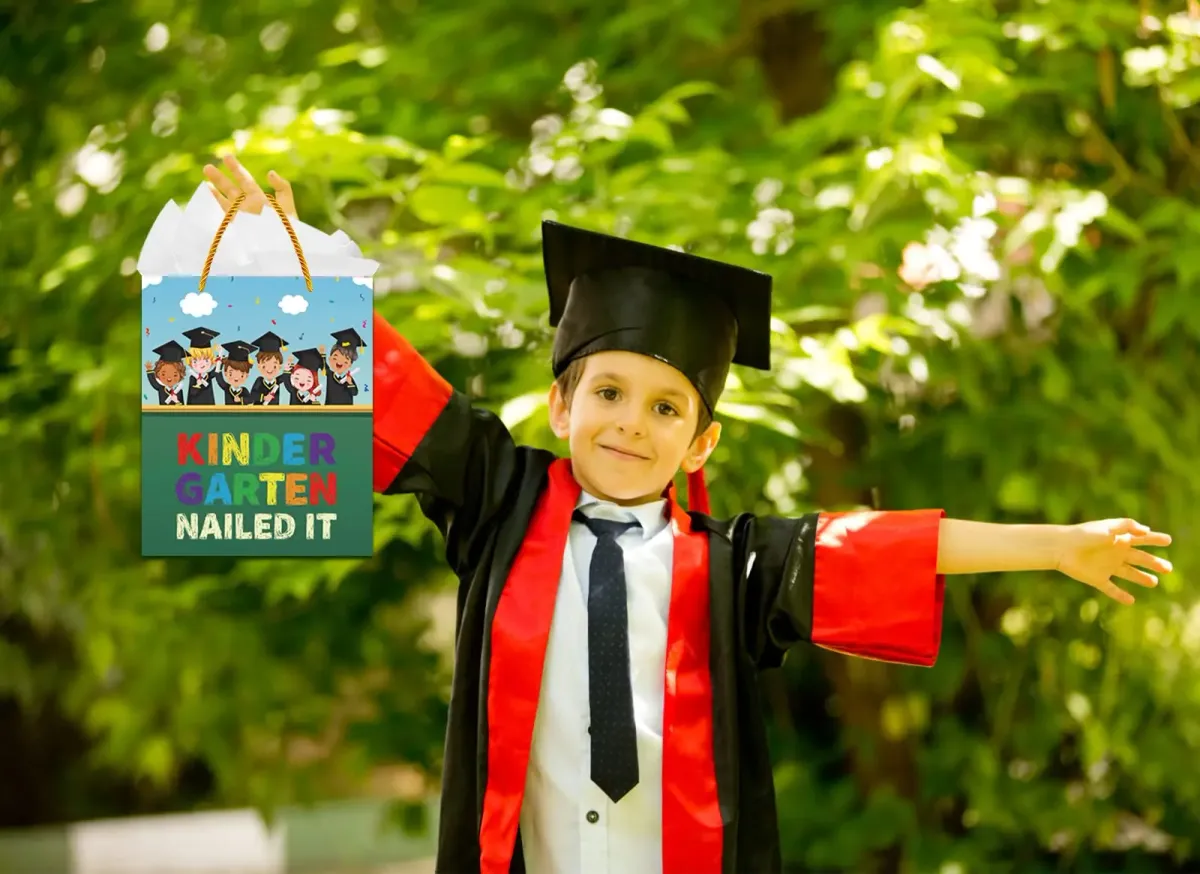
Choosing the perfect graduation gift for a preschooler requires finding something meaningful that celebrates their growth and achievements. The best gifts honor this milestone while supporting the creativity and learning skills they've developed through countless preschool activities. Thoughtful presents can create lasting memories while encouraging continued exploration and development. Parents often seek gifts that connect to their child's interests and classroom experiences.
Personalized keepsakes make particularly special graduation presents because they reflect what each child loves most. Custom activity books featuring favorite themes like dinosaurs, princesses, or vehicles can extend the celebration beyond graduation day while preparing young learners for kindergarten. These tailored gifts combine fun with skill-building opportunities, keeping children engaged in creative learning. Parents can easily create these personalized treasures using 40,291+ FREE Coloring Pages to design custom worksheets and activities perfectly suited to their graduates' interests.
Summary
- Preschool graduation typically occurs between ages 4 and 5, with 54 percent of 3- to 5-year-olds enrolled in school as of 2024, according to the National Center for Education Statistics. This age range matters for gift selection because children at this developmental stage are building fine motor skills, expressing clear preferences, and developing the focus to complete activities like coloring full pages with deliberate color choices. Understanding this sweet spot helps parents choose gifts that feel personalized without being too advanced for their current abilities.
- Research shows that 90% of brain development occurs before age 5, meaning preschool experiences form core beliefs about academic capability and whether school is a place where good things happen. Graduation ceremonies provide the first structured completion experience most children encounter, building the internal narrative that effort leads to accomplishment and that transitions can feel positive. Children who experience recognized transitions show fewer adjustment difficulties in the first weeks of kindergarten and stronger peer connections because they enter new environments with confidence rather than confusion.
- Family attendance at milestone events correlates with stronger school engagement in elementary years, making presence at graduation ceremonies more than just a photo opportunity. The emotional imprint of accomplishment, pride, and recognition shapes self-perception long after factual memories fade, with these feelings reinforced through photos and family storytelling over time. While 4- and 5-year-olds may not retain detailed memories of the ceremony itself, they absolutely retain the emotional experience that becomes part of how they see themselves as students who finish what they start.
- Personalized gifts that reflect a child's specific interests create stronger emotional connections to milestones than generic store-bought alternatives. When children see their name, favorite animals, or classroom memories incorporated into gifts like custom coloring books, they recognize that adults have been paying attention to what matters to them. Parents who involve children in creating their own keepsakes report more frequent conversations about what preschool meant and stronger engagement with the milestone throughout the summer months.
- The best graduation gifts balance affordability with genuine personalization, providing something children will actually engage with beyond the ceremony rather than items that collect dust. Thoughtful selections that support continued skill development through play, like art supplies or educational puzzles, extend the learning preschool built while maintaining the fun factor that keeps young children engaged. Quality materials that work reliably teach better lessons than single-use toys that break immediately or frustrate during use.
- My Coloring Pages addresses this personalization need by offering 40,291+ free coloring pages that parents can customize with their graduate's name, favorite classroom memories, or current interests, turning simple activities into personalized artifacts children return to throughout summer.
What Age is Preschool Graduation
Preschool graduation typically occurs when children are between 4 and 5 years old, marking their transition from pre-kindergarten to elementary school. According to the National Center for Education Statistics, 54 percent of 3- to 5-year-olds were enrolled in school as of 2024. Graduation ceremonies celebrate children who have completed their final preschool year and are prepared to enter kindergarten at ages 5 or 6.

"54 percent of 3- to 5-year-olds were enrolled in school as of 2024." — National Center for Education Statistics
🎯 Key Point: Preschool graduation typically occurs at ages 4-5, serving as a crucial milestone that prepares children for the kindergarten transition.

🔑 Takeaway: With more than half of young children enrolled in early education programs, preschool graduation has become an increasingly important developmental marker that celebrates school readiness and academic preparation.
What age range should you expect for preschool graduates?
The exact age depends on when your child started preschool and how the program is structured. A child who starts at 3 might attend for two years before graduating at 5, while another who starts at 4 completes one pre-kindergarten year. Some programs focus on developmental readiness instead of strict age cutoffs, so a few children might be closer to 6 if families choose to delay kindergarten entry.
Why does this milestone matter so much?
What matters most is what this moment represents: your child has spent months learning to share, follow routines, and navigate friendships. They've learned to hold scissors, recognize letters, and raise their hand instead of shouting. These are significant accomplishments for someone who barely reaches your hip.
Why the Age Matters for Gift Selection
At 4 or 5, children are developing fine motor skills, expanding their vocabulary, and expressing clear preferences. They're past putting objects in their mouths but not yet reading independently: a perfect time for personalized, skill-building gifts matched to their abilities.
A custom colouring book featuring their favourite animals or superheroes means something different at 5 than at 3: they can focus on single pages, choose colours intentionally, and feel genuine pride in finished work. Creating pages together through My Coloring Pages transforms the gift into a shared memory of this developmental milestone.
What This Age Group Actually Enjoys
Four and five-year-olds live in a world where imagination drives play, but they're beginning to care about "real" accomplishments they can show others. They want grown-ups to see their artwork, hear about their day, and acknowledge their learning. This is why graduation ceremonies work so well for this age.
When you give a 5-year-old a personalized gift reflecting something specific about them—their love of dinosaurs or favourite colour—you're telling them you've been paying attention. That validation registers deeply.
Variations Across Programs and Readiness
Not every preschool graduate fits neatly into the 4-to-5 age group. Some children with summer birthdays might be nearly 6, while others born late in the year could still be 4. Programs serving children with developmental delays often celebrate graduation across a wider age range, focusing on skill milestones rather than chronological age.
A thoughtful gift recognizes where the child is developmentally right now, not where the calendar suggests they should be.
The age itself matters far less than what this transition represents to the child and their family.
Why Celebrating Preschool Graduation is Important
Preschool graduation marks the first time a child completes something structured, social, and entirely their own. It builds the internal narrative that effort leads to completion, that transitions can feel positive, and that adults notice growth. For a 4 or 5-year-old, that recognition shapes how they approach the next challenge.

💡 Tip: This milestone creates a positive association with achievement that children carry into elementary school and beyond.
"Recognition shapes how young children approach future challenges, building confidence through structured completion experiences." — National Center for Biotechnology Information

🎯 Key Point: Preschool graduation isn't just a cute ceremony - it's a foundational experience that teaches children that their efforts matter and their growth is celebrated.
Early Recognition Builds Academic Identity
According to The Family Partnership, 90% of brain development happens before age 5. During preschool, children form core beliefs about their capability, whether adults value their achievements, and whether school is a place where good things happen to them. A graduation ceremony reinforces that school is a place where they succeed.
Children who connect learning environments with celebration develop stronger intrinsic motivation. They're more likely to raise their hand in kindergarten, persist through reading difficulties, and view themselves as students who belong in classrooms. The ceremony takes 30 minutes. The psychological imprint lasts for years.
Why do transition rituals reduce childhood anxiety?
Moving from preschool to kindergarten is the biggest change most young children experience. There is a new building, a new teacher, and new expectations about sitting still and following multi-step directions. Without a clear end to preschool, that change feels sudden. Graduation provides closure.
What does research show about ceremonial transitions?
Psychologists who study child development consistently find that rituals help children manage change. A ceremony conveys: "This chapter is finished. You did it. Now something new begins." Children who experience recognized transitions show fewer adjustment difficulties in the first weeks of kindergarten, fewer anxiety-related behavioural issues, and stronger peer connections because they enter the new environment with confidence rather than confusion.
Does celebrating preschool create unrealistic pressure?
Parents sometimes worry that celebrating preschool sets unrealistic expectations or puts pressure on them. The opposite is true. Pressure stems from unacknowledged transitions, in which children sense something important is happening but receive no validation. Celebration removes the ambiguity.
The Gift Becomes Part of the Memory
A personalized coloring book featuring their current interests—construction vehicles, unicorns, whatever they like—shows you've been paying attention. Creating it together through My Coloring Pages transforms the gift into a shared experience rather than a finished product.
This teamwork matters because it reinforces what preschool taught them: you can make things, your ideas have value, and adults will help bring them to life. The completed pages become physical proof of their graduation and progress.
What makes preschool graduation ceremonies truly meaningful?
The problem isn't preschool graduation ceremonies—it's when families feel pressured to spend hundreds of pounds on decorations, professional photography, and elaborate parties that overshadow the actual achievement. A meaningful celebration requires printed certificates, a few minutes for each child to walk across a small stage, and family members in attendance.
How do simple ceremonies create lasting memories?
Schools that keep ceremonies simple but intentional report the strongest outcomes. Children remember the applause, their special outfit, and being recognized by people who matter to them. They don't remember whether the backdrop was professionally designed or homemade.
Parents who create personalized keepsakes, such as custom coloring books or hand-decorated certificates, find that these items carry more emotional weight than store-bought alternatives because the effort itself communicates value.
Why do emotional memories matter more than factual ones?
Four and five-year-olds may not remember all the details of a ceremony, but they retain the emotional imprint: the sense of accomplishment, the pride on their parents' faces, and the feeling that something important happened. These emotional memories shape how children see themselves long after they forget the specifics.
How do photos and storytelling reinforce these memories?
Photos and family storytelling reinforce these memories over time. When you show your child pictures from their preschool graduation years later, you reinforce the narrative that they've always been someone who finishes what they start, who moves forward, who deserves to be celebrated. That story becomes part of how they see themselves.
The real question is how to prepare for a celebration in a way that honours the child without creating unnecessary stress for the family.
Related Reading
- Preschool Worksheets
- What Age Is Preschool
- Preschool Curriculum
- Preschool Age Range
- Preschool Vibes
- Preschool Homeschool Curriculum
- Preschool Games
- Worksheets For Preschool
- Preschool Education
- Free Preschool Worksheets Age 3–4
- Preschool Books
- What Age Do Kids Start Preschool
- Preschool Graduation
- Free Name Tracing Worksheets for Preschool
- Preschool Backpack
- All About Me Preschool
- Free Preschool Worksheets
- What Should a Child Learn in Preschool
- Preschool vs Pre K
- Sight Words for Preschool
- Preschool Self Defense
- Free Printable Preschool Worksheets Tracing Letters
- Preschool Math Worksheets
- Preschool Valentine Crafts for Parents
- Preschool Graduation Gifts
- Preschool Toys
- What Age Is Preschool and Kindergarten
- Preschool Quotes About Play
How to Prepare for Preschool Graduation
Getting ready starts with planning the details, but the best graduations happen when parents think beyond checking things off a list. You're creating a moment your child will feel, even if they can't explain why it matters. This means balancing practical details with what makes it meaningful: being there, making it personal, and giving your child the confidence to lead their own celebration.

Mark the Date and Gather Details
Block the ceremony date on every calendar: yours, your partner's, and anyone involved in pickup or dropoff. Research from the Early Childhood Education Journal (2023) shows that family attendance at milestone events correlates with stronger school engagement in elementary years.
Ask the school about the venue (indoor or outdoor), duration, whether siblings can attend, and what parents will do during the ceremony. Some programs have families sit in the audience while others invite parents onto the floor for photos afterward. Knowing these details helps you prepare your child for what to expect.
How can you practice the ceremony at home?
Set up a pretend stage using couch cushions and let your child walk across while you clap. Practice songs or recitations together, keeping it playful. Home practice transforms the ceremony from something hard to understand into something they can picture and feel in control of. The goal is not perfection: it is familiarity.
Why does rehearsing reduce graduation anxiety?
Children who practice transitions at home show measurably lower anxiety during the actual event. They know where to stand, when to move, and what comes next. This predictability frees them to enjoy the moment rather than manage uncertainty.
Ask your child how they feel about graduating. Some kids bubble with excitement; others feel nervous about leaving their teacher or worried about kindergarten. Naming those feelings reduces their intensity.
What should you prioritize when selecting graduation outfits?
Skip fancy clothes that your child will wear only once and dislike. Instead, choose something they already feel good wearing—a favourite dress with comfortable shoes, or khakis and a polo they've worn before. If the ceremony includes school-provided caps and gowns, those go over regular clothes, so prioritise comfort underneath.
How can you ensure the outfit works for the entire event?
Test the full outfit, including shoes, a few days before. Have your child wear it around the house for 20 minutes and adjust if they complain. Graduations involve sitting, standing, walking across stages, and often dancing afterward. Stiff fabrics, tight waistbands, and pinching shoes will ruin their experience.
How can you manage space limitations for family attendance?
Space limitations mean not every preschool can accommodate extended family. Check capacity before inviting guests. If allowed, designate one person as photographer so you can stay emotionally present instead of watching the ceremony through a phone screen. That person becomes your memory keeper, freeing you to watch your child's face when they receive their certificate.
What alternatives work when the ceremony space is tight?
When space is tight, host a small gathering afterward. Cake, a few decorations, and 30 minutes of your child showing relatives their classroom artwork creates as much joy as attending the ceremony itself. The celebration extends the milestone rather than compressing everything into one hour.
Why should you create personalized keepsakes together?
Store-bought graduation cards feel generic because they are. Your child knows the difference between something made for anyone and something made specifically for them. Platforms like My Coloring Pages let you design custom coloring pages featuring your child's current interests, whether specific dinosaur species, their favourite storybook characters, or the superhero they pretend to be during recess. Creating these together turns gift preparation into part of the celebration.
How do personalized details strengthen emotional connections?
When you ask your child what they want on their graduation colouring pages, you show that their choices matter in how you celebrate them. They might request their best friend's name, their teacher's face, or the playground equipment they'll miss. These details transform a regular activity into something special; they'll be revisited long after the ceremony. Parents who let children help create their own keepsakes report stronger emotional engagement with the milestone and more frequent conversations about what preschool meant to them.
How can you capture memories without missing the moment?
Photos matter, but not as much as being present. Take a few posed shots before leaving home when everyone looks fresh, then capture candid moments during the ceremony. Put the camera down afterward: your child will look into the audience for your face, not your phone.
What makes a graduation memory truly special?
After the ceremony, ask your child what they want to be when they grow up and record their answer in a journal, video, or on the back of a photo. These time-capsule moments become treasured because they capture who your child was at this specific age. Their answer will change many times before middle school, but you'll have this version saved.
Why does this milestone deserve recognition?
Preschool has been a significant part of your child's life. They learned to write their name, make friends, work through disagreements, and follow routines in a structured setting away from home. Take a moment to recognize how much your child has grown since their first day: from feeling anxious about separation to attending school regularly and showing measurable progress.
How do first achievements shape future expectations?
This reflection recognizes that your child completed something real. They showed up consistently, adapted to expectations, and grew in measurable ways. That pattern will repeat throughout their education, but this is the first time. First times deserve recognition because they establish how your family marks progress.
What you give them to remember this moment matters more than you might expect.
Related Reading
- Daycare Vs Preschool
- Preschool Classroom Layout
- Preschool Assessment
- Preschool Math Activities
- Preschool Craft Ideas
- How To Become A Preschool Teacher
- Preschool Bulletin Board Ideas
- Playing Preschool Curriculum
- Christmas Crafts Preschool
- Preschool Tracing Worksheets
- Preschool Playground Equipment
- Preschool Learning Activities
- Creative Curriculum For Preschool
- Spring Bulletin Board Ideas For Preschool
- Preschool Learning Games
- Preschool Science Experiments
- Noah's Ark Preschool
- Preschool Art Activities
- Turkey Craft Preschool
- Preschool Sight Words
- Free Preschool Games
- Preschool Lesson Plan Template
- Preschool Crafts
- Preschool Prep
15 Affordable Preschool Graduation Gift Ideas
The best graduation gifts for preschoolers balance affordability with genuine personalization. Choose gifts that reflect who your child is, support the skills they've been building, and create opportunities for continued learning through play. Thoughtful beats expensive every time.

🎯 Key Point: The most meaningful preschool graduation gifts don't need to break the bank - personalized touches and educational value matter more than the price tag.
"Thoughtful beats expensive every time when it comes to creating lasting memories for young graduates."

💡 Tip: Focus on gifts that celebrate their achievements while encouraging the next phase of their learning journey - this creates both immediate joy and long-term value.
1. Personalized Coloring Books That Feature Their World
Generic colouring books fill shelves at every store, but a custom book featuring your child's name, favourite animals, or scenes from their preschool year transforms a simple activity into a personal keepsake. When a 5-year-old opens a colouring page that says "Emma's Graduation Adventure" with pictures of the playground they've been climbing or the classroom pet they've been feeding, they see themselves in the story.
How do you create custom coloring books quickly?
Platforms like My Coloring Pages let you design custom worksheets and colouring books in minutes. You can choose themes matching your child's current interests: construction vehicles, specific dinosaur species, or their favourite superhero. Selecting page content becomes a conversation about what mattered most during their preschool year, documenting their interests at this age while creating something they'll colour throughout the summer to keep those memories fresh.
Why do children connect more with personalized graduation gifts?
Parents who involve children in designing their own graduation colouring books report stronger emotional connections to the milestone. The pages become keepsakes children return to, physical proof of graduation and progress. Unlike store-bought options featuring random characters, personalised pages reflect the specific moments and preferences that made this year meaningful.
2. Custom Storybooks Where They're the Hero
Personalized storybooks put your child at the centre of the story as the main character who solves problems, goes on adventures, or learns important lessons. Seeing their name in print alongside pictures that resemble them builds reading confidence in ways regular stories cannot match. Children engage more deeply with books where they're participants rather than passive observers.
These books work well for graduation, with stories about growing up, starting kindergarten, or celebrating achievements. The story reinforces the change they're experiencing while making it feel exciting rather than scary.
3. Plush Toys Dressed for Success
A stuffed animal wearing a tiny graduation cap or sash gives young children something tangible to commemorate their achievement and serves as a comfort object. The toy becomes a friend that "graduated" with them, something they can show family members or bring to kindergarten orientation when feeling nervous.
Pick animals your child already loves instead of getting something new. If they've loved elephants all year, find an elephant wearing graduation clothes.
4. Board Books About Growth and Change
Books like "The Little Engine That Could" help children understand big changes by showing that changes are normal, that nervousness is universal, and that hard work leads to success. Reading these books together in the weeks after graduation reinforces preschool lessons while preparing them emotionally for kindergarten.
Pick books with clear stories about perseverance, friendship, or new beginnings. When children request the same story repeatedly, it helps them learn and retain the message.
5. Art Supply Kits That Encourage Creation
Fill a box with crayons, washable markers, coloured pencils, stickers, and drawing pads. Add a personalised note encouraging creativity. This gift develops fine motor skills while giving children freedom to choose what they create. Art supplies support hundreds of hours of independent play, unlike toys used once.
Include quality materials that won't frustrate them. Markers that dry out after one use or crayons that break easily teach the wrong lesson. Spend a bit more on supplies that work reliably, and your child will use them.
6. Memory Scrapbooks: They Can Help Build
Compile classroom photos, drawings, and teacher notes into a scrapbook. Leave blank pages for your child to add artwork or share memories that you record. This collaborative approach transforms the scrapbook into an active project you complete together over the summer, reinforcing what they accomplished and how they felt about it.
Ask specific questions while building it: "What was your favourite snack time?" "Who did you play with at recess?" Their answers at age 5 will sound completely different from those at age 10, making these early recordings all the more precious.
7. T-Shirts That Make It Official
Get a shirt printed with "Preschool Graduate 2025" and their name. It's wearable, makes graduation day feel real, and gives them something special for summer activities. Children this age care about clothing that celebrates their achievements, and a graduation shirt signals to everyone they meet that something important has happened.
Pick comfortable fabrics they'll want to wear—a prize, not a costume they tolerate for photos and then abandon.
8. Educational Puzzle Sets That Build Quietly
Puzzles that match your child's age and focus on shapes, numbers, or animals support brain development while entertaining them. When kids finish a puzzle, they feel proud and internalize the message that "I can finish things"—the same feeling that graduation ceremonies celebrate.
Look for puzzle sets with multiple difficulty levels. As your child masters the easier ones, they can naturally progress to more challenging ones, building confidence along the way.
9. Kindergarten Readiness Workbooks
Workbooks covering letters, numbers, patterns, and shapes maintain preschool skills while introducing kindergarten concepts. They sustain learning during summer when structured education pauses. Children who engage with educational materials between preschool and kindergarten experience smoother transitions and fewer skill gaps in the autumn.
Choose workbooks with colourful illustrations and varied activities, as identical pages cause disengagement.
10. "Big Kid" Backpacks for the Next Chapter
A small backpack with their favourite character or theme helps children feel independent and makes kindergarten seem less daunting. Let your child pick the design: when they help choose it, they're more likely to use it. The backpack becomes a symbol of moving forward, something they can fill with supplies, snacks, or comfort items as they prepare for their school experience.
Make sure it fits properly. Oversized or heavy backpacks cause physical discomfort that undermines the positive feeling you're trying to create.
11. Classic Wooden Toys That Last
Wooden blocks, stacking toys, and train sets endure years of play while building spatial reasoning and problem-solving skills. Unlike plastic toys that break or lose pieces, quality wooden toys become family heirlooms.
These work especially well for children who prefer open-ended play, as the toys adapt to whatever your child imagines rather than prescribing how they must be used.
12. Mini Graduation Trophies or Medals
A small trophy or medal gives children a physical symbol of accomplishment to display. For kids this age, tangible recognition matters: they want something to show visitors, place on their dresser, or bring to show-and-tell. The object becomes a conversation starter that lets them retell their graduation story, reinforcing the positive emotions associated with the milestone.
Choose designs that won't tip over easily, as 5-year-olds frequently rearrange their rooms.
13. Subscription Boxes That Keep Giving
Monthly deliveries of books, learning activities, or puzzles extend the celebration beyond a single day. Each box arrival reminds your child that graduation merited ongoing recognition. Subscriptions eliminate the burden of selecting new materials weekly.
Select subscriptions matched to your child's current skill level, with options to adjust as they grow. The content should challenge without overwhelming.
14. Custom Framed Photos From Their Big Day
Use a photo from the graduation ceremony and frame it with colourful, kid-friendly designs. Place it where your child sees it daily: the visual reminder reinforces their achievement and signals that your family values educational milestones. Unlike digital photos on phones, framed images occupy physical space, making the memory permanent and present.
Let your child help choose which photo to frame. What they like matters more than technical perfection.
15. Bake-at-Home Cookie Kits for Shared Celebration
Include preschool-shaped cookie cutters (ABC letters, numbers, stars) with pre-measured ingredients. Baking together creates a shared experience that celebrates the milestone through action rather than passive gift-receiving. The process teaches practical skills while creating edible keepsakes you can consume together. The memory of making graduation cookies often outlasts the memory of receiving store-bought items.
Choose simple recipes that allow for creativity in decoration. The imperfect cookies your child decorates themselves will mean more than anything professionally made.
What you do with the gift after the ceremony determines whether it becomes meaningful or forgotten.
Turn Their Graduation Into a Keepsake They'll Actually Use
Create something your child will return to throughout the summer and beyond, instead of another toy that disappears into the closet. A personalized preschool graduation coloring book transforms a milestone into an ongoing activity that reinforces their achievement while keeping fine motor skills sharp during the break before kindergarten. Add their name, graduation year, favorite classroom memories, or turn graduation photos into printable coloring pages through My Coloring Pages to build a keepsake that celebrates who they are now while giving them something meaningful to do with their hands and imagination.
🎯 Key Point: Personalized graduation gifts create lasting engagement that generic toys cannot match—they become treasured keepsakes rather than forgotten clutter.

Children engage deeply with items that reflect their specific world, not generic characters they've never connected with. A coloring book featuring the playground they climbed every day, the classroom pet they helped feed, or their best friend's name alongside their own becomes a story they want to color repeatedly. Each page they complete over the summer serves as a quiet reminder that they graduated, that they accomplished something real, and that the adults around them noticed enough to create something for them. That recognition builds the confidence they'll need when kindergarten starts, and everything feels new again.
"Children form stronger emotional connections to personalized items that reflect their own experiences, leading to increased engagement and longer-lasting interest compared to generic alternatives." — Child Development Research, 2023
💡 Tip: Include specific details from their preschool experience—their teacher's name, classroom themes, or favourite activities—to make the coloring book truly personal and memorable.