What Age Do Kids Start Preschool (Key Considerations)
At what age do kids start preschool? My Coloring Pages reveals optimal timing, readiness indicators, and key factors to help you make confident decisions.

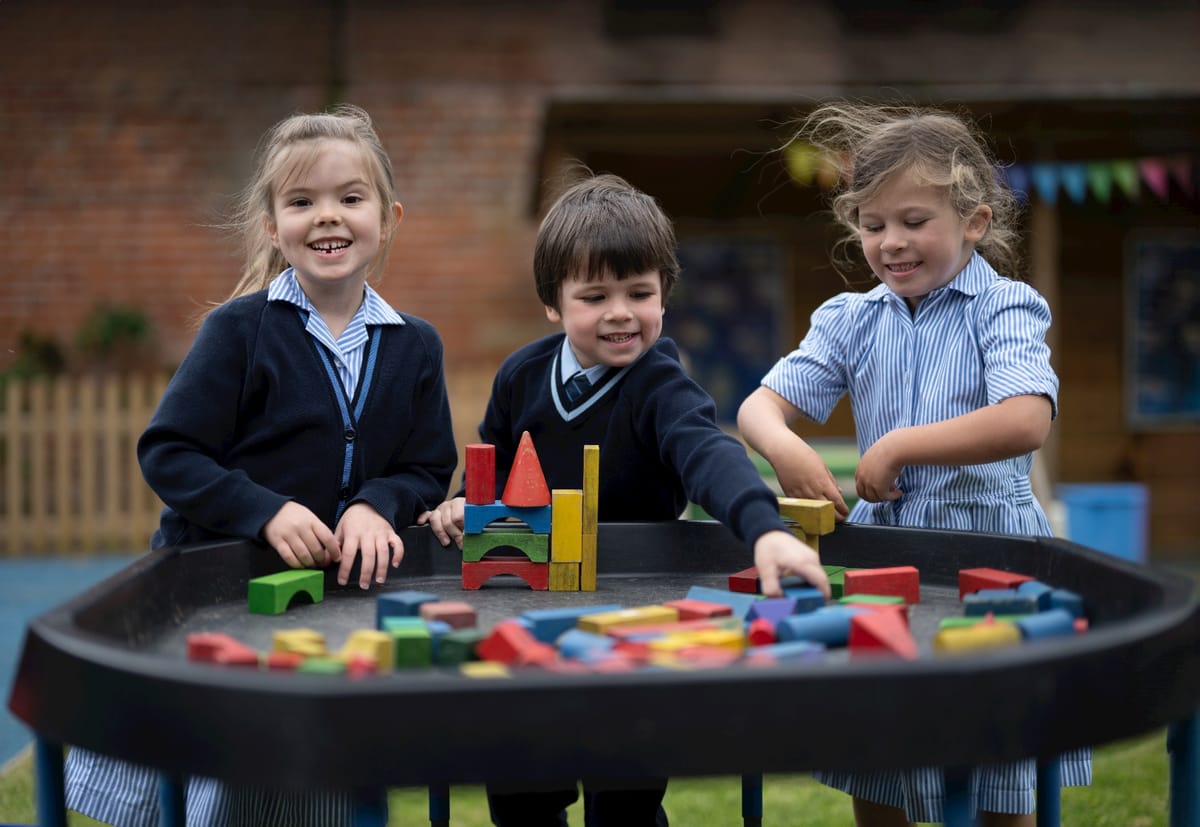
Parents often wonder whether their three-year-old is ready for preschool or if waiting until age four makes more sense. Most children begin preschool between the ages of three and five, but the right timing depends on developmental readiness, social skills, and each family's unique situation. Key factors include potty training progress, ability to separate from parents, and basic communication skills.
Preparing children for preschool doesn't require expensive materials or programs. Simple activities at home can build essential skills like fine motor control, focus, and creative thinking that teachers value in preschool-ready children. Parents looking for budget-friendly educational resources can access 38,426+ FREE Coloring Pages that support learning and development without added expense.
Table of Contents
- What Age Do Kids Start Preschool
- Key Considerations for Preschool Age
- Signs Your Kid is Ready for Preschool
- 9 Tips on How to Prepare Kids for Preschool
- Make Learning Fun: Personalized Worksheets for Preschool Prep
Summary
- Children typically begin preschool between ages 3 and 5, though programs exist for toddlers as young as 18 months and older children up to age 6 who need additional kindergarten preparation. The right timing depends less on hitting a specific birthday and more on developmental readiness across social, emotional, communication, and physical domains. Rigid age requirements ignore the reality that children develop these capabilities on individual timelines shaped by temperament, environment, and practice.
- Developmental readiness predicts preschool success far more accurately than chronological age or early academic skills. Children who can separate from caregivers without prolonged distress, follow simple two-step directions consistently, and show genuine interest in peers demonstrate the foundational capacities that allow them to function in group learning environments. A three-year-old who manages these social-emotional skills but doesn't yet recognize letters is better prepared than a four-year-old who knows the alphabet but can't recover from minor disappointments or navigate basic peer interactions.
- Self-care independence directly impacts how smoothly children move through preschool routines. When children can manage basic hygiene tasks, put on their own coats, and open their lunch containers with minimal assistance, teachers can focus on instruction rather than constant physical support. Programs vary in their potty-training requirements, but most expect children to communicate their bathroom needs clearly and handle clothing independently, reducing the number of times adults must interrupt group activities to provide one-on-one care.
- Preparation through repeated exposure to school-like routines reduces first-day anxiety more effectively than abstract reassurance. Visiting the building before enrollment starts, arranging playdates with future classmates, and using pretend play to rehearse circle time and transitions give children concrete mental scripts for what school days actually involve. Environmental familiarity and recognizing even one peer face on arrival day provide emotional anchors that help children engage with new experiences instead of spending energy managing overwhelming newness.
- Fine motor control and sustained attention develop through activities that feel like play rather than premature academics. When children practice holding crayons, staying within lines, and completing designs that match their current interests (construction vehicles this week, ocean animals next month), they're building the hand strength, grip patterns, and focus capacity that preschool art projects and early writing tasks require. Customized materials that shift with changing enthusiasms maintain engagement longer than generic worksheets that don't connect to what currently fascinates each specific child.
- My Coloring Pages addresses this preparation need by offering 38,426+ free printable pages organized by developmental stage and interest category, letting parents generate practice materials in seconds that build preschool-ready skills through designs children actually choose to complete.
What Age Do Kids Start Preschool
Preschool typically serves children between 3 and 5 years, though many programs welcome younger toddlers starting at 18 months and older children up to age 6 who need extra help getting ready for kindergarten. The actual age depends on your child's developmental readiness, what the program considers important, and the skills they need before starting elementary school.
🎯 Key Point: Most preschool programs accept children in the 3-5 year range, but enrollment flexibility exists for children as young as 18 months or as old as 6 years based on individual needs.
"The optimal preschool entry age varies significantly based on developmental readiness rather than chronological age alone." — National Association for the Education of Young Children

Children develop at different speeds. Some three-year-olds thrive in structured group settings, confidently following multi-step instructions and engaging with peers, while others need more time to build those same abilities.
💡 Tip: Focus on your child's individual readiness signs rather than age guidelines. Key indicators include potty training success, separation comfort, and basic communication skills.
What age ranges do modern preschool programs actually serve?
Modern early childhood programs extend far beyond the traditional four-year-old classroom.
Junior preschool or toddler programs can start as early as 18 months, focusing on helping children learn to get along with others, follow simple routines, develop basic language skills, and build foundational motor skills. These programs emphasize sharing crayons without frustration over academic circle time.
How do standard preschool programs differ from toddler programs?
Standard preschool typically enrolls children ages 3 to 4, with a curriculum focused on early literacy concepts, number recognition, and cooperative play. Children develop skills kindergarten teachers expect: sitting through short lessons, raising hands, and following classroom rules.
What are transitional or pre-kindergarten programs designed for?
Transitional or pre-kindergarten programs serve five- and six-year-olds who need extra practice before formal schooling, whether they have summer birthdays and missed the kindergarten cutoff or are developing certain skills more slowly.
The question isn't whether your child fits the calendar. It's whether the program fits your child.
Why Developmental Readiness Beats Chronological Age
A child's birthday tells you almost nothing about whether they're ready for group learning. Some children develop social confidence early; others need more time to regulate emotions or build attention spans. Preschools that group strictly by age ignore this reality.
The better programs assess each child's progress. Can they separate from you without prolonged distress? Do they show interest in peers, even if they don't yet know how to join in play smoothly? Can they communicate basic needs, whether verbally, through signs, or through gestures? These markers matter more than whether they turned three last month or six months ago.
How do flexible programs adapt to individual readiness?
When readiness varies this much, strict age requirements create artificial problems. A socially advanced two-year-old might thrive in a mixed-age classroom focused on peer interaction, while a shy four-year-old might need a smaller, quieter setting before attempting a full-day program.
Many parents assume preschool works like kindergarten, with firm age gates and enrollment deadlines. Instead, they find programs willing to assess their child and build schedules around their needs: half-day options for younger toddlers, full-day programs for older preschoolers, and skill-based groupings that let a three-year-old work on early reading with four-year-olds if ready.
What activities help build preschool readiness at home?
Coloring activities build the fine motor control and focus that preschool teachers seek. My Coloring Pages offers over 38,426 free printable pages designed for different developmental stages. Whether your two-year-old is developing grip strength with large shapes or your four-year-old is tackling detailed patterns, you're supporting the skills their age group needs without expensive workbooks or rigid curricula.
How to Decide When Your Child Is Ready
Stop looking at the calendar. Start watching your child.
What developmental signs should you look for?
Do they show interest when you read together, asking questions or pointing at pictures? That's early literacy developing. Can they follow two-step instructions like "get your shoes and bring them here"? That's working memory and sequencing. Do they recover from disappointment within minutes, or do small frustrations linger for an hour? That's emotional regulation. These skills develop on individual timelines shaped by personality, environment, and practice.
How do you match programs to your child's needs?
Check what local programs offer. Some preschools run parent-toddler classes for 18-month-olds, easing separation anxiety by keeping you in the room initially. Others start at two and a half with short sessions twice a week. A few won't enrol anyone under three, regardless of readiness. Knowing your options helps you match program structure to your child's current needs.
Think about what you're preparing them for. If kindergarten in your district emphasizes academic skills early, a preschool focused on social-emotional development might leave gaps in those skills. If your kindergarten prioritizes play-based learning, drilling letters at age three matters less than building curiosity and peer relationships.
Some five-year-olds aren't ready for the pace and structure of elementary school, and transitional programs prove valuable for them.
Key Considerations for Preschool Age
Getting a child ready for preschool means knowing which skills are most important for their age and creating spaces that foster natural growth. The main skills fall into four areas: how children handle their feelings and get along with others; how they talk and understand what people say; how they move and control their bodies; and how they solve problems and use their imagination. Each area develops at its own pace, and focusing on one area while neglecting others can create problems that emerge when they start elementary school.
🎯 Key Point: Balanced development across all four skill areas is essential for preschool readiness - neglecting any single area can impact your child's future academic success.
"Preschool children who develop skills across all developmental domains show better school readiness and stronger academic outcomes in elementary school." — Early Childhood Development Research, 2023
⚠️ Warning: Rushing cognitive skills like early reading while ignoring social-emotional development can lead to behavioral challenges and learning difficulties in later grades.
Why do children develop at different rates?
According to the CDC, preschoolers grow and develop in many different ways at the same time. One child might speak in complicated sentences but struggle to manage their feelings. Another might excel at making friends but need more time to develop fine motor skills, such as writing or drawing. These differences are normal. Parents sometimes assume all three-year-olds should reach the same milestones at the same time, then worry when their child is ahead in one area but behind in another.
What role does self-regulation play in preschool readiness?
Self-regulation determines whether a child can work well in a classroom more than any other academic skill. Can they wait their turn without becoming upset? Do they recover from disappointment within minutes rather than letting it affect their entire morning? Can they separate from you without significant distress? These aren't personality traits—they're learned abilities that strengthen through practice and patience.
Some children develop emotional control early, moving through frustration quickly and adapting to new situations with minimal stress. Others need more support, time, and repetition before those skills solidify.
How do sharing skills impact classroom success?
Sharing and taking turns create constant friction in preschool classrooms. A child who hasn't practised these skills at home arrives unprepared for the reality that twelve other children also want the blue truck. Teachers spend considerable time solving conflicts that structured play at home could have addressed earlier, when the stakes feel lower, and the adult-to-child ratio allows for more coaching.
What role does receptive language play in preschool readiness?
Expressive language gets most of the attention, but receptive language matters equally. Does your child understand multi-step directions? Can they follow a sequence like "wash your hands, then get your backpack, then line up at the door"?
When receptive language lags, children appear defiant or distracted when they're confused. They miss instructions, fall behind during transitions, and feel frustrated because they cannot decode what adults expect. Teachers mistake comprehension gaps for behavioural problems, and the child internalizes that they're "bad at listening" when the real issue is processing speed or vocabulary depth.
How does speech clarity affect social connections in preschool?
Speech sounds develop slowly, and most three-year-olds still struggle with certain sounds. But if other children can't understand your child, it becomes harder to make friends. Other children stop trying to talk to your child, and your child withdraws or acts out from feeling alone.
How do gross motor skills impact preschool readiness?
Big muscle skills like jumping, climbing, and balancing help children understand their bodies and feel more confident. Children who move easily through space are more likely to take chances, join active games, and develop coordination for sports. Kids who struggle with physical activities often avoid playgrounds, missing both exercise and social opportunities.
Why are fine motor skills essential for classroom success?
Fine motor control determines whether a child can handle small objects, use scissors, hold crayons correctly, and eventually write letters. These skills develop through practice. A three-year-old who doesn't practise gripping tools arrives at preschool unable to complete basic art projects, falling behind peers.
Coloring activities build this ability by strengthening the hand muscles and grip patterns required for writing. My Coloring Pages offers over 38,426 free printable pages organized by developmental stage, so you can support the motor skills your child's age group needs without expensive workbooks.
How do children develop early literacy skills?
Early literacy means understanding that print conveys meaning, recognising that stories have beginnings and endings, and showing curiosity about letters and sounds. Children build these foundations through daily reading, environmental print exposure, and conversations that build vocabulary.
What activities help children build number sense?
Number sense grows when children count during everyday activities, compare quantities, and experience shapes and patterns hands-on. A child sorting blocks by colour or size builds classification skills, while setting the table for four people develops one-to-one correspondence.
How does imaginative play support cognitive development?
Imaginative play reveals the complexity of children's thinking. When children create detailed scenarios, assign roles, and sustain pretend stories, they practise abstract thinking, problem-solving, and perspective-taking. A four-year-old building a "veterinary hospital" and treating stuffed animals demonstrates more advanced thinking than one who completes a worksheet correctly.
How does play-based learning support child development?
Play-based learning works because young children process information through direct experience. They learn physics by building block towers that fall, social dynamics by negotiating costumes during dress-up, and emotional regulation by working through peer conflicts with adult guidance.
Why do consistent routines matter for preschoolers?
Consistent routines reduce anxiety and build independence. When children know what happens next, they transition smoothly between activities, require less adult direction, and develop the self-management skills kindergarten teachers expect. Morning sequences, mealtime patterns, and bedtime rituals create a predictable structure that frees mental energy for learning.
What makes a preschool environment safe and effective?
Safety and cleanliness standards matter more than aesthetics. Preschool environments need secure exits, clean facilities, and a low child-to-teacher ratio so adults can supervise children effectively as they explore. A beautiful classroom where teachers cannot watch all children creates danger; a simple space with attentive supervision creates safety.
How does daily reading build school readiness?
Reading daily builds language skills, attention span, and emotional connection. Ask questions, let your child predict what happens next, and pause to discuss feelings or connect story events to their own experiences.
Encouraging questions shows that curiosity matters. When children ask "why" repeatedly, they build causal reasoning and identify patterns that help them understand how the world works. Adults who answer patiently or explore answers together teach children that learning is collaborative and lifelong.
What household activities prepare children for preschool?
Simple chores build competence and responsibility. A three-year-old can put napkins on the table, match socks from the laundry, or water plants with supervision. These tasks teach sequencing, following instructions, and contributing to family functioning. Children who participate in household work arrive at preschool understanding they're capable of completing tasks independently.
Why do screen time limits matter for preschool preparation?
Limiting screen time helps protect children's developing attention skills. In 2023, 53% of children ages 3 and 4 were not enrolled in preschool, indicating that many families provide early learning at home. When screens dominate that time, children miss hands-on exploration, physical activity, and social interaction that build school readiness more effectively than any app.
Related Reading
- Preschool Activities
- Preschool Worksheets
- What Age Is Preschool
- Preschool Curriculum
- Preschool Age Range
- Preschool Vibes
- Preschool Homeschool Curriculum
- Preschool Games
- Worksheets For Preschool
- Preschool Education
- Free Preschool Worksheets Age 3–4
- Preschool Books
- Preschool Graduation
- Free Name Tracing Worksheets for Preschool
- Preschool Backpack
- All About Me Preschool
- Free Preschool Worksheets
- Preschool Self Defense
- What Should a Child Learn in Preschool
- Preschool vs Pre K
- Sight Words for Preschool
- Free Printable Preschool Worksheets Tracing Letters
- First Day of Preschool
- Preschool Math Worksheets
- Preschool Valentine Crafts for Parents
- Preschool Graduation Gifts
- Preschool Toys
- What Age Is Preschool and Kindergarten
- Preschool Quotes About Play
Signs Your Kid is Ready for Preschool
Being ready for school shows up in how your child acts, not how old they are. When your child can leave you without getting upset, follow simple two-step directions consistently, and wants to play near or with other children, they're showing they can handle learning in a group. These markers matter more than whether they know their ABCs or can count to twenty.
🎯 Key Point: Emotional readiness and social skills are far more important than academic knowledge when determining if your child is ready for preschool.

"Children who can separate from parents without extreme distress and follow basic instructions consistently show the foundational skills needed for classroom success." — Early Childhood Development Research, 2024

💡 Tip: If your child struggles with any of these areas, consider waiting a few more months rather than rushing into preschool - emotional readiness develops at different paces for every child.
Do academic skills matter more than social readiness?
Parents often confuse academic preparation with actual readiness. Your three-year-old may not recognize letters yet, but if she confidently moves around the playground, works out toy sharing with minimal help, and bounces back from disappointment within minutes, those social-emotional skills predict preschool success far better than early reading skills that teachers will address systematically once children arrive ready to learn.
What does healthy separation look like in preschool-ready children?
Some separation anxiety is normal; healthy attachment means your child prefers you to strangers. But preschool-ready children move through initial distress relatively quickly.
According to the Cleveland Clinic, children between 3 and 5 years typically develop the emotional regulation needed to separate from caregivers with minimal distress.
How can you tell if your child is ready for separation?
Watch what happens after you say goodbye. Does your child cry for two minutes, then engage in an activity? That's readiness. Do they stay upset for thirty minutes, unable to focus on anything except your absence? They likely need more time building security before trying full-day programmes.
Sadness at goodbye is healthy. The question is whether they can function once you've left, whether teachers can redirect their attention, and whether they recover quickly enough to participate in group activities.
What does healthy peer engagement look like in toddlers?
Perfect social skills aren't the standard. Your child doesn't need to share flawlessly or resolve every conflict diplomatically. They should show interest in other children, even if that interest means playing side by side rather than playing games together.
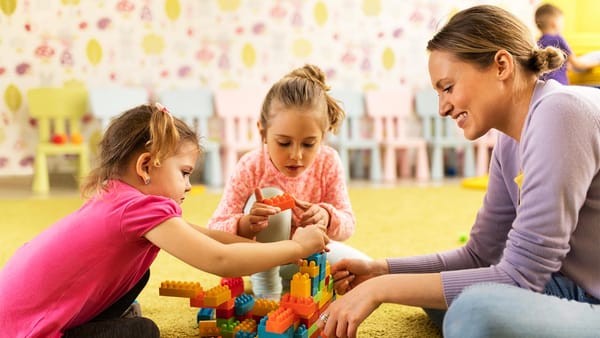
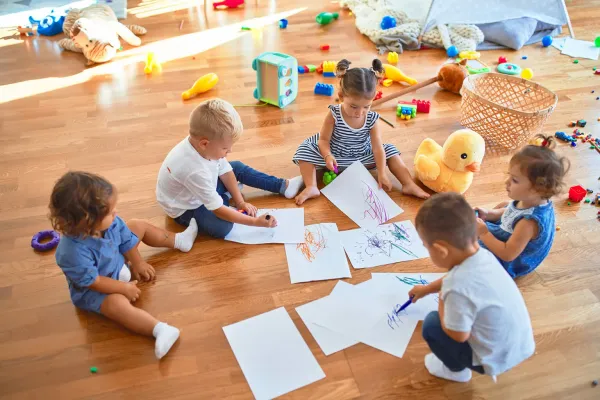
When toddlers play side by side without talking or playing directly together—building separate block towers or colouring at the same table—they practise being near other children and observing them. They learn that other people exist in the same space, that toys return after someone else uses them, and that adults can supervise multiple children simultaneously.
How does preschool help children who struggle with peer interaction?
Preschool helps children develop social skills by providing repeated opportunities to practise with peers. Children who have limited experience playing near others, feel anxious around peers, or respond with aggression rather than curiosity will find this transition challenging. They need smaller doses first: shorter sessions that help them build comfort gradually.
What does it mean when kids follow simple instructions consistently?
Preschool runs on routines. Children who understand and follow one or two-step directions participate more fully in group activities and feel more capable throughout the day.
"Hang up your coat" or "Sit on the rug for story time" shouldn't require three repetitions and physical help each time. If your child consistently can't follow simple, clearly stated instructions, it suggests your child isn't processing language fast enough to keep up with classroom transitions.
How can you build instruction-following skills at home?
This skill develops through practice at home. When you ask your child to put their shoes by the door, do they do it? When you say it's time to wash hands before dinner, do they head toward the bathroom? These small moments of following directions build the listening and doing patterns preschool teachers rely on.
What does curiosity about learning look like in preschool-age children?
That constant "why" phase everyone jokes about signals cognitive readiness. Children who ask questions, explore how things work, and show interest in books or new experiences arrive at preschool ready to engage with structured learning.
A three-year-old who investigates how water moves through sand, asks what happens to the moon during the day, or wonders why their friend speaks a different language at home demonstrates the intellectual engagement that preschool nurtures.
What happens when children lack curiosity before starting preschool?
Children who show no interest in stories, songs, or hands-on discovery activities may lack the mental readiness that makes preschool valuable. Forcing enrollment before curiosity develops often creates negative feelings about learning that persist into elementary school.
What basic bathroom skills do preschools expect?
Most preschools expect children to handle basic hygiene with minimal adult help: telling an adult when they need to use the bathroom, managing their own clothes, wiping themselves, and washing their hands afterward.
Many programs accept occasional accidents or reminders about bathroom routines. However, a child who requires complete assistance with every bathroom visit, cannot communicate the need to use the toilet through words or clear signals, or shows no interest in using the toilet will struggle in group settings where teachers supervise multiple children simultaneously.
How do other self-care skills prepare children for preschool?
Self-care extends beyond hygiene. Can your child put on their coat with minimal help? Do they attempt to clean up spills? Can they open their lunch container and feed themselves? These independence markers reduce frustration for both children and teachers, allowing focus on learning rather than constant physical assistance.
When children practice these skills at home, readiness develops naturally. Simple tasks like colouring within lines strengthen hand control needed for buttoning coats or zipping backpacks. My Coloring Pages offers over 38,426 free printable pages organised by skill level, supporting the motor development preschool teachers expect without expensive materials or complicated lesson plans.
9 Tips on How to Prepare Kids for Preschool
Getting your child ready by having them spend time with preschool routines, environments, and expectations helps them feel comfortable before the first day. Practice the physical skills teachers expect children to do independently and help your child develop emotional patterns that enable them to recover from stress, handle changes, and understand that separation is temporary.
🎯 Key Point: These are real actions you can start weeks before enrollment, turning preparation into daily practice rather than waiting until the last minute to panic.
"Children who participate in gradual preparation activities show 25% less separation anxiety and adapt to new routines 40% faster than those without prior exposure." — Early Childhood Development Research, 2023
💡 Best Practice: Start your preschool preparation at least 3-4 weeks before the first day to give your child adequate time to adjust to new routines and expectations without feeling overwhelmed.
1. Visit the School Together Before Day One
Not knowing something can make you feel worried. When your child enters preschool for the first time, they navigate a new environment while separated from you, compounding their anxiety.
Try to schedule a visit when the school is quiet. Walk through the door they'll use each morning, show them where they'll put their backpack and coat, and let them look around the classroom, touch the toys, and sit at the tables.
How does playground familiarity reduce first-day stress?
Play on the playground together so those structures become familiar rather than intimidating.
When school starts, your child recognizes the space, knows where the bathroom is, and remembers which door leads outside. This environmental confidence reduces a major source of first-day stress, leaving more emotional capacity to manage separation and meet new people.
2. Arrange Playdates With Future Classmates
Walking into a room full of strangers feels different than entering one where you recognize even one face. If your preschool provides a class list before the start date, reach out to a few families and arrange short playdates.
How can you structure effective pre-school playdates?
These don't need to be complicated. An hour at a park or playroom gives children a chance to interact in lower-pressure settings while practising peer interaction basics: taking turns, negotiating play scenarios, and recovering from minor conflicts with parental support present.
That single familiar face on day one can anchor your child's confidence, providing a natural entry point into the social environment rather than facing a room of complete strangers.
3. Use Pretend Play to Rehearse School Routines
Children learn about new experiences through imaginative play. Acting out preschool scenarios at home gives your child a mental script for the school day, reducing the cognitive load of figuring everything out in real time.
Take turns being the teacher and student. Practice circle time with stories or songs, snack time (waiting turns, sitting with others, cleaning up), and nap time routines (getting mats, lying quietly, resting).
Let your child be the teacher. This reversal makes school feel like something they understand and can direct rather than something done to them, building confidence for real situations.
4. Turn Self-Care Skills Into Games
Preschool teachers expect children to handle basic tasks independently: putting coats on hooks, putting on shoes, and carrying and opening backpacks. When your child cannot manage these physical tasks, they fall behind during transitions while teachers assist them. This means they miss the start of the next activity and may feel less capable than their peers.
How can you make self-care practice fun at home?
Make practice fun and playful. Time how fast your child can put on their shoes, then challenge them to beat that record tomorrow. Create a pretend coat hook at home and practise hanging jackets independently. Turn zipping and buttoning into a challenge: they help you fasten your coat, then you help with theirs. This builds muscle memory through repetition.
Why does independence in self-care matter for preschoolers?
The goal is to reduce how often your child needs adult help during a busy school day. When they can handle most self-care tasks independently, they feel more capable, teachers can focus on teaching, and your child can keep up with classroom transitions.
5. Share Your Own Preschool Stories
Sharing your personal history helps your child feel normal about their experience. When you tell them about your first day of school—what made you nervous, what turned out to be fun, how you made your first friend—you show them that everyone goes through this change.
What memories and photos help children connect?
Find old photographs showing what you looked like at their age, your classroom, or activities you remember. If you lack photos, describe specific memories in detail: the colour of your cubby, your teacher's name, favourite playground equipment, and the snack you ate.
How does storytelling reduce preschool anxiety?
This story shows that nervousness doesn't guarantee failure. You were scared too, and you made it through. School became familiar, friendships formed, and the worry faded.
6. Establish New Sleep and Morning Routines Early
Rushing creates stress. When your child wakes up with barely enough time to get dressed, eat breakfast, and leave for school, small delays escalate into conflict, and both of you arrive stressed.
Start practising the new schedule at least two weeks before school begins. Set the alarm for the actual school-day wake time. Work backward from your departure time to determine your morning buffer, then add ten minutes for unexpected delays.
How can evening routines help make mornings smoother?
Create an evening routine that supports smoother mornings. Pick out clothes together the night before, eliminating one morning decision. Prepare breakfast items in advance when possible. Establish a consistent bedtime that provides adequate sleep, since tired children have less emotional regulation and more difficulty managing transitions.
Parents often underestimate how much extra time preschoolers need in the morning. A five-year-old who dresses independently in ten minutes at 3 p.m. might take twenty-five minutes at 7 a.m. when still waking up. Build that reality into your schedule rather than fighting it daily.
7. Listen to and Validate Mixed Emotions
Your child will feel multiple things simultaneously about starting preschool: excitement about new toys and friends, worry about separation, curiosity, and fear. All of these emotions are valid and normal.
Ask open-ended questions about how they're feeling, then listen without trying to fix or dismiss their responses. If they say they're scared, don't respond with "there's nothing to be scared of." That invalidates their experience and teaches them their feelings are wrong.
What's the best way to acknowledge and normalize their feelings?
Instead, acknowledge what they're feeling and normalise it. "It makes sense to feel nervous about something new. Lots of children feel that way before school starts, and it's okay to feel excited and worried at the same time."
Reassure them about specific things they can control: you will pick them up at the end of the day, their teacher will help them if needed, and they can bring a comfort item from home if allowed. Concrete reassurances work better than abstract promises that "everything will be fine."
8. Create a Consistent Goodbye Routine
The moment you say goodbye sets the emotional tone for your child's entire day. When goodbyes drag out with multiple hugs, repeated reassurances, and visible parental anxiety, children interpret that hesitation as a signal that something might be wrong.
How do you create an effective goodbye routine?
Create a short, predictable goodbye routine and use it daily. Perhaps two hugs, one kiss, and a specific phrase like "see you after snack time," or a special handshake and a wave from the door. Consistency and brevity matter more than the specific routine.
Keep your tone confident and straightforward. Don't sneak out without saying goodbye, but don't stay too long either. Say goodbye and leave right away. Teachers can redirect your child's attention once you're gone, but not while you're standing in the doorway, showing that you're not sure about leaving.
What if parents struggle with separation anxiety, too?
Some parents experience more separation anxiety than their children do. Work through those feelings with other adults, not during drop-off. Your child shouldn't bear your guilt, worry, or sadness about this milestone.
9. Build Focus and Fine Motor Skills Through Structured Activities
Preschool requires sustained attention and physical control. Children need to sit during circle time, hold crayons during art projects, manipulate small objects during learning activities, and complete simple tasks without constant redirection. These capacities develop through practice, not solely through maturation.
How do coloring activities prepare children for preschool?
Colouring activities build the hand strength and grip control that writing requires. They also help children practise focusing for longer periods and learn to work within boundaries while expressing creativity through colour choices.
My Coloring Pages offers over 38,426 free printable pages organized by developmental stage and interest. Whether your three-year-old needs large, simple shapes to practise basic grip or your four-year-old is ready for detailed patterns featuring their favourite characters, the platform generates new pages in seconds that match your child's current interests (dinosaurs this week, construction vehicles next week) without expensive workbooks that sit unused once novelty fades.
Why does sustained interest matter for skill development?
Practicing something over time works best when you stay interested in it. When children pick designs that interest them, they practise longer and learn skills faster than with regular worksheets disconnected from their interests.
Related Reading
- Preschool Playground Equipment
- Preschool Learning Activities
- Turkey Craft Preschool
- Noah's Ark Preschool
- Preschool Tracing Worksheets
- Preschool Craft Ideas
- Preschool Assessment
- Creative Curriculum For Preschool
- Preschool Bulletin Board Ideas
- Daycare Vs Preschool
- Preschool Art Activities
- Preschool Math Activities
- Preschool Science Experiments
- Preschool Prep
- Preschool Lesson Plan Template
- Preschool Crafts
- Playing Preschool Curriculum
- Preschool Classroom Layout
- Christmas Crafts Preschool
- Preschool Learning Games
- How To Become A Preschool Teacher
- Preschool Sight Words
- Free Preschool Games
- Spring Bulletin Board Ideas For Preschool
Make Learning Fun: Personalized Worksheets for Preschool Prep
Children build preschool skills through activities that match their interests, not forced drills. When a dinosaur enthusiast practices letter recognition by tracing "T-Rex" and "fossil," they develop the same literacy foundations as a child working through generic alphabet worksheets, except they practise longer and ask to do it again.

🎯 Key Point: Most parents struggle to find content their specific child will engage with long enough to build skills. A four-year-old obsessed with construction vehicles won't focus on butterfly-themed counting pages, no matter how pedagogically sound. This mismatch between generic materials and individual interests explains why expensive workbooks sit half-finished.
"When children choose designs that genuinely engage them, they practice longer and build skills faster." — Educational Research on Interest-Based Learning
Customization lets you generate practice materials around whatever fascinates your child. When they trace numbers on fire truck diagrams this week and switch to space-themed patterns next month, learning becomes something they pursue rather than something you impose. My Coloring Pages provides this flexibility with over 38,426 free printable pages spanning every interest category and skill level, so you can create personalized worksheets in seconds without buying new materials as interests shift.
💡 Tip: Sustained practice requires sustained interest. When children choose designs that genuinely engage them, they practice longer and build skills faster. That three-year-old who won't sit still for generic shape-tracing will happily spend twenty minutes coloring detailed dinosaur scenes that reinforce the same grip control and focus patterns. The learning happens either way, but only one approach feels like play.