25 Engaging All About Me Preschool Activities
Discover 25 All About Me Preschool Activities from My Coloring Pages. Fun crafts, games, and worksheets to help kids explore identity and build confidence.

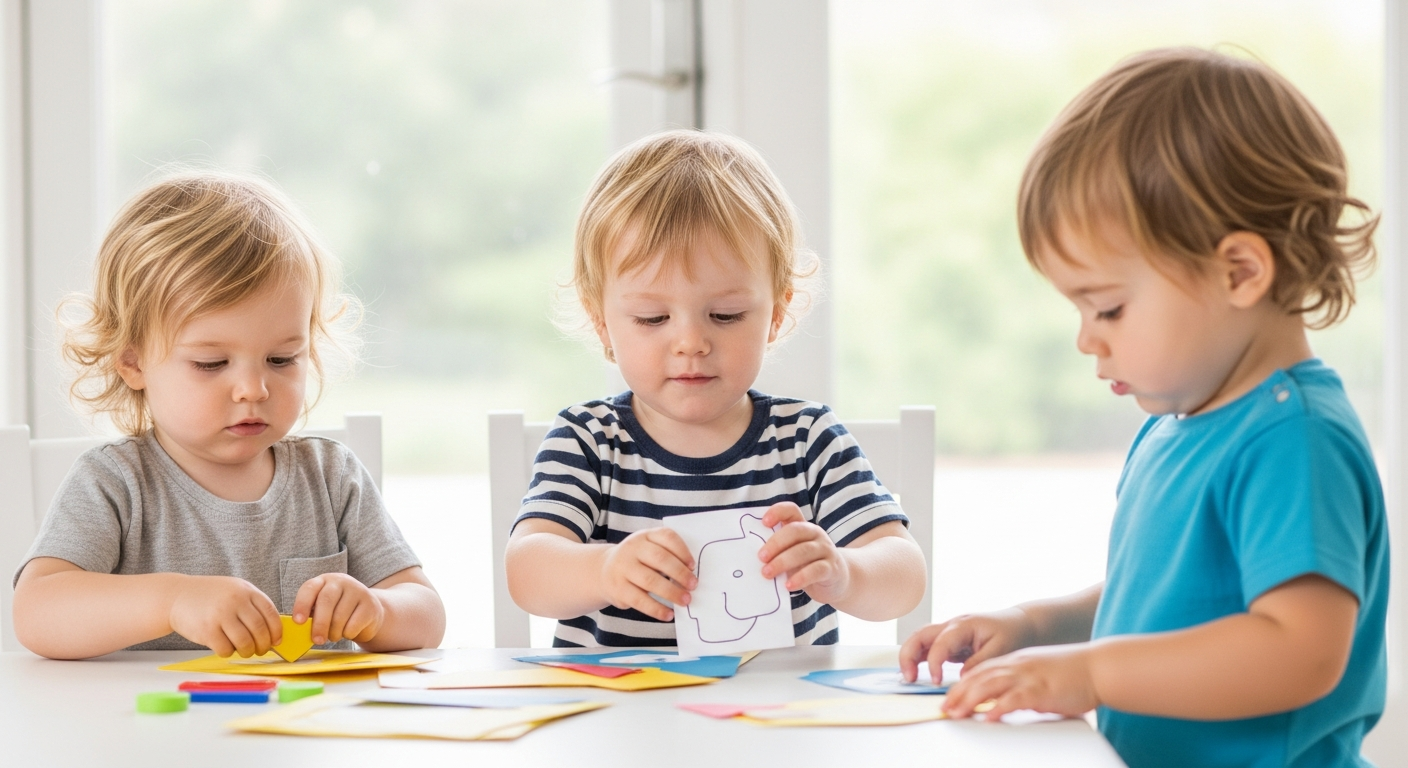
Those first weeks of preschool bring a wonderful opportunity to help young learners discover who they are. All About Me preschool activities create a foundation for self-awareness, confidence, and social skills as children explore their names, families, feelings, and favorite things. These activities range from name recognition games to family tree projects, each designed to help children understand their unique identity. Teachers can make these experiences meaningful through creative approaches that engage multiple learning styles.
Quality materials for these activities shouldn't require hours of searching or expensive purchases. Ready-to-print resources featuring self-portraits, emotion faces, body parts, and family-themed designs give educators instant access to engaging content. Whether teachers need tracing sheets for name practice or picture prompts for discussion circles, having a comprehensive library allows them to focus on connecting with children. Download 51,780+ free coloring pages to access customizable worksheets perfect for any All About Me unit.
Summary
- The first weeks of preschool provide a critical window for building self-awareness and social skills through structured identity exploration. Research from the Collaborative for Academic, Social, and Emotional Learning (2023) found that children engaged in structured self-expression activities showed up to an 11% improvement in academic performance, driven by better emotional regulation and classroom engagement. This connection exists because learning to name feelings during circle time builds the same neural pathways that later help children manage frustration during challenging academic tasks.
- Emotional vocabulary determines how quickly children recover from setbacks and persist through difficulty. A preschooler who can identify "frustrated," "angry," and "disappointed" gains response options beyond tantrums or withdrawal. Teachers report that children with strong emotional recognition skills resolve conflicts faster, ask for help more effectively, and transition between activities with less resistance, making this regulation capacity a better predictor of academic performance than early literacy skills.
- Representation in classroom materials changes how children show up in learning spaces. When children create self-portraits that capture their actual hair texture, skin tone, and family structure rather than conforming to generic templates, they learn their identity deserves documentation and celebration. This matters especially for children whose families don't match the nuclear household depicted in most commercial classroom materials, as seeing themselves reflected validates their experiences as worthy of classroom discussion.
- Choice transforms passive compliance into active participation across all learning activities. According to Teaching Made Practical, providing structured choice within identity activities increases sustained engagement because children feel a sense of control over their self-representation rather than performing someone else's vision. Letting children decide whether to draw their family, build it with blocks, or share about their weekend or favorite food creates ownership that sustains attention far longer than assigned tasks.
- Themed approaches break abstract self-discovery into concrete categories that match how preschoolers process information. Instead of asking a four-year-old to explain "who they are" in abstract terms, themes such as "My Family," "My Feelings," "My Favorites," and "My Daily Routine" provide specific lenses through which children examine one aspect of identity at a time. This sequential structure builds comprehensive self-awareness piece by piece rather than overwhelming children with open-ended questions about identity.
- My Coloring Pages addresses the material preparation challenge by offering customizable templates that let teachers generate complete "All About Me" worksheets in seconds, combining name tracing, self-portrait space, and favorite things sections, or by browsing 51,780+ ready-made pages that reflect diverse family structures and cultural backgrounds rather than generic representations.
Table of Contents
- What Are All About Me Preschool Activities
- Importance of All About Me Activities
- How to Engage Children in All About Me Activities
- Themes for All About Me Activities at Preschool
- 25 Engaging All About Me Preschool Activities
- Download 51,874+ Free All About Me Worksheets
What Are All About Me Preschool Activities
"All About Me" activities guide preschoolers through self-discovery using hands-on projects that explore who they are, their families, their feelings, and daily routines. Children create pictures of themselves, build family trees, trace their names, identify feelings using emotion wheels, and share preferences for favorite foods, colors, and toys. These activities transform big questions like "who am I?" into things kids can touch, see, and create.

🎯 Key Point: These self-exploration activities help preschoolers develop crucial identity awareness and emotional intelligence through tangible, age-appropriate projects.
"Self-discovery activities in early childhood education help children develop stronger self-awareness and emotional regulation skills that form the foundation for healthy social development." — Early Childhood Education Research, 2023

💡 Example: A typical "All About Me" session might include name tracing, family photo sharing, and emotion identification activities that make abstract concepts like identity and feelings concrete and accessible for young learners.
Personal Identity Work
Name recognition activities help a child's sense of self. Tracing letters, decorating name cards, and creating personalized artwork help preschoolers connect their identity to written symbols. Self-portraits using mirrors, crayons, or collage materials encourage children to observe their physical features, such as hair texture, eye colour, skin tone, and facial expressions. When a four-year-old draws themselves with purple hair and three arms, they're exploring different ways of representing themselves and exercising creative control over their appearance.
Family and Relationship Exploration
Family tree projects help children learn about the people in their lives: parents, siblings, grandparents, pets, and anyone else in their home and daily routine. Discussing stories from the weekend or bedtime habits builds communication skills and demonstrates that family is important enough to share in class. Our My Coloring Pages collection includes over 51,780 family-themed templates that children can customise to match their own families, transforming simple drawings into pictures that reflect their real home, whether that means two mums, a single dad, or grandparents as carers.
Preference Expression and Decision-Making
"I like / I don't like" activities teach children that their opinions matter. Choosing between favourite foods, identifying preferred colours, and selecting toys they enjoy builds agency. Teachers might create graphs showing classroom preferences, demonstrating how individual choices contribute to collective patterns. One educator watched a child struggle to choose a favourite animal, cycling through options before confidently declaring "elephants" and explaining why—a moment of cognitive work around self-knowledge and verbal expression.
Daily Routines and Structure
Morning circle discussions, bedtime routine drawings, and "my day" sequencing cards help preschoolers understand how time works and learn that routines create predictability. These activities also reveal gaps in care: when a child consistently struggles to describe morning routines or draws blank spaces where peers place family meals, it signals possible neglect requiring intervention before developmental delays worsen.
Emotional Recognition and Regulation
Feeling charts, emotion faces, and "how I feel today" check-ins teach children to identify and name internal states. Matching facial expressions to words like "happy," "sad," "frustrated," or "excited" builds emotional vocabulary. Teachers use mirrors, photographs, and role-play to help children recognize emotions in themselves and others. This foundational work supports regulation skills: the ability to notice a feeling, name it, and develop strategies to manage it rather than be overwhelmed by emotional intensity. These activities have become foundational in early childhood education for reasons that extend beyond their surface mechanics.
Importance of All About Me Activities
How does self-awareness predict academic performance?
Activities that help children discover their identity strengthen the skills that determine success in elementary school. Research from the Collaborative for Academic, Social, and Emotional Learning (2023) found that children who participated in structured self-expression activities showed up to an 11% improvement in academic performance, driven by better emotional regulation and classroom engagement. When a four-year-old learns to name their feelings during circle time, they build brain connections that later help them handle frustration during difficult maths problems or work through conflicts with peers independently.
Why do all about me preschool activities strengthen communication skills?
Children who regularly participate in "All About Me" activities develop stronger communication skills by practising organizing thoughts, sequencing events, and explaining their preferences to attentive listeners. Describing why they love dinosaurs or how their family celebrates birthdays requires remembering things, picking out important details, and building stories with a beginning, middle, and end: the same thinking skills that help with reading, writing, and following multi-step directions across all school subjects.
Confidence Through Representation
Seeing yourself reflected in classroom materials changes how you show up in that space. When children create self-portraits that capture their actual hair texture, skin tone, and family structure, they learn that their identity deserves documentation and celebration. This matters especially for children whose families don't match the nuclear household shown in most commercial classroom materials. Platforms like My Coloring Pages address this gap with over 51,780 customizable templates that children can personalize to reflect their actual lives: two dads, a wheelchair user, or cultural traditions rarely shown in generic coloring books.
How do identity activities build empathy and perspective-taking skills?
The National Association for the Education of Young Children reports that children who participate in activities exploring their identities show higher rates of classroom participation and stronger friendships. Sharing about yourself requires courage, and listening to classmates builds empathy. When one child explains their family's Ramadan traditions and another describes their weekend camping trip, both practice perspective-taking and learn that differences make conversations interesting rather than intimidating.
Why do advanced learners still need social-emotional development activities?
Parents seeking preschools that balance academic challenge with social-emotional growth often struggle to find programs engaging advanced learners without excessive worksheets. A child reading at a second-grade level still needs practice in introducing themselves to peers, managing disappointment, and collaborating on projects. Identity activities provide cognitive challenge through creative problem-solving and verbal expression while maintaining age-appropriate development. Leadership opportunities emerge naturally when confident children help classmates spell their names or demonstrate how to draw family members.
Why does emotional vocabulary matter for preschoolers?
The words children use for feelings affect how quickly they recover from tough times. A young child who can distinguish between "frustrated," "angry," and "disappointed" has more options for responding, rather than having a tantrum or giving up. Children skilled at recognising emotions resolve arguments faster, ask for help more effectively, and transition between activities with less resistance. This ability to control emotions predicts academic performance more reliably than early literacy skills because it determines whether a child persists when learning gets tough instead of shutting down.
How do you keep preschoolers engaged in self-discovery activities?
The challenge: how do you engage a room full of energetic preschoolers in learning about themselves without losing their attention after ninety seconds?
Related Reading
- Preschool Worksheets
- What Age Is Preschool
- Preschool Curriculum
- Preschool Age Range
- Preschool Vibes
- Preschool Homeschool Curriculum
- Preschool Games
- Worksheets For Preschool
- Preschool Education
- Free Preschool Worksheets Age 3–4
- Preschool Books
- What Age Do Kids Start Preschool
- Preschool Graduation
- Free Name Tracing Worksheets for Preschool
- Preschool Backpack
- All About Me Preschool
- Free Preschool Worksheets
- Preschool Self Defense
- What Should a Child Learn in Preschool
- Preschool vs Pre K
- Sight Words for Preschool
- Free Printable Preschool Worksheets Tracing Letters
- First Day of Preschool
- Preschool Math Worksheets
- Preschool Valentine Crafts for Parents
- Preschool Graduation Gifts
- Preschool Toys
- What Age Is Preschool and Kindergarten
- Preschool Quotes About Play
How to Engage Children in All About Me Activities
Engagement happens when activities reflect what children already care about, not what adults think they should explore. Watch a classroom for ten minutes, and you'll see which children gravitate toward blocks, which ones claim the art supplies, which ones tell elaborate stories during free play. Build identity around those existing interests. If a child is obsessed with construction vehicles, their "favorite things" collage should feature excavators and dump trucks. If another child draws constantly, self-portraits become the natural entry point.
🎯 Key Point: The most successful "All About Me" activities start with your students' current passions, not a predetermined curriculum checklist.
"Children are 37% more engaged in learning activities when they can connect new concepts to their existing interests and experiences." — Early Childhood Education Research, 2023
⚡ Pro Tip: Spend the first week of school observing which activities each child gravitates toward during free-choice time. This becomes your roadmap for personalising their identity activities.

Why does giving children ownership matter in all-about-me activities?
Choice transforms passive following into active participation. Let children decide whether to draw their family or build it with blocks, share about their weekend or favourite food, work alongside specific peers, or present to the whole class or just the teacher. According to Teaching Made Practical, structured choice within identity activities increases sustained engagement because children feel a sense of control over their self-representation rather than performing someone else's vision of who they should be.
How can you create spaces for independent exploration?
Creating space where children explore who they are without constant adult direction matters more than perfection. Make materials easy to reach so a four-year-old can grab crayons and paper without asking permission, and focus on encouraging participation rather than performance.
Build Safety Before Vulnerability
Children won't share personal information in unpredictable or judgmental environments. Physical proximity matters: sitting nearby during activities, offering quiet encouragement, and responding to attempts without correcting artistic "mistakes" signal safety. A child who draws their family with everyone smiling might represent reality or wishful thinking; either way, the drawing deserves acknowledgment, not interrogation. When children trust that their representations won't be criticized or dismissed, they share more readily and with greater emotional honesty.
Rotate Activity Formats to Maintain Interest
Worksheets alone kill curiosity. Mix self-portraits with dramatic play where children act out family roles. Alternate between individual projects and collaborative murals. Use storytelling circles, building challenges, and movement activities to keep formats unpredictable. Platforms like My Coloring Pages offer over 51,780 customizable templates spanning different activity types: family trees, emotion faces, and "my favorite things" collections, adaptable to classroom themes or individual interests. Customizable templates ensure that children whose families don't fit standard templates can still create materials that reflect their actual household structure.
Create Opportunities for Sharing Without Pressure
Some children want to present their self-portrait to the entire class, while others prefer to show it to the teacher or a single friend. Built in multiple sharing formats: whole-group presentations, small-group discussions, one-on-one conversations, or displaying work on a classroom wall so children can view each other's creations without verbal performance. The goal is visibility and recognition, not required public speaking, for children who find that intimidating. Knowing how to structure engagement matters only if the activities connect to what children experience in their daily lives, making theme selection critical.
Themes for All About Me Activities at Preschool
Themes organize identity exploration into concrete categories that match how preschoolers process information: my physical body, my family structure, my daily routines, my emotional states, my preferences. Each theme provides a lens through which children examine one aspect of identity, building comprehensive self-awareness incrementally rather than expecting abstract self-explanation.
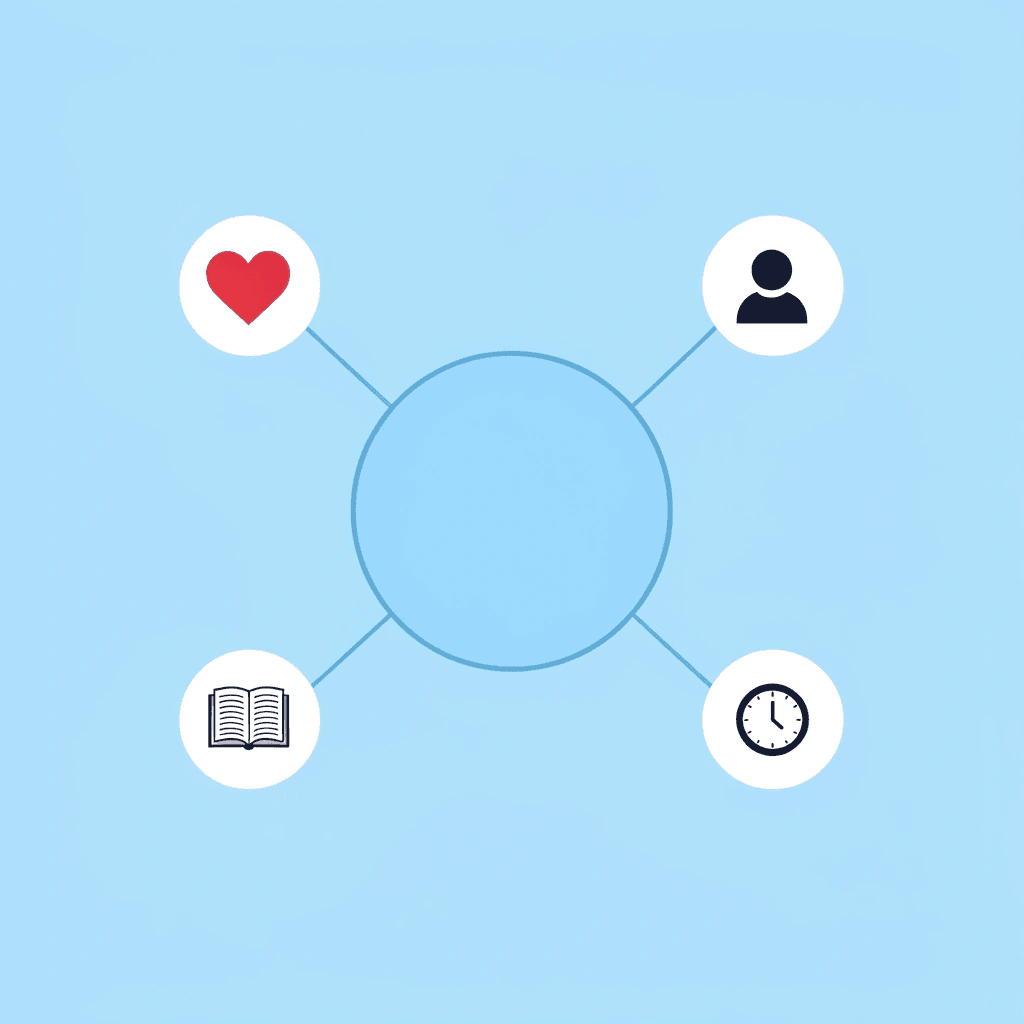
🎯 Key Point: Thematic approaches work because they break down the complex concept of self-identity into manageable chunks that align with preschool cognitive development.
"Children aged 3-5 years develop self-concept through concrete, observable categories rather than abstract thinking." — Child Development Research, 2023

💡 Tip: Choose 2-3 themes per week to maintain focus while ensuring comprehensive coverage of identity development throughout the school year.
1. My Identity (Who I Am)
Children trace letters, decorate name cards, and find their name among classmates' displays. They draw self-portraits using mirrors, noticing hair colour, eye shape, glasses, and freckles. Age becomes a point of pride when children hold up fingers and announce their birthday month. This theme establishes the most basic self-concept: I exist as a distinct person with a name, appearance, and place in time.
2. My Family (Where I Belong)
Family trees, household drawings, and "people who live with me" collages help children map their main relationships. One child draws two moms and a cat. Another includes grandparents, an uncle, and three siblings. A third draws themselves and a parent. Each setup receives equal validation because the goal is to show what families look like, not to match one standard family model. Sharing stories about weekend activities or bedtime routines builds communication skills while demonstrating that all family structures deserve recognition.
3. My Favorites (What I Love)
Learning to express preferences teaches decision-making skills. Children identify favourite colours, foods, animals, toys, and activities. Teachers create classroom graphs showing class preferences, demonstrating how individual choices contribute to group patterns. The cognitive work occurs when a child chooses between pizza and tacos, then explains why pizza won. That articulation of reasoning represents early critical thinking about personal taste versus external influence.
4. My Body (Understanding Myself Physically)
Learning to identify body parts builds vocabulary and spatial awareness. Children can trace their hands, measure their height, count their fingers and toes, and name different features. Movement activities like "Simon Says" or action songs reinforce what each body part does. For example: What can my hands do? How do my legs help me run? This physical awareness supports later health education and helps children communicate injuries or discomfort using specific words instead of vague complaints.
5. My Feelings & Emotions (Understanding Inner Self)
Emotion vocabulary determines how quickly children recover from setbacks. Feeling charts with faces showing happy, sad, angry, frustrated, excited, and scared give children language for internal states they experience but cannot yet name. Teachers use mirrors, photographs, and role-play to help children recognize emotions in themselves and others. A child who can identify "disappointed" versus "angry" emotions gains response options beyond tantrums or withdrawal, building regulatory capacity that predicts academic persistence better than early literacy skills.
6. My Friends (Social Identity)
Friendship activities help children develop their identity beyond family through peer relationships. Children draw pictures of friends, describe shared activities, and practise introducing themselves to new classmates. Teachers lead discussions about what makes a good friend: sharing, listening, helping, and playing together. When a child explains why they enjoy playing blocks with a specific friend, they practise the social thinking that later supports conflict resolution and collaboration.
7. My Daily Routine (Understanding Structure)
Morning circle discussions, bedtime routine drawings, and "my day" sequencing cards help preschoolers understand how time works. Children arrange picture cards showing waking up, eating breakfast, going to school, playing, having dinner, taking a bath, and going to bed. This sequencing work teaches children to understand time and narrate their lives using a story structure with a beginning, middle, and end.
8. My Home (My Environment)
Children draw their house, apartment, or wherever they live, describing rooms, favourite spaces, where they sleep, and where the family gathers. This theme helps children connect learning to real-life environments and practise observation skills. Teachers gain insight into living situations that affect classroom experience: a child sharing a bedroom with three siblings processes noise and space differently than one with a private room. Understanding home context helps teachers interpret behaviour without making assumptions.
9. My Culture & Traditions (My Background)
Cultural identity activities celebrate diversity while building pride in heritage. Children share about languages spoken at home, traditional foods, clothing, celebrations, and family customs. One child brings photos from Diwali, another describes their family's Sunday church tradition, a third explains why they don't celebrate certain holidays. These conversations teach that different families follow different patterns and that cultural practices connect to identity, all within a space where every background receives equal respect.
10. My Likes & Dislikes (Forming Opinions)
Dislikes teach children self-knowledge and boundaries. "I don't like loud noises" or "I don't want to eat mushrooms" shows they can identify and communicate comfort and discomfort. When teachers validate both positive and negative preferences, children learn that expressing what they don't enjoy is acceptable—a foundation for consent education and communicating boundaries about their bodies, activities, and interactions.
11. My Goals & Dreams (Early Imagination)
Simple future thinking emerges when children articulate what they want to be or learn. "I want to be a firefighter" or "I want to learn to ride a bike" reveal their hopes, even if those goals shift weekly. Teachers don't correct unrealistic dreams (astronaut-princess-veterinarian) because practising imagining future possibilities matters more than planning for a real career.
12. My Talents & Strengths (Building Confidence)
Strength-based activities help children recognize what they're good at: running fast, drawing, singing, helping friends, building tall towers, and remembering stories. Teachers point out specific skills they observe, helping children develop a positive self-image grounded in what they can do rather than in generic praise. A child who struggles with letter recognition but excels at puzzle-solving learns that intelligence takes many forms and their particular strengths matter.
Why do personalized materials matter for identity development?
Most preschool materials show generic families and standard activities that don't reflect children's actual lives. Platforms like My Coloring Pages fill this gap by offering customizable templates in which children create family portraits, cultural celebrations, and favourite activities that match their real experiences. Personalised materials transform passive colouring into active identity documentation, giving children tools to represent themselves accurately.
13. My Growth & Changes (Understanding Development)
Comparing baby photos to current pictures helps children see how they've changed. Teachers ask what children can do now that they couldn't as babies: walk, talk, use utensils, dress themselves, and ride bikes. This builds perspective on personal progress and confidence that new skills develop through practice and time.
14. My Favorite Things About Me (Self-Love)
Self-appreciation activities ask children to identify what they like about themselves—"I like that I'm a good helper" or "I like my curly hair." Teachers model this by sharing their own appreciations, normalising positive self-talk. The goal is to develop internal validation rather than rely on external approval, building resilience against comparison and criticism.
15. My World Around Me (Connection to Environment)
As children grow, they look beyond themselves at the world around them. They explore their school, parks, favourite places, and the people they encounter daily. They draw maps of their neighbourhood, describe their classroom, and identify community helpers. This theme helps children understand where they fit in larger systems and builds curiosity about the world beyond their immediate family, connecting their personal identity to their social context. But knowing which themes to explore matters only if you have specific activities that bring each theme to life in ways that hold a preschooler's attention.
Related Reading
- Preschool Assessment
- Preschool Crafts
- Preschool Learning Activities
- Preschool Tracing Worksheets
- Daycare Vs Preschool
- Preschool Classroom Layout
- Preschool Playground Equipment
- Free Preschool Games
- Preschool Sight Words
- Preschool Math Activities
- How To Become A Preschool Teacher
- Preschool Prep
- Preschool Lesson Plan Template
- Noah's Ark Preschool
- Preschool Science Experiments
- Preschool Craft Ideas
- Creative Curriculum For Preschool
- Playing Preschool Curriculum
- Preschool Bulletin Board Ideas
- Christmas Crafts Preschool
- Spring Bulletin Board Ideas For Preschool
- Turkey Craft Preschool
- Preschool Learning Games
25 Engaging All About Me Preschool Activities
Self-portrait drawing turns mirrors into teaching tools. Give each child a hand mirror, paper, and crayons, then ask them to study their face before drawing what they see. Hair texture, eye shape, whether they wear glasses—these details become practice for observation. The goal isn't photographic accuracy but intentional looking and translating observation into representation.
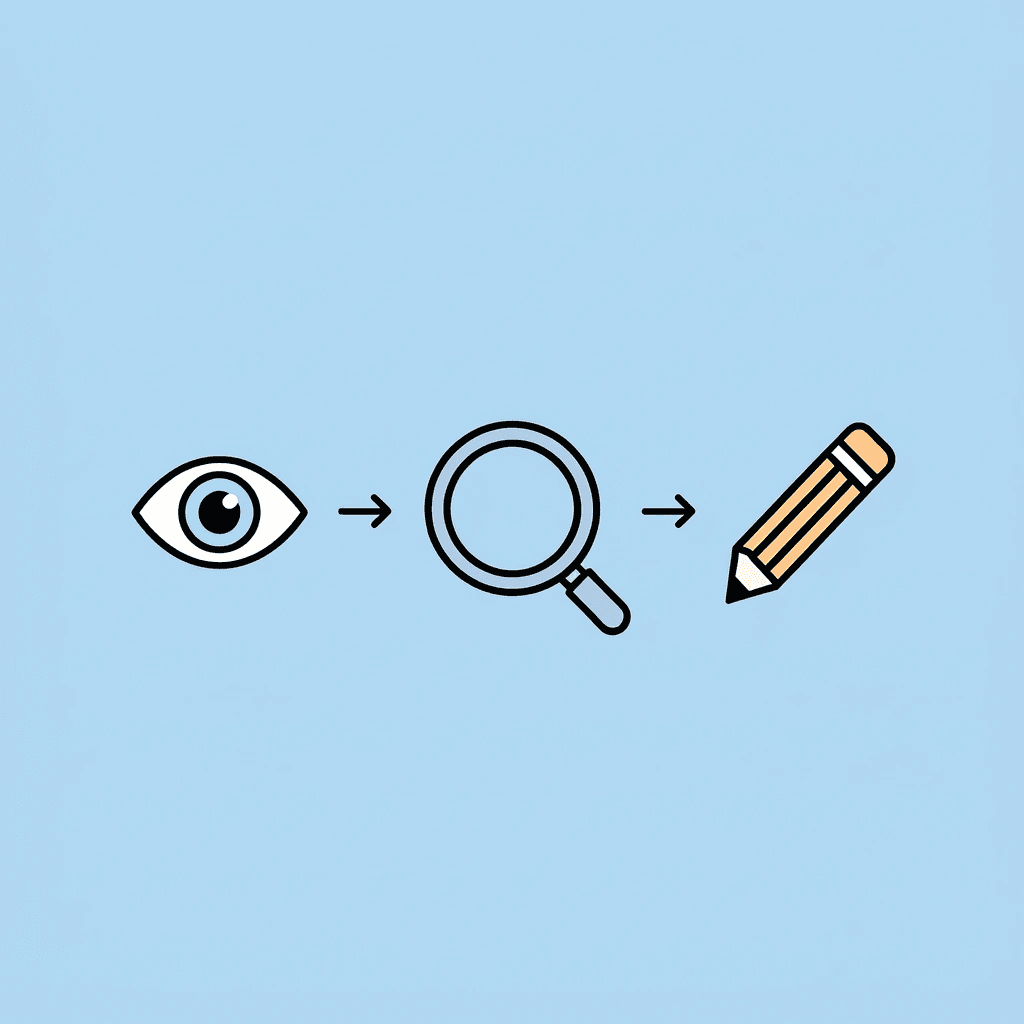
🎯 Key Point: Self-portrait activities develop visual observation skills while helping children recognize their unique physical characteristics and build self-awareness.
"Art activities that involve self-observation help preschoolers develop both fine motor skills and self-recognition abilities simultaneously." — Early Childhood Development Research, 2023

💡 Tip: Encourage children to look in the mirror multiple times during the drawing process rather than just once at the beginning—this builds sustained attention and detail recognition.
1. Self-Portrait Drawing
Kids who draw themselves while looking in a mirror develop stronger visual discrimination skills than those working from memory alone. They learn that representation requires attention to detail and that their face has specific, documentable characteristics. Some draw realistic proportions; others create abstract interpretations with purple hair and three eyes. Both approaches build the connection between self-perception and creative expression. Teachers should resist correcting artistic choices. When a child draws themselves with exaggerated features or impossible colours, they're experimenting with representation and testing whether drawings must match reality or reflect imagination. Creative freedom matters more than technical accuracy at this stage of development.
2. Life-Size Body Tracing
Lay a large sheet of butcher paper on the floor and have a child lie down flat. Trace their body outline with a marker, then let them fill in the details: clothes, hair, facial features, and shoes. Children compare tracings with classmates, noticing height differences and body proportions. The decoration phase reveals personality. One child might draw elaborate patterns on clothing, another focuses on shoe details, and a third adds a cape and superhero emblem. These choices show how children think about their physical presentation and what aspects of appearance matter most to them.
3. "Me Bag" Show and Tell
Ask children to bring two or three favourite items from home in a small bag. During circle time, each child shares their objects and explains why they chose them: a stuffed animal from bedtime, a toy car they play with daily, a seashell from a beach trip. Each item becomes a conversation starter about routines, preferences, and memories. This activity builds communication skills as children practise organizing their thoughts, speaking to an audience, and answering questions about their choices. The listening component is equally important: when classmates pay attention to each presentation, they learn that everyone's favourite things deserve respect, even if those preferences differ from their own.
4. Family Drawing
Give the children paper and crayons and ask them to draw everyone who lives in their house. Some will include parents, siblings, and pets; others might add grandparents, cousins, or regular visitors. What matters less is what they draw than the conversation it creates: Who sleeps in your room? Who makes breakfast? Who reads bedtime stories? These drawings show family structure without forcing children into predetermined categories. A child living with a single parent, grandparents as primary caregivers, or two dads creates an accurate picture of their household. Teachers learn about home environments that affect classroom behavior and social development.
5. Feelings Chart
Divide a large piece of paper into sections labelled with basic emotions: happy, sad, angry, excited, scared, and frustrated. Ask children to draw faces or situations matching each feeling. This visual vocabulary helps children recognize and name internal states they experience but struggle to articulate. Teachers reference these charts throughout the day. When a child has a meltdown over a broken toy, pointing to the "frustrated" section gives them language for their experience. That naming process creates distance between feeling and reaction, the first step toward emotional regulation.
6. Handprint Art
Press hands into washable paint, then onto paper. Write the child's name and date below. These prints become keepsakes that document physical growth over time. Teachers often create handprint collections at the start and end of the school year so children can compare how much their hands have grown. Children can transform handprints into animals, flowers, or abstract designs by adding details with markers or crayons. A handprint becomes a turkey, an octopus, or a tree, teaching that basic shapes evolve into complex images through creative addition.
7. Name Tracing Practice
Write each child's name in large dotted letters on paper. Let them trace multiple times using different-coloured markers or crayons. Gradually reduce the dots until children write independently. This repetition builds muscle memory and letter recognition simultaneously. Children who can write their own name gain independence in labeling artwork, signing in for attendance, and identifying personal belongings. The skill has practical value beyond literacy development: it's a tool for claiming ownership and participating in classroom systems.
8. All About Me Poster
Give each child a large poster board and art supplies. Ask them to include their name, age, favourite things, family members, and anything else they want to share. Some children draw everything, others cut pictures from magazines, and some dictate information to teachers while focusing on decorative elements. The presentation component builds confidence. Standing before classmates and explaining their poster requires courage, particularly for shy children. Teachers can accommodate anxious students by allowing them to present to small groups or to the teacher rather than to the entire class.
9. Family Tree Craft
Draw a simple tree trunk and branches on paper, labelling each family member as a leaf or branch with their name and relationship. Children can add details about who lives in their house, who visits often, and extended family members they see regularly. This visual map helps children understand the structures of relationships and family connections. The tree format works for all family configurations. A child with divorced parents might show two separate branches; another might include a stepparent or half-siblings. The goal is to represent actual family structure, not to conform to a nuclear household model.
10. Playdough Self-Model
Give children playdough and small materials like googly eyes, pipe cleaners, and buttons. Ask them to create themselves using these supplies. Some will make detailed figures with hair, clothes, and facial features; others create abstract representations. Both approaches require thinking about physical characteristics and translating them into three-dimensional form. This activity works well for kinesthetic learners who struggle with drawing. Moulding engages different thinking processes than two-dimensional art, offering hands-on experience that benefits children who find drawing frustrating.
11. Body Parts Sticker Game
Use a large body outline or doll. Give children stickers and call out body parts: "Put a sticker on the nose," "Find the elbow," "Where are the knees?" This builds vocabulary while strengthening spatial awareness and directional following skills. The activity gets harder as you progress. Start with easy parts like the eyes and mouth, then move on to the wrist, ankle, or shoulder. Children who know basic vocabulary can practise left versus right: "Put a sticker on the left hand."
12. Favorite Food Plate
Give each child a paper plate and ask them to draw their favourite foods—pizza, apples, chicken nuggets, sushi, or whatever they prefer. Have them explain their choices, which builds descriptive language skills while revealing preferences. Teachers can extend the activity by creating a classroom graph showing how many children chose each food category. This introduces basic data visualization and demonstrates how individual preferences contribute to collective patterns, allowing maths concepts to emerge naturally from personal expression.
13. All About Me Booklet
Make small booklets with pages for different parts of who you are: my name, my family, my favourite things, what I'm good at, what I want to learn. Children fill each page with drawings or words they tell you, then staple the pages together into a personalized book they can share and take home. The booklet format helps children think in steps and builds a complete picture of who they are across different areas. The finished product becomes something special, capturing who they were at this exact age.
14. Birthday Chart Activity
Create a large chart divided into twelve months, with each child placing their name or photo in their birth month. This visual calendar helps children understand time concepts and see how birthdays spread across the year, with some months clustering multiple names and others remaining empty. Teachers use the chart when planning birthday celebrations or discussing seasons and months. Children develop time awareness by seeing where their birthday falls relative to the current date and upcoming events.
15. Fingerprint Exploration
Use ink pads so children can press their fingerprints onto paper. Give them magnifying glasses to examine the unique patterns and explain that everyone's fingerprints are different. These tiny ridges make each person identifiable, a hands-on demonstration of uniqueness that fascinates preschoolers. Children can turn fingerprints into art by adding details that transform prints into animals, flowers, or people. A thumbprint becomes a ladybug with added spots and legs, demonstrating how observation sparks artistic innovation.
16. Dress-Up and Mirror Play
Set up a mirror area with costumes, hats, scarves, and accessories. Let children dress up and observe themselves as different characters—a firefighter, royalty, or other personas. This self-recognition play builds awareness of how clothing and accessories change appearance and supports identity exploration through role-play. Children test how it feels to present themselves in various ways. Teachers can introduce vocabulary around clothing, colours, and professions during this open-ended play.
17. Name Jewelry
Give children letter beads to thread onto string or pipe cleaners and spell their name, creating wearable bracelets or necklaces. This activity helps children recognize letters, understand sequencing, and build fine motor skills, while giving them pride in wearing their finished creation.
18. All About Me Scavenger Hunt
Make cards with prompts like "Find someone who likes apples," "Find someone who has a pet," or "Find someone who can hop on one foot." Children move around the room finding classmates who match each description, building social connections while practising asking questions and listening. The activity reveals similarities and differences simultaneously. Two children discover they both love dinosaurs; another realizes they're the only ones who have visited the ocean. These discoveries build community while celebrating individual experiences.
19. Home Drawing
Ask children to draw where they live—an apartment building, house, farm, or whatever structure they call home. Let them add details about rooms, yards, and favourite spaces. Some children draw detailed floor plans; others create simple outside views. Both reveal how children perceive their living space. These drawings start conversations about daily routines and family life: Where do you eat dinner? Do you have your own room? Where do you play? The answers help teachers understand home contexts that influence classroom behaviour and learning readiness.
20. Emotion Masks
Make simple masks showing different emotions: happy, sad, angry, surprised, and scared. Children decorate each mask, then wear it while acting out scenarios. This dramatic play helps children connect their inner feelings to outward expressions and explore how their bodies respond in different emotional states. Teachers use these masks throughout the day to check in on emotions. A child who has trouble expressing their feelings can hold up a mask that matches their current state. This visual communication works especially well for children with limited speaking skills or those learning English as a second language.
21. Body Movement Dance
Play music and ask children to move in ways that show how they feel: happy might be jumping, tired could be slow, dragging movements. This physical expression builds the mind-body connection, helping children recognise how emotions manifest in posture, energy, and movement patterns. There are no right or wrong movements. Each child interprets emotions through their own physical vocabulary. Teachers can introduce descriptive language: "I see big, energetic movements. How does that feel in your body?"
22. Talents Sharing Circle
Sit in a circle and ask each child to share something they're good at. Some will demonstrate: hopping on one foot, singing a song, and counting to twenty. Others will describe their skills: helping set the table, building tall towers, remembering stories. Every talent receives applause and recognition. This activity builds confidence by highlighting strengths rather than focusing on areas needing improvement. Children learn that everyone excels at different things and that diverse skills add value to the classroom community.
23. Memory Box
Give each child a small box to decorate. Throughout the week, they fill it with drawings, small objects, or items representing meaningful experiences. At week's end, children share their boxes with classmates and explain why each item matters. The process of choosing what to put in the box requires decision-making: What's important enough to save? What represents me accurately? These choices build self-awareness and help children identify what they value most about their experiences and relationships.
24. Future Dreams Drawing
Ask children what they want to be when they grow up, and have them draw themselves in that role. Astronaut, teacher, dinosaur expert, superhero—every dream receives equal support. The goal is to encourage imagination and future thinking. These drawings reveal how children perceive adult jobs and which elements they associate with different work. A child drawing themselves as a doctor might include a stethoscope and patients, while another focuses on the white coat and clipboard. These details show what aspects of each job capture their attention.
25. Custom "All About Me" Worksheet
Managing twenty-five different activities with different materials creates logistical challenges. Separate supplies for name tracing, preference exploration, and self-portraits add complexity to the classroom. Sequential rotation over weeks means some activities get skipped when schedules compress or unexpected events disrupt plans.
How do custom worksheets simplify all-about-me activities?
Platforms like My Coloring Pages combine multiple elements into customizable single worksheets. Our worksheets integrate name tracing, favourite things sections, and self-portrait colouring areas. Teachers can create materials in seconds that support identity development, literacy practice, and creative expression simultaneously. This reduces preparation time while maintaining strong educational value.
What should an effective all-about-me worksheet include?
Create a worksheet with name tracing at the top, sections for favourite colour, food, and animal in the middle, and a self-portrait area at the bottom. Children complete each section step by step, then present their finished page to classmates. This format combines writing practice, expression of preference, and artistic creation in one document. The presentation component transforms the worksheet into a social learning experience. Children practise public speaking by explaining their choices while classmates practise active listening and asking questions. The single-page format keeps sharing quick and focused.
Related Reading
- Preschool Mothers Day Crafts
- Preschool Spring Crafts
- Preschool Snack Ideas
- Preschool vs Daycare
- Preschool Thanksgiving Crafts
- Fathers Day Crafts Preschool
- Preschool Movement Songs
- Letter A Worksheets Preschool
- All About Me Preschool Activities
- Tracing Worksheets Preschool
- Good Morning Songs for Preschool
- Fall Preschool Crafts
- Preschool Art
- Preschool Classroom Themes
- January Preschool Themes
- Fall Coloring Pages Preschool
- Part Time Preschool
- Letter B Worksheets Preschool
- Play Based Preschool
- Preschool Science Activities
- How Much Is Preschool
Download 51,874+ Free All About Me Worksheets
Teachers need customizable templates that show actual student diversity, not generic worksheets depicting identical families and predetermined preferences. Whether a child sees themselves represented or must force their identity into someone else's template determines whether the activity builds confidence or teaches conformity.

🎯 Key Point: Representation in worksheets directly impacts whether children build confidence or learn to conform to predetermined expectations.
"The difference between a child seeing themselves represented versus forcing their identity into someone else's template determines whether the activity builds confidence or teaches conformity." — Educational Psychology Research

With My Coloring Pages, you can generate a complete "All About Me" worksheet in seconds by typing "All About Me worksheet with name tracing, self-portrait space, and favorite things section." The platform creates a ready-to-print activity sheet combining writing practice, drawing areas, and expression prompts. Adjust complexity based on student level, adding simple prompts for beginners or more detailed sections for advanced children. Alternatively, browse our 51,874+ ready-made pages and select one matching your activity plan. You create a cohesive, engaging worksheet in minutes, rather than piecing together separate activities from multiple sources, enabling meaningful "All About Me" sessions without the prep time that prevents consistent implementation throughout the year.
💡 Tip: Generate worksheets by typing specific requirements like "All About Me worksheet with name tracing, self-portrait space, and favorite things section" for instant customization.