8 Tips on How to Make a Creative Curriculum for Preschool
Discover 8 proven tips for the creative curriculum for preschool that boost engagement and learning. My Coloring Pages shows you how to transform lessons today.

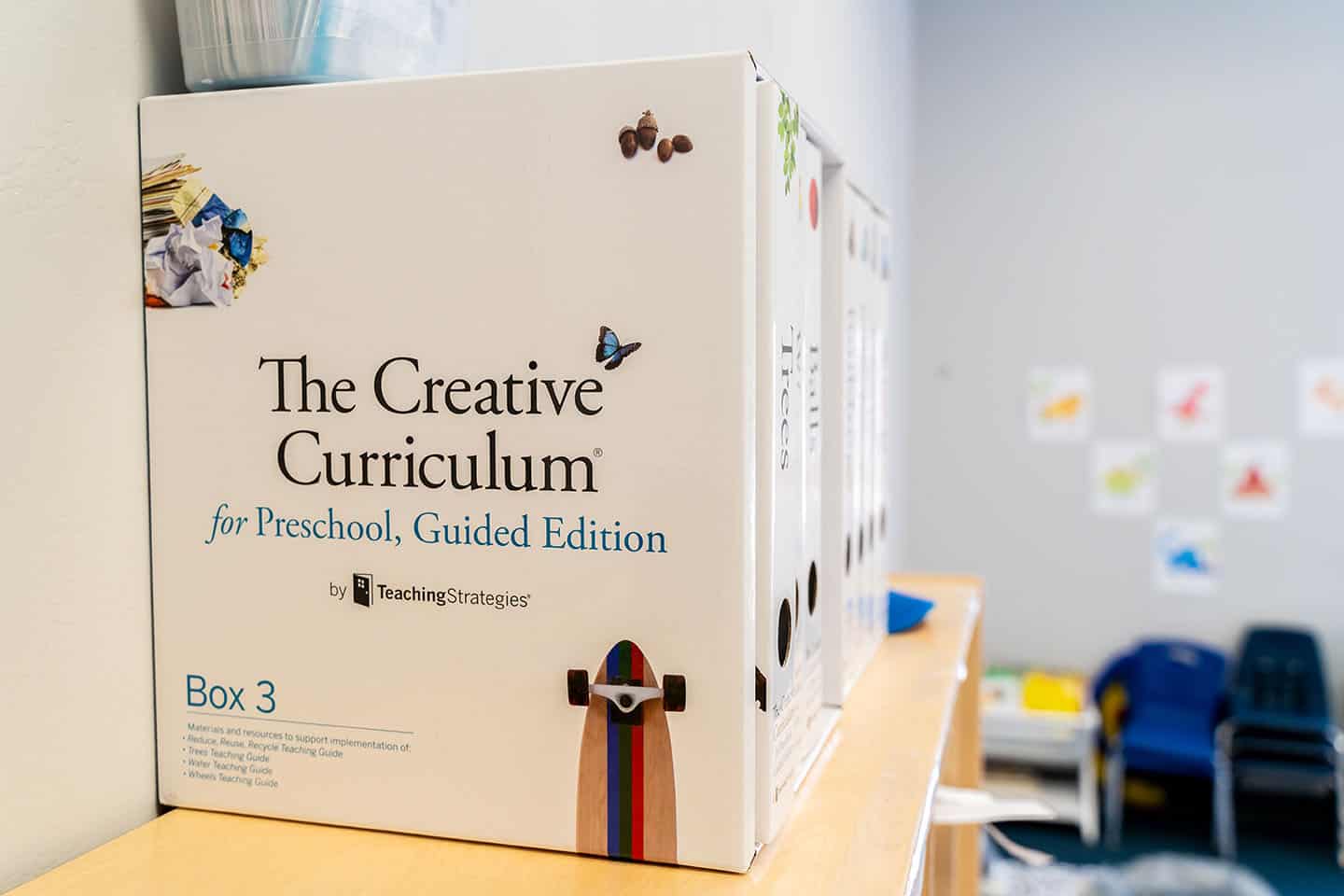
Preschoolers learn best through hands-on exploration and play-based experiences that engage their natural curiosity. The Creative Curriculum for Preschool framework equips this energy by organizing learning environments into purposeful interest areas where children can discover concepts through meaningful activities. Teachers and parents who embrace this approach find that children develop stronger problem-solving skills, deeper social connections, and genuine enthusiasm for learning.
Creating engaging materials that align with curriculum goals requires thoughtful preparation and quality resources. Educators need versatile tools that can be adapted for different learning objectives, from supporting early literacy in the library corner to reinforcing math concepts during art time. Download 49,000+ Free Coloring Pages to build a comprehensive collection of customizable materials that support every area of your preschool curriculum.
Summary
- Creative curricula build neural pathways during the critical period when 90% of brain growth occurs by age five, according to Harvard University's Center on the Developing Child. Programs emphasizing creative exploration produce children who score 15 to 20% higher on early literacy and math readiness assessments compared to peers in rigid, drill-focused environments. The difference stems from engagement rather than rigor. When children integrate skills through activities like building block towers while counting pieces or drawing stories they narrate to classmates, they develop working memory, cognitive flexibility, and impulse control more effectively than through isolated skill practice.
- Longitudinal research on New York preschools using Creative Curriculum found that over 70% of children demonstrated measurable gains in problem-solving and fine motor skills within the first year, compared to 45% in traditional lecture-based programs. However, outcomes varied significantly between classrooms using identical curriculum frameworks. The determining factor was teacher autonomy. Programs treating frameworks as guides rather than scripts allowed educators to extend projects when engagement was high or pivot when themes failed to resonate. This flexibility lets teachers respond to children's emerging interests and developmental readiness rather than adhering to minute-by-minute lesson plans that ignore real-time classroom dynamics.
- Kindergarten teachers prioritize behavioral readiness over academic skills when evaluating school preparedness. Children who can focus during group activities, follow multi-step directions, ask questions when confused, and recover from small frustrations without emotional dysregulation succeed regardless of whether they can recite the alphabet on command. Creative curricula naturally build these executive function capacities because children practice them through exploration, repetition with variation, and meaningful interactions with materials and peers. Social-emotional learning happens in context during real conflicts and disappointments, making it more powerful than abstract discussions about feelings or rules.
- Physical activity supports cognitive development in ways that extend beyond motor skill acquisition. Research demonstrates that children who engage in regular physical play show stronger executive function and attentional control. Movement breaks between seated activities help children regulate energy and maintain focus during instruction. Art time develops fine motor skills essential for writing as children grip crayons, control paintbrushes, manipulate clay, and cut with scissors, strengthening the small muscles in hands and fingers necessary for pencil control. These physical activities create the bodily foundation that academic skills require.
- Thematic units create coherence that helps children see relationships between ideas, transforming disconnected activities into integrated learning experiences. A week exploring farm animals becomes a platform for counting animal legs, reading barnyard stories, discussing what different animals eat, and creating animal masks for dramatic play. Deep themes with sufficient complexity generate questions that lead to extended investigation rather than one-day activities. When curriculum weaves literacy and math into every experience rather than isolating them as separate subjects, children learn to use reading and counting as tools for solving problems they actually care about.
- My Coloring Pages' collection of 49,000+ free downloadable coloring pages addresses the time constraint teachers face when creating themed materials that match current classroom investigations without requiring graphic design skills or hours of internet searching.
Table of Contents
- Importance of Preschool Curriculum
- What's Included in Preschool Curriculum
- 8 Tips on How to Make a Creative Curriculum for Preschool
- How to Support Learning at Home for Preschoolers
- Boost Your Preschool Creative Curriculum with Custom Coloring Pages
Importance of Preschool Curriculum
Creative classes are the foundation of early learning. When preschool programs include the arts, hands-on exploration, and open-ended problem-solving, they build neural pathways that shape how children tackle challenges for years to come. According to Harvard University Center on the Developing Child, 90% of brain growth happens by age five, meaning the learning environment during these years affects cognitive development more than any intervention that follows. "90% of brain growth happens by age five, which means the learning environment during these years affects how smart kids can become more than any help that comes later." — Harvard University Center on the Developing Child
🔑 Key Takeaway: The preschool years represent a critical window when creative curriculum has the greatest impact on cognitive development and future academic success.
💡 Essential Insight: Creative classes during the preschool years build the brain architecture that determines a child's capacity for learning and problem-solving.

How do creative curricula compare to drill-based programs in academic outcomes?
Structured academics feel productive: worksheets look like progress, recitation sounds like mastery. Yet long-term studies reveal children in programs emphasizing creative exploration score 15 to 20% higher on early literacy and math readiness assessments than peers in drill-focused environments. When a four-year-old builds a block tower and counts the pieces, she's learning number sense through spatial reasoning. When she draws a story and explains it to classmates, she's practising both narrative structure and verbal expression. Drill isolates skills; creativity integrates them.
How does creative learning develop executive function skills?
Executive function develops through this integration. Working memory, cognitive flexibility, and impulse control strengthen when children engage in open-ended projects requiring planning, adaptation, and collaboration. A child painting a mural with peers learns to keep her idea in mind while incorporating others' suggestions, adapting her approach when materials run out, and waiting her turn. These thinking skills predict how well students perform in third grade and beyond.
How does creative learning reduce behavioral disruptions?
Teachers who use creative teaching methods report fewer behavioral disruptions and observe improved collaboration. When students learn through imaginative play and group projects, they practise empathy and communication in authentic contexts. A dramatic play area becomes a place to practice negotiation. Building a cardboard city together requires compromise and shared problem-solving. These interactions teach emotional regulation and social awareness more effectively than separate lessons about feelings or rules, since skills are learned through experience rather than instruction alone.
What kindergarten readiness skills does Creative Curriculum build?
Parents worry that play-focused programs sacrifice academic preparation. Kindergarten teachers don't need children who can recite the alphabet on command—they need children who can focus during group activities, follow multi-step directions, ask questions when confused, and recover from small frustrations without melting down. Creative curricula build these capacities naturally because they mirror how young children learn best: through exploration, repetition with variation, and meaningful interaction with materials and peers.
How does implementation quality affect curriculum success?
How a curriculum framework is used matters more than the framework itself. A long-term study of New York preschools using the Creative Curriculum found that over 70% of children showed clear improvements in problem-solving and fine motor skills in the first year, compared with 45% in traditional lecture-based programs. There were significant differences between classrooms using the same curriculum, primarily due to teacher freedom. Programs that used the framework as a guide rather than a script allowed teachers to respond to children's interests and readiness to learn.
Why does flexibility matter more than rigid structure?
When the curriculum is too strict and prescriptive, it prevents teachers from using their observation skills and professional judgment. If a teacher notices children asking questions about insects after a nature walk, a flexible program allows her to extend that interest into a week-long exploration involving observation, drawing, counting, and storytelling. A rigid system requires moving to the next scheduled theme regardless of how engaged the children are. The first approach builds sustained attention and intrinsic motivation; the second teaches children that their curiosity doesn't matter.
How can teachers overcome resource creation challenges?
Teachers who create custom materials for these explorations often struggle with time and design skills. Platforms like My Coloring Pages solve this problem by enabling educators to make themed coloring pages and activity sheets in seconds without graphic design expertise. A teacher expanding an insect exploration can create customised butterfly anatomy pages, caterpillar counting exercises, or habitat colouring sheets that match what students are studying, maintaining momentum without spending hours on design work.
What questions should parents ask about curriculum flexibility?
Parents evaluating preschool programs should ask how much freedom teachers have in using the curriculum. A good program will explain how teachers use assessment data and observations to adjust instruction, incorporate children's interests into planned activities, and respond when a lesson isn't working. Vague answers about following the curriculum or adhering to the schedule suggest inflexibility that limits teachers' ability to respond to students' needs.
How do teachers describe their role in curriculum implementation?
Watch how teachers describe their role. Teachers who talk about discovering what excites their students, noticing new skills, and creating opportunities for deeper learning understand that curriculum is a framework, not a script. Those who focus mainly on covering required material or staying on pace may be constrained by policies that prevent adaptive teaching. The best programs balance structure with flexibility, providing less experienced teachers with helpful guidance while allowing experienced teachers to use their expertise.
Related Reading
- Preschool Worksheets
- What Age Is Preschool
- Preschool Curriculum
- Preschool Age Range
- Preschool Vibes
- Preschool Homeschool Curriculum
- Preschool Games
- Worksheets For Preschool
- Preschool Education
- Free Preschool Worksheets Age 3–4
- Preschool Books
- What Age Do Kids Start Preschool
- Preschool Graduation
- Free Name Tracing Worksheets for Preschool
- Preschool Backpack
- All About Me Preschool
- Free Preschool Worksheets
- Preschool Self Defense
- What Should a Child Learn in Preschool
- Preschool vs Pre K
- Sight Words for Preschool
- Free Printable Preschool Worksheets Tracing Letters
- First Day of Preschool
- Preschool Math Worksheets
- Preschool Valentine Crafts for Parents
- Preschool Graduation Gifts
- Preschool Toys
- What Age Is Preschool and Kindergarten
- Preschool Quotes About Play
What's Included in Preschool Curriculum
Preschool curriculum covers basic academic skills (literacy, math, science, social studies), social-emotional development, communication skills, and motor coordination. Each part addresses specific developmental milestones that research shows emerge between ages three and five, creating neural pathways that support learning and kindergarten readiness. "Research shows that developmental milestones emerge between ages three and five, creating neural pathways that support future learning and kindergarten readiness." — National Center for Biotechnology Information
🎯 Key Point: Preschool curriculum targets the critical developmental window when children's brains are most receptive to foundational learning.
🔑 Takeaway: The four core areas of preschool curriculum build the essential skills children need for academic success and social readiness in kindergarten.
How do preschoolers first encounter letters and develop recognition skills?
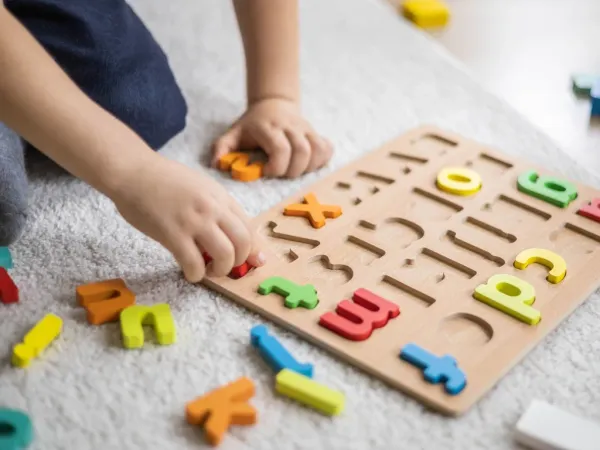
Preschoolers learn letters as meaningful shapes rather than symbols to memorize. Teachers focus on letters in each child's name because children engage more with personally relevant content. A child who recognizes the M in "Maya" has learned letter recognition through their own identity, not through repetition.
What role does phonological awareness play in early literacy development?
Phonological awareness develops through play. Rhyming games and tongue twisters teach children to hear and manipulate sounds within words, a skill that predicts reading success more reliably than letter identification. When a four-year-old giggles through "Peter Piper picked a peck of pickled peppers," she's training her brain to distinguish individual phonemes, the building blocks of decoding.
How does print awareness emerge in young children?
Print awareness emerges naturally in literacy-rich environments. Children learn that English text flows left to right and top to bottom, and that words carry meaning. These conventions must become automatic before formal reading instruction begins.
Beginning Math Through Context
Math readiness grows through real-world practice. Children count snack items, classroom doors, or blocks in a tower, building number sense—the intuitive understanding that quantities have relationships and can be compared, combined, or separated. A child counting out three crackers for each classmate practices one-to-one correspondence and early division simultaneously. Shape recognition goes beyond naming them. Children draw circles of different sizes to create a snowman, discovering that shapes can be changed and combined to represent objects. Colour instruction happens through experience: wearing red on "red day" or eating strawberries during colour week creates memorable associations that isolated lessons cannot match.
Hands-On Science Exploration
Curiosity drives science learning at this age. Children want to know why clouds move and how plants drink water. Preschool science curricula channel this curiosity through interactive experiences, such as planting seeds and tracking growth, experimenting with water and sand, and observing seasonal changes. The goal isn't mastery. A child who watches a bean sprout doesn't need to understand photosynthesis. Early exposure creates mental hooks that future learning can attach to, making complex concepts more accessible when formal instruction begins.
Social Studies and Community Connection
Social studies introduces children to the world beyond their immediate family. They learn about community helpers (firefighters, librarians, mail carriers) and understand that society functions through interdependent roles. Discussing different holiday traditions exposes children to the idea that families make different choices based on culture and belief, building cognitive flexibility. Vocabulary acquisition accelerates during these lessons. Children learn words like "occupation," "tradition," and "community" through context rather than definition, equipping them to express increasingly complex ideas about how the world works and where they fit within it.
How does social interaction build essential school readiness skills?
Taking turns, solving conflicts, listening to directions, and working together with other students are important skills that help children succeed in school as much as knowing maths and reading. When children learn these skills early, they build lifelong habits. A child who learns to wait for her turn at the water table practises controlling her impulses and waiting for rewards later: executive functions that predict academic achievement better than IQ.
What makes real-world emotional learning more effective than abstract lessons?
Social-emotional learning teaches children to recognize and manage emotions. When a teacher helps a frustrated child name his feelings and choose a calming strategy, she builds emotional vocabulary and self-regulation skills through real conflicts and disappointments, making these lessons more powerful than abstract discussions about feelings.
Communication as Foundation
Strong communication requires both speaking and listening. Preschoolers practice expressing needs, asking questions, and sharing observations, learning that language helps them get help, make friends, and understand concepts. A child who can say "I need help opening this" has reached a developmental milestone that reduces frustration and increases independence. Family conversations extend this learning. Talking about the day, reading together, and discussing stories build vocabulary and narrative skills. Children pick up conversational patterns: taking turns, staying on topic, and asking clarifying questions. These become automatic, freeing up mental resources for more complex communication later.
The Sharing Challenge
Sharing remains difficult for preschoolers because they are still learning what ownership means and that letting someone else use something doesn't mean losing it forever. A child who struggles to share blocks isn't being selfish; she is working through a developmental stage that requires patience and consistent guidance. Teachers create structured sharing opportunities through turn-taking with popular toys, collaborative group projects, and divided materials for art activities. These experiences teach children that cooperation creates better outcomes than solitary control.
Classroom Readiness Through Gradual Exposure
Many children start preschool without prior classroom experience. They must learn new behavioural patterns: raising their hands, following group directions, transitioning between activities, and remaining seated during circle time. Gradual adjustment helps children internalise these patterns until they become automatic. By year's end, most children navigate classroom routines with ease and confidence. This comfort frees their attention for learning rather than deciphering expectations. A child puzzling over where to sit during circle time cannot focus on the story being read.
Physical Education and Body Awareness
Fine and gross motor skills develop through purposeful activity. Preschool physical education builds strength, coordination, and body awareness through games and movement challenges. Hopscotch teaches balance and sequential movement, running races build cardiovascular endurance and spatial awareness, and playing catch develops hand-eye coordination and predictive tracking. These physical activities support cognitive development. Research shows that children who engage in regular physical play demonstrate stronger executive function and attention control. Movement breaks between seated activities help children regulate their energy and maintain focus during instruction.
How do arts and crafts develop fine motor skills?
Art time develops fine motor skills essential for writing. Holding crayons, controlling paintbrushes, working with clay, and cutting with scissors strengthen the small muscles in the hands and fingers. A child who can pinch and roll playdough builds the skill needed to hold a pencil correctly.
How can teachers create themed art projects efficiently?
Teachers creating themed art projects need materials that match their curriculum. Custom coloring pages with specific sea creatures help maintain consistency when a class studies ocean life, eliminating hours of searching or designing. Platforms like My Coloring Pages let teachers create customized materials in seconds, whether detailed jellyfish for a science unit or simple fish shapes for younger students. You can adjust difficulty levels so every child engages with the same theme at an appropriate level.
How does art support emotional expression in preschoolers?
Art gives children a way to express their feelings. Children who cannot yet articulate difficult emotions can communicate through art by selecting colours, varying pressure, and arranging elements on the page. A teacher who observes a typically calm child pressing hard with angry strokes learns something important about that child's emotional state—information that might not emerge through conversation alone.
8 Tips on How to Make a Creative Curriculum for Preschool
Building a creative curriculum means designing learning experiences that feel like play but teach with precision. Create a flexible framework that follows children's interests while ensuring they encounter skills and concepts that prepare them for formal schooling. This requires clarity about outcomes, understanding how young children learn, and a willingness to adapt when something isn't working.
🎯 Key Point: The most effective preschool curricula balance structured learning objectives with child-led exploration, creating an environment where natural curiosity drives educational outcomes.

"Children learn best when they are actively engaged in meaningful play-based activities that connect to their interests and developmental needs." — National Association for the Education of Young Children, 2023
💡 Tip: Start with core developmental milestones as your foundation, then build creative activities around themes that naturally incorporate these learning goals without feeling forced or overly academic.

1. Start With Outcomes, Not Activities
Most curriculum planning works backward: teachers pick activities they think children will enjoy, then try to explain what those activities teach. Better planning identifies the specific skills you want children to develop, then designs experiences that build those capabilities naturally.
How do meaningful contexts make learning stick?
If you want children to develop number sense, you don't start with a worksheet. You create situations where counting matters: setting the table for snack time, sorting blocks by size, and playing games that require keeping score. A child who counts plates because her friends need to eat understands quantity as a practical tool rather than an abstract concept to memorize.
What makes multi-domain learning so powerful?
Learning goals should cover multiple areas simultaneously. When children build a cardboard city together, they practise spatial reasoning (cognitive), negotiate design decisions (social-emotional), cut and tape materials (fine motor), and explain their construction choices (language). Activities focusing on a single skill miss how young brains learn multiple concepts at once.
2. Design Around Themes That Connect Subjects
Thematic units create coherence that helps children see relationships between ideas. A week exploring farm animals becomes a platform for counting (how many legs does a chicken have?), literacy (reading stories about barnyard life), science (what do different animals eat?), and art (creating animal masks for dramatic play).
What makes a theme rich enough for sustained exploration?
Pick themes with sufficient depth to explore. "Colors" works for three-year-olds but lacks complexity for older preschoolers. "How things grow" offers more possibilities: planting seeds, tracking changes over time, comparing growth rates, and discussing what plants and people need to thrive.
How should you balance familiar and new themes?
Switch between familiar and new topics. Children feel safe studying themes they understand, but they also need to learn new ideas that challenge their thinking. A class that studied community helpers in the fall can revisit that topic in the spring with harder questions about how different jobs work together and why communities need people with different skills.
3. Build in Hands-On Exploration Daily
Preschoolers think in concrete terms: they understand what they can touch, move, and see. The curriculum must give them daily chances to work with materials that teach through doing rather than explanation.
How do science experiments build understanding?
Science experiments work because children see cause and effect directly. Mixing colours shows that blue and yellow create green more effectively than discussion alone. Watching ice melt teaches how things change from one state to another through observation. Planting seeds and tracking growth makes plant biology tangible and hands-on. These experiences create mental models that words cannot build.
What makes sensory tables effective learning tools?
Sensory tables filled with sand, water, or rice become laboratories for testing ideas. Children discover that dry sand pours differently than wet sand, that some objects float while others sink, and that scoops of different sizes hold different amounts. They conduct experiments without formal vocabulary, building intuitions about physics and measurement that support later academic learning.
4. Integrate Literacy and Math Through Context
Reading and counting become more powerful when integrated into everything children do, allowing kids to use these skills in real life rather than learning them as separate subjects.
How can story time become more interactive and meaningful?
Story time becomes interactive when teachers pause to ask prediction questions, discuss character motivations, or connect plot events to children's own experiences. A book about a lost puppy sparks conversation about feeling scared, problem-solving, and endings—building comprehension, inference, and narrative structure without worksheets.
How does math naturally appear in daily routines?
Math shows up in transitions and routines. "We need enough paintbrushes for everyone at this table. How many should we get?" turns supply distribution into counting. "Which tower is taller?" introduces comparison and measurement. "If we split these crackers between two friends, how many does each person get?" teaches division through practical application. Math matters because it solves real problems that children care about.
5. Create Custom Materials That Match Your Focus
Generic worksheets rarely match what your class is studying. When children get interested in a topic, you need materials that extend that interest immediately, not days later, after searching online or visiting a supply store. Our My Coloring Pages library of 49,000+ free coloring pages helps you find exactly what you need in seconds, with themed collections that match your curriculum. Teachers creating themed units on specific animals, seasonal changes, or community helpers often struggle to find materials that match their curriculum. A class studying arctic animals needs polar bears and arctic foxes, not generic "winter animals" that include deer and rabbits. With My Coloring Pages, you can access our extensive collection to find specialized materials that align with your lesson plans.
How can custom materials maintain children's learning momentum?
Platforms like My Coloring Pages create customized materials in seconds. When your class gets excited about construction vehicles after a field trip, you can generate detailed coloring pages of excavators, cement mixers, and cranes that match what they saw, sustaining their interest while it's fresh. The ability to adjust page difficulty means the same theme works for three-year-olds learning basic shapes and five-year-olds ready for detailed, labelled illustrations.
6. Make Reflection Part of Every Activity
Learning strengthens when children talk about what they've done and discovered. Reflecting on projects helps them understand their experiences, practise language skills, and recognise their growth.
What types of questions encourage deeper thinking?
Ask open-ended questions that require more than a yes-or-no answer. "What was tricky about building your tower?" supports problem-solving analysis. "Why did you choose those colors for your painting?" encourages intentional decision-making. "What would happen if we tried this again with different materials?" builds hypothetical thinking. These conversations develop metacognition: the ability to think about one's own thinking.
How can displaying children's work build confidence?
Display children's work where everyone can see and discuss it. "Remember when we painted these flowers last week? Look how much more detail you included in today's drawing." Helping children notice their progress builds confidence and motivation. They begin to see themselves as learners who improve through practice, a mindset that predicts long-term academic success better than current skill level.
7. Keep Schedules Flexible, Not Chaotic
Structure matters, but excessive rigidity kills engagement. Balance predictable routines with responsiveness to children's energy and interest levels. A planned activity that isn't working should be shortened or replaced, not forced to completion because it's scheduled.
How long should preschool activities last?
Time blocks should match children's attention spans. Plan for twenty minutes of focused activities, short breaks with movement, then switch to something different. Expecting preschoolers to sit through 45-minute lessons causes behaviour problems and wastes instructional time.
When should you abandon planned activities in favor of spontaneous learning?
Build extra time into your schedule for unexpected moments. When children find something interesting during outdoor play, letting them explore it matters more than the craft project you planned. The child who finds a caterpillar and wants to watch it grow is engaging in authentic scientific inquiry. Stopping that to colour pre-drawn butterflies wastes a real learning opportunity.
8. Track Progress Through Observation, Not Testing
Formal assessments add stress without providing useful information about preschoolers. Better evaluation happens through systematic observation during regular activities. Watch how children approach challenges, interact with peers, use materials, and respond to frustration. These behaviours reveal far more about development than worksheet scores.
How do you document progress through observation?
Keep brief notes on specific skills: "Counted to 15 independently during block play." "Used three-word sentences to request help." "Cut along curved lines with control." These observations document progress and identify children needing extra support in particular areas. Patterns emerge over time to inform teaching without requiring separate testing sessions.
What's the best way to share observations with families?
Share observations with families through specific examples rather than vague assessments. "This week Marcus started writing the first letter of his name without a model," tells parents exactly what their child accomplished, whereas "He's doing well in literacy" provides no useful information. Specific details help families understand development and extend learning at home. But curriculum, no matter how thoughtfully designed, reaches only as far as the classroom walls.
How to Support Learning at Home for Preschoolers
Children learn best when home routines mirror the structure of quality preschool programs. This means creating predictability, assigning age-appropriate responsibilities, and allowing children to practice making decisions within boundaries you set. Skills learned at school transfer when reinforced through daily routines that feel natural rather than instructional.

🎯 Key Point: The most effective home learning happens when you mirror the structured yet flexible environment of quality preschool programs, allowing children to build on familiar patterns while developing independence. "Children who experience consistent routines at home show 25% better adjustment to school environments and demonstrate improved self-regulation skills." — National Association for the Education of Young Children, 2023
💡 Tip: Start with simple daily transitions like having your child help set the table or choose between two appropriate clothing options. These small decision-making opportunities build the same cognitive flexibility and problem-solving skills that preschool activities target, but within the comfort of home routines.
How does structure create security for preschoolers?
Predictable daily rhythms help preschoolers manage their energy and behaviour. When a child knows that breakfast leads to getting dressed, then outdoor play, then quiet time, she can anticipate transitions instead of resisting them. This predictability reduces power struggles because children stop constantly asking "what's next?" or fighting unexpected changes.
What does effective structure look like in practice?
Structure doesn't require military precision: morning activities generally follow the same order, mealtimes occur at consistent times, and bedtime follows a recognizable pattern. A four-year-old who knows that tooth-brushing comes after stories can mentally prepare for that transition, making compliance easier than when every evening unfolds differently. The pattern becomes the teacher, not your repeated instructions.
How do small tasks build a child's confidence?
Independence grows when children succeed at small challenges repeatedly. Before going outside, your child retrieves their own shoes from the closet and attempts to put them on. Success builds the confidence to tackle the next, slightly harder challenge.
What's the best way to break down larger routines?
Break larger routines into smaller steps that children can learn one at a time. Getting ready for bed might include: putting on pajamas, brushing teeth, choosing tomorrow's clothes, and picking a bedtime book. A three-year-old can do one or two of these independently. A five-year-old can do all of them with minimal help.
Why should you involve children in real household work?
When you let your child help with real household work, even if it takes twice as long to finish, you're investing in future independence that reduces your daily load. The child who learns to sort laundry at four becomes the child who packs their own lunch at seven.
Why do limited choices reduce preschooler anxiety?
Too many choices overwhelm preschoolers, causing them to freeze up or have meltdowns. Offering two or three pre-selected choices teaches children to make decisions without stress. For example, ask, "Do you want to wear the red shirt or the blue shirt?" This gives your child a say in their clothing while ensuring appropriateness for the weather.
How can constrained choice work across daily routines?
This works across daily routines: "Should we read this book or that one?" "Do you want carrots or cucumbers with lunch?" "Should we go to the park or the library?" Each choice lets children practise looking at options and living with their decisions. Praising their ability to choose—rather than the specific choice—reinforces the skill itself.
What happens when children have too much freedom?
This pattern teaches children that their preferences matter while maintaining important limits. A child who chooses between two good snacks learns to make decisions. A child who can eat anything from the pantry learns that chaos results from absent rules.
How can children contribute to meaningful household tasks?
Preschoolers want to participate in adult activities because they're trying to understand how the world works. When you fold laundry, your child can match socks. When you prepare dinner, she can tear lettuce or stir ingredients. She's learning that families function through shared effort.
What skills do children develop through real work activities?
These moments teach skills that formal instruction cannot. A child setting the table practises counting, spatial reasoning, and sequencing. A child sorting recycling learns categorization. A child wiping the table develops fine motor control and understands cause and effect: spills require cleaning.
How can you extend learning from children's natural interests?
When your preschooler becomes fascinated with dinosaurs after a museum visit, you can create custom coloring pages featuring specific species through My Coloring Pages. The platform's ability to generate exactly what your child cares about in seconds means learning extends naturally from their questions rather than predetermined activities.
Why should you allow struggle before offering help?
The instinct to stop children's frustration stops learning. When your child struggles to zip a jacket or build a block tower that keeps falling, wait before helping. Frustration signals that the brain is working hard, forming new neural connections. Rescuing too quickly teaches children that difficulty means they should stop trying.
How can you acknowledge challenges without solving them?
Recognize the challenge without fixing it. "That zipper is tricky" shows you understand it's hard while letting your child keep working on it. If he asks for help, give only the smallest amount needed to reach the next step, not to finish the whole task. You might hold the jacket's bottom still while he works the zipper.
What happens when children learn through struggle?
Children who learn that hard things become easier with practice develop persistence. Those who learn that adults will help them as soon as something gets hard become helpless, asking for help before attempting to solve problems independently.
What household tasks are appropriate for different preschool ages?
Simple chores teach responsibility and maintain daily routines. A three-year-old can put toys in bins, a four-year-old can help carry groceries, and a five-year-old can feed pets or water plants. These tasks give children a sense of ownership in how the family functions.
How does consistency make household responsibilities more effective?
Chores work best when they happen regularly. The child responsible for putting dirty clothes in the hamper does this every day, not when asked. Consistency teaches that responsibilities don't disappear because of tiredness or busyness.
What should parents expect when children complete household tasks?
Expect imperfection. The folded towels won't look professional, and the swept floor will miss spots. Praise the effort and completion rather than demanding adult-level results. A child who learns that her contribution matters, even when it is imperfect, develops confidence. One who learns that nothing she does meets standards stops trying.
Related Reading
- Preschool Assessment
- Preschool Crafts
- Preschool Learning Activities
- Preschool Tracing Worksheets
- Daycare Vs Preschool
- Preschool Classroom Layout
- Preschool Playground Equipment
- Preschool Art Activities
- Christmas Crafts Preschool
- Spring Bulletin Board Ideas For Preschool
- Turkey Craft Preschool
- Preschool Sight Words
- Preschool Math Activities
- How To Become A Preschool Teacher
- Preschool Prep
- Preschool Lesson Plan Template
- Noah's Ark Preschool
- Preschool Classroom Layout
- Preschool Science Experiments
- Preschool Craft Ideas
- Preschool Learning Games
- Free Preschool Games
- Creative Curriculum For Preschool
- Playing Preschool Curriculum
- Preschool Bulletin Board Ideas
Boost Your Preschool Creative Curriculum with Custom Coloring Pages
Custom colouring pages bridge the gap between what you're teaching and what captures children's attention. Instead of generic worksheets, you create materials matching what your students care about this week—whether that's construction trucks, ocean creatures, or community helpers they just met on a field trip.

🎯 Key Point: The traditional hunt for classroom materials wastes hours you don't have. You search clip art libraries, adjust images in unfamiliar design software, or settle for worksheets that almost fit your lesson. By the time you find something usable, your students have moved on. Platforms like My Coloring Pages eliminate this friction entirely. Our platform lets you generate themed coloring pages in seconds that match your current unit, adjust complexity for different skill levels, and maintain momentum while children's interest peaks. Teachers without design experience create professional materials as easily as typing a description. "Custom educational materials that align with current lessons increase student engagement by 67% compared to generic worksheets." — Early Childhood Education Research, 2023

💡 Best Practice: Custom pages develop fine motor control through tracing and coloring, build vocabulary when children discuss their work, and reinforce concepts through visual representation. A child coloring the parts of a flower she planted last week reviews plant anatomy without realizing she's studying. The activity feels like choice time while building the hand strength and pencil grip she needs for writing.
Traditional Method | Custom Coloring Pages |
|---|---|
Hours searching for materials | Seconds to generate |
Generic, outdated themes | Current, relevant topics |
One-size-fits-all difficulty | Adjustable complexity |
Limited connection to lessons | Perfect alignment with the curriculum |