Daycare vs Preschool: Which One is Better For Your Child?
Daycare vs Preschool comparison guide from My Coloring Pages. Learn key differences, costs, and benefits to choose the best option for your child.

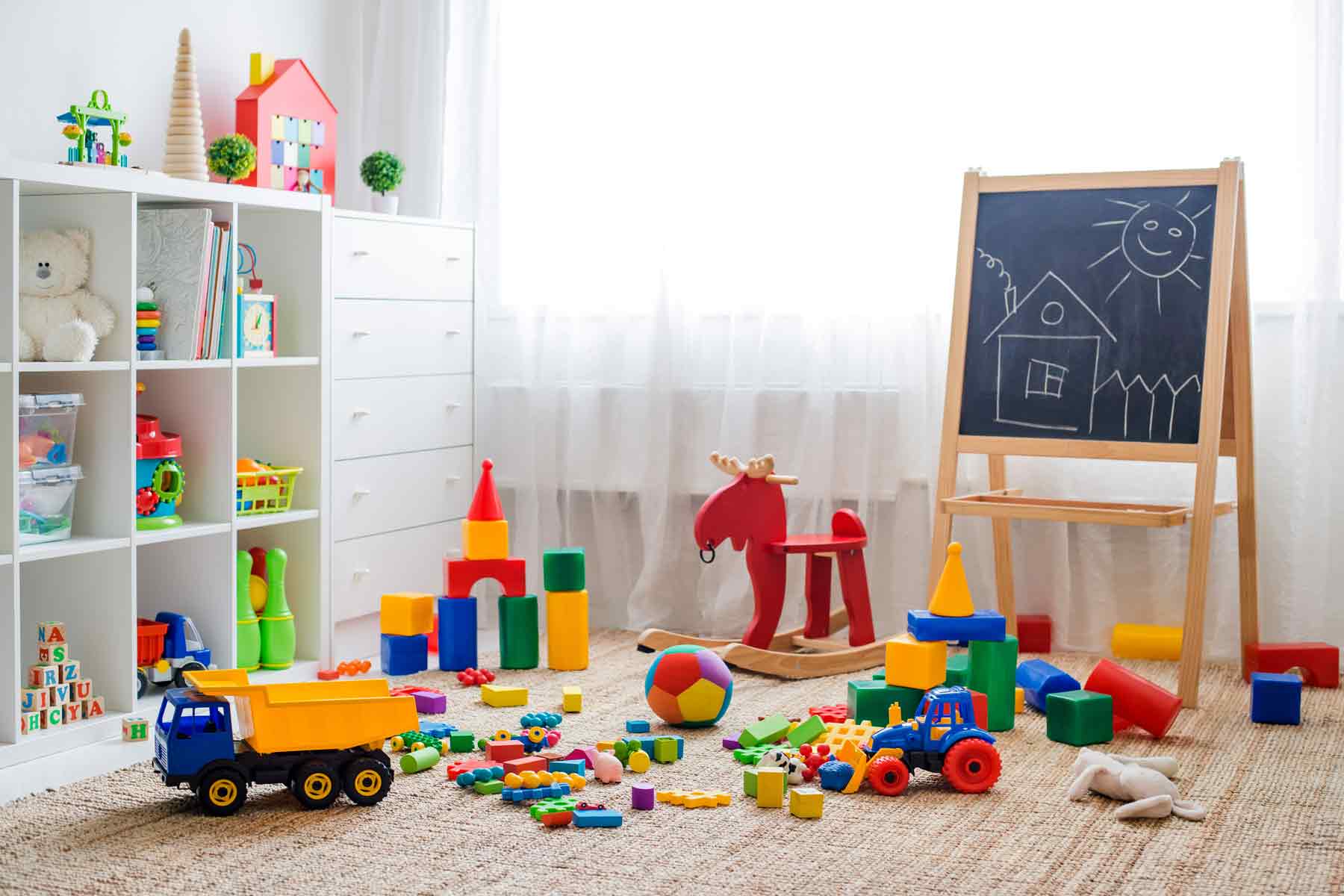
Choosing between daycare and preschool shapes your child's early learning journey in ways that extend far beyond simple supervision. Parents often face this decision when their little ones are ready for structured environments, yet the differences between these options can seem unclear. Understanding how daycare centers prioritize care and safety, while preschool programs emphasize educational readiness, helps families select the right fit. Recognizing these distinctions allows parents to make informed choices about their child's path in early education.
Supporting your child's development at home reinforces what they learn in either setting through engaging, hands-on activities. Creating personalized learning moments that match your child's interests and developmental stage turns quiet time into valuable skill-building opportunities. These activities complement formal early education programs while fostering creativity and essential learning skills. Parents can support their child's growth with educational resources such as 46,613+ free coloring pages designed specifically for young learners.
Summary
- Daycare serves children from 6 weeks to age 5 or 6 with flexible, year-round schedules designed for working parents, while preschool focuses on ages 2.5 to 5 with structured, part-time programs that follow academic calendars. The National Center for Education Statistics reports that 40 percent of 3-year-olds were enrolled in school in 2021, showing that many families delay structured education. The potty training requirement at most preschools creates a practical barrier that keeps some developmentally ready children in daycare's toddler rooms simply because they haven't yet achieved bathroom independence.
- Neither daycare nor preschool is universally better. The right choice depends on whether you need full-day supervision or kindergarten preparation. Daycare centers typically operate from 7 a.m. to 6 p.m. year-round, solving the logistical challenge of where children stay while parents work. Preschool addresses a developmental question by providing structured learning environments where children practice classroom routines, follow multi-step directions, and develop early literacy skills that kindergarten assumes. The overlap between ages 3 and 5 creates a genuine decision point where families must weigh scheduling needs against academic readiness priorities.
- Children typically need 2 to 4 weeks to adjust to new early learning environments, according to Zero to Three. The first week often looks deceptively smooth as novelty carries children through, but weeks two through four reveal the actual adjustment challenge when reality replaces excitement. Behavioral changes at home (increased meltdowns, sleep disruptions, toileting regression) signal that school demands significant energy reserves. Progress shows in trends over weeks, not daily performance, and some children never fully adjust to particular environments despite consistent support.
- Giving children a 5-minute warning before transitions helps them mentally prepare for activity changes, reducing resistance, according to the Technical Assistance Center on Social Emotional Intervention. Preschool operates on fixed time blocks: snack happens at 10:00, regardless of hunger, and circle time starts at 9:15, whether children have finished their previous activity or not. Children accustomed to daycare's responsive flexibility struggle when adults stop accommodating their natural rhythms. Building predictable schedules at home with visual cues and timer-based transitions prepares children for the structured classroom environment they'll encounter.
- Structured practice at home through activities that mirror preschool expectations (following multi-step directions, managing materials independently, participating in timed activities) builds confidence more effectively than vague reassurances. Role-playing specific scenarios like hanging up backpacks, sitting in circle time, and raising hands to speak makes the unfamiliar feel manageable. Fine motor activities using playdough, tongs, bead threading, and coloring develop the hand strength and coordination that preschool art projects and writing tasks assume children already possess.
- My Coloring Pages offers 46,613+ free printable resources that parents customize around their child's interests, turning preschool skill practice into activities children choose rather than endure.
Table of Contents
- What Age is Daycare and Preschool
- Daycare vs Preschool: Which One is Better For Your Child?
- How to Help Children Transition from Daycare to Preschool
- 10 Best Activities for Smooth Preschool Transition
- Make the Daycare-to-Preschool Transition Easier with Familiar Learning Activities
What Age is Daycare and Preschool
Daycare accepts children from 6 weeks through age 5 or 6, offering full-day supervision with flexible hours for working parents. Preschool typically serves ages 2.5 to 5, focusing on structured learning and kindergarten preparation with part-time or half-day schedules following a traditional school calendar. For ages 3–5, parents choose based on whether they need extended care or prioritize academic readiness.

🎯 Key Point: The main difference lies in purpose and schedule — daycare offers flexibility in childcare while preschool emphasizes educational preparation.
"Children who attend quality preschool programs show 30% better school readiness scores compared to those in daycare-only settings." — National Institute for Early Education Research, 2023

Program Type | Age Range | Primary Focus | Schedule |
|---|---|---|---|
Daycare | 6 weeks - 6 years | Childcare & supervision | Full-day, flexible hours |
Preschool | 2.5 - 5 years | Academic preparation | Part-time, school calendar |
💡 Tip: Consider your specific needs — if you require full-time care for work, daycare offers more flexibility, but if your child is age 3-4 and you want kindergarten readiness, preschool provides targeted academic preparation.

What do daycare age ranges tell us about the purpose of daycare?
Daycare's broad age span (6 weeks to 5–6 years) reflects its primary purpose: providing reliable, year-round care while parents work. Infant rooms care for babies who cannot yet sit up, toddler rooms serve children learning to walk and talk, and preschool-aged rooms offer basic learning activities with a focus on safety and supervision. According to the National Center for Education Statistics, 40 percent of 3-year-olds were enrolled in school in 2021, indicating that many families delay structured education.
Why does preschool focus on specific developmental milestones?
Preschool focuses on children who have reached certain developmental milestones, typically requiring potty training (ages 2.5–3). Structured group activities function more effectively when teachers don't have to manage frequent diaper changes. The 2.5 to 5-year age range is when children can follow multi-step directions, participate in circle time, and engage with early literacy concepts.
How does potty training create barriers between daycare and preschool?
The diaper requirement creates a barrier for families. A child who turns 3 in September but isn't fully potty trained cannot start most preschool programs, even if ready to learn in a structured setting. Parents must choose between keeping them in the daycare's toddler room with younger children or accelerating potty training. Daycare centers accept children in diapers because their staffing ratios and facilities support it. Preschools require bathroom independence to protect uninterrupted learning blocks that prepare children for kindergarten.
How does this timing affect costs?
The money side of this timing is important. Infant care costs the most because rules require fewer child-to-teacher ratios. Costs typically decrease when children move to the toddler room around 18–24 months and again at preschool, though this varies by region and provider.
When both options serve the same age group
Between ages 3 and 5, children can attend either setting. The National Center for Education Statistics reports that in 2021, 54 percent of 3- to 5-year-olds were enrolled in school, meaning nearly half remained in less formal care arrangements. Working parents with inflexible schedules often choose daycare's extended hours over preschool's half-day programs, even when they value academic preparation.
How do preschools prepare children for kindergarten?
Preschools compensate for shorter hours with a planned curriculum focused on early math, letter recognition, and social-emotional skills. Children practise raising their hands, waiting for their turns, and moving between activities: behaviours that determine whether a child can function in a kindergarten classroom with 20 other students and one teacher.
What activities work well in both daycare and preschool settings?
Creative activities work well in both daycare and preschool with careful planning. Coloring pages that teach letter formation or number recognition fit daycare's flexible schedule and preschool's structured learning blocks. My Coloring Pages offers 46,613+ free printable resources that parents and educators can customize for specific age groups, whether supporting a 3-year-old's grip strength development or reinforcing phonics concepts for a 5-year-old preparing for kindergarten.
The school-year versus year-round question
Preschools typically follow the academic calendar (September–June), mirroring the rhythm children will experience in elementary school. Daycare operates year-round to accommodate working parents, and some centres offer summer programs. Year-round daycare maintains consistent routines and peer relationships without summer disruption. Academic-year preschools prepare children for the transition rhythm they'll encounter throughout their education. Neither approach is inherently better; the right choice depends on whether your family needs continuous care or can manage summer gaps through other arrangements.
Related Reading
- Preschool Worksheets
- What Age Is Preschool
- Preschool Curriculum
- Preschool Age Range
- Preschool Vibes
- Preschool Homeschool Curriculum
- Preschool Games
- Worksheets For Preschool
- Preschool Education
- Free Preschool Worksheets Age 3–4
- Preschool Books
- What Age Do Kids Start Preschool
- Preschool Graduation
- Free Name Tracing Worksheets for Preschool
- Preschool Backpack
- All About Me Preschool
- Free Preschool Worksheets
- What Should a Child Learn in Preschool
- Preschool vs Pre K
- Sight Words for Preschool
- Preschool Self Defense
- Free Printable Preschool Worksheets Tracing Letters
- Preschool Math Worksheets
- Preschool Valentine Crafts for Parents
- Preschool Graduation Gifts
- Preschool Toys
- What Age Is Preschool and Kindergarten
- Preschool Quotes About Play
Daycare vs Preschool: Which One is Better For Your Child?
Neither one is universally better. The right choice depends on your child's age, work schedule, and priorities. A 2-year-old requiring supervision from 7 a.m. to 6 p.m. belongs in daycare. A 4-year-old who is potty-trained and needs structured learning for kindergarten readiness benefits from preschool's academic focus.

Factor | Daycare | Preschool |
|---|---|---|
Age Range | 6 weeks - 5 years | 3-5 years |
Primary Focus | Childcare & supervision | Educational preparation |
Schedule | Full-day flexibility | Part-day programs |
Best For | Working parents | School readiness |
🎯 Key Point: Your child's developmental stage and your family's scheduling needs should drive this decision, not what other parents choose.
"The most important factor is finding a program that matches your child's individual needs and your family's daily routine." — Early Childhood Development Research, 2023
🔑 Takeaway: Consider daycare if you need full-day care and have younger children. Choose preschool if your child is school-ready and you can manage shorter hours.
The question itself reveals the problem
Asking which is "better" assumes they're competing options serving the same purpose. They're not. Daycare solves a logistical problem: where does your child stay while you work? Preschool solves a developmental problem: Is your child ready for the social and academic demands of kindergarten? These are different tools for different stages. Parents often feel torn because the overlap between ages 3 and 5 creates a genuine choice point. The decision framework changes based on what your family needs now, not what sounds more impressive to other parents.
What makes daycare ideal for working parents?
Full-time working parents without flexible schedules need year-round care matching their work hours. Preschool programs ending at noon or running only during the school year create gaps requiring backup plans. According to Rasmussen University, daycare centres typically operate from 7 a.m. to 6 p.m. year-round, providing working families the consistency they depend on.
Why do younger children benefit more from daycare?
Children under 3 are not developmentally ready for structured academics. They need safe environments for play-based exploration, motor skill development, and basic social interaction. Daycare's flexibility around nap schedules, potty training, and individual developmental paces serves this age group better than preschool's structured expectations.
How does daycare simplify logistics for families with multiple children?
Families with multiple children at different ages often choose daycare because one location can care for an infant, toddler, and preschooler. A single drop-off and pickup, combined with the sibling discounts many centres offer, is preferable to sending only the oldest child to a separate preschool programme.
Why do children approaching kindergarten need structured learning?
Kids preparing for kindergarten need to practise classroom routines: sitting in circle time, following multi-step directions, transitioning between scheduled activities, and participating in group learning. Preschool provides a lower-pressure environment to build these skills before schoolwork intensifies.
How does a structured curriculum benefit older preschoolers?
A structured curriculum becomes more important as children get older. A 4-year-old benefits from intentional exposure to letter recognition, phonics, early maths concepts, and problem-solving activities that daycare's play-based approach doesn't systematically address. Teachers with early childhood education training design activities that build specific competencies.
What makes preschool appealing to parents with flexible schedules?
Parents who can manage part-day schedules through flexible work or family support often prefer preschool's focused learning time over daycare's extended hours, especially when their child comes home having practised writing their name, learned about shapes, or participated in a science experiment.
The hybrid option nobody mentions enough
Many daycare centres now offer preschool curricula for older children, with extended care hours and structured learning blocks. This provides academic preparation while eliminating the need for parents to coordinate separate pickup times or summer care arrangements.
How can you identify quality in hybrid programs?
Quality varies significantly in hybrid programs. Some rebrand existing activities as "preschool" without changing teacher training or curriculum, while others partner with established early childhood education programs or hire certified preschool teachers. Parents should ask specific questions about teacher qualifications, curriculum structure, and how the program measures kindergarten readiness.
What learning tools work in both environments?
Creative learning tools work well in both home and school settings when teachers use them purposefully. My Coloring Pages provides printable resources customizable for different age groups and skill levels. A daycare teacher can use letter-themed coloring pages during free play to help children learn the alphabet, while a preschool teacher might use the same resource as part of a planned phonics lesson.
Why does this decision feel so overwhelming for parents?
The decision feels permanent because it's emotionally charged. One parent described feeling "petrified" about enrolling their child with special needs in a traditional setting, uncertain whether the environment would support their child's communication challenges. That fear intensifies when you believe choosing daycare means forgoing education, or choosing preschool means your child will fall behind socially due to unaffordable extended care hours.
How flexible are these choices as your child grows?
Schools and programs change. Teachers leave their jobs. Your child's needs evolve. The choice you make at age 3 doesn't lock you into a predetermined path through kindergarten. Families switch between settings based on what works best. A child who thrives in the flexible structure of daycare at age 3 might need the academic focus of preschool at age 4. Another might start preschool, struggle with the half-day transition, and return to a daycare program that offers a more gradual adjustment.
What financial factors influence your daycare vs preschool decision?
Cost often decides the choice more than educational philosophy. Infant care costs the most due to required staffing ratios, but preschool programs can run high with extended care fees. Some families find that keeping their child in a daycare's preschool room costs less than enrolling in a separate preschool and paying for additional childcare to cover the gaps.
How does availability affect your childcare options?
Availability creates unanticipated constraints. Families applying to over 30 daycare facilities and hearing back from only one after three years of waiting face limited choices. The "better" option becomes whichever program has an opening when needed.
Why do location and logistics matter more than curriculum?
Where a preschool is located matters more than its curriculum. An excellent preschool loses appeal if you must spend 40 extra minutes driving there each morning. A daycare centre on your commute, even with a less structured program, reduces the daily stress that accumulates over months and years. Understanding these practical tradeoffs only gets you halfway to making a decision that feels right.
How to Help Children Transition from Daycare to Preschool
Start getting ready weeks before the first day. Visit the new classroom, meet the teachers, and set up home routines that match the preschool schedule. According to Zero to Three, children typically need 2-4 weeks to adjust to a new early learning environment, so expect behaviour changes during this period and respond with patience.
🎯 Key Point: Early preparation is crucial for a smooth transition. The more familiar your child becomes with the new environment before starting, the less anxiety they'll experience on day one.
⚠️ Warning: Don't wait until the last minute to begin preparation. Rushed transitions often increase stress for both children and parents, making the adjustment period much more challenging.

How does the structured schedule affect children?
Moving from daycare's flexible schedule to preschool's structured blocks can surprise children unfamiliar with timed transitions. Circle time happens at 9:15 regardless of readiness. Snack follows a schedule rather than hunger cues. Bathroom breaks occur at designated times, requiring children to recognise and communicate their needs within that window.
What social expectations increase in preschool?
Social expectations become more demanding. Sharing shifts from choice to obligation. Taking turns requires waiting, sometimes for several minutes, while another child finishes an activity. When children disagree, they must resolve it through conversation rather than adult intervention. Teachers expect children to attempt problem-solving independently before seeking help—a significant shift from daycare, where teachers intervene more readily.
Why does physical independence become more challenging?
Being able to do things on your own is more important than many families realize. Children need to be able to manage their own clothes when they go to the bathroom, open their lunch containers on their own, and put away materials where they belong. Having to do these tasks while other kids are watching and under a time limit can make kids feel anxious in ways they don't when practicing at home in a relaxed setting.
How does rehearsing specific scenarios build confidence?
Practicing specific situations builds confidence more effectively than general encouragement. Walk through the morning routine: hanging up a backpack, finding the cubby with their name, and sitting in the circle area. Practice raising a hand and waiting to be called on. Role-play asking a teacher for help or telling a friend, "I'm using this right now," when someone tries to take a toy.
Why do self-help skills need practice in different contexts?
Self-help skills need practice in many different situations. Children who can handle buttons at home sometimes struggle with different fasteners on a winter coat. Practice with various clothing types, in different places, and at different times of day. The goal is not perfection but building enough skill so children believe they can figure it out, even when stressed.
How can parents prepare children emotionally for school?
Getting ready emotionally is as important as learning practical skills. Read books about starting school that explore characters' feelings. Discuss what to do when missing a parent, feeling frustrated with an activity, or wanting to play alone during group participation. Children need words for their inner experiences before they can tell teachers what they need. Coloring activities aligned with preschool expectations create low-pressure practice opportunities. My Coloring Pages offers customizable printable resources where children practise staying within lines, following multi-step instructions, and completing projects independently. Parents can add time limits or turn-taking to mirror classroom dynamics without the social pressure of peers watching.
What do conflict reports really indicate about adjustment
More conflict reports from school don't automatically signal failure. The question isn't whether conflicts occur but whether your child develops strategies to handle them. A child who reports, "Someone took my toy and I told the teacher," shows progress. A child who hits, withdraws completely, or can't explain what happened needs additional support.
Why does home behavior often get worse during school transitions
Kids often act out at home during the first month because they release stress built up at school in a safe place. They might throw things, fight bedtime, or get upset over minor issues. This shows that school depletes their energy. While this pattern is normal, parents should adjust their expectations at home rather than push kids to "behave better."
How do physical symptoms reveal overwhelming stress
Physical symptoms reveal stress that children cannot articulate. Stomachaches before school, sleep problems, changes in appetite, or regression in bathroom habits indicate that the adjustment feels overwhelming. A shift from initial excitement to stress within one week suggests that the pace or expectations exceed the child's current capacity.
How does daily communication prevent small issues from escalating?
Talking daily between teachers and families prevents small problems from becoming big ones. A quick note about a tough morning helps teachers understand why a child seems quiet and withdrawn. Teachers sharing that a child struggled during transitions lets parents practise those situations at home. Early intervention stops patterns from becoming fixed habits.
What accommodations do children with developmental differences need?
Families with children who have developmental differences need clear accommodation plans. A child with speech delays needs teachers who understand alternative communication methods. A child with sensory sensitivities needs advance notice of loud activities or scratchy materials. Some children require specific environmental modifications to learn, not merely more adjustment time.
How can parents access specialized support services effectively?
Special support services are available, but you must actively seek them. Early intervention programs, resource networks, and developmental specialists can determine whether a child's struggles reflect normal adjustment or require additional support. Parents who wait for schools to identify problems often miss critical windows when intervention is most effective.
What happens in the first few weeks that parents don't expect?
The first week goes smoothly as children enjoy the new experience and feel excited. Weeks two through four reveal the real challenges of adjusting as excitement fades and reality sets in. Children show difficult behaviour again, and those who initially loved school suddenly resist attending. This pattern surprises parents who expected things to improve over time, not deteriorate.
Why doesn't progress follow a straight line?
Recovery isn't linear. A child might have three good days, then a tough morning that makes you question the whole decision. Progress shows up in trends over weeks, not daily performance. Measuring adjustment by daily performance creates false panic during normal setbacks.
How do you know when it's time to consider a different environment?
Some children never fully adjust to a particular environment, and that's information, not failure. A child who stays dysregulated after two months despite consistent support may need a different setting. Recognizing this requires distinguishing between "needs more time" and "this environment doesn't match this child's needs"—a judgment that becomes clearer only after giving adjustment a genuine chance.
10 Best Activities for Smooth Preschool Transition
Practicing at home prepares children for the classroom. Doing specific activities that practice preschool routines—following timed transitions, managing materials independently, and participating in group settings—builds confidence through repetition. According to the Technical Assistance Center on Social Emotional Intervention, a 5-minute warning before transitions helps children mentally prepare for activity changes, reducing resistance and emotional dysregulation.
"Giving children a 5-minute warning before transitions helps them get mentally ready for changes in activity, reducing resistance and emotional dysregulation during shifts between tasks." — Technical Assistance Center on Social Emotional Intervention
🎯 Key Point: Home practice of classroom routines creates familiarity that reduces transition anxiety when children enter preschool.
💡 Tip: The 5-minute warning technique works because it gives young children the processing time needed to mentally shift between activities without feeling rushed or overwhelmed.

1. Create a predictable daily schedule
Preschool operates on set time blocks. Snack occurs at 10:00, not when children feel hungry. Circle time starts at 9:15 regardless of whether children have finished their previous activity. Children accustomed to the responsive flexibility of daycare struggle with this shift.
How can you build structure at home?
Build structure at home by setting consistent times for meals, play, learning activities, and cleanup. Use a visual schedule with pictures showing the sequence of events. Set a timer for transitions, giving a 5-minute warning before switching activities. Children who know "after snack comes story time" feel less anxious than those surprised by constant changes.
Why is practicing transitions important for preschool success?
Practice stopping fun activities when the timer sounds. Children resist leaving the blocks they're building or the game they're winning. Preschool teachers cannot wait for every child to feel ready before moving the group forward. Children who've practiced stopping at home handle classroom transitions without the meltdowns that mark them as "difficult" in teacher assessments.
2. Replicate circle time structure
Circle time requires skills that daycare rarely teaches systematically: sitting still for 15 minutes, listening while others talk, waiting for your turn to speak, and participating even when the topic doesn't interest you. These aren't natural behaviours for 3- and 4-year-olds.
How can you create effective circle time at home?
Gather your child for a short circle time on the floor each day. Sing a welcome song, discuss the weather, read a short story, then finish with another song. Keep it under 10 minutes initially, extending it as your child's attention span grows. You're teaching the rhythm of group learning: sitting in a set spot, focusing on the leader, and raising a hand to share ideas.
What impact does circle time practice have on school success?
Children learn to participate by repeating the same activities. After three weeks of circle time at home, sitting and listening have become familiar. Teachers notice which children already understand these unspoken rules upon arrival—those children are labelled "ready," while others are marked as needing "more support," a label that persists throughout the year.
3. Practice following multi-step directions
Preschool instructions come in sequences: "Hang up your coat, put your folder in the bin, then sit at the blue table." Children who process one step at a time, forgetting the rest, appear non-compliant when overwhelmed.
What games help build working memory for instructions?
Play games requiring multiple actions: "Simon Says touch your toes, then spin around, then sit down" builds working memory. Scavenger hunts where children "find something red, bring it to the kitchen, and put it in the basket" practice the listen-remember-execute sequence. Start with two steps, adding more difficulty as children succeed. The challenge isn't about physical ability but about mental tracking: holding instructions in your mind while doing them, a thinking skill that improves through repeated practice.
4. Work on name recognition
Preschool assumes children recognize their own names in print. Cubbies, artwork, attendance charts, and worksheets all use name labels to organize the classroom. Children who cannot identify their name struggle with basic classroom navigation.
How can you practice name recognition at home?
Write your child's name on cards and mix them with other names. Ask them to find theirs. Practice tracing their name with different materials, such as finger paint, sand, chalk, and markers. The goal is visual recognition and letter familiarity, not perfect writing.
What happens when children can't recognize their names?
Picture a child standing confused in front of cubbies, unable to find their belongings while classmates rush past. That repeated moment of being stuck builds a story in their mind that they are not good at things, affecting how they see themselves as students.
5. Develop fine motor control
Preschool activities require specific hand strength and coordination, such as holding scissors correctly, using glue bottles, and controlling markers to draw shapes. These skills need targeted muscle development, not generic hand activities. Offer playdough for squeezing and shaping, tongs for moving small objects, and bead threading activities. Start with tearing paper for collages instead of cutting to build the hand strength needed for scissor control later.
How do fine motor challenges affect learning?
Teachers notice which children avoid art activities because their hands tire quickly or they cannot achieve the desired results. These children miss learning opportunities that come with creative tasks and begin to feel discouraged about classroom projects. Custom colouring pages provide focused fine motor practice that feels like play. Our My Coloring Pages tool lets parents create printable activities featuring their child's favourite characters or interests. A child who resists regular worksheets will enthusiastically colour dinosaurs or princesses, building grip strength and control that supports writing development.
6. Arrange structured playdates
In daycare, socialization happens naturally within mixed-age groups where older children model behaviour and younger ones aren't expected to match their peers' abilities. Preschool places children with same-age peers in organized activities requiring them to collaborate, take turns, and resolve conflicts with minimal adult intervention.
How do you set up effective playdates for social learning?
Invite one or two children over for playdates with planned activities. Set up a game that requires turns, or provide one set of special markers for sharing. Stay nearby but resist the urge to solve every dispute immediately, allowing children to negotiate, wait, and compromise.
Why do children need practice with uncomfortable social situations?
Kids need practice dealing with uncomfortable feelings when someone else plays with the toy they want or suggests a game they dislike. Learning to say "I don't like that" without hitting, or "Can I have a turn?" instead of grabbing, requires practice in real situations with real emotions involved.
7. Build snack time independence
Preschool teachers expect children to open their own containers, pour drinks, eat without reminders, and clean up afterward. Many parents still do these tasks for children who are fully capable of doing them. Step back during meals and snacks. Let your child struggle with container lids, pour water from a small pitcher (accepting spills), throw away their own trash, and wipe their spot at the table. Children who arrive at preschool unable to open lunch containers either go hungry waiting for help or get labeled as needing extra support, neither of which builds their confidence or independence.
8. Practice storytelling and discussion
Preschool requires kids to talk frequently: answering questions about stories, describing pictures, explaining their creations, and sharing ideas in group discussions. Children who don't speak in full sentences at home or haven't practised organizing their thoughts for others struggle when teachers expect them to answer questions and participate.
How can you practice storytelling at home?
Look at picture books together, asking open-ended questions like "What do you think will happen next?" or "Why did that character feel sad?" Wait for responses rather than filling the silence. Encourage complete sentences by modelling: when a child says "dinosaur," respond with "You see a green dinosaur?" to prompt expansion.
How does classroom participation affect teacher assessment?
Teachers assess language development through classroom participation. Students who remain silent, even when they understand the material, receive less attention and fewer opportunities to demonstrate their knowledge. This pattern compounds over time, reducing teachers' efforts to engage quiet students.
9. Role-play classroom scenarios
Talking about preschool doesn't prepare children for what it will feel like. Practising real movements and social interactions helps make the unfamiliar less scary. Set up a pretend classroom at home with a designated circle time spot, a cubby area for backpacks, and a work table. Role-play raising a hand, standing in line, and following instructions. Let your child be the teacher sometimes to show what they've learned about how classrooms work.
Why does practicing classroom routines reduce first-day stress?
This rehearsal reduces cognitive load on the first day. Children who have physically practised these routines can focus on social connections and learning rather than figuring out where to stand and when to sit.
10. Use themed learning activities
Children learn better when content connects to their interests. Generic worksheets feel like work, while activities featuring favourite animals, characters, or topics feel like chosen play, even though they build the same skills. Mix learning into the themes your child prefers. A child who loves trucks can practise counting wheels, sorting vehicles by size, or tracing truck shapes. A child who loves animals can identify which names start with the same letter as different creatures or create patterns with animal stickers. When children connect learning tasks with fun, they come to preschool with curiosity instead of resistance.
Related Reading
- Preschool Assessment
- Preschool Crafts
- Preschool Learning Activities
- Preschool Tracing Worksheets
- Preschool Classroom Layout
- Preschool Sight Words
- Preschool Playground Equipment
- How To Become A Preschool Teacher
- Preschool Lesson Plan Template
- Playing Preschool Curriculum
- Preschool Science Experiments
- Spring Bulletin Board Ideas For Preschool
- Preschool Prep
- Preschool Math Activities
- Free Preschool Games
- Noah's Ark Preschool
- Preschool Craft Ideas
- Creative Curriculum For Preschool
- Preschool Art Activities
- Christmas Crafts Preschool
- Spring Bulletin Board Ideas For Preschool
- Turkey Craft Preschool
- Preschool Bulletin Board Ideas
Make the Daycare-to-Preschool Transition Easier with Familiar Learning Activities
Small daily routines at home reduce the shock of preschool's structured environment. When children practise preschool-style activities in familiar settings, the first day feels like an extension of what they already know rather than a leap into the unknown. Start with short, focused activities that mirror classroom expectations. Ten minutes of tracing letters while sitting at a table builds attention span and fine motor control. Matching games requiring turn-taking prepare children for group learning. Simple coloring tasks with instructions (e.g., colour the circle blue, make the square red) teach the listen-and-execute pattern that teachers expect daily.
💡 Tip: Make these activities feel normal rather than special. When sitting down for a structured task becomes part of the daily rhythm, like brushing teeth or setting the table, children stop resisting it. They arrive at preschool already comfortable with the idea that sometimes you sit still and complete a task.
"Children who practice structured activities at home for just 10 minutes daily show significantly better classroom adjustment compared to those without pre-exposure to learning routines." — Early Childhood Development Research, 2023
Resources that customise activities around your child's interests eliminate the battle over engagement. A child who refuses generic worksheets will eagerly trace letters hidden in a dinosaur scene or practice counting with their favourite cartoon characters. My Coloring Pages offers 46,613+ free printable pages you can tailor to whatever captures your child's attention, transforming skill practice into play rather than obligation.
Activity Type | Time Needed | Skills Developed |
|---|---|---|
Letter Tracing | 5-10 minutes | Fine motor control, focus |
Matching Games | 10-15 minutes | Turn-taking, pattern recognition |
Following Instructions | 5-10 minutes | Listening skills, compliance |
🔑 Takeaway: Consistency beats intensity. Five minutes daily of focused activity builds more readiness than an hour-long session once a week. By the time preschool starts, sitting still and following directions feel automatic, freeing your child's energy for the actual challenge: navigating new social dynamics in a room full of peers.