50 Fun and Easy Fall Preschool Crafts
Discover 50 fall preschool crafts that boost creativity and learning. My Coloring Pages provides step-by-step guides for autumn fun at home.

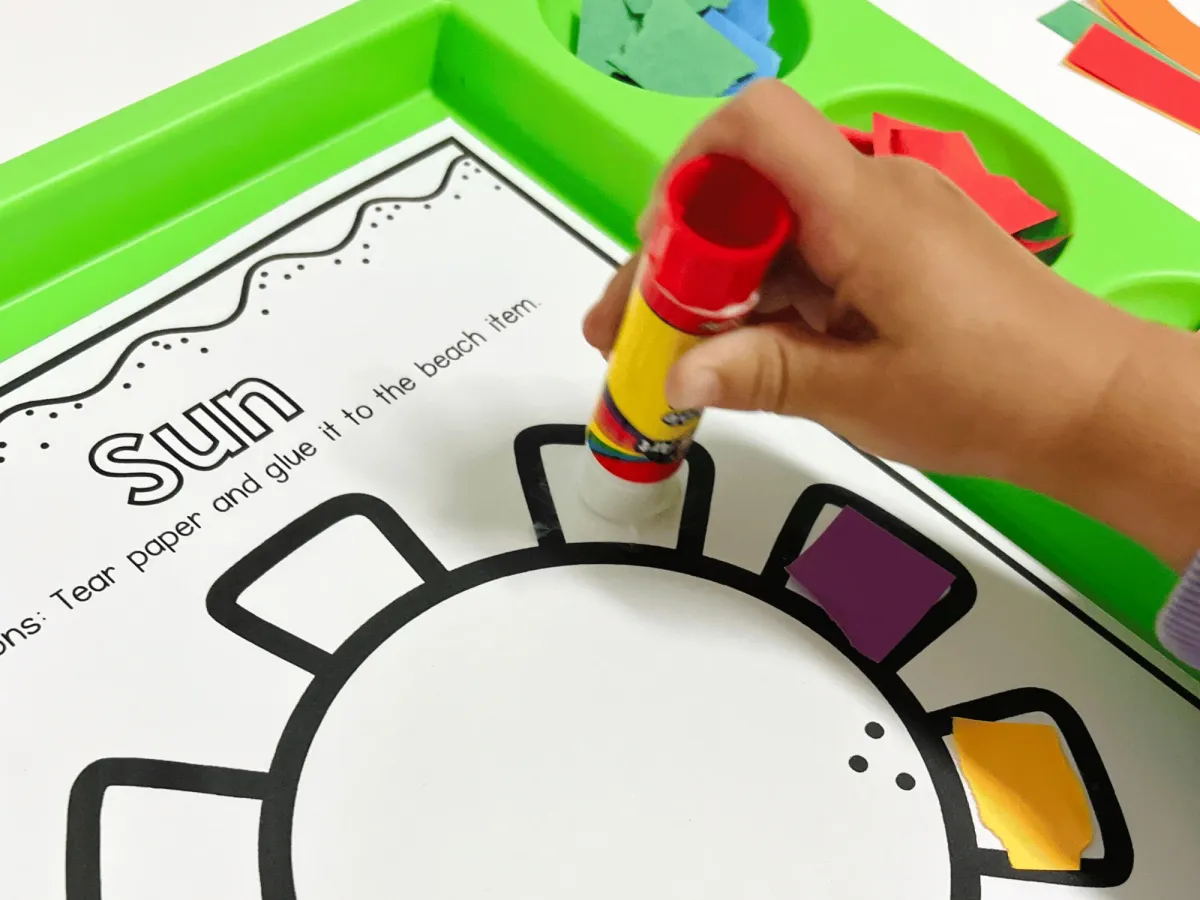
Autumn's arrival brings crisp air, colorful leaves, and endless opportunities for seasonal learning with young children. Fall preschool crafts help little ones explore pumpkins, acorns, scarecrows, and changing leaves while developing fine motor skills and seasonal awareness. These hands-on projects fit naturally into any preschool activities calendar, combining creativity with educational value.
Quality craft resources shouldn't require hours of searching or creating materials from scratch. Parents and teachers need instant access to autumn-themed templates, harvest activities, and seasonal worksheets designed specifically for young learners. For additional creative support, download 52,760+ free coloring pages to customize materials for apple-picking art projects, leaf-sorting activities, and Thanksgiving learning centers.
Summary
- Fine motor craft activities develop writing readiness 34% more effectively than limited exposure to craft, according to a 2023 study by the National Association for the Education of Young Children. The physical movements in fall crafts (pincer grasp when picking up acorns, wrist rotation when painting corn stalks) directly prepare children to hold pencils and form letters. Teachers who rush to fix crooked pumpkins or uneven patterns miss the developmental work happening in those imperfect attempts, where children learn cause and effect, spatial reasoning, and frustration tolerance.
- Outdoor fall play reduces seasonal illness absences by 28% compared to primarily indoor schedules, according to 2024 research from Creative Learning NJ. The combination of fresh air, physical movement, and vitamin D exposure strengthens developing immune systems during the transition to cold and flu season. Beyond physical health, the unpredictable, multi-sensory engagement (crunching leaves, damp soil smells, visual contrast of orange pumpkins against gray sky) creates neural pathways that formal indoor instruction alone cannot build.
- Social-emotional skills developed through group craft projects predict school success more reliably than early academic knowledge. When preschoolers negotiate paint sharing, wait their turn with scissors, or collaboratively figure out how to attach a scarecrow's hat, they're building the patience, communication, and problem-solving abilities that matter more than knowing letters or numbers early. The cutting, experimenting, and decision-making during craft creation actually shape how children approach challenges, express frustration, and persist through difficulty.
- Seasonal transitions provide predictable anchor points that help preschoolers understand the passage of time and recurring patterns. Using autumn's arrival to introduce new songs about falling leaves, establish fresh routines around harvest themes, and create anticipation through countdown calendars gives children the rhythm and repetition they thrive on. These environmental shifts work better than abstract calendar instruction because children experience them through multiple senses simultaneously (e.g., cooler air, changing colors, different textures).
- Activities that scale across developmental stages eliminate chaos from managing separate groups while maximizing learning. When a two-year-old and four-year-old can work side by side on the same fall craft (the younger child tears orange paper while the older child cuts precise pumpkin shapes), teachers stop juggling multiple lesson plans and start facilitating the actual learning moments. Participation structures with multiple entry points mean every child engages at their own skill level without competing or waiting.
- My Coloring Pages addresses the preparation burden by offering over 52,760 free fall-themed coloring pages that teachers customize in seconds, turning craft prep from hours of Pinterest searching into minutes of selection and printing at exactly the complexity level each age group needs.
Table of Contents
- Importance of Fall Crafts and Activities for Preschoolers
- How to Celebrate Fall in Preschool
- 7 Engaging Fall Preschool Activities
- 50 Fun and Easy Fall Preschool Crafts
- Download Free 52,187+ Fall-Themed Coloring Pages
Importance of Fall Crafts and Activities for Preschoolers
Fall crafts and outdoor activities develop motor coordination, scientific observation, and emotional regulation through hands-on exploration. The cooler weather and changing environment provide natural teaching opportunities valuable for early childhood development.
🎯 Key Point: Fall activities provide the perfect combination of sensory experiences and learning opportunities that support multiple areas of development simultaneously.
"Hands-on exploration during seasonal changes offers natural teaching opportunities that are uniquely valuable for early childhood development." — Early Childhood Development Research
💡 Tip: Take advantage of the cooler temperatures and natural seasonal changes to create outdoor learning experiences that would be difficult to replicate indoors or during other seasons.
How do fall crafts develop fine motor skills for writing readiness?
When preschoolers tear construction paper into pumpkin shapes or press leaves into paint for nature prints, they strengthen the precise hand muscles needed for writing. These controlled movements—pincer grasp when picking up acorns, wrist rotation when painting corn stalks—directly prepare children to hold pencils and form letters. A 2023 study from the National Association for the Education of Young Children found that children who engaged in regular fine motor craft activities showed 34% greater handwriting readiness by kindergarten than peers with limited craft exposure.
What cognitive skills do children develop through imperfect craft attempts?
A three-year-old gluing dried leaves onto paper learns cause and effect (too much glue makes paper soggy), spatial reasoning (where pieces fit), and frustration tolerance (when the stem breaks off). Teachers who rush to "fix" crooked pumpkins or uneven patterns miss the developmental work happening in those imperfect attempts.
How do autumn activities help preschoolers understand abstract concepts?
Preschoolers think in concrete terms. Telling them "leaves change colour in fall" means little until they crumble a brittle brown oak leaf in their palm and compare it to the soft green maple leaf from summer. Sorting collected acorns by size, counting apple seeds, or arranging pinecones from smallest to largest transforms math from abstract numbers into hands-on understanding. These sensory experiences create neural pathways that formal instruction alone cannot build.
What health benefits do outdoor fall activities provide?
Playing outside in the fall gives kids unpredictable, multi-sensory experiences that screens and indoor activities cannot match: the crunch of leaves underfoot, the smell of wet soil, the visual contrast of orange pumpkins against a grey sky. According to research from Creative Learning NJ (2024), preschoolers who spent 45 minutes daily in outdoor fall activities showed improved immune function and 28% fewer absences due to seasonal illness compared to children with primarily indoor schedules. Fresh air, physical movement, and vitamin D exposure strengthen developing immune systems as the cold and flu season approaches.
How do seasonal projects develop language skills in preschoolers?
When a four-year-old explains why his painted tree has "crunchy red leaves falling down," he's building vocabulary (crunchy, falling), sequencing (trees change, then leaves drop), and storytelling skills. Group craft projects require negotiation ("Can I use the brown paint next?"), patience (waiting for turns), and collaborative problem-solving. These social-emotional skills predict school success more reliably than early academic knowledge.
What skills do children actually develop through craft activities?
Most teachers view crafts as decoration for bulletin boards. Yet the cutting, experimenting, and decision-making involved in creating shapes are how children handle challenges, express feelings, and persist through difficulty.
How can you implement these activities without overwhelming preparation?
But knowing why fall activities matter doesn't answer the harder question: how do you bring these experiences into your classroom without extensive materials and planning?
How to Celebrate Fall in Preschool
Change your space to match the season: fill sensory bins with dried corn kernels and small gourds, hang paper leaf chains in fall colours across windows, and place pumpkins at child height. These opportunities to explore texture, colour, and seasonal change matter more than decorations. When a three-year-old runs her fingers along a bumpy gourd or crinkles a dried leaf, she's building sensory vocabulary that no worksheet can replicate.
🎯 Key Point: Hands-on exploration with real seasonal materials builds sensory development far more effectively than traditional classroom decorations or paper-based activities.
"Sensory play helps children develop fine motor skills, language development, and cognitive growth through direct tactile experiences." — Early Childhood Education Research
💡 Pro Tip: Rotate your sensory bin materials every 2-3 days to maintain engagement and provide a variety of textures throughout the fall season.

How can fall activities reset classroom culture?
Fall offers a clear time to intentionally reset classroom culture. Introduce new songs about falling leaves or squirrels gathering acorns, establish fresh routines around harvest themes, and create excitement through countdown calendars marking autumn events. Seasonal celebrations provide natural anchors that help preschoolers understand the passage of time and recognise patterns.
Build Celebration Around Hands-On Creation
Set up craft stations where children can paint with apple halves dipped in red and green paint, press collected leaves between wax paper sheets, or glue construction paper strips into pumpkin shapes. A four-year-old struggling to line up googly eyes on her paper owl develops spatial reasoning and hand-eye coordination. She learns that crooked doesn't mean wrong, that glue takes time to dry, and that her creation belongs to her regardless of how it compares to the example on the wall.
How do you manage activities across different developmental stages?
When classroom groups change and seasons shift, managing new activities can feel messy. The answer isn't to make more complicated plans: build celebrations around simple, repeatable activities that work for different ages. A toddler can tear orange paper while a four-year-old cuts exact pumpkin shapes. Both children work with the same materials at their own skill level without needing separate lesson plans.
What tools help streamline fall craft preparation?
Platforms like My Coloring Pages make it easy to find age-appropriate fall activities by offering thousands of printable fall-themed pages (pumpkins, acorns, woodland animals, harvest scenes) that children can colour independently or together. Teachers can adjust difficulty in seconds, creating simple line drawings for younger children and detailed fall landscapes for older preschoolers using the same tool. This reduces prep time from hours spent on Pinterest to minutes spent selecting, freeing you for meaningful teaching moments.
How can sensory experiences enhance fall celebrations?
Give small tastes of pumpkin bread during morning snack, letting children smell cinnamon and nutmeg before eating. Organize a "leaf pile jump" using crumpled brown paper bags in the corner for indoor gross motor play, or hide plastic acorns around the room for a counting scavenger hunt. Physical activity during celebrations encodes memories through children's bodies: the child who jumps in pretend leaves will remember that sensation when encountering real autumn piles outside.
Why should books connect to hands-on activities?
Read picture books about squirrels preparing for winter or trees changing colours, then do a related hands-on activity (sorting collected acorns by size, making leaf rubbings). This sequence helps children connect story ideas to real life. Hard-to-understand ideas like "animals gather food for winter" become real when children sort and count acorns into small baskets labelled "squirrel's winter supply."
Related Reading
- Preschool Worksheets
- What Age Is Preschool
- Preschool Curriculum
- Preschool Age Range
- Preschool Vibes
- Preschool Homeschool Curriculum
- Preschool Games
- Worksheets For Preschool
- Preschool Education
- Free Preschool Worksheets Age 3–4
- Preschool Books
- What Age Do Kids Start Preschool
- Preschool Graduation
- Free Name Tracing Worksheets for Preschool
- Preschool Backpack
- All About Me Preschool
- Free Preschool Worksheets
- Preschool Self Defense
- What Should a Child Learn in Preschool
- Preschool vs Pre K
- Sight Words for Preschool
- Free Printable Preschool Worksheets Tracing Letters
- First Day of Preschool
- Preschool Math Worksheets
- Preschool Valentine Crafts for Parents
- Preschool Graduation Gifts
- Preschool Toys
- What Age Is Preschool and Kindergarten
- Preschool Quotes About Play
7 Engaging Fall Preschool Activities
The critical element is how people participate. The best fall activities work because they're designed for many different people to join in. A two-year-old and a four-year-old can work side by side without competing or waiting for a turn. Activities that work for different ages eliminate the chaos of managing separate groups while maximizing learning.
🎯 Key Point: Multi-age activities are the secret to successful preschool programming - they reduce management stress while increasing engagement across all developmental levels.
"The best educational activities are those that naturally accommodate different developmental stages, allowing children to participate meaningfully regardless of their age or skill level." — Early Childhood Education Research, 2023

💡 Tip: Look for activities with multiple entry points - simple tasks for younger children and more complex variations for older preschoolers to tackle simultaneously.
1. Leaf Pile Exploration and Sorting
Gather a large collection of fallen leaves (or use crumpled tissue paper in autumn colours if outdoor access is limited) and let children experience the textures, sounds, and visual variety before introducing structure. A three-year-old crunching leaves between her palms builds sensory awareness and vocabulary (crispy, smooth, bumpy, wet). After five to ten minutes of unstructured exploration, introduce sorting by colour, size, or shape, transforming play into mathematical thinking without worksheets or forced instruction.
How can sorting activities adapt to different developmental levels?
Younger preschoolers might separate red from yellow leaves, while older children create more complex categories (e.g., pointed versus rounded edges, leaves with holes versus intact ones). Both groups work with classification concepts at their developmental level using the same materials. Teachers who standardise the sorting criteria miss the cognitive work happening when a four-year-old invents her own category system.
2. Harvest Learning Through Farm Visits and Cooking
Fall harvest visits help children understand where food comes from by allowing them to experience it firsthand. Visiting a pumpkin patch or apple orchard allows preschoolers to see how produce grows, touch soil and plants, and learn about harvest work. Follow-up cooking activities reinforce the farm-to-table connection. Making applesauce from apples children picked themselves transforms the abstract idea that "fruit comes from trees" into tangible knowledge they can taste.
Why do cooking activities strengthen seasonal learning?
Cooking activities help learning stick in your memory through sensory memory. When a four-year-old measures cinnamon for pumpkin muffins or stirs apple slices in a pot, they practise measurement, follow sequential steps, and observe physical changes (raw apples become soft sauce). Talks about farming and seasonal cycles stick in your mind because they connect to sensory memories: the smell of baking spices, the texture of pumpkin seeds, the sound of apples bubbling on the stove.
3. Weather Station Observations
Set up a simple weather-tracking station where children measure daily temperature, rainfall, and wind patterns using basic tools: a thermometer, a rain gauge, and a windsock. This builds observational habits and connects weather patterns to seasonal changes. When a preschooler notices that temperatures drop as more leaves fall, she's forming ideas about cause and effect. Daily weather discussions create opportunities for prediction ("Will it rain today based on those gray clouds?") and vocabulary development (windy, foggy, frosty).
What patterns will children discover through weather tracking?
Create a simple chart where children mark daily temperature ranges with coloured stickers or draw weather symbols. Over weeks, patterns emerge visually. Children observe that October mornings are cooler than September mornings and that rain occurs more frequently as autumn progresses. This long-term tracking builds understanding that single observations cannot provide.
4. Autumn-Themed Story Time With Activity Extensions
Pick picture books about fall themes (leaf piles, apple picking, animal migration, harvest festivals) and follow reading with related hands-on activities. Reading about squirrels gathering acorns remains abstract unless children then sort and count real acorns into containers labelled "winter supply." The story provides narrative context; the activity provides physical understanding. Together, they create complete learning cycles that neither element achieves alone.
What activities reinforce seasonal story themes?
After reading about trees changing colour, children can create leaf rubbings using crayons and real leaves. Following a story about pumpkins growing, they can measure and compare actual pumpkins by circumference or weight. These connections between narrative and experience help preschoolers understand that stories reflect real-world patterns and processes.
How can digital tools extend story time without complex prep?
Platforms like My Coloring Pages offer thousands of themed coloring pages (autumn animals, harvest scenes, seasonal landscapes) that extend book themes without requiring craft supplies or complex setup. Teachers can customize complexity in seconds, creating simpler seasonal images for younger children and detailed fall scenes for older preschoolers. This transforms story time extensions from thirty minutes of prep into immediate engagement, reinforcing narrative comprehension through visual creation.
5. Fall Scavenger Hunts
Create scavenger hunts where preschoolers search for specific fall items: a red leaf, an acorn, a piece of bark, a pinecone, something rough, something smooth. This activity combines gross motor movement (walking, bending, reaching) with focused observation and sorting skills. The hunt format creates natural motivation; children are on a mission to find treasures, making observation feel purposeful rather than instructional.
How do found items extend learning opportunities?
Each item a child finds becomes a teaching opportunity. When they bring you an acorn, ask where it came from, what animal might eat it, and whether it feels heavy or light. These conversations build ecological understanding and scientific vocabulary without formal lessons. Items you collect become materials for later activities: sorting by size, creating nature collages, and counting and graphing your findings. One scavenger hunt can lead to days of learning activities.
6. Pumpkin Exploration and Decoration
Give whole pumpkins to children so they can examine them before decorating. Let them pick up pumpkins to compare their weights, run their fingers along the ridges, and tap the shells to hear hollow sounds. This builds sensory awareness and comparative thinking. When children decorate pumpkins using paint, stickers, or markers, they work with forms they've already explored by touch.
How does pumpkin decoration develop essential skills?
The decoration process develops fine motor control and creative decision-making. A three-year-old painting stripes practises brush control and colour recognition. A four-year-old carefully places googly eyes and yarn, plans the spatial arrangement, and executes a mental design. Both engage in age-appropriate creative work using the same material, and the finished pumpkins become classroom decorations that children feel ownership over.
7. Outdoor Fall Sports and Movement Games
Use the cooler autumn weather for running games, simple soccer with soft balls, or obstacle courses built from natural materials (jump over this log, crawl under that branch, balance on this line of leaves). Fallen leaves create a fun environment that invites physical experimentation: children naturally want to jump in leaf piles, run through scattered leaves, and test how leaves crunch underfoot.
How do outdoor fall activities support child development?
These movement activities develop gross motor coordination, spatial awareness, and risk assessment. When a preschooler decides whether to jump from a low stump into leaves, she figures out the height, distance, and landing surface. When children play chase games around trees, they practise changing direction and controlling their speed. The outdoor fall environment provides natural obstacles and textures that indoor play spaces cannot replicate, making physical development more varied and engaging.
50 Fun and Easy Fall Preschool Crafts
Craft activities turn abstract autumn ideas into hands-on learning experiences that preschoolers can touch and create with their own hands. The crafts below work for different ages: younger children develop basic hand movements while older preschoolers tackle more difficult assembly and design choices. Each activity builds fine motor control, creative decision-making, and sensory awareness through materials that showcase fall's textures, colours, and natural patterns.

🎯 Key Point: These fall crafts provide multi-level learning opportunities that grow with your child's developmental stage and skill level.
"Hands-on craft activities enhance fine motor development and creative problem-solving skills in preschool-aged children." — Early Childhood Education Research

💡 Tip: Start with simpler projects for younger preschoolers and gradually introduce more complex elements like cutting, gluing multiple pieces, or detailed decorating as their coordination and attention span develop.
1. Leaf Rubbing Art
Place fresh or dried leaves under thin paper and give unwrapped crayons to children. Kids rub the crayon sideways across the paper, revealing the leaf's veins and edges through colour transfer. This teaches texture recognition, pattern observation, and the wrist rotation needed for writing. Encourage experimenting with different leaf shapes and layering multiple colours to see how autumn colours blend. Children stay motivated by the immediate visible results of their effort.
2. Leaf Collage Craft
Send children outside to collect different leaves, then provide glue sticks and construction paper for arranging their findings. Some preschoolers create pictures of real things (trees, animals, faces) while others build abstract patterns based on colour or size. Ask open questions about their choices ("Why did you put the red leaf next to the yellow one?") to build descriptive vocabulary and decision-making awareness. The collage format removes the pressure to produce realistic art, allowing children to focus on composition and material exploration.
3. Leaf Animal Craft
Give children leaves in different sizes, googly eyes, markers, and glue. They can arrange leaves to make animal shapes (owl bodies, hedgehog spines, fox tails) and add details to finish their creatures. Ask each child to describe their animal to the group to build storytelling skills and public-speaking confidence. This craft connects outdoor exploration and indoor creation using natural materials and familiar supplies, encouraging creative thinking about how shapes represent living things.
4. Leaf Crown
Cut long strips of paper and let children glue colourful leaves around the band to create wearable crowns. Measure each strip to fit the child's head, then secure the ends together. These crowns become props for pretend play: autumn royalty, forest creatures, seasonal celebrations. They transform static art into tools for play narratives, increasing engagement.
5. Leaf Printing
Brush paint directly onto a leaf's textured surface, then press the paint-side-down onto paper to transfer the pattern. Children learn through trial and error that too much paint makes prints blurry while too little produces faint images, teaching them to adjust pressure and the amount of paint. Repeating with different colours builds pattern-making skills and colour recognition while introducing printmaking concepts (transfer, repetition, negative space) without specialised equipment.
6. Paper Plate Pumpkin
Give each child a paper plate and orange paint to cover it completely. After it dries, add green construction paper stems and let children draw faces with markers or crayons. Encourage variety in expressions (happy, surprised, sleepy, silly) to build emotional vocabulary and awareness of facial features. The circular plate provides a defined workspace that helps younger preschoolers complete projects successfully.
7. Handprint Pumpkin
Trace each child's hand multiple times on orange paper, then cut out the shapes together (or pre-cut for younger children). Arrange the handprints in a circle, with fingers pointing outward to create pumpkin ridges, and glue them to a background sheet. Add a green stem and curly vine using paper or markers. Children recognize their own handprints in the final piece, making the artwork uniquely theirs.
8. Pom-Pom Pumpkin Painting
Clip small pom-poms to clothespins to create stamping tools. Children dip the pom-pom in orange paint and press it repeatedly onto paper to build pumpkin shapes through accumulated circles. Add stems and leaves with markers or paper cutouts after the paint dries. The technique strengthens pincer grip and hand-eye coordination while producing textured results distinct from standard brush painting.
9. Torn Paper Fall Tree
Draw a simple tree trunk on paper. Give children red, orange, and yellow construction paper to tear into small, irregular pieces and glue above the trunk to represent fall leaves. Tearing paper strengthens the small hand muscles needed to hold pencils and manipulate small objects. The irregular shapes look more natural than cut pieces, and since there is no "right" way to tear the paper, children feel free from worry about doing it wrong.
10. Fingerprint Fall Tree
Draw or print a tree trunk outline on paper. Children dip their fingers into fall-coloured paint (red, orange, yellow, brown) and press them onto branches to create leaves. Each fingerprint becomes an individual leaf, and mixing colours creates a realistic autumn variety. This sensory activity engages tactile learners through direct contact with paint texture.
11. Tissue Paper Leaf Art
Cut leaf outlines from cardstock and give children orange, red, and yellow tissue paper squares. Children crumple or tear tissue pieces and glue them onto the leaf shape, layering colours to create depth and texture. Overlapping colours teaches colour mixing (red over yellow creates orange tones), while the crumpling motion develops hand strength. The translucent tissue catches light beautifully when displayed on windows.
12. Nature Weaving
Cut slits around the edge of a paper plate, or create a simple cardboard loom. Children weave collected twigs, grass blades, or thin leaves through the slits, alternating over and under to create patterns. Add fall-coloured yarn or ribbon for contrast and texture. This activity teaches early pattern recognition and requires sustained attention as children track the weaving sequence.
13. Acorn Cap Animals
Collect acorn caps during outdoor time and provide small natural items, such as twigs or seeds. Children glue caps together to form creature bodies, adding googly eyes and paper details to complete their animals. The small scale requires precise finger movements, building fine motor control needed for writing and self-care tasks like buttoning. Each child's creature looks unique based on their arrangement, celebrating individual creativity.
14. Pinecone Hedgehogs
Give each child a small pinecone and modelling clay or playdough. They shape clay into a small head with a pointed nose, attaching it to the pinecone's base so the scales resemble hedgehog spines. Add tiny eyes using seeds, beads, or drawn dots. Optional: paint pinecone tips with autumn colours. This craft develops spatial reasoning as children balance the clay head on the pinecone base.
15. Paper Bag Leaf Puppets
Use small brown paper bags as puppet bases. Children glue colourful leaves to the front of the bag, draw faces, and slip their hands inside to animate their creations. The bag's fold becomes the puppet's mouth. This craft combines art creation with dramatic play, extending learning beyond the craft table through making and storytelling.
16. Fall Suncatchers
Cut clear contact paper into leaf- or pumpkin-shaped pieces. Children place small pieces of tissue paper or real leaves onto the sticky surface, then seal them with another layer of contact paper. Hang finished suncatchers in windows where sunlight creates glowing colour effects. The contact paper's stickiness fascinates preschoolers, who enjoy experimenting with how things stick together and repositioning items before sealing—exploration that builds problem-solving skills alongside artistic creation.
17. Yarn-Wrapped Leaves
Cut large leaf shapes from cardboard and provide yarn in autumn colours. Children wrap yarn around the leaf-shaped form until it is covered, mixing colours to create striped or random patterns. Wrapping develops hand-eye coordination and the pincer grip used in writing, while the repetitive motion provides calming sensory regulation.
18. Fall Garland
Give children pre-cut leaf, pumpkin, or acorn shapes (or let older children cut their own). Children decorate each shape with crayons, markers, or stickers, then adults help thread the pieces onto yarn or string. Hang the completed garland across the classroom. The garland teaches sequencing as children decide which shape comes next, while seeing their individual contributions become part of a larger display builds community awareness and pride in collaborative work.
19. Apple Stamping
Cut apples in half horizontally to reveal the star pattern inside. Children dip apple halves into red, yellow, or green paint and press onto paper to create prints. The star pattern surprises most preschoolers, teaching them that familiar objects contain hidden designs. Add stems and leaves with markers to complete apple trees or fruit bowls. This activity combines science observation with art creation, strengthening the connection between investigation and representation.
20. Pinecone Owls
Use small pinecones as owl bodies and cut wings, eyes, and beaks from craft foam or felt. Children glue pieces onto pinecones to create owl faces, adding feathers or marker details for texture. The pinecone's natural texture suggests feathers, teaching children to see how natural objects can represent other things by connecting them to real life. These owls become tools for counting games or storytelling props.
21. Fall Paper Plate Wreath
Cut the centre from a paper plate, leaving a ring. Children glue torn fall leaves, tissue paper pieces, or paper acorns around the edge of the ring to create a wreath. Add glitter, paint, or ribbon for decoration, then hang finished wreaths on classroom doors or walls as seasonal displays.
22. Thumbprint Turkey
Draw a simple turkey outline on paper (body and head only). Children use their thumbs to make prints in different colours radiating from the body to create tail feathers. Add eyes, beak, and feet with markers after the prints dry. Each child's turkey looks unique based on their thumb size and colour choices, celebrating individual differences rather than standardised results.
23. Acorn Necklace
Provide pre-drilled acorns (adults drill in advance) with yarn or string. Children thread acorns onto a string to create necklaces or bracelets, adding beads or buttons for variety. Measure string length in advance so finished pieces fit when worn. Threading develops hand-eye coordination and bilateral coordination (using both hands together for different tasks), skills essential for dressing, eating, and writing.
24. Corn Husk Dolls
Use dried corn husks, string, and fabric scraps to make simple dolls. Children fold husks to form bodies and heads, then tie them with string to hold the shapes. Add fabric scraps for clothing and markers for facial features. This craft connects to harvest traditions and agricultural history while building motor skills. The corn husks' texture and flexibility create sensory experiences different from those of paper or cloth, helping children learn about different materials.
25. Leaf Mobiles
Give kids a small stick or branch and cut a string into different lengths. Children attach real or paper leaves to strings, then tie the strings to the stick at different spots. Hang the mobile where the air can make the leaves sway and spin. This teaches basic physics concepts: balance, weight distribution, and movement, as children discover that heavier leaves need shorter strings or different placement to maintain balance.
26. Pumpkin Sun Catcher
Use orange tissue paper and contact paper to create pumpkin-shaped suncatchers. Children stick tissue pieces onto contact paper, seal with another layer, and add green paper stems before hanging in windows. The tissue paper's translucency creates glowing effects when backlit, teaching children how light interacts with different materials.
27. Nature Scavenger Collage
Take children on an outdoor walk with collection bags to gather leaves, twigs, acorns, seeds, and other safe, natural items. Back inside, provide glue and paper for arranging materials into collages. Ask children to describe what they found and why they chose specific items, building observation vocabulary and decision-making awareness.
28. Fall Window Clings
Cut fall shapes (leaves, pumpkins, acorns) from tissue paper. Children stick pieces onto the sticky side of contact paper, then seal with another contact paper layer. Trim around the shapes, then press them onto the classroom windows. The clings are removable and reusable, letting children rearrange them and experiment with different patterns.
29. Cupcake Liner Pumpkins
Give the children orange cupcake liners and green pipe cleaners. Kids can crumple or stack the liners to make pumpkin shapes, then twist the pipe cleaners into curly stems and glue everything onto cardstock. The liners' ridges resemble the texture of a pumpkin, and they're light enough for small hands to manipulate. Add faces with markers to create jack-o-lanterns.
30. Leaf Stamping Trees
Cut sponges into leaf shapes or provide pre-cut foam leaves. Children dip shapes into fall-coloured paint and stamp onto paper to build tree forms. Layering multiple colours creates depth and realistic autumn variety. This technique teaches pattern repetition and colour mixing while producing visually complex results from simple execution.
31. Fall Sensory Bottles
Fill clear plastic bottles with coloured water, glitter, and small artificial leaves. Seal lids securely (adults should glue shut for safety). Children shake bottles to watch leaves swirl and glitter settle. Add small beads or acorns for extra visual interest. These bottles provide calming sensory input for movement breaks and self-regulation while demonstrating gravity, density, and liquid movement.
32. Yarn Pumpkins
Wrap orange yarn around a cardboard pumpkin outline or directly onto paper in pumpkin shapes. Children glue the yarn ends to secure them, then add green paper or yarn stems on top. The yarn's texture creates tactile interest and develops hand-eye coordination. Varying yarn thickness or mixing orange shades creates visual depth that flat paint cannot replicate.
33. Colorful Acorn Art
Collect acorns and give children paint or permanent markers to decorate them with faces, patterns, or solid colours. Glue them onto paper to create autumn-themed pictures, such as acorn families, forest scenes, or abstract patterns. The small size and rounded shape build precision in finger movements, and decorated acorns can become counting tools or story props afterwards.
34. Popsicle Stick Scarecrows
Give kids popsicle sticks, fabric scraps, and markers. Children glue sticks into cross shapes for scarecrow bodies, then attach fabric pieces as clothing. Add faces using markers or googly eyes, and raffia or yarn for hair. This activity teaches spatial planning and sequencing, with finished scarecrows suitable for small-world play or seasonal displays.
35. Leaf Painting with Brushes
Give children brushes and fall-coloured paint to paint leaf shapes directly onto paper, or use real leaves as stamps by painting one side and pressing. Discuss leaf shapes and colours while painting to build descriptive vocabulary. This open-ended activity lets children choose whether to paint realistically or abstractly, removing pressure to match a model.
36. Fall Animal Masks
Cut mask shapes from cardstock depicting fall animals (foxes, owls, hedgehogs, squirrels). Children decorate the masks with markers, feathers, and glued leaves. Adults then attach elastic or stick handles to the masks. Children wear the masks during storytelling or pretend play, acting out the animals they've studied during fall nature activities.
37. Leaf Monsters
Give children leaves, googly eyes, glue, and markers. They can attach eyes to leaves and draw mouths, teeth, or other features to create monster faces. Ask them to tell stories about each leaf monster: where it lives, what it eats, and whether it's friendly or grumpy. This craft values imagination over realism and helps children build storytelling skills as they give their creations personalities.
38. Paper Leaf Chains
Cut leaf shapes from coloured paper or let children cut their own. Children decorate each leaf with crayons or markers, then adults help link leaves together using glue or staples to form chains. Hang chains around the classroom or along walls for autumn decoration. This activity teaches sequencing and pattern-making as children decide colour order, and seeing individual contributions become part of a longer chain builds understanding of how small parts create larger wholes.
39. Fall Tree Collage
Draw a tree trunk on paper and provide children with multiple leaf materials to choose from: tissue paper, construction paper, real leaves, and fabric scraps. Children glue leaves onto branches to create full autumn trees, mixing materials and colours for textural variety. Encourage layering to create depth and teach basic composition concepts. The collage format removes pressure to "do it right" while producing recognisable seasonal imagery.
40. Pumpkin Seed Art
Save seeds from carved pumpkins, wash and dry them, then use them for art projects. Children can glue seeds onto paper to create designs, patterns, or pictures. Paint seeds beforehand for more colour options, or leave them natural for an organic look. The seeds' small size and curved shape require careful finger control to build fine motor skills. Discuss where seeds come from and what they grow into, connecting the craft activity to life science concepts.
41. Fall Footprint Art
Paint children's feet with fall colours, then press them onto large paper to create leaf or pumpkin shapes. Add details using markers or paint after the footprints dry. This activity engages children's whole bodies through big movements, giving sensory input through foot painting while creating natural variety in the artwork.
42. Leaf Impressions in Clay
Give children air-dry clay or playdough and collected leaves. They press the leaves firmly into the clay to make textured impressions, then remove them to reveal the pattern. Let the clay dry, then paint it or leave it natural. This activity teaches texture transfer and negative space concepts: the leaf's absence creates the visible pattern, while capturing a moment of nature, children can keep it long after the original leaf crumbles.
43. Mini Corn Cob Painting
Use small dried corn cobs as painting tools. Children roll corn through paint, then across paper to create textured patterns. The corn's natural ridges produce effects distinct from brushes or sponges. Combine corn prints with leaf shapes or pumpkin outlines for complete autumn scenes.
What's an easier way to prepare fall craft activities?
Teachers often spend hours searching Pinterest for seasonal activities, printing instructions, and gathering materials from multiple stores. Our platform at My Coloring Pages eliminates this cycle by offering thousands of fall-themed coloring pages (pumpkins, leaves, woodland animals, harvest scenes) that you can customize in seconds. Print simple line drawings for younger children or detailed autumn landscapes for older preschoolers, all from one tool. This reduces craft prep from hours to minutes.
44. Acorn Cap Boats
Give acorn caps and small pieces of leaves or paper to use as sails. Children insert sails into caps using clay to hold them upright, then float boats in water tables. They test different sizes, shapes, and weights to discover which designs float best. This hands-on activity teaches basic physics concepts like buoyancy, balance, and weight distribution through direct experimentation.
45. Fall Stick People
Collect small sticks and provide clay or playdough for bodies. Children attach sticks as limbs and heads, adding leaves, markers, or fabric for decoration. Encourage storytelling around stick characters to build narrative skills and imaginative play. The stick people become props for small-world play or puppet shows, extending learning into dramatic play and language development.
46. Pumpkin Patch Diorama
Provide small boxes or trays as bases. Children use paper, paint, and small craft materials to create miniature pumpkin patches with paths, trees, and pumpkins. This activity builds spatial awareness and storytelling as children design scenes and explain what happens in their pumpkin patch.
47. Leaf Lacing Cards
Cut leaf shapes from cardstock and punch holes around the edges. Children thread yarn through the holes to “sew” the leaf. This strengthens hand-eye coordination and introduces early sewing skills in a simple, safe way.
48. Fall Color Sorting Craft
Give children mixed fall items (paper leaves, pom-poms, buttons) in red, orange, yellow, and brown. They sort and glue them into matching color sections on paper. This reinforces color recognition, categorization, and early math skills.
49. Pumpkin Balloon Printing
Dip small balloons into orange paint and press onto paper to create round pumpkin shapes. Add stems and faces once dry. The balloon texture creates a smooth, even print and adds a fun sensory element to painting.
50. Autumn Story Stones
Collect smooth stones and paint simple fall images on them (leaves, pumpkins, animals). Children use the stones to create and tell their own stories. This activity supports language development, sequencing, and imaginative thinking. Creating these crafts only matters if you can access them when needed, without hunting for printable templates.
Related Reading
- Preschool Assessment
- Preschool Crafts
- Preschool Learning Activities
- Preschool Tracing Worksheets
- Daycare Vs Preschool
- Preschool Classroom Layout
- Preschool Playground Equipment
- Free Preschool Games
- Preschool Sight Words
- Preschool Math Activities
- How To Become A Preschool Teacher
- Preschool Prep
- Preschool Lesson Plan Template
- Noah's Ark Preschool
- Preschool Science Experiments
- Preschool Craft Ideas
- Creative Curriculum For Preschool
- Playing Preschool Curriculum
- Preschool Bulletin Board Ideas
- Christmas Crafts Preschool
- Spring Bulletin Board Ideas For Preschool
- Turkey Craft Preschool
- Preschool Learning Games
Download Free 52,187+ Fall-Themed Coloring Pages
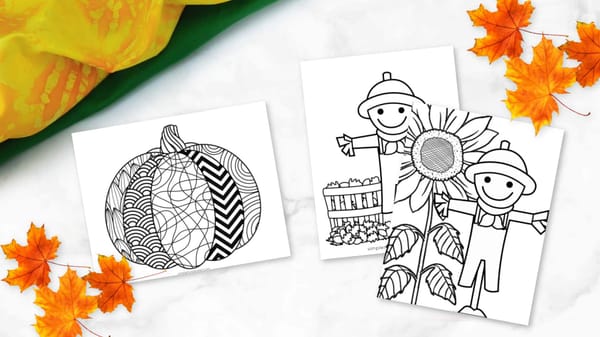
My Coloring Pages provides instant access to over 52,000 free printable coloring pages, including thousands of fall-themed designs you can customize in seconds. Search for pumpkins, autumn leaves, woodland creatures, or harvest scenes; adjust the complexity for different age groups; and print exactly what your preschoolers need.
The platform removes friction between planning and execution. You think, "I need simple acorn outlines for my two-year-olds and detailed forest scenes for my four-year-olds," and you have both within minutes. Customize line thickness, add or remove details, and scale images to fit your paper size without requiring artistic skill or spending hours hunting for templates.
"Teachers report spending 70% less time on activity preparation compared to traditional Pinterest searches or manual drawing." — Walton Family Foundation
That recovered time goes toward interactions that matter: observing how children hold crayons, asking questions about color choices, and facilitating turn-taking at the art table. Coloring pages become tools for teaching moments rather than end products to display.
🎯 Key Point: Start with fall themes that connect to your current lesson plans. If you're teaching about animal preparation for winter, search for squirrels, bears, or birds in autumn settings. Children color while you discuss hibernation, migration, or food storage, using the images as visual anchors for abstract concepts.
Use the pages as extensions for books you've already read. After a story about apple picking, print apple tree coloring pages. After discussing how trees change color, print detailed leaf patterns children can color in realistic autumn shades or imaginative variations. Immediate availability lets you respond to children's interests while curiosity remains active.
💡 Tip: The customization matters more than quantity. Filter by detail level, subject matter, and seasonal theme to surface exactly three options rather than scrolling through hundreds. Decision fatigue disappears when the tool handles the sorting, presenting only relevant choices that match your needs.
Print multiple copies of the same page for group activities where children work on identical images but make individual creative choices. Compare how different children approach the same pumpkin outline using varied colours, pressure, and techniques. These comparisons build observation skills and respect for diverse approaches without requiring different materials.
Feature | Benefit |
|---|---|
52,000+ pages | Endless variety for any theme |
Free licensing | No budget or permission concerns |
Instant customization | Adjust complexity in seconds |
Printable format | Ready for immediate classroom use |
🔑 Takeaway: Your preschoolers deserve engaging fall activities that support their development without requiring you to become a graphic designer. Start with materials ready when you need them, customizable to your students' abilities, and designed to complement the learning already happening in your classroom.
Related Reading
- Preschool Mothers Day Crafts
- Preschool Spring Crafts
- Preschool Snack Ideas
- Preschool vs Daycare
- Preschool Thanksgiving Crafts
- Fathers Day Crafts Preschool
- Preschool Movement Songs
- Letter A Worksheets Preschool
- All About Me Preschool Activities
- Tracing Worksheets Preschool
- Good Morning Songs for Preschool
- Fall Preschool Crafts
- Preschool Art
- Preschool Classroom Themes
- January Preschool Themes
- Fall Coloring Pages Preschool
- Part Time Preschool
- Letter B Worksheets Preschool
- Play Based Preschool
- Preschool Science Activities
- How Much Is Preschool