55 Easy and Fun Father's Day Crafts for Preschoolers
Discover 55 Father's Day crafts preschool kids will love making! My Coloring Pages brings you simple DIY gifts that Dad will treasure forever.

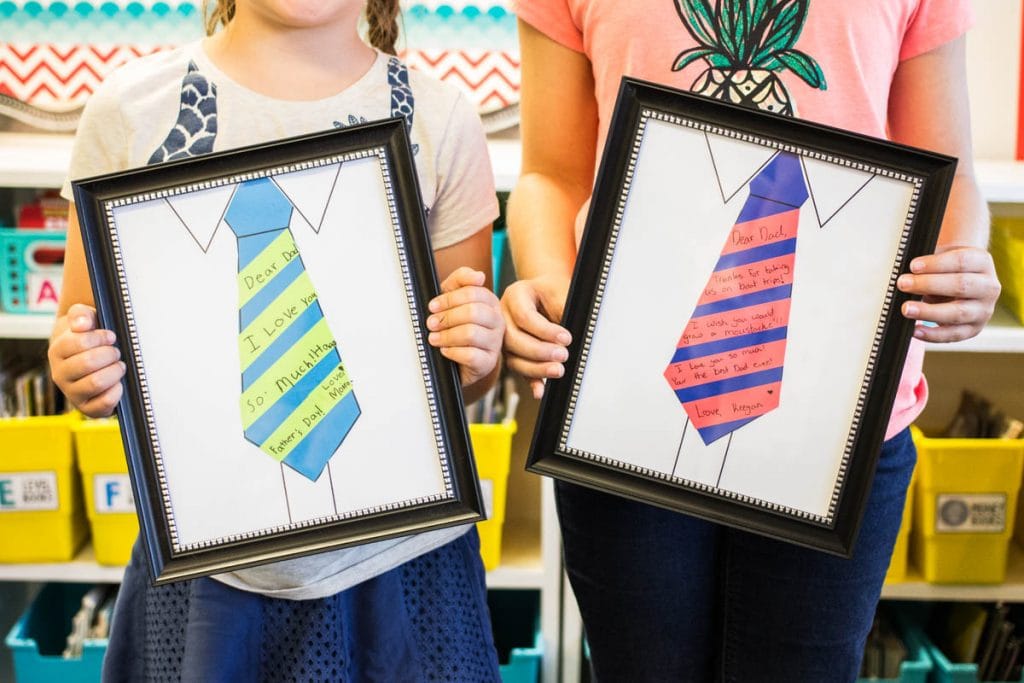
Father's Day presents the perfect opportunity for preschoolers to create meaningful gifts for the special men in their lives. Father's Day crafts, preschool teachers, and parents can help young children express their love while developing essential fine motor skills. These projects and preschool activities need to be age-appropriate and manageable for small hands, combining creativity with heartfelt sentiment that dads will treasure.
Having the right materials ready makes craft time smoother and more enjoyable for everyone involved. Quality templates and printables transform simple activities into memorable keepsakes that capture this special stage of childhood. Parents and educators can download 52,760+ free coloring pages to access Father's Day-themed templates, certificates, and step-by-step activity sheets designed specifically for preschoolers.
Summary
- Preschool Father's Day activities deliver measurable developmental benefits beyond sentiment. Research from the Harvard University Center on the Developing Child confirms that serve-and-return interactions during early childhood strengthen neural connections in areas governing language and emotional regulation. When a four-year-old explains why Dad makes the best pancakes while decorating a card, they're building narrative thinking skills that extend far beyond the classroom while encoding positive memories that form the basis of secure attachment linked directly to long-term mental health outcomes.
- Father engagement correlates with stronger language development and emotional regulation in children, according to longitudinal studies by the National Institute of Child Health and Human Development. Personalized Father's Day crafts create structured opportunities for children to practice observation, memory retrieval, and emotional vocabulary as they articulate specific qualities they appreciate. A coloring page featuring fishing gear means more to a dad who takes his kids to the lake than a generic certificate because the specificity signals that the child knows who their father is, not just what fathers generically do.
- Generic activities produce generic results because participation alone doesn't build bonds. The developmental magic happens during conversations about why this person matters, what makes them unique, and how they make the child feel safe or understood. Activities that prompt these discussions create far more value than projects focused solely on aesthetic outcomes. The craft itself fades, but the feeling of creating something that made someone important smile becomes the foundation for emotional resilience that children carry forward.
- Decision paralysis, not lack of creativity, stops most preschool Father's Day projects before they start. Completely blank pages create anxiety while overly rigid templates eliminate the personal touches that make gifts meaningful. Structured worksheets that provide clear starting points (outlined shapes, tracing guides, prompt questions) alongside open spaces for children to add their own drawings reduce initial anxiety and create momentum. Once children complete the guided steps, they gain the confidence to add personal elements, transforming generic crafting into intentional creation.
- The craft fathers actually share a common trait of specificity rather than perfection. Prosper Insights & Analytics reports that 62% of consumers plan to celebrate Father's Day, which means millions of families are simultaneously creating language-rich moments, but the ones that become lasting keepsakes include details like "Thanks for making pancakes every Saturday" or "I love when you read dragon stories" that capture an actual relationship. Wobbly handwriting and colors bleeding outside lines become evidence of authentic effort at a specific developmental stage rather than failure requiring correction.
- My Coloring Pages addresses this by offering printable sheets where children can trace letters, draw their father, and color themed elements like ties or hearts, then personalize with their own drawings and short responses that balance structure with creative freedom for preschoolers developing letter formation and hand control skills.
Why Father's Day Activities Matter More Than You Think
Father's Day celebrations in preschool build developmental skills beyond cute photos. When a four-year-old decorates a card explaining why Dad makes the best pancakes, they're building language skills, strengthening emotional bonds, and learning how relationships work. According to research from the Harvard University Center on the Developing Child, these serve-and-return interactions during early childhood strengthen neural connections in areas governing language and emotional regulation. The craft becomes a vehicle for conversation, memory-making, and teaching children that they can create something that makes someone they love feel special.
"Serve-and-return interactions during early childhood strengthen neural connections, especially in areas governing language and emotional regulation." — Harvard University Center on the Developing Child
🔑 Takeaway: Father's Day activities are building blocks for critical developmental skills that shape how children communicate and connect throughout their lives.
💡 Tip: These preschool celebrations create lasting impact on brain development and emotional intelligence that extends far beyond the classroom.

Emotional Security Through Expression
Children who participate in Father's Day activities learn to name and express appreciation, building emotional literacy. A longitudinal study by the National Institute of Child Health and Human Development found that children with engaged fathers showed higher language development scores and better emotional regulation. When preschoolers talk about what makes their dad special—his laugh, the way he reads bedtime stories, how he fixes broken toys—they practise narrative thinking, a foundational literacy skill extending beyond the classroom. They create positive memories that form secure attachment, which researchers link directly to long-term mental health outcomes.
Identity Formation Through Relationship Mapping
These activities help young children understand family roles and their place in relationships. When a preschooler creates a "My Dad Is..." poster, they build self-concept through connection. This process supports social awareness—seeing themselves as part of a group who care about each other—and introduces reciprocity: I matter to someone, they matter to me, and we can show that through our actions.
Language Development Through Meaningful Context
The conversation while making a Father's Day craft often matters more than the finished product. "What does Daddy do at work?" "Why do you like playing with him?" These questions require children to build sentences, search for words, and organize their thoughts into coherent narratives. According to Prosper Insights & Analytics, 62% of consumers plan to celebrate Father's Day, meaning millions of families create these language-rich moments simultaneously. Unlike rote learning exercises, this conversation carries emotional weight: children remember it because it connects to someone real, someone they love.
Memory-Making That Lasts
Creating something meaningful helps children form lasting emotional memories. When children use customizable templates to add their dad's favourite colour, his nickname, or a drawing of their favourite shared activity, they're making choices that demonstrate understanding. Our customizable templates transform the experience from "we made Father's Day cards today" into "I made something Dad will keep."
The developmental magic happens in the moments between crafting steps, when children think about why this person matters to them.
How Father's Day Celebrations Build Emotional Bonds
That reflective pause, when a child thinks about what makes their dad special, triggers "emotional encoding"—the brain's process of attaching feelings to memory and strengthening neural pathways that form secure attachment. When preschoolers participate in Father's Day activities, they engage in direct interaction, which research published in Developmental Psychology identifies as the strongest predictor of positive emotional and social outcomes in children.
🔑 Key Takeaway: Father's Day celebrations aren't mere traditions—they're scientifically-backed opportunities to strengthen neural pathways and build lasting emotional bonds between fathers and children.
"Direct interaction between fathers and children serves as the strongest predictor of positive emotional and social outcomes in children." — Developmental Psychology Research, Harvard Center on the Developing Child
💡 Tip: Having children reflect on their father's qualities during Father's Day preparations activates the brain's emotional encoding process, making these memories more vivid and emotionally significant for years to come.

The Mechanics of Bonding Through Celebration
Father's Day activities create structured opportunities for what developmental psychologists call "serve-and-return" interactions: a child shares a memory about their dad, the parent or teacher responds with interest, and the child elaborates, strengthening emotional regulation pathways in developing brains. According to the National Retail Federation, 76% of consumers plan to celebrate Father's Day, meaning millions of families create these neurologically significant moments simultaneously. The celebration provides space for meaningful dialogue that might not occur during rushed weekday routines.
Why Personalization Amplifies Connection
Generic activities produce generic results. When a child customizes a page with their father's favourite animal, adds their actual name, or illustrates a specific shared memory, they're making choices that require deeper cognitive processing. This act of choosing forces children to think about their father as a unique individual with specific preferences and qualities. Platforms like My Coloring Pages let families move beyond one-size-fits-all templates toward personalized keepsakes that reflect genuine understanding, transforming a classroom activity into something fathers want to keep.
Resilience Builds Through Repeated Positive Interaction
Children with fathers who are consistently involved show better stress management and adaptive behaviour. Father's Day celebrations reinforce the child's sense of being valued and supported. Each year the ritual repeats, the child internalizes a message: this relationship matters enough to celebrate. That internalized security becomes the foundation for emotional resilience. The craft fades, but the feeling of creating something that made someone important smile endures.
Why does participation alone fail to create meaningful connections?
Participating alone doesn't build strong bonds. Sitting quietly while an adult applies hot glue to construction paper creates no emotional connection. Real bonding happens when you discuss why this person matters, what makes them special, and how they make the child feel safe, happy, or understood.
Activities that get kids talking about these things—like asking children to name three things Dad does that make them laugh or draw their favourite memory together—are more helpful for child development than activities focused solely on appearance. The quality of your interactions determines whether the celebration strengthens your relationship or merely passes the time.
How do you design activities that deliver developmental value?
Knowing why these celebrations matter is only half the battle. The real question becomes how to design activities that deliver on that developmental promise.
Related Reading
- Preschool Worksheets
- What Age Is Preschool
- Preschool Curriculum
- Preschool Age Range
- Preschool Vibes
- Preschool Homeschool Curriculum
- Preschool Games
- Worksheets For Preschool
- Preschool Education
- Free Preschool Worksheets Age 3–4
- Preschool Books
- What Age Do Kids Start Preschool
- Preschool Graduation
- Free Name Tracing Worksheets for Preschool
- Preschool Backpack
- All About Me Preschool
- Free Preschool Worksheets
- Preschool Self Defense
- What Should a Child Learn in Preschool
- Preschool vs Pre K
- Sight Words for Preschool
- Free Printable Preschool Worksheets Tracing Letters
- First Day of Preschool
- Preschool Math Worksheets
- Preschool Valentine Crafts for Parents
- Preschool Graduation Gifts
- Preschool Toys
- What Age Is Preschool and Kindergarten
- Preschool Quotes About Play
How to Celebrate Father's Day With Children
Celebrating Father's Day with preschoolers works best when you create chances for real participation, not just supervised following directions. According to YouGov, 40% of dads say they want to spend quality time with their children, so the most meaningful celebrations focus on connection over fancy production values. Simple activities that invite conversation, creativity, and shared attention offer far more developmental value than Pinterest-perfect projects requiring adult help at every step.
🎯 Key Point: Focus on activities where your preschooler can actually contribute and make decisions, rather than just watching you do all the work.
"40% of dads say they want to spend quality time with their children on Father's Day, prioritizing connection over elaborate celebrations." — YouGov Survey

💡 Pro Tip: Choose 3-4 simple activities that can be done in 15-20 minute chunks to match your preschooler's natural attention span and energy levels.
Invite Dads Into the Classroom Environment
Fathers bring different perspectives, creating learning opportunities. A chef can demonstrate how to measure ingredients; a bicycle mechanic can explain how gears work. When fathers participate in classroom activities—reading stories, leading music time, helping with outdoor play—children connect their family and school worlds, strengthening their sense of security and belonging. Teachers who offer flexible participation times (early morning drop-offs, lunch periods, after-work sessions) enable fathers with traditional work schedules to get involved.
Create Personalized Keepsakes That Reflect Real Relationships
Generic crafts show generic affection. When children customize their Father's Day projects with specific details—Dad's favourite hobby, the song he sings in the car, the way he makes breakfast on Saturdays—they practise observation and memory retrieval. Platforms like My Coloring Pages let families move beyond one-size-fits-all templates by offering customizable designs that children can adapt to their father's actual interests. A coloring page featuring fishing gear means more to a dad who takes his kids to the lake than a generic "Best Dad" certificate. The specificity signals that the child knows who their father is, not what fathers generically do.
Build Traditions Around Cultural Heritage
Fathers who share their cultural background—teaching native-language phrases, explaining family traditions, and cooking traditional foods—give children words to understand their own identity. This supports cognitive flexibility, helping children recognise that different families organise life differently and that all approaches hold meaning. When children learn that their friend's dad celebrates differently because of his family's origins, they build cultural competence. These conversations also equip children with language to describe their own family's practices, strengthening narrative skills and self-awareness.
Design Activities That Require Minimal Adult Rescue
The best preschool projects let children make most decisions on their own. Activities requiring constant correction teach kids that their efforts need fixing, which undermines their confidence. Simple crafts like decorating picture frames, creating bookmarks, or designing cards let kids own the process from start to finish. Wobbly handwriting and colours bleeding outside lines show real effort, not failure. Fathers treasure these imperfect creations because they capture what their child can do at this stage of development.
The practical question remains: what specific projects deliver on this promise without requiring expertise to execute?
Activities for Father's Day Celebration
The best Father's Day activities for preschoolers balance simplicity with personalization. Children need projects they can complete independently while creating something that shows real thought about their father.

🎯 Key Point: Choose activities that match your preschooler's attention span - typically 10-15 minutes - while allowing them to express their unique relationship with dad.
"Preschoolers aged 3-5 years show the highest engagement with hands-on activities that involve personal choice and creative expression." — Child Development Research, 2023
💡 Tip: Set up multiple activity stations so your preschooler can choose what appeals to them most - this increases engagement and ensures they feel ownership over their Father's Day creation.

Sweet Treats That Build Kitchen Confidence
Cake pops decorated to match Dad's hobbies turn baking into a form of storytelling. A child who shapes frosting into a tiny fishing rod or golf club practises fine motor skills while considering what their father enjoys. The recipe stays simple (boxed cake mix works perfectly), but children make decisions about colours, decorations, and presentation. Attaching a favourite memory or handwritten note transforms each pop into a keepsake. Children who measure ingredients, stir batter, and choose toppings gain kitchen competence alongside the satisfaction of creating something their father will appreciate.
Wearable Gifts Children Can Actually Make
No-sew bow ties let preschoolers create wearable gifts without advanced crafting skills. Children select fabric patterns, attach clips, and personalise with fabric markers, learning how pieces connect and which materials work best. Pairing the bow tie with a handwritten letter listing specific things the child appreciates about their father—his laugh, the way he reads stories, how he fixes broken toys—adds emotional depth that store-bought accessories lack. These notes often outlast the physical gift, tucked into wallets or desk drawers as reminders of what matters.
Practical Items With Personal Touches
Homemade bar soap with embedded family photos or child-drawn portraits creates something fathers use daily, while they think about their kids. The process involves melting glycerin soap base, pouring it into molds, and adding waterproof images before it sets. Children who draw self-portraits or favourite shared moments practise both artistic skills and memory recall. Our My Coloring Pages platform lets children create custom designs (Dad's favourite animal, his hobby, a shared memory) that can be printed and embedded in soap, transformed into labels for homemade barbecue sauce, or used as card designs.
Outdoor Celebrations That Maximize Daylight
Father's Day falls near the summer solstice, offering maximum daylight for outdoor family time. Prayer walks, in which each family member shares a specific gratitude for Dad, combine physical activity with emotional expression. Bike rides, outdoor dinners, or evening games leverage extended sunlight while creating space for unstructured conversation that reveals what children notice and value about their fathers. These activities generate lasting memories by prioritising presence over production value.
Service-Based Gifts That Acknowledge Daily Work
Coupon books offering to do Dad's regular tasks—taking out the trash, matching socks, or watering the yard—teach children that love means helping with practical things. When children design and decorate their own vouchers, their appreciation feels real and concrete. A four-year-old who draws themselves taking out the garbage can see how they help their father, building an early understanding of how people care for each other in relationships.
55 Easy and Fun Father's Day Crafts for Preschoolers
Preschoolers need projects they can finish on their own while making something that shows real thinking about their father. These 55 crafts balance what kids at this age can do with real personalization, giving children ownership over the process while building skills they'll use throughout their development.
🎯 Key Point: The best Father's Day crafts for preschoolers combine age-appropriate techniques with meaningful personalization that lets kids express their unique relationship with dad.

"Hands-on creative activities help preschoolers develop fine motor skills while building emotional connections through the act of making something special for someone they love." — Early Childhood Development Research, 2023
💡 Tip: Choose crafts that take 15-30 minutes to complete - the perfect attention span for most preschoolers, while ensuring they stay engaged and excited throughout the entire project.

1. Handprint Tie Art
Cut a tie shape from cardstock or use fabric from an old tie. Children dip their hands in washable paint and press them onto the surface, creating overlapping handprints in their chosen colours. Once dry, they add patterns using cotton swabs dipped in contrasting paint or draw details with markers. Writing "Best Dad" or their father's name at the bottom makes the decoration feel personal.
This strengthens hand awareness and fine motor control while creating an emotional keepsake. The handprint captures their exact size at this developmental moment, something fathers often treasure more than perfect execution.
2. Popsicle Stick Photo Frame
Children glue popsicle sticks into a square or rectangle, then paint each stick. They decorate with stickers representing their father's interests: tiny cars for mechanics, musical notes for musicians, sports equipment for athletes. Attaching a photo of the child and father behind the frame connects the craft to an actual memory.
Building the frame requires planning, which includes determining where the sticks go and ordering the construction steps, which develops spatial reasoning. The decoration phase allows creative expression within a structured format.
3. "My Dad Rocks" Painted Stone
Take children outside to find smooth stones, then clean and decorate them with acrylic paints. They can paint their father's favourite colour, add his initials, or create patterns he'll enjoy. Seal with clear acrylic spray (an adult should do this) to preserve the paint for years.
Painting on curved, uneven surfaces builds hand control and patience more than flat paper. The outdoor collection process also creates a mini-adventure that becomes part of the gift's story.
4. Footprint Car Art
Press a child's painted foot sideways onto paper to create the basic car shape. Once dry, they add wheels, windows, and details that transform the footprint into a vehicle. A message like "You drive me happy, Dad!" or "Thanks for driving me everywhere!" connects the image to real experiences.
This builds body awareness and spatial thinking as children visualize how their footprint transforms into something entirely different. The humour in the final product makes the gift memorable.
5. Superhero Handprint Card
Children stamp their painted handprint onto cardstock, then add superhero elements once it dries: a cape flowing from the thumb, a mask across the palm, a lightning bolt in the centre. Writing "My Dad is My Hero" makes the symbolism clear.
This develops symbolic thinking as children connect abstract ideas (heroism, strength, protection) with concrete images they create themselves, reinforcing positive associations with their father's role in their life.
6. Washi Tape Stick Frame
Give kids craft sticks and rolls of colourful washi tape. Children wrap tape around each stick, practising fine motor control and smoothing out bubbles, then arrange the wrapped sticks into a frame shape. They glue the corners where sticks meet and add a ribbon loop at the top to make it hangable.
Wrapping tape around narrow objects improves finger dexterity and bilateral coordination (using both hands together for different tasks), which supports future writing ability.
7. Salt Dough Heart Frame
Mix two cups of flour, one cup of salt, and one cup of water to make shapeable dough. Flatten it, cut a heart shape, then use a smaller heart cutter to press an opening in the centre and create a frame. Add handprints, fork texture, or toothpick details before baking at 200°F for three hours. Paint once cooled.
Kneading and shaping dough strengthens hand muscles, helping children hold a pencil correctly. The multi-step process teaches patience and delayed gratification as they await the finished product.
8. "Building Memories" Jar
Decorate a clear jar with stickers, ribbon, or painted designs. Fill it with wooden blocks or folded paper strips, each representing an activity the child enjoys with their father (playing catch, reading books, building towers, making pancakes). An adult writes down the activities children suggest, or older preschoolers write them themselves.
This encourages language development as children discuss what they value about shared time while creating a practical gift: a collection of activity ideas for Dad when he needs inspiration.
9. Paper Collage Card
Give kids scraps of coloured paper, tissue paper, and magazine clippings. Children tear or cut pieces and arrange them on cardstock to create designs, patterns, or images—a house, a tree, abstract shapes—glue them down, then add a message for their father.
Collage improves decision-making through colour coordination and spatial arrangement, and develops fine motor skills, including control of glue and precise positioning. The freedom to create without predetermined outcomes reduces performance anxiety.
10. Finger Painting Card
Let children use their fingers to create designs directly on folded cardstock. Encourage mixing colours and experimenting with different finger movements: dots, swirls, and lines. Once dry, help them add a simple message.
Finger painting supports sensory development and strengthens finger muscles through repeated pressing and dragging motions, making it particularly engaging for kinesthetic learners.
11. Button Art Card
Give children buttons in different sizes and colours along with glue. They can arrange buttons into shapes (hearts, letters, flowers, abstract patterns) on cardstock, either outlining shapes first with a pencil or creating freeform designs.
Handling small objects builds pincer grasp and hand-eye coordination, while choosing button placement develops visual planning and aesthetic decision-making.
12. Yarn Heart Craft
Draw a large heart outline on cardstock. Children apply glue along the outline and inside the shape, then press yarn pieces onto the glue to fill the heart. They can use one colour or create patterns with multiple colours.
Controlling yarn placement improves fine motor precision and spatial awareness, while the textured result creates visual interest that flat colouring cannot achieve.
13. Trophy Craft
Draw or print a trophy shape on thick paper. Children paint it gold, silver, or their chosen colour, then decorate it with stickers, glitter, or drawings. Help them write "Best Dad Ever" or "#1 Dad" on the trophy face. Cut it out and mount it on a stick or fold it into a standing card.
This encourages symbolic thinking as children connect the trophy image with achievement and appreciation, while decorating builds creativity and reinforces emotional expression.
14. Crown for Dad
Cut a long paper strip to fit an adult's head, then shape it into a crown with pointed tops. Children can decorate it with crayons, markers, stickers, or foil paper, writing "King Dad" or drawing things their father enjoys. Staple or tape the ends together.
Children enjoy seeing their father wear what they made. This reinforces their sense of creative capability.
15. "I Love You to Pieces" Craft
Children tear coloured paper into small pieces and glue them inside a large heart drawn on base paper, adding the message "I love you to pieces" underneath.
Tearing paper strengthens hand muscles differently from cutting, building grip strength and bilateral coordination, while creating a playful connection between the torn pieces and the expression of love.
16. Dot Tie Painting
Cut a tie shape from cardstock. Children use cotton swabs as paintbrushes, dipping them in paint to create dot patterns: rows, random placement, or colour-blocked sections. Once dry, attach to a card or string.
Dot painting improves precision and control while building focus and patience through repetitive motion.
17. Donut Craft ("D is for Dad")
Cut donut shapes from brown or pink cardstock. Children paint or colour them, then add "sprinkles" using small paper bits, paint dots, or craft sprinkles. Write or trace the letter "D" and connect it to "Dad" to reinforce phonics awareness.
This supports letter recognition and phonics (D makes the "duh" sound in Dad), while the donut theme makes learning feel like play.
18. Picture Letter "DAD" Craft
Cut large block letters spelling "DAD" from cardstock. Children decorate each letter with drawings, stickers, or pictures representing their father: tools, sports equipment, favourite foods, or hobbies. Glue letters onto a base sheet and have children explain their additions and reasoning.
This combines literacy development with personal expression, as children build vocabulary and narrative skills by explaining their choices of decorations.
19. Rock Photo Frame
Give children a cardboard frame base and small pebbles or stones. Children glue stones around the frame border to create a textured edge. They can paint the stones first or leave them natural, then insert a photo of the child and father.
Handling small objects improves pincer grasp and hand strength, while natural materials provide tactile variety that plastic or paper cannot match.
20. Mustache Card
Cut mustache shapes from black or brown paper and glue them onto folded cardstock. Children can decorate with patterns, textures, or leave them solid. Add a message like "I mustache you to be my Dad!" inside.
The humor makes the activity memorable and gives children a lighthearted way to show affection.
21. Paper Plate Award
Use a paper plate as the base. Decorate it with paint, markers, or stickers, then attach ribbon pieces at the bottom to resemble award ribbons. Help children write or trace "Best Dad" or "Super Dad" on the plate.
This project teaches children to show appreciation through symbolic recognition while building creativity and fine motor skills.
22. Painted Mug (Paper Version)
Draw a large mug shape on paper. Children decorate it using paints, markers, or crayons, adding patterns or images of things their father enjoys. Write a message such as "You're my cup of tea, Dad!" or "Thanks for filling my life with love!"
This develops symbolic thinking as children connect the mug image with warmth, comfort, and daily routines, while personalising it lets them consider their father's actual preferences.
23. Toolbox Drawing
Children draw a toolbox and fill it with tools using crayons or markers. Discuss what tools their father uses and why, encouraging them to add labels or colours that match real tools they've seen.
This activity builds vocabulary around everyday objects while connecting art to real-life experiences and supporting language development and observation skills.
24. Shirt & Tie Card
Fold cardstock to create a collar shape, then glue a paper tie underneath. Children decorate the shirt and tie with patterns, colours, and designs, adding a message inside the card.
Folding paper improves hand coordination and understanding of how flat materials create three-dimensional shapes, offering greater complexity than simple coloring.
25. Memory Drawing
Ask children to draw their favourite memory with their father, including details about where it happened, what they were doing, and how they felt. Help them write or say aloud a caption describing the memory.
This strengthens their memory recall and encourages storytelling. The emotional dimension makes the drawing more meaningful than a regular picture.
26. Sun Craft ("You Brighten My Day")
Cut a large circle for the sun and strips for rays. Children colour and decorate each piece before assembling them, then add the message "You brighten my day!" to connect the image with the feeling.
Symbolic thinking develops as children link sunshine with happiness and positive feelings, while the assembly process teaches sequencing and spatial relationships.
27. Paper Cup Trophy
Stack or glue paper cups together to make a trophy shape. Children can paint and decorate the cups, then add paper handles if desired.
Working with three-dimensional materials builds spatial reasoning and problem-solving skills as children figure out how pieces connect and balance.
28. Sticker Collage
Give kids different stickers and blank cardstock. Children create scenes, patterns, or designs using only stickers, then discuss their work and add a simple message for Dad.
Placing stickers helps children improve fine motor skills without the mess of glue, and a variety of stickers lets them create detailed pictures even as they learn to draw.
29. Chalk Art Card
Children draw with chalk on dark cardstock, creating colorful designs. They can blend colours with their fingers or write messages, offering creative possibilities unavailable with markers or crayons.
Chalk encourages larger arm movements that build shoulder and arm strength, supporting fine motor development.
30. Foam Shape Craft
Give kids foam shapes in different colours and sizes to arrange into pictures, patterns, or designs on cardstock, then glue them in place. The foam texture adds dimension and tactile interest to the finished product.
Foam shapes are easier for small hands to manipulate than paper, reducing frustration while building spatial planning and design skills.
31. Storytelling Art Card
Kids draw a story about their father across multiple panels or pages, sequencing events in order. Write their spoken captions beneath each panel.
This develops the ability to sequence events, understand cause-and-effect relationships, and learn basic storytelling structure that supports reading and writing skills.
32. Photo Collage
Arrange printed photos of a father and child on cardstock with children's drawings and decorations. Have children add drawn elements that connect the images—such as hearts, flowers, and speech bubbles with messages—then glue everything in place.
Working with real photos strengthens memory and personal connection while allowing children to create more sophisticated compositions than drawing alone would permit.
33. Ribbon Bookmark
Cut cardstock into bookmark shapes. Children decorate with drawings, stickers, or patterns, then attach a ribbon at the top by punching a hole and tying it through. Add a message such as "You're a great dad, bookmark this page!"
Creating functional items teaches children that handmade gifts can be both beautiful and useful. The slim shape requires careful planning for decoration in a narrow space.
34. Cardboard Tool Set Craft
Cut tool shapes (hammer, wrench, screwdriver) from cardboard. Children paint and decorate them, then use them in pretend play.
Pretend play with handmade tools helps children understand different roles and develop social skills. Children practise what they've observed their fathers do, building understanding of adult responsibilities.
35. Cupcake Liner Flower
Flatten cupcake liners and layer them to create flower shapes. Children glue them onto paper stems with drawn or paper leaves to create bouquets.
Layering materials helps children understand depth and dimension, while cupcake liner texture creates visual interest that flat paper cannot achieve.
36. Paper Chain Craft
Cut paper strips and help children decorate each one with drawings, patterns, or short messages about their father. Link strips into a chain by gluing ends together in loops, with each link representing something they love about Dad. Creating chains teaches sequencing and pattern-making while building fine motor skills and understanding of how individual pieces connect into larger structures.
37. Balloon Card
Kids draw or cut balloon shapes from coloured paper and glue them to cardstock. They add strings using drawn lines or thread, then write messages inside the balloons or on the card background.
The balloon imagery creates a celebratory feeling that matches the Father's Day theme, allowing kids to personalize it by choosing colours based on their father's preferences.
38. Puzzle Piece Craft
Give old puzzle pieces to children so they can paint and decorate them one at a time. Then have them arrange the pieces into new designs or patterns on cardstock. The unusual shapes help children see familiar objects in new ways while teaching resourcefulness and creative thinking.
39. Envelope Art
Children decorate an envelope with drawings, stickers, and patterns, then place a card or drawing inside for their father to find. The envelope itself becomes part of the gift, teaching children that presentation matters and that creativity extends throughout the entire gift.
40. Heart Stamp Art
Cut heart shapes from sponges or potatoes. Children dip them in paint and stamp repeated patterns onto paper, experimenting with different spacing, colour combinations, and overlapping stamps.
Stamping builds pattern recognition and planning as children decide where to place each stamp, while the repetitive motion develops focus and hand control.
41. Painted Bookmark
Cut bookmark shapes from cardstock and have children paint designs, patterns, or images on both sides. Punch a hole at the top, thread ribbon through, and add a message such as "Reading is better with you, Dad!"
Creating double-sided items teaches children to think about all surfaces, and the bookmark's practical purpose means fathers will use it rather than display it.
42. Handprint Tree
Press a child's painted hand onto paper to create the tree trunk and branches, with fingers becoming branches. Once dry, they add leaves using fingerprints, drawn details, or small pieces of paper. Encourage them to tell a story about the tree.
This combines body awareness with imaginative storytelling. The tree metaphor can represent family roots, growth, or strength, adding symbolic depth to the craft.
43. Card
Children draw or create paper cupcakes with decorated "frosting" tops and "sprinkles" made from paint dots or small pieces of paper. Write a sweet message inside the card.
The cupcake theme connects to celebration and treats, creating positive associations with familiar, pleasant experiences.
44. "Reasons I Love Dad" Card
Fold paper into a booklet or card format. On each page, children draw or write one reason they love their father. Help them write by tracing words or transcribing their ideas.
This builds emotional vocabulary as children discuss specific qualities they appreciate. The multi-page format enables more detailed expression than a single card allows.
45. Paper Bag Gift Wrap
Give children plain paper bags to decorate with drawings, stamps, or stickers. The decorated bag holds gifts or treats and becomes part of the presentation.
This teaches children that creativity can improve everyday items while serving a practical purpose.
46. Shape Robot Craft
Cut basic shapes (circles, squares, rectangles, triangles) from coloured paper. Children arrange shapes to create a robot figure, gluing pieces onto background paper and adding details with markers.
Building figures from geometric shapes supports shape recognition and spatial reasoning, while the robot theme appeals to children interested in mechanical or technological subjects.
47. Painted Frame Border
Give children a paper frame template or help them draw a border on paper. They can paint or colour decorative patterns around the border, leaving the centre open for a photo or drawing. Insert a picture of a child and a father.
This activity teaches children about composition and how decorative elements enhance focal images.
48. Paper Hat Craft
Make cone or crown-shaped hats from paper. Children can decorate them with drawings, stickers, or patterns reflecting their father's interests, then staple or tape them into wearable hats.
Wearable crafts make the activity more engaging. Children enjoy seeing their creations worn rather than displayed, which fosters pride in their work.
49. Fabric Scrap Collage
Give children fabric scraps in different textures and colours. They can arrange and glue them onto cardstock to make designs or pictures. Working with different textures builds their sense of touch and helps them distinguish between textures, expanding their material experience beyond paper.
50. Nature Stick Art
Collect small sticks, leaves, and other natural items during an outdoor walk. Children arrange and glue them onto paper to create designs, pictures, or patterns.
Using natural materials connects children to their environment while building observation skills. The irregular shapes challenge children to work with non-standard materials.
51. Fingerprint Heart Card
Children dip their fingertips in paint to create heart shapes or fill in heart outlines, using one or multiple colours for a rainbow effect. Add a message about love and appreciation.
Each fingerprint is unique and cannot be exactly copied, making every card one-of-a-kind. This personal nature adds symbolic meaning to the heart imagery.
52. Story Drawing Booklet
Fold several pages together to create a small booklet. Children draw a story about their father across the pages, with each page showing a different part of the story. Help them add captions or write their dictated story.
Multi-page storytelling builds sequencing skills and helps children understand narrative structure.
53. Star Award Card
Cut star shapes from yellow or gold paper. Children can decorate them with glitter, stickers, or drawings, then attach them to a card. Write messages such as "You're a star, Dad!" or "Thanks for making our family shine!"
Star imagery evokes achievement and brightness, while metallic or glittery decorations engage children through visual appeal.
54. Mixed Media Card
Give children materials such as paper, fabric, buttons, ribbon, and stickers. Encourage them to combine these creatively on a card, layering different textures to explore what they can make.
Mixed media work helps children experiment and solve creative problems by demonstrating that combining different materials can produce effects not possible with a single material.
55. Custom Worksheet-Based Craft
Many families struggle with completely open-ended crafts because some children feel overwhelmed without structure, while others need creative freedom. Our My Coloring Pages platform offers printable sheets where children can trace "DAD," draw their father, and color themed elements like ties or hearts, then personalize with their own drawings, colours, and short responses such as "My dad is..." or "I like when we...".
This balances structure with creative freedom, helping children who need guidance while allowing personalization that makes the finished product their own.
What skills do worksheet crafts develop?
This combines tracing, which builds letter formation skills; colouring, which develops hand control; and creative expression, which supports emotional development.
But having 55 project options only helps if you can access ready-to-use templates suited to preschool skill levels.
Related Reading
- Preschool Assessment
- Preschool Crafts
- Preschool Learning Activities
- Preschool Tracing Worksheets
- Daycare Vs Preschool
- Preschool Classroom Layout
- Preschool Playground Equipment
- Free Preschool Games
- Preschool Sight Words
- Preschool Math Activities
- How To Become A Preschool Teacher
- Preschool Prep
- Preschool Lesson Plan Template
- Noah's Ark Preschool
- Preschool Science Experiments
- Preschool Craft Ideas
- Creative Curriculum For Preschool
- Playing Preschool Curriculum
- Preschool Bulletin Board Ideas
- Christmas Crafts Preschool
- Spring Bulletin Board Ideas For Preschool
- Turkey Craft Preschool
- Preschool Learning Games
Download 53,908+ Free Coloring Pages for Father's Day
When children face a blank page, decision paralysis sets in. Too many options create anxiety, while rigid templates eliminate personal touches that make gifts meaningful. The solution sits between these extremes: starting points that provide clear direction while leaving room for choices that reflect their relationship with their father.
🎯 Key Point: Combine one structured activity with one creative element for optimal results. Start with a "Draw Your Dad" worksheet or "My Dad is..." prompt that asks specific questions. Then transform those responses into something tangible: a card decorated with his favorite colors, a bookmark featuring his hobbies, or a frame personalized with drawings of his memories. Ask simple prompts while they work: "What do you like doing with your dad?" or "What makes your dad special?" Let those answers shape the decoration choices and details they add.
"Structure doesn't limit creativity—it makes creativity accessible for young minds still building decision-making skills."
Children who say "I don't know what to draw" need guidance, not more freedom. A blank page offers infinite possibilities, which freeze young minds still building decision-making skills. Structured worksheets provide starting frameworks (trace these letters, draw in this space, color these shapes) that reduce initial anxiety. Once children complete guided steps, they gain momentum and confidence to add personal elements. Structure doesn't limit creativity—it makes creativity accessible.
💡 Tip: Crafts that feel random lack staying power. Fathers keep handmade items that capture specificity. A card saying "Best Dad" could apply to anyone. A card saying "Thanks for making pancakes every Saturday" or "I love when you read dragon stories" captures an actual relationship. The difference between generic and meaningful comes down to whether the child thought about their specific father while creating.
Small tracing and drawing steps build the motor control children need for future writing. When a four-year-old traces D-A-D, they practice letter formation, directional movement, and hand-eye coordination. When they draw their father's face, they strengthen small hand and finger muscles. These skills compound: the child who traces letters in preschool writes more confidently in kindergarten, supporting reading development in first grade.
⚠️ Warning: Families often rush Father's Day crafts the night before, eliminating developmental benefits. Meaningful creation requires time for thinking, planning, mistakes, and revision. Spreading the process across multiple short sessions gives children time to process thoughts and make deliberate choices rather than random ones.
Most preschool craft resources fall into two extremes: completely blank templates that overwhelm children, or fully finished designs requiring only colouring. Resources providing clear starting points (outlined shapes, tracing guides, prompt questions) alongside open spaces for children's own drawings and decorative elements work better. My Coloring Pages offers this combination, with 52,760+ free printable pages, including Father's Day themes, that children can customise based on their father's interests: sports, music, cooking, building, or reading stories together.
This approach keeps children engaged because they're neither stuck nor bored. Guided portions move them forward when uncertain, while creative portions let them make decisions reflecting their personality and relationship with their father. The finished product becomes something they genuinely created, not just coloured in, building confidence from real accomplishment.
🔑 Takeaway: Try this routine: five minutes on a guided worksheet asking them to trace, draw, or answer simple questions about their father, followed by ten minutes transforming that worksheet into something more elaborate. The worksheet becomes the center of a card, the focal point of a decorated frame, or the starting design for a bookmark. Total time stays manageable for preschool attention spans while producing results that feel substantial and personal, not rushed or generic.
Related Reading
- Preschool Mothers Day Crafts
- Preschool Spring Crafts
- Preschool Snack Ideas
- Preschool vs Daycare
- Preschool Thanksgiving Crafts
- Halloween Crafts Preschool
- Preschool Movement Songs
- Letter A Worksheets Preschool
- All About Me Preschool Activities
- Tracing Worksheets Preschool
- Good Morning Songs for Preschool
- Fall Preschool Crafts
- Preschool Art
- Preschool Classroom Themes
- January Preschool Themes
- Fall Coloring Pages Preschool
- Part Time Preschool
- Letter B Worksheets Preschool
- Play Based Preschool
- Preschool Science Activities
- How Much Is Preschool