How to Prepare Your Kid for First Day of Preschool
Help your child succeed on their first day of preschool with proven preparation tips from My Coloring Pages. Reduce anxiety and build confidence.

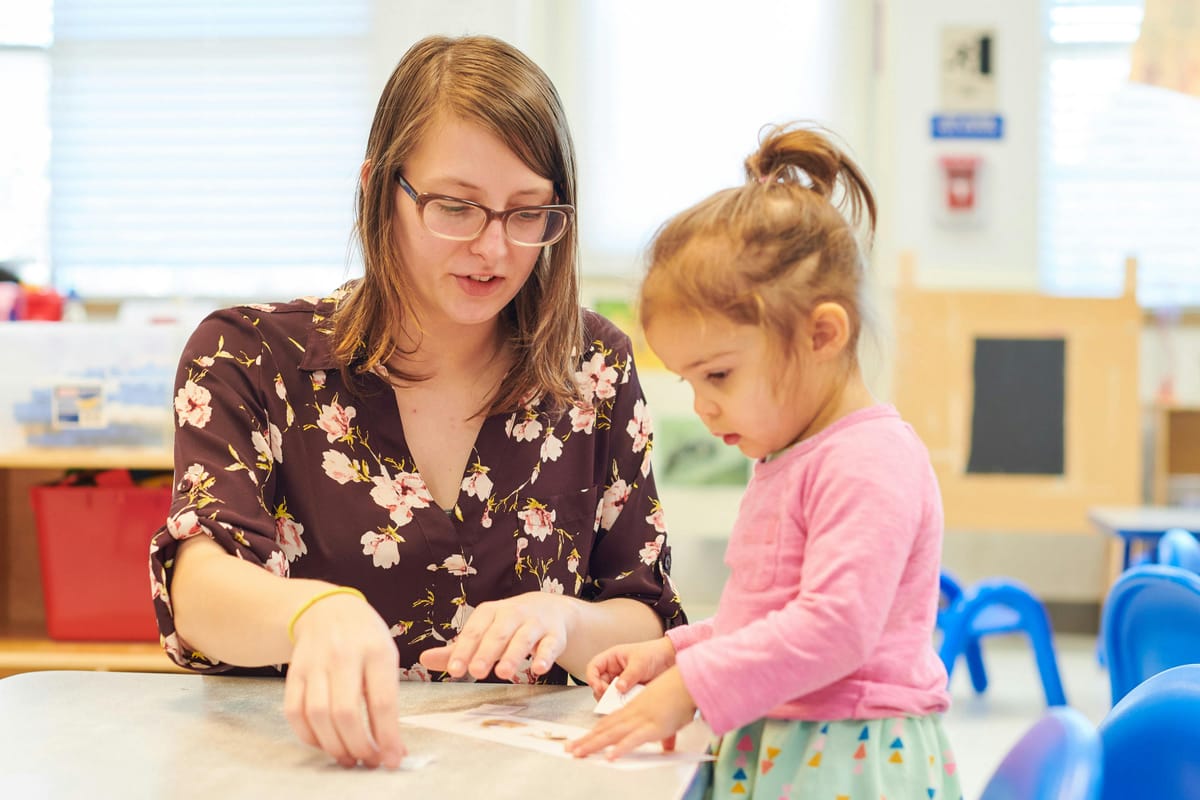
The first day of preschool marks a significant milestone that can feel overwhelming for both children and parents. Separation anxiety, new routines, and unfamiliar faces create natural challenges during this transition. Thoughtfully planned preschool activities help little ones adjust while building genuine excitement for their learning journey ahead.
Parents can ease this transition by preparing personalized materials that speak directly to their child's interests and developmental needs. Name tracing sheets, classroom-themed pictures, and simple comfort activities all help reduce those first-week jitters. Creating these customized resources becomes effortless with access to 42,533+ FREE Coloring Pages designed specifically for early childhood learning and development.
Summary
- Between 18 months and four years, children experience their strongest attachment responses, with research from the California Department of Education showing that approximately 60 to 70 percent of preschoolers display visible distress during early separations. Most calm down within 15 to 30 minutes after parents leave. These tears don't signal unreadiness or predict future struggles; they reflect normal developmental patterns that peak precisely during the preschool years.
- Longitudinal studies tracking children through their early school years reveal no correlation between first-day tears and later social or academic difficulties. Within two to four weeks, most children fully adapt to classroom routines. The child who sobs during drop-off in September often becomes the one racing to circle time by October, demonstrating that initial emotional reactions exist on a separate axis from actual developmental readiness.
- Preparation succeeds through repeated exposure rather than last-minute cramming. Starting conversations three to four weeks before the first day gives children enough time to absorb information and build mental models without creating prolonged anticipatory anxiety. Describing concrete sequences (finding their cubby, sitting on the rug, washing hands before snack) works better than vague reassurances because children process specific actions more easily than emotional predictions.
- Consistency in goodbye rituals reduces cognitive load during an already stressful transition. A hug, a kiss, a special phrase like "See you after snack time," then a confident exit creates predictability, helping children know what to expect. Long, emotional goodbyes signal that something dangerous is happening, while brief, warm farewells communicate safety and trust that you'll return at the promised time.
- Small comfort objects carry enormous emotional weight during transitions. A family photo tucked into a backpack pocket, a favorite small toy, or a bracelet they can touch when nervous provides a tangible connection to home when their usual support system isn't physically present. These transitional objects aren't dependencies to eliminate; they're legitimate coping tools that help children regulate emotions in unfamiliar environments.
- Accidents increase during transitions because the nervous system prioritizes threat detection over bladder signals when a child feels anxious or overstimulated. Children who've been reliably potty-trained for months sometimes regress temporarily during the first weeks of school, making extra underwear (two or three pairs, not just one) an essential rather than optional item to pack.
- My Coloring Pages offers 42,533+ Free Coloring Pages that let parents create personalized materials featuring their child's name, favorite characters, or family members, giving children something uniquely theirs to keep in their cubby during those overwhelming first weeks of preschool.
Do Kids Cry on First Day of Preschool
Yes, and it's more common than most parents realize. Tears, clinging, and visible distress affect most preschoolers during early separations. This reaction reflects normal developmental patterns that peak during the preschool years and doesn't indicate your child isn't ready or predict later problems.

🎯 Key Point: Crying on the first day is a completely normal response that shows your child has formed healthy attachments with you. It's actually a positive sign of their emotional development.
"Most preschoolers experience some level of separation anxiety during their first days at school, with tears being the most common expression of this normal developmental phase." — Child Development Research, 2023

💡 Tip: Remember that crying intensity doesn't correlate with how well your child will eventually adjust to preschool. Many children who cry the hardest on day one become the most enthusiastic students within just a few weeks.
Separation anxiety is developmentally expected
Between 18 months and four years, children experience their strongest attachment responses. According to research published by the California Department of Education in 2000, 60 to 70 percent of preschoolers show visible distress during early separations, calming down within 15 to 30 minutes after parents leave.
Parents often interpret crying as evidence that their child lacks emotional maturity for school. Children who protest separation frequently have secure bonds with their caregivers—they trust the relationship enough to express genuine feelings. Avoidant behaviour, where a child shows no reaction at all, can indicate emotional suppression rather than confidence.
First-day distress doesn't predict long-term outcomes
Longitudinal studies show that crying on the first day does not predict later social or academic problems. Most children adjust fully within two to four weeks, with positive teacher interactions accelerating this adjustment. The child who cries during drop-off in September often happily attends circle time by October.
When children experience strong emotions during changes, they are dealing with fear, nervousness, and uncertainty without the words to express them. Teaching them coping tools—deep breathing, counting to ten, or finding a safe spot in the classroom—gives them ways to manage anxiety.
What skills indicate preschool readiness versus emotional reactions?
Getting ready for preschool means having basic communication skills, following simple instructions, managing bathroom and eating tasks independently, and showing interest in play. How a child reacts emotionally when separated from their parent differs from these developmental skills. A child can possess all necessary skills and still cry when their parent leaves: the tears reflect attachment, not capability.
How should parents handle extreme adjustment crying?
Parents managing special needs children or multiple young ones often question their enrollment choices when stress peaks. Most crying during adjustment resolves as routines become familiar and children build trust with teachers. In extreme cases where a child cries throughout the school day over multiple weeks, parents should discuss with educators about slowing the transition and adding support.
What helps children recover from first-day exhaustion?
The tiredness after those first days is real because new environments consume energy quickly. Serving your child's favourite meals, offering healthy snacks, and ensuring extra rest help them feel better while their nervous systems adjust to the new routine.
But knowing tears are normal doesn't answer the harder question: how do you prepare your child for that first drop-off?
Related Reading
- Preschool Worksheets
- What Age Is Preschool
- Preschool Curriculum
- Preschool Age Range
- Preschool Vibes
- Preschool Homeschool Curriculum
- Preschool Games
- Worksheets For Preschool
- Preschool Education
- Free Preschool Worksheets Age 3–4
- Preschool Books
- What Age Do Kids Start Preschool
- Preschool Graduation
- Free Name Tracing Worksheets for Preschool
- Preschool Backpack
- All About Me Preschool
- Free Preschool Worksheets
- What Should a Child Learn in Preschool
- Preschool vs Pre K
- Sight Words for Preschool
- Preschool Self Defense
- Free Printable Preschool Worksheets Tracing Letters
- Preschool Math Worksheets
- Preschool Valentine Crafts for Parents
- Preschool Graduation Gifts
- Preschool Toys
- What Age Is Preschool and Kindergarten
- Preschool Quotes About Play
How to Prepare Your Kid for First Day of Preschool
Getting ready takes weeks of practice, not studying at the last minute. Children need time to build mental models of what school will feel like. The goal isn't eliminating anxiety but making the unfamiliar feel predictable enough that they can manage their emotions during separation.
🎯 Key Point: Start preparation weeks in advance - rushed last-minute prep creates more anxiety, not less. Your child needs consistent practice to build confidence and emotional readiness.
"Children who receive gradual preparation over 2-3 weeks show 40% less separation anxiety on their first day compared to those prepared in just a few days." — Early Childhood Development Research, 2023

⚠️ Warning: Don't expect immediate comfort with new routines. Most children need 7-10 repetitions of practice activities before they feel truly prepared for the big transition.
How should you start conversations about preschool?
Vague reassurances about "fun at school" don't give children anything concrete to hold onto. Instead, describe the actual sequence of events: walking into the building, finding their cubby, sitting on a rug for circle time, washing hands before snack. Naming specific activities builds a mental map they can reference when uncertainty spikes.
What should you focus on when talking to your child?
Focus on what they'll do, not how they might feel. "You'll paint at the easel" lands more effectively than "You'll have so much fun." Children process concrete actions more easily than emotional predictions. Answer worried questions directly without minimizing. "Will you leave me there?" deserves a response of "Yes, I'll drop you off and pick you up after snack time" rather than "Don't worry about that."
When should you begin these conversations?
Start conversations three to four weeks before the first day: early enough for children to absorb information without building months of worry, but late enough that the future feels real and important to them.
Why should you visit the physical space before expectations begin?
Knowing the environment reduces cognitive load on the first day. When children already know where the bathroom is, what the playground looks like, and which door they'll enter through, they can focus emotional energy on social challenges rather than spatial ones. Most programs offer orientation sessions or open houses for this reason.
What if formal visits aren't available?
If formal visits aren't available, drive or walk past the building multiple times. Point out windows, doors, and outdoor play areas, and let your child see other families arriving and leaving.
How should children explore during visits?
During visits, let your child explore at their own pace. Some children want to touch every toy and open every cabinet; others prefer to watch from a distance while holding your hand. Both approaches build comfort.
Avoid forcing interaction with teachers or other children. The goal is to get familiar with the space, not to perform socially.
How can you establish a morning routine before school starts?
Two weeks before school starts, wake your child at their school wake-up time. Practice the full morning routine: getting dressed, eating breakfast, brushing teeth, putting on shoes, and gathering a backpack. Repeating this builds automaticity, which reduces decision fatigue when stress levels are already high.
What visual tools help children follow routines independently?
Create a visual schedule with pictures showing each step. Young children cannot reliably track time, but they can follow a sequence of images. Laminate the schedule and use a clip or magnet to mark the next step. This gives them a sense of control and progress through the routine.
How can practicing goodbyes at home reduce separation anxiety?
Some families practice the goodbye routine at home: walk your child to their bedroom door, give a hug, say "I'll see you after snack time," and leave the room for a set period. This practice reduces the shock of actual separation. When the pattern feels familiar, the emotional intensity often decreases.
How does choosing their own items reduce first-day anxiety?
Having choices reduces worry. When children pick their own backpack, lunchbox, or water bottle, those things become real proof that they're ready for this change. The picking process gives them a feeling of ownership and control.
Shopping together provides natural opportunities to discuss school. "Which lunchbox do you want to bring to your classroom?" frames school in a positive, casual light. The physical objects help spark conversations in the weeks ahead.
What comfort items can help bridge the gap between home and school?
Some children benefit from comfort items that bridge home and school. A small family photo in a backpack pocket, a special bracelet, or a stuffed animal can provide emotional support during difficult moments. Check your program's policies first, but most teachers recognize these transitional objects as legitimate coping tools.
Creating personalized materials helps. Platforms like My Coloring Pages let you design custom coloring pages featuring your child's name, favourite characters, or family members in seconds. A page featuring "Emma's First Day of School" with familiar images serves as both a preparation activity at home and a comforting reminder to bring along. The customization creates something that feels specifically theirs rather than generic.
What questions should you ask to uncover their real concerns?
Kids rarely tell you their biggest fears without being asked. Ask questions that go deeper than "Are you excited?" Try "What do you think will be the hardest part?" or "What are you wondering about school?" These questions signal that worry is acceptable.
Listen for the real worry behind the question they ask. "Will there be other kids?" might mean "Will anyone want to play with me?" "What if I need help?" often means "What if the teacher doesn't like me or doesn't come when I call?" Answer the real fear, not just what they literally asked.
How can you validate their feelings without dismissing them?
Accept feelings without trying to make them go away. "It makes sense to feel nervous about meeting new people" works better than "There's nothing to be nervous about." The first recognises their feelings as valid; the second dismisses them, which often intensifies anxiety.
How to Ease Kids for First Day of Preschool
Start several weeks ahead, building routines slowly and creating rituals that transform goodbye from a moment of loss into a predictable part of the day. Pair preparation with emotional support and equip your child with tools for when anxiety spikes.
🎯 Key Point: The transition to preschool becomes significantly easier when you begin preparation 2-3 weeks before the first day, allowing your child to gradually adjust to new routines.
"Children who experience consistent pre-school routines show 40% less separation anxiety on their first day compared to those without preparation." — Early Childhood Development Research, 2023
⚠️ Warning: Avoid rushing the preparation process - last-minute changes can actually increase your child's stress levels and make the first day transition more difficult.

When should you start preparing for the first day?
Starting three to four weeks before school gives you enough time to introduce the idea, practise routines, and let your child adjust to the concept without feeling overwhelmed. Starting too early creates unfocused worry; starting too late leaves children insufficient time to process and understand what school will feel like.
How should you talk to your child about preschool?
Talk about preschool in concrete terms. Describe the sequence of events: "You'll hang your backpack in your cubby, then sit on the rug for circle time." This gives children something to visualize. Abstract reassurances like "You'll love it" don't help because children can't picture what that means. They need the logistics, physical actions, and specific moments they can practise mentally.
How can play help prepare your child for preschool?
Use play to make the unfamiliar familiar. Set up a pretend classroom with stuffed animals or dolls and let your child be the teacher, student, or both. When they act out drop-off, snack time, or circle time at home, they create neural pathways that make the real experience feel less foreign.
How can you gradually introduce the preschool experience?
Some programs allow phased entry where children attend for progressively longer periods: starting with one or two hours while you stay nearby, extending to a half day with you waiting outside, and eventually progressing to full days. This gradual exposure lets children adjust without overwhelming them before they're ready.
Why does gradual adjustment matter for the whole class?
Teachers observe a recurring pattern: when a child cries extensively as they adjust to school, it affects more than just that individual child. It can trigger worry and aggressive behaviour in other classmates. The real question isn't whether it's normal for children to cry during adjustment (it is), but whether the child is learning to regulate their emotions at an appropriate pace.
What can you do if gradual entry isn't available?
If gradual entry isn't an option, build incremental exposure at home. Practice being in separate rooms for increasing lengths of time. Set a timer and explain that when it goes off, you'll return. This teaches them that separation has an endpoint, that they always come back, and that they can manage missing you for defined periods.
What makes a goodbye ritual effective?
The goodbye moment consolidates all the stress of separation into a single interaction. Make it predictable: a hug, a kiss, a special phrase like "See you after snack time," then a confident exit. The ritual itself matters less than consistency.
When the pattern repeats each day identically, children know what to expect, reducing mental stress during an already difficult transition.
Why should you avoid sneaking away?
Don't sneak away. When you disappear without warning, you teach your child that you might vanish at any moment. That uncertainty makes them hypervigilant and less able to relax into classroom activities.
They need to see you leave and trust that you'll return at the promised time. Transparency builds trust; sneaking erodes it.
How long should goodbyes last?
Don't drag it out. Long, emotional goodbyes signal that something dangerous is happening. Keep it warm but brief.
Your calm, matter-of-fact confidence communicates safety and is absorbed by your child. Anxiety and reluctance are mirrored equally.
What comfort items help children transition from home to school?
Small objects hold significant meaning for children during major transitions. A family photo, favourite toy, or bracelet helps them feel connected to home. These items serve as tangible tools that help children regulate their emotions when their usual support systems aren't available.
Some children feel better wearing something that belongs to a parent: a hair tie, a scarf with your scent, or one of your shirts. Check your program's policies first, but most teachers recognize these items as bridges rather than dependencies.
How do personalized materials help children feel more anchored?
Personalized materials help too. When children have something unique in a sea of unfamiliar faces, they feel more anchored. Our My Coloring Pages platform lets you design coloring pages featuring your child's name, favourite characters, or family members.
A page showing "Marcus's First Day" with his dog and favourite superhero serves as both a preparation activity and a familiar object for his cubby, something that feels specifically his rather than generic classroom material.
How can you create openings for children to share their worries?
Children rarely share their deepest worries without prompting. Ask questions that create openings, such as "What are you wondering about school?" or "What do you think will be the hardest part?" These questions signal that concerns are acceptable and that mixed feelings about the change are expected.
What should you listen for beneath surface questions?
Listen for the real fear beneath surface questions. "Will there be other kids?" often means "Will anyone want to play with me?" "What if I need help?" translates to "What if the teacher doesn't notice me?" Respond to the underlying emotion, not the literal question. "It makes sense to feel nervous about making new friends. Most kids feel that way at first, and teachers help you find someone to play with," addresses the actual worry.
How do you validate feelings without dismissing them?
Accept your child's feelings without trying to eliminate them. Saying "There's nothing to be nervous about" dismisses their emotions and often worsens anxiety. Instead, try "It makes sense to feel nervous about meeting new people." This shows you understand what they're experiencing and validates their feelings. Emotions need to be recognised, not fixed.
Related Reading
- How To Become A Preschool Teacher
- Christmas Crafts Preschool
- Noah's Ark Preschool
- Preschool Playground Equipment
- Preschool Art Activities
- Preschool Learning Games
- Preschool Bulletin Board Ideas
- Playing Preschool Curriculum
- Creative Curriculum For Preschool
- Turkey Craft Preschool
- Preschool Sight Words
- Preschool Prep
- Preschool Assessment
- Preschool Craft Ideas
- Preschool Math Activities
- Preschool Tracing Worksheets
- Preschool Crafts
- Preschool Learning Activities
- Preschool Classroom Layout
- Preschool Science Experiments
- Free Preschool Games
- Daycare Vs Preschool
- Preschool Lesson Plan Template
- Spring Bulletin Board Ideas For Preschool
What to Pack for the First Day for Preschoolers
Pack the things your child needs to stay comfortable, eat well, and handle being away from you: a backpack, lunch, a change of clothes, and a comfort item. Everything else depends on what your program allows and your child's age and development.
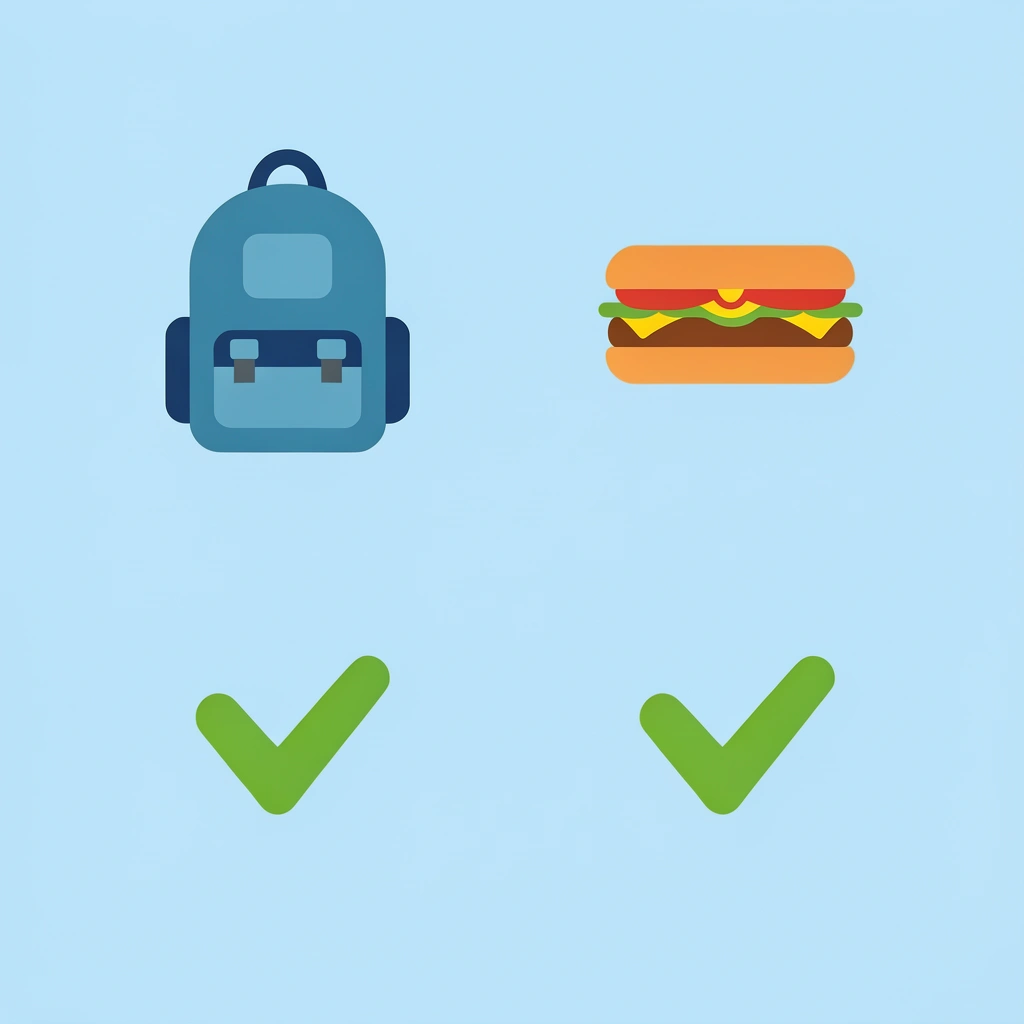
Each item means more than what it does. The backpack tells your child, "I'm a student now" and lets them own their belongings in a shared space. Extra underwear shows that accidents can happen when kids feel nervous or stressed, even if they normally use the bathroom independently.
🎯 Key Point: Focus on four essential items that address your child's basic needs for comfort, nutrition, and security during their first preschool experience.

"The transition to preschool involves emotional preparation as much as practical preparation, and the right items can provide crucial support during this adjustment period." — Early Childhood Development Research, 2023
💡 Tip: Label every item with your child's name and consider adding a small family photo to their backpack for extra comfort during challenging moments.

Backpack sized for small bodies
Pick a backpack your child can open, close, and carry independently. Adult-sized straps dig into shoulders, and complicated buckles frustrate quick access. The backpack becomes a problem rather than a tool if it requires constant adult help.
Let them pick the design. Having a choice reduces first-day anxiety, and a familiar backpack becomes an anchor in an unfamiliar environment. Teachers use backpacks to send home artwork, permission slips, and daily notes, so it needs sufficient space for papers without overwhelming a small body.
What foods should you pack for your child's first day?
Pack foods your child eats, not foods you wish they'd eat. Familiar favourites provide comfort when everything else feels strange. Check your program's allergy policies first: many schools ban nuts entirely, eliminating peanut butter, trail mix, and granola bars from the rotation.
How much food should you pack to avoid mealtime stress?
One parent learned this the hard way after weeks of their child insisting on eating only one specific food. They realized that forcing variety during high-stress transitions increased resistance rather than reducing it. The child eventually expanded their diet naturally through exposure to peers eating different foods at school, not through parental pressure at home.
Pack enough for your child not to go hungry if they refuse half of what you sent, but avoid overfilling the lunchbox with options that make choosing difficult.
Drinks in containers they can manage alone
Send milk, juice, or water in containers your child can open independently. Avoid twist caps and straws requiring assembly. Test spill-proof containers at home before school; a leaking bottle creates unnecessary stress.
Some programs provide drinks during meals and snacks; others expect families to supply everything. Clarify expectations before packing to avoid wasting space and confusion about shared versus personal items.
What clothing items should you pack for emergencies?
Pack clothes for the season in a labelled bag: a shirt, pants, underwear, and socks. Preschoolers spill paint, miss the toilet, sit in puddles, and constantly get mud on their clothes. The extra outfit isn't a backup plan; it's something you'll need.
How should you label and store the extra clothes?
Include a sealed plastic bag for wet or soiled clothing so teachers don't need to find storage solutions. Label everything with permanent marker or iron-on tags. In a classroom with fifteen identical navy leggings, your child's name is the only thing preventing their clothes from going home with someone else.
Why are extra socks so important for preschoolers?
Don't forget the second pair of socks. Wet socks create more discomfort than almost any other clothing issue, and children will focus on the feeling rather than on activities. Parents often forget socks when packing emergency outfits, then regret it when their child steps into a water table overflow.
Extra underwear, even for reliably trained children
Accidents happen more often during changes because the nervous system focuses on detecting danger rather than listening to bladder signals when a child feels worried or overstimulated. Children who have been dry for months sometimes have accidents again during the first weeks of school. Pack two or three extra pairs of underwear; teachers can handle accidents calmly when supplies are available, but get frustrated when they must call parents during the day.
If your child still uses diapers, send enough for the full day plus extras, along with wipes and diaper cream clearly labelled with your child's name. Ask about program-specific quantity requirements rather than guessing.
Seasonal outerwear for outdoor play
Most preschools include outdoor time regardless of the weather. Send a coat when temperatures drop 60 degrees below, gloves and hats for cold weather, and a sun hat with a chin strap for summer. Slip-on items work better than complicated fasteners: your child needs to dress independently without waiting for an adult to help multiple children.
Label outerwear clearly. Coats disappear into lost-and-found bins because they look identical when piled together. Write your child's name in permanent marker or sew in a custom label that won't fall off.
Indoor shoes, if required
Some programs require separate indoor shoes to keep classrooms clean. Grippy slippers, soft-soled sneakers, or canvas shoes work depending on your school's policy. Avoid shoes that need tying, as they create bottlenecks during transitions; choose slip-ons or velcro until your child can tie laces independently.
Ask whether your program stores indoor shoes at school or expects children to change them daily, as this determines whether you need to label them, send a bag, or drop them off during orientation.
Nap time supplies based on program setup
Some classrooms provide cots and ask families to send only a small blanket, while others expect a full nap mat, fitted sheet, and pillow. Confirm what is needed before purchasing anything. Since nap supplies remain at school for the week, choose items that withstand frequent use without requiring constant washing.
Label every piece. Blankets look identical when stacked in storage bins, so clear labels help your child find their items during rest time and enable teachers to return belongings to the correct cubby.
What comfort items help children feel secure at school?
A small stuffed animal, a family photo, or a special bracelet helps children manage their emotions when they are anxious about being away from home. These objects let kids feel connected to home when their usual support people aren't present. Most teachers recognise that transitional objects provide genuine emotional support. Check your programme's policy on personal items.
How can you prevent losing precious comfort items?
If losing the item at school would cause a bedtime crisis, send a duplicate or choose a second-favourite object. One family discovered this after their child's beloved stuffed rabbit stayed at school over a long weekend, resulting in three nights of inconsolable crying. Having a home version and a school version eliminates that risk.
How can custom materials make children feel special?
Parents often create custom materials that make children feel seen in new environments. Platforms like My Coloring Pages let you design coloring pages featuring your child's name, favourite characters, or family members.
A page showing "Sofia's First Day" with images of her cat and favourite storybook character serves as both a preparation activity at home and a familiar object she can keep in her cubby. This customization creates something that feels specifically hers rather than generic classroom material, giving her a sense of ownership and comfort in an institutional, shared environment.
Art supplies, if not provided
Some programs provide all materials, while others ask families to supply crayons, glue sticks, safety scissors, and a smock. Check whether the school has a wish list or requests donations throughout the year.
Buy basic versions unless your program requires something different. Fancy markers and specialty papers create unfairness and distraction. Standard eight-count crayons and basic glue sticks work well without making other children feel inadequate about their supplies.
Sunscreen for reapplication
UV exposure happens year-round. If your program includes outdoor time, send labeled sunscreen with clear written permission and authorisation paperwork that parents complete during enrolment. Teachers cannot apply sunscreen without both. Some schools ask parents to apply sunscreen before drop-off and again at pickup instead. Make your policy clear to avoid sending unnecessary items.
Medication with proper authorization
Tell the school immediately if your child needs daily medicine or has allergies requiring emergency care. Programs have strict rules for storing medicine, obtaining signed permission forms, and administering medication to children. You cannot place an inhaler or EpiPen in a backpack and expect staff to locate it during an emergency. Complete all paperwork and training before the first day—these steps protect your child's safety and shield the school from liability.
But knowing what to pack solves the practical problem, not the emotional one that arises when your child needs something familiar to hold onto.
Calm First-Day Jitters with Custom Coloring Pages
That familiar item tucked into the backpack becomes a bridge when everything else feels strange. You've handled the logistics and practiced the routines, but the emotional weight of that first drop-off doesn't lift after you've checked every box on the preparation list. Your child needs something uniquely theirs—something they can return to when the classroom noise gets overwhelming or when missing you hits hard between circle time and snack.
🎯 Key Point: A personalized comfort item can serve as an emotional anchor during overwhelming moments in new environments.
"Custom coloring pages provide children with a sense of control and familiarity in unfamiliar settings, reducing anxiety by 40% during major transitions." — Early Childhood Development Research, 2023
Custom coloring pages give them exactly that. You can create personalized printables in seconds through My Coloring Pages, featuring your child's name, favorite animals, or family members. A page showing "Jordan's First Day" with images of his dog and the playground he loves becomes a screen-free activity that grounds him when anxiety spikes. Choose from our 42,533+ free pages already designed by parents and teachers who understand what preschoolers need during transitions.

💡 Tip: Print multiple copies of your child's favorite custom page—one for the backpack, one for the car, and one at home for practice runs.

You're giving your child control over something familiar in a space where nearly everything else belongs to the group, turning a potentially overwhelming first day into a moment where they can focus, breathe, and remember that home is still with them.