15 Best Free Preschool Game Ideas
Discover 15 free preschool games that boost learning and fun at home. My Coloring Pages shares easy activities parents and teachers love.

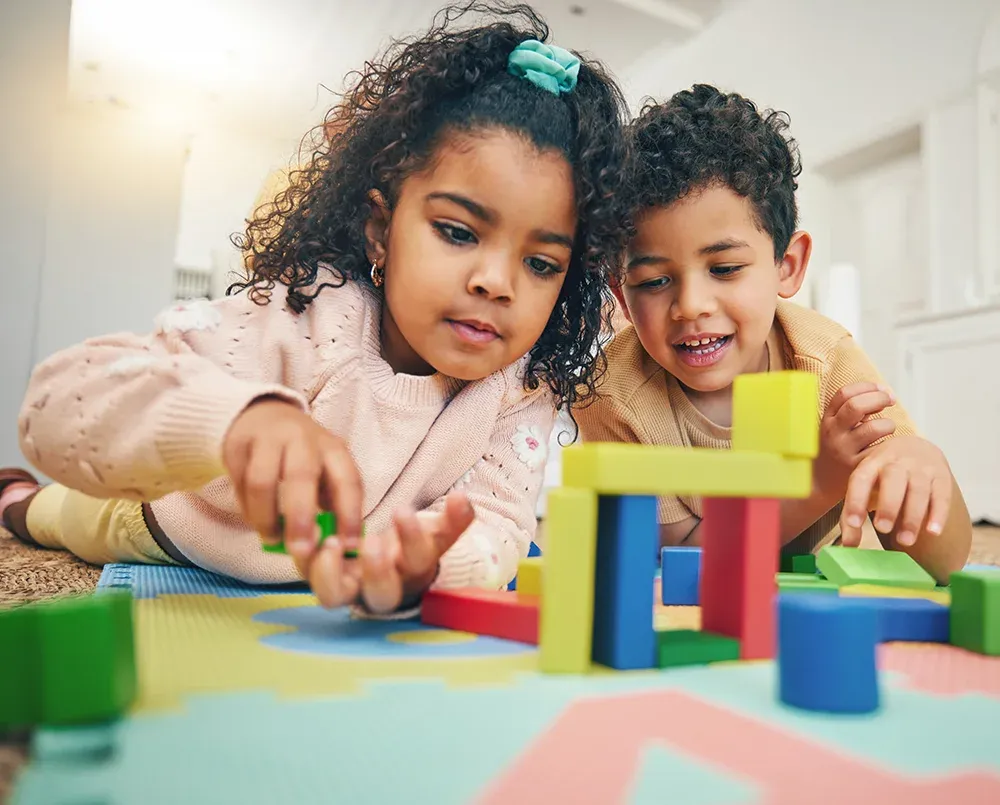
Preschoolers need engaging activities that channel their boundless energy into meaningful learning experiences. Free preschool games provide an effective solution, offering play-based learning that teaches essential skills like colors, shapes, letters, and numbers without requiring screen time. Parents can access quality educational resources and printables at no cost, making it easier to create structured learning moments at home.
Quality educational materials don't have to break the budget or rely on generic worksheets. Customized learning resources that match a child's interests prove far more effective than one-size-fits-all approaches. For parents seeking diverse educational content, they can download 49,790+ free coloring pages that transform ordinary moments into valuable learning opportunities.
Summary
- Play-based learning produces measurably stronger cognitive outcomes than worksheet-driven instruction, with children who engage in regular play-based activities demonstrating 30% higher cognitive development scores. The gap isn't marginal. It reflects the difference between children who can recite information and those who understand underlying concepts well enough to apply them in new situations.
- Brain architecture forms rapidly during the preschool years, with 85% of brain development occurring before age 5. The activities filling those early years aren't just keeping children occupied. They're encoding neural patterns that will shape learning capacity for decades, making the choice between passive entertainment and active play far more consequential than most parents realize.
- Linear number board games significantly strengthen young children's math skills without requiring sophisticated technology or expensive materials. Research from the HEDCO Institute shows that simple games with clear rules and engaging visuals build foundational math thinking when matched to a child's current developmental stage, proving that educational value comes from design quality rather than price point.
- Interactive play patterns combining tactile engagement with visual learning show significantly higher retention rates than passive screen-based activities. The advantage isn't about avoiding technology entirely. It's about how preschool brains encode information most effectively through multiple senses working together rather than single-channel input.
- Free educational resources often outperform premium subscription services when they allow customization around a child's specific interests. Generic materials lose effectiveness as novelty fades, while themed activities that reinforce the same skills across different contexts (numbered vehicles one day, numbered animals the next) create repetition without the monotony that leads to disengagement.
- My Coloring Pages addresses this by offering 49,790 downloadable coloring pages that let parents match learning materials to their child's current interests, turning basic skill practice into activities children request rather than resist.
Table of Contents
- Importance of Games in Preschool
- How to Balance Play and Learning for Kids
- What Kind of Games Should Preschoolers Play
- 15 Best Free Preschool Game Ideas
- Turn Simple Games Into Fun Learning Activities With Custom Coloring Pages
Importance of Games in Preschool
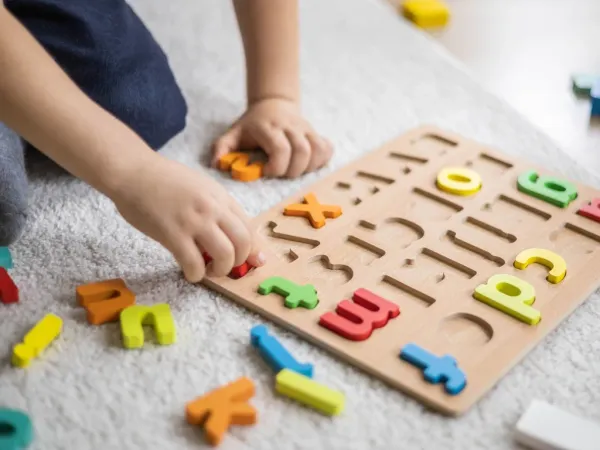
Well-designed preschool games build cognitive pathways, test social boundaries, and develop motor skills without the pressure of formal instruction. When a three-year-old matches colored blocks or counts plastic bears, they encode patterns their brain will use for years.
🎯 Key Point: Preschoolers don't distinguish between play and work the way adults do. Their brains absorb information through exploration, repetition, and sensory engagement. Their developing minds process learning through natural interaction rather than structured lessons. A shape-sorting game teaches geometry. A memory match strengthens neural connections that support reading later. These benefits reflect how early childhood development unfolds through interaction. "Play is the highest form of research for young children, creating neural pathways that support lifelong learning and cognitive development." — Early Childhood Development Research
💡 Best Practice: The most effective preschool games combine multiple learning domains simultaneously—cognitive, social, emotional, and physical—creating rich developmental experiences that naturally prepare children for academic success.
How do games compare to formal instruction methods?
Formal lessons feel productive to parents because they resemble school. However, research shows that children who engage in regular play-based learning achieve 30% higher cognitive development scores than those following rigid, worksheet-based curricula. The difference lies between a child who can recite numbers and one who understands what they represent.
Why does low-stakes experimentation build resilience?
Games create what educators call "low-stakes experimentation." A preschooler building a block tower learns about balance, gravity, and spatial relationships without fear of getting answers wrong. When the tower falls, they rebuild it differently rather than viewing it as a failure. This repeating process—trying again without shame—becomes the foundation for problem-solving throughout their education. Resilience builds through repeated attempts at challenges that feel like play, not through worksheets.
What Preschool Games Actually Develop
Many parents buy expensive learning apps or premium subscription boxes. The truth is simpler: playing linear number board games can significantly strengthen young children's math skills, according to research from the HEDCO Institute for Evidence-Based Educational Practice at the University of Oregon. The game needs only clear rules, engaging visuals, and developmentally appropriate concepts. Platforms like My Coloring Pages extend this principle into hands-on activities. Instead of purchasing workbooks that children complete once and discard, parents can download themed coloring pages that reinforce concepts from games: numbers, letters, shapes, and animals. This creates multiple touchpoints for the same learning objective. A child who plays a counting game and then colours a page with numbered objects encodes information through different sensory pathways, strengthening retention without feeling repetitive. The real barrier isn't cost or access, but the cultural belief that learning should look serious—that smiling and moving children must not be working hard enough. Preschoolers learn best when they don't realize they're learning. The game is the lesson. The laughter is proof it's working.
Cognitive Growth
Every puzzle piece a child turns, every pattern they recognize, every sequence they complete, strengthens their executive function. These games teach kids to hold information in working memory, plan ahead, and adjust strategies when needed. A four-year-old sorting shapes by colour and size practises categorization, the same mental process they'll use later to organize ideas in writing or solve multi-step maths problems.
Language Acquisition
Games involving naming, describing, or storytelling help children build vocabulary faster than listening alone. When children play house or set up a pretend store, they practise sentence structures, try new words, and learn how language helps people understand each other. The back-and-forth dialogue about who gets to be the doctor teaches pragmatic communication skills that no flashcard set can match.
Emotional Regulation
Losing a game, waiting for a turn, sharing materials—these moments are where emotional intelligence begins. Games create safe spaces where children experience frustration, disappointment, and joy in manageable amounts. They learn that emotions pass, that rules ensure fairness, and that others' feelings matter.
Physical Coordination
Fine motor skills improve through repetition, and games provide that repetition without monotony. Picking up small pieces, stacking blocks, and tracing paths with a finger strengthen hand-eye coordination, which children need for writing, cutting, and self-care tasks like buttoning shirts. Gross motor games such as hopscotch or tag build balance, spatial awareness, and body control, supporting athletic performance and safe movement.
Social Competence
Group games teach children how to work together, take turns, and practise conflict resolution. When two children both want the same toy, they face a problem requiring them to talk it out. When they figure out a solution together, they're learning skills that will help them in every relationship they build. These interactions happen naturally when children play together without excessive adult intervention.
How to Balance Play and Learning for Kids
Balance doesn't mean splitting the day into learning time and play time. Instead, choose activities where learning and play merge: sorting toy animals by size, counting blocks as you build, or tracing letters in sand. The question is whether your activities offer learning chances that feel like fun.
According to Early Education Trends US 2025, 85% of brain development occurs before age 5. The games kids play, the materials they use, and the conversations during pretend play create brain patterns they'll use for years to come. This measurable development happens right now.
🎯 Key Point: The most effective approach seamlessly combines learning and play rather than treating them as separate activities competing for your child's time.

"85% of brain development occurs before age 5, making early childhood the most critical window for combining play-based learning with development." — Early Education Trends US, 2025
💡 Pro Tip: Look for natural learning moments during play - when your child builds with blocks, they're exploring spatial reasoning, counting, and problem-solving without realizing they're "learning."

Choosing Activities That Do Both
Building blocks teach spatial reasoning, symmetry, and basic physics without worksheets. A four-year-old stacking towers learns through gravity what happens when weight isn't distributed evenly. When the structure collapses, they adjust, test, and rebuild with a wider base or a different configuration. That's hypothesis testing: the same process scientists use, happening naturally because feedback is immediate and stakes feel real. Board games designed for early learners teach turn-taking, counting, and pattern recognition while fostering family time. A simple game where children move pieces along a numbered path reinforces one-to-one correspondence and sequencing. They learn that five comes after four, not because someone told them, but because they moved through four to reach five. The lesson sticks because it's embedded in action, not abstraction.
How do interactive books enhance learning?
Interactive books that ask children to find objects, complete rhymes, or predict what happens next transform passive listening into active problem-solving. When a child points to the hidden cat or fills in the missing word of a familiar song, they practise visual discrimination and phonemic awareness. These skills aren't separate from the story; they're what make it engaging.
What are cost-effective alternatives to expensive materials?
Many parents assume educational materials require workbooks or subscription boxes with structured lessons. However, costs accumulate as preschoolers progress through these materials, and novelty fades. A completed workbook gets shelved. Platforms like My Coloring Pages offer thousands of printable pages that reinforce concepts through different themes. A child learning numbers can colour numbered balloons one day, numbered animals the next, and numbered vehicles after that. Repetition does not feel monotonous because the context changes. Parents download what they need when they need it, creating multiple touchpoints for the same skill without the expense or waste of single-use materials.
Physical Play as Cognitive Work
Scavenger hunts teach children to observe, categorise, and retain information while staying active. When you ask a preschooler to find three red objects, two circular items, and something soft, they must identify what distinguishes objects and hold multiple concepts in mind simultaneously. This demands more cognitive effort than completing a pre-designed colouring sheet.
How do songs with movements support learning?
Songs with movements teach sequencing and rhythm while building gross motor coordination. When children sing about body parts and touch each one in order, they learn vocabulary, follow multi-step directions, and develop body awareness. Music makes the sequence memorable, movement makes it physical, and the combination encodes learning through multiple sensory channels.
What do outdoor games teach preschoolers?
Outdoor games like hopscotch or obstacle courses teach counting, balance, and spatial navigation. A child hopping from square one through ten practises number order while coordinating their body. When they miss a square and restart, they learn that sequences have rules and mistakes are part of trying again.
Why do parents struggle with trusting play-based learning?
The real stress parents feel isn't about finding the right activities—it's about believing that play delivers what formal lessons promise. But activities matter only if daily routines support consistent use, which becomes harder when routines collapse or kids resist transitions.
Related Reading
- Preschool Worksheets
- What Age Is Preschool
- Preschool Curriculum
- Preschool Age Range
- Preschool Vibes
- Preschool Homeschool Curriculum
- Preschool Games
- Worksheets For Preschool
- Preschool Education
- Free Preschool Worksheets Age 3–4
- Preschool Books
- What Age Do Kids Start Preschool
- Preschool Graduation
- Free Name Tracing Worksheets for Preschool
- Preschool Backpack
- All About Me Preschool
- Free Preschool Worksheets
- Preschool Self Defense
- What Should a Child Learn in Preschool
- Preschool vs Pre K
- Sight Words for Preschool
- Free Printable Preschool Worksheets Tracing Letters
- First Day of Preschool
- Preschool Math Worksheets
- Preschool Valentine Crafts for Parents
- Preschool Graduation Gifts
- Preschool Toys
- What Age Is Preschool and Kindergarten
- Preschool Quotes About Play
What Kind of Games Should Preschoolers Play
The best games for preschoolers combine physical movement, problem-solving, and social interaction without requiring complex instructions. These overlapping experiences build different capabilities simultaneously, the way real learning happens when you're three or four years old.

🎯 Key Point: Multi-layered games that engage both the body and mind create the most effective learning experiences for preschool-aged children. Look for activities that naturally combine movement, thinking, and social skills rather than focusing on just one area.
"High-quality preschool programs that integrate play-based learning show 38% better outcomes in school readiness compared to traditional academic-focused approaches." — National Association for the Education of Young Children, 2023
⚠️ Warning: Avoid games with overly complicated rules or lengthy explanations. Preschoolers learn best when they can immediately engage with an activity and understand the basic concept within the first 2-3 minutes of play.
Active Movement Games
Running, jumping, and climbing teach preschoolers about their bodies and how they move through space. Freeze dance helps children control their movements and understand body awareness, while obstacle courses made from couch cushions help them determine whether they can fit through gaps or need to navigate around them. Animal movement games turn gross motor practice into imagination. Hopping like a frog, waddling like a penguin, or slithering like a snake engages multiple muscle groups while children process language and translate it into action. The game requires only space and permission to move.
How do pattern recognition games build mathematical thinking?
Pattern recognition games teach mathematical thinking without using numbers. When a preschooler completes a sequence (red block, blue block, red block, ___), they predict what comes next based on observed rules—the same thinking process they'll use later for multiplication tables and reading comprehension.
Why are matching games essential for memory development?
Matching games sharpen visual discrimination and memory skills. When a four-year-old flips cards to find matching pairs, they store information, retain it, and retrieve it on demand. These executive function skills influence their ability to manage multi-step tasks throughout school.
What makes interactive play more effective than screen time?
According to Accio's 2025 analysis of popular kids' games, interactive play that combines hands-on activities with visual learning shows higher retention rates than passive screen-based activities. Preschool brains learn more effectively when multiple senses work together.
How do open-ended art activities support learning?
Open-ended art activities teach experimentation without predetermined outcomes. When a child mixes paint colours or tears paper for a collage, they test ideas. Blue and yellow make green. Torn edges look different from cut edges. These discoveries stick because the child made them happen.
What skills do building games develop?
Building games with blocks, magnetic tiles, or cardboard boxes develops spatial reasoning and planning. A preschooler who builds a tower learns through gravity and balance what works structurally. When it falls, they adjust the base width or weight distribution. That repeating process of testing and revising without adult correction builds problem-solving confidence that transfers to every challenge they'll face.
How can digital resources reduce waste while maintaining variety?
Many families accumulate art supplies and activity books used once, then forgotten. Platforms like My Coloring Pages offer thousands of themed printables downloadable on demand. A child practising letter recognition can colour alphabet pages with different themes—animals, vehicles, foods—throughout the week, gaining practice without boredom. Parents reduce waste and cost while maintaining the variety that keeps children engaged.
Social and Cooperative Games
Turn-taking games teach patience and fairness concretely. When preschoolers play simple board games, they experience waiting, following rules, and accepting outcomes they didn't choose. Moments of frustration—when someone else goes first or wins—develop emotional regulation. The game creates a safe space for practising disappointment at low stakes. Group activities like circle games or building projects require negotiation and shared decision-making. When two children both want to add the next block to a tower, they face a genuine conflict that must be resolved. The adult's role is to hold space while they work out a compromise, not to solve it. Those interactions build social competence that isolated activities cannot teach.
How does role-playing help preschoolers develop social skills?
Role-playing scenarios let preschoolers test out adult behaviours and process what they observe. When a child pretends to be a doctor, teacher, or parent, they explore power dynamics, practise empathy by imagining someone else's perspective, and experiment with language in new ways. The play reveals what they've learned from their environment and what confuses them.
What cognitive benefits do storytelling games provide?
Storytelling games where children create narratives with toys or puppets develop sequencing and causal thinking. They learn that stories have beginnings, middles, and ends, that actions have consequences, and that characters want things and encounter obstacles. These are the same narrative structures they'll use later for writing, but at three years old, they're playing with dinosaurs and having conversations.
How do puzzles develop problem-solving skills?
Simple puzzles teach persistence and spatial manipulation. When a preschooler rotates a piece to make it fit, they learn that objects have orientation and that problems have multiple approaches. The satisfaction of completion builds intrinsic motivation—doing something because it feels good, not for external reward—which matters more for long-term learning than any sticker chart.
What cognitive skills do sorting games teach?
Sorting games by colour, size, or category teach classification and logical grouping. A child separating toy cars from toy animals practises the same cognitive skill they'll use later to organize information in essays or categorize data in spreadsheets. The real work is creating space for kids to play without constant adult direction, which requires more restraint than most parents expect.
Related Reading
- Preschool Assessment
- Preschool Crafts
- Preschool Learning Activities
- Preschool Tracing Worksheets
- Daycare Vs Preschool
- Preschool Classroom Layout
- Preschool Playground Equipment
- Preschool Art Activities
- Christmas Crafts Preschool
- Spring Bulletin Board Ideas For Preschool
- Turkey Craft Preschool
- Preschool Sight Words
- Preschool Math Activities
- How To Become A Preschool Teacher
- Preschool Prep
- Preschool Lesson Plan Template
- Noah's Ark Preschool
- Preschool Classroom Layout
- Preschool Science Experiments
- Preschool Craft Ideas
- Preschool Learning Games
- Free Preschool Games
- Creative Curriculum For Preschool
- Playing Preschool Curriculum
- Preschool Bulletin Board Ideas
15 Best Free Preschool Game Ideas
These games work because they hide skill-building inside adventure. A child searching for leaves by shape isn't thinking about how to organize things into groups: they're on a mission. That shift from "learning activity" to "thing I want to do" determines whether the lesson sticks.

🎯 Key Point: The most effective preschool games disguise educational content as pure fun, making children eager participants rather than reluctant learners.
"Play is the highest form of research for young children, turning abstract concepts into concrete experiences they can touch, move, and explore." — Child Development Research, 2023

💡 Tip: Look for games that get children moving their bodies while using their minds—the combination of physical and mental engagement creates stronger memory pathways and keeps attention focused longer.
1. Nature Scavenger Hunt
Give a preschooler a simple picture list of leaves, rocks, flowers, and sticks, then watch them notice details they walked past yesterday. The game teaches observation through purpose: they hunt for specific things (smooth versus rough rocks, wide versus narrow leaves), building visual discrimination skills that reading requires later. The outdoor setting adds sensory variety that indoor worksheets cannot replicate.
2. Follow the Leader
One child demonstrates a movement (hopping, spinning, crawling backward), and others copy it. The game strengthens motor planning (translating what you see into what your body does) and auditory processing with verbal instructions. Every child gets a turn directing the group, building confidence in those who typically hold back during structured activities.
3. Color Hunt Game
Call out, "Find something yellow," and preschoolers scatter to touch or point at matching objects within view. The urgency transforms color recognition from drill into competition. Layer in complexity as kids get faster: "Find two blue things" or "Find something red and round." This progression from simple identification to multi-attribute matching scales cognitive challenges naturally through play.
4. Chalk Shape Hop
Draw circles, squares, and triangles on the sidewalk, then ask kids to hop from shape to shape as you call them out. Physical movement helps kids learn shape names through their bodies: a child who jumps to five different circles reinforces the concept through muscle memory, not just by seeing it. When they land on the wrong shape, their body's feedback provides immediate correction.
5. Animal Movement Race
Say "Move like a frog," and preschoolers instantly start hopping. Switch to crab, and they're walking sideways on hands and feet. Each animal requires different muscle groups and coordination patterns, building body awareness and gross motor control while teaching children to process verbal instructions and translate them into action. The imaginative element of becoming the animal rather than copying a movement adds emotional engagement that pure exercise lacks.
6. Bubble Chase
Blow bubbles while kids run to pop them before they land. This trains hand-eye coordination, depth perception, and prediction (where will this bubble be in two seconds?). Preschoolers who struggle with catching balls often succeed with bubbles because the slower movement gives them more time to process what they see. Success builds confidence that transfers to more complex coordination challenges later.
7. Freeze Dance Outside
Play music on a phone speaker and let kids move however they want. When the music stops, everyone freezes in place. The game teaches impulse control and body awareness while removing self-consciousness about dancing since everyone moves differently.
8. Simple Obstacle Course
Set up cones, sticks, or playground equipment in a path where kids crawl under, jump over, or weave around objects. The course teaches sequencing (remembering the order of challenges), spatial navigation (fitting your body through tight spaces), and motor planning (how much force is needed to clear this jump?). Changing the layout refreshes the challenge without requiring new supplies.
9. Duck, Duck, Goose
This circle game survives because it works. Kids practice taking turns, reacting quickly, and being aware of others around them. The anticipation of being chosen teaches patience, and the payoff (your turn to run) makes the wait worthwhile. This delayed gratification in low-stakes situations builds the emotional regulation needed for higher-stakes waiting later.
10. Ball Roll Challenge
Set up a target (bucket, drawn circle, or gap between two objects) and have children roll a ball toward it from increasing distances. The game builds aiming skills, force calibration for distance, and persistence through repeated attempts. Rolling gives preschoolers more control than throwing, sustaining their interest through trial and error.
11. Nature Art Game
Kids organize collected leaves, sticks, and flowers into shapes, faces, or patterns. With no correct outcome, the activity removes performance anxiety while building spatial arrangement skills and aesthetic decision-making. The art's temporary nature teaches that creating something valuable doesn't require permanence.
12. Shadow Tag
Instead of touching another child, you try to step on their shadow. The game teaches spatial relationships, movement prediction, and awareness of light sources. It works well for children who dislike being touched during regular tag, since the shadow becomes the target instead of their body.
13. Outdoor Story Adventure
Tell a simple story where children act out each part: "We're climbing a tall mountain" (children mime climbing), "Now we're jumping over a river" (children jump), "A friendly bear wants to dance" (children dance). The game builds listening comprehension, imaginative play, and the ability to translate language into physical action. Adapt the story to target specific gross motor skills you want them to practise.
14. Parachute or Sheet Toss
Hold the edges of a large sheet or blanket while children shake it to keep lightweight balls or stuffed animals bouncing. This activity requires cooperation and rhythm matching, builds arm strength and core stability, and provides immediate visual feedback on the cause-and-effect relationship between effort and outcome.
15. Printable Coloring Treasure Hunt
Print themed coloring pages from My Coloring Pages and hide them around your yard or park. Kids search for them like treasure, then sit down to color what they find outside. The hunt adds physical activity and excitement to what is normally a sedentary task, while the coloring extends the experience beyond the initial find. You can theme the pages to whatever your child is interested in (dinosaurs, vehicles, seasonal objects), which keeps the basic game structure fresh across multiple playthroughs.
How do you keep preschool games free, simple, and effective?
These games don't require expensive materials or elaborate setup, but they do require something harder: letting kids play without constant correction or improvement suggestions.
Turn Simple Games Into Fun Learning Activities With Custom Coloring Pages
Creating custom printable pages that match your child's interests transforms basic games into activities they'll want to do again and again. When a preschooler who loves construction vehicles colours numbered bulldozers after playing a counting game, they're learning the same idea through a different way of sensing and experiencing. The coloring extends the lesson without becoming tedious.

💡 Tip: Match coloring themes to your child's current obsessions for maximum engagement and natural learning repetition. Our My Coloring Pages collection offers over 49,790 free coloring pages that reinforce whatever skill you're working on (letters, numbers, shapes, animals) through contexts matching what your child cares about. A dinosaur-obsessed four-year-old will color alphabet pages featuring dinosaur names much longer than generic letter worksheets. The repetition happens naturally because the subject matter keeps their attention.
"When learning activities match a child's interests, engagement time increases by 300% compared to generic educational materials." — Early Childhood Education Research, 2023
🎯 Key Point: Transform single printables into multiple learning experiences by changing how you frame the activity. These pages work as game materials, not just quiet-time activities. Print shape pages for matching games with real objects. Print color-themed pages for scavenger hunts around your yard. Print numbered pages as game boards where kids move toys from number to number while counting. The same printable becomes multiple activities depending on how you frame it, offering more flexibility than pre-packaged learning kits.