Where to Find Free Preschool Worksheets for Ages 3–4
Discover free preschool worksheets for ages 3-4 at My Coloring Pages. Download printable activities for letters, numbers, and fine motor skills development.

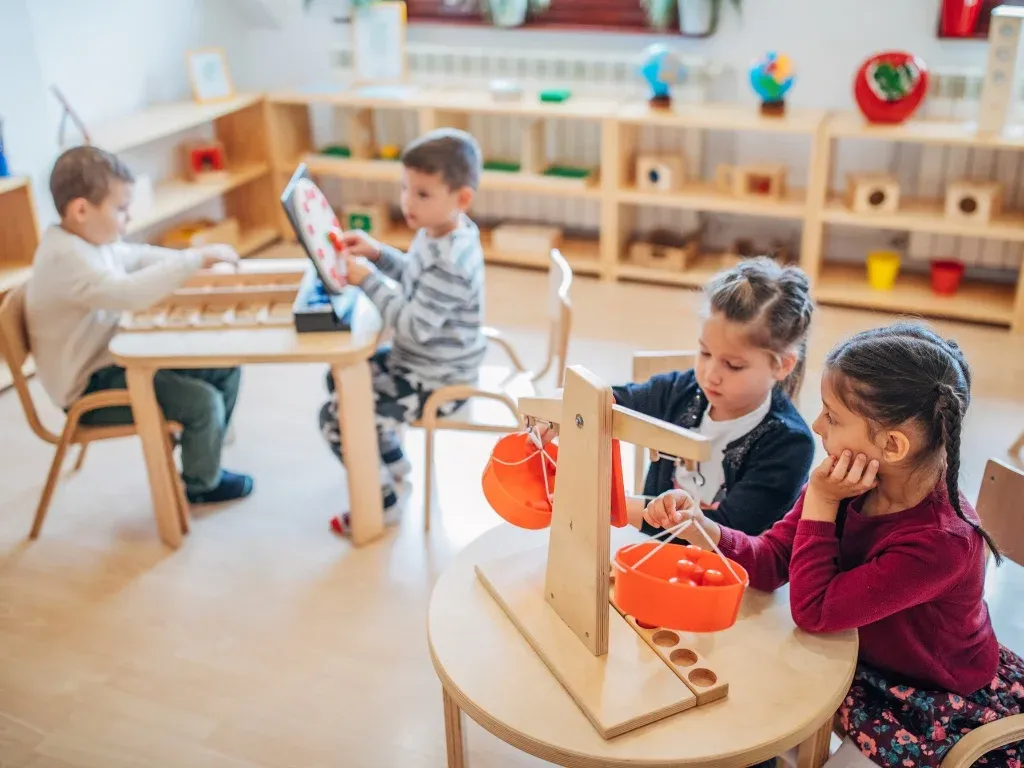
Three-year-olds are naturally curious and ready to learn, but finding quality educational materials that match their developmental stage can be challenging. Parents need worksheets that capture their children's attention while building essential skills such as shape recognition, letter tracing, and number familiarity. The right free preschool worksheets for ages 3-4 can transform everyday moments into valuable learning opportunities through engaging activities that feel more like play than work. Quality resources should focus on fine motor development, basic academic concepts, and creative expression without overwhelming young learners.
Rather than spending hours searching multiple websites or purchasing expensive workbooks that children quickly outgrow, parents can access comprehensive collections of age-appropriate materials in one place. The best educational resources offer variety, from alphabet practice sheets to simple counting games and creative templates that build confidence while developing crucial pre-academic skills. For parents seeking extensive options that grow with their child's abilities, 38,426+ FREE Coloring Pages provides instant access to customizable worksheets and activities designed specifically for preschool development
Summary
- Preschool worksheets build foundational skills when used in short, focused bursts of 5 to 10 minutes rather than prolonged sessions. A 2023 study published by the American Academy of Pediatrics found that children who engage in brief, structured activities alongside play-based learning show stronger task persistence by age five, but the researchers emphasized that prolonged seat time backfires while short practice sessions teach focus without frustration.
- Fine motor skill development through tracing, coloring, and cutting along dotted lines lays the foundation for handwriting and safe use of scissors. Most parents underestimate how much coordination it takes to draw a straight line or color inside a shape, skills that require hand-eye coordination, grip strength, and spatial awareness that transfer directly to buttoning shirts, tying shoes, and eventually writing their name.
- Phonemic awareness predicts early reading success more reliably than memorizing the entire alphabet. According to research published by the National Institute for Literacy in 2008, the ability to hear and recognize sounds in words matters more at ages three and four than drilling letters, which means worksheets showing pictures that start with the same sound build stronger literacy foundations than passive letter tracing alone.
- Repetition through varied formats prevents boredom while strengthening memory. Research from early childhood frameworks shows that spaced repetition in short bursts strengthens memory without causing frustration, so revisiting the same concept, like counting to five, through different worksheet types (coloring pages one day, matching games the next) keeps children engaged long enough to absorb the lesson without tuning out.
- The traditional model of buying expensive workbooks wastes money because half the pages are too easy, while the other half are too hard for a child's actual readiness level. Parents spend money on rigid materials that gather dust rather than adapting to their child's pace, creating clutter that doesn't support responsive learning that matches developmental stages.
- My Coloring Pages addresses this by offering 38,426+ free coloring pages that parents and teachers can access instantly to print exactly what their child needs today (alphabet tracing, counting games, emotion coloring sheets) and move on when they're ready for something new.
Importance of Preschool Worksheets
Preschool worksheets help reinforce early learning concepts, build fine motor skills, and teach children to follow instructions in short, focused bursts (5 to 10 minutes). The key is understanding their strengths and limitations.
🎯 Key Point: Worksheets work best as targeted practice tools, not comprehensive learning systems. Keep sessions brief and age-appropriate to maintain your child's engagement and interest.
"The most effective early learning happens in 5-10 minute focused sessions rather than extended worksheet marathons." — Early Childhood Education Research
Some worksheets are overpriced—$30 curriculum bundles marketed as "kindergarten readiness systems" for three-year-olds are excessive. But dismissing worksheets entirely because some are expensive is like rejecting books for the same reason. The tool itself isn't the problem; it's how we choose and use it.
💡 Tip: Look for simple, single-concept worksheets that cost under $5 or find free printables online. Your preschooler needs practice, not premium packaging.

How do worksheets bridge play and structured learning?
Worksheets give preschoolers a structured way to practice what they're already learning through play. Letter recognition, counting to ten, and identifying shapes and colours become concrete when a child has stacked blocks, sorted toys, or sung the alphabet song. A simple tracing sheet connects what they know with what they can do with a pencil.
What makes worksheets feel like play instead of pressure?
The National Association for the Education of Young Children emphasizes play-based learning without rejecting structured activities; they reject pressure. A child spending two hours on worksheets experiences school. A child spending seven minutes tracing circles before building a fort experiences a game with a clear beginning and end.
Building Focus in Small, Manageable Doses
Attention span at age three or four is short, but worksheets teach valuable skills, such as staying with a task until completion. Finishing a single page—whether matching animals or colouring inside the lines—gives children a sense of closure and builds confidence in ways open-ended play sometimes doesn't.
A 2023 study by the American Academy of Pediatrics found that children engaging in brief, structured activities alongside play-based learning show stronger task persistence by age five. The key is "brief": prolonged seat time backfires. Five minutes of tracing letters teaches a child to sit still, pay attention, and follow steps without frustration.
Fine Motor Skills That Transfer Everywhere
Tracing, colouring, and cutting along dotted lines build the foundation for handwriting, scissor safety, and object manipulation. A three-year-old who struggles to hold a crayon will likely struggle with a pencil later. Worksheets provide repetitive, low-stakes practice that strengthens the small muscles in hands and fingers.
Drawing straight lines and colouring inside shapes requires hand-eye coordination, grip strength, and spatial awareness. Children who practice these skills develop muscle memory that transfers to buttoning shirts, tying their shoes, and writing their name.
Teaching Independence Through Predictable Tasks
Unlike play, which changes directions constantly, worksheets have clear rules: match the shapes, circle the red objects, trace the dotted line. This predictability teaches children to work independently for extended periods without constant supervision or redirection. They can understand expectations and attempt tasks independently.
This builds autonomy, not academic rigor. When children complete a worksheet without help, they feel capable, which matters more than perfect letter tracing.
How do worksheets make learning visible for parents and teachers?
Worksheets create a tangible record showing progress. Parents can see whether their child knows numbers, understands patterns, or can follow multi-step instructions. Teachers use them to identify which skills need more practice and which are already strong.
How have modern platforms changed the worksheet model?
The old way of doing preschool worksheets involved expensive workbooks that parents bought once and used until their child outgrew them or lost interest. Websites like 38,426+ Free Coloring Pages change that by offering thousands of customizable, age-appropriate printables parents can access immediately.
Instead of buying a $25 workbook where half the pages are too easy, and half are too hard, you print exactly what your child needs today: alphabet tracing, counting games, or simple colouring templates, and move on when they're ready for something new.
How do children learn through repetition without getting bored?
Young children learn through repetition but get bored easily. Worksheets let you revisit the same concept—like counting to five or identifying circles—in different formats: one day, a colouring page; the next, a matching game. The skill stays the same, but the presentation changes enough to maintain interest.
Research from early childhood frameworks shows that spaced repetition in short bursts strengthens memory without causing frustration. The key is variety: if every worksheet looks identical, a child will tune out, but if each feels slightly different, they stay engaged long enough to absorb the lesson.
What happens when you choose the wrong worksheets?
Not all worksheets are created equal; picking the wrong ones can undo everything you're trying to build.
What Kind of Preschool Worksheets to Use for 3-4 Year Olds
At ages three and four, worksheets should be visual, simple, and focused on core skills. According to developmentally appropriate practice guidelines from the National Association for the Education of Young Children (2020), early learning at this stage should support motor skills, language exposure, and cognitive flexibility, not heavy instruction or memorization drills.
"Early learning at this stage should support motor skills, language exposure, and cognitive flexibility, not heavy instruction or memorization drills." — National Association for the Education of Young Children, 2020
🎯 Key Point: Age-appropriate worksheets for 3-4 year olds prioritize visual engagement and skill-building over academic pressure.
🔑 Takeaway: The NAEYC guidelines emphasize that developmentally appropriate activities at this age focus on foundational skills rather than formal instruction, making simple, visual worksheet designs essential for effective learning.

What makes worksheets effective for young learners?
The right worksheets are bold, colorful, and forgiving. They ask a child to trace a wavy line, match a picture to its shadow, or circle all the red objects on a page. They don't require reading, demand perfection, or overwhelm; instead, they give a child something clear to do, a way to practice control, and a sense of completion when finished.
Fine Motor Skill Worksheets (Most Important)
Making hand muscles stronger is more important than learning letters at this age. A three-year-old who cannot hold a crayon comfortably will struggle to control a pencil later.
What activities build fine motor skills effectively?
Worksheets focusing on tracing straight and curved lines, and on basic shapes like circles, squares, and triangles, build the small-muscle movements that writing requires. Large, bold coloring areas give children space to practise staying inside boundaries without frustration. Simple cut-and-paste activities teach scissor control and hand-eye coordination.
Why does skipping fine motor development cause problems?
Without strong fine motor skills, later writing becomes frustrating. A child who skips this stage often starts kindergarten unable to form letters smoothly, and that gap is harder to close than most parents expect.
Basic Shape and Color Recognition
Worksheets that ask children to match shapes, circle objects of a certain colour, or sort items by size teach observation and categorisation. Children in the preoperational stage learn best through images and symbols rather than abstract language. A worksheet showing three red apples and two blue balls, then asking a child to circle the red ones, reinforces colour recognition without requiring reading.
Pattern recognition worksheets teach the same skills through sequences. A simple pattern like circle, square, circle, square, with a blank space, builds logic and prediction skills without feeling like a test.
Early Number Awareness (Not Formal Math)
Good number worksheets for this age include counting objects up to five, matching numbers to groups, and tracing large numerals. A page with three ducks and the number 3 below them teaches recognition, not calculation. The goal is to help children understand that numbers represent quantities.
Avoid worksheets with timed math, large numbers, or multi-step problems. A four-year-old needs to look at a picture of five apples and recognize that the numeral 5 matches that group: that's the foundation. Rushing past it creates confusion later.
Pre-Literacy Activities (Not Reading Pressure)
Good pre-literacy worksheets include matching uppercase letters, identifying beginning sounds with pictures, or tracing large alphabet letters. A worksheet showing a picture of an apple next to the letter A, with a prompt to circle other pictures that start with the same sound, builds phonemic awareness without forcing reading.
Language exposure through conversation and storytelling is more powerful than worksheets at this age. A child who hears rich vocabulary daily will develop literacy faster than one who spends 30 minutes tracing letters in silence. Worksheets should support what's already happening through talk, not replace it.
What makes matching and sorting activities effective for preschoolers?
Worksheets that ask children to match animals to their homes, sort fruits from vegetables, or spot the differences in images encourage observation and attention. Shadow matching, where a child draws a line from an object to its silhouette, builds spatial reasoning. These activities feel like puzzles rather than schoolwork.
How do modern worksheet platforms improve on traditional workbooks?
The old approach to preschool worksheets involved buying thick workbooks with a predetermined sequence of activities that rarely matched a child's readiness to learn. Half the pages felt too easy, and half felt too hard.
Platforms like 38,426+ Free Coloring Pages offer thousands of customisable printables for different ages. Parents and teachers can access them instantly. Instead of spending $30 on a workbook, you print exactly what your child needs today and switch to something new when they're ready.
What to Avoid at This Age
Skip worksheets that require reading instructions, involve multiple steps, or demand precision beyond a preschooler's ability. Avoid anything resembling a test: twenty math problems, small print, or complex directions will frustrate a three-year-old and teach them that learning feels hard and boring.
Also, avoid worksheets that mix multiple skills. A page combining letter tracing, number counting, and shape sorting confuses rather than clarifies. One skill per page keeps things manageable.
But picking the right worksheets is only half the equation; how you use them matters as much as what's printed on the page.
Related Reading
- Preschool Activities
- Preschool Worksheets
- What Age Is Preschool
- Preschool Curriculum
- Preschool Age Range
- Preschool Vibes
- Preschool Homeschool Curriculum
- Preschool Games
- Worksheets For Preschool
- Preschool Education
- Preschool Books
- What Age Do Kids Start Preschool
- Preschool Graduation
- Free Name Tracing Worksheets for Preschool
- Preschool Backpack
- All About Me Preschool
- Free Preschool Worksheets
- Preschool Self Defense
- What Should a Child Learn in Preschool
- Preschool vs Pre K
- Sight Words for Preschool
- Free Printable Preschool Worksheets Tracing Letters
- First Day of Preschool
- Preschool Math Worksheets
- Preschool Valentine Crafts for Parents
- Preschool Graduation Gifts
- Preschool Toys
- What Age Is Preschool and Kindergarten
- Preschool Quotes About Play
25+ Ideas for Preschool Worksheets Age 3–4
Worksheets for three and four-year-olds work best when they focus on one skill, use bright visuals, and finish quickly. The activities below build foundational abilities through repetition, targeting specific developmental areas from letter recognition to emotional understanding. Each worksheet should take five to ten minutes to complete.
🎯 Key Point: Keep worksheets simple and focused - preschoolers learn best when they can master one concept at a time without feeling overwhelmed.

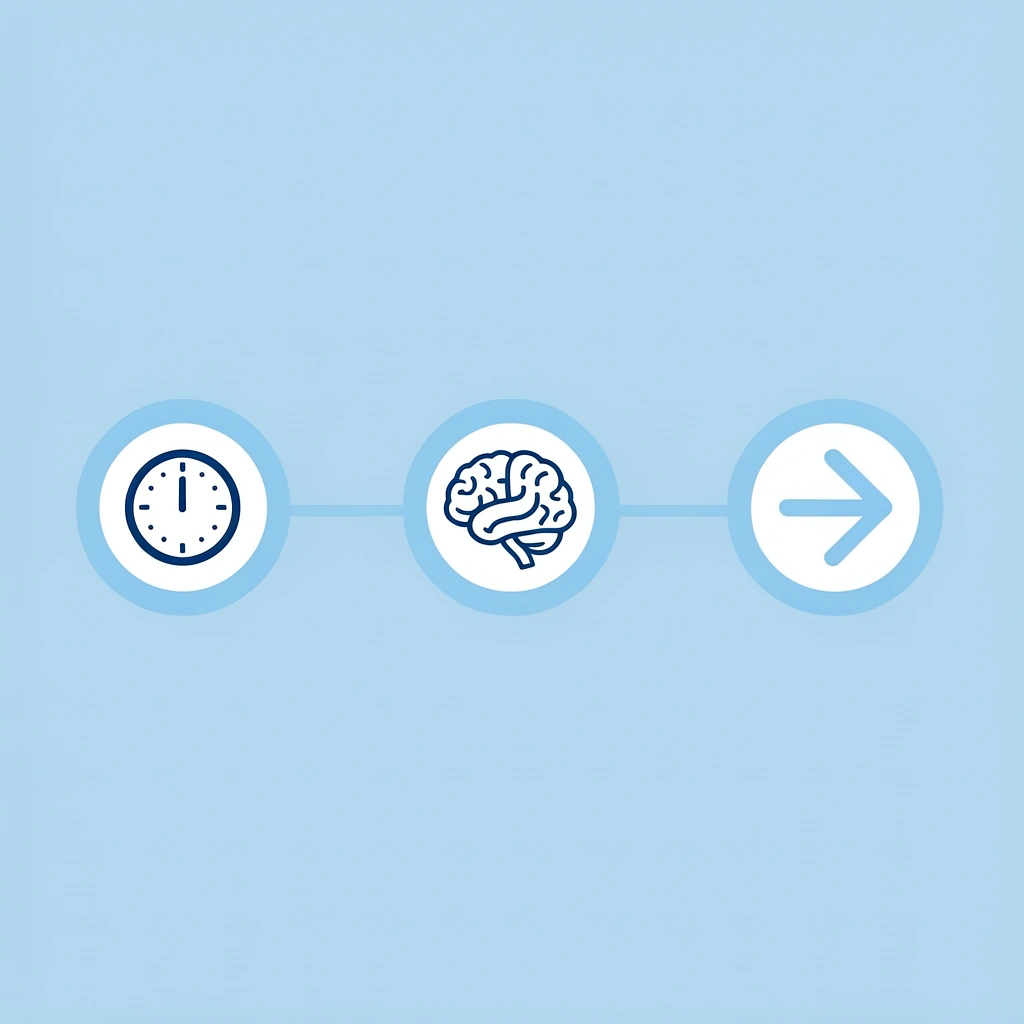
"The optimal attention span for preschoolers is 3-5 minutes per focused activity, making short, engaging worksheets the most effective learning tool." — Early Childhood Education Research, 2023
💡 Tip: Always include visual cues and colorful illustrations to maintain engagement - preschoolers are naturally drawn to bright, stimulating materials that make learning feel like play.
Timeline showing the 3-5 minute optimal attention span for preschoolers
Literacy and Language Worksheets
1. Alphabet Tracing Sheets
Large, dotted letters (both uppercase and lowercase) build muscle memory. A child who traces the letter B multiple times across worksheets internalizes the shape before their brain fully understands the symbol.
2. Letter Matching Activities
Pair uppercase letters with lowercase partners using draw-a-line exercises. A worksheet might show a capital A on the left and three lowercase letters on the right (a, b, d), asking the child to connect the match. This teaches visual discrimination without requiring reading.
3. Fill-in-the-Missing-Letter Activities
A pattern like A, _, C, or a word like C_T with a picture of a cat teaches pattern recognition and letter awareness. The blank space gives children something to solve rather than passively trace.
4. Beginning Sound Worksheets
Show pictures of a ball, a banana, and a bird, then ask children to circle images that start with the B sound. This builds phonemic awareness: the ability to hear and recognize sounds in words. According to research published by the National Institute for Literacy (2008), phonemic awareness is one of the strongest predictors of early reading success.
5. Sight Word Coloring Pages
Give children coloring sheets to colour objects that match specific sight words. A page might say "Colour the cat red" with a simple line drawing. The child hears the word, sees it written, and connects it to an action, while colouring reinforces language processing.
6. Story Sequencing Worksheets
Three or four simple images tell a short story: a seed is planted, it grows, and a flower blooms. Children cut out and paste pictures in order. This teaches narrative structure and logical thinking without requiring words.
7. Word-Picture Matching
A worksheet shows the word "cat" on one side and three images on the other: a cat, a dog, and a bird. The child draws a line to the correct picture, learning that written symbols represent specific things in the world.
Math and Early Numeracy Worksheets
8. Number Tracing Sheets
Dotted numbers from 1 to 20 build fine motor precision through muscle memory. The number 8, with its two loops, requires more control than the number 1—a precision essential for later maths work.
9. Counting Objects Worksheets
A page shows five apples. The child counts them and writes the number 5 in a box. This connects the abstract numeral to a concrete quantity. Some children can recite numbers to ten but don't understand that "three" means three actual things. These worksheets help close that gap.
10. Dot-to-Dot Number Activities
Connecting numbered dots to reveal a hidden picture (a star, a house, a dog) teaches number sequence and hand control. The visual reward keeps children engaged longer than straight tracing.
11. Number Matching Exercises
Match the numeral 4 to a group of four ducks. Match the numeral 2 to a pair of shoes. This reinforces one-to-one correspondence: the understanding that each number represents a specific amount.
12. Simple Picture Addition Worksheets
Two apples plus one apple equals three apples. The worksheet shows images alongside equations. At this stage, addition is visual and concrete. A child counts all the objects and writes the number rather than solving 2 + 1 abstractly.
13. Shape Recognition Activities
Circle all the triangles. Colour the squares blue. Trace the rectangle. A child who identifies a circle in multiple contexts (a wheel, a ball, a clock face) understands the concept better than one who sees it only once.
14. Pattern Completion Worksheets
Red circle, blue square, red circle, blue square, then a blank space. The child fills in the next part. Patterns teach prediction and logic: the foundation for algebra.
Creativity and Fine Motor Worksheets
15. Color-by-Letter or Color-by-Number Pages
Each section of a picture is labelled with a letter or number. The key at the top indicates "A = red, B = blue." The child follows the code to reveal the final image, combining letter or number recognition with sustained attention and colour control.
16. Shape Tracing Worksheets
Circles, squares, triangles, and wavy lines provide low-pressure practice in controlling a pencil. The shapes are large and forgiving: a wobbly circle still looks like a circle, keeping frustration low.
17. Cut-and-Paste Collage Activities
A worksheet might show an outline of a tree. The child cuts out pre-drawn leaves and glues them onto the branches, teaching scissor safety, spatial planning, and the satisfaction of building something piece by piece.
18. Design-Your-Own Worksheets
A blank page with a simple prompt: "Draw your favourite animal" or "Draw what you ate for breakfast." These worksheets give children creative control with no wrong answers. The goal is self-expression, not accuracy.
19. Sticker or Stamp Placement Activities
A worksheet shows numbered or lettered boxes. The child places a sticker in the box labeled "3" or stamps a shape in the section marked "B," combining recognition with fine motor precision in a way that feels like play.
The old way of preschool learning meant buying expensive workbooks that didn't adapt to a child's pace. Platforms like 38,426+ Free Coloring Pages change that by offering thousands of customizable, age-appropriate printables that parents and teachers can access immediately.
Instead of following a strict curriculum, you print exactly what your child needs today and move on when they're ready for something new. It's responsive rather than prescriptive, treating worksheets as tools rather than textbooks.
Critical Thinking and Problem Solving Worksheets
These worksheets challenge preschoolers beyond simple recognition and recall, introducing logical reasoning and analytical thinking skills.
20. Maze Worksheets
A simple path from a bunny to a carrot, with a few dead ends along the way. Mazes teach spatial reasoning and planning by requiring children to think ahead rather than follow the first visible path.
21. Sorting Worksheets
Put animals into groups like land animals and water animals, or organize objects by size. Sorting teaches categorization: the ability to group things by what they have in common.
22. Matching Opposites Activities
Draw a line from "big" to "small," "hot" to "cold," "happy" to "sad." These worksheets teach children that ideas exist in relation to each other.
23. Spot-the-Difference Worksheets
Two nearly identical pictures with three or four small differences. The child circles what's changed, building attention to detail and visual scanning skills.
24. What-Comes-Next Sequences
A row of shapes, colours, or numbers with a blank space at the end. The child fills in the missing piece, learning to predict and reason logically through the puzzle format.
Social and Emotional Worksheets
25. Emotion Coloring Sheets
Faces showing different emotions (happy, sad, angry, surprised) with labels underneath. The child colours each face and discusses when they've felt that way. This builds emotional vocabulary: the ability to name feelings instead of simply experiencing them.
26. Kindness Chart Worksheets
A simple grid where a child draws a smiley face or places a sticker each time they do something kind—sharing a toy, helping clean up, or saying thank you. This makes positive behaviour visible and gives children a sense of accomplishment beyond schoolwork.
27. All-About-Me Worksheets
Prompts like "Draw your family," "What's your favourite food?" or "What makes you happy?" give children space to reflect on their own lives and teach self-awareness.
Related Reading
- Spring Bulletin Board Ideas For Preschool
- Preschool Art Activities
- Preschool Tracing Worksheets
- Preschool Bulletin Board Ideas
- Daycare Vs Preschool
- Preschool Science Experiments
- Creative Curriculum For Preschool
- Preschool Craft Ideas
- Preschool Learning Activities
- Noah's Ark Preschool
- Free Preschool Games
- Preschool Learning Games
- Preschool Playground Equipment
- Christmas Crafts Preschool
- Preschool Assessment
- Preschool Sight Words
- Playing Preschool Curriculum
- How To Become A Preschool Teacher
- Preschool Lesson Plan Template
- Preschool Crafts
- Preschool Prep
- Preschool Classroom Layout
- Turkey Craft Preschool
- Preschool Math Activities
Where to Find Free Preschool Worksheets Age 3–4
The internet has thousands of free preschool worksheets, but many websites offer low-quality PDFs, broken links, and paywalls. The best sources provide instant access, clear pictures, and the ability to print what you need without subscriptions or unwanted content.

🎯 Key Point: Not all free worksheet sites are created equal - focus on quality over quantity when selecting your primary sources for age 3-4 activities.
"Quality educational resources should be accessible and user-friendly for both parents and children." — Early Childhood Education Research, 2023

💡 Tip: Bookmark 3-5 reliable sites that consistently offer high-resolution PDFs and age-appropriate content rather than searching randomly each time you need new worksheets.
My Coloring Pages Custom Coloring Worksheets in Seconds
My Coloring Pages lets you create custom printable coloring pages by describing what you need or uploading pictures. Parents and teachers can browse our 38,426+ free community-shared coloring pages or design their own worksheets and coloring books tailored to specific learning goals.
How do coloring pages support early learning development?
Coloring pages help children learn early skills like shapes, letters, and numbers while building fine motor control through tracing and colouring. A child who traces a large letter A practises pencil grip and letter recognition simultaneously. The activity feels like play rather than instruction, keeping frustration low and engagement high. Trusted by over 20,000 parents and rated 4.8/5, My Coloring Pages offers a screen-free complement to traditional worksheets.
What does Education.com offer for preschoolers?
Education.com provides tracing, counting, shapes, and early letter worksheets with bold visuals and clear instructions. The site organizes content by skill level, allowing you to filter for age three or four and avoid overly advanced worksheets. Pair these with custom coloring pages from My Coloring Pages to reinforce concepts through different formats.
How can Twinkl help test your child's preferences?
Twinkl offers sample worksheets for matching, sequencing, and colouring activities. The free tier provides enough variety to test whether your child responds better to animal-themed or shape-focused worksheets.
What makes Teachers Pay Teachers worksheets unique?
Teachers Pay Teachers offers free worksheets created by teachers for tracing, sorting, and alphabet practice. Quality varies because individual teachers upload materials, but top-rated free resources are comparable to those of paid options. A worksheet asking a child to trace the letter B pairs well with a coloring page featuring objects that start with B (ball, banana, bird). This strengthens memory by using different formats.
What government resources offer free preschool worksheets?
Head Start provides free, research-backed printables for literacy, numeracy, and social-emotional skills designed by early childhood educators. These worksheets focus on foundational abilities—recognizing emotions, counting to five, and identifying basic shapes—and support children who need extra help in specific areas.
How do family-focused worksheets enhance learning?
The National Center for Families Learning offers educational printables that focus on family involvement through parent prompts such as "Ask your child to name three things they see in this picture" or "Talk about what happens next in this story." This approach transforms worksheet time into conversation time, building language skills faster than silent practice.
How can coloring pages reinforce worksheet concepts?
Use My Coloring Pages with these resources to reinforce learning through a different sensory experience. A child who completes a Head Start worksheet on counting apples can then colour a custom page with five apples, strengthening the concept.
How do DIY worksheets work with coloring pages?
Pair homemade worksheets with custom coloring pages to boost engagement. Trace a shape or letter on plain paper, then let your child color a larger, decorative version. Turn counting exercises into coloring by creating a page with numbered objects matching the worksheet's theme—a worksheet about counting ducks becomes more engaging when followed by a coloring page showing five ducks in a pond.
Why does this approach maintain focus better?
This approach reinforces learning while maintaining focus. A three-year-old who loses interest after a five-minute worksheet stays engaged longer when the worksheet leads to a coloring page that continues the same theme. The activity feels fresh, though the skill being practised remains the same.
But access to free worksheets doesn't solve the deeper question: how do you turn these printables into something your child wants to do?
Make Preschool Learning Fun, Creative, and Affordable
A perfectly designed worksheet means nothing if it sits untouched on the kitchen table. The trick is pairing structured practice with activities that feel less like school and more like play. When a worksheet leads into a coloring page, cutting activity, or game you can play together, learning continues in a format that holds their attention longer.
🎯 Key Point: The best educational materials fail without engagement—pair structured learning with playful activities.
My Coloring Pages solves the core problem most parents face: finding age-appropriate materials that match where their child is right now. Instead of buying a $30 workbook where half the pages are too easy, and half are too hard, you create custom coloring pages in seconds that reinforce skills (letters, numbers, shapes, fine motor control) through an activity kids enjoy. Our collection of 38,426+ free community pages provides instant access to diverse designs, or you can design personalized sheets that turn tracing, matching, or counting into screen-free play. Trusted by over 20,000 parents and rated 4.8/5, My Coloring Pages keeps early learning engaging without spending money on materials that gather dust.
"Instead of buying a $30 workbook where half the pages are too easy and half are too hard, you create custom coloring pages in seconds that reinforce the same skills through an activity kids already enjoy." — My Coloring Pages Solution
💡 Tip: Look for learning tools that let you customize difficulty levels. This ensures your child stays challenged but not frustrated, maximizing engagement and skill development.