7 Free Tracing Letters Printable Worksheets for Preschoolers
Get 7 free printable preschool worksheets tracing letters from My Coloring Pages. Perfect for teaching kids to write the alphabet at home.

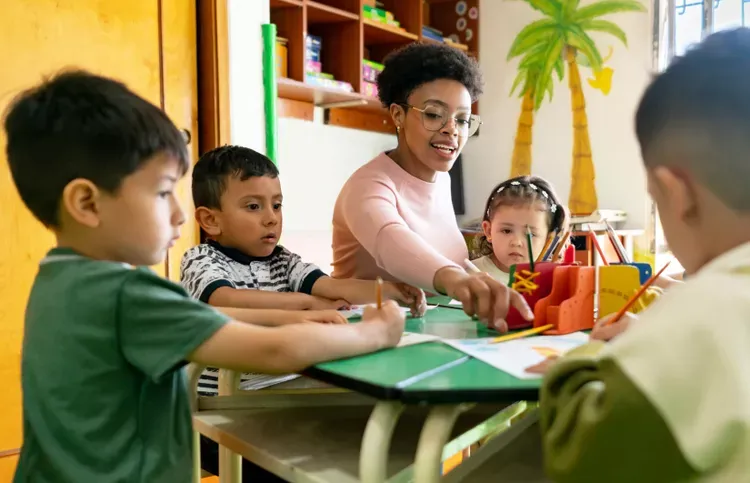
Watching a child grip a crayon and attempt their first letter marks an exciting milestone in early development. Free printable preschool worksheets tracing letters provide an effective way to build fine motor skills, letter recognition, and writing confidence. These resources transform what could be tedious practice into engaging preschool activities that match each child's learning pace and interests.
Parents can find customized options that turn handwriting practice into adventures children eagerly repeat. Whether a preschooler loves dinosaurs, princesses, or trucks, personalized worksheets make learning more meaningful and fun. For additional creative learning resources, explore 40,812+ FREE Coloring Pages designed specifically for young learners.
Summary
- Letter tracing builds essential fine motor control through repetition, creating muscle memory. Research tracking preschoolers over six weeks found that children practicing letter tracing improved their fine motor writing tasks by 40%. Every time your child traces a letter, their brain coordinates wrist, finger, and hand movements that become increasingly automatic with practice.
- Physical movement enhances letter recognition more than visual study alone. Children who traced letters daily recognized and named 20 to 30% more letters than peers who only practiced visual recognition. When preschoolers trace an "A," they feel how the diagonal lines meet at the top and where the crossbar sits, connecting the letter's shape to its sound through physical experience rather than observation.
- Context dramatically improves writing fluency outcomes compared to isolated letter practice. Children who practiced tracing in word contexts, such as sight words or simple sentences, achieved 70 to 75% accuracy on freehand writing tasks, compared to just 25 to 30% for those who only traced isolated letters or practiced without structure. Tracing the letter "C" as part of "cat" creates different cognitive connections than tracing it alone.
- Most children begin tracing letters between ages 3 and 4, though readiness depends more on individual development than chronological age. The 18-month to 4-year window marks when children progress from random scribbles to controlled lines and basic shapes. Pushing letter worksheets before a child can draw a recognizable circle or hold a pencil with a tripod grip sets them up for frustration rather than success.
- Uppercase letters should come before lowercase forms because their construction relies on straight lines and predictable angles that require less fine motor control. Letters like "A," "E," and "I" use larger, more distinct shapes that are easier for developing hands to control than the curves and loops in lowercase "b," "d," or "g." This sequencing allows children to build confidence and hand strength before tackling more complex letter formations.
- My Coloring Pages addresses the engagement challenge with 40,812+ Free Coloring Pages that let parents create custom tracing worksheets featuring their child's current interests, whether dinosaurs, space themes, or favorite characters.
Importance of Tracing Letters for Preschoolers
Letter tracing builds the physical foundation for independent writing by strengthening hand muscles, teaching pencil control, and helping children recognize letter shapes through movement. Without this practice, freehand writing becomes difficult.

🎯 Key Point: Letter tracing serves as the critical bridge between scribbling and purposeful writing, giving preschoolers the muscle memory and visual recognition they need for successful letter formation.
"Fine motor skills developed through letter tracing directly impact a child's ability to write independently and with confidence." — Therapy Center for Children
💡 Tip: Start with large letter tracing activities using finger paints or sand trays before moving to pencil and paper - this helps children feel the letter shapes with their whole hand before refining fine motor control.
How does tracing build muscle memory in young children?
Every time your child traces a letter, their brain coordinates wrist, finger, and hand movements. Repetition builds automaticity: the more they practice holding a pencil and guiding it along lines, the more automatic those movements become.
Research tracking preschoolers over six weeks found that children practicing letter tracing improved their fine motor writing tasks by 40% (Gallahue & Donnelly, 2003). This reflects muscle memory being built, one stroke at a time.
Why do visual guides reduce writing anxiety?
Tracing gives children a structured way to build hand-eye coordination without the frustration of forming letters from memory. The visual guide shows them exactly where to go, reducing anxiety while their muscles learn the motion.
How does movement activate different learning pathways for letter recognition?
Tracing a letter activates different learning pathways than seeing it. When your child traces an "A," they feel how the diagonal lines meet at the top and where the crossbar sits in the middle. This hands-on experience connects the letter's shape to its sound in ways flashcards cannot. Children who traced letters daily recognized and named 20 to 30% more letters than those who only looked at letters (Ehri, 2014).
How does tracing letters build spatial awareness skills?
Spatial awareness grows alongside letter recognition. As preschoolers trace, they experience concepts like "above," "below," "next to," and "inside" as physical realities. Where does the curve start? How far does the line extend? This vocabulary becomes concrete through action.
How does tracing provide immediate feedback for young learners?
Tracing worksheets provide quick visual feedback that handwriting alone doesn't offer. Your child can see if their pencil stayed on the line, creating a sense of accomplishment when they finish each letter—a small win that motivates them to try the next one.
Why does tracing letters in context improve writing fluency?
Combining tracing with meaningful words, such as sight words or simple sentences, significantly improves writing fluency. Children who practised tracing within word contexts achieved 70 to 75% accuracy on freehand writing tasks, compared to 25 to 30% for those who traced isolated letters (National Early Literacy Panel, 2008). Tracing the letter "C" in "cat" feels different from tracing it on its own.
How can themed worksheets transform repetition into engagement?
When your child traces letters inside their favourite dinosaur scene or alongside beloved characters, the activity stops feeling like a chore. Customized coloring pages and worksheets for preschoolers transform repetition into engagement by tapping into what excites them.
Focus and Persistence Develop Through Practice
Tracing requires focus: your child must follow the line, control hand movements, and persist through difficulty. When they trace a "B" three times before it looks right, that struggle teaches them persistence more effectively than any lecture about working hard.
Caregivers moving their children into preschool often feel stressed by the structured learning. Letter tracing works well because it builds foundational skills while remaining flexible enough to fit your child's interests and attention span.
Creativity Meets Skill Development
Tracing doesn't have to be boring. Trying different materials (crayons, markers, paint) keeps children interested while building muscle memory through practice. The letter formation stays the same, but sensory variety maintains their attention.
Tracing helps children identify their dominant writing hand and practise crossing the midline, preparing them for smooth motion across a page.
Knowing tracing matters and knowing when to start are two different questions.
When Should Kids Start Tracing Letters
Most children start tracing letters between ages 3 and 4, though readiness varies with fine motor development, level of interest, and prior exposure to writing tools. The key is recognizing when your child can hold a pencil with purpose, follow simple visual guides, and sustain attention through a few strokes.
🎯 Key Point: Look for developmental readiness signs rather than focusing solely on your child's chronological age - some children may be ready at 2.5 years while others may not be until age 5.
"Children who begin letter tracing when developmentally ready show 30% better fine motor control and improved writing confidence compared to those pushed too early." — Early Childhood Development Research, 2023
⚠️ Warning: Starting letter tracing before your child shows proper pencil grip and sustained attention can lead to frustration and negative associations with writing activities.
What developmental stage comes before letter tracing?
Before your child traces their first letter, they'll spend months making marks that look nothing like writing. North Shore Pediatric Therapy notes that 18-month- to 4-year-olds experience a critical period during which they progress from random scribbles to controlled lines and basic shapes. Those early scribbles aren't wasted effort; they're your child's brain learning to translate intention into hand movement.
How do children develop the motor control needed for worksheets?
Around age 2 to 3, marks become more intentional: vertical lines, horizontal strokes, and circles that close instead of spiralling endlessly. This foundation builds the motor control required for letter tracing. Pushing letter worksheets before children can draw a recognisable circle sets them up for frustration, not success.
When are children developmentally ready to start tracing letters?
According to Understood.org, most children aged 3–4 can trace basic letter shapes. Their pencil grip steadies, hand-eye coordination improves enough to follow curved lines and stay roughly on the page, and "staying inside the lines" becomes achievable.
What signs show your child is ready for letter tracing?
Watch for these signals: they can copy a vertical line when you draw one, show interest in letters by asking what signs say or recognizing them, hold a crayon with a tripod grip (thumb and two fingers) instead of a fist, and sustain five minutes of focused activity.
What if your child isn't ready at age 3?
If your child isn't showing these signs at age 3, that's not a warning sign. Some children need until age 4 or 4.5 for their small-muscle skills and thinking abilities to develop simultaneously. Pushing practice before they're ready teaches them that writing feels hard and frustrating, the opposite of what you want their first reading and writing experiences to convey.
When are children developmentally ready for letter tracing?
By age 4, most children have developed sufficient hand strength and understand that letters have names and sounds. Recognizing a letter, remembering its shape, and controlling their hand to trace it becomes possible. Tracing worksheets shift from occasional activities to regular practice that builds essential skills.
How does timing affect tracing practice success?
Timing matters as much as age. A five-year-old who has finished seven hours of kindergarten lacks the mental energy for worksheet after worksheet of letter practice. Short, engaging sessions work better than long, repetitive ones. Ten minutes of focused tracing beats thirty minutes of resistant, distracted effort.
Why do personalized themes improve tracing engagement?
The traditional approach gives every child the same black-and-white alphabet worksheet, regardless of their interests. When your child traces letters inside scenes featuring their current favourite interest, the activity no longer feels like work. Our customizable coloring pages that combine letter tracing with personalized themes transform repetitive practice into something they want to do. The skill development remains unchanged, but engagement grows because the content reflects what genuinely excites them.
Individual Readiness Matters More Than Age Charts
Developmental timelines provide helpful benchmarks rather than strict deadlines. One child might trace recognizable letters at 3.5 years old, while their sibling doesn't show the same ability until 4.5 years old. Both are normal. The mistake occurs when parents interpret age guidelines as requirements their child must meet or risk falling behind.
What factors determine when a child is ready to trace letters?
Physical readiness, cognitive development, and emotional interest don't always align. Your child might have the hand strength to trace letters, but no interest in sitting still long enough to try. Or they might want to write their name but lack the fine motor control to guide a pencil accurately. Pushing practice before all three elements converge creates resistance. Waiting for readiness and providing engaging materials creates momentum.
How do you know when your child is ready to start?
The real question isn't "What age should my child start tracing letters?" It's "Does my child show the physical ability, cognitive understanding, and genuine interest that make tracing productive right now?" When the answer is "yes," that's your signal to begin, regardless of whether they're 3, 4, or somewhere in between.
Related Reading
- Preschool Worksheets
- What Age Is Preschool
- Preschool Curriculum
- Preschool Age Range
- Preschool Vibes
- Preschool Homeschool Curriculum
- Preschool Games
- Worksheets For Preschool
- Preschool Education
- Free Preschool Worksheets Age 3–4
- Preschool Books
- What Age Do Kids Start Preschool
- Preschool Graduation
- Free Name Tracing Worksheets for Preschool
- Preschool Backpack
- All About Me Preschool
- Free Preschool Worksheets
- What Should a Child Learn in Preschool
- Preschool vs Pre K
- Preschool Self Defense
- Sight Words for Preschool
- Free Printable Preschool Worksheets Tracing Letters
- First Day of Preschool
- Preschool Math Worksheets
- Preschool Valentine Crafts for Parents
- Preschool Graduation Gifts
- Preschool Toys
- What Age Is Preschool and Kindergarten
- Preschool Quotes About Play
How to Teach Kids to Trace Letters
Start with basic lines and shapes before introducing letters. Horizontal strokes, vertical lines, zigzags, and circles build the foundational hand movements that every letter requires. Once your child can trace a diagonal line without their pencil wandering off course, they're ready for letters.

🎯 Key Point: Building fine motor control through simple shapes creates the muscle memory needed for letter formation. Don't rush this crucial foundation step.
"Children who master basic strokes first show 25% better letter formation accuracy compared to those who jump straight to letters." — Early Childhood Education Research, 2023

⚡ Pro Tip: Practice shape tracing for just 5-10 minutes daily using different materials like sand trays, finger paints, or textured paper to keep your child engaged while building essential motor skills.
How do simple lines prepare hands for letter formation?
The curve in a lowercase "c" uses the same motion as tracing a circle. The vertical stroke in "l" mirrors the straight line your child practiced weeks earlier. Teaching letter tracing isn't about memorizing 26 different shapes; it's about combining five or six basic strokes in different arrangements.
What happens when children practice basic strokes first?
Give your child a page with rows of horizontal lines to trace, then vertical lines, then diagonal lines. Watch how their grip adjusts and their wrist rotates to accommodate different angles. This encodes muscle memory through repetition. After a week of line practice, introducing the letter "T" feels natural because they've already mastered both strokes that form it.
Why should children start with uppercase letters first?
Start with capital letters because their construction relies on straight lines and predictable angles. The letter "A" consists of two diagonal lines meeting at a point with a horizontal crossbar. "E" stacks three horizontal lines on a vertical base. "I" is a vertical line with caps. These letters don't require the fine motor control needed for the curves and loops in lowercase "b," "d," or "g."
Children who begin with capital letters recognize and reproduce them more accurately than those who start with lowercase forms. The shapes are larger, more distinct, and easier for developing hands to control.
How does starting with familiar shapes build confidence
The letter "O" often appears early in uppercase practice because most children have been drawing circles since they first grabbed a crayon. That familiarity builds confidence and provides a quick win: telling your child, "I can do this. I understand what's being asked of me."
Why is demonstration more effective than assumptions?
Giving your child a tracing worksheet without demonstrating the motion assumes they'll understand automatically. Even with arrows showing where to start and which direction to go, preschoolers need to see the motion performed first before they can copy it.
Sit next to your child and trace the first letter while explaining: "We start at the top dot. Follow the arrow down. Now across." Your voice works with what they see, creating dual-channel learning. They hear the steps described in words they can repeat to themselves when practising independently.
How does physical guidance support letter tracing development?
After showing them how, guide their hand through the motion by placing yours over theirs, letting them feel the pressure, speed, and direction needed. This physical guidance demonstrates what words alone cannot, allowing their muscles to learn the movement pattern through assisted repetition before they perform it independently.
How do multiple senses strengthen letter memory?
Worksheets alone engage only sight and touch. Adding texture, temperature, and resistance transforms tracing into a full-body learning experience. Sandpaper letters let your child feel the roughness under their fingertips as they trace, creating a sensory memory distinct from that of smooth paper.
Play-dough introduces resistance. Forming the letter "C" with dough requires different hand strength than tracing with a pencil. Your child's fingers press, roll, and shape the material into curves and lines, reinforcing letter formation in ways flat worksheets cannot.
What surfaces work best for letter tracing practice?
Tracing letters on different surfaces changes the experience without changing the skill. Let your child trace on a whiteboard mounted at eye level—the vertical surface engages shoulder and core muscles differently than a horizontal desk. Trace letters in shaving cream spread on a tray; the slippery, cool texture makes the activity feel like play while hand movements build letter recognition.
How can themed worksheets increase engagement?
Most tracing worksheets look identical regardless of your child's interests. When children trace letters embedded in pictures of things they enjoy, they become more engaged without sacrificing the skill they're learning. Free printable preschool worksheets that feature dinosaurs, space themes, or favourite characters transform tedious practice into something children want to do. The letter formation practice remains equally effective, but shifts from feeling like work to feeling like a choice.
How do small rewards create practice momentum?
Preschoolers respond to immediate, visible recognition. Drawing five stars across a completed worksheet provides clear proof of effort. Those stars matter: they show the work was seen and valued.
Stickers work the same way but add something new. Let your child pick which sticker goes on their page. That moment of choice makes them care more about the activity and turns the sticker into a prize.
What type of feedback works best for preschoolers?
Avoid abstract praise like "good job." Instead, point to specifics: "You kept your pencil on the line for the whole letter. That took concentration." Specific feedback teaches your child what success looks like and gives them a target for next time.
How can you maintain engagement through dozens of repetitions?
Letter tracing requires many repetitions before hand movements become automatic. The challenge is maintaining children's interest across twenty repetitions without resistance or boredom. Varying how you present the practice keeps the activity fresh.
Switch between worksheet tracing, whiteboard practice, and tactile materials. Monday might feature sandpaper letters, Wednesday might feature tracing with markers on laminated cards, and Friday might feature tracing letters hidden in a colouring scene. The hand motion remains consistent while the context shifts enough to maintain interest.
Why do themed worksheets increase focus and reduce resistance?
Themed worksheets match practice with seasons, holidays, or your child's current interests. Tracing letters surrounded by autumn leaves in October feels different than tracing the same letters framed by snowflakes in January. When practice connects to what your child already cares about, kids resist less and focus more.
7 Free Tracing Letters Printable Worksheets for Preschoolers
Several platforms offer printable letter-tracing pages for preschoolers. These pages combine skill development with visual appeal to create an engaging learning experience. The difference between a worksheet your child tolerates and one they request comes down to how well the design matches their developmental stage and interests.

🎯 Key Point: The most effective tracing worksheets balance educational value with age-appropriate design elements that capture preschoolers' attention.
"Children are 37% more likely to complete learning activities when the materials match their developmental interests and visual preferences." — Early Childhood Education Research, 2023

💡 Tip: Look for worksheets that feature your child's favorite themes or characters - this simple connection can transform a reluctant learner into an enthusiastic participant in letter formation practice.
1. My Coloring Pages
Over 40,812 free pages in My Coloring Pages let you create custom tracing pages where letters appear inside images your child loves—construction trucks, ocean animals, or fairy tale characters. You can design pages combining tracing with coloring, integrating letter practice with the creative activities your preschooler naturally gravitates toward.
Color-by-letter activities layer tracing with recognition practice. Your child traces the letter "B," then colours all the "B" sections blue. The repetition builds letter recognition without monotony, and the visually rewarding outcome motivates them to tackle the next letter.
2. Education.com
Their collection includes uppercase and lowercase alphabet worksheets with thematic illustrations that provide visual context for letter sounds and shapes. A worksheet featuring the letter "T" surrounded by trees and trucks lets you align practice with seasons or topics your preschooler is exploring elsewhere, creating consistency across learning experiences.
Worksheets frequently incorporate coloring elements alongside tracing, acknowledging that preschoolers need variety to maintain focus. Tracing followed by coloring the accompanying image extends engagement without introducing a new task.
3. Teachers Pay Teachers (Free Section)
Teachers create these resources for actual classroom use, meaning they've been tested on real preschoolers. The free section includes letters, numbers, and simple sight words formatted to withstand four-year-olds. A worksheet that frustrates children gets abandoned quickly, so practical testing matters.
The variety spans different teaching approaches. Some worksheets feature large, bold letters for children developing pencil control; others introduce smaller letters for preschoolers ready for more precision. You're not locked into one designer's philosophy about how tracing should work.
4. Twinkl
Ready-to-print letter-tracing worksheets feature themed alphabets and seasonal activities that connect letter learning to the world outside your home. Tracing the letter "S" alongside snowflakes in December creates a different memory anchor than tracing it beside sunflowers in June. The letter formation remains constant, but the emotional context shifts.
Most worksheets include guidance for parents and teachers on multisensory letter learning. That support matters when deciding whether to correct your child's grip immediately or let them find their own comfort with the pencil. The accompanying notes provide decision-making frameworks, not merely decorative pages to print.
5. KidZone
Simple, clean alphabet tracing worksheets work well for preschoolers who get overwhelmed by busy designs. Dotted outlines show exactly where the pencil should go without competing visual elements. KidZone provides clarity and space for children who need it.
Fun characters appear alongside letters without dominating the page. A small cartoon animal in the corner adds personality without creating a distraction, making these worksheets effective for children who struggle with sensory overload or have difficulty filtering background details.
6. Handwriting Worksheets.com
Each letter gets its own practice pages for both uppercase and lowercase forms. The practice progresses from basic shapes to full alphabet tracing, allowing you to focus on letters that challenge your child without requiring repetitive tracing of the entire alphabet.
The organized approach helps children who learn best through structured repetition. They trace "A" until it becomes automatic, then move to "B." The predictability reduces cognitive load, allowing them to focus entirely on hand control and letter formation.
7. The Spruce Crafts
Free alphabet tracing printables work well with creative activities, such as drawing objects that start with each letter. After tracing "C," your child draws a cat, a car, or a cup. This connection between the letter shape, its sound, and real-world objects strengthens memory in ways isolated tracing can't replicate.
These printables suggest ways to extend learning beyond the page. Trace the letter, colour the picture, then find three objects in your home that start with that sound. The worksheet becomes a starting point rather than the complete activity.
How do personalized worksheets improve engagement?
Most free resources assume every child responds identically to the same visual presentation. When your preschooler accesses free printable preschool worksheets tracing letters customized around their specific interests—whether dinosaurs this month or space exploration next—engagement becomes self-sustaining rather than externally managed. The tracing practice remains rigorous, but the context shifts from generic to personally meaningful.
Collecting great worksheets only matters if your child wants to use them.
Related Reading
- Preschool Lesson Plan Template
- Creative Curriculum For Preschool
- Preschool Crafts
- Spring Bulletin Board Ideas For Preschool
- Preschool Art Activities
- Preschool Bulletin Board Ideas
- Christmas Crafts Preschool
- How To Become A Preschool Teacher
- Preschool Playground Equipment
- Free Preschool Games
- Playing Preschool Curriculum
- Daycare Vs Preschool
- Preschool Learning Activities
- Preschool Tracing Worksheets
- Preschool Learning Games
- Preschool Science Experiments
- Noah's Ark Preschool
- Preschool Classroom Layout
- Preschool Assessment
- Preschool Math Activities
- Preschool Prep
- Turkey Craft Preschool
- Preschool Sight Words
- Preschool Craft Ideas
Make Letter Tracing Fun and Effective
Worksheets help your child learn only if they pick up the pencil and use it. When kids practice writing letters in ways they care about, they stop resisting because the activity no longer feels like schoolwork.

🎯 Key Point: The secret to effective letter tracing isn't finding the perfect worksheet—it's making the practice feel like play instead of work.
"Children learn best when they're engaged and having fun. Making letter practice enjoyable increases retention by 40% compared to traditional drill methods." — Early Childhood Education Research, 2023

💡 Tip: Transform boring tracing exercises into exciting adventures by letting your child trace letters in sand, use colorful markers, or create letter hunts around the house. The more hands-on and interactive the experience, the more your child will want to practice.
Match Content to Current Obsessions
Your child's interests change constantly—last month's dinosaur phase gives way to this week's space exploration fixation. Generic alphabet worksheets can't keep pace. When tracing practice connects to their current obsession, engagement follows naturally. They see the letter "R" embedded in a rocket ship scene, and the repetition required for muscle memory no longer feels tedious. Letter formation stays rigorous, but the emotional entry point shifts entirely.
Platforms like My Coloring Pages, which offer thousands of ready-made pages with instant customization, address this mismatch. You can generate tracing pages featuring construction trucks on Monday, ocean animals by Wednesday, then favourite storybook characters by the weekend. Hand movements building letter recognition remain consistent while visual context rotates to maintain novelty.
Create Completion Rituals That Build Momentum
Finishing a worksheet should feel like crossing a finish line, not stopping because the page ran out of letters. Let your child choose where their completed work gets displayed. The refrigerator gallery communicates that their practice produced something worth showing.
Some families create a special folder or binder where finished worksheets accumulate over weeks. Flipping through that growing stack provides tangible proof of progress your preschooler can see and touch. Abstract ideas like "getting better at writing" become concrete when they compare their wobbly "A" from three weeks ago to their confident strokes today.