30 Fun Good Morning Songs for Preschool
Discover 30 engaging good morning songs perfect for preschool circle time and daily routines. My Coloring Pages brings you kid-tested favorites.

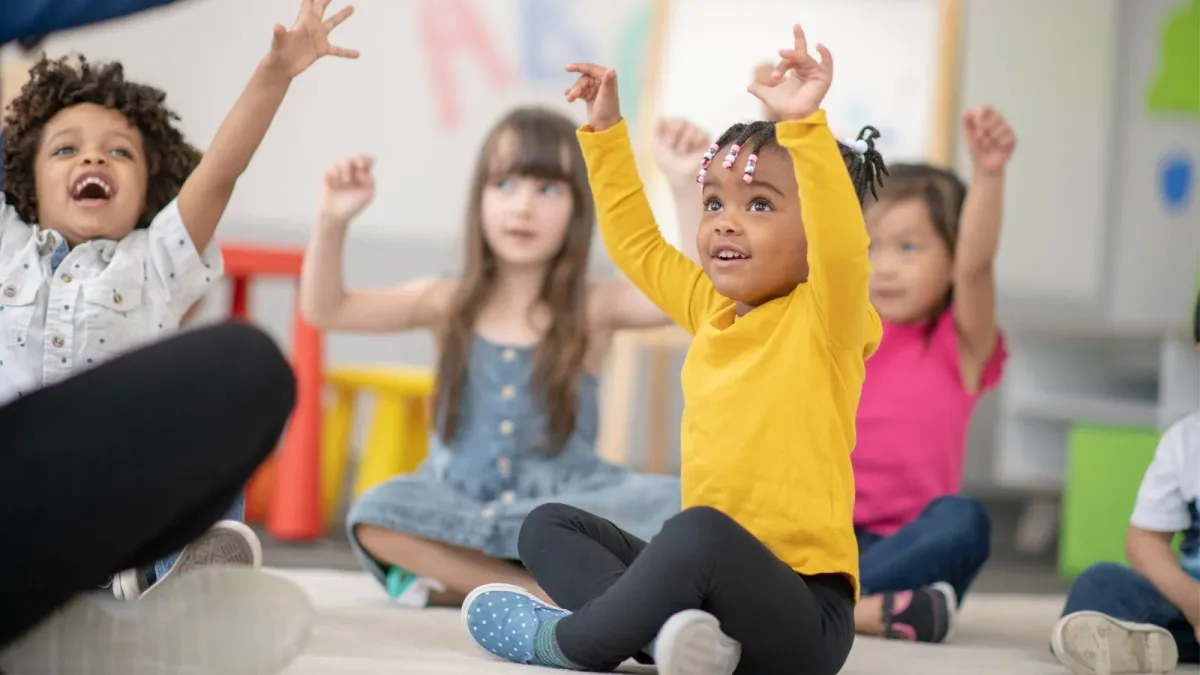
Morning routines can make or break the entire day for preschoolers who arrive sleepy and uncertain. The right morning songs transform those groggy arrivals into energized learners ready to participate in classroom activities. These musical moments create welcoming environments, build community among young children, and set a positive tone for circle time and learning centers.
Beyond songs, teachers need engaging materials that maintain morning momentum throughout the day. Ready-to-print resources help educators access customized activities without spending hours searching or creating materials from scratch. Download 52,760+ free coloring pages designed to support your teaching goals with themed pages and transition activities that complement your morning circle songs.
Summary
- Morning songs transform groggy preschool arrivals into energized learners by creating predictable emotional scaffolding that reduces cortisol levels and increases oxytocin, the bonding hormone that makes children feel safe enough to participate. Research supported by Collab for Children shows that 90% of brain growth occurs by age 5, which means every musical interaction during these years shapes neural pathways that support reading, counting, and emotional regulation.
- Singing builds language development more efficiently than conversation alone because melody creates memory anchors that make unfamiliar words stick. The National Endowment for the Arts reports that pro-social parents who sing more to their infants contribute to greater language acquisition, establishing early patterns that carry forward into preschool years, where children absorb vocabulary, grammar, and sentence structure through repetition that feels like play rather than work.
- Group singing teaches children to synchronize breath, rhythm, and attention, releasing endorphins and building trust that establishes the emotional foundation children need to take risks in learning. An Australian study found that informal music-making at home improved numeracy and attention more effectively than shared reading, not because reading lacks value, but because musical patterns engage multiple brain systems simultaneously, training children to recognize sequences, hold information in order, and predict what comes next.
- Transition songs prevent behavioral collapse by providing a rhythmic cue that coordinates action without requiring executive function, allowing children to start moving to the beat before they consciously decide to comply. Teachers who skip transition songs during chaotic moments find that cleanup takes twice as long and several children disengage entirely, because the song wasn't entertainment, filling time between activities, but rather the neurological bridge that kept attention and cooperation intact.
- Action songs serve a physiological function by discharging nervous system activation before asking children to sit still, building proprioception and interoception that form the foundation for self-regulation. Yale School of Medicine research involving 110 parents and babies demonstrated how early musical exposure shapes language foundations before children even understand individual words, as they learn sound patterns, rhythm, and how syllables connect into meaning through repeated melodic interaction.
- My Coloring Pages addresses this need for sustained engagement by offering 52,760+ free printable resources that let educators create custom worksheets pairing any song theme with visual activities, transforming fleeting musical moments into multi-sensory learning experiences where children color, trace, and express what they just sang about.
Table of Contents
- Importance of Singing for Preschoolers
- How Does Singing Help Children
- How to Engage Children in Singing in Preschool
- When Should Children Sing in Preschool
- 30 Fun Good Morning Songs for Preschool
- Download 52,760+ free singing worksheets
Importance of Singing for Preschoolers
Singing is one of the best tools for building language, memory, and social connection simultaneously. When a four-year-old learns the alphabet through song instead of flashcards, they train their brain to recognize patterns, control their voice, and predict what comes next.
🎯 Key Point: Musical learning engages multiple brain regions simultaneously, creating stronger neural pathways than traditional rote memorization methods.
"Singing activates areas of the brain associated with language processing, memory formation, and social bonding all at once, making it a powerful educational tool for young children." — Early Childhood Development Research, 2023
💡 Tip: Incorporate simple songs with repetitive patterns into daily routines - this helps preschoolers develop phonemic awareness and vocabulary retention while having fun.
How does singing support brain development in early years?
According to research supported by Collab for Children, 90% of brain growth happens by age 5, so every musical interaction shapes neural pathways that support reading, counting, and emotional regulation. The National Endowment for the Arts reports that parents who sing more to their infants help their children acquire language more effectively. Teachers see this daily when a shy child participates through singing instead of speaking, or when a struggling student remembers number sequences through rhythm.
How does singing help children develop clearer speech patterns?
When children sing, they exercise the muscles needed for clear speech. The repetition of sounds, stretching of vowels, and emphasis on consonants build phonological awareness naturally. A child who struggles to say "butterfly" in conversation might succeed with it in a song because the melody supports the development of vocal control. Pitch and rhythm create patterns that make new words easier to attempt, reducing the fear of mistakes.
Why do children remember song lyrics better than spoken words?
Many caregivers discover this by accident. A parent shared how their toddler, who rarely followed direct instructions, suddenly started saying words when those same instructions were sung during transitions. The musical context created a structure in which language felt manageable rather than overwhelming. Songs embed vocabulary in emotional memory, which is why children remember lyrics months after hearing them once, while isolated word drills fade within days.
How does group singing create social connection for preschoolers?
Singing together creates a sense of belonging that no individual activity can match. When a group of preschoolers sings a familiar nursery rhyme, they synchronize their breath, rhythm, and attention. That shared experience releases endorphins and builds trust, establishing the emotional foundation children need to take risks in learning. Group singing teaches children to listen to others, adjust their volume, and contribute to something larger than themselves: skills that transfer directly to cooperative play and collaborative problem-solving.
How do repeated songs help with emotional regulation?
Repeatedly playing songs helps children regulate emotions during transitions. When a classroom moves from free play to circle time, the same song signals what comes next without requiring complex language comprehension. Children who struggle with unpredictability feel calmer when they hear that familiar song each time, giving their developing brains something predictable to rely on.
How do repetitive songs build sequencing and counting skills?
Repetitive songs reinforce sequencing, counting, and categorisation without requiring abstract thinking. When a three-year-old sings "Five Little Ducks," they practise subtraction, ordinal numbers, and narrative structure simultaneously. The melody makes the pattern memorable, so cognitive work happens almost invisibly. One Australian study found that informal music-making at home improved numeracy and attention more effectively than shared reading because musical patterns engage multiple brain systems at once.
Why do educators use songs to teach abstract concepts?
Most teachers now use songs to teach concepts that are difficult to teach through traditional instruction. Days of the week, months of the year, basic addition—these sequences become easier to grasp when set to music. Singing isn't mere entertainment between lessons. Many families underestimate the cognitive development that occurs when a parent and child sing together during bath time or in the car.
Related Reading
- Preschool Worksheets
- What Age Is Preschool
- Preschool Curriculum
- Preschool Age Range
- Preschool Vibes
- Preschool Homeschool Curriculum
- Preschool Games
- Worksheets For Preschool
- Preschool Education
- Free Preschool Worksheets Age 3–4
- Preschool Books
- What Age Do Kids Start Preschool
- Preschool Graduation
- Free Name Tracing Worksheets for Preschool
- Preschool Backpack
- All About Me Preschool
- Free Preschool Worksheets
- Preschool Self Defense
- What Should a Child Learn in Preschool
- Preschool vs Pre K
- Sight Words for Preschool
- Free Printable Preschool Worksheets Tracing Letters
- First Day of Preschool
- Preschool Math Worksheets
- Preschool Valentine Crafts for Parents
- Preschool Graduation Gifts
- Preschool Toys
- What Age Is Preschool and Kindergarten
- Preschool Quotes About Play
How Does Singing Help Children
How do children absorb new words through musical exposure?
Kids pick up new words faster through song than through conversation alone. Lyrics introduce words across different situations—animals, weather, emotions, actions—often in sequences they wouldn't encounter during normal daily routines. The melody creates a memory anchor, making unfamiliar words stick. A study by the Yale School of Medicine involving 110 parents and their babies, most under 4 months old, demonstrated that early musical exposure shapes the foundations of language before children understand individual words.
Why does repetition in songs help vocabulary development?
The repetition built into most children's songs helps kids learn vocabulary without conscious effort. When a child hears "Itsy Bitsy Spider" twenty times a week, they encounter "waterspout," "down," and "washed" in predictable patterns, making those words safe to try. Parents who sing regularly during daily routines notice their toddlers using more varied language earlier, because songs provide a low-pressure environment where new words feel manageable rather than intimidating.
How do songs teach proper sentence structure?
Songs teach language structure by embedding proper sentence construction, verb tenses, and word order into memorable melodies. Counting songs demonstrate numerical sequence and grammatical progression simultaneously. Action songs like "If You're Happy and You Know It" model conditional phrases and imperative verbs without requiring grammatical terminology. Predictable repetition helps children learn how sentences work before they can articulate the rules.
Why does implicit learning matter more than formal instruction
This implicit learning matters more than formal instruction at this age. A three-year-old singing "The wheels on the bus go round and round" naturally learns subject-verb agreement and the present tense. They learn grammar through rhythm and repetition rather than analysis, developing an intuitive sense of what sounds correct that transfers to their own sentences.
How does singing strengthen children's breathing and motor skills?
Singing strengthens breathing muscles that children need for extended speech and physical fitness. Controlling your breath to hold notes or finish phrases builds diaphragm strength and lung capacity. Action songs that pair movement with lyrics develop gross motor coordination: jumping, clapping, and stomping in rhythm trains the brain to match physical actions with sounds. Fingerplays like "Where Is Thumbkin?" improve fine motor control in small hand muscles, the same precision kids need for writing and handling small objects.
How does controlled breathing during songs help with emotional regulation?
Singing controls breathing patterns, which directly affects emotional regulation. A child who learns to control their breath during songs develops a tool for managing overwhelm and anxiety. The endorphins released during group singing improve mood and reduce stress hormones, creating physical changes that prepare children to learn and interact with others.
How do songs strengthen memory and sequential thinking?
Songs train auditory memory through repetition that feels like play rather than work. A child who struggles to remember three-step instructions might easily recall all verses of "Five Little Monkeys" because the melody provides a structure their developing memory can follow. Research indicates that by nine months old, infants show improved mood and engagement through musical interaction, establishing memory patterns that compound as they grow. Sequential songs—counting up, counting down, listing events in order—teach children to hold information in sequence, a foundational skill for reading comprehension and mathematical thinking.
How does regular singing improve working memory across subjects?
Children who sing regularly show stronger working memory across subjects. The mental practice of remembering lyrics, anticipating what comes next, and holding multiple verses in mind builds thinking skills that transfer to schoolwork. Songs about daily routines or classroom procedures serve as memory aids, reducing cognitive load and freeing mental energy for learning new ideas. Confidence matters more than perfect pitch or flawless rhythm, but turning that confidence into regular participation requires understanding what motivates young children to sing.
How to Engage Children in Singing in Preschool
Engagement starts with movement, not performance. Pairing singing with physical action—bouncing, clapping, patting—gives children's bodies something to do while their brains process melody and words. Young children think through their bodies first, so a song that asks them to stomp or sway isn't entertainment. It's a delivery system for language patterns, rhythm recognition, and memory formation that bypasses the need for sustained verbal focus.
🎯 Key Point: Physical movement is the foundation of musical engagement for preschoolers—their bodies are their primary learning tool.
"Young children think through their bodies first, making movement-based activities essential for cognitive development and learning retention." — Early Childhood Development Research
💡 Pro Tip: Start every singing session with simple body movements like clapping or swaying to engage children's learning style through physical action.
How does bouncing and clapping build reading readiness?
Keeping a steady beat with toddlers builds neural pathways essential for reading. When you bounce a two-year-old on your knee while chanting their name to a rhythm or clap out a pattern for them to copy, you're training their brain to recognize time sequences. The brain regions that process steady beats overlap significantly with those that decode written language, preparing them for phonics and word recognition. Children experience this as play, which removes performance pressure entirely.
Why do fingerplays and lap games work so well?
Fingerplays and lap games work because they combine touch with sound. Pat the beat on a child's knees while saying a nursery rhyme, and you're connecting abstract sound patterns to physical sensation. That embodied learning stays in their memory better than listening alone. Toddlers often begin to anticipate the rhythm, moving their bodies before the next beat arrives—a sign that their brains are predicting patterns rather than reacting to them.
Why does musical variety matter for young children?
As you wouldn't feed a child only one food group, their musical exposure needs variety and intentionality. According to the Collaborative for Children, 90% of brain development occurs before age 5, meaning the sounds children hear during these years permanently shape their brains. Loud, harsh electronic sounds can overwhelm developing nervous systems, while acoustic instruments with clear timbres (strings, woodwinds, piano) offer complexity that their brains can process without stress. Swapping aggressive background music for Bach or Vivaldi during car rides trains auditory discrimination and pattern recognition while respecting sensory thresholds.
How can you safely expand your child's musical repertoire?
As children grow past infancy, they intentionally expand their music choices. The music you love carries cultural and family stories worth sharing, but observe their reactions. If a child covers their ears or becomes upset, the volume or intensity exceeds what their nervous system can handle. Shared musical experiences release bonding hormones between parents and children, but only when the child feels safe and engaged rather than overwhelmed.
Move How the Music Tells You
Create a playlist with five songs from different genres: classical, folk, jazz, world music, and children's songs. Ask children to move each piece however they feel. After each song, ask what the music told them to do. When one teacher played Aaron Copland's "Hoe-Down," several children galloped like horses without prompting, then described hearing "fast sounds that jump around." This listening activity builds emotional intelligence and descriptive vocabulary simultaneously. Children learn that music carries meaning beyond words and that their interpretations matter.
How does mixing music genres help children develop flexibility?
Most families stick with familiar children's music during dance parties, but mixing in unexpected genres teaches kids to adjust their movements to what they hear. A slow jazz piece might inspire swaying or tiptoeing, while a march might trigger stomping or strutting. This flexibility—reading emotional cues from sound and responding physically—transfers directly to reading social cues from tone of voice and body language.
Related Reading
- Preschool Assessment
- Preschool Crafts
- Preschool Learning Activities
- Preschool Tracing Worksheets
- Daycare Vs Preschool
- Preschool Classroom Layout
- Preschool Playground Equipment
- Free Preschool Games
- Preschool Sight Words
- Preschool Math Activities
- How To Become A Preschool Teacher
- Preschool Prep
- Preschool Lesson Plan Template
- Noah's Ark Preschool
- Preschool Science Experiments
- Preschool Craft Ideas
- Creative Curriculum For Preschool
- Playing Preschool Curriculum
- Preschool Bulletin Board Ideas
- Christmas Crafts Preschool
- Spring Bulletin Board Ideas For Preschool
- Turkey Craft Preschool
- Preschool Learning Games
When Should Children Sing in Preschool
The best time to sing is during transitions, learning challenges, and emotional shifts, where children need attention, anchoring, or nervous system regulation. Morning arrival signals safety and routine; mid-activity transitions prevent chaos; before snack time creates calm. Singing solves problems that words alone cannot.
🎯 Key Point: Strategic timing of songs transforms challenging moments into smooth transitions and creates predictable routines that help preschoolers feel secure and ready to learn.
"Singing during transitions helps children regulate their emotions and creates predictable patterns that reduce anxiety and improve classroom management." — Early Childhood Education Research
💡 Tip: Use specific songs for specific moments - a welcome song for arrivals, cleanup songs for transitions, and calming melodies before quiet activities to maximize the regulatory benefits of music in your classroom.
How does morning circle create emotional safety for preschoolers?
Singing at the start of the day creates a predictable pattern that helps children transition from home mode to learning mode. When a teacher starts with the same welcome song each morning, children know what comes next before their brains are fully awake. That predictability reduces cortisol levels and increases oxytocin, the bonding hormone, making children feel safe enough to participate. A child who arrives worried about being away from a parent finds their nervous system calmed by a familiar melody and group synchronisation.
Why do name songs build individual recognition in group settings?
According to a content creator community discussion in October 2023, many children start singing recognizable songs between 18 and 23 months, meaning preschoolers arrive at school prepared for musical activities. Morning songs that use each child's name help them feel recognized as individuals while remaining part of the group. When everyone sings a child's name during roll call, that moment of being noticed and heard often determines whether they will participate or stay quiet for the rest of the day.
How do transition songs prevent cognitive overload in young children?
Moving from free play to cleanup to circle time can overload developing brains. Verbal instructions require children to process language, remember sequences, and stop their current activity simultaneously. A cleanup song bypasses that cognitive bottleneck by providing rhythmic coordination of action without demanding executive function. Children start moving to the beat before they consciously decide to comply. The song becomes the instruction, removing the power struggle between adult directive and child autonomy.
What happens when teachers skip transition songs during chaotic moments?
Watch what happens when you skip the transition song during a chaotic moment: cleanup takes twice as long, voices get louder, and several children stop paying attention entirely. The song is the bridge of the brain that keeps attention and cooperation intact. Teachers who resist using transition songs often cite time pressure, unaware that these songs save more minutes than they consume by preventing the behavioural problems that follow abrupt shifts.
How does melody help children remember better than drilling?
Melody provides retrieval cues that isolated letter drilling cannot. When a child struggles to remember what comes after "M," the tune carries them forward automatically. This musical scaffolding reduces frustration and increases practice repetition without requiring willpower. Counting songs teach numerical sequence and one-to-one correspondence, anchoring abstract math concepts to concrete rhythm patterns. A child who resists workbook pages will sing "Five Little Ducks" twenty times without complaint because their brain doesn't categorise it as work.
Why is singing a better delivery system for young brains?
Singing during school lessons isn't a break from learning; it's a teaching method that matches how young brains learn and remember information. Teaching days of the week through song rather than flashcards strengthens and speeds up neural pathways. Some families extend this idea beyond the classroom, pairing creative activities like coloring pages from My Coloring Pages with themed songs about colours, animals, or seasons to create multi-sensory learning experiences where visual creativity and musical memory reinforce each other.
How do pre-snack songs create calm and patience?
Singing before meals controls breathing, which activates the parasympathetic nervous system and prepares the body for digestion. Hungry, overstimulated preschoolers need lowered cortisol levels before they can sit and eat without conflict. A short gratitude song or hand-washing chant shifts their internal state from arousal to readiness. The ritual also teaches delayed gratification, as children learn the song signals food is coming but not yet available.
Why does the routine provide emotional security?
The emotional safety of that routine matters as much as the biological preparation. Children who struggle with food anxiety or sensory sensitivities around eating benefit from the predictable musical cue signalling that eating time approaches. The song becomes a safety signal their nervous system recognizes and trusts. Without it, the transition to snack time often triggers behavioural issues that adults misinterpret as defiance rather than dysregulation. But knowing when to sing matters only if you know which songs work when attention spans collapse and emotions run high.
30 Fun Good Morning Songs for Preschool
These songs work because they combine predictable structure with opportunities for active participation. The best morning songs feature clear rhythm, simple repetition, and room for children to join in without fear of getting it wrong. When choosing songs for your classroom or home routine, prioritise ones that children can master quickly and request independently.
💡 Tip: Look for songs with repetitive choruses and simple melodies that preschoolers can sing along with after one or two hearings.
"Songs with predictable patterns help young children feel confident and successful in group activities, building their social-emotional skills alongside musical development." — Early Childhood Music Education Research
🎯 Key Point: The most effective morning songs are those that children can join in immediately, creating an inclusive, welcoming start to the day.
Classic Good Morning Songs Every Educator Should Know
- "Hello, Hello" by Music with Nancy builds participation through call-and-response patterns that children can anticipate after hearing it twice. The melody stays within a comfortable vocal range for three- and four-year-olds, and the repetitive structure means even shy children can mouth along before they feel brave enough to sing out loud.
- "Morning Song" by The Kiboomers uses similar repetition but adds hand motions that give children something to do while their brains process the words. That dual engagement keeps attention locked longer than passive listening.
- "Good Morning Song" by The Singing Walrus incorporates animal sounds and character voices that make children laugh, which releases tension and creates emotional safety.
- "Good Morning Song" by Maple Leaf Learning takes a slower tempo and gentler approach, ideal for children who feel overwhelmed by high-energy starts.
- "Rise and Shine" by Dr. Jean pairs stretching movements with an ascending melody, helping wake up bodies and signal transition into learning mode.
- "Good Morning, Mr. Rooster" by Super Simple Songs introduces narrative structure, showing children that songs can tell stories.
- "Hello Song" by The Kiboomers works well for roll call routines with built-in pauses for each child’s name.
Circle Time Hello Songs That Build Routine
- "Hello!" by Super Simple Songs uses an ascending pitch that children instinctively mirror, helping develop pitch matching naturally.
- "Good Morning" by The Learning Station builds auditory memory and group synchronization through echo-style singing.
- "Good Morning Song" by Jack Hartmann integrates counting, combining social interaction with early numeracy.
- "Good Morning" by José-Luis Orozco introduces Spanish phrases, expanding children’s language exposure.
- "Hello Song" by Maple Leaf Learning uses slower pacing to support children with processing delays.
- "Hello Song" by Nancy Kopman invites children to suggest movements, encouraging creativity and ownership.
Name-Based Songs That Create Individual Recognition
- "(Child's Name) Is Here Today" (to the tune of "Farmer in the Dell") uses a familiar melody so children can focus on listening for their name.
- "Good Morning, (Name), How Are You?" adds an emotional check-in, modeling emotional awareness.
- "Where Is (Name)?" turns attendance into a playful, interactive game.
- "Hello (Name), Who's Sitting Next to You?" speeds up recognition while encouraging peer awareness.
Action-Based Morning Songs That Regulate Energy
- "Rise and Shine" (Action Version) gets children moving before sitting, reducing restlessness.
- "Good Morning, Sunshine" uses gentle movements for calming overstimulated children.
- "Everybody Have a Seat Song" transitions children smoothly from movement to sitting.
- "Open Shut Them" (Morning Adaptation) teaches opposites while engaging fine motor skills.
- "Everybody Clap" by Nancy Kopman builds rhythm and coordination through body percussion.
Themed and Creative Morning Songs That Maintain Interest
- "Hello, Good Morning" (to the tune of "La Cucaracha") introduces variety that keeps attention fresh.
- "Have a Happy Day Song" sets a positive tone and mindset for the day.
- "Here We Are Together Song" emphasizes group identity and classroom unity.
- "Telephone Song" adds imaginative play while teaching conversational skills.
- "Good Morning to You Song" (to the tune of "Happy Birthday") shows how familiar melodies can carry new meaning.
Interactive Classroom Favorites That Build Community
- "The More We Get Together" teaches friendship and connection in a safe group setting.
- "Spread a Little Sunshine" by Jack Hartmann lifts mood through upbeat rhythm and positive messaging.
- "Hola, Bonjour, Hello!" by GoNoodle introduces multilingual greetings, promoting inclusion and curiosity.
These songs balance structure with spontaneity, individual recognition with group belonging, and energy activation with emotional regulation—making morning routines both engaging and meaningful for preschoolers.
Download 52,760+ free singing worksheets
Most teachers sing a song and move on without extending the moment. Pairing songs with follow-up activities—colouring, tracing, or discussing what children sang about—transforms a brief moment into a learning experience that engages multiple senses. The song becomes the starting point; the worksheet becomes how children retain it.
🎯 Key Point: Transform singing from performance to learning by connecting songs directly to visual activities that reinforce the same concepts.
Singing and creative work are usually done as separate activities: songs during circle time, coloring pages during quiet time. This separation means children view singing as a performance rather than learning—they memorize words without understanding the ideas. Worksheets that directly reference the songs you just sang help children link abstract lyrics to real pictures. When a child colours a sun right after singing about sunshine, they cement vocabulary, emotional tone, and narrative structure rather than fill time.
"Pairing songs with follow-up activities turns a quick moment into a learning experience that uses many senses and helps children remember concepts long-term."
My Coloring Pages provides over 52,760+ free printable pages for creating custom worksheets that pair any song theme with visual activities. The platform generates pages featuring weather elements for "Mr. Sun" songs, animal characters for "Old MacDonald" variations, or emotion faces for feelings check-ins, with name-tracing sections or prompts like "circle how you feel today." This transforms passive listening into active processing, giving children ownership of concepts rather than mere exposure.
💡 Tip: Create themed worksheet sets that match your weekly song rotation—when children see familiar characters and concepts in both songs and coloring activities, learning becomes deeper and more memorable.
Create Song-Specific Visual Extensions
When you introduce "Five Little Ducks," print coloring pages showing five ducks children can count, color, and cross out as they sing through each verse. This visual reference helps children who struggle with abstract counting understand subtraction through concrete imagery. Children who lose focus during singing often re-engage when they have something to manipulate physically, and the coloring activity occupies their hands while their brains process numerical sequences.
Emotion-based morning songs benefit from follow-up worksheets that ask children to identify and colour faces that match their current mood. After singing "If You're Happy and You Know It," distribute pages with multiple facial expressions and ask children to circle the face showing how they feel, then colour it their favourite colour. This transforms a group song into personal reflection, teaching emotional literacy while providing diagnostic information about which children arrived dysregulated or anxious.
Build Name Recognition Through Personalized Pages
Kids who hear their name in a song feel noticed. Kids who then trace or colour their name on a worksheet extend that recognition and help build their sense of identity. Create pages with each child's name in large, traceable letters surrounded by pictures from your morning song themes. A child named Maya gets a page with "Good Morning, Maya!" at the top and sun pictures she can colour however she wants. That personal touch matters because it shows kids that their individual presence shapes the classroom experience.
Kids who complete personalized worksheets after singing show stronger name recognition, better letter formation, and greater willingness to participate in future singing routines compared to kids who only sing without follow-up activities. You're closing the learning loop that singing started.
Extend Engagement Beyond the Song Itself
The challenge with good morning songs isn't getting children to sing once—it's maintaining excitement when the same songs repeat daily for months. Worksheets add novelty while preserving familiar structure. Monday's "Hello Song" pairs with coloring pages showing morning routines. Wednesday's version includes pages asking children to draw their favorite breakfast. Friday provides spaces where children illustrate who they greeted that morning. The song remains constant while the creative activity changes, sustaining engagement without requiring new songs.
Action songs like "Head, Shoulders, Knees, and Toes" pair well with body-part labeling worksheets where children colour and name each body part they sang about. This reinforcement supports children who struggle with body awareness or vocabulary retention, building anatomical knowledge and self-regulation skills simultaneously. The worksheet serves as a reference tool they can revisit during other activities, extending the song's educational value throughout the day.
When children take completed pages home, they bring physical evidence of their learning for parents to see and discuss. A parent who asks, "What did you do today?" gets a shrug. A parent who asks "tell me about this sun you coloured" gets stories about the morning song, the friends who sat nearby, and how they felt when they arrived. The worksheet becomes a bridge between two worlds children often struggle to connect verbally.
Related Reading
- Preschool Mothers Day Crafts
- Preschool Spring Crafts
- Preschool Snack Ideas
- Preschool vs Daycare
- Preschool Thanksgiving Crafts
- Fathers Day Crafts Preschool
- Preschool Movement Songs
- Letter A Worksheets Preschool
- All About Me Preschool Activities
- Tracing Worksheets Preschool
- Good Morning Songs for Preschool
- Fall Preschool Crafts
- Preschool Art
- Preschool Classroom Themes
- January Preschool Themes
- Fall Coloring Pages Preschool
- Part Time Preschool
- Letter B Worksheets Preschool
- Play Based Preschool
- Preschool Science Activities
- How Much Is Preschool