Detailed Guide on How to Become a Preschool Teacher in the US
How to Become a Preschool Teacher in the US: education requirements, certifications, skills, and steps to start a career in early childhood.


A room filled with curious four-year-olds presents both excitement and responsibility for those called to early childhood education. Becoming a preschool teacher requires specific educational credentials, state certification, and classroom management skills. The journey involves understanding child development principles, mastering age-appropriate teaching methods, and creating engaging preschool activities that foster learning through play.
Success in this profession depends heavily on having quality teaching materials that capture young learners' attention while supporting their developmental needs. Access to well-designed resources helps teachers build comprehensive lesson plans that promote literacy, fine motor skills, and creativity without starting from scratch. Download 47,494+ Free Coloring Pages to support your preschool teaching toolkit with ready-to-use materials.
Table of Contents
- Qualifications of a Preschool Teacher
- Skills and Qualities of a Preschool Teacher
- How to Become a Preschool Teacher in the US
- How to Keep Kids Engaged as a Preschool Teacher
- Start Building Your Preschool Teaching Toolkit
Summary
- A two-year associate degree in early childhood education opens doors to most preschool teaching positions, with 63.5% of state pre-K programs accepting this credential, according to the National Institute for Early Education Research. Community colleges offer these programs at significantly lower costs than universities, and many allow part-time enrollment, allowing aspiring teachers to work while completing coursework. The associate degree pathway balances practical classroom skills with enough developmental theory to pass state certification exams.
- The Child Development Associate credential provides the fastest entry into preschool teaching, requiring just 120 hours of formal training and 480 hours of hands-on experience with young children. This competency-based credential can be completed in six to twelve months while working in a childcare setting, allowing candidates to earn income while building credentials. Many centers hire CDA holders as lead teachers, making this pathway particularly valuable for people who need to enter the workforce quickly without accumulating student debt.
- State certification requirements create significant variation in what qualifications actually matter for employment. Illinois requires 18 semester hours in early childhood education for publicly funded programs, while other states accept less formal credentials for private centers. Public school pre-K programs typically demand bachelor's degrees, but private childcare centers often hire teachers with associate degrees or CDA credentials, meaning your target work environment should determine which educational path you pursue.
- The median annual wage for preschool teachers was $30,210 in May 2020, according to the Bureau of Labor Statistics, revealing the field's persistent undercompensation despite increasing credential requirements. States that mandate bachelor's degrees and multiple certification exams don't necessarily pay teachers accordingly, creating financial strain for people entering a profession that requires years of education, yet offers wages below those in many fields that require only a high school diploma. This compensation gap contributes to high turnover rates and workforce shortages across early childhood education.
- Maintaining student attention and engagement ranks among the top challenges preschool teachers face in 2025, particularly during midyear periods when learning fatigue sets in for both children and educators. Movement breaks, environmental changes, and play-based learning counteract attention drift more effectively than extending instructional time. Small shifts like rotating classroom materials, incorporating five-minute curiosity bursts, or adding brief dance breaks reset children's focus without requiring new curriculum or elaborate planning.
- Download 48,846+ Free Coloring Pages addresses this by providing theme-organized worksheets and coloring pages that teachers can access instantly when lesson plans need quick adjustments or children finish activities early.
Qualifications of a Preschool Teacher
Most preschool positions require an associate's degree or an early childhood education certificate rather than a traditional four-year degree. You can start working in as little as six months. Requirements vary by state, program type, and workplace: public school, private center, or home-based childcare.
🎯 Key Point: The fastest path to becoming a preschool teacher is through an associate degree or certification program, which takes significantly less time than a traditional four-year degree.
"Early childhood education requirements vary significantly by state, with some requiring only a high school diploma while others mandate specialized certifications." — National Association for the Education of Young Children, 2024
⚠️ Warning: Always check your specific state requirements before enrolling in any program, as licensing standards can vary dramatically and may require additional background checks, health screenings, or continuing education credits.
What makes an associate's degree the most practical choice?
An associate degree in early childhood education is the main qualification for most preschool teaching jobs. These 60-credit programs typically take two years of full-time study and cover child development theory, curriculum planning, classroom management, and child safety. Community colleges offer these programs at lower costs than universities and often allow you to complete coursework while working part-time in a childcare setting.
How does coursework prepare you for real classroom situations?
The coursework balances practical skills with foundational knowledge. You'll learn to design age-appropriate activities, recognize developmental milestones, and create safe environments for exploration. Courses in creative activities teach you to transform everyday moments—a rainstorm, a visiting pet, a child's question about shadows—into learning opportunities. Tools like coloring pages serve as deliberate practice for hand-eye coordination, colour recognition, and focused attention, which support reading and writing.
What percentage of preschool programs accept associate degrees?
According to the National Institute for Early Education Research, 36.5% of state pre-K programs require lead teachers to have a bachelor's degree. This means nearly two-thirds accept associate degrees or equivalent credentials, with most preschool classrooms led by teachers who started with a two-year degree.
What makes the CDA credential a faster path to employment?
The Child Development Associate (CDA) credential offers a faster entry into childcare work. You can complete it in six to twelve months while working in a childcare setting. The CDA focuses on competency-based learning: demonstrating your ability to plan activities, engage families, maintain safe environments, and support children's social-emotional development. Many childcare centres hire CDA holders as lead teachers, particularly in infant, toddler, and preschool classrooms.
How does the CDA assessment process work in practice?
You're judged on what you can do, not what you know. Your portfolio demonstrates lesson plans, parent communication samples, and reflections on your teaching practice. An observer evaluates how you handle transitions, respond to conflicts, and adapt activities when children lose interest or struggle. This hands-on assessment mirrors the real work of preschool teaching far better than a written exam.
What makes the assistant-to-teacher pathway appealing for new educators?
Most preschool centres hire classroom assistants with a high school diploma, a background check, and basic CPR and child safety training. You'll support the lead teacher, manage snack time, supervise play, and assist with activities while working toward your CDA or associate degree, often with employer-funded tuition.
How does working as an assistant help you decide if teaching is right for you?
This pathway lets you test whether preschool teaching suits you before committing to formal education. You experience the daily reality—repetition, noise, emotional labor—firsthand. Within one to two years, you can move into a lead teacher role by completing credentials while gaining experience. It's slower than a direct degree program, but it eliminates financial risk and lets you earn while you learn.
How do state requirements vary for different program types?
Requirements vary by state and program type. The Illinois State Board of Education requires 18 semester hours in early childhood education for preschool teachers in publicly funded programs. Other states accept a CDA or associate degree for private centres but require a bachelor's degree for public pre-K programmes. Some states have tiered licensing systems where your credential determines your job title, responsibilities, and pay.
What's the difference between private and public program requirements?
A preschool teacher in one state might need a bachelor's degree, while the same role in another requires only an associate degree. Private centres often have more flexibility than public programmes, which must follow the rules of the state education department. Check your state's specific requirements early and align your credential path with your target programme type.
What skills do you need beyond formal education?
Formal education teaches child development theory and curriculum design, but daily preschool work depends on skills developed through practice. Communication matters most: turning complex ideas into language a four-year-old understands, explaining behaviour to parents, and collaborating with co-teachers who have different classroom styles.
Classroom management in preschool isn't about control. It's about creating routines that feel predictable yet flexible enough to accommodate a child who didn't sleep well or is worried about a new sibling. You're constantly reading the room, noticing when a child needs to move around before they become upset, or when silence signals withdrawal rather than contentment. These instincts develop over time, not from a textbook.
How do you handle unexpected classroom challenges?
Creative problem-solving shows up constantly: a planned art project fails because the glue won't stick, a child refuses circle time, or two kids want the same toy and neither understands sharing yet. You're improvising, turning obstacles into learning moments. My Coloring Pages offers over 48,000 free, downloadable coloring pages and worksheets designed for preschool classrooms.
When you need a quick activity that supports fine motor development, letter recognition, or thematic learning, ready-to-use resources eliminate the scramble to create materials from scratch.
What emotional challenges should you expect?
But here's what most credential programs don't prepare you for: the emotional weight of caring for children whose needs exceed what you can provide.
Related Reading
- Preschool Worksheets
- What Age Is Preschool
- Preschool Curriculum
- Preschool Age Range
- Preschool Vibes
- Preschool Homeschool Curriculum
- Preschool Games
- Worksheets For Preschool
- Preschool Education
- Free Preschool Worksheets Age 3–4
- Preschool Books
- What Age Do Kids Start Preschool
- Preschool Graduation
- Free Name Tracing Worksheets for Preschool
- Preschool Backpack
- All About Me Preschool
- Free Preschool Worksheets
- Preschool Self Defense
- What Should a Child Learn in Preschool
- Preschool vs Pre K
- Sight Words for Preschool
- Free Printable Preschool Worksheets Tracing Letters
- First Day of Preschool
- Preschool Math Worksheets
- Preschool Valentine Crafts for Parents
- Preschool Graduation Gifts
- Preschool Toys
- What Age Is Preschool and Kindergarten
- Preschool Quotes About Play
Skills and Qualities of a Preschool Teacher
The skills that make someone effective with preschoolers aren't all taught in coursework. Some develop through repetition: reading the same book seventeen times until you notice which page makes a quiet child lean forward. Others emerge under pressure: the moment you realize a meltdown isn't defiance but a four-year-old's nervous system overloaded by noise, transitions, and a scratchy shirt tag. According to Wilson College, organizational skills, communication, classroom management, lesson planning, behavior management, child development knowledge, observation and record keeping, first aid and safety, and technology skills form the technical foundation. But patience, empathy, and adaptability determine whether you last a year or build a career.
🔑 Key Takeaway: While technical skills can be learned in training, the emotional intelligence and adaptability needed for preschool success develop through real classroom experience.
"Organizational skills, communication, classroom management, lesson planning, behavior management, child development knowledge, observation and record keeping, first aid and safety, and technology skills form the technical foundation." — Wilson College
💡 Professional Tip: The ability to read a four-year-old's emotional state and respond appropriately often matters more than perfect lesson planning when managing a classroom of preschoolers.
Why do preschoolers need predictable routines?
Preschoolers thrive with predictability. When materials stay in the same place, snack time follows the same order, and transitions include a warning, children feel calm enough to learn. The organization reduces cognitive load for both you and the children. Preparing materials the night before prevents the chaos of searching for glue sticks while twenty children wait—a disruption that takes thirty minutes to recover from.
How does an organization help children from unstable backgrounds?
The challenge of organizing intensifies when working with children from unstable backgrounds. A teacher of foster children described repeating the same tasks: cleaning up, redirecting students, and teaching basic routines to children who had never learned them. Organization becomes necessary for survival, not merely a preference, when every system collapses daily.
What makes communication effective across different age groups?
You're translating constantly. A three-year-old asks why the sky is blue, and you need language simple enough to understand but accurate enough not to mislead. A parent asks why their child isn't reading yet, and you need to explain developmental timelines without dismissing their concern. A co-teacher interprets a child's behaviour differently from you do, and you need to align your approaches without undermining each other.
How do you communicate effectively during stressful moments?
The most important communication happens during stressful moments. When a child cries because their parent left, your tone shows them they are safe more than your words. When a parent is upset about biting incidents, listening before you explain determines whether they will trust you. Communication skills in early childhood education are less about fancy words and more about reading what people need to hear to feel understood.
What does effective classroom management look like for preschoolers?
Managing preschoolers isn't about enforcing rules. It's about designing an environment where the desired behaviour is the easiest behaviour. Place the trash can where children naturally drop things. Arrange furniture so high-energy children have space to move without disrupting quiet activities. Build transitions into the schedule before children become restless.
Why do traditional classroom management strategies often fail?
When classroom management fails, it's often because the environment demands more self-control than three- and four-year-olds possess. A teacher managing children with serious behavioural challenges felt like a failure when consequences didn't work—not due to her skill, but because standard strategies designed for typically developing children didn't match kids whose trauma responses overrode their ability to control themselves.
Effective classroom management requires knowing when to change the environment instead of the child.
How do you balance structure with spontaneous learning moments?
A well-designed lesson plan balances what you want children to learn with what holds their attention. You plan a science activity about plants, but a child notices a ladybug on the windowsill, and the lesson shifts. Sticking too strictly to your plan misses the learning moment; abandoning structure entirely creates confusion. The skill is knowing when to follow children's curiosity and when to guide them back.
What happens to lesson planning under stress?
Lesson planning becomes nearly impossible under chronic stress. When managing behaviours and basic safety, the mental space for thoughtful curriculum design disappears. You end up using activities that keep children busy rather than interested, not because you are lazy, but because you are working beyond your capacity.
Platforms like My Coloring Pages offer over 100,000 free, downloadable coloring pages and worksheets organized by theme, skill level, and subject area. These ready-to-use resources maintain educational value for fine motor skills, pattern recognition, and thematic learning without requiring prep time.
Why do preschoolers exhibit challenging behaviors?
Every preschool teacher encounters behaviours that test their patience: hitting, biting, refusing to follow directions, and throwing materials. Consequences work only when a child can connect their action to its outcome. A three-year-old who hits when frustrated isn't choosing violence—they lack the language and impulse control to express anger differently.
How should teachers approach behavior management in early childhood?
Behaviour management in early childhood is teaching, not discipline. You model the words a child needs ("I'm frustrated" instead of hitting). You create sensory breaks before meltdowns occur. You recognize that some behaviours signal unmet needs—hunger, overstimulation, fear—rather than defiance.
Teachers working with children from neglectful backgrounds often struggle with guilt over feeling angry at behaviours the children couldn't control. The emotional toll extends beyond managing behaviour to holding compassion for children whose needs exceed what one person can meet.
Why is understanding developmental milestones so crucial?
Understanding developmental milestones helps you avoid expecting too much or too little from children. A two-year-old who doesn't share isn't being selfish; they're not yet developmentally able to understand other people's perspectives. A four-year-old's lying isn't a moral failure; it's their growing imagination mixing with reality. This knowledge shapes how you respond to children, what you teach them, and when you suggest families seek additional support.
How do you bridge theory and practice under stress?
The gap between knowing child development theory and using it during stressful moments is larger than most training programs acknowledge. You can understand that a child's aggression stems from trauma and still feel overwhelmed managing it daily. Knowledge doesn't eliminate the emotional weight—it helps you avoid blaming the child or yourself for struggles rooted in circumstances neither of you controls.
Observation and Record Keeping Under Pressure
Watching how children play, interact, and solve problems reveals more than formal tests. You notice which child prefers solitary activities, which one settles conflicts, and which one avoids fine motor tasks. These observations guide teaching and identify when a child needs extra support.
Record keeping becomes difficult when you are overwhelmed. Missing appointments, forgetting evaluations, and falling behind on documentation create guilt and professional stress. The challenge is not understanding the importance but maintaining systems when cognitive load exceeds capacity. External supports—reminders, simplified forms, administrative help—matter as much as organisational skills when managing more than one person reasonably can.
First Aid, Safety, and the Limits of Preparedness
CPR certification and first aid training prepare you for physical emergencies: choking, allergic reactions, and injuries. You practice fire drills and maintain child-proofed spaces. But these skills don't prepare you for emotional emergencies: the child who arrives hungry daily, the bruises that might indicate abuse, the behaviours that signal neglect.
The hardest safety decisions aren't about protocols. They're about recognizing when a situation exceeds what you can manage on your own and knowing when to seek help. That's professional judgment, not failure.
Knowing the skills and qualities doesn't prepare you for the systems you'll navigate to enter the field.
How to Become a Preschool Teacher in the US
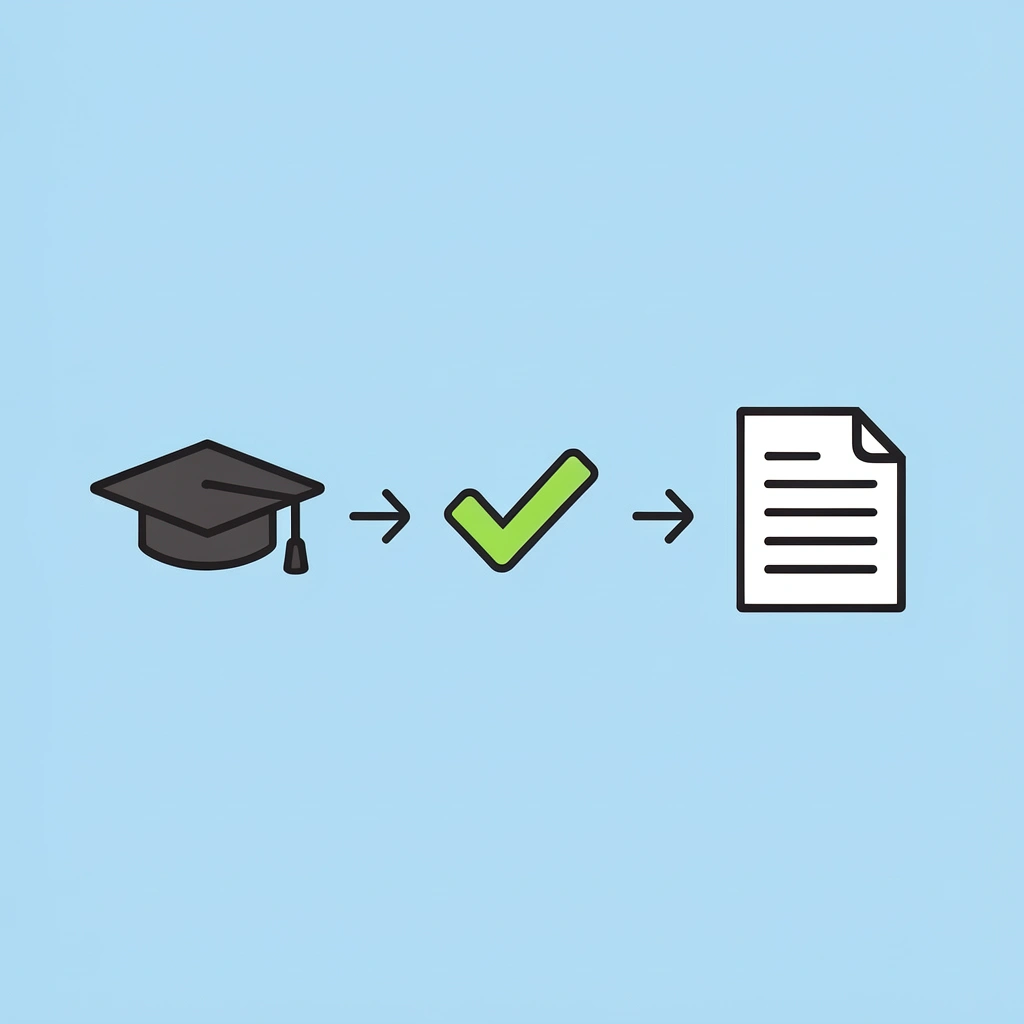
To become a preschool teacher, you follow a clear path: finish your education, pass tests that show you know the material, and get a certificate from your state. Most states want you to have at least an associate degree in early childhood education. Some states will accept a high school diploma if you also get a Child Development Associate (CDA) credential. Public school programs usually need more credentials than private centers do. The whole process can take anywhere from six months to four years, depending on where you start and what resources you have.
🎯 Key Point: Your path to becoming a preschool teacher depends heavily on whether you want to work in public schools (more requirements) or private centers (more flexible requirements).
"The demand for preschool teachers is expected to grow 7% from 2021 to 2031, faster than the average for all occupations." — Bureau of Labor Statistics, 2022
⚠️ Warning: Don't assume all states have the same requirements - research your specific state's licensing requirements before starting any program, as some states have stricter standards than others.
What degree do you need to work in public preschool programs?
For public pre-K programs, you'll need a bachelor's degree in early childhood education: four years of full-time study covering child development theory, curriculum design, classroom management, and supervised teaching. You'll learn to support learning across developmental stages, adapt instruction for children with special needs, and build strong family partnerships. This prepares you for state licensing exams and equips you with knowledge for a sustained career in the field.
What education works for private centers and Head Start?
Private childcare centers and Head Start programs often accept an associate's degree. These two-year programs focus on practical skills: planning age-appropriate activities, managing group behaviour, monitoring developmental milestones, and maintaining safe environments. Community colleges offer these at a lower cost than universities, with evening and weekend options for working students.
How can you get CDA certification quickly?
The fastest route is the CDA credential, which requires 120 hours of formal training and 480 hours of experience working with young children. You can complete training in six to twelve months through community colleges, online programs, or professional development organisations.
The CDA demonstrates competency across eight subject areas, from planning learning environments to building family relationships. Candidates compile a portfolio and undergo observation and assessment by a trained evaluator. Many teachers earn their CDA while working as classroom assistants, then advance to lead teacher roles once certified.
Can you start with just a high school diploma?
Some states accept a high school diploma for assistant teacher positions but require extra coursework within a set timeframe. You can start working immediately, then complete your CDA or associate degree while gaining experience. This reduces upfront costs and lets you test whether the work suits you before committing to formal education. Check your state's specific requirements early, as credentials don't always transfer across state lines.
What basic skills do the Praxis I exams test?
Most states require prospective teachers to pass standardized tests that measure teaching readiness. The Praxis I exam, also called the Pre-Professional Skills Test, assesses basic reading, writing, and maths skills.
You need to demonstrate college-level reading and math skills before testing in specific subjects. This means proving you can read teaching materials, write clear messages to families, and perform practical math for classroom management, such as tracking attendance, measuring materials, and understanding supervision ratios.
What does the Praxis II exam cover for early childhood education?
The Praxis II exam measures subject-specific knowledge in early childhood education through questions on developmental milestones, appropriate teaching strategies for different age groups, creating inclusive environments, and assessing children's progress.
The test assumes you understand both the theory (Piaget's stages of cognitive development, attachment theory, social-emotional learning frameworks) and its application: when to intervene in peer conflicts, how to modify activities for children with delays, and which behaviours signal potential developmental concerns.
How do passing scores and compensation compare across states?
Passing scores vary by state. According to the Bureau of Labor Statistics, the median annual wage for preschool teachers was $30,210 in May 2020. States requiring bachelor's degrees and multiple exams often don't compensate teachers for these additional qualifications, creating tension between professionalising the field and maintaining affordability.
Some states require additional assessments beyond the Praxis exams. You might need to pass a state-specific test covering local education standards, complete a performance assessment where evaluators observe your teaching, or demonstrate proficiency in a second language for bilingual programmes. Research your state's requirements through the Department of Education website to avoid delays from missing credentials during the application process.
What are the requirements for state certification?
Public school preschool programs require a state-issued teaching licence. You'll submit transcripts proving completion of required coursework, pass a criminal background check, provide fingerprints for federal databases, and sometimes complete additional training in topics such as recognising child abuse or supporting students with disabilities. The application process takes weeks to months, depending on state processing times and background screening duration.
Private childcare centers often accept the CDA credential instead of state licensure, particularly for teachers working with infants, toddlers, and preschoolers. The CDA is nationally recognized and portable across states, though some states impose additional requirements for private programs. Head Start programs typically require lead teachers to hold at least a CDA, with many centres preferring or requiring associate or bachelor's degrees.
How does supervised teaching experience prepare you?
The licensure pathway includes supervised student teaching or practicum hours. You'll work in a classroom under a mentor teacher's guidance, gradually taking on more responsibility: planning lessons, managing the group, and communicating with families independently.
This is where you discover whether your classroom management instincts match the reality of guiding fifteen four-year-olds through a transition or responding when a child discloses something concerning about their home life. The practicum bridges knowing what to do and doing it when things get tough.
What ongoing requirements maintain your license?
Most licences require renewal every few years through continuing education credits. You'll attend workshops, take online courses, or earn additional certifications to maintain your credential.
Renewal helps you stay up to date with new research on child development and teaching practices, but it adds ongoing costs and time commitments to a profession that already pays less than most fields requiring the same level of education.
What does the background check process involve?
Every state requires criminal background checks for anyone working with children. You'll submit fingerprints for FBI and state-level screening, which searches for disqualifying convictions: typically crimes against children, violent felonies, and certain drug-related charges. Specifics vary by state, and some allow case-by-case review of older offences or misdemeanours.
What complications can arise during background screening?
The process can surface complications, such as arrests without convictions appearing on reports, name changes, interstate moves, or common names matching someone else's criminal record. These issues require additional documentation and can delay clearance. You cannot begin working until approved, and processing times range from days to months, depending on your state's system and any flags requiring manual review.
Complete Supervised Teaching Experience
You'll need documented classroom experience before receiving full certification. Student teaching placements typically last one semester under a cooperating teacher who evaluates your performance. You'll plan lessons, implement activities, assess children's progress, communicate with families, and manage classroom routines while receiving feedback and support.
What challenges will you face during supervised teaching?
This supervised period reveals gaps between theoretical learning and practice. You might plan a detailed lesson on patterns using natural materials, only to discover children prefer throwing pinecones to sorting them. A child might disclose something during circle time that requires a mandated report, which you'll handle with your mentor's guidance.
These experiences build judgment that no textbook can teach: when to abandon your plan for children's interests, when to maintain a boundary, and when a behaviour signals a child needs support rather than discipline.
How can you complete supervised hours while working?
Teachers in private centres sometimes complete supervised hours while working as assistant teachers, gradually taking on lead responsibilities as they demonstrate competence. This pathway lets you build relationships with the same group of children over time and see the long-term impact of your decisions. The tradeoff is balancing full-time work with the documentation and reflection required for certification.
Earning credentials and passing exams only get you into a classroom. The real test is whether you can hold children's attention long enough for learning to happen.
Related Reading
- Preschool Assessment
- Preschool Crafts
- Preschool Learning Activities
- Daycare Vs Preschool
- Preschool Tracing Worksheets
- Preschool Classroom Layout
- Preschool Sight Words
- Preschool Playground Equipment
- Preschool Lesson Plan Template
- Playing Preschool Curriculum
- Preschool Science Experiments
- Spring Bulletin Board Ideas For Preschool
- Preschool Prep
- Preschool Math Activities
- Free Preschool Games
- Noah's Ark Preschool
- Preschool Craft Ideas
- Creative Curriculum For Preschool
- Preschool Art Activities
- Christmas Crafts Preschool
- Spring Bulletin Board Ideas For Preschool
- Turkey Craft Preschool
- Preschool Bulletin Board Ideas
How to Keep Kids Engaged as a Preschool Teacher
Keeping kids engaged means finding small ways to grab their attention repeatedly. These small changes help them focus and grow curious. Young children lose focus not because they dislike learning, but because their brains need new stimuli, movement, and reasons to stay alert. The best ways to keep them engaged don't require elaborate planning or new lessons—they just need you to notice when kids start to lose energy and make changes that feel novel enough to bring them back.
🎯 Key Point: Engagement isn't about elaborate activities—it's about recognizing when children's natural curiosity fades and responding immediately with simple adjustments.
"Young children's attention spans are naturally short, but their capacity for wonder is unlimited when we match their energy with the right stimulation." — Early Childhood Development Research
💡 Pro Tip: Watch for the first signs of disengagement—fidgeting, looking away, or talking to neighbours—and switch activities within 30 seconds to maintain their natural learning momentum.

What are curiosity bursts, and how do they work?
A five-minute surprise moment can reset attention and spark wonder. Novelty resets the brain's attention networks without requiring a new lesson plan. A curiosity burst invites exploration of something unexpected: bring a cloth bag with an everyday object (a whisk, a pine cone, a smooth stone) and offer one sensory clue at a time. Children lean in, whisper guesses, and build language through observation without realizing they're working.
How can children lead their own moments of curiosity?
Let children lead these moments, too. A "What do you notice?" share invites a child to bring an item from home and describe its features while classmates observe. Another child might create a mystery box for peers to guess. When children drive the curiosity, it becomes contagious: the energy shifts from teacher-directed to peer-driven, and everyone wants a turn to surprise the group.
How can you refresh the physical classroom space?
Kids lose interest when their space looks the same all the time. Rotate toys and blocks on shelves so items stored for two weeks reappear. Reposition the art area and easel to create a fresh layout. Add soft lights or a small plant to calm overstimulated children.
Create a Wonder Wall where children post drawings or notes about topics they want to explore, or set up a Discovery Table for nature finds and new materials.
Why should you involve children in redesigning their space?
Invite children into the redesign process. Ask, "What can we add to make our reading corner more cosy?" This collaboration gives students ownership and signals that their input shapes the space they inhabit.
Small adjustments in colour, light, and layout renew focus by making the environment feel dynamic rather than static.
How does movement help children refocus during activities?
Movement is the body's built-in reset button. Young children process emotion, attention, and learning through physical activity, so when focus slips, motion restores it. Add quick bursts of movement: animal walks, freeze dances, yoga poses, or songs with gestures. During transitions, invite children to tiptoe, march, or balance on an imaginary line to the next activity.
What are some creative ways to incorporate movement throughout the day?
For a midmorning lift, try a "movement mystery." Announce, "I'm thinking of an animal that hops. What could it be?" Once they guess, the class hops like bunnies for thirty seconds before sitting down again, refreshed and ready. Adding rhythm and music multiplies the benefits: begin the day with a morning stretch song or end with a dance party. Movement activates multiple sensory systems, supporting both self-regulation and engagement in ways that seated instruction cannot.
How do classroom jobs create meaningful connections?
Kids become engaged when they understand why something matters. Classroom jobs like plant caretaker, door greeter, or materials helper create that sense of meaning. These roles show children they belong and make each child feel needed by contributing to the community.
What makes community projects effective for learning?
Small community projects bring learning into real-world relevance. Planting flowers in the school garden, making cards for local helpers, or organizing a kindness week demonstrates how children's actions have an impact beyond classroom walls.
Use storytelling to connect lessons to shared experience. After reading a story about cooperation, ask, "When did our class work together this week?" Retelling classroom moments helps children see themselves as contributors rather than passive recipients of instruction.
Why does play-based learning improve student engagement?
As the year progresses, instructional blocks expand while free play shrinks. Yet play is where engagement thrives—children test ideas, solve problems, and express joy without the pressure of performance. Restore playful learning through small changes: add ten minutes of open-ended play after lunch to help children settle before the afternoon, or use dramatic play to recreate class topics, such as running a pretend grocery store to practise counting.
How can teachers address midyear learning fatigue?
According to Every Special Child, maintaining student attention and engagement ranks among the top challenges preschool teachers face in 2025, particularly mid-year when students tire from learning. Play restores children's energy, fosters peer connections, and reignites their curiosity.
During transitions and short breaks, use My Coloring Pages worksheets to print custom coloring or tracing pages aligned with your curriculum. This provides students with a calming activity that requires minimal preparation and only a printer.
How does your energy affect student motivation?
Kids' motivation mirrors your own. When midyear fatigue sets in, students feel it too. Check in on your own spark: swap ideas with colleagues, revive a favourite teaching ritual, or let children's curiosity guide a mini-project you can enjoy together. Consider what feels heavy and what brings joy. This can reset both your planning and classroom tone.
What small changes can reignite classroom engagement?
Small changes in a teacher's energy spread to others and often naturally restore students' enthusiasm. The drop in engagement is part of the normal learning pattern, not a sign of failure. When you respond with flexibility, you show students how to bounce back from challenges.
Bringing back engagement doesn't need big gestures or new programmes—it starts with noticing: a moment of something new, a rearranged corner, a song to stretch the body, or a job that helps a child feel like they belong. But keeping children engaged requires having the right materials ready when you need them.
Start Building Your Preschool Teaching Toolkit
Having materials ready when you need them matters more than most training programs admit. You can plan the perfect lesson on community helpers, but if you're scrambling to find printables at 7 a.m. or staying late to prep worksheets, that mental load drains the energy you need for actual teaching. Building a toolkit reduces friction between intention and execution, allowing you to focus on children rather than logistics.

🎯 Key Point: Most teachers start by collecting activities online, saving links in folders that become impossible to navigate when needed. This scattered bookmark system fails when managing multiple themes at once, differentiating among mixed ability levels, or covering for absent colleagues. With My Coloring Pages, you can access over 48,000 free, downloadable worksheets organized by theme, skill level, and subject area. When you need tracing pages for letter recognition, seasonal coloring sheets for fine motor practice, or themed activities connecting to your current unit, materials are ready without designing from scratch or hunting through disorganized files.
"Building your toolkit before managing a full classroom gives you capacity to respond instead of react when daily unpredictability tests your preparation." — Preschool Teaching Best Practices
Start small. Choose three activity types you use weekly (letter tracing, shape recognition, thematic coloring) and build depth before expanding. Organize materials by skill rather than by month, because a worksheet on patterns works in September and February if it matches what children need to practice. Keep a rotation system so materials feel fresh even when reused. What disappeared from the art center in October can reappear in January as a novelty that reignites interest without costing time or money.

💡 Tip: Your toolkit grows most effectively when you notice what works and replicate it. If children respond well to animal-themed activities, collect variations across different skills. If a particular transition activity consistently resets attention, keep multiple versions ready so it doesn't lose effectiveness through overuse. The goal is having the right tool available the moment you recognize a need—calming an overstimulated group, filling an unexpected schedule gap, or supporting a child who finishes early. Building your toolkit before managing a full classroom gives you the capacity to respond instead of react when daily unpredictability tests your preparation.