How To Encourage Creativity In A Child For Fun, Learning, And Growth
How to Encourage Creativity in a Child: Learn concrete steps and daily routines for boosting creative habits. My Coloring Pages makes creative play easy and fun.

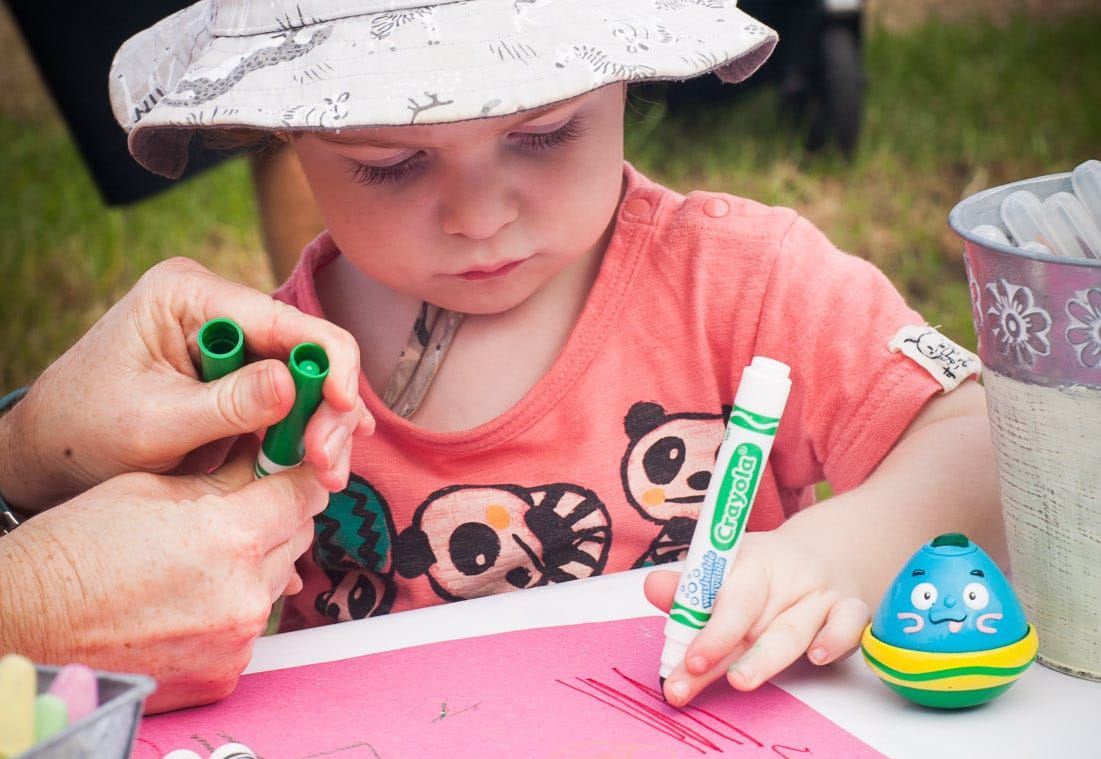
When a child turns away from crayons or imaginative play, concerns arise about diminishing curiosity and innovative thinking. This situation prompts a natural question: how to encourage creativity in a child? Nurturing creativity goes beyond simple craft projects, involving engaging activities for kids that inspire storytelling, sensory exploration, and problem-solving.
Practical approaches combine creative exploration with valuable learning experiences, fostering self-expression and confidence. My Coloring Pages is a versatile resource, offering 10,000+ free coloring pages to spark imaginative play and support hands-on development.
To put these ideas into practice, our 10,000+ free coloring pages help you get started right away.
Summary
- Creative practice builds cognitive flexibility and problem-solving skills; research shows that 75% of children who engage in creative activities demonstrate improved problem-solving.
- Preparing children for an uncertain job market requires divergent thinking, since estimates suggest 85% of jobs in 2030 have not yet been invented.
- Arts exposure and classroom recognition are linked; children engaged in the arts are four times more likely to be recognized for academic achievement, and 85% of educators say creative thinking is essential for classroom problem-solving.
- Short, repeatable routines and constraints scale creative momentum, for example, 60-second idea sprints and 20-minute sessions three times weekly turn sporadic inspiration into sustained habit.
- Fading support preserves autonomy and reduces shutdowns. Using a three-session scaffold, where adults model and then step back, can yield visible increases in willingness within a week and fewer erasures within a month.
- Collaborative imaginative play strengthens social skills and empathy; programs that ran for eight weeks of story-building showed clearer turn-taking and fewer shutdowns during group tasks.
- This is where 10,000+ free coloring pages fit in: by providing a large, centralized set of printable prompts and quick customization options that reduce prep friction and make short creative routines easier to maintain.
Why Nurture Creativity In Kids?
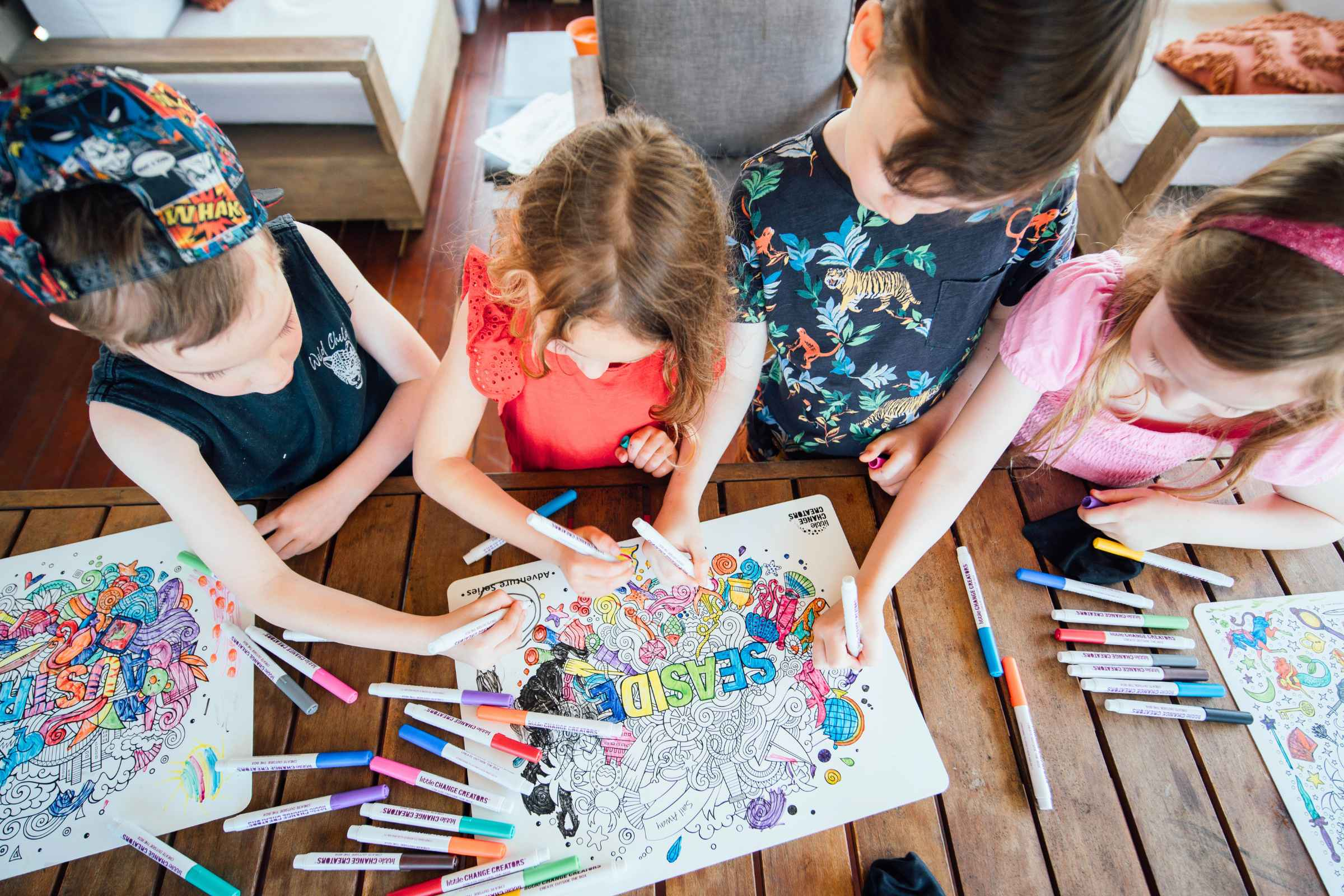
Creativity is not just an extra; it enables flexible thinking, emotional awareness, and confidence. These qualities help speed up and strengthen new learning. When creative play is viewed as an essential part of practice rather than just fun, children become better at solving problems and develop the social skills needed to apply those skills in real life. Engaging with 10,000+ free coloring pages can be an effective way to spark creativity and help children express themselves.
How does creativity make thinking and coordination better?
Creative activities engage multiple parts of the brain simultaneously. Activities like painting, building, and role-play do more than create objects; they connect ideas that support later learning. Research supports this; according to the 21K School Blog, "75% of children who engage in creative activities show improved problem-solving skills." Getting kids involved in creativity is connected to real improvements in how they solve problems.Think of those early years as creating paths in a snowy field; the more different paths there are, the easier it is to find new ways later.
What happens to a child’s feelings and confidence when creativity is prioritized?
This pattern appears in classrooms and family routines: when parents and teachers reward only the correct answers, children learn to avoid taking risks and hide their curiosity. Creative projects teach a different lesson; they make mistakes okay and encourage trying again. Children who lead a story, build a fort, or design a game learn to name feelings, take turns socially, and bounce back from small failures.This process boosts self-esteem and helps kids handle their emotions in real ways. Also, those moments of shared creation become important memories, serving as keepsakes and stories families return to when they seek stability.
Why does creativity matter for the future of work and adaptability?
The job market will require flexibility and original thinking, as many future roles do not yet exist. According to the World Economic Forum, "85% of jobs in 2030 have not been invented yet." Children who learn to consider and connect different ideas will be the ones who adapt and lead. Creativity is not just about art projects; it is training for uncertainty. Children who practice divergent thinking become adults who can reframe problems and invent solutions when familiar playbooks fail.
How do parents typically handle creative time?
Most parents manage creative time by piecing together coloring sheets, printables, and craft supplies. This approach is familiar and doesn't require new tools. However, the hidden cost is the time spent searching for, customizing, and making activities meaningful for their children.
As a result, parents often skip these activities or rely on the same tired templates week after week. Platforms like My Coloring Pages, with a community-built library of 11,117+ pages and simple customization tools, offer families quick, personalized options.
This allows them to preserve the creative intent while transforming planning from a chore into just a few clicks, helping to maintain regular creative practice without added stress.
How does creativity translate into social skills and empathy?
When children create characters and stories, they practice perspective-taking. Imaginative play encourages switching roles, which helps build empathy. To pretend to be someone else, kids have to understand that person's thoughts and feelings. This practice allows them to work together to solve problems on the playground and in the classroom, and it also improves conflict resolution at home.This has been seen many times in after-school programs. For example, groups that spent eight weeks building stories together showed better turn-taking and fewer arguments during group tasks because they practiced understanding different emotions while playing.
What’s the practical payoff parents can expect?
The payoff shows up in three main ways: better problem-solving, calmer emotional responses, and greater confidence when kids face new challenges. These results are precise: they show the difference between a child who gets stuck when something changes and one who says, "Okay, what else can I try?" This difference grows each year because starting a creative practice builds the brain connections and social habits needed for future learning, making future learning faster and stronger.
How does shifting our view of creative time impact daily priorities?
That simple shift in how we value creative time sounds small, but it changes what we prioritize every day. This new perspective makes subsequent decisions much more challenging to ignore.
Related Reading
- Activities for Kids
- Hobbies for Kids
- Activities for 5-Year-Olds
- Creative Activities for Kids
- Educational Activities for Kids
- At Home Activities for Kids
How to Encourage Creativity in a Child
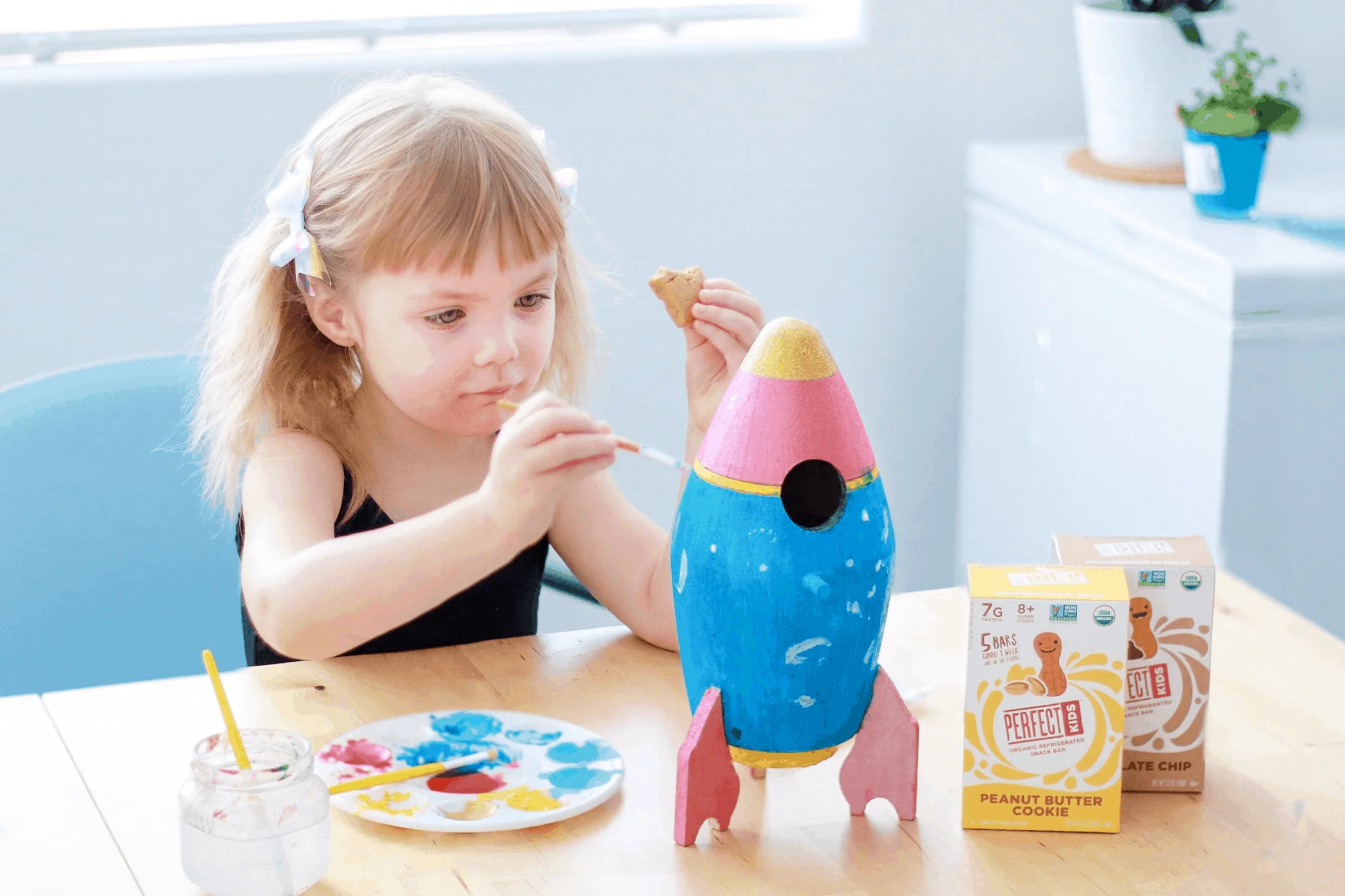
Creativity grows when it is treated as a skill that can be practiced. It benefits from simple routines, modest limits, and short, repeatable projects that are easy to maintain. Below are specific, step-by-step strategies you can use at home, in the classroom, or even during carpool time to help imagination come out more reliably.
How can limits make ideas better?
When you set a small boundary, creativity can grow a lot. For example, set a five-minute time limit to build something, choose only one color, or use only recycled materials. Ask the child to solve a specific problem, like "Make a boat that floats in this tub."Start with strict rules for one session, then relax them the next time. This method, called constraint-led play, helps kids pay attention and feel less overwhelmed. As a result, children are more likely to try creative solutions rather than getting stuck with too many choices. Using resources like 10,000+ free coloring pages can also inspire children to explore their creativity in fun and engaging ways.
What daily habits actually produce creative momentum?
Establish two short rituals: one to start creative time and another to end it. The starter ritual could involve a 60-second idea sprint in which your child identifies three things they could change about a toy, story, or snack. The closing ritual may include a quick note in an idea log, like, "Today I tried X, I liked Y." These small habits help build repeatable creativity, turning random inspiration into a routine that lasts through busy weeks.
How do you teach scaffolding without taking over?
Use fading support: in the first session, show a clear example and provide one specific choice, such as materials or outcomes. In the second session, show just the first step. Then, in the third session, let your child take over the whole task and watch what they do.This approach is like making a collage with your child for the first time: give them one tip on glue and one idea for a theme in the next session, then say, "Show me what you build" in the third. This way, you keep their autonomy while avoiding early shutdowns.
How can families keep creative practice without extra planning?
Rotate a small idea kit each week. This kit should have three unusual materials, one prompt card, and a tiny timer. Keep these kits in a shoebox. Set a simple family rule, like, "Twice a week, pick a box and play for 20 minutes."This method makes it easier to start and stops the usual problem where planning takes away from the fun. This issue happens at home and after school. When schedules get busy, parents often skip creative time because finding materials feels like a chore rather than an enjoyable activity.
How does organization impact creative practice?
Most teams rely on scattered printables and loose craft piles because this approach feels familiar and low-tech. While it works for a time, as weeks go by and the number of kids increases, materials tend to scatter, prompts are repeated to the point of exhaustion, and preparation time grows. Eventually, creativity becomes just another deadline rather than a regular habit.
Platforms like My Coloring Pages, with a community-built library and simple customization tools, centralize high-quality printable prompts. They enable parents to create personalized pages in seconds, cutting prep time and maintaining a more consistent creative practice.
What role should documentation and reflection play?
Keeping a process sketchbook and an idea seed box can be very helpful. After finishing a project, it's good to ask three reflection questions out loud: "What surprised you? What would you change? What could we try next?" Writing or sticking small items into the sketchbook creates a visual record.Over time, your child will start to see patterns in their interests. This will help them solve larger problems by reviewing earlier attempts and refining their ideas. This archive serves as a low-pressure showcase that can boost pride and encourage more play.
How do you combine learning goals with play without killing the fun?
To combine learning goals with play, you can turn a target into a fun challenge. For example, if the goal is sequencing, you can encourage the child to create a three-step puppet show. If the focus is on measurement, have them build towers that must reach a specified height. By keeping tasks playful and success criteria clear, adults remain accountable for results while preserving the fun, exploratory environment that allows kids to experiment and improvise.
Why introduce micro-projects and collaborative swaps?
Micro-projects are 30–90-minute tasks that have a clear endpoint. Examples include a one-page comic, a small garden in a yogurt cup, or a 20-frame flipbook. By rotating partners each week, children can gain different perspectives.Adding a "role inversion" session, in which a child teaches an adult a rule they created, can be very helpful. This role reversal builds leadership skills and helps kids to organize their ideas. It ultimately strengthens both creative output and communication.
How does arts exposure affect children's creativity?
Arts exposure significantly impacts recognition and confidence. According to Bellevue Children's Academy, children engaged in arts are 4 times more likely to be recognized for academic achievement. This means that giving children opportunities to showcase and celebrate their small successes is very important. Education leaders widely support this idea; a survey found that 85% of educators believe creative thinking is essential for classroom problem-solving. This shows that encouraging creativity not only supports children's art but also plays a significant role in their overall academic success.
What is a practical starter checklist for parents?
Here is a practical starter checklist you can use today:
- Build a 20-minute ritual three times a week.
- Create a single constraint card and swap it every session.
- Maintain a 1-page sketchbook, adding one line after each creative session.
- Launch a two-week micro-project with a simple, measurable goal.
- Rotate materials monthly to keep curiosity continually renewing itself.
How can My Coloring Pages support creative growth?
My Coloring Pages lets users make custom, printable coloring pages in just a few seconds. You can also look through 10,000+ free coloring pages from our community. Plus, you can create personalized pages and coloring books for kids, classrooms, and keepsakes.
What are the hidden barriers to creative growth?
This approach may work for a while; however, the more significant challenges to creative growth often lie in the everyday pressures that follow children from the playground to the classroom.
Related Reading
- Activities for 6 Year Olds
- Activities for 7-Year-Olds
- Fun Activities for Elementary Students
- Fun Activities for Preschoolers
- Screen-Free Activities for Kids
- Activities for 8-Year-Olds
Overcoming Challenges to Creativity in Early Childhood
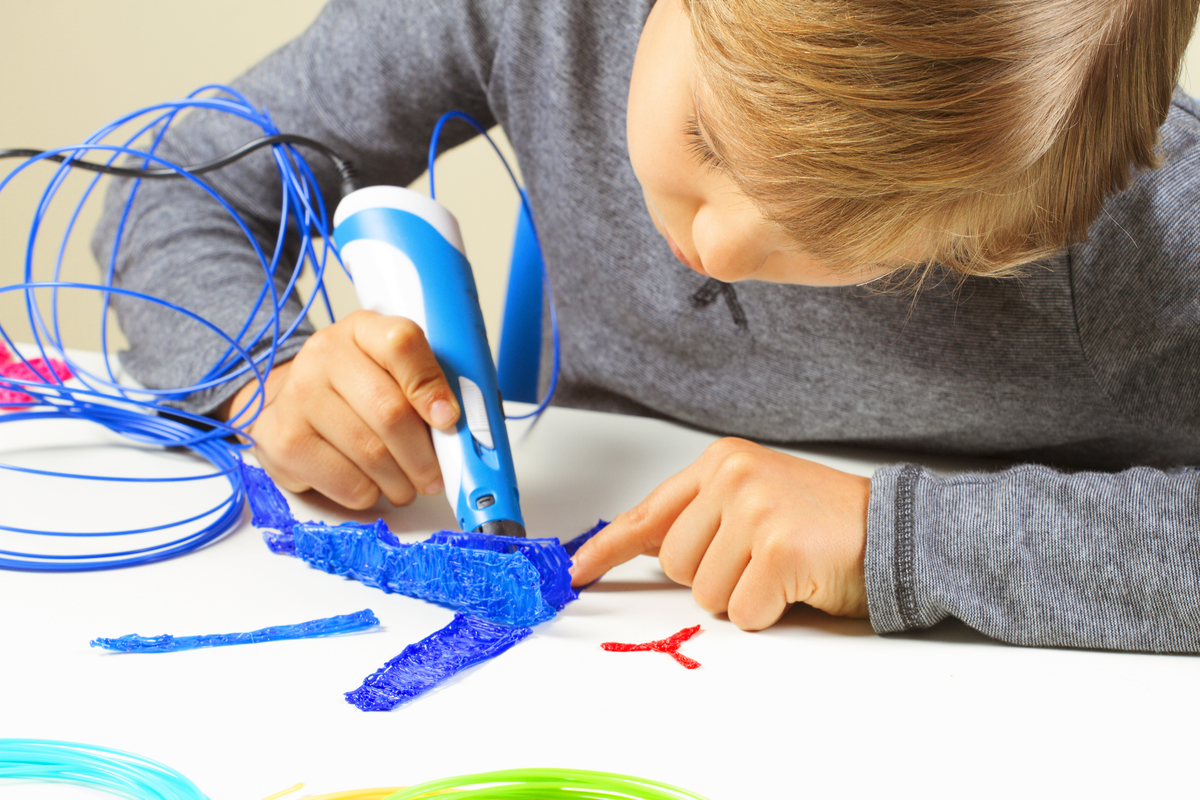
Children often lose their creative momentum for expected reasons. By closely observing their behavior, we can quickly identify these challenges.It is essential to change how adults respond; small changes in how adults support activities, give praise, and provide materials can effectively reopen play without any drama.
How can you tell when fear of failure is a problem?
Look for avoidance behaviors, not just words. A child who erases repeatedly, seeks constant approval before making a mark, or refuses to start likely feels judged. This pattern appears in both classrooms and family rooms, typically because adults reward 'right' outcomes rather than encouraging experimentation.
Counteract this by using micro-experiments: limit a drawing to three lines, or set a two-minute timer for messy first drafts. Name mistakes in neutral language, praise the effort, and model your own imperfect attempts first. Within a week, you can often see an increased willingness to begin; within a month, you may notice fewer erasures.
What does too much adult structure look like, and how do you loosen it?
Too much planning can turn into a strict script, with clear steps, a single correct outcome, or adult-led demonstrations that only encourage copying. The result is predictable: children learn compliance instead of invention. To boost creativity, try a one-step handoff: give a vague prompt, then step back for 10 minutes while you watch quietly. This method encourages independence.
Use fading support by guiding the first step, then removing prompts across three sessions. This allows the child to take on more responsibility.Scheduling two weeks of 'unplanned' time can also be helpful. Set aside twenty minutes each to build comfortable ambiguity without interrupting established routines.
What are the subtle ways adults squash creativity without meaning to?
Adults unknowingly teach caution through conditional praise and quick corrections. When they say "good job" for a neat result but criticize messy attempts, they train kids to focus on how things look rather than how they are done. To help kids be creative, shift praise for results to questions that show curiosity, such as “What were you trying?” or “What surprised you?” Give choices that change what success looks like, for instance, ask for the silliest color or the tiniest part to be the most important.This method helps kids see success in trying new things. After over three to four sessions, you’ll see that kids start taking more risks.
How do you respond when resources or space are limited?
When resources or space are limited, creativity often retreats to imitation, relying on what's readily available. The practical fix is twofold: simplify and rotate.Keep a small kit of inexpensive, interchangeable items, and swap one item each week. Even a single new texture or tool can significantly shift problem-solving.
If space is tight, create a portable creation mat that defines a micro-studio on the kitchen table for 20 minutes. This constraint-based approach focuses the effort and reduces friction that can otherwise turn creative time into logistical challenges.
When peer comparison or conformity becomes a block, what helps?
When peer comparison or conformity becomes a problem, several strategies can help. Comparison often happens when children ask, "Is mine good?" or when they copy a friend's idea to get approval. One helpful approach is to normalize multiple solutions by organizing a mini-showcase. During this event, each child must explain one unique choice instead of just showing their work.Rotating roles so that each child teaches a rule they created encourages ownership and reduces the habit of copying. Over four sessions, these role swaps transform distinct choices into a social asset rather than a liability.
What adult habits should change immediately to create safety?
What adult habits should change immediately to create safety? Adults should stop making immediate corrections, showing the 'right' version, and rescuing the project. Instead, they can introduce a 'celebrate the attempt' ritual. This means sharing one sentence about what was interesting, followed by an optional question.Remaining silent after the first two minutes of activity can have a significant impact. These small changes can alter the mood of play within days. Additionally, they help prevent shutdowns that can take weeks to resolve.
How can parents avoid fragmentation in creative routines?
Most parents improvise with store-bought kits or scattered printables because this method is familiar and seems easy. This approach might work at first; however, as schedules get busier and expectations grow, it can lead to chaos. Supplies can build up, prep time may increase significantly, and children may start seeing creativity as just a checklist.
Platforms such as My Coloring Pages, as customizable, printable libraries, offer an alternative solution. Families find that putting all templates in one place and allowing quick personalization can cut prep time from twenty to thirty minutes down to just a few clicks. This helps keep regular creative moments without making extra work for adults.
What practical routine can you try this week?
A practical, low-friction routine can be tried this week. On Day 1, set a 10-minute “no-judgment start” in which both you and the child create one messy page; no questions are asked for five minutes. On Day 3, pick one constraint, such as “one texture only,” and experiment for 15 minutes. End the week with a one-line reflection: what surprised you?Repeat the cycle with a new constraint the following week, observing how small changes can compound into new habits.
How quickly can a child's risk posture change?
It may seem like a minor fix, but a child's way of thinking about risk can change quickly, just like a door that you thought was locked suddenly swings open.
Related Reading
- Back to School Activities for Elementary Students
- Budget Friendly Family Activities
- Hobbies for Toddlers
- At Home Learning Activities
- Coloring Skills Development
Create Custom Printable Coloring Pages and Coloring Books in Seconds
Most parents like to create printables because it feels comfortable. If you want an easier way to help a child be creative, My Coloring Pages is highly recommended. It quickly turns a description or an uploaded photo into a ready-to-print coloring page. The platform offers 10,000+ free community pages and lets you make your own personalized coloring books.
This trusted tool is rated 4.8/5 by over 20,000 parents and handles the prep work so you can focus on encouraging imaginative play, creative thinking, and consistent creative habits. You can explore 10,000+ free coloring pages.