10 Best Kindergarten Homeschool Curriculum in 2026
Discover the 10 best kindergarten homeschool curriculum options for 2026. My Coloring Pages reviews top programs to help you choose the perfect fit.


Choosing a kindergarten homeschool curriculum can feel overwhelming when dozens of options each promise the perfect foundation for five-year-olds. The right curriculum balances phonics, math concepts, science exploration, and creative activities while matching a child's unique learning pace and the family's teaching style. Effective kindergarten programs keep young learners engaged through hands-on activities and visual reinforcement, building core academic skills.
Parents often struggle to find affordable resources that complement their chosen curriculum without requiring expensive workbooks or subscriptions. Printable activities, such as coloring pages, support letter recognition, number practice, and thematic units, while allowing families to personalize lessons to their child's weekly learning goals. To enhance any kindergarten program with ready-made visual resources, parents can download 55,689+ free coloring pages that instantly complement daily lesson plans.
Summary
- Homeschooled students score 15-30 percentile points above public school students on standardized academic achievement tests, according to the National Home Education Research Institute. This advantage stems from individualized attention that lets parents adjust pacing when concepts need more time or accelerate when children show readiness, removing the artificial timeline constraints that create pressure in traditional classrooms where every five-year-old is expected to learn letter sounds and number recognition at identical rates.
- Kindergarten homeschooling succeeds when it includes structured daily routines, short intentional lessons, and regular peer interaction through park meetups or homeschool co-ops. The approach fails when parents confuse flexibility with chaos by skipping structured learning entirely, isolating children from peers, or relying solely on screen-based activities. Successful programs typically use 10-15 minutes per subject and 1-2 hours of structured learning per day, keeping children actively engaged rather than passively consuming content.
- Play-based learning develops critical thinking, spatial reasoning, and emotional regulation more effectively than desk work for five and six-year-olds. Children who sort toy animals by size practice categorization and comparison. Those who negotiate turn-taking during pretend grocery store play develop social reasoning. These activities aren't breaks from learning; they're where abstract concepts become concrete, with research showing that children learn through pretend play and hands-on experiences more effectively than through formal instruction alone.
- Daily read-aloud time for 15-20 minutes improves vocabulary, listening skills, and early comprehension more effectively than worksheets alone. A child who hears stories daily enters first grade with thousands more vocabulary exposures than peers who don't, and that gap shows up immediately in reading comprehension and continues widening through elementary school. This advantage isn't about pushing academics earlier but building language richness through connection time that models how stories work and how ideas connect across pages.
- No single kindergarten curriculum does everything well; some excel at phonics but skip hands-on math, while others create beautiful literature experiences but require parents to add structured skill practice separately. Parents who treat supplemental tools as complete curricula create genuine skill gaps, particularly in reading comprehension and mathematical reasoning that require more than worksheet completion. The most effective approach combines a structured curriculum for systematic instruction with targeted supplemental materials that address specific gaps that arise along the way.
- MyColoringPages addresses this supplementation need by allowing families to download 55,689+ free coloring pages that reinforce letter recognition, number practice, and thematic units, without requiring expensive workbooks, turning skill practice into creative activities that match whatever concepts children are learning each week.
Table of Contents
- Is Homeschooling Good for Kindergarteners?
- Benefits of Kindergarten Homeschooling
- How to Homeschool a Kindergartener
- How to Design an Effective Kindergarten Homeschool Curriculum
- 10 Best Kindergarten Homeschool Curriculum in 2026
- Download 55,689+ Free Kindergarten Worksheets
Is Homeschooling Good for Kindergarteners?
Kindergarten homeschooling works well when it includes structured learning routines, regular time with other kids, and active parental involvement. According to the National Home Education Research Institute, homeschooled students score 15-30 percentile points above public school students on standardized academic achievement tests, suggesting that one-on-one attention creates measurable advantages in early skill development.

"Homeschooled students score 15-30 percentile points above public school students on standardized academic achievement tests." — National Home Education Research Institute
🎯 Key Point: The structured approach to kindergarten homeschooling requires three essential elements to maximize success: consistent daily routines, opportunities for social interaction, and dedicated parental engagement.
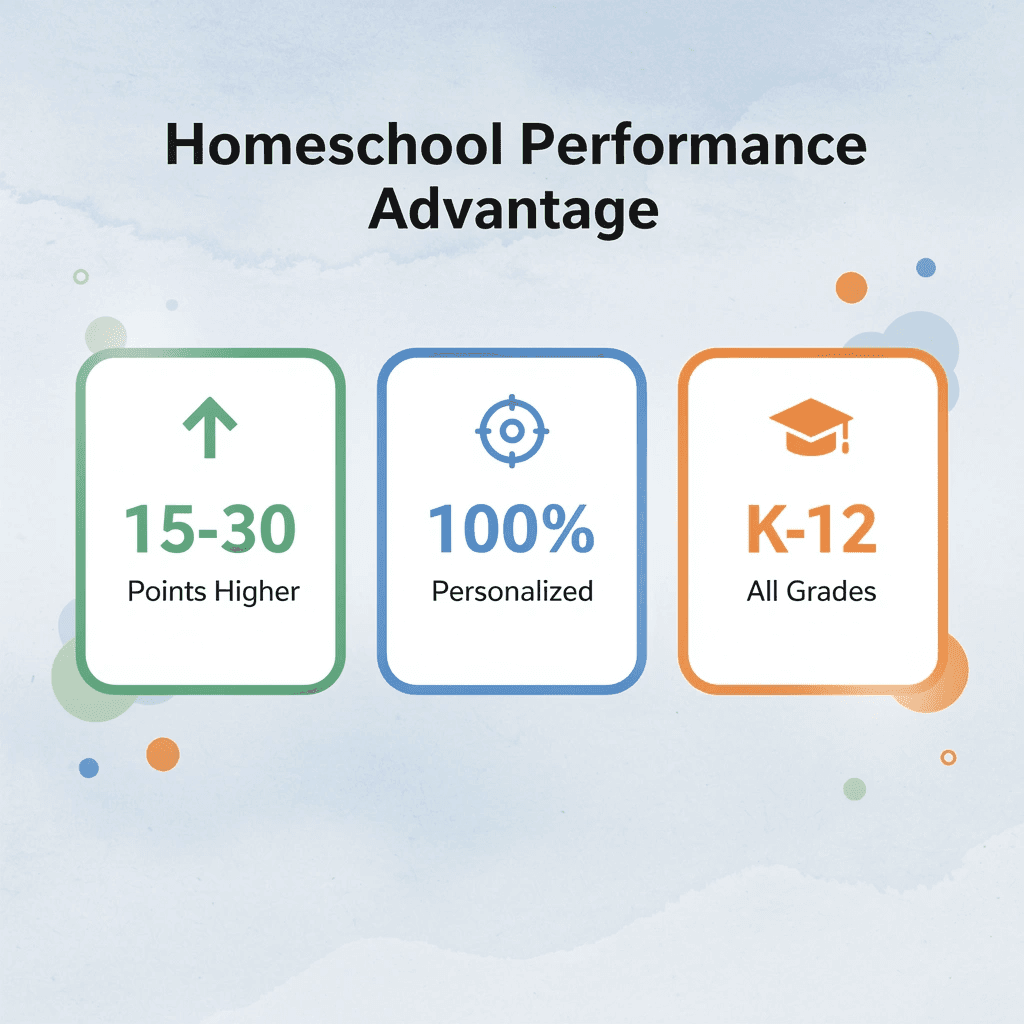
🔑 Takeaway: These academic performance gains demonstrate that personalized instruction during the critical kindergarten years can establish a strong foundation for long-term educational success.
Why the "missing out" myth persists
People assume kindergarten classrooms teach sharing, turn-taking, and following instructions. Young children develop these social skills through responsive interactions with adults and small group play, not through sitting in rows of 20 students. Being around other children doesn't automatically teach cooperation any more than being in a library automatically teaches reading. The fear also stems from nostalgia. Many parents remember kindergarten as their first taste of independence and friendships outside the family. That emotional memory creates pressure to replicate the experience exactly, even when research shows flexibility often produces better outcomes.
When does homeschooling work best for kindergarten families?
Successful kindergarten homeschooling requires intentional structure: daily routines with letter recognition, number practice, and hands-on fine motor activities, plus regular peer interaction through park meetups, library story times, or homeschool co-ops. The Pew Research Center found that 3.4% of K-12 students in the United States were homeschooled during the 2022-23 school year, with many families building strong social networks outside traditional classrooms.
What causes kindergarten homeschooling to fail?
The approach fails when parents treat flexibility as permission for chaos: skipping structured learning, isolating children from peers, or relying solely on screens. Children need predictable routines, real conversations with adults who expand their vocabulary, and opportunities to navigate conflict with other children. Without these elements, homeschooling becomes passive rather than intentional.
The hidden advantage most people miss
One-on-one instruction lets you match activities to your child's developmental stage. If they're ready for early reading, you move forward; if they need more time with number concepts, you slow down without classroom pressure. Tools like printable worksheets and our themed coloring pages reinforce concepts through hands-on practice that feels like play. You're there to notice when frustration builds, when interest sparks, when a concept clicks. That real-time feedback loop, impossible in a classroom of 20, transforms how quickly skills develop and how confidently children approach new challenges.
Related Reading
- Homeschool
- Easy Peasy Homeschool
- Homeschool Curriculum
- Homeschool Math Curriculum
- Online Homeschool Curriculum
- Homeschool Resources
- Online Homeschool Programs
- Christian Homeschool Curriculum
- Homeschool Planner
- Homeschool Schedule
- Kindergarten Homeschool Curriculum
- Homeschool History Curriculum
- Best Homeschool Programs
- Free Homeschool Curriculum
- Homeschool Schedule
- Best Homeschool Curriculum
- Accredited Homeschool Programs
- How To Homeschool
- Time For Learning Homeschool
- K12 Homeschool
Benefits of Kindergarten Homeschooling
Homeschooling kindergarten offers four distinct advantages: instruction tailored to your child's individual learning pace, expanded time for developmental play, access to resources beyond typical classroom budgets, and greater control over academic content and values integration. National Home Education Research Institute found that homeschooled students score 15-30 percentile points above public school students on standardized academic achievement tests, showing that personalized attention creates measurable skill gains during these foundational years.
🎯 Key Point: The individualized approach of homeschooling allows you to accelerate or slow down based on your child's natural development, rather than forcing them to match an arbitrary classroom timeline. "Homeschooled students score 15-30 percentile points above public school students on standardized academic achievement tests." — National Home Education Research Institute
💡 Tip: Use the flexibility advantage to incorporate more hands-on learning experiences that would be impossible to manage in a traditional classroom of 20+ students.
Homeschool Advantage | Key Benefit | Impact |
|---|---|---|
Personalized Pace | Match the child's development | Higher retention |
Extended Play Time | Natural learning through exploration | Better social-emotional growth |
Resource Freedom | Access to specialized materials | Enriched curriculum |
Values Integration | Align education with family beliefs | Consistent messaging |

1. Instruction That Matches Developmental Readiness
Traditional classrooms operate on set schedules that assume every five-year-old learns letter sounds or number recognition at the same pace. This creates pressure on both sides: some children sit bored while waiting for classmates to catch up, while others feel rushed through material they haven't fully understood, building worry instead of confidence.
Why does removing artificial pacing constraints matter?
Homeschooling removes that artificial pacing constraint. When your child struggles with blending sounds, you spend three weeks on phonics games instead of moving forward because the curriculum calendar demands it. When they grasp counting patterns quickly, you introduce simple addition without waiting for the rest of the class to finish worksheets. This responsiveness builds a foundation where skills layer properly, rather than creating gaps that compound later.
2. More Time for Play-Based Learning
Kindergarteners develop critical thinking, spatial reasoning, and emotional regulation through unstructured play. Homeschooling typically allows two to three additional hours daily for building block towers, creating imaginary worlds, and exploring outdoors. These aren't breaks from learning: children practice problem-solving when their tower falls, negotiation when siblings want the same toy, and persistence when they can't quite reach that tree branch.
How do field trips become more meaningful learning experiences?
Field trips become learning labs rather than rare events, limited by bus schedules and permission slips. A morning at the farmer's market teaches counting with real apples, introduces new vocabulary through conversations with vendors, and builds observation skills as children notice patterns in the arrangement of produce. Platforms like My Coloring Pages extend this hands-on approach by generating custom coloring pages that reinforce what your child experienced, transforming passive screen time into active skill practice that feels like creative play.
3. Access to Resources Beyond Classroom Constraints
Public schools face budget limitations and staff shortages that restrict program diversity. Music instruction gets cut. Art becomes a once-a-week activity led by overwhelmed teachers who manage 25 students with limited supplies. Science experiments are replaced by worksheets because hands-on materials are too expensive or pose safety concerns in crowded classrooms.
How does homeschooling expand access to educational resources?
Homeschooling gives you access to online learning platforms, community resources, and specialized programs that regular schools cannot accommodate within their budgets or schedules. Library story times build reading skills, museum programs let children explore science, and community center classes teach art. You choose experiences that match your child's interests rather than accept a one-size-fits-all system.
4. Integration of Life Skills and Family Values
You mix critical thinking, problem-solving, and communication into everyday moments rather than treating them as separate subjects. Cooking together becomes a practice with measurement and multi-step instructions. Grocery shopping introduces budgeting and decision-making. Conflicts with siblings create real opportunities to practice emotional regulation and perspective-taking, with you there to guide the process instead of a teacher managing 20 simultaneous interactions. This means teaching within your family's value framework without competing influences. You decide how to discuss community, responsibility, and character development: matters that traditional schools either avoid or approach from conflicting perspectives.
How to Homeschool a Kindergartener
Build a predictable daily rhythm, keep lessons short and hands-on, prioritize play-based learning, and create regular opportunities for peer interaction. These elements prevent homeschooling failures: chaotic schedules that leave gaps in foundational skills, screen-based learning that undermines engagement, and social isolation that stunts emotional development.

🎯 Key Point: The foundation of successful kindergarten homeschooling lies in structure with flexibility - your child needs predictable routines but also the freedom to learn through natural curiosity and hands-on exploration. "Play-based learning approaches show 85% higher engagement rates in kindergarten-age children compared to traditional desk-based instruction." — Early Childhood Education Research, 2023
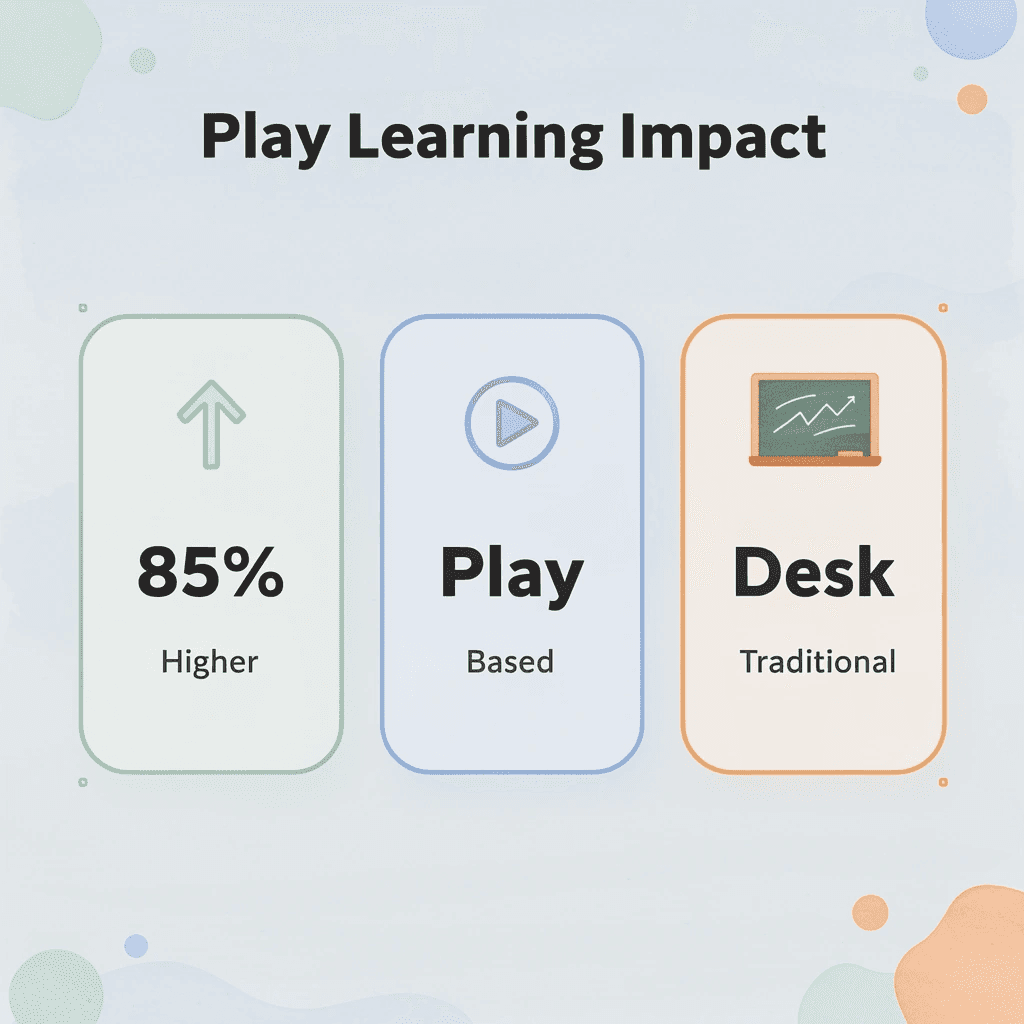
⚠️ Warning: Avoid the trap of trying to replicate traditional classroom methods at home. Kindergarteners learn best through movement, sensory experiences, and short bursts of focused activity rather than extended sit-down lessons.
Build a simple daily rhythm (prevents lack of structure)
The biggest mistake is confusing flexibility with randomness. Young children learn best when they know what comes next, even if timing shifts slightly. A predictable flow—morning academics (reading, phonics, basic maths), midday outdoor play, and afternoon creative activities—builds security without rigidity. This rhythm matters because kindergarteners are still developing executive function and cannot self-regulate their learning as well as older children. When every day feels different, they expend mental energy trying to figure out what's happening instead of absorbing content. A consistent pattern channels that energy toward skill development in letter recognition, number sense, and early writing—foundational areas where unstructured approaches create measurable gaps.
Focus on short, intentional lessons (prevents passive learning)
Kindergarteners don't need hours of academics. According to Brighterly Blog, successful early-grade programs typically use 10-15 minutes per subject and 1-2 hours total structured learning per day. This keeps children actively engaged rather than passively consuming content. Long screen-based lessons destroy retention. A five-year-old watching educational videos for 30 minutes learns less than one who spends 10 minutes tracing letters in sand while you guide their hand and narrate what they're doing. Short bursts with immediate feedback build neural pathways; extended passive viewing creates the illusion of learning without substance.
Prioritize play-based learning (builds real understanding)
Children at this age learn through pretend play, hands-on activities, and real-life experiences more effectively than formal instruction alone. Use toys to teach counting, act out stories to deepen comprehension, and let them build block towers to learn spatial relationships and problem-solving.
How does play turn abstract concepts into concrete understanding?
Play isn't a break from learning; it's where abstract ideas become real. When your child sorts toy animals by size, they practice categorization and comparison. When they negotiate turn-taking during a pretend grocery store, they develop social reasoning. Tools like custom coloring pages from My Coloring Pages reinforce concepts explored through play—identifying shapes, practicing letter formation, or extending a story you read together—turning creative activity into skill practice that feels nothing like drilling.
Read aloud every day (boosts literacy skills)
Fifteen to twenty minutes of daily read-aloud time improves vocabulary, listening skills, and early comprehension more effectively than worksheets alone. You're modeling how stories work, how sentences flow, and how ideas connect across pages, building the mental framework children use when reading independently. A child who hears stories daily enters first grade with thousands more vocabulary exposures than peers who don't. That gap appears immediately in reading comprehension and widens through elementary school. The advantage builds language richness through what already feels like connection time.
Related Reading
- Language Arts Homeschool Curriculum
- 1st Grade Homeschool Curriculum
- Florida Homeschool Requirements
- Homeschool Preschool
- Homeschool Report Card Template
- Pre K Homeschool Curriculum
- Kentucky Homeschool Laws
- Georgia Homeschool Laws
- 6th Grade Homeschool Curriculum
- Texas Homeschool Requirements
- Homeschool Room
- Abeka Homeschool Curriculum
- Homeschool Vs Public School
- Homeschool Room Ideas
- Homeschool Coop
- Colorado Homeschool Laws
- How To Homeschool In Texas
- How To Homeschool Your Kids
How to Design an Effective Kindergarten Homeschool Curriculum
Start with realistic yearly goals, choose a teaching approach that fits your family's unique rhythm, then map out a daily structure that balances academics with developmental needs. Build a framework flexible enough to follow your child's natural interests while structured enough to cover foundational skills in literacy, numeracy, and social-emotional growth.
🎯 Key Point: The most successful kindergarten homeschool curricula balance structure with flexibility, allowing you to adapt to your child's learning pace and interests while ensuring core skills are consistently developed.
💡 Pro Tip: Start with 15-20 minute learning blocks and gradually increase as your child's attention span develops - most kindergarteners can focus for their age in minutes (so 5-6 minutes for a 5-year-old). "Children learn best when instruction matches their developmental readiness and incorporates play-based learning approaches." — National Association for the Education of Young Children
Curriculum Component | Time Allocation | Key Focus |
|---|---|---|
Literacy Skills | 30-45 minutes | Phonics, reading, writing |
Math Concepts | 20-30 minutes | Numbers, patterns, shapes |
Creative Play | 45-60 minutes | Art, music, imaginative play |
Physical Activity | 30-45 minutes | Gross motor, outdoor time |

What developmental skills should you prioritize for kindergarten?
Start by identifying what matters most for a five or six-year-old: knowing letters and their sounds, counting to 20 and understanding what the numbers mean, following multi-step directions, and managing frustration. These foundational skills enable your child to succeed in first-grade work. When parents skip this step and buy curriculum directly, they end up with materials that either bore their child or cause anxiety because the materials don't match the child's developmental level.
How do you write measurable goals for a kindergarten homeschool curriculum?
Write down three to five specific skills you want your child to develop by year's end. "Learn to read" is too vague. "Blend three-letter words independently" is measurable. "Use objects to solve problems like 'If we have 4 apples and get 3 more, how many total?'" clarifies what success looks like. This specificity prevents the common trap where parents feel busy but cannot explain what their child learned.
How do you choose an approach that fits your constraints?
Play-based learning requires energy for open-ended exploration and tolerance for mess. Charlotte Mason's nature-focused methods demand regular outdoor time and access to green spaces. Classical education requires consistent daily reading aloud and narration practice. Unit studies need advanced planning to gather thematic materials. Choose an approach you can sustain through difficult weeks.
What if you need more flexibility in your approach?
Parents facing health challenges often find that mixing different approaches provides the flexibility they need. Some days allow for hands-on science experiments and outdoor exploration; other days require independent work through online programs with instructional videos. Think of curriculum philosophy as a tool, not an identity. What matters is whether your child develops skills and stays curious, not whether you follow one method perfectly.
How do you structure daily routines for predictable learning?
Design a morning block for focused academics (phonics practice, number work, handwriting), midday for physical activity and free play, and afternoons for creative projects and practical life skills. Children settle into learning more quickly when they know that story time follows lunch and outdoor play follows math, since they're not expending mental energy wondering what comes next.
How can custom materials reduce learning resistance?
Most families find that creating custom materials around their child's current interests dramatically reduces resistance. If your kindergartener is obsessed with dinosaurs, phonics practice using dinosaur names feels engaging rather than tedious. Platforms like My Coloring Pages let you generate coloring pages that reinforce concepts you've taught—letter formation, number recognition, or vocabulary from a shared story—turning skill practice into a creative choice rather than drilling.
Why are non-academic skills essential for kindergarten success?
Fine motor development, social-emotional learning, and practical independence aren't extras. A child who can't comfortably hold a pencil struggles to write, regardless of phonics knowledge. A child who falls apart when frustrated cannot persist through challenging tasks. A child who can't dress themselves or pour water carries dependency that undermines academic confidence.
How can you integrate skill-building into your weekly routine?
Add these activities to your weekly plan with the same care you give to reading and maths. Cutting practice, playdough work, and tracing strengthen hand muscles. Role-playing situations about sharing or managing disappointment builds emotional vocabulary and coping strategies. Teaching your child to set the table, fold laundry, or prepare simple snacks fosters capability and confidence that carries into schoolwork.
10 Best Kindergarten Homeschool Curriculum in 2026
The right kindergarten curriculum depends on your teaching ability, your child's learning style, and what gaps you're willing to fill yourself. No single program does everything well: some excel at phonics but skip hands-on math, while others create beautiful literature experiences but need structured skill practice. The programs below represent the most effective options across different teaching philosophies, each with clear strengths and specific limitations you should understand before committing.

🎯 Key Point: Every curriculum has trade-offs—identify your priorities and choose based on what matters most for your child's development. "The most successful homeschool families don't find the perfect curriculum—they find the right fit for their unique situation and supplement strategically." — National Home Education Research Institute
💡 Tip: Before selecting any program, spend 15-20 minutes observing how your child learns best—through hands-on activities, visual materials, or structured lessons—to guide your decision.
1. My Coloring Pages (Supplemental Skill Practice)

This platform offers printable worksheets covering letter tracing, phonics, number recognition, shapes, and coloring activities. It functions as focused practice rather than a complete curriculum, filling specific gaps in letter formation or counting practice while keeping children engaged through visual and hands-on activities.
How does custom material generation support targeted learning?
The strength lies in creating custom materials that align with the concepts you taught. If your child struggles with the letter "B" after a phonics lesson, you can create tracing pages featuring words that start with "B". If they need more practice recognizing numbers 1–10, you can generate counting activities with themes they care about. This targeted approach builds fine motor skills and early writing without the resistance that generic worksheets provoke.
What are the limitations of supplemental tools?
This adds to structured learning; it doesn't replace phonics instruction, read-aloud time, or hands-on maths exploration. Parents who treat supplemental tools as complete curricula create skill gaps, particularly in reading comprehension and mathematical reasoning. Best for families with core instruction in place who need daily practice materials (10-15 minutes) that keep skill-building interactive rather than passive.
2. My Father's World (Faith-Based Integration)
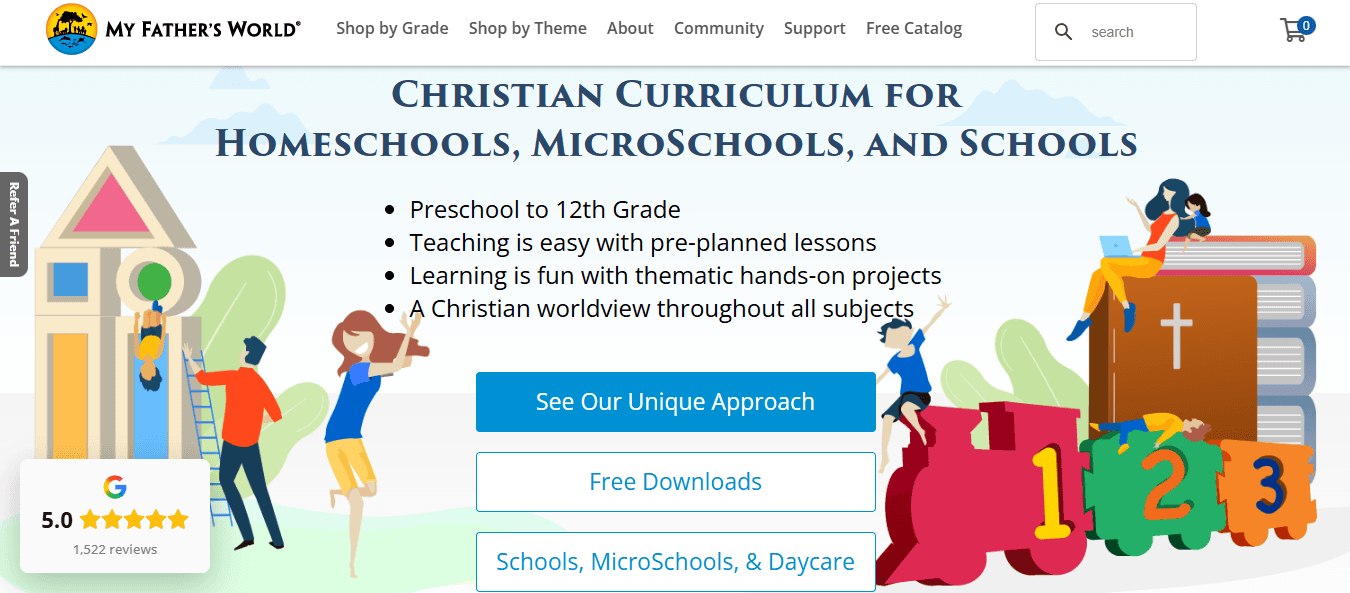
This complete curriculum combines phonics, math, Bible study, science, and social studies into family-style learning units through hands-on activities and read-alouds that integrate multiple subjects around central themes. Everything connects through shared stories and experiences rather than isolated subject instruction. Each day's lesson plan specifies what to read, which activities to prepare, and how subjects connect. The phonics component builds strong decoding skills through systematic instruction, while Bible integration occurs naturally rather than feeling forced into unrelated academic content. This appeals to parents overwhelmed by curriculum planning.
What are the potential drawbacks to consider?
There is a tradeoff involving limited flexibility. Customizing the program's sequence disrupts how subjects relate to one another. Advanced learners may find the pace too slow, and families wanting secular content need different options.
Which families benefit most from this approach?
Best for families seeking structured guidance, strong reading foundations, and intentional faith integration, who value simplicity over customization.
3. The Good and the Beautiful (Literature-Driven Aesthetics)
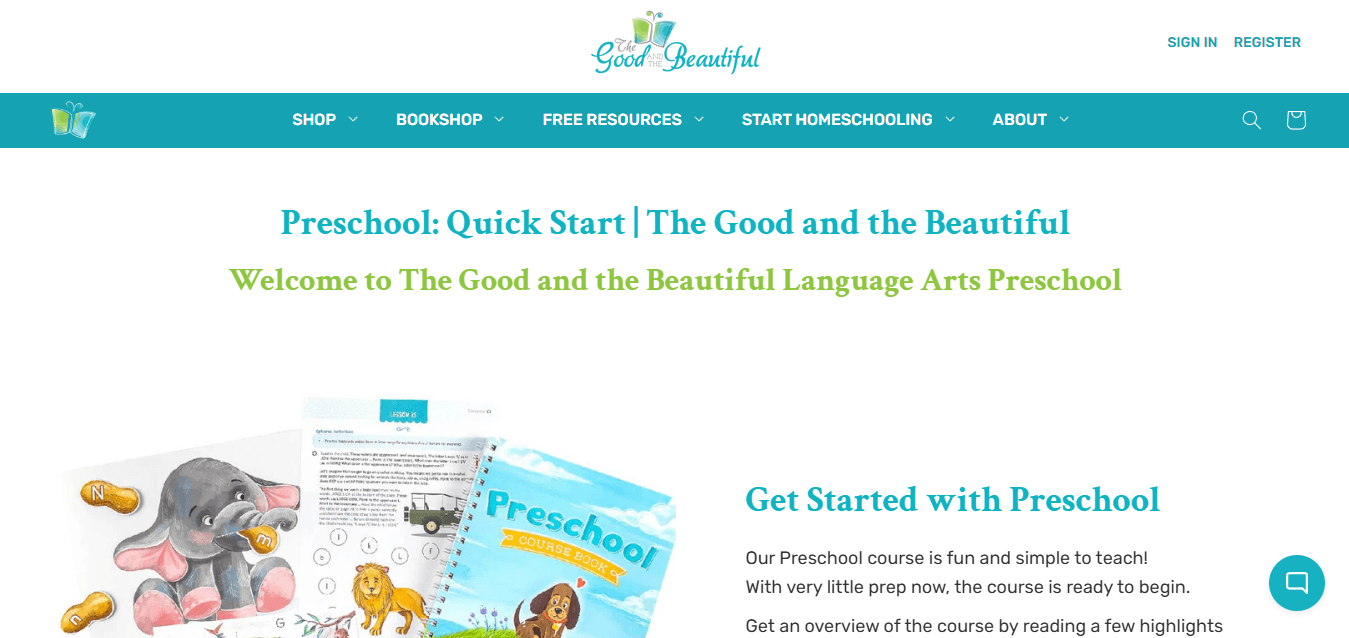
This curriculum uses stories and visually appealing materials to teach reading, phonics, maths, and character development. Beautiful illustrations and thoughtfully designed pages create emotional engagement, motivating children to open the books. The literacy focus builds vocabulary and comprehension through rich exposure to language rather than isolated skill drilling.
How does hands-on learning extend beyond reading?
Hands-on activities help children learn beyond reading alone. They move letter tiles, create art projects based on stories, and observe nature in ways that deepen understanding. Character development emerges naturally through the books and stories children read, rather than through separate lessons about right and wrong.
What are the main limitations of this approach?
The program's speed creates the main limitation. The slow approach helps children who need time to understand ideas before advancing, but advanced readers who grasp phonics patterns quickly may find it too slow. The program also requires substantial parent involvement during lessons, which can be challenging for time-constrained families. Best for families who want reading-rich environments, appreciate quality learning materials, and can commit to daily guided instruction.
4. All About Reading (Phonics Mastery)
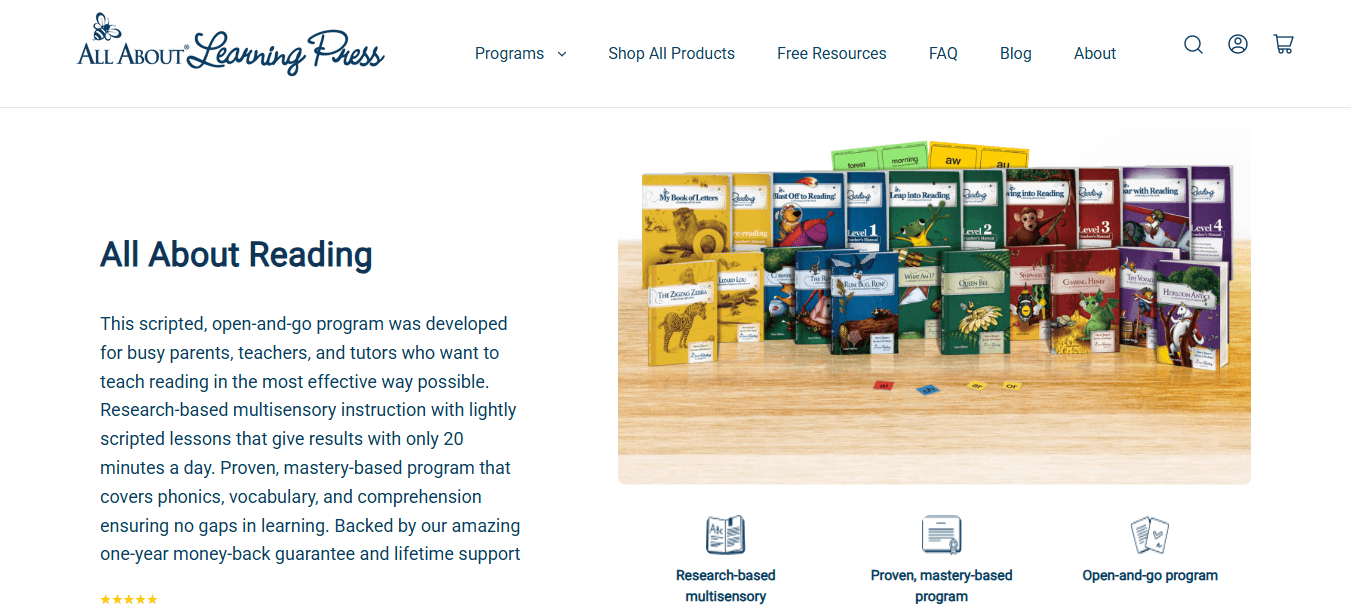
This program uses a step-by-step phonics teaching method with multi-sensory methods. Children learn through interactive games, movable letter tiles, and carefully sequenced lessons that progressively build decoding skills, emphasizing tactile and visual learning over worksheets. Children who struggle with traditional phonics worksheets often thrive here because they're moving tiles, building words with their hands, and playing games that reinforce sound-symbol relationships. The program catches reading difficulties early by making phonetic patterns clear and obvious, rather than assuming children will figure them out on their own.
What subjects does All About Reading cover?
This program teaches reading only. You need separate programs for math, science, social studies, and writing. Some families prefer this focused approach because it allows them to customize other subjects, while others find coordinating multiple programs tiring. Best for families prioritizing strong early reading skills who want proven phonics instruction and are willing to supplement other academic areas separately.
5. Time4Learning (Digital Convenience)
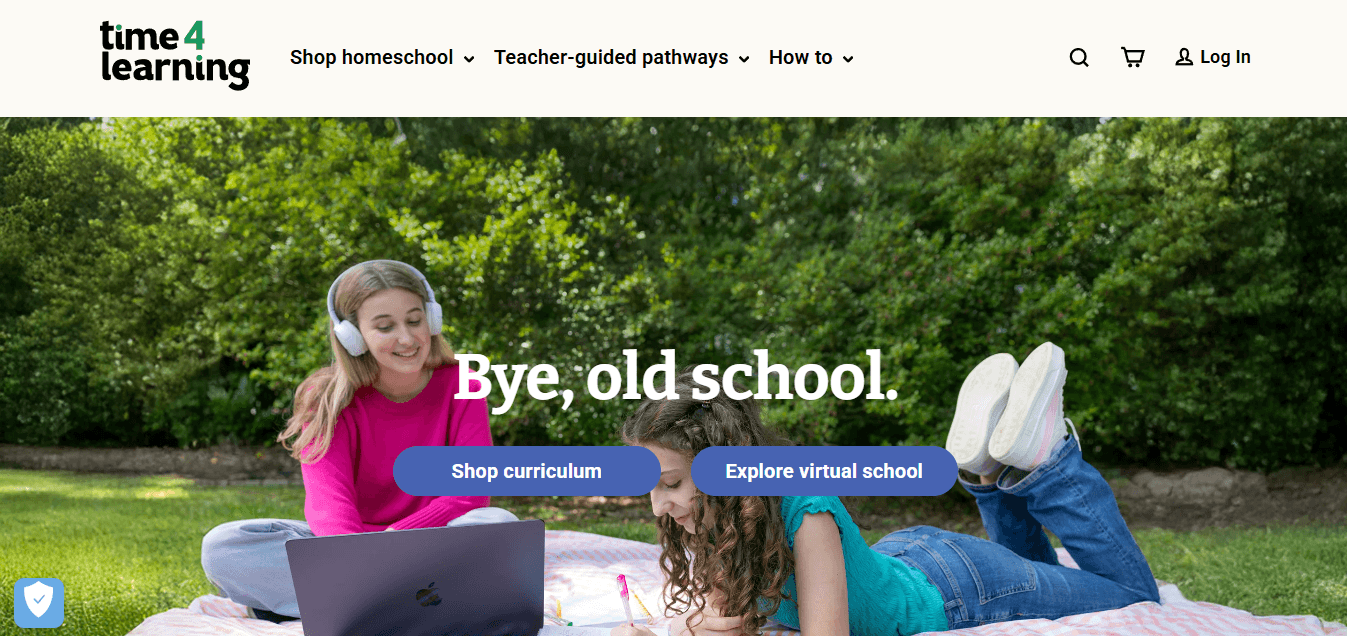
This online platform offers interactive lessons in maths, language arts, science, and social studies through videos, games, and automated activities. The system tracks progress automatically, adjusts difficulty based on student performance, and provides parents with detailed reports on mastered concepts and areas needing further practice.
What makes Time4Learning appealing to busy families?
The convenience appeals to busy families and parents who lack confidence in their teaching. You don't create lesson plans or gather materials—your child logs in, follows the structured path, and the system handles instruction. The game-based format maintains engagement better than static worksheets.
What are the potential drawbacks of digital-only learning?
The concern about screen time is valid. Young children who learn mainly through digital interaction miss hands-on experiences that build basic understanding. Counting objects on a screen engages the brain differently from moving physical blocks. The program becomes passive entertainment without active discussion of ideas and learning beyond screen time. Families relying on it as their sole curriculum often encounter gaps in hands-on problem-solving and real-world application.
Who benefits most from this approach?
Best for parents who need a simple structure without extensive preparation and automatic progress tracking. These parents balance screen learning with physical activities and real-world practice.
6. Easy Peasy All-in-One Homeschool (Free Structured Option)

This free online curriculum provides daily lesson plans covering all main subjects, specifying which readings, videos, and activities to complete each day. The structured approach removes decision-making stress for parents new to homeschooling.
What are the main benefits of this program?
The program offers organized, step-by-step instruction at no cost. The daily format creates accountability and prevents drift from unstructured learning.
What are the potential drawbacks to consider?
Visual engagement lags behind paid programs; materials feel functional rather than inspiring. Children accustomed to colorful, game-based learning may resist the straightforward presentation. Heavy reliance on videos and online activities raises the same screen-time concerns as other digital curricula.
Which families would benefit most from this option?
Best for budget-conscious families seeking a ready-made daily structure. You will need to add hands-on activities and physical materials to balance screen time.
7. BJU Press Homeschool (Traditional Classroom Approach)
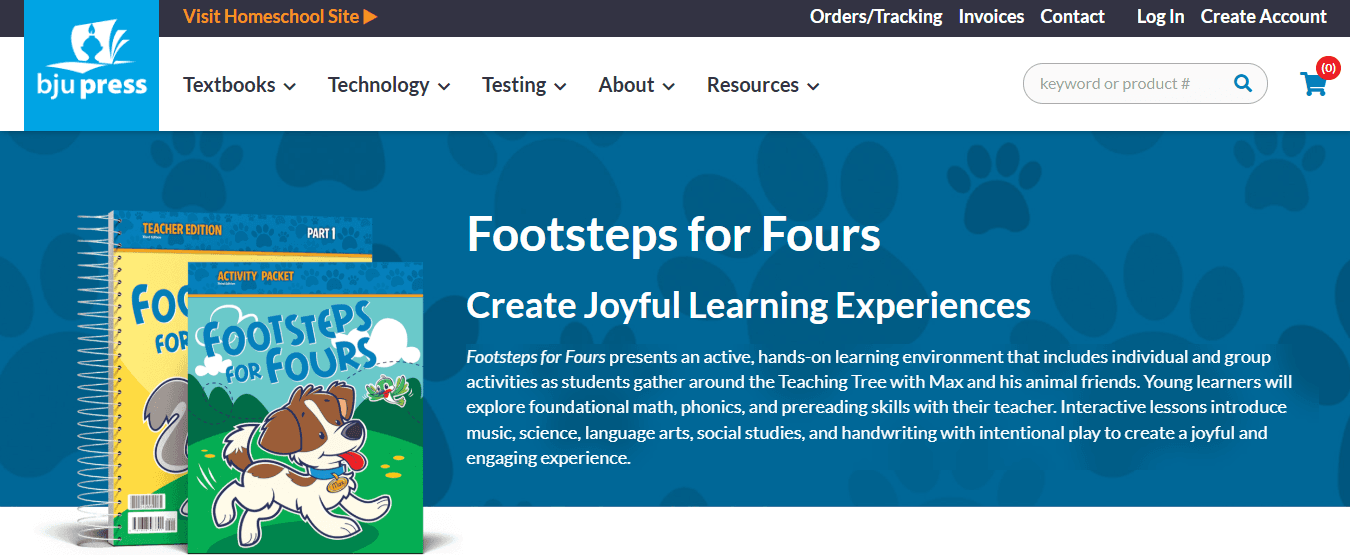
This textbook-based curriculum with optional video lessons replicates traditional classroom instruction at home. The highly structured approach covers all major subjects with clear scope and sequence, building step by step on previous content and measuring mastery through regular assessments.
What are the main benefits of this approach?
The academic rigor appeals to parents concerned that their child won't fall behind public school peers. Video lessons reduce teaching burden by providing direct instruction, allowing you to facilitate rather than create lessons from scratch. The traditional format also eases transitions back to classroom settings if circumstances change.
What are the potential drawbacks to consider?
The main limitation is formality. Young children who need movement and play-based exploration struggle with textbook-heavy instruction. The rigid structure leaves little room to follow a child's emerging interests or adjust the pace based on readiness, and some families find it stifles natural curiosity by making learning feel like an obligation rather than a discovery.
Which families benefit most from this curriculum?
Best for parents who want a traditional school setup with strong accountability. These parents value a systematic, step-by-step approach over flexibility and child-led learning.
8. Sonlight Curriculum (Discussion-Based Literature)
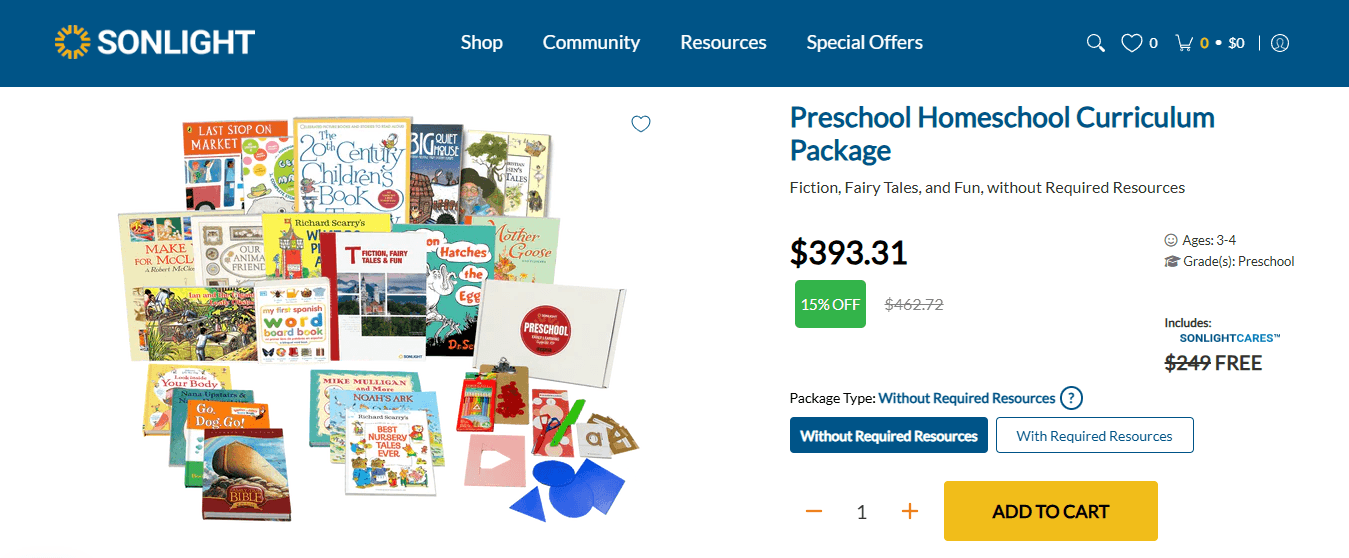
This program emphasizes reading and teaches through read-alouds and family discussions. Children learn history, geography, and critical thinking via stories rather than textbooks. The approach builds comprehension by encouraging children to explain their understanding, ask questions, and make connections across books.
How does discussion-based learning develop thinking skills?
The discussion component develops thinking skills that workbooks cannot match. When you ask your child why a character made certain choices or how a historical event connects to something you read last week, you build analytical reasoning. Shared reading creates family bonding around learning rather than isolating children with independent work they're not developmentally ready to handle.
What are the time commitment challenges for parents?
The parent involvement requirement is substantial. You're reading aloud for extended periods, leading discussions, and supporting comprehension. Families where parents work full-time or care for multiple young children often struggle to keep pace with the time commitment. Best for families who love reading together and can dedicate significant time each day to discussion-based learning.
9. ABCmouse (Game-Based Engagement)
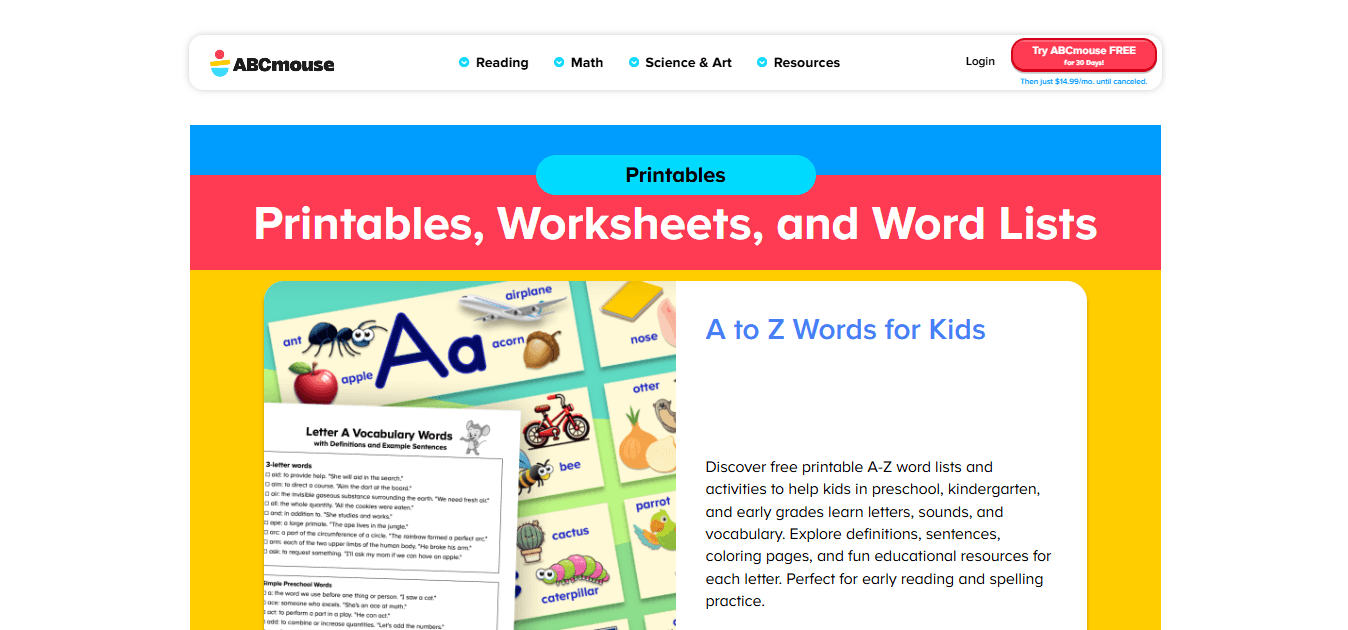
ABCmouse uses games, puzzles, and animated lessons to teach reading, maths, science, and art for preschool through second grade. A progression system rewards students with tickets and virtual prizes upon lesson completion, motivating them through game mechanics.
What makes ABCmouse effective for reluctant learners?
Kids who dislike regular worksheets often happily spend time on ABCmouse because it feels like playing. Thousands of activities across different subjects and formats prevent boredom, while the structured learning path ensures skills develop sequentially rather than through random game selection.
What challenges should parents watch for with game-based learning?
Without parental guidance, children tend to choose easier games they already know how to play instead of challenging content that builds new skills. Some children come to expect that all learning should feel like video games, making them resist activities that require sustained effort without immediate rewards. Best for families who want engaging, game-based learning and will actively monitor progress to ensure children work on content suited to their skill level.
10. Blossom and Root (Nature-Based Exploration)
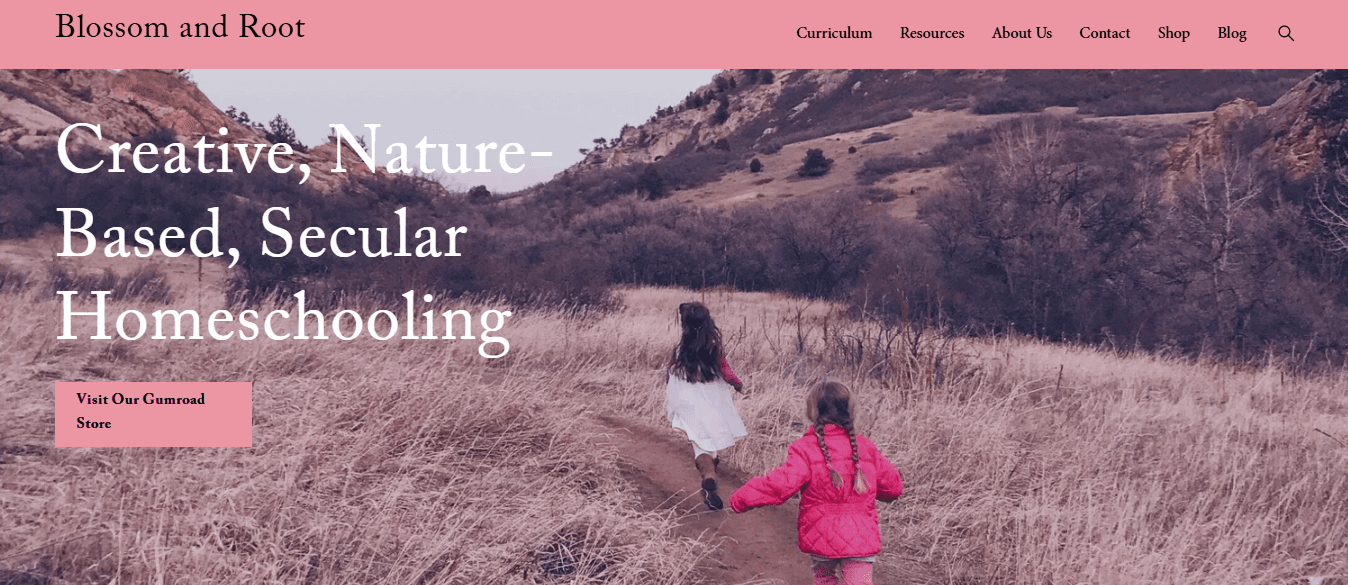
This nature-focused curriculum emphasizes outdoor learning, art, storytelling, and a gentle introduction to academics. Children learn by exploring natural environments, creating art from their observations, and engaging with literature that sparks wonder. It prioritizes emotional and cognitive development over early academic acceleration.
How does nature-based learning develop essential skills?
Creativity and curiosity grow naturally through real experiences, such as watching tadpoles or collecting leaves. These activities build observation skills and scientific thinking without formal instruction. Outdoor time provides physical activity and sensory experiences that support overall development, while reducing pressure and maintaining children's natural love of discovery.
What are the potential gaps in this approach?
The curriculum lacks organized phonics instruction and structured math practice. Families need separate programs for foundational literacy and numeracy skills, as the play-based philosophy benefits some children but leaves others without the structure necessary for basic competencies.
How can families effectively supplement nature-based learning?
Most families close this gap by combining nature-based learning with platforms like My Coloring Pages to create custom coloring pages that extend outdoor discoveries. After observing birds at the park, you can generate coloring pages showing those species with labels for early reading practice. Following a nature walk, where you collect leaves, create pages showing different leaf shapes for sorting practice. This reinforces skills while maintaining the fun that makes nature-based approaches effective. Best for families who prioritize outdoor exploration and creative development, and will add structured phonics and math instruction to ensure foundational academic skills develop alongside hands-on learning.
Download 55,689+ Free Kindergarten Worksheets
Figure out where your child needs help, then use worksheets that focus on specific skills and turn practice into creative play instead of drilling the same thing repeatedly. Good extra practice matches materials to what your child needs, rather than printing random activities.
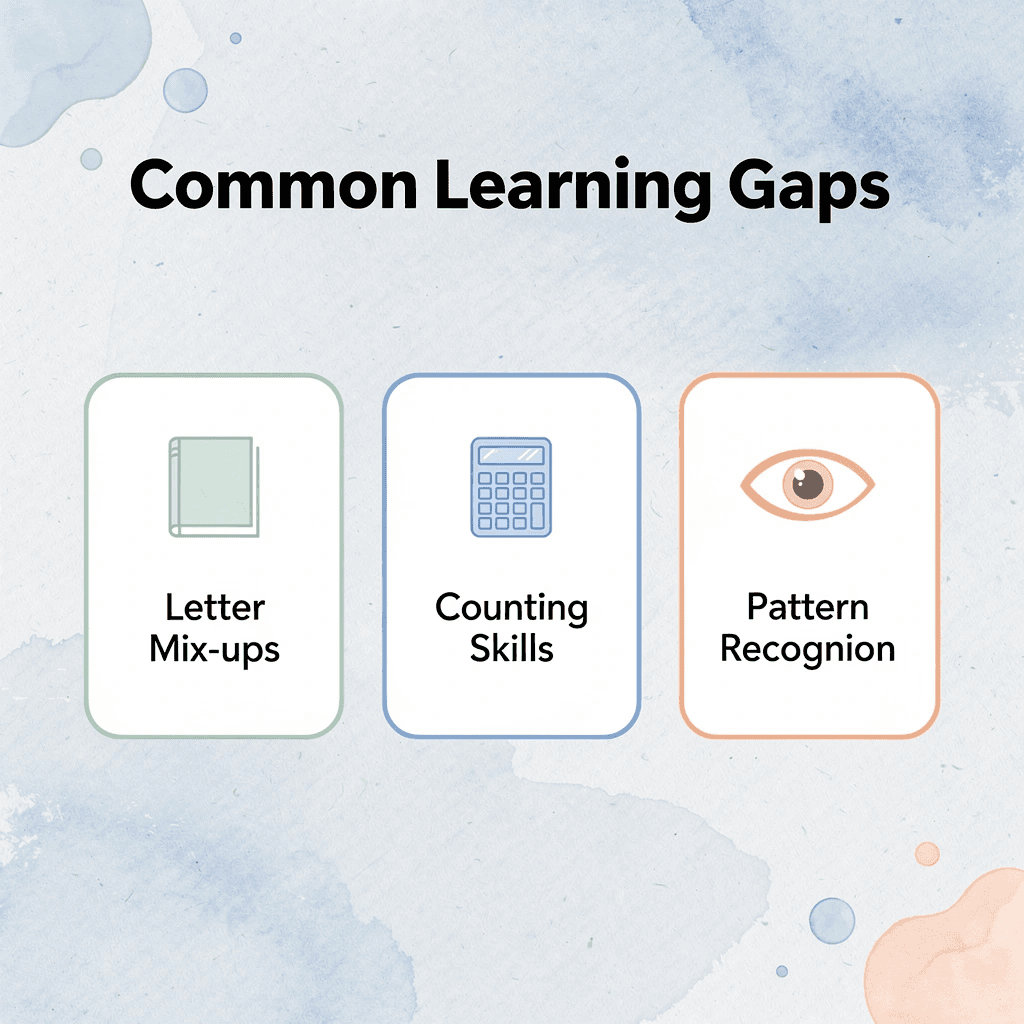
🎯 Key Point: Target specific skill gaps rather than using generic worksheets for maximum learning impact. Most parents notice gaps when their child learns some ideas but gets stuck on others—knowing most letters but mixing up b and d, or counting to twenty easily but struggling to identify which group has more objects. These are normal differences in how children learn different skills. The challenge is helping them without creating frustration or making practice feel like punishment.
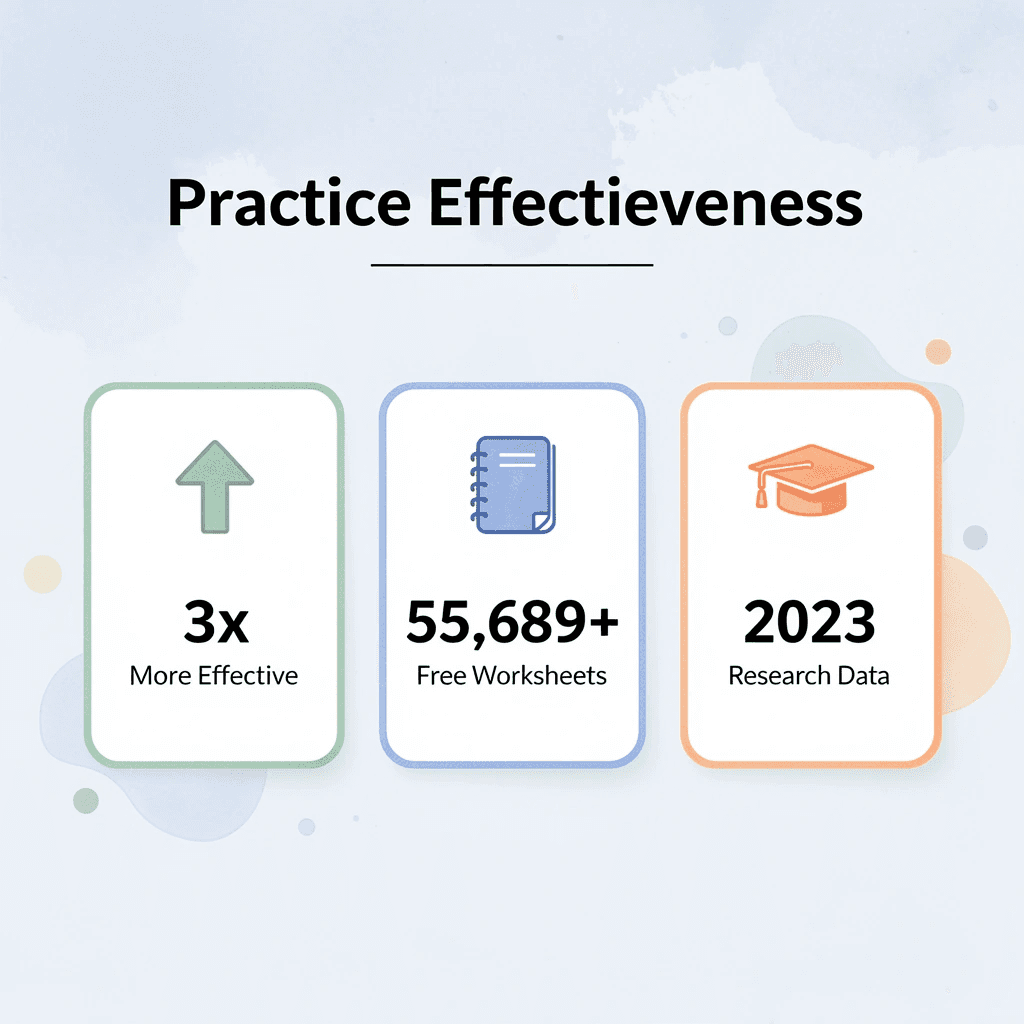
"Targeted practice that addresses specific learning gaps is 3x more effective than random worksheet activities for kindergarten skill development." — Early Childhood Education Research, 2023
💡 Tip: Watch for patterns in your child's mistakes—they often reveal exactly which skills need focused practice time.
Target exact skill gaps instead of general practice
Generic worksheets covering "all kindergarten skills" waste time on concepts your child already knows and provide insufficient practice in areas that need work. When your child struggles with specific letter sounds during phonics lessons, they need concentrated practice on those exact phonemes. If they grasp addition concepts but can't write numbers legibly, that signals a need for fine motor skills rather than a math comprehension issue. Create custom materials to match challenges that arise during your main lesson. After a reading session where your child stumbles over blending consonant-vowel-consonant words, generate tracing pages featuring those specific word patterns. Following a maths activity where they confuse greater than and less than symbols, make comparison worksheets using objects they care about this week. This precision prevents practicing skills they've mastered, practicing skills they're not ready for, and ignoring the actual gaps that need attention.
Integrate worksheets into daily routines strategically
Use extra materials for 10 to 15 minutes immediately after the main instruction, while the ideas are still fresh. Kindergarteners forget abstract ideas quickly without immediate practice. Teaching letter formation during morning phonics, then waiting until afternoon for tracing practice, means teaching twice instead of reinforcing once. Strategic placement signals purpose. Worksheets that follow naturally from exploration feel like extensions rather than interruptions. After reading a story about farm animals, letter tracing pages featuring those same animals connect literacy practice to something emotionally engaging. Following a counting lesson with blocks, number worksheets using similar visual groupings reinforce the concept through a different modality.
Track progress to reveal patterns you're missing
Notice which worksheets your child completes with confidence and which ones cause avoidance or frustration. A child who moves quickly through letter recognition but resists writing practice may have fine motor challenges. One who loves counting worksheets but avoids word problems might need more work connecting maths symbols to real-world situations. Keep completed worksheets in a folder organized by skill area and date. Review them monthly to spot patterns. If letter reversals persist despite practice, consider multi-sensory approaches beyond paper activities. If number formation improves significantly over four weeks, the gap is closing, and you can redirect practice time elsewhere. This tracking prevents the indefinite continuation of ineffective practice.
Most homeschooling families find that combining a structured curriculum with targeted supplemental materials strikes the right balance kindergarteners need. Your main program provides systematic instruction and developmental pacing, while custom worksheets from platforms like My Coloring Pages fill specific gaps as they emerge, letting you generate exactly what your child needs without purchasing entire workbook sets that sit unused.
Related Reading
- California Homeschool Laws
- 5th Grade Homeschool Curriculum
- 3rd Grade Homeschool Curriculum
- Illinois Homeschool Laws
- 2nd Grade Homeschool Curriculum
- North Carolina Homeschool Laws
- Alabama Homeschool Laws
- Michigan Homeschool Laws
- Georgia Homeschool Requirements
- Accredited Homeschool Curriculum
- Homeschool Art Curriculum
- 4th Grade Homeschool Curriculum
- Science Homeschool Curriculum
- Homeschool Reading Curriculum
- How To Homeschool In California