
15 Best Online Homeschool Programs for Preschoolers
Discover the 15 best online homeschool programs for preschoolers. My Coloring Pages reviews top platforms to help you choose the perfect fit.


Finding engaging, age-appropriate worksheets for preschoolers can frustrate parents who discover that generic printables don't match their child's skill level or interests. Many families using online homeschool programs struggle to locate quality educational materials that truly connect with young learners. The right resources can transform a homeschool curriculum from challenging to rewarding, particularly when parents need customized worksheets and activities that support their preschooler's unique learning path.
Quality educational printables provide the solution parents seek for their homeschool curriculum. These resources offer flexibility to match activities with a child's interests while building essential skills through creative, hands-on learning that keeps preschoolers engaged throughout their daily lessons. Parents can easily download 55,890+ free coloring pages to access educational materials without spending hours searching or creating content from scratch.
Summary
- Online homeschool programs produce strong academic outcomes when implemented correctly, with homeschooled students scoring 15 to 30 percentile points above public school students on standardized tests, according to the National Home Education Research Institute. Research shows 87% of peer-reviewed studies find homeschool students perform statistically significantly better than conventional school students on social, emotional, and psychological development measures. Success depends entirely on how families combine structured curriculum with intentional social opportunities and hands-on learning, not on which platform they choose.
- College enrollment rates reveal long-term effectiveness: 66.7% of homeschooled students pursue higher education, compared to 57.5% of public school students, according to the National Center for Education Statistics. These outcomes stem from personalized pacing, one-on-one attention, and curriculum flexibility that matches individual learning styles rather than forcing identical material at identical speeds. The gap widens further when families supplement digital lessons with tactile activities that transform abstract concepts into tangible understanding.
- Parental involvement predicts academic success more strongly than almost any other variable in homeschool settings. William H. Jeynes' meta-analysis found that engaged parents contribute significantly to higher test scores, better motivation, and stronger emotional development across all age groups. This doesn't require teaching every concept directly, but it does demand planning weekly learning goals, tracking progress, and holding regular check-ins where children explain what they're learning in their own words.
- Passive video instruction creates the illusion of learning without actual retention, a problem UNESCO research identified during the COVID-19 pandemic when excessive screen-based lessons led to reduced attention and engagement. Blended approaches that combine online and offline tasks substantially improved learning outcomes. The solution requires pairing digital content with hands-on reinforcement that forces active thinking, whether through manipulatives after math videos or vocabulary exercises following reading lessons.
- Feedback shapes learning more powerfully than most other interventions, with John Hattie's research in Visible Learning showing an effect size of around 0.70 on student achievement. Weekly quizzes, daily check-ins, and frequent low-stakes assessments catch misunderstandings early, when they are still easy to correct. The testing effect demonstrated by Henry L. Roediger III and Jeffrey D. Karpicke shows that frequent low-stakes retrieval practice dramatically improves long-term retention compared to passive review methods.
- My Coloring Pages addresses the gap between digital instruction and hands-on reinforcement by letting parents download 55,890+ free coloring pages and instantly generate custom educational printables matched to any lesson, eliminating the hours typically spent searching for worksheets that actually align with the current curriculum.
Table of Contents
- Are Online Homeschool Programs Good for Children?
- Benefits of Online Homeschool Programs
- How to Support Children in Online Homeschool Programs
- How to Choose a Good Online Homeschool
- 15 Best Online Homeschool Programs for Preschoolers
- Access 55,890+ Customized Homeschool Worksheets With My Coloring Pages
Are Online Homeschool Programs Good for Children?
Online homeschool programs can be excellent when families combine structured curriculum with intentional social opportunities and hands-on learning. Children thrive academically and emotionally in these environments.

🎯 Key Point: The most successful online homeschool experiences combine academic rigor with real-world social interaction and practical learning activities.
"When implemented thoughtfully, online homeschool programs provide flexible learning environments that can adapt to each child's unique needs and learning style." — Educational Research, 2023

💡 Tip: Look for programs that offer live virtual classes, interactive assignments, and opportunities for peer collaboration to maximize your child's educational experience.
How does social development work differently in homeschooling?
Parents worry their child will become socially isolated, assuming classroom interaction automatically builds social skills. It doesn't. According to the National Home Education Research Institute, homeschooled students score 15 to 30 percentile points above public school students on standardized academic achievement tests and consistently demonstrate above-average social, emotional, and psychological development. The Journal of School Choice found no consistent evidence of social isolation among homeschoolers. Many develop stronger communication skills by interacting with people of different age groups rather than being confined to same-age peers.
Why is intentional socialization better than automatic peer interaction?
Traditional schools provide numerous opportunities for student interaction, but not all of it is healthy. Social hierarchies, bullying, and peer pressure shape behavior in ways parents cannot monitor or counteract. Online homeschool programs shift socialization from automatic to intentional. Students engage through co-ops, sports teams, live online classes, volunteer work, and family activities, creating more context-based communication skills and less dependence on peer validation for self-worth.
What do academic outcomes reveal about homeschooling success?
Research from the National Center for Education Statistics shows that 66.7% of homeschooled students pursue college compared to 57.5% of public school students. Homeschoolers also achieve higher average SAT scores and demonstrate stronger self-directed learning habits. These outcomes stem from personalized pacing, one-on-one attention, and curriculum flexibility that accommodates each child's learning style rather than requiring uniform material and pace.
How can hands-on activities strengthen digital learning?
Parents who add hands-on activities to digital lessons see the strongest results. A child studying ecosystems benefits far more from building a terrarium and observing real organisms than from watching a video lecture. Tools like My Coloring Pages help close this gap by letting parents quickly create custom educational printables that match current lessons, whether labeling parts of a plant cell, mapping historical events, or practicing letter formation. This hands-on reinforcement transforms abstract concepts into real understanding without requiring hours of prep work or expensive materials.
When programs fall short
Programs that use only recorded lessons, without live interaction or parent involvement, leave children unengaged. Families that skip regular social activities risk the isolation critics worry about. The problem isn't online learning itself, but poor implementation and lack of support structures. Children need variety, movement, peer connection, and adults who actively support learning rather than passively playing videos. But here's what most people miss when they evaluate whether these programs work.
Related Reading
- Homeschool
- Easy Peasy Homeschool
- Homeschool Curriculum
- Homeschool Math Curriculum
- Online Homeschool Curriculum
- Homeschool Resources
- Online Homeschool Programs
- Christian Homeschool Curriculum
- Homeschool Planner
- Homeschool Schedule
- Kindergarten Homeschool Curriculum
- Best Homeschool Programs
- Free Homeschool Curriculum
- Homeschool Schedule
- Best Homeschool Curriculum
- Accredited Homeschool Programs
- How To Homeschool
- Time For Learning Homeschool
- Homeschool History Curriculum
- K12 Homeschool
Benefits of Online Homeschool Programs
How does flexibility reshape learning around family life
Online homeschooling challenges the factory-model assumption that all children learn best from 8 a.m. to 3 p.m., Monday through Friday. Families can access coursework at any time, pause lessons when a child needs more time to understand, and move faster through material they grasp quickly. A child studying marine biology might watch a video lesson in the morning, visit an aquarium in the afternoon, and complete an assignment that evening when the concepts are clearer.
Why do non-traditional schedules work better for some families?
This approach works especially well for families with non-traditional schedules or for children whose energy and focus patterns don't align with standard school hours. According to the National Home Education Research Institute, 87% of peer-reviewed studies on social, emotional, and psychological development show homeschool students perform statistically significantly better than those in conventional schools. Structuring learning around a child's natural rhythms enables deeper understanding and reduces daily friction.
How does customization put parents back in control?
Geographic boundaries disappear when learning moves online. Families choose curriculum based on educational philosophy, moral values, and their child's specific needs rather than accepting whatever the local district offers. Some prioritize classical education with heavy emphasis on literature and history, while others focus on STEM-heavy programs or faith-based content. Online platforms let them select courses, adjust grading systems, and modify content to match their family's priorities.
How can parents reinforce digital lessons with hands-on activities?
This control extends to how material gets reinforced. When a child struggles with fractions, parents can supplement digital lessons with hands-on activities that make abstract concepts tangible. Platforms like My Coloring Pages help parents instantly generate custom educational printables matched to current lessons: visualizing fraction bars, mapping historical timelines, or practicing vocabulary through creative exercises. This bridges screen-based instruction and tactile learning without requiring hours of preparation or expensive materials.
How do multiple learning modalities reach different types of learners?
Traditional classrooms rely primarily on verbal instruction and textbook reading. Online learning accommodates diverse learning styles through podcasts for auditory learners, graphic organizers for visual learners, interactive simulations for kinesthetic learners, and text-based resources for reading-focused learners. When a child doesn't understand a concept, they can immediately access alternative explanations across different modalities until one resonates.
What accessibility features support diverse learning needs?
Accessibility features expand this further. Text-to-speech tools help struggling readers access grade-level content. Adjustable text sizes, screen contrast changes, video transcripts, and image captions support visual processing differences and enable children with hearing differences or attention challenges to engage fully with material. These tools are built-in options that any family can activate instantly when needed.
Time savings shift from administrative tasks to actual teaching
Online programs simplify education through automatic grading, digital record-keeping, and self-paced learning. Parents invest time in initial setup, then transition to a supportive role rather than teaching every subject themselves. This saves time for families with multiple children and work commitments. The time freed from grading and record-keeping can support field trips, hands-on projects, and deeper educational engagement.
How to Support Children in Online Homeschool Programs
Supporting a child through online homeschooling means becoming an active learning guide, not someone who starts videos. Success requires clear structure, consistent involvement, and intentional variety that transforms passive screen time into engaged learning.
🎯 Key Point: Your role shifts from traditional teacher to learning facilitator - you're the bridge between digital content and real comprehension.
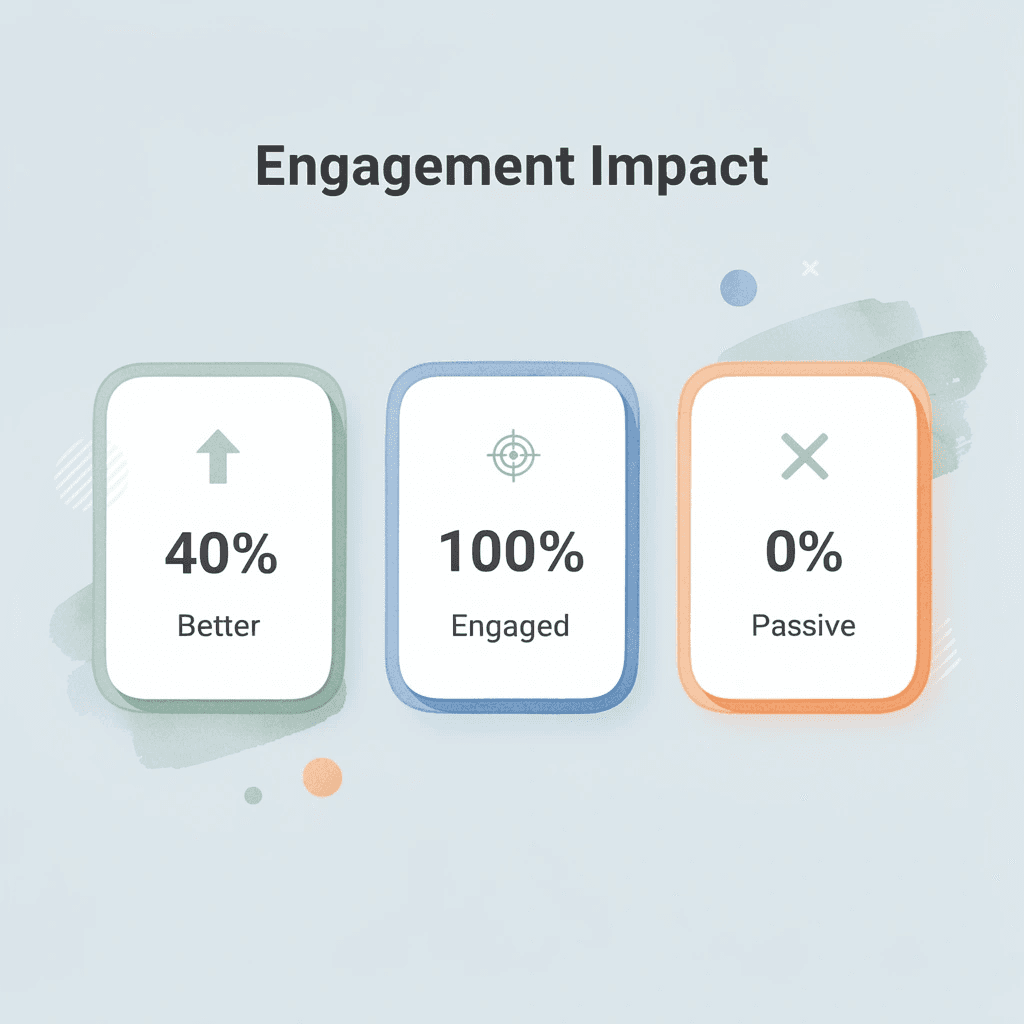
"Parents who actively engage in their child's online learning see 40% better academic outcomes compared to those who take a hands-off approach." — National Home Education Research Institute, 2023
⚠️ Warning: Simply pressing play on lessons and walking away is the #1 mistake that leads to poor retention and disengagement in online programs.
How can you transform passive video lessons into engaging activities?
Watching videos without engagement creates the false impression that learning is happening. A child can watch an entire biology lesson about photosynthesis and retain almost nothing because their brain never shifts from receiving information to processing it. According to UNESCO's research during the COVID-19 pandemic, excessive screen-based teaching reduced attention and engagement, while mixed approaches combining online and offline tasks improved learning outcomes. Pair digital content with hands-on practice: after a math video, use tools or worksheets that require problem-solving; after a reading lesson, assign vocabulary exercises or comprehension activities in which children explain concepts in their own words.
What tools help create supplemental learning materials quickly?
Platforms like My Coloring Pages help educators and parents find custom printables that match any lesson, from labeling science diagrams to practicing multiplication tables to reinforcing historical timelines through visual organization. The platform provides access to 55,890+ free coloring pages and custom resources to support diverse learning styles. The hands-on act of writing, coloring, or arranging information on paper transforms learning from passive observation to active engagement, where real learning occurs.
How do structured routines improve learning outcomes?
Days without structure create mental confusion. Research in Educational Psychology Review found that structured study schedules and spaced learning significantly improve academic performance, while students without routines experience lower engagement and higher dropout risk. Set specific learning hours each day, use timed study blocks of 25 to 50 minutes, and alternate subjects to prevent mental fatigue. Consistency trains the brain to enter learning mode at predictable times, eliminating daily negotiation about when school starts.
What role does variation play within structured schedules?
Changing things up within a structure keeps learning interesting without creating chaos. Switch between video lessons, independent reading, hands-on projects, and discussion-based learning throughout the week. Some subjects work better in morning hours when focus peaks, while creative work often flows more naturally in afternoon sessions.
Why is parental involvement crucial for homeschool success?
Parental involvement predicts academic success more strongly than almost any other factor. William H. Jeynes' meta-analysis found that parental involvement is significantly associated with higher academic achievement across all age groups, while data from the National Home Education Research Institute show that engaged parents contribute to higher test scores, better motivation, and stronger emotional development. This means setting weekly learning goals, tracking progress in journals or checklists, and holding regular check-ins in which children explain what they're learning.
How do you balance support with independence?
Kids need space to work through problems and develop their own thinking skills, but they also need an adult who can recognise when struggle becomes frustration or avoidance. Examine finished work to assess understanding, not merely whether answers are correct. Ask kids to teach you what they learned. If they can explain an idea clearly, they understand it.
How does continuous assessment improve learning outcomes?
Feedback shapes learning more powerfully than almost any other intervention. John Hattie's research in Visible Learning found that feedback has an effect size of around 0.70, one of the highest impacts on student achievement. Without regular feedback, children practice mistakes until they become habits, then face crushing disappointment when a final exam reveals how little they understood. Weekly quizzes, daily check-ins, and frequent low-stakes assessments catch misunderstandings early, when they're still easy to fix.
What does research show about frequent testing?
The testing effect, demonstrated by Henry L. Roediger III and Jeffrey D. Karpicke, shows that frequent low-stakes tests significantly improve how long students retain information. Ask children to summarize lessons in their own words, take short quizzes after each unit, and review mistakes together so errors become learning opportunities rather than failures. But none of this matters if children never learn to handle social situations beyond their immediate family, which is what the next challenge addresses.
How to Choose a Good Online Homeschool
Start with your child's actual learning patterns, not the program's marketing promises. Watch how your child naturally approaches new information at home. Do they ask to watch videos repeatedly, or prefer reading instructions? Do they fidget while listening, or absorb verbal explanations best? Some children process information through visual demonstrations, while others need to hear explanations or physically manipulate objects. Quality online programs offer multiple pathways to the same learning goal through video lessons, interactive simulations, text-based resources, and downloadable activities. Forcing a kinesthetic learner through endless lecture videos creates frustration, not understanding.
🎯 Key Point: The best online homeschool program is one that matches your child's natural learning style, not necessarily the most popular or expensive option.
"Quality online programs offer multiple pathways to the same learning goal through video lessons, interactive simulations, text-based resources, and downloadable activities."
Learning Style | Look For These Features | Red Flags |
|---|---|---|
Visual Learners | Video demonstrations, infographics, charts | Text-only lessons |
Auditory Learners | Recorded lectures, discussion forums | Silent reading assignments |
Kinesthetic Learners | Interactive simulations, hands-on projects | Passive video watching |
⚠️ Warning: Don't choose a program based solely on curriculum reputation—if the delivery method doesn't match your child's learning style, even the best content will fall flat.

Verify actual teaching services, not just administrative paperwork
Too many families discover after enrolling that their chosen program offers only a diploma template and parent-reported grades. Programs lacking proper accreditation from state departments of education or recognized agencies often skip essential elements, such as developing their own curriculum, employing certified teachers, and having external reviewers assess student work. Before deciding, verify the program appears on your state's list of approved online schools and ask specific questions: Who grades assignments? How do teachers communicate with students? What support exists when a child struggles? Programs in which parents do all the teaching while the provider charges tuition aren't homeschool programs—they're ways to circumvent regulations while appearing legitimate.
Balance structure with breathing room
The best programs combine fixed learning goals with flexible scheduling. Your child should know exactly what they need to accomplish each week while controlling when and how they complete that work. Look for programs offering both live virtual classes, where teachers interact directly with students, and self-paced recorded lessons that families can access during hours that match their schedule. This hybrid approach prevents chaos while avoiding the rigidity that makes online school feel like a webcam version of traditional school. Programs advertising "complete flexibility" often mean "complete responsibility falls on parents," while those demanding strict attendance at specific times eliminate the scheduling advantage that draws families to homeschooling.
Confirm independent verification systems exist
Programs that let parents grade their own children's work without external verification create clear problems. Students need honest feedback from qualified evaluators who can identify knowledge gaps before they compound. According to research from the National Center for Education Statistics, 66.7% of homeschooled students go on to college compared to 57.5% of public school students, but these results depend on strong academic standards and rigorous assessment. Ask how the program verifies student progress beyond parental reports. Quality programs include regular teacher-graded assignments, standardized assessments at key points, and systems that identify struggling students early.
Create tactile reinforcement for screen-based lessons
Digital instruction works best when paired with physical activities that make students actively process information. After a geometry lesson, children benefit from drawing shapes, measuring real objects, or building three-dimensional models that make abstract concepts tangible. Platforms like My Coloring Pages simplify finding supplementary materials by instantly creating custom educational printables tailored to any lesson: labeling anatomical diagrams, practicing multiplication with visual arrays, or reinforcing historical timelines with illustrated sequences. The hands-on act of writing, coloring, or arranging information on paper transforms learning from passive consumption to active engagement, where retention occurs.
Evaluate long-term preparation, not just current content
Strong programs prepare children for future academic challenges and independent learning habits, not merely grade-level content mastery. Look for curricula that progressively build research skills, critical thinking, and self-directed study habits alongside subject knowledge. Programs that focus solely on delivering information through videos, without teaching students to find answers independently, evaluate sources, or construct arguments, leave children unprepared for college or careers requiring independent problem-solving.
15 Best Online Homeschool Programs for Preschoolers
The fifteen programs below represent different approaches to early childhood education, each with distinct strengths and limitations. The right combination matters more than finding one perfect program.
🎯 Key Point: No single homeschool program will meet every need of your preschooler. The most successful families combine 2-3 complementary programs to create a well-rounded curriculum.
"The most effective preschool programs focus on play-based learning rather than rigid academic structures, supporting natural development patterns." — National Association for the Education of Young Children, 2023
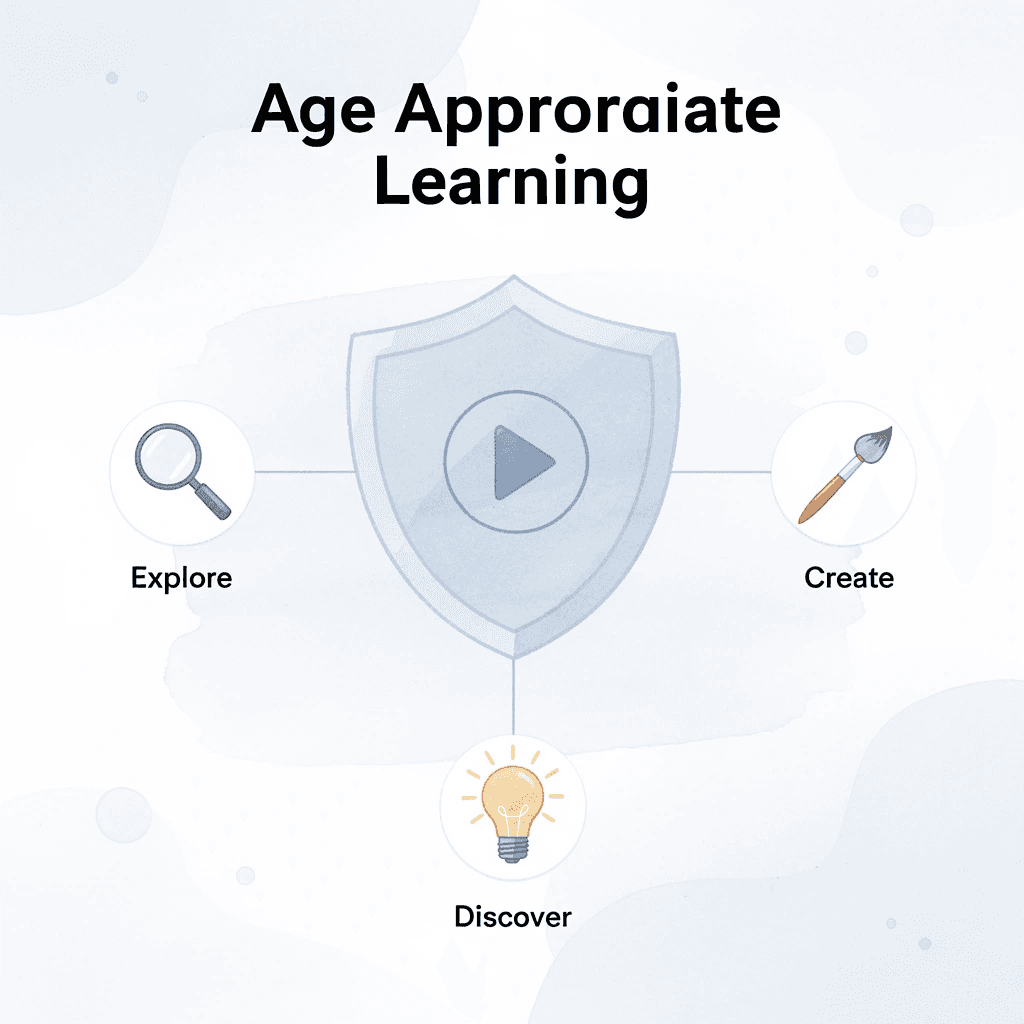
⚠️ Warning: Avoid programs that promise accelerated academic results or claim to teach advanced concepts inappropriate for 3-5 year olds. Age-appropriate learning is crucial for healthy development.
Program Type | Best For | Typical Cost |
|---|---|---|
Play-Based | Creative development | $10-30/month |
Academic Prep | School readiness | $20-50/month |
Multi-Subject | Comprehensive learning | $30-80/month |
1. K12 (Embark Preschool)
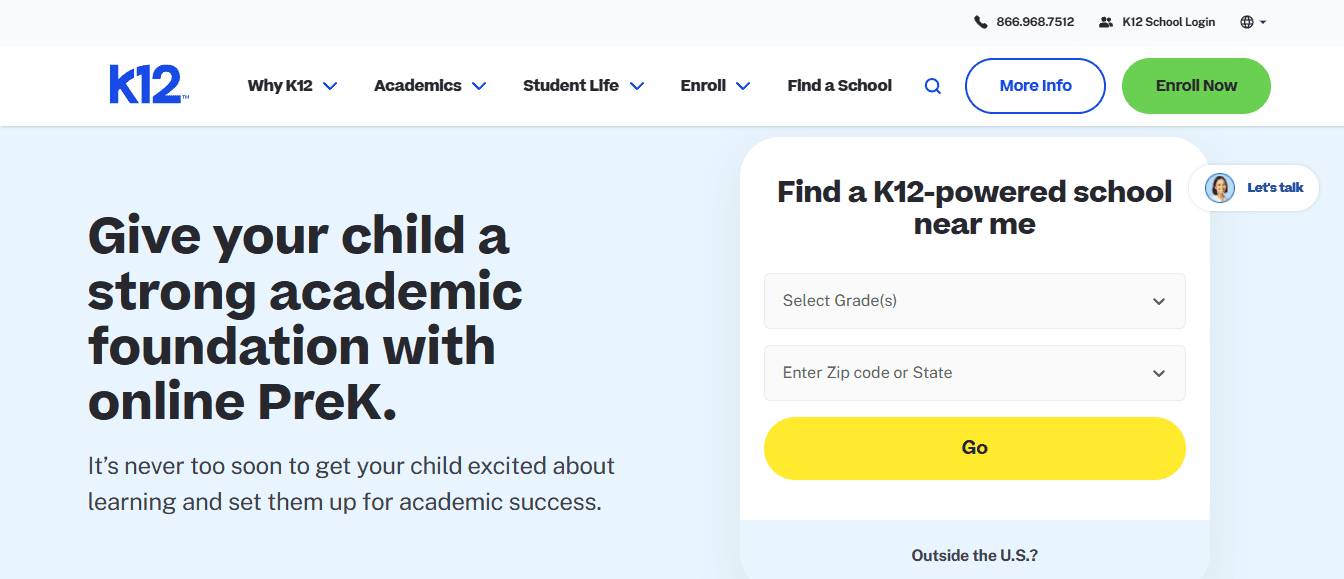
K12's Embark Preschool offers over 1,200 interactive activities across multiple subjects, combining digital games with guided lessons and offline activities. The program includes virtual clubs and events designed to foster social interaction, addressing a common parental concern about online learning. The platform balances screen-based activities with hands-on projects to prevent passive consumption. Parents receive detailed progress tracking and curriculum guides explaining which skills each activity builds, helping them identify areas where their child needs additional support.
2. Time4Learning
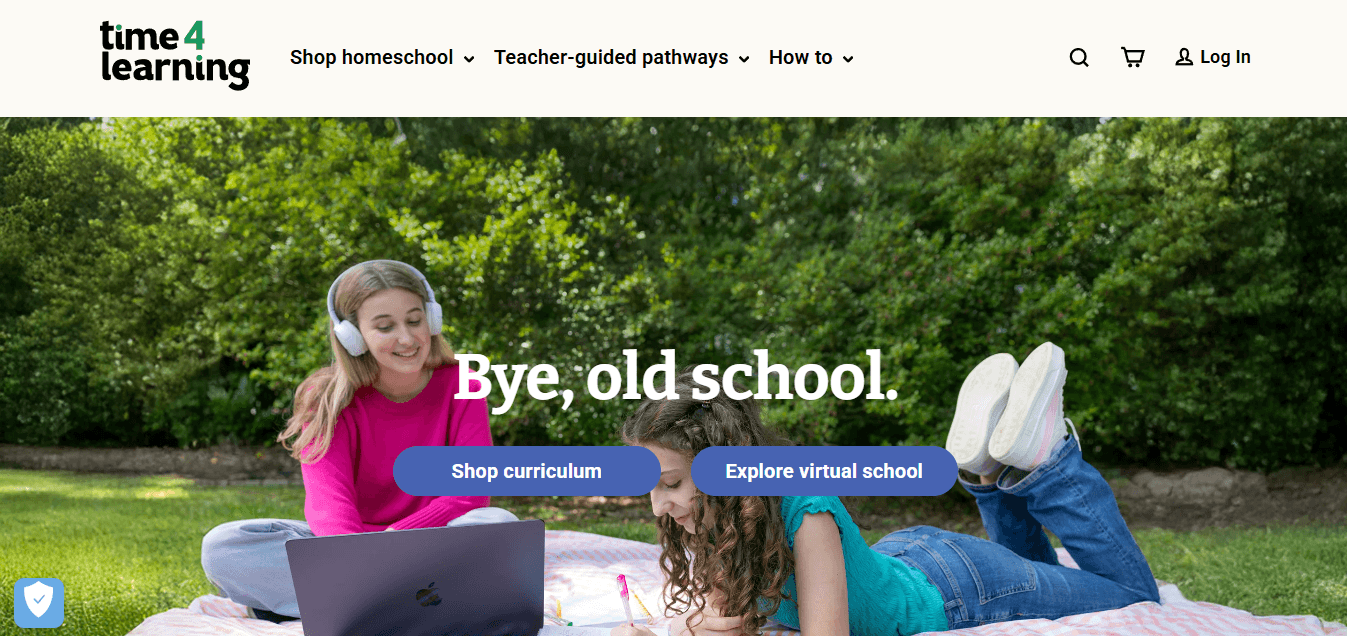
Time4Learning offers self-paced interactive lessons in reading, maths, and science without live teachers. The parent dashboard shows where children spend time and which concepts they've mastered. This works best for parents comfortable providing guidance, as the program expects adult involvement rather than independent student work. The flexibility appeals to families with non-traditional schedules or children who need frequent breaks. Lessons are available 24/7, allowing children to learn in the morning or afternoon, depending on when they focus best. The trade-off is that parents become primary instructors, requiring more active involvement than programs with live teacher support.
3. ABCmouse
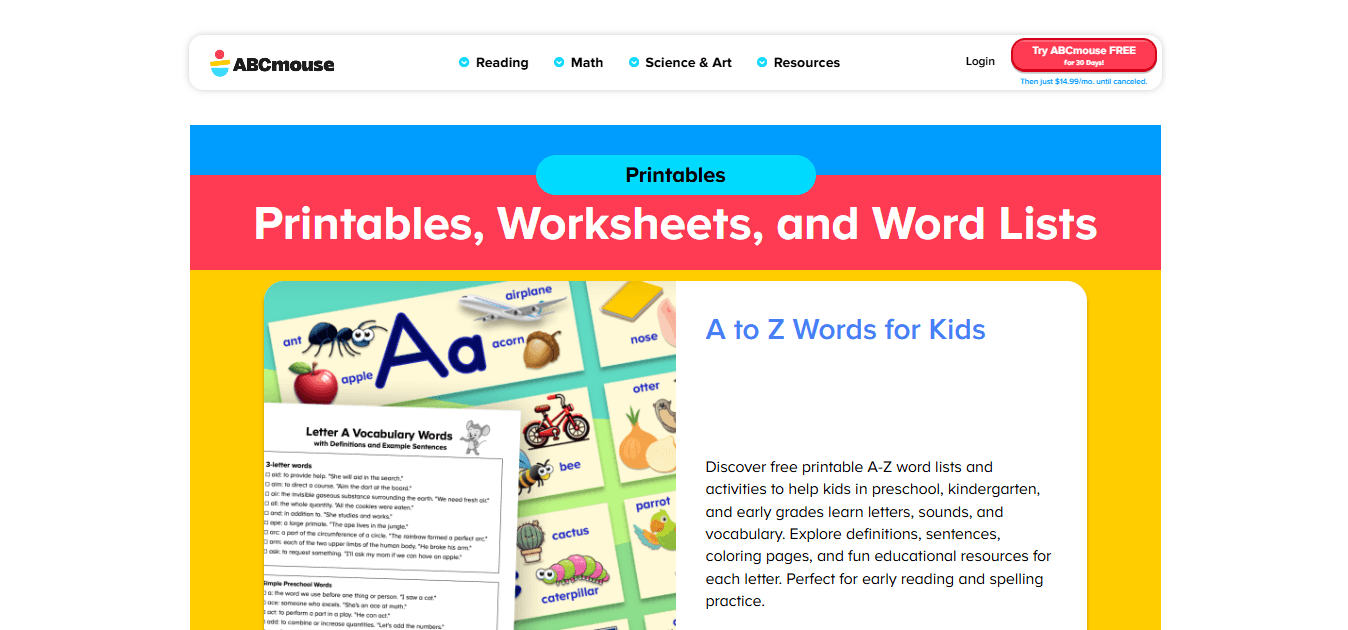
ABCmouse offers 800+ progressive lessons for ages 2–8, covering reading, maths, art, and science through game-based activities. A reward system of virtual tickets and prizes keeps children engaged, turning learning into play, and is particularly effective for children with short attention spans or who resist traditional worksheets. The platform's weakness is limited customization. All children follow the same progression path regardless of individual readiness or interests, prompting parents to supplement ABCmouse with additional resources rather than use it as a standalone curriculum.
4. Khan Academy Kids
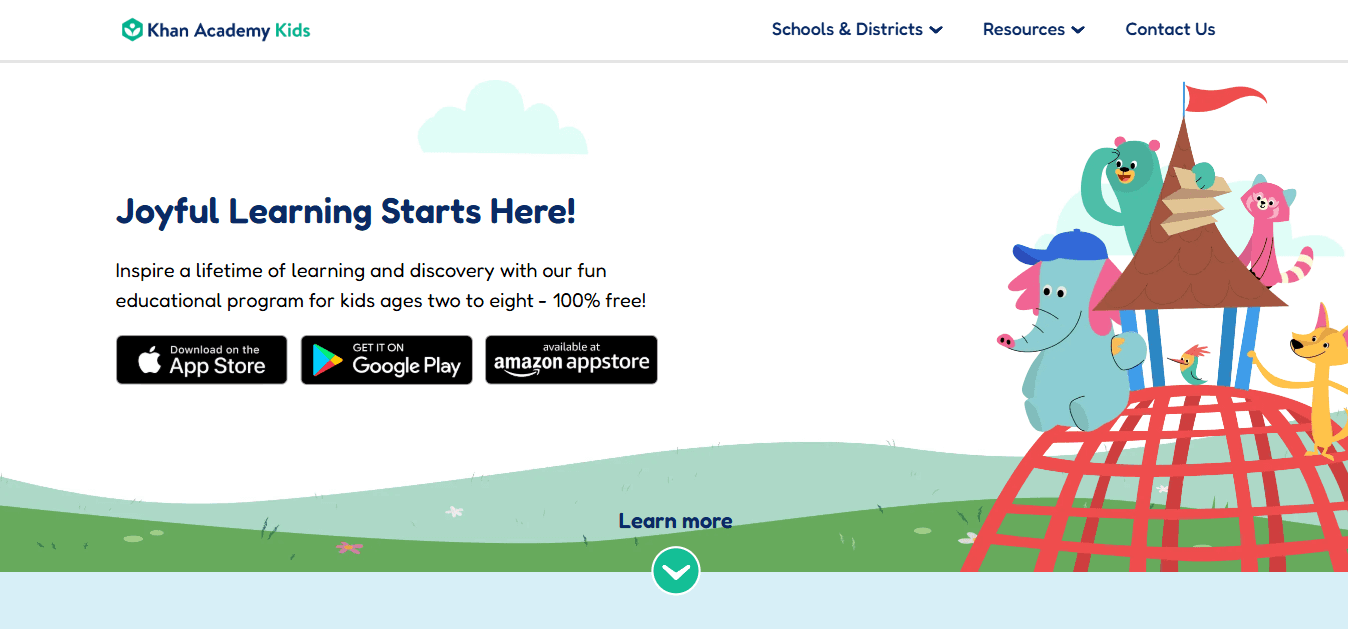
Khan Academy Kids offers free reading, maths, and social-emotional learning content built on research-based learning science. The curriculum adapts to each student's progress, adjusting lesson difficulty based on performance. Activities use spaced repetition, scaffolded learning, and immediate feedback loops that research shows enhance student retention and comprehension. Parents can access a strong curriculum without a subscription fee, though the platform lacks some progress tracking features and parent support resources available in paid programs.
5. Playgarden Online
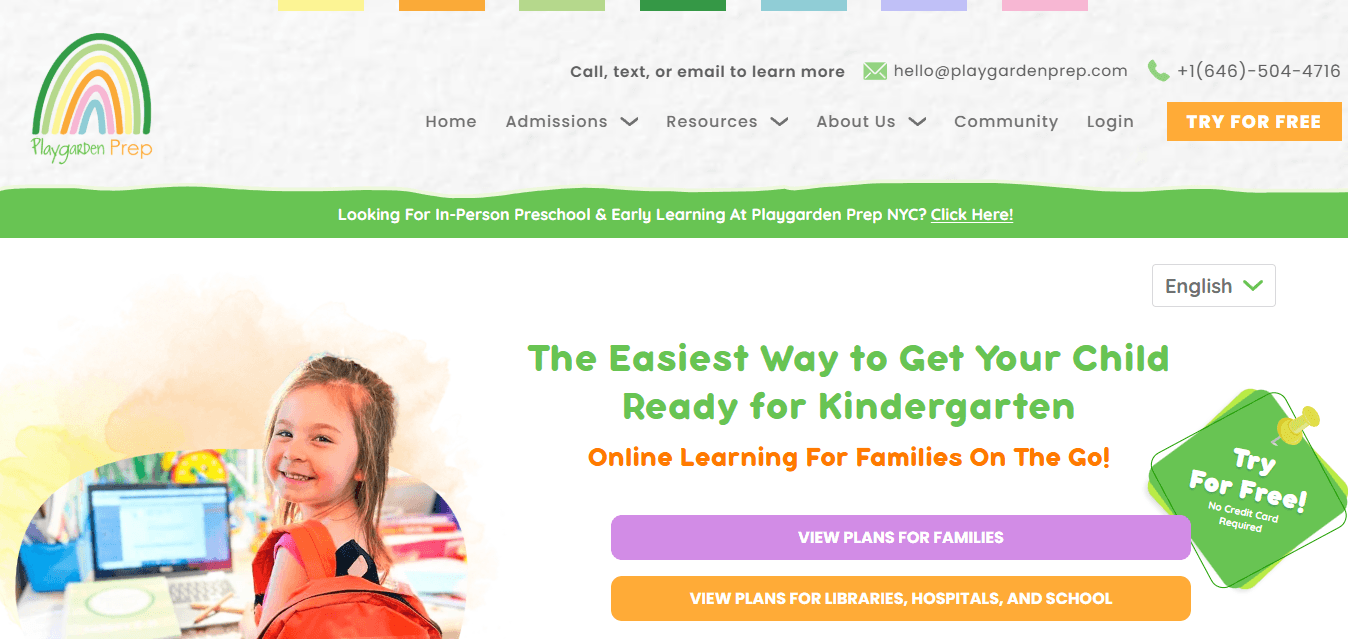
Playgarden Online focuses on whole-child development beyond academic skills, building thinking skills, emotional regulation, and social understanding. The curriculum develops executive function skills such as following multi-step directions, managing frustration, and collaborating with peers—all of which are essential for kindergarten readiness. Kindergarten readiness encompasses far more than letter and number recognition. The program suits families who prefer not to push academic content before children are ready. Activities include movement, music, and creative expression alongside early reading and maths skills, demonstrating how young children learn best. The approach requires parental patience, as children often show developmental progress months after instruction rather than immediately.
6. Miacademy
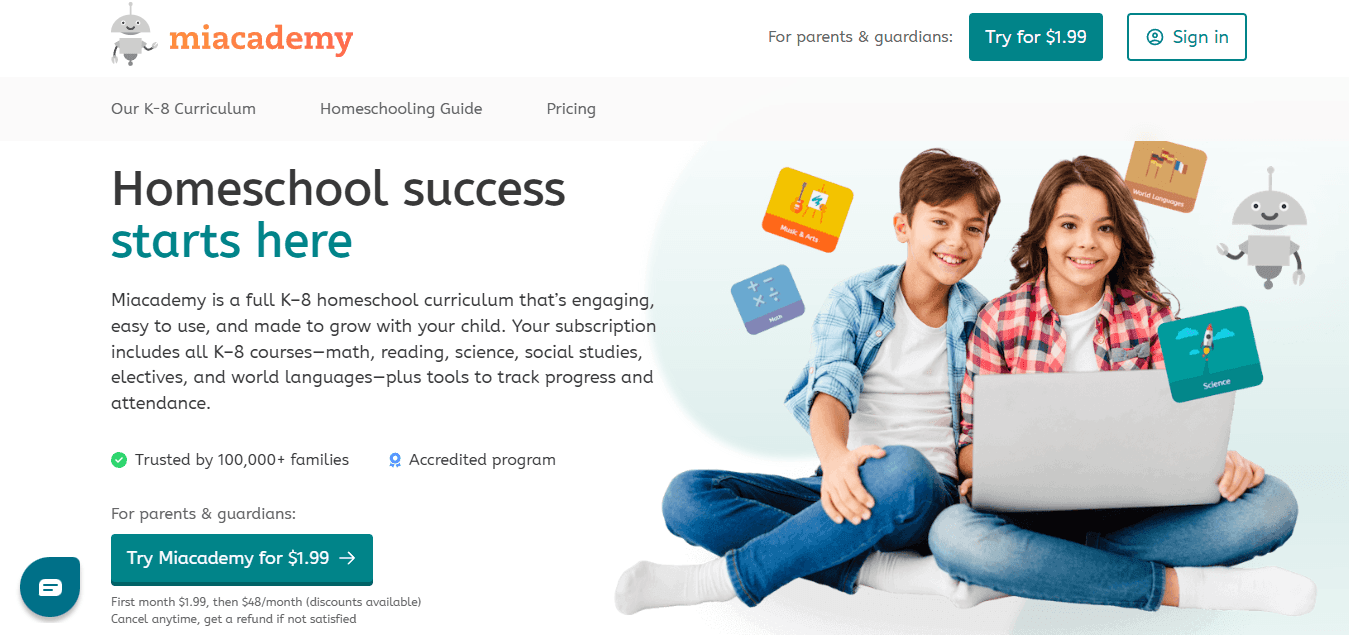
Miacademy combines videos, games, and worksheets into a balanced curriculum with access to a safe online community. According to Miacademy's program details, the platform offers over 3,000 lessons spanning multiple grade levels and subjects, with varied formats to maintain engagement. The community features support social development without requiring parents to organize separate co-op groups. Children participate in moderated discussions, collaborative projects, and virtual events that build communication skills and peer relationships, while parents maintain control over interaction levels through the dashboard.
7. Easy Peasy All-in-One Homeschool

Easy Peasy offers free daily lesson plans with 180 days of lessons organized by grade level, using text-based instruction and printable worksheets. The program expects parents to teach concepts directly rather than relying on video instruction, appealing to families who prefer traditional methods. The zero-cost structure removes financial barriers while giving parents complete control over the curriculum. The text-heavy format requires strong parental involvement and works best for families comfortable creating hands-on activities to supplement written lessons. Children won't receive animated explanations or interactive simulations, but they avoid the excessive screen time that concerns many parents of young learners.
8. Power Homeschool
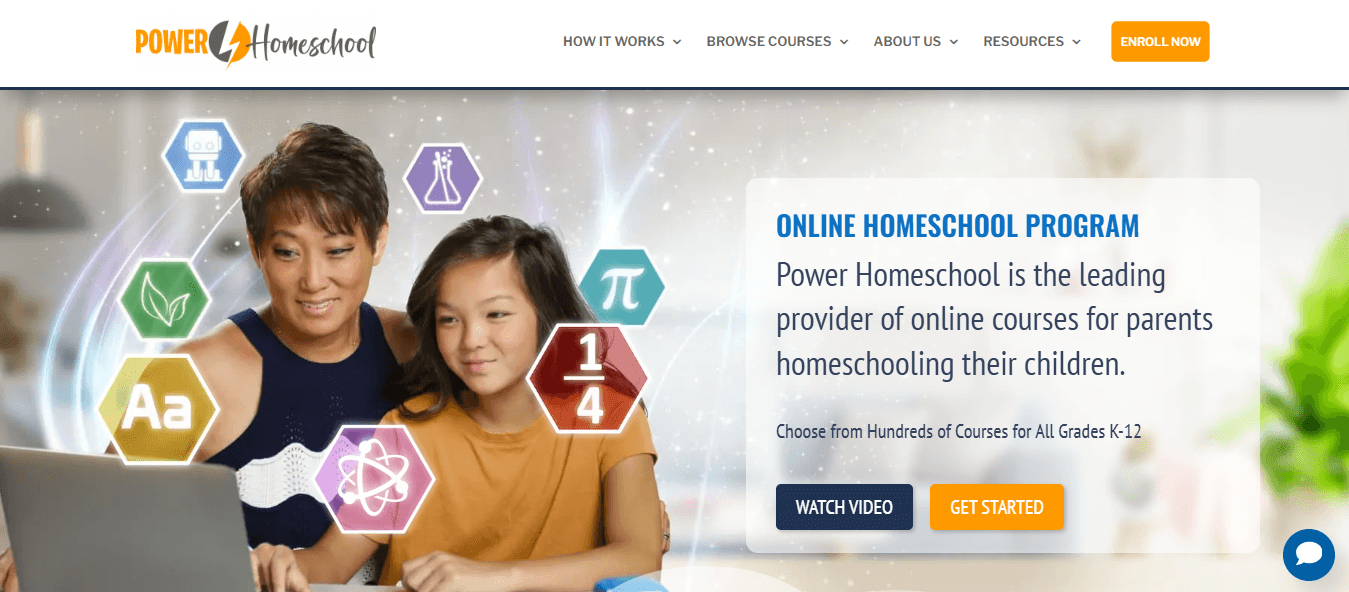
Power Homeschool provides pre-recorded video lessons with automatic grading and progress tracking, enabling independent learning. Students can complete entire lessons without constant adult supervision, benefiting busy parents and those teaching multiple children. The platform automatically calculates grades and generates transcripts. Video-only teaching has significant problems for preschool-aged children, who need to interact with others, take movement breaks, and practice hands-on activities. Many families spend hours creating supplementary activities or searching for printable resources that match their child's learning. Platforms like My Coloring Pages can instantly generate custom educational printables—tracing letters, counting objects, and identifying shapes—so families avoid preparation time, and children transform passive watching into active learning.
9. SplashLearn
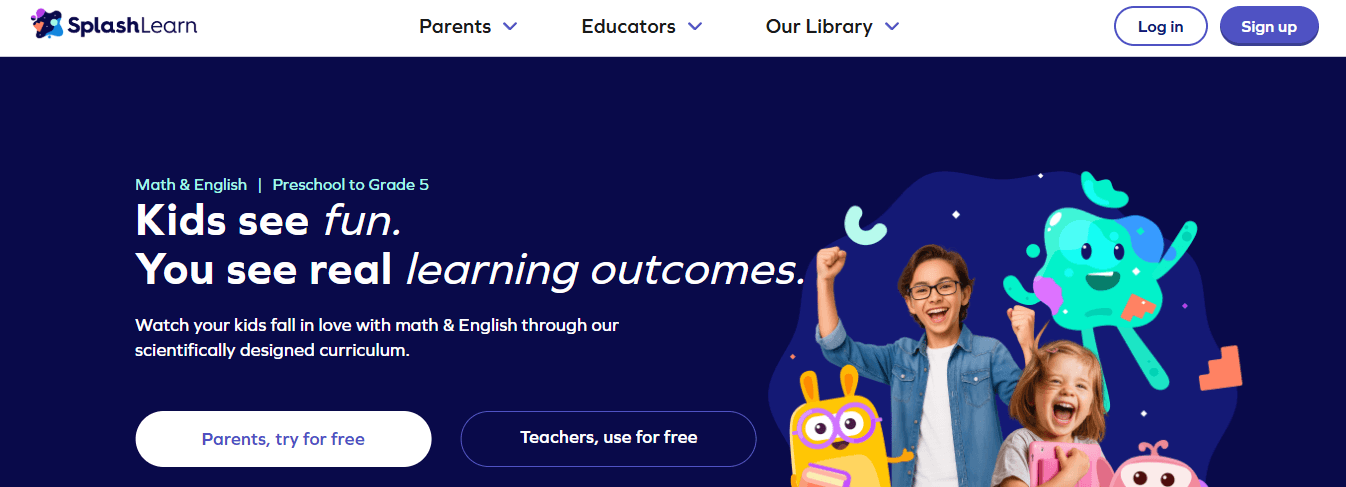
SplashLearn focuses on maths and reading foundations for pre-K through fifth grade using interactive activities that adapt to each student's performance. The platform identifies skill gaps and adjusts difficulty levels accordingly, preventing children from advancing until they master the basics while avoiding repeated content they already know. The focus on core academic skills means families need extra resources for science, social studies, art, and other subjects. SplashLearn works best as a targeted supplement for literacy and maths rather than a complete curriculum. Parents appreciate the detailed skill breakdowns showing which maths concepts or reading skills children have mastered.
10. Miss Humblebee's Academy
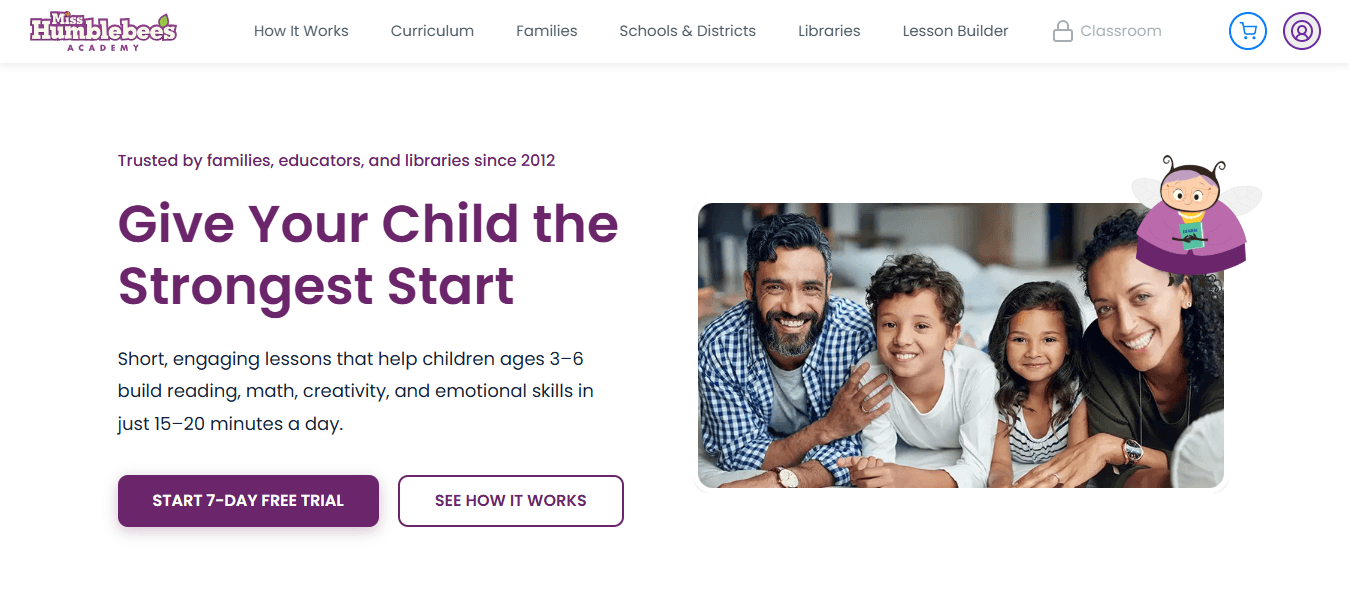
Miss Humblebee's Academy structures preschool learning through songs, games, and stories with built-in assessments and detailed progress reports. The curriculum follows a clear sequence that parents can track, showing skill development across multiple areas and which developmental milestones have been reached. This openness helps families understand what their child is learning and where additional support might help. The program provides measurable progress indicators useful for planning extra activities or explaining educational progress to extended family members who question homeschool effectiveness.
11. Outschool
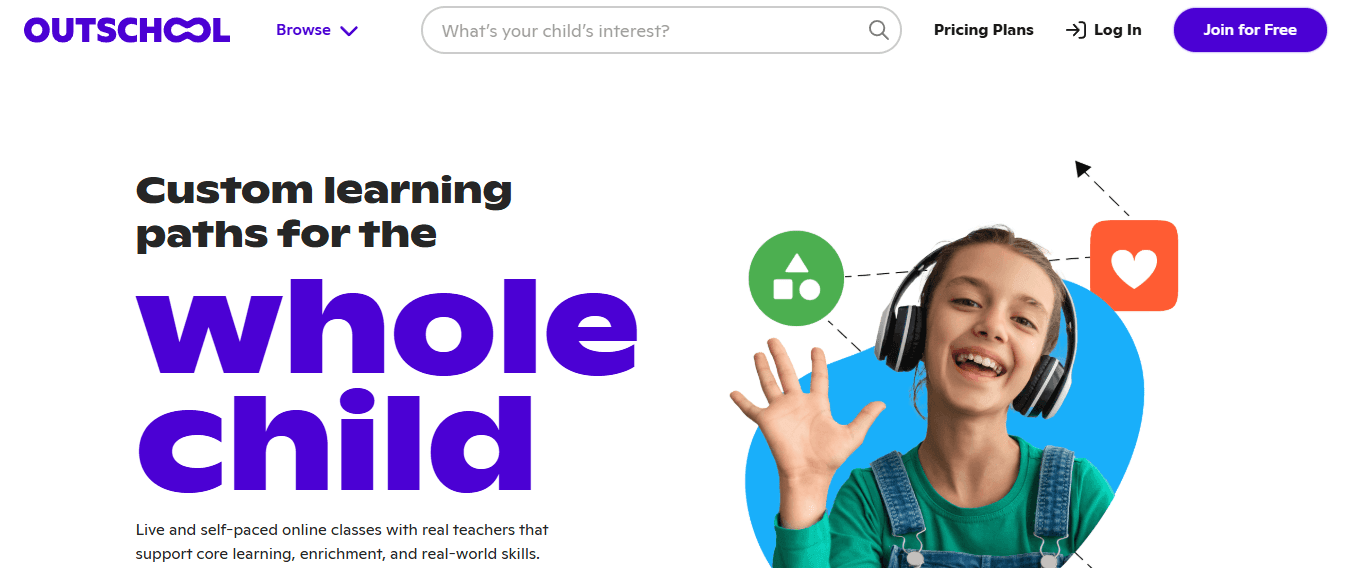
Outschool offers live group classes on a wide range of topics with flexible scheduling, addressing homeschool families' concerns about social interaction. Children join small virtual classrooms to interact with peers and teachers in real time, building communication skills through collaborative learning. The platform hosts thousands of classes spanning academic subjects, creative arts, and life skills.
How do families customize learning while maintaining social connections?
Families can customize learning around each child's interests while maintaining social connections. A child passionate about dinosaurs can take paleontology classes with peers who share that interest. Another interested in coding can join programming courses with students at similar skill levels. The live format creates accountability and engagement that recorded lessons cannot match, though it requires coordinating schedules and managing multiple class times.
12. Mighty Kids Virtual Academy
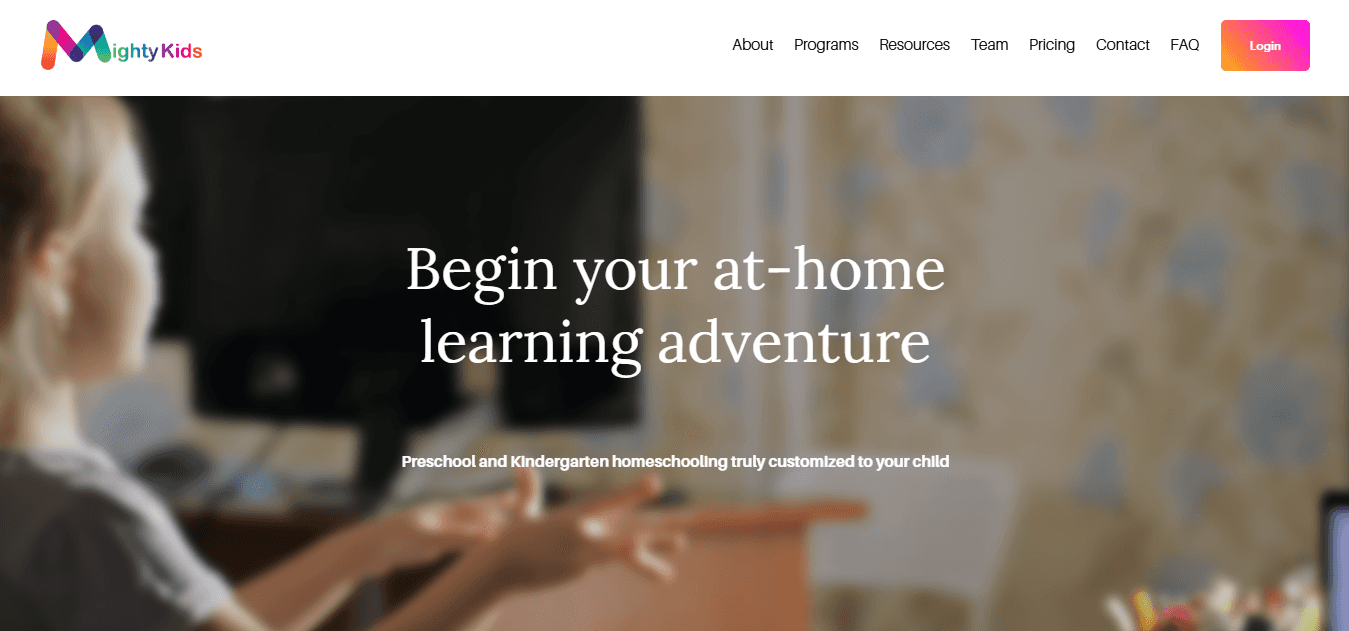
Mighty Kids Virtual Academy personalizes learning paths based on 30+ developmental standards, tailoring curriculum to individual child needs and readiness levels. Live Zoom classes connect children with teachers in small groups for real-time feedback and instruction, combining customized pacing with social development. The standards-based approach allows children to progress at different rates across subject areas. A child might work at an advanced level in maths while needing more support in literacy, with the program adjusting accordingly rather than forcing uniform pacing.
13. Discovery K12
Discovery K12 offers a free, structured curriculum covering all subjects, with daily assignments and optional parent-tracking tools. Content is organized by grade level with clear learning objectives, and parents can modify assignments or skip topics based on individual needs. The free model makes quality homeschool resources accessible to families unable to afford paid programs, though it lacks the interactive features and live support that subscription services provide. Families comfortable with independent learning find that Discovery K12 delivers a solid curriculum without a financial burden.
14. IXL
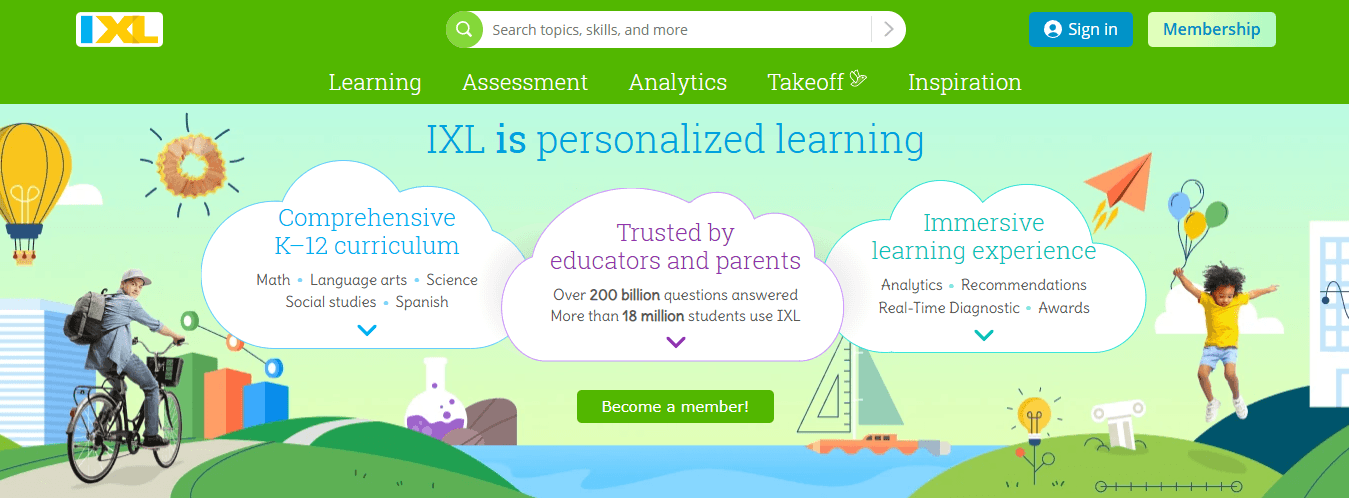
IXL offers unlimited practice questions with immediate feedback across multiple subjects, focusing on skill mastery through repetition and progressive difficulty. The platform identifies which concepts children understand and which need reinforcement, then generates targeted practice to address specific gaps. This approach works well for reinforcing skills introduced through other programs or strengthening areas where children struggle. IXL functions best as a supplement rather than a primary curriculum. Children need initial instruction from other sources before using IXL for reinforcement and mastery. Immediate feedback helps children learn from mistakes independently, building problem-solving habits without waiting for parent review.
15. BrainPOP
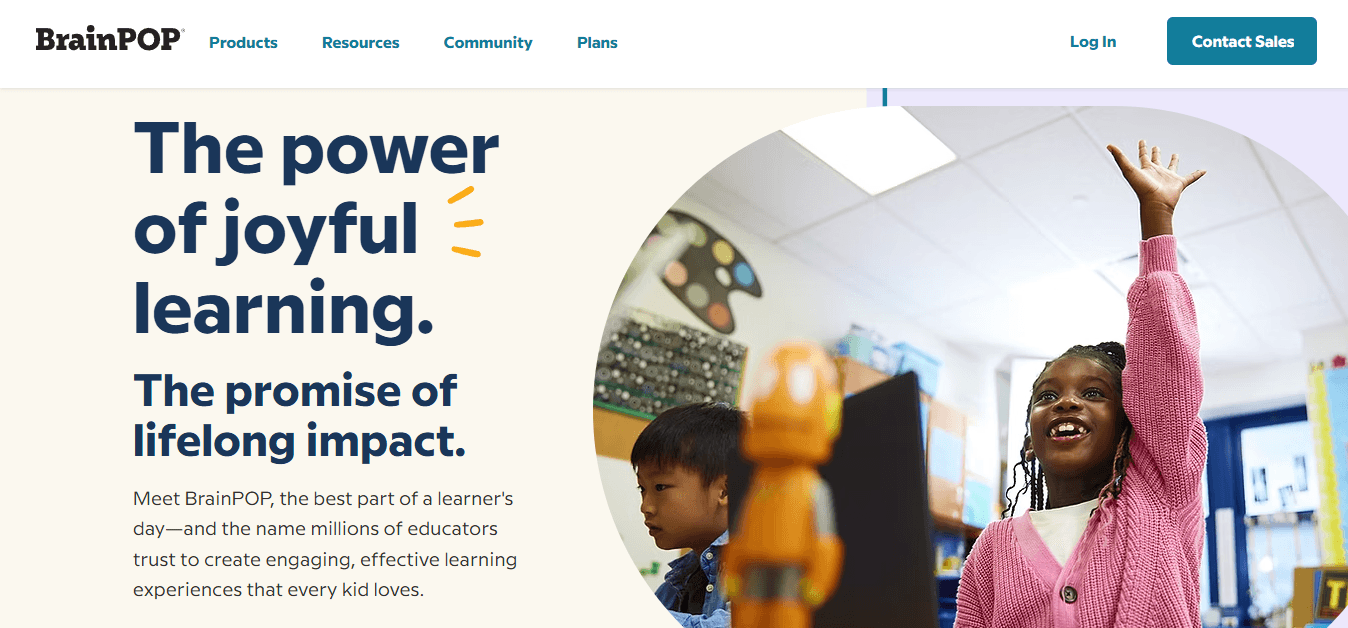
BrainPOP uses animated videos and follow-up quizzes to explain concepts across multiple subjects, making complex ideas accessible through visual storytelling. The short video format suits young attention spans while covering substantial content, and children can rewatch videos until concepts click before testing their understanding through interactive quizzes. The visual approach helps children who struggle with reading-based instruction or need concepts demonstrated before practice. Parents appreciate how videos break down complicated topics into manageable pieces without requiring extensive adult explanation. The platform works best when paired with hands-on activities that reinforce learning.
How do you build effective program combinations instead of seeking perfect programs?
The best homeschool setups combine a core curriculum like Time4Learning or K12 with targeted add-ons for specific skills, social interaction through Outschool classes, and hands-on activities. This layered approach prevents the passive consumption, isolation, and screen overload that undermine many online learning attempts.
What does an effective daily combination schedule look like?
Good combinations support different learning styles throughout the day: morning structured academic content through Time4Learning, afternoon live Outschool classes for social interaction, and evening hands-on or creative projects. This variety maintains engagement while ensuring comprehensive skill development across multiple domains. Even carefully selected program combinations require additional resources to transform passive screen time into active learning.
Related Reading
- Language Arts Homeschool Curriculum
- Georgia Homeschool Laws
- Texas Homeschool Requirements
- Abeka Homeschool Curriculum
- Homeschool Room
- Homeschool Report Card Template
- Florida Homeschool Requirements
- Pre K Homeschool Curriculum
- Homeschool Vs Public School
- Colorado Homeschool Laws
- 6th Grade Homeschool Curriculum
- Homeschool Coop
- How To Homeschool Your Kids
- How To Homeschool In Texas
- Homeschool Preschool
- 1st Grade Homeschool Curriculum
- Kentucky Homeschool Laws
- Homeschool Room Ideas
Access 55,890+ Customized Homeschool Worksheets With My Coloring Pages
Online homeschool programs teach content well, but they leave a significant gap between teaching and remembering what was learned. My Coloring Pages solves this by letting you create custom educational printables in seconds, turning any lesson into hands-on practice without searching for matching worksheets or spending hours preparing materials.
🎯 Key Point: Bridge the gap between learning and retention with instant worksheet creation that matches your exact curriculum needs.
"Custom educational materials created in seconds eliminate the preparation time barrier that prevents consistent hands-on learning reinforcement."
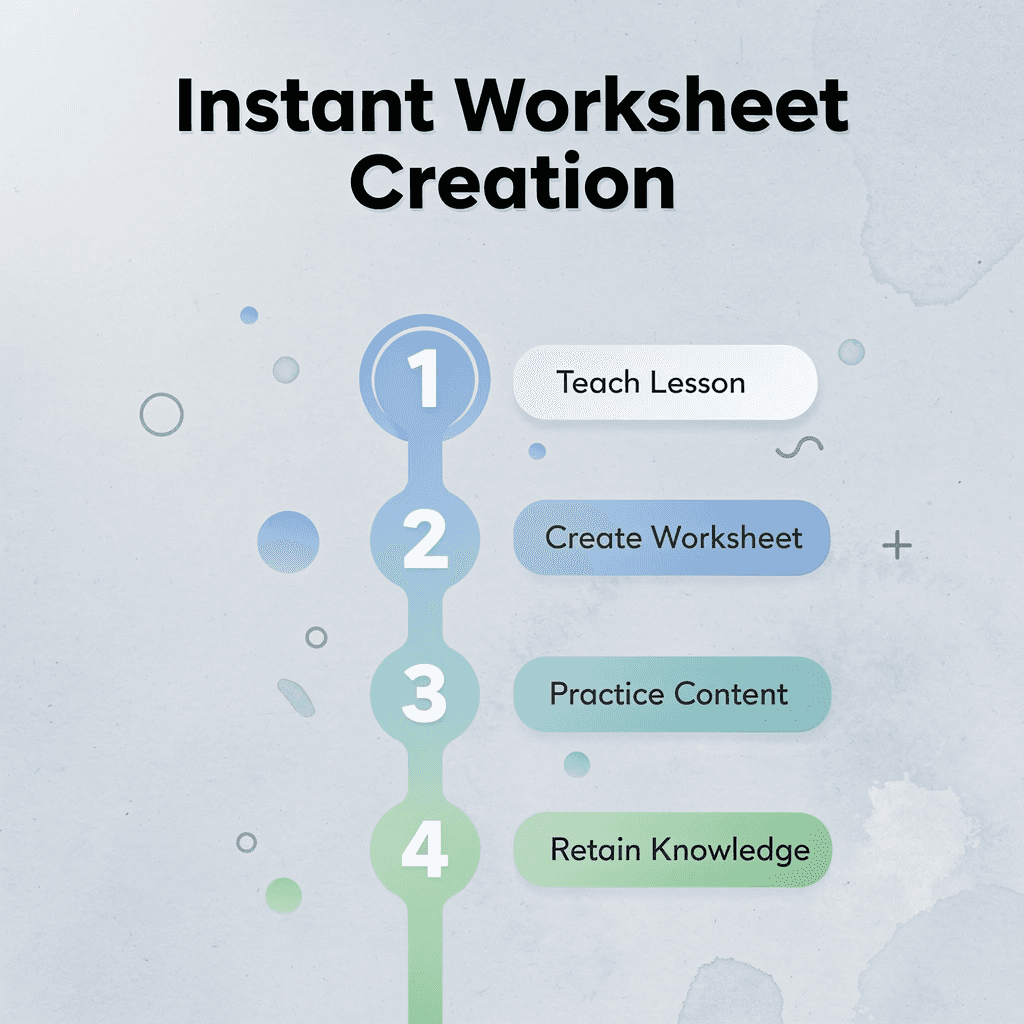
💡 Tip: Use My Coloring Pages immediately after each lesson to create targeted practice materials that reinforce the specific concepts your child just learned, maximizing knowledge retention.
Generate worksheets that match your exact curriculum
When your child finishes a lesson on the water cycle, you need a diagram to label immediately, not days later, after searching Pinterest. My Coloring Pages generates worksheets instantly from your description. Type "water cycle diagram with evaporation, condensation, and precipitation" and get a printable worksheet ready for labeling and coloring. The same applies to multiplication practice, historical timelines, vocabulary reinforcement, or any concept your curriculum covers. This eliminates the friction that prevents most parents from adding hands-on learning to their routine. You're not choosing between spending an hour creating materials or skipping reinforcement entirely. You get what you need in seconds, so offline practice happens instead of staying on your to-do list.
Turn passive watching into active learning
Kids who watch a phonics video and then practice writing letters on paper remember more than kids who move to the next video. My Coloring Pages bridges that gap with over 55,890 printable designs covering everything from alphabet tracing to complex science diagrams. After a Khan Academy Kids counting lesson, pull up a number recognition worksheet. Following an ABCmouse geography activity, print a map for them to color and label. The physical act of writing, coloring, and organizing information on paper activates different neural pathways than watching screens. Hands-on engagement completes the learning cycle and builds lasting understanding.
Create learning tools without technical skills
You don't need design experience or expensive software. Describe what you want in plain language, and the platform generates it. A parent teaching fractions can request "pizza divided into eighths with some slices shaded" and get exactly that. Someone covering ancient Egypt types "pyramids and hieroglyphics coloring page" and receives a printable within seconds. The AI handles the design work while you focus on teaching. This matters because homeschool parents already juggle curriculum planning, household management, and instruction. Tools requiring tutorials or design skills often go unused. My Coloring Pages removes that barrier, making custom educational materials as simple as describing them.
Pick one online program from the list above and identify which lessons need offline reinforcement. Start with subjects your child struggles with most or with topics that feel abstract without visual aids. Generate three worksheets this week, matching specific lessons, then observe how completion and retention improve when screen time balances with hands-on practice.
Related Reading
- How To Homeschool In California
- 4th Grade Homeschool Curriculum
- Alabama Homeschool Laws
- Homeschool Reading Curriculum
- 2nd Grade Homeschool Curriculum
- Homeschool Art Curriculum
- California Homeschool Laws
- Georgia Homeschool Requirements
- Science Homeschool Curriculum
- 5th Grade Homeschool Curriculum
- 3rd Grade Homeschool Curriculum
- Illinois Homeschool Laws
- North Carolina Homeschool Laws
- Michigan Homeschool Laws
- Accredited Homeschool Curriculum