What is Preschool Age Range & Key Considerations for It
Preschool Age Range explained: Learn the typical ages, developmental milestones, and key factors to consider for early childhood learning.

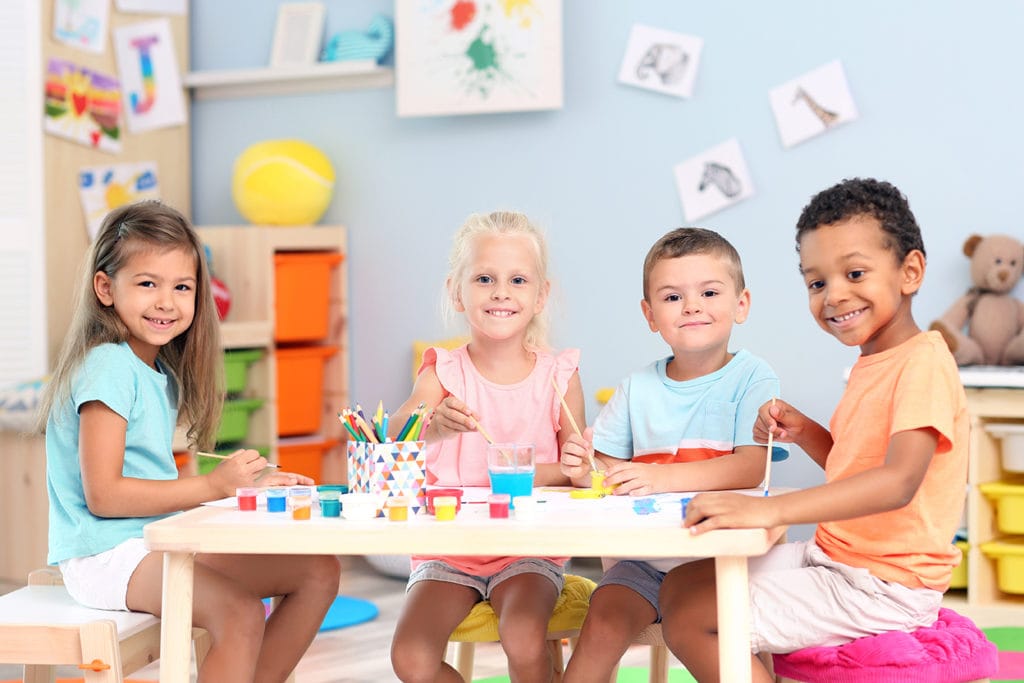
Every parent and educator knows that three-year-olds learn differently from five-year-olds. When you're planning Preschool Activities, understanding developmental stages makes the difference between a child who's frustrated and one who's fully engaged. The right activity at the right time can transform a fidgety toddler into a focused learner, which is why matching content to age-appropriate skills matters so much for keeping young minds interested and growing.
My Coloring Pages offers 37,650+ Free Coloring Pages designed with specific developmental milestones in mind, giving you access to images that match your child's motor skills, attention span, and interests. Whether you're working with toddlers who need large, simple shapes or older preschoolers ready for detailed scenes, you'll find printable options that meet children exactly where they are. This collection helps you engage preschoolers with customized coloring books that respect their current abilities while gently stretching them, turning what could be random busywork into purposeful learning moments.
Summary
- Preschool spans ages 2 to 5 because developmental milestones arrive on individual timelines, not fixed schedules. Programs use skill-based grouping rather than rigid age cutoffs, meaning a mature 2-year-old might thrive with younger 3-year-olds, while a 5-year-old who needs extra support benefits from transitional kindergarten. The National Center for Education Statistics tracks preschool enrollment in distinct age groups (3 to 5) precisely because programs segment by developmental stage, not arbitrary birthdays. This flexibility exists because a 3-year-old learning to share has fundamentally different needs than a 5-year-old practicing letter formation.
- Social-emotional readiness determines preschool success more than academic skills. The CDC confirms that preschoolers are actively learning to manage feelings, share resources, and separate from parents during these years. A child who can't regulate frustration or recognize others' feelings struggles academically later, regardless of how many letters they memorized at four. Teachers who guide children toward resolving conflicts themselves (rather than intervening immediately) build communication skills that matter more than early alphabet knowledge. Programs that treat emotional regulation as secondary to cognitive tasks create stress rather than confidence.
- Language development requires active practice through conversation, not passive listening. The 2025 KIDS COUNT Data Book found that 52% of 3- and 4-year-olds were not enrolled in preschool, meaning many children arrive at kindergarten without structured language opportunities. Quality preschools close that gap through conversations during play, songs that introduce new vocabulary, and stories that model sentence structure. Teachers should speak clearly, repeat instructions in different ways, and check comprehension without putting kids on the spot, particularly for late talkers who understand perfectly but need more time to form words.
- Physical skills are built through repetition, not instruction, making environment design critical. Preschools need outdoor space for gross motor development (running, climbing, jumping) and indoor materials that strengthen hand muscles (playdough, beads to string, scissors that actually cut paper). Children who struggle with physical tasks often avoid them, further delaying progress. Programs that embed self-care into daily routines (putting on shoes, washing hands, serving snacks) naturally teach independence, preparing children for kindergarten's expectation that they manage basic needs without constant adult help.
- About two-thirds of the nation's 3- to 5-year-olds are on track to enter kindergarten, according to 2026 federal data, leaving a third who need additional support. Many of those gaps emerge from limited peer interaction before formal schooling, making baseline peer tolerance essential. Children ready for group settings notice other kids, watch what peers do, and understand that other people have desires separate from their own. That awareness (however basic) allows teachers to guide social learning, but children who can't tolerate proximity or shared space need smaller ratios before group preschool becomes productive.
- My Coloring Pages addresses developmental variation with 37,650+ Free Coloring Pages designed for specific milestones, from large, simple shapes for younger preschoolers building grip control to detailed scenes for older children practicing precision and focus.
What is Preschool Age Range
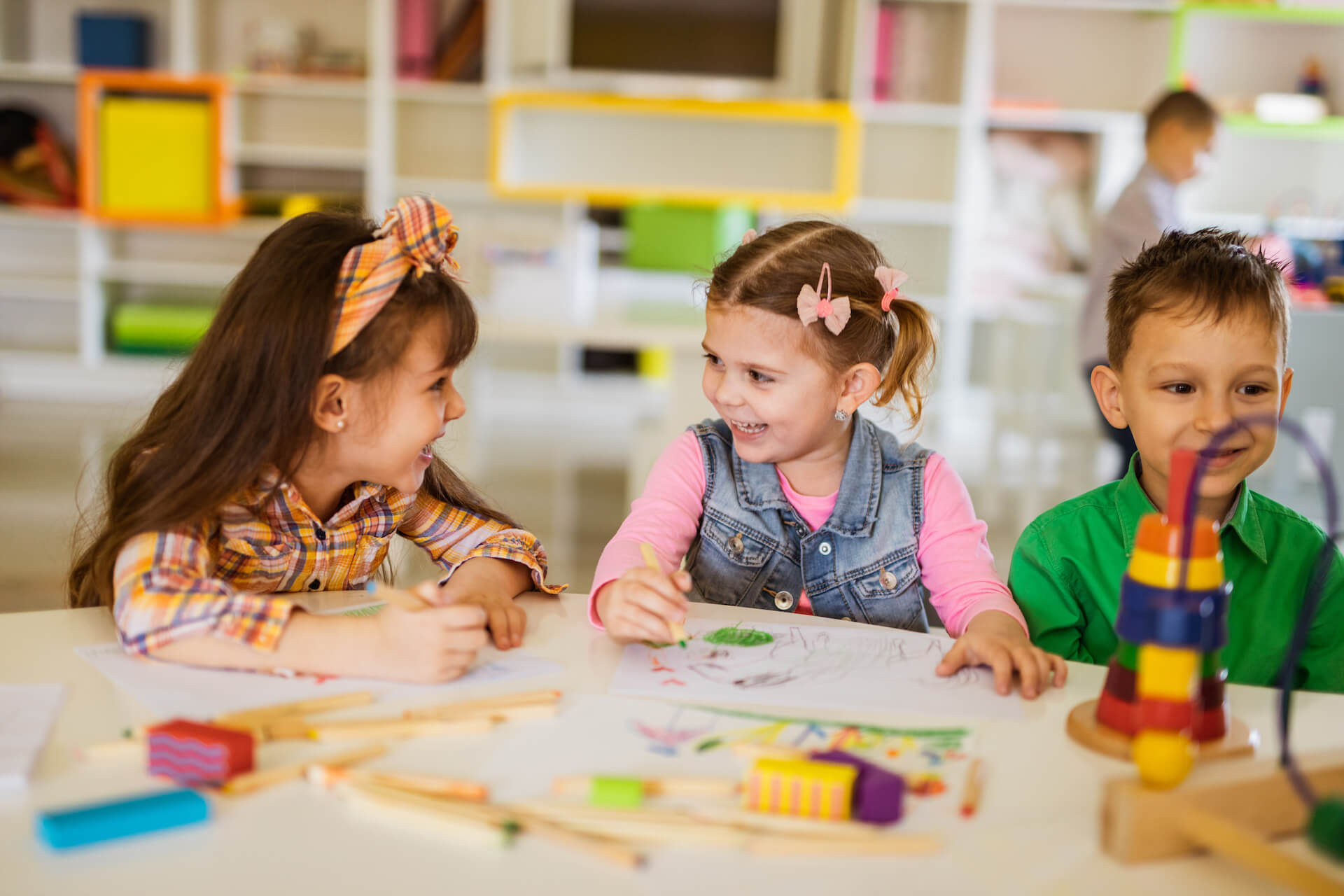
Preschool typically serves children ages 2 to 5, though programs vary widely. Some accept toddlers as young as 18 months for early socialization, while others focus on 3- to 4-year-olds preparing for kindergarten. The age range isn't rigid because readiness matters more than birthdays.
According to the National Center for Education Statistics, school enrollment rates track preschool-aged children in distinct age groups (ages 3-5), reflecting how programs segment by developmental stage rather than a single fixed age. This flexibility exists because a 3-year-old learning to share during circle time has different needs than a 5-year-old practicing letter formation. Programs adapt their structure, curriculum intensity, and teacher-child ratios based on these developmental differences, not arbitrary age cutoffs.
Why the Range Spans Three Years
Developmental milestones don't arrive on schedule. One child might speak in full sentences at 2, while another builds that skill closer to 4. Fine motor control, emotional regulation, and social confidence all emerge on individual timelines. Preschools create age bands to group children with similar capabilities, which means a mature 2-year-old might thrive in a class with younger 3-year-olds, while a child who needs extra support at 5 benefits from a transitional kindergarten readiness program.
Parents often worry their child won't fit in if they fall outside the perceived "standard" 3-4 range. That anxiety stems from the misconception that preschool operates like elementary school, where grades correspond to specific ages. In reality, many programs use skill-based grouping. A child's ability to follow two-step instructions, use the bathroom independently, or manage separation from caregivers often determines placement more than their birth certificate.
The concern about children being developmentally behind due to inadequate early experiences is real. When toddlers and preschoolers spend critical learning years without proper stimulation, their language development, motor skills, and school readiness suffer. Quality preschool programs address this by offering structured activities that meet children where they are, whether that's a 2-year-old learning to hold a crayon or a 5-year-old practicing early phonics.
What Each Age Band Focuses On
Early preschool (ages 2-3) centers on socialization and sensory exploration. Children learn to play alongside peers, follow simple routines, and develop basic self-care skills. Activities emphasize large motor movements, sensory play, and language exposure through songs and stories.
Traditional preschool (ages 3-4) introduces pre-literacy and early numeracy. Children practice recognizing shapes, colors, and letters while building social skills like turn-taking and conflict resolution. Fine motor activities become more deliberate: cutting with scissors, tracing lines, and completing puzzles.
Transitional programs (ages 4-5) prepare children for kindergarten's academic expectations. The focus shifts toward sustained attention, following multi-step directions, and foundational skills in reading and math. Children practice writing their names, counting objects, and understanding story sequences.
My Coloring Pages supports this developmental progression by offering age-appropriate designs that match each stage. A 2-year-old benefits from large, simple shapes that build grip strength and hand-eye coordination. A 4-year-old ready for detail work can tackle intricate scenes that require focus and precision. Parents and teachers can customize the complexity to meet each child's readiness, rather than forcing a child into activities that frustrate or bore them.
When Readiness Matters More Than Age
Some children arrive at preschool socially confident but academically uninterested. Others know their letters at 3 but struggle with group dynamics. Programs that prioritize readiness over chronological age create better matches between children and learning environments. A child who can't yet separate comfortably from caregivers might start with shorter sessions or a parent-participation model, regardless of age (2 or 4).
Observing your child's behavior reveals more than their birthday. Can they communicate basic needs? Do they show interest in other children? Can they manage basic self-care like washing hands or putting on a coat? These markers signal readiness better than age alone. A flexible program lets children enter when they're prepared to engage, not when a calendar says they should.
But knowing your child is ready doesn't guarantee you'll find a program that matches their specific developmental stage and needs.
Related Reading
- Preschool Activities
- Preschool Worksheets
- What Age Is Preschool
- Preschool Curriculum
- Preschool Vibes
- Preschool Homeschool Curriculum
- Preschool Games
- Worksheets For Preschool
- Preschool Education
- Free Preschool Worksheets Age 3–4
- Preschool Books
- What Age Do Kids Start Preschool
- Preschool Graduation
- Free Name Tracing Worksheets for Preschool
- Preschool Backpack
- All About Me Preschool
- Free Preschool Worksheets
- Preschool Self Defense
- What Should a Child Learn in Preschool
- Preschool vs Pre K
- Sight Words for Preschool
- Free Printable Preschool Worksheets Tracing Letters
- First Day of Preschool
- Preschool Math Worksheets
- Preschool Valentine Crafts for Parents
- Preschool Graduation Gifts
- Preschool Toys
- What Age Is Preschool and Kindergarten
- Preschool Quotes About Play
Key Considerations for Preschool Age
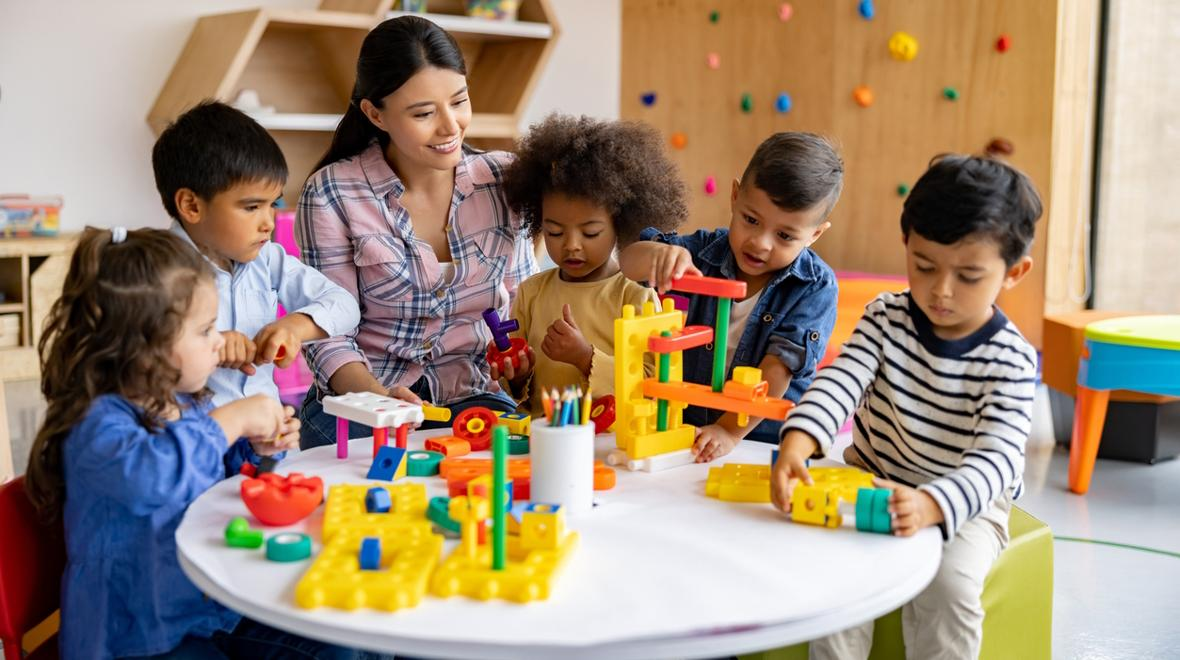
Finding the right preschool means looking beyond glossy brochures and convenient locations. You need to assess whether a program aligns with your child's developmental stage, supports the skills they're developing now, and prepares them for what comes next. The decision involves evaluating social-emotional readiness, cognitive expectations, physical environment, and daily routines that either reinforce or undermine growth.
Social-Emotional Development Shapes Everything Else
Self-regulation determines whether a child can sit through story time or wait their turn at the water table. According to CDC research, preschoolers are actively learning to manage feelings, share resources, and separate from theirparents during these years. A program that rushes past these foundational skills to prioritize academic milestones creates stress rather than confidence.
Watch how teachers handle conflicts between children. Do they intervene immediately, or do they guide kids toward resolving disagreements themselves? A 3-year-old learning to say "I was using that" instead of grabbing builds communication skills that matter more than knowing the alphabet early. Programs that treat emotional regulation as secondary to cognitive tasks miss the point. Children who can't manage frustration or recognize others' feelings struggle academically later, no matter how many letters they memorized at four.
Some parents worry their child isn't socially ready because they're shy around new people or cling during drop-off. That's different from a lack of capacity to engage. A child who talks freely at home but freezes at school might need a smaller class size or a gradual entry schedule, not a different program entirely. The question isn't whether your child is outgoing, but whether they can eventually participate when they feel safe.
Language and Communication Need Active Practice
Receptive language (understanding what's said) typically develops before expressive language (speaking clearly). A preschool that values both gives children time to process instructions and multiple ways to respond. Some children answer questions verbally, others point or nod, and some need visual cues before they can follow multi-step directions. Programs that assume all 4-year-olds should articulate complete thoughts on demand create anxiety for late talkers who understand perfectly but need more time to form words.
Teachers should speak clearly, repeat instructions in different ways, and check comprehension without putting kids on the spot. "Show me which shape is the circle" works better than "What shape is this?" for a child still building confidence. The 2025 KIDS COUNT Data Book found that 52% of 3- and 4-year-olds were not enrolled in preschool, meaning many children arrive at kindergarten without structured language practice. Quality preschools close that gap through conversations during play, songs that introduce new vocabulary, and stories that model sentence structure.
Parents sometimes attribute language delays to personality rather than recognizing when a child needs support. A 4-year-old speaking in single words when peers form sentences isn't just "quiet." That's a signal to seek evaluation, not wait and hope it resolves. Programs with speech-language pathologists on staff or partnerships with early intervention services provide targeted help without pulling children out of their routine.
Physical Skills Build Independence and Confidence
Gross motor skills (running, climbing, jumping) and fine motor skills (cutting, drawing, manipulating small objects) develop through repetition, not instruction. A preschool with outdoor time, climbing structures, and open space for movement supports large muscle development. Indoor environments need materials that strengthen hand muscles: playdough, beads to string, scissors that actually cut paper, and crayons that require grip strength.
My Coloring Pages offers designs that match fine motor development stages, from large, simple shapes for younger preschoolers to build grip control, to detailed scenes for older children practicing precision and focus. Teachers can customize complexity based on individual readiness rather than forcing every 4-year-old to color the same intricate picture, which frustrates some and bores others.
Children who struggle with physical tasks often avoid them, further delaying progress. A child who can't zip their coat gives up trying, then arrives at kindergarten still needing adult help. Preschools that embed self-care into daily routines (putting on shoes, washing hands, serving snacks) naturally teach independence. The goal isn't perfection but willingness to attempt tasks and ask for help when stuck.
Cognitive Expectations Should Match Brain Development
Early literacy and numeracy matter, but not the way many parents assume. Recognizing letters is less important than understanding that print carries meaning. Counting objects matters more than reciting numbers to 100. A child who can point to the word "exit" on a sign and explain what it means demonstrates reading readiness. A child who memorized the alphabet song but can't identify letters in their name does not.
Programs that prioritize rote memorization over conceptual understanding create gaps that surface later. A 4-year-old who counts to twenty but can't tell you whether five blocks are more than three doesn't grasp quantity. Teachers should use manipulatives (blocks, counters, toys) to make abstract concepts concrete. Imaginative play, where children assume roles and create narratives, builds problem-solving and symbolic thinking more effectively than worksheets do.
Some preschools push academic content because parents equate rigor with quality. That pressure backfires. Children who spend preschool years on tasks that frustrate them learn to associate learning with failure. A program that balances structured activities with open-ended exploration respects how young brains actually develop.
Routines and Environment Create Emotional Safety
Consistent daily schedules help children predict what will happen next, reducing anxiety. Arrival routines, transition signals (songs, timers, visual schedules), and predictable sequences (snack, outdoor play, story time) give preschoolers a sense of control. Programs that shift activities abruptly or skip routines when convenient create stress for children who rely on structure.
Safety goes beyond locked doors and sanitized toys. Emotional safety means children can make mistakes without shame, ask questions without ridicule, and express needs without fear. Teacher-child ratios matter here. A classroom with one teacher and fifteen 3-year-olds can't provide individualized attention during meltdowns or help a child work through frustration. Lower ratios (ideally 1:8 for younger preschoolers, 1:10 for older ones) allow teachers to notice when a child is struggling before behavior escalates.
Physical environments should invite exploration without constant adult intervention. Open shelves with clearly labeled materials, child-height sinks, and furniture scaled to small bodies promote independence. Spaces that require constant supervision or where children hear "don't touch that" repeatedly teach helplessness rather than confidence.
But even the best environment can't compensate if your child isn't developmentally ready to engage with it.
Signs Your Kids Are Ready for Preschool
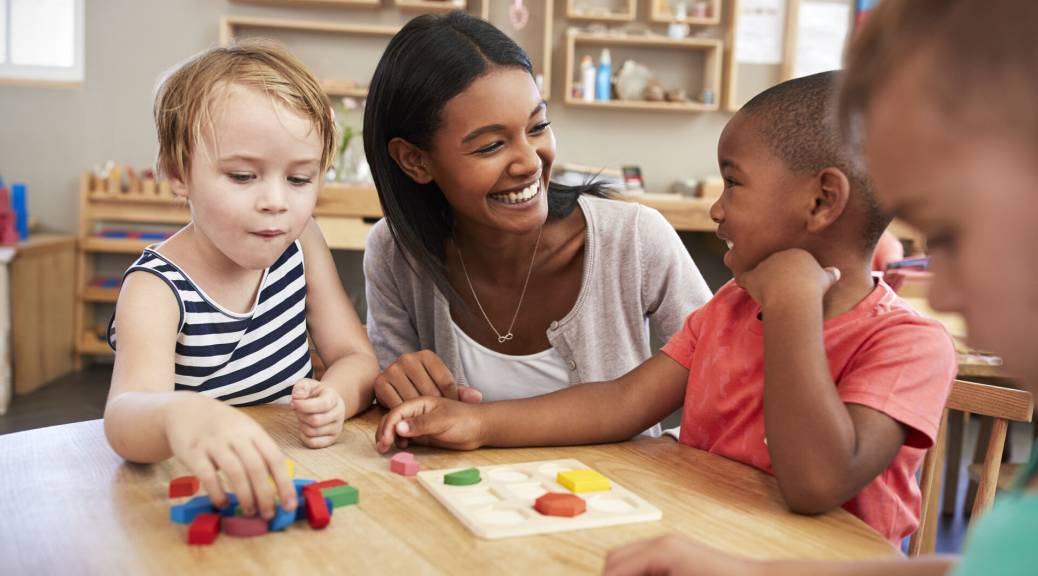
Readiness shows up in behavior, not birthdays. A child who can communicate discomfort, recover from minor upsets without complete meltdowns, and engage with materials independently for short periods demonstrates core capabilities that matter more than age. These markers signal whether your child can navigate the social and emotional demands of a group setting, not whether they've memorized letters or colors.
Separation Without Crisis
Saying goodbye triggers anxiety in most young children. That's expected. The difference between readiness and unreadiness appears in what happens after you leave. A child who cries for two minutes, then accepts comfort from a teacher and joins an activity, shows resilience. A child who remains inconsolable for thirty minutes, refuses redirection, and can't engage with anything in the room needs more time or a gentler entry process.
Some parents mistake clinginess for inability. A child who hesitates at drop-off but eventually participates isn't showing unreadiness. They're processing a big transition. Teachers should acknowledge feelings without forcing false cheer ("I know it's hard to say goodbye, and I'll be right here when you're ready to play"). Programs that rush children past their emotions or treat tears as problems to eliminate miss the point. Learning to separate is the skill being practiced, not a prerequisite for entry.
Watch what happens during brief separations at home. Can your child play in another room while you fold laundry? Do they check in periodically but return to their activity? That ability to maintain focus while you're nearby but not visible directly translates into classroom independence.
Peer Awareness and Basic Interaction
Perfect social skills aren't required. Parallel play, where children occupy the same space without direct interaction, counts as readiness. A 3-year-old building blocks next to another child building blocks is learning about proximity tolerance, shared space negotiation, and observing peer behavior. Those foundations matter more than cooperative games or turn-taking, which develop through preschool experience rather than arriving fully formed.
Children ready for group settings notice other kids. They watch what peers do, even if they don't join in. They show interest in materials that other children use. They might not share willingly yet, but they understand that other people have desires and preferences separate from their own. That awareness, however basic, allows teachers to guide social learning.
According to new federal data from 2026, about two-thirds of the nation's 3- to 5-year-olds are on track to enter kindergarten, but that still leaves a third who need additional support. Many of those gaps emerge from limited peer interaction before formal schooling. Preschool provides structured opportunities to practice social skills that isolated home environments can't replicate, but children need a baseline level of peer tolerance to benefit from that structure.
Following Directions Within Reason
One or two-step instructions form the backbone of preschool routines. "Put your coat in your cubby" or "Wash your hands, then sit at the table" require listening, memory, and sequencing. Children who can follow these simple directions participate in group activities without constant individual prompting. Those who can't yet manage this level of instruction need smaller ratios or more individualized support.
This doesn't mean perfect compliance. A child who sometimes forgets steps or needs reminders shows normal 3- or 4-year-old behavior. The question is whether they understand what's being asked and attempt to follow through, not whether they execute flawlessly every time. Teachers should give clear, concrete directions rather than vague requests ("Please sit down" works better than "Let's get ready for story time").
Children who ignore all instructions or seem genuinely confused by simple requests might have language-processing delays, hearing issues, or attention difficulties that require evaluation before group settings become productive. Preschool can support these challenges, but identifying them early prevents frustration for both the child and the teachers.
Curiosity About the World
Questions signal engagement. A child who asks "Why is the sky blue?" or "Where do worms go?" demonstrates the cognitive readiness that makes preschool meaningful. They're noticing patterns, seeking explanations, and building mental models of how things work. Programs that nurture this curiosity through exploration, experimentation, and open-ended materials support natural learning drives.
Some children show curiosity through action rather than words. They investigate how objects fit together, test cause and effect, or repeat activities with slight variations to see what changes. A child who stacks blocks, knocks them down, then rebuilds in a different configuration is experimenting with physics and spatial relationships. Teachers who recognize these behaviors as learning rather than aimless play create environments where investigation thrives.
My Coloring Pages supports this exploratory drive by offering customizable designs that match individual interests. A child fascinated by construction vehicles can color detailed excavators and dump trucks, reinforcing vocabulary and visual discrimination while building fine motor skills. A child captivated by ocean life can explore intricate underwater scenes. When materials align with what already captures a child's attention, engagement deepens naturally rather than requiring external motivation.
Self-Care Capabilities
Bathroom independence varies by program, but most preschools expect children to communicate when they need to go, attempt to undress and redress themselves, and wash their hands afterward. Full mastery isn't required. A child who can pull down elastic-waist pants but struggles with buttons shows enough capability to participate with minimal teacher assistance.
Children who refuse to try self-care tasks or panic when asked to attempt them need more practice at home before group settings become productive. Preschool teachers support skill development, but they can't provide one-on-one assistance with basic needs when managing eight or ten other children. A child who insists that an adult put on their shoes every time, despite having the motor skills to do it themselves, creates bottlenecks during transitions that disrupt the whole group's rhythm.
Self-feeding matters too. Children should be able to manage utensils well enough to eat snacks and lunch without constant help. Spills happen. Messiness is expected. But a 4-year-old who can't bring a spoon to their mouth without dropping most of the food needs occupational therapy evaluation, not just more practice.
But knowing these readiness markers doesn't tell you how to build them when they're missing.
9 Tips on How to Prepare Kids for Preschool
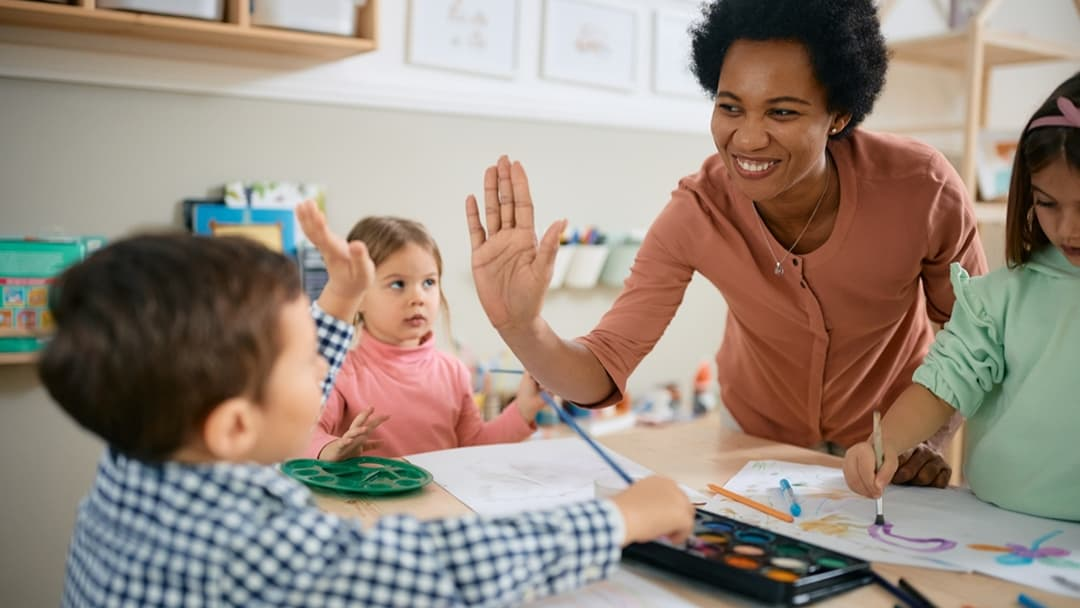
Building readiness happens through deliberate practice in the weeks before school starts, not last-minute cramming. These strategies help your child become familiar with routines, environments, and social expectations, so your child walks into preschool with confidence rather than confusion. Each tip addresses a specific anxiety point or skill gap that commonly derails smooth transitions.
1. Visit the School Before Day One
Walking into an unfamiliar building surrounded by strangers triggers anxiety in most preschoolers. Visiting together beforehand transforms the unknown into the recognizable. Explore the classroom, touch the materials, try the bathroom, and play on the playground. Let your child see where their cubby will be, where they'll eat a snack, and where circle time happens. Spatial familiarity reduces the cognitive load on that overwhelming first day when everything else (new faces, new rules, new schedule) demands attention.
Some programs offer orientation sessions where families tour together. If yours doesn't, ask to schedule a brief visit during off-hours. Ten minutes walking through empty rooms matters more than lengthy explanations about what will happen. Children process through direct experience, not abstract descriptions.
2. Arrange Playdates With Future Classmates
Walking into a room where you already know someone changes everything. One familiar face transforms a crowd of strangers into a space that feels safer. Contact other families through the school's parent list or social media group and set up casual playground meetups before school starts. These don't need structure or activities. Parallel play while parents chat builds enough recognition that children spot each other on day one and gravitate toward the familiar.
The goal isn't forcing friendships. It's creating visual recognition so your child sees someone they remember rather than a room full of unknowns. That small comfort often provides enough emotional stability to engage with the broader group.
3. Practice School Routines Through Pretend Play
Role-playing makes abstract concepts concrete. Set up a pretend classroom at home with stuffed animals as students. Take turns being the teacher and the student. Act out circle time, snack routines, bathroom breaks, and cleanup songs. Let your child direct the play and create their own school scenarios. This processing through imagination helps them mentally rehearse what to expect without the pressure of real performance.
Switch roles deliberately. When your child plays the teacher, they practice authority and decision-making. When they're students, they rehearse following directions and waiting for their turn. This dual perspective builds empathy and reduces resistance to teacher guidance later.
4. Turn Self-Care Skills Into Playful Challenges
Children resist tasks framed as obligations but engage enthusiastically with games. Transform buttoning coats into timed races. Practice putting on backpacks while hopping on one foot. Challenge them to hang their jacket on a hook from three steps away. These silly variations build muscle memory and confidence without the frustration of serious instruction.
Focus on the skills your child's specific program requires. Some preschools expect children to manage shoes independently; others allow Velcro or slip-ons. Some require changing into indoor shoes; others don't. Knowing the actual expectations prevents practicing irrelevant skills while neglecting critical ones.
5. Share Your Own School Memories
Personal stories create emotional bridges between your experience and your child's upcoming one. Tell them about your first day, a favorite teacher, a friend you made, something funny that happened during snack time. Show photographs of yourself at preschool age if you have them. These narratives normalize school as a universal experience rather than something uniquely scary happening only to them.
Be honest about mixed feelings. "I felt nervous the first day, but my teacher showed me where the blocks were and I built a tall tower," validates anxiety while demonstrating that it passes. Children trust stories that include struggle more than those presenting false perfection.
6. Establish the New Schedule Early
Abrupt routine changes compound transition stress. Start practicing the preschool sleep schedule at least two weeks before school begins. Adjust bedtime gradually (fifteen minutes earlier every few nights) until you reach the target. Wake your child at the new time even on weekends, so their body adapts to the rhythm before adding school's demands.
Create morning routines that include time buffers. Rushed mornings, when you're barking instructions while shoving arms into coat sleeves, teach children that school creates chaos. Calm mornings where there's time to eat breakfast together, pick out clothes, and arrive without panic communicate that this new routine is manageable.
Pick out clothes the night before and lay them out together. This small ritual eliminates one morning decision point and gives children ownership over their appearance, which builds confidence during a period when so much feels out of their control.
7. Validate Feelings Without Amplifying Fear
Ask your child how they feel about starting school, then listen without correcting their emotions. "I'm scared" deserves "It's okay to feel scared about new things" not "There's nothing to be scared of!" Dismissing feelings teaches children their internal experiences are wrong, which erodes trust and makes them less likely to share concerns later.
Explain pickup routines in concrete terms. "After you play outside, have snack, and listen to a story, I'll be waiting right by the blue door," provides a mental map they can reference when separation anxiety peaks. Vague promises like "I'll be back soon" mean nothing to a child with no concept of time duration.
8. Create a Goodbye Ritual That Stays Consistent
Prolonged goodbyes increase distress. Develop a quick, predictable sequence: hug, special handshake, one kiss, "See you at pickup," then leave. Repeat this exact pattern every single day. The consistency becomes an anchor during emotional moments. When your child knows exactly what happens next in the goodbye sequence, they spend less energy anticipating and more accepting.
Some children benefit from transition objects. A family photo in their pocket, a bracelet that matches yours, or a small fabric square from home provides physical comfort when emotions spike. Check with teachers about what's allowed, then choose something discreet that won't become a classroom distraction.
Programs like My Coloring Pages let you create custom sheets featuring your child's favorite characters or interests. A personalized coloring page in their cubby gives them something familiar to gravitate toward when they need space for emotional regulation, bridging home comfort with the school environment.
9. Practice Listening and Following Simple Directions
Preschool operates on verbal instructions. Children who can't process "Put your coat away, then sit at the red table" struggle with basic participation. Practice two-step directions at home during everyday moments. "Get your shoes, then meet me at the door." "Wash your hands, then come to the table." Make it playful rather than punitive. Simon Says builds listening skills while feeling like a game.
Check comprehension by asking your child to repeat instructions back before acting. This extra processing step reveals whether they truly understood or just nodded reflexively. If they can't repeat it, they didn't absorb it, which means you need to simplify or break the instruction into smaller pieces.
But preparation only gets you to the starting line. What happens once school actually begins depends on choosing activities that match where your child is right now, not where you hope they'll be.
Related Reading
- Preschool Sight Words
- Preschool Classroom Layout
- Preschool Crafts
- Preschool Science Experiments
- Preschool Lesson Plan Template
- Preschool Art Activities
- Playing Preschool Curriculum
- Free Preschool Games
- Preschool Prep
- Christmas Crafts Preschool
- Preschool Learning Games
- Spring Bulletin Board Ideas For Preschool
- Preschool Bulletin Board Ideas
- Preschool Tracing Worksheets
- Daycare Vs Preschool
- Preschool Math Activities
- Preschool Learning Activities
- Preschool Playground Equipment
- Creative Curriculum For Preschool
- Preschool Craft Ideas
- Preschool Assessment
- Turkey Craft Preschool
- Noah's Ark Preschool
- How To Become A Preschool Teacher
Activities That Grow With Your Child’s Age
Preschool isn't one-size-fits-all. A 3-year-old learning to grip a crayon has different needs than a 5-year-old ready to trace letters. Generic worksheets frustrate children who aren't ready and bore those who've moved past basic skills. The solution isn't buying separate activity books for every developmental stage. It's finding resources that adapt to where your child actually is right now.
My Coloring Pages solves this by letting you create custom, printable activities tailored to your child's exact age and developmental stage. Practice letters, numbers, and shapes for toddlers just starting out. Challenge older preschoolers with tracing, simple math, and themed story pages. Keep learning, engaging, screen-free, and perfectly matched to your child's skill level. No matter where they are in preschool, you can provide personalized, hands-on learning that keeps them confident, curious, and ready for the next stage.