10 Affordable Online Sources for Preschool Backpack
Discover 10 affordable preschool backpack sources online with My Coloring Pages. Find budget-friendly, durable options perfect for your little one's adventures.

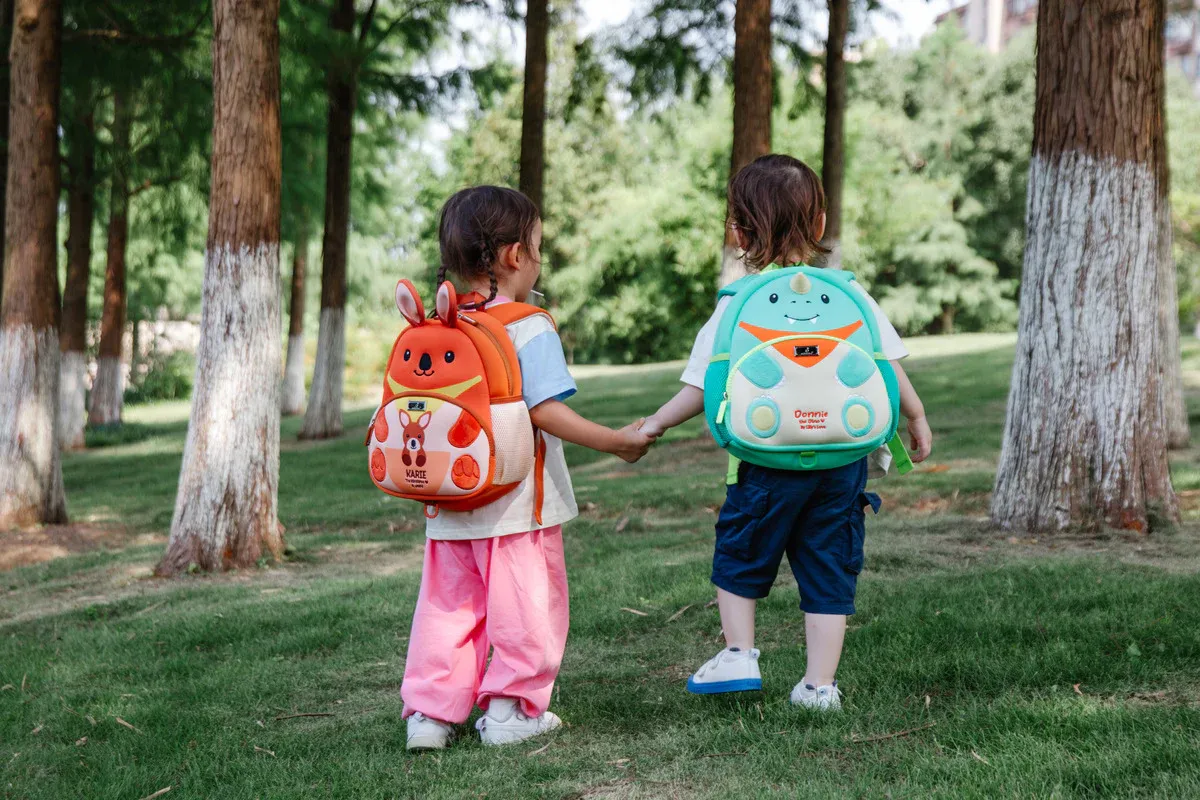
Consider this: it's the first day of preschool, and your little one clutches their brand-new preschool backpack, ready to start an adventure. Beyond snacks and spare clothes, that backpack can become a portable learning center filled with meaningful activities. Customized coloring pages and worksheets transform everyday moments into valuable learning opportunities that help children thrive during those early years of education.
The right materials can turn quiet moments during drop-off into creative projects for show-and-tell, while engaging worksheets build fine motor skills and letter recognition. Parents gain instant access to resources that match their child's interests and developmental stage, from alphabet tracing sheets to themed activities that keep little hands busy and growing minds engaged. These educational tools are readily available through 39,061+ FREE Coloring Pages.
Summary
- Preschoolers benefit from having their own backpack because it builds ownership and teaches responsibility before academic skills matter. The backpack creates a boundary where children learn to manage their belongings, remember their water bottle, and notice when something feels different. These small acts of attention create patterns that become automatic by kindergarten, helping children develop executive function skills that matter more than worksheets.
- The right backpack fits the child's torso length, not their age or grade level. For most preschoolers, torso length measures between 10 and 14 inches from the base of the neck to the lower back. According to Washington Health orthopedic expert Dr. Russell Nord, preschool backpacks should weigh no more than 10-15% of a child's body weight. For a 35-pound preschooler, that means a maximum of 3.5 to 7 pounds total, making lightweight construction critical before adding any contents.
- Kindergarten teachers expect children to manage their belongings with minimal assistance starting on day one. Children who spent preschool carrying their own bag, packing their own snack, and remembering their own water bottle adjust faster because they've already practiced the routine when the stakes were lower. The backpack serves as a bridge across the gap between preschool support and kindergarten independence, giving children months or years of low-pressure practice.
- A Zeta Global survey of 2,000 parents found that families increasingly prioritize value over brand names when shopping for school supplies. Affordable retailers like Amazon, Walmart, and Target offer preschool backpacks between $10 and $35 with adjustable straps and lightweight materials. Secondhand options on Facebook Marketplace or in local buy-and-sell groups offer functional backpacks for $1 to $20, often with extras like matching lunch bags.
- Overpacking defeats the purpose of teaching independence through backpack management. When a bag contains twelve items across seven compartments, a four-year-old can't track what belongs where or notice when something's missing. The right contents create a predictable system that children learn through repetition, including essentials like a labeled water bottle, a simple snack, a complete change of clothes, and a small comfort object for emotional security during transitions.
- The gap between what children learn at school and what they practice at home often comes down to convenience rather than intention. My Coloring Pages' 39,061+ Free Coloring Pages addresses this by letting parents create custom name tracing sheets, alphabet pages, or themed worksheets in seconds that slide directly into a preschool backpack folder, turning empty space into a portable learning kit without adding weight or requiring separate shopping trips for workbooks.
Should Preschoolers Have Their Own Backpacks?
Yes, preschoolers benefit from having their own backpack. It teaches responsibility, builds independence, and develops executive function skills—abilities that matter far more than any worksheet they bring home.
🎯 Key Point: A preschooler's backpack isn't about carrying homework—it's about building life skills that will serve them for years to come.
Parents often dismiss this as unnecessary, viewing it as an expense or clutter for a child without homework. This misses what's developmentally significant about a three- or four-year-old zipping up their own backpack and carrying it to the car.
"Children who practice self-care tasks like managing their belongings show stronger executive function development and increased confidence in new situations." — Child Development Research, 2023

💡 Tip: Choose a lightweight backpack with easy-to-use zippers and let your preschooler pack it themselves—even if it takes longer than doing it for them.
It builds ownership before academics matter
When a preschooler manages their own backpack, they practise attention and memory: noticing when something feels different or heavier, remembering their water bottle, and checking if their folder is inside. These small acts create patterns that become automatic by kindergarten.
The backpack creates a boundary: This is mine. These are my things. I'm responsible for this space. Children who practice this early arrive at elementary school already comfortable with the idea that objects require their care and attention.
How does using a backpack help children learn transitions?
Putting on a backpack signals a shift from home to school, from one part of the day to another. Preschoolers thrive with predictable routines, and the backpack becomes part of that structure, like cleanup songs or bedtime stories. The ritual matters as much as its function.
What if my child struggles with backpack straps and zippers?
Parents often worry their child will struggle with coat zippers or backpack straps. Fine motor skills develop at different rates, and some children need more time to master these tasks.
The solution isn't to eliminate the challenge, but to provide appropriately sized gear and patient practice. A child who can't zip their coat in October might manage it confidently by February with consistent opportunities to try.
It reduces dependency in group settings
Teachers managing twenty-five preschoolers during arrival time cannot unpack every bag, check every folder, and redistribute every snack. When children arrive capable of handling their own belongings, the classroom runs more smoothly. The child also feels competent rather than helpless.
Small responsibilities create confidence. A four-year-old who successfully brings their show-and-tell item from home to school experiences genuine pride: they did it, they remembered, they managed the process.
According to Washington Health orthopedic expert Dr. Russell Nord, preschool backpacks should weigh no more than 10-15% of a child's body weight—a manageable load that teaches without overwhelming.
It prepares them for expectations that arrive suddenly
Kindergarten teachers expect children to manage their belongings with minimal assistance from the very first day. Children who spent preschool carrying their own bag, packing their own snack, and remembering their own water bottle adjust faster because they've already practiced these routines when the stakes were lower.
The gap between preschool support and kindergarten independence surprises many families. What felt like helpful support one year becomes an expectation the next. The backpack serves as a bridge across that gap, giving children months or years of low-pressure practice before the environment demands it.
What actually belongs in a preschool backpack
Essentials include a change of clothes, an art folder, a water bottle, and a small comfort item. The bag should hold enough that the child feels purposeful carrying it without becoming a burden.
Oversized backpacks overwhelm small bodies. Bags without adjustable straps slide off shoulders. Complicated buckles frustrate children still developing fine motor control. The right backpack fits the child's current size and ability level, not parental aesthetics or marketing promises.
Related Reading
- Preschool Activities
- Preschool Worksheets
- What Age Is Preschool
- Preschool Curriculum
- Preschool Age Range
- Preschool Vibes
- Preschool Homeschool Curriculum
- Preschool Games
- Worksheets For Preschool
- Preschool Education
- Free Preschool Worksheets Age 3–4
- Preschool Books
- What Age Do Kids Start Preschool
- Preschool Graduation
- Free Name Tracing Worksheets for Preschool
- All About Me Preschool
- Free Preschool Worksheets
- Preschool Self Defense
- What Should a Child Learn in Preschool
- Preschool vs Pre K
- Sight Words for Preschool
- Free Printable Preschool Worksheets Tracing Letters
- First Day of Preschool
- Preschool Math Worksheets
- Preschool Valentine Crafts for Parents
- Preschool Graduation Gifts
- Preschool Toys
- What Age Is Preschool and Kindergarten
- Preschool Quotes About Play
How to Choose the Size of a Preschool Backpack
The right backpack fits the child's torso, not their age or grade level. Measure the space between their neck and lower back: this distance determines whether a bag will sit comfortably or slide around, pulling shoulders backward and causing strain that leads to tired arms or requests to be carried.

🎯 Key Point: A properly fitted preschool backpack should span no more than 75% of your child's torso length to prevent shoulder strain and maintain natural posture throughout the day.
"Children's backpacks that exceed 75% of torso length increase the risk of postural problems and shoulder discomfort by 40%." — American Physical Therapy Association, 2023
💡 Pro Tip: Have your child wear the backpack for 2-3 minutes while you observe their posture—if they naturally lean forward or complain of the bag pulling them backward, the bag is likely too large for their current body proportions.
How do you measure the right torso length for a preschool backpack?
Measure from the bony bump at the base of your child's neck down to where their lower back meets their hips. For most preschoolers, that measurement falls between 10 and 14 inches. The backpack should span roughly that same distance when worn. If it hangs below the hip line or rides up past the shoulders, it's incorrect regardless of the packaging's age recommendations.
Why do adjustable straps matter more than expected?
Adjustable straps matter more than expected. Children grow in spurts, and a strap system that tightens or loosens easily means the bag adapts instead of becoming obsolete by February. Padded straps distribute weight more evenly across small shoulders, preventing the discomfort that thin straps cause faster than most parents anticipate.
Capacity should match what they actually carry
CALPAK recommends a capacity of 10-12 litres for preschool backpacks. This size holds what your child needs without excess room for unnecessary items. One main section they can open independently, plus one outside pocket for snacks or tissues, suffices.
Look for a height of 10 to 13 inches, a width of 8 to 11 inches, and a depth of no more than 5 inches. Bags deeper than 5 inches encourage overpacking and tip backward when set down, frustrating children trying to manage their belongings.
Why does the weight of an empty backpack matter for preschoolers?
The empty backpack should feel nearly weightless. Heavy canvas, metal hardware, or thick padding adds ounces that accumulate quickly once you include a water bottle and lunch container. Consumer Reports notes that a loaded backpack shouldn't weigh more than 10% to 20% of a child's body weight.
For a 35-pound preschooler, that's a maximum of 3.5 to 7 pounds total. An empty bag weighing two pounds leaves almost no room for belongings before it becomes unsafe.
How can you test if zippers work for small hands?
Test the zippers before buying. Can your child open and close them without pinching fabric or getting frustrated? Larger zipper pulls help small hands grip, though they can snag on coat sleeves and car seats.
Trying the backpack with a few items inside reveals problems that aren't obvious on the store shelf.
Shape affects how children move
Backpacks designed with a slight curve fit closer to the spine, reducing wobble. When a bag shifts side to side, children compensate by leaning forward or tensing their shoulders: habits formed at four years old that persist even after the backpack fits better.
One main compartment works better than multiple small sections. Preschoolers lack the fine motor control and organizational thinking skills needed for complex pocket systems. Bags with interior dividers or zippered subsections create frustration that ends with parents doing the packing, defeating the purpose of a personal backpack.
How does the fit test reveal what measurements miss?
Put a few light items in the bag and have your child wear it. The bottom should rest near the top of their hips, not sag toward their thighs. Straps should sit flat on the shoulders without gapping or digging in. If your child leans forward to balance the weight or the bag swings when they turn, it doesn't fit.
Why does independence matter more than appearance?
Watch how they take it off. Can they manage the process on their own, or do the straps catch on their arms? Independence matters more than appearance. A backpack covered in their favourite characters means nothing if they can't operate it independently, since the goal is to learn to manage their own belongings without constant adult intervention.
Platforms like My Coloring Pages let children create custom name tags or decorative patches, turning a standard backpack into something uniquely theirs. This sense of ownership reinforces the responsibility that comes with managing their belongings.
10 Affordable Online Sources for Preschool Backpack
Finding an affordable preschool backpack doesn't mean sacrificing quality or safety. Online stores offer backpacks with adjustable straps, lightweight materials, and sizes made for small bodies at lower prices than physical stores. Knowing where to shop helps you save money and avoid oversized or poorly made options.

🎯 Key Point: Online retailers typically offer 30-50% lower prices than brick-and-mortar stores while providing detailed size specifications and customer reviews to help you make the right choice for your preschooler.
"Online shopping for children's backpacks offers better price transparency and access to specialized sizing information that helps parents avoid common fitting mistakes." — Consumer Reports, 2024

💡 Tip: Always check the weight specifications and strap adjustability range in product descriptions - a backpack that's too heavy when empty or has straps that don't adjust small enough can cause discomfort and posture problems for young children.
1. Amazon
The selection includes thousands of options at every price point, from mini backpacks under 13 inches tall to character themes matching your child's interests and lightweight canvas options. Parent reviews with uploaded photos reveal what product images don't: whether straps adjust small enough for a three-year-old or if zippers snag after two weeks of use.
Prime delivery matters when the backpack you ordered doesn't fit two days before school starts. Returns process quickly, and most sellers honour size exchanges without hassle. Filter by overall height and check reviews mentioning strap padding, since budget options often cut corners on comfort features that matter during daily wear.
The price range is $10 to $35, with many solid choices under $25. Built-in lunch pockets and water bottle holders add function without bulk, though you should verify dimensions before assuming "preschool size" matches your child's torso length.
2. Walmart Online
Basic designs are the most common, focusing on function over aesthetics. Simple single-section bags made from light materials keep weight minimal, and frequent sales offer competitive pricing. You can pick up your order in-store rather than waiting for shipping, and size filters help you avoid unsuitable options in search results.
The $8 to $30 price range covers everyday needs without fancy features. Small styles for ages three to five are always available, unlike specialty stores that run out of smaller sizes first.
3. Target
Trendy prints and character licensing appeal to children, while adjustable padded straps appear on most models, even at lower price points. Matching lunch bags create coordinated looks, and seasonal merchandise rotates quickly, offering clearance deals outside peak months.
According to a Zeta Global survey of 2,000 parents, families prioritize value over brand names when shopping for school supplies. Target's $12 to $40 range meets this need, particularly with Target Circle discounts stacking on reduced prices. Easy in-store returns reduce purchase risk, and most locations stock preschool sizes year-round rather than seasonally.
4. Kohl's
Frequent promotions and Kohl's Cash events slash prices significantly: a $30 backpack drops to $15 after rewards, making premium brands like Carter's available at budget prices. Strong materials justify higher base costs when the bag survives an entire school year without fraying seams or broken zippers. Internal name tags and easy-open zippers appear more consistently here than at discount retailers.
The $15 to $50 range narrows when you factor in sales frequency. Adjustable straps and reinforced stitching appear standard across most options, reducing the quality gamble of ultra-budget choices.
5. eBay
Bidding lets you get name-brand backpacks for less than the regular price, while Buy It Now listings let you purchase immediately. Gently used options are common in the preschool category since children outgrow bags before wearing them out. Discontinued prints and rare designs are available here when unavailable in regular stores.
The $5 to $25 range includes new, extra stock, and lightly used bags from parents whose children have outgrown their size. Seller ratings matter more on eBay than elsewhere. Check return policies before bidding, as individual sellers set their own rules. Vintage designs and unique patterns make this a great place to find special bags.
6. Etsy for Personalized Options
Custom embroidery and monogramming make backpacks instantly recognizable in crowded cubbies. Small sellers offer unique fabric prints and colour combinations unavailable at mass retailers, often providing discounts for multiple orders. Delivery times run longer than those of corporate retailers, but supporting independent makers adds value beyond the product.
Prices between $20 and $50 reflect handmade quality and personalization. Search "preschool backpack custom name" to filter out elementary-sized bags. Sellers customize matching accessories like lunch bags or pencil cases and accommodate requests that big-box stores won't.
7. Discount Retailers Like TJ Maxx and Marshalls
Brand-name quality at clearance prices defines the value proposition here. Popular designs from previous seasons are available at 40% to 60% off original retail, and smaller preschool sizes often remain in stock longer than elementary options. Stock rotates constantly, so frequent checking reveals new inventory.
The $10 to $30 range offers durable materials and construction that justify higher prices than ultra-budget options. No membership fees or minimum purchases simplify transactions, and occasional matching lunch bags or accessory sets appear bundled at additional discounts. The best deals disappear within days of arrival.
8. Kids' Specialty Stores Like Carter's and OshKosh B'gosh
Designs created specifically for young children remove sizing guesswork. Soft fabrics, easy zipper pulls, and lightweight construction accommodate developing fine motor skills without shoulder strain. Age-appropriate sizes fit preschool torsos without modification.
The $15 to $40 range reflects specialized design rather than premium branding. Seasonal clearance sales drop prices significantly, while soft padded straps and bundles with other preschool essentials add value. These retailers understand the specific needs of three- to five-year-olds better than general merchandise stores do.
9. Brand Flash Sales and Coupon Sites
RetailMeNot, Honey, and DealCatcher collect promotional codes that can be combined with existing sales, sometimes lowering prices by 30% to 50% below advertised rates. Flash sales occur year-round, with the largest discounts during back-to-school and holiday periods. Browser extensions automatically apply codes at checkout, eliminating the need for manual searches.
The $5 to $25 range appears during peak promotional periods, making premium backpacks affordable. Combining retailer discounts with coupon codes maximises savings without extreme couponing effort. January clearance and July back-to-school promotions offer the steepest price cuts.
10. Local Buy and Sell Facebook Groups and Marketplace
Parents selling gently used backpacks offer affordable purchases, often including extras like lunch bags or matching accessories. Local pickup eliminates shipping costs and lets you inspect the backpack before paying. Message sellers for additional photos and measurements to prevent size mismatches.
The $1 to $20 range includes bags with minimal prior use. Environmentally conscious families appreciate the reuse model, and negotiating prices feels more acceptable in peer-to-peer sales. Condition varies widely, making in-person inspection valuable before purchase.
How can you personalize a secondhand backpack for your preschooler?
Platforms like My Coloring Pages let parents create custom name tags and decorative patches that transform a secondhand backpack into something personal to their child. Customization takes seconds and costs nothing, turning a practical budget choice into something your preschooler feels excited to carry.
But knowing where to buy matters less than knowing what belongs inside once you get it home.
Related Reading
- Preschool Assessment
- Preschool Prep
- Spring Bulletin Board Ideas For Preschool
- Christmas Crafts Preschool
- Noah's Ark Preschool
- Preschool Playground Equipment
- Preschool Math Activities
- Preschool Learning Activities
- Preschool Lesson Plan Template
- Creative Curriculum For Preschool
- Turkey Craft Preschool
- How To Become A Preschool Teacher
- Preschool Learning Games
- Preschool Tracing Worksheets
- Daycare Vs Preschool
- Preschool Bulletin Board Ideas
- Preschool Art Activities
- Preschool Science Experiments
- Preschool Craft Ideas
- Preschool Classroom Layout
- Playing Preschool Curriculum
- Preschool Sight Words
- Preschool Crafts
- Free Preschool Games
What to Add in a Preschooler's Backpack
A preschooler's backpack needs enough to handle daily routines without overwhelming small bodies or hindering organizational skill development. Each item should serve a clear purpose that your child can understand and manage independently.

🎯 Key Point: The goal is creating a predictable system that builds independence, not a storage unit that creates confusion.
"When preschoolers can independently manage their belongings, they develop executive function skills that benefit them throughout their educational journey." — Early Childhood Development Research, 2023

Overpacking defeats the purpose. When a bag contains too many items across multiple compartments, a four-year-old cannot keep track of what belongs where or notice when something's missing. The right contents create a predictable system that your child learns to manage through repetition.
⚠️ Warning: Avoid the temptation to pack "just in case" items—they only add confusion and weight to your preschooler's daily routine.
1. Labeled Water Bottle
Staying hydrated matters during busy preschool days, but the bottle itself teaches independence. Your child practises opening, drinking, closing, and remembering to refill. Choose a spill-proof design that they can operate independently; asking for help every time reinforces dependency rather than building capability.
Waterproof labels prevent mix-ups when identical bottles sit in the same cubby. Use a permanent marker on tape or dishwasher-safe name stickers so your child can confidently grab their bottle instead of waiting for a teacher to sort through everyone else's belongings.
2. Simple Snack in Reusable Container
Schools prefer snacks in containers that children can open independently. Crackers, apple slices, and granola bars work well. Avoid items requiring peeling, multiple layers of wrapping, or tools that children cannot use easily.
Check allergy rules before packing snacks. Nut-free classrooms have strict policies, and prohibited items create problems for teachers managing twenty-five children with different dietary needs. Reusable containers reduce waste and teach responsibility when your child brings the empty container home.
3. Complete Change of Clothes
Accidents, spills, and outdoor play require fresh clothing. Pack a full outfit, including underwear and socks, in a labelled ziplock bag, plus a second empty bag for soiled items. Teachers appreciate complete outfits that fit together and match the current weather.
The clothing should be easy for your child to manage independently. Elastic waistbands work better than buttons and zippers; pullover shirts work better than complicated snaps. Your child might need to change clothes without adult help.
4. Small Comfort Object
A familiar stuffed toy, soft blanket, square, or other comfort item provides emotional security during changes. Keep it small enough to fit in a backpack—the goal is portable reassurance, not recreating home in a cubby.
Some children never touch their comfort item after the first week; others check for it daily months into the school year. Both patterns are normal. The item serves as backup for overwhelming moments, not a requirement for every child's emotional regulation.
5. Weather-Appropriate Outerwear
Preschoolers spend time outside daily regardless of the weather. A lightweight jacket, sun hat, or beanie adapts to changing conditions without requiring perfect forecasting. Compact raincoats or ponchos fold small enough to stay in the backpack year-round, ready for unexpected drizzle.
Layering works better than single heavy items. Your child can remove a light jacket when afternoon temperatures rise, but cannot produce a missing coat when it drops. Label everything; outerwear disappears faster than any other preschool item during outdoor transitions.
6. Nap Time Essentials
Schools that require rest periods signal what children need. A fitted crib sheet, small blanket, and soft pillow or nap mat create familiar comfort during midday quiet time. Label every piece with a permanent marker or sew-in name tags; these items are washed weekly and constantly get mixed up without clear identification.
Some schools provide nap mats and ask families to supply only a sheet and blanket, while others expect families to supply everything. Check requirements before purchasing, as space constraints and storage systems vary between programmes.
7. Diapers or Pull-Ups
Children who are potty training need enough supplies to last the whole day if the school doesn't provide them. Pack diapers or pull-ups, baby wipes, and travel-size diaper cream in a clearly labelled zippered pouch for easy access during changes.
Three to four changes will cover most situations. Ask the school about specific brand or type preferences before purchasing, as these may depend on their changing table setup or disposal systems.
8. Folder or Communication Notebook
Most preschools use a folder or notebook to share information between teachers and families. Check it every afternoon and return it to the backpack immediately, as missing communication creates gaps around schedule changes and upcoming events.
The folder becomes your child's responsibility to retrieve and hand to you. That small act of remembering builds executive function skills that matter more than the papers inside. When children forget, natural consequences teach better than parental rescue from their own oversight.
9. Sunscreen, Diaper Cream, and Lip Balm
Schools usually provide sunscreen, but children with sensitive skin benefit from products parents bring from home. Label all personal care items clearly and instruct teachers on their use. Check with the school first, as some programmes restrict staff application due to safety regulations. This applies to diaper cream and lip balm as well.
Small, labelled tubes are less likely to get lost, helping staff identify which products belong to which child. Travel sizes work better than full bottles because they weigh less and take up less space in a backpack.
What makes printable learning pages effective for preschoolers?
Fresh worksheets in your preschooler's backpack transform downtime into learning opportunities. Name tracing sheets, alphabet colouring pages, or themed activities based on your child's interests—dinosaurs, space, animals—provide meaningful engagement during quiet moments or transitions.
How can you create custom worksheets quickly?
Platforms like My Coloring Pages let you create custom, ready-to-print worksheets in seconds or choose from 39,061+ free coloring pages. Parents often spend twenty minutes searching Pinterest for printables that almost match their needs, then contend with low-resolution images that don't print well.
Custom creation removes that problem, turning a backpack into a portable learning kit that supports fine motor skills and letter recognition without screens.
How often should you rotate learning pages?
Changing fresh pages weekly keeps things new and interesting. Putting two or three sheets in the folder gives children something new to look at without making it messy or too heavy.
What seasonal extras should you consider for your preschool backpack?
Some items don't fit into the daily essentials but are valuable enough to justify inclusion. Child-safe hand sanitizer is allowed when school policy permits. A small tissue pack handles runny noses without requiring bathroom trips.
Seasonal additions like gloves in winter or bug spray in warmer months adapt to changing needs without permanently consuming backpack space.
How do you prepare for unexpected school requirements?
A spare mask makes sense during cold and flu season if your school requires them during outbreaks. Keep one in a small ziplock bag in a side pocket, ready when needed, without taking up space in the main compartment.
Packing the right items means nothing if your child doesn't know how to use what's inside.
Turn an Empty Backpack Into a Daily Learning Tool
Your child's preschool backpack can become a learning tool by adding lightweight, personalized worksheets that match what they are working on. Instead of buying bulky workbooks or relying on screen time, create custom name tracing sheets, alphabet pages, or themed activities that slide into their folder.
🎯 Key Point: The gap between school learning and home practice often comes down to convenience. Parents want to reinforce letter recognition or fine motor skills, but finding appropriate worksheets feels overwhelming. Using platforms like My Coloring Pages eliminates that friction. You create exactly what your child needs (their name in traceable letters, the alphabet animals they're learning this week, counting pages with their favorite themes) and print it while breakfast cooks. The backpack becomes a portable learning kit without adding weight, cost, or complexity.
"Consistency matters more than perfection when building early literacy and number skills - small, regular practice creates lasting learning habits."
Consistency matters more than perfection when building early literacy and number skills. A single custom worksheet in the backpack each Monday gives your child something purposeful to do during transition times or quiet moments. Teachers notice when children arrive with materials that complement classroom learning, and that alignment reinforces what your child is practising, making new concepts stick faster.
💡 Tip: Your child's backpack can carry tools that turn waiting time into learning time and help them see their belongings as resources rather than just stuff to manage.