12 Recommendations for Preschool Books and Worksheets
Discover 12 preschool books and worksheets recommendations from My Coloring Pages. Expert picks to boost learning and creativity for ages 3-5.

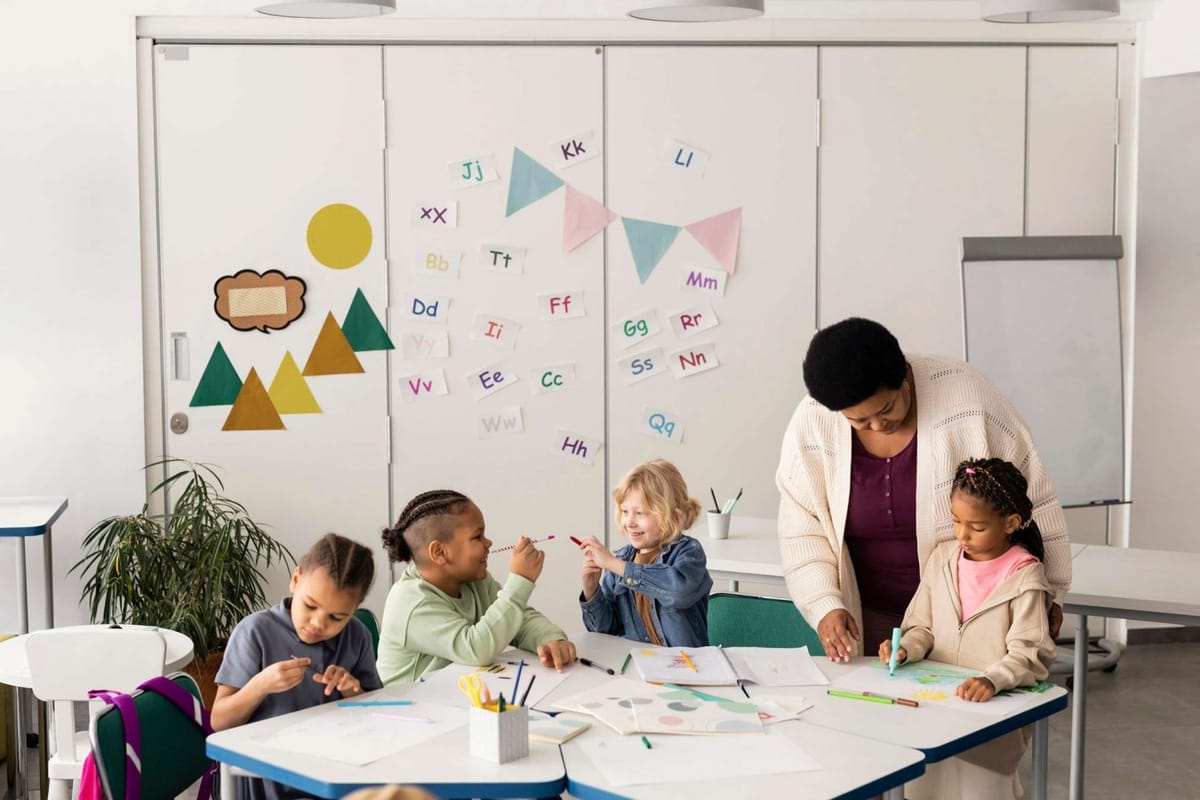
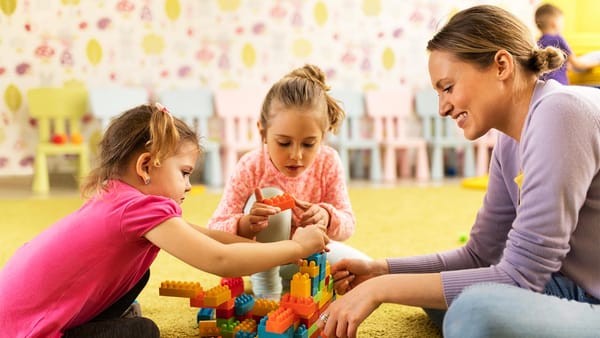
Young children learn best when education feels like play, making the selection of preschool books crucial for developing early literacy skills. Quality stories capture short attention spans while introducing concepts like letters, numbers, and social skills through engaging characters and colorful illustrations. Parents who choose age-appropriate books create natural opportunities for bonding while building their child's vocabulary and comprehension abilities. The right preschool activities complement reading time by reinforcing lessons through hands-on practice.
Combining reading with creative activities helps children retain information and develop fine motor skills at the same time. Coloring pages that match story themes allow preschoolers to extend their learning beyond the final page, creating connections between visual art and literacy concepts. Parents can enhance any reading session with complementary activities that reinforce the day's lessons. Explore 38,426+ FREE Coloring Pages to find printable activities that perfectly match your child's favorite books and current learning goals
Summary
- Interactive read-alouds develop comprehension through conversation, not passive storytelling. When adults pause mid-story to ask "What do you think will happen next?" or "Why did the character feel sad?", children practice prediction, inference, and emotional reasoning that determine whether they'll eventually read for meaning or just decode words mechanically. Research shows that children who develop strong phonological awareness skills in preschool through these conversational pauses are more likely to become successful readers.
- Vocabulary growth during preschool years predicts academic success more reliably than almost any other factor. Children from language-rich environments enter kindergarten knowing thousands more words than peers with limited book exposure, and books introduce terms that rarely appear in conversation (curious, enormous, investigate, frustrated, ancient, transparent). The most effective vocabulary-building books use new words multiple times in varied contexts, allowing children to infer meaning through repetition and illustration rather than explicit definition.
- Only 56% of children in England were deemed 'school ready' by the end of their reception year, pointing to gaps in early literacy exposure that compound over time. School readiness isn't about knowing the alphabet. It's about whether a child can follow a narrative, express their thoughts, and engage with learning materials independently, capacities that books build more effectively than any other single resource available to families.
- Phonemic awareness (recognizing that spoken words break into individual sounds) predicts reading success better than almost any other preschool measure, yet many programs either skip it entirely or turn it into tedious repetition. Effective programs embed this training into play through rhyming games, clapping out syllables while singing, and sorting objects by their starting sounds, training ears to notice sound patterns so that when children eventually connect letters to sounds, the cognitive pathway already exists.
- Research on preschoolers' book preferences shows that 76% chose causal books over non-causal books, suggesting that young children instinctively gravitate toward narratives that explain how the world works. This preference reflects how their developing brains process information through story, context, and connection rather than isolated skill drills, making books irreplaceable in ways that worksheets operating in a vacuum simply cannot match.
- My Coloring Pages addresses this by offering 38,426+ Free Coloring Pages that let families create custom worksheets extending themes from favorite books, turning passive reading time into active engagement that reinforces vocabulary and comprehension through hands-on creativity.
Do Preschoolers Need Books
Yes. Books help young children learn to read early, sustain attention, and understand language better than worksheets and apps. Decades of developmental research demonstrate the importance of these early reading experiences for proper cognitive development.
It makes sense to question this when considering your family budget and parenting choices. However, research on preschoolers' book preferences shows that 76% chose books that explain why things happen over those that don't, suggesting thatyoung children naturally prefer stories that help them understand how the world works. Their developing brains learn information through stories, context, and connections rather than isolated skill practice.
💡 Tip: Preschoolers' preference for explanatory books reveals their cognitive readiness for complex learning through narrative structure.
"76% of preschoolers chose books that explain why things happen over books that don't, demonstrating their natural preference for meaningful storytelling." — Edutopia Research
🔑 Takeaway: Books provide the contextual learning framework that isolated digital activities and worksheets cannot replicate for developing minds.
What skills do worksheets teach that books don't?
Worksheets teach specific skills, such as tracing letters, counting objects, and matching shapes. But they work in isolation. A worksheet showing the letter "B" next to a picture of a ball doesn't teach how language flows, how sentences build meaning, or how stories create emotional context.
Books introduce vocabulary that appears nowhere in a child's daily conversation while accomplishing all of this.
How do books create deeper learning than worksheets?
The National Early Literacy Panel's research shows that children exposed to books early recognize letters and sounds more quickly, develop richer vocabularies, and understand narrative structure in ways that worksheets cannot.
When a child hears "enormous" in a story about a giant's castle, they learn the word, its emotional weight, and how it functions within a sentence: a layered understanding that worksheets cannot provide.
How do books build sustained attention differently from apps?
Apps give kids excitement through animation, sound effects, and instant feedback, but books require sustained attention without external rewards. At ages three and four, children are in Piaget's preoperational stage, learning to hold mental images and follow sequences. Reading a picture book for five to ten minutes trains this capacity in ways that tapping through an app does not.
Why does the slower pace of books matter for development?
Books move at the speed of conversation, allowing a parent or teacher to pause, ask questions, and let a child examine illustrations. This rhythm builds neural pathways for concentration and active listening. Apps, by design, accelerate interaction and reward quick responses. Only one teaches a child to sit with an idea long enough to absorb it.
How do books develop emotional and social skills?
Head Start programs report that children exposed to books develop stronger listening skills, better memory, and early comprehension abilities. Books introduce children to emotions they haven't experienced: jealousy, bravery, disappointment, and joy. They meet characters who make mistakes, face consequences, and grow. This emotional literacy forms the foundation for empathy and self-awareness.
What social benefits do group reading sessions provide?
Group reading sessions in preschools create socialization opportunities that worksheets cannot provide. Children learn to take turns, share their thoughts, and discuss what they've heard. They practise listening to peers, building on each other's ideas, and resolving disagreements about story meaning. These interactions shape how they'll collaborate and communicate for years to come.
Why do parents think books are just entertainment?
Many parents worry that books are unnecessary when educators emphasise book exposure. But dismissing books as entertainment misses what happens during read-aloud time. A child isn't passively consuming a story; they're decoding visual information, connecting words to images, predicting what happens next, and integrating new language patterns into their existing understanding.
Data from the UK shows that only 56% of children in England were deemed 'school ready' by the end of their reception year, revealing gaps in early literacy exposure that compound over time.
What does school readiness actually require?
Being ready for school isn't about knowing your ABCs. It's about whether a child can follow a story, share their thoughts, and work independently with learning materials. Books build these skills better than almost any other tool families can use.
Books aren't a trend or luxury for wealthy families; they're the best tool for preparing young minds to handle the demands of formal education.
How can families extend reading into active engagement?
Platforms like My Coloring Pages support this foundation by enabling families to create custom coloring pages that extend themes from favourite books, transforming passive reading time into active engagement. A child who loves a story about ocean animals can immediately colour and interact with those same creatures, reinforcing vocabulary and comprehension through hands-on creativity.
But here's what most recommendations about preschool books miss: knowing books matter is only half the equation.
Related Reading
- Preschool Activities
- Preschool Worksheets
- What Age Is Preschool
- Preschool Curriculum
- Preschool Age Range
- Preschool Vibes
- Preschool Homeschool Curriculum
- Preschool Games
- Worksheets For Preschool
- Preschool Education
- Free Preschool Worksheets Age 3–4
- What Age Do Kids Start Preschool
- Preschool Graduation
- Free Name Tracing Worksheets for Preschool
- Preschool Backpack
- All About Me Preschool
- Free Preschool Worksheets
- Preschool Self Defense
- What Should a Child Learn in Preschool
- Preschool vs Pre K
- Sight Words for Preschool
- Free Printable Preschool Worksheets Tracing Letters
- First Day of Preschool
- Preschool Math Worksheets
- Preschool Valentine Crafts for Parents
- Preschool Graduation Gifts
- Preschool Toys
- What Age Is Preschool and Kindergarten
- Preschool Quotes About Play
Components of an Effective Preschool Reading Program
Good preschool reading programs have five main parts: reading aloud together to help children understand stories, activities that teach sound recognition, teaching new words intentionally, showing children how print works, and letting children connect reading to hands-on learning. Programs that skip any of these parts leave gaps that become harder to fix once children start school.

🎯 Key Point: All five components work together like building blocks - removing any one component weakens the entire foundation and makes future learning more difficult.

"Comprehensive preschool reading programs that include all five core components create the strongest foundation for future academic success." — Early Childhood Education Research
⚠️ Warning: Programs that focus on only one or two components - like just phonics or just vocabulary - create learning gaps that require intensive intervention later in elementary school.

How do interactive read-alouds build comprehension through conversation?
Reading to a preschooler works best when you talk about the story together, not simply read it aloud. When adults ask "What do you think will happen next?" or "Why did the character feel sad?", children practise predicting outcomes, reasoning, and understanding emotions. These foundational thinking skills determine whether a child will eventually read for comprehension or merely decode words without engaging with their meaning.
What happens when children experience conversational reading versus passive listening?
A child asked questions during stories learns to expect how stories are organised, notice cause and effect, and understand that characters' choices have consequences. A child who only hears stories read straight through might know every word but struggle to explain what happened or why it matters.
Research shows that children who develop strong phonological awareness skills in preschool are more likely to become successful readers. Interactive read-alouds create the conversational space where these skills naturally emerge.
Phonemic awareness training that doesn't feel like drilling
Phonemic awareness means recognizing that spoken words break into individual sounds: "cat" contains /k/,/a/, and/t/. This skill predicts reading success better than almost any other preschool measure, yet many programs either skip it or reduce it to tedious drilling that dampens enthusiasm.
Effective programs embed phonemic awareness into play: rhyming games during circle time, clapping syllables while singing, and sorting objects by starting sounds. This trains the ears to notice sound patterns, so that when children connect letters to sounds, the cognitive pathway is already in place. Programs relying solely on alphabet flashcards miss this hearing foundation.
How do preschool books introduce words beyond daily conversation?
Preschoolers hear roughly 13,000 to 45,000 words per day, depending on their home environment, but vocabulary range matters more than volume. A child might hear "big" dozens of times daily but never encounter "enormous," "gigantic," or "colossal."
Books introduce words absent from casual conversation and provide context that makes abstract terms concrete. When a story describes a character as "furious," and the illustration shows clenched fists and a red face, the child learns both the word and its emotional weight simultaneously.
How do programs help children practice new vocabulary?
Programs that focus on vocabulary growth intentionally revisit new words, use them in different contexts, and encourage children to practise them. A teacher might read a story featuring the word "investigate," then ask children to "investigate" what's in the sensory bin or how a toy works.
This repetition across contexts moves words from passive recognition to active use.
What does print awareness mean for young children?
Print awareness means understanding that text carries meaning, that we read from left to right and top to bottom, that spaces separate words, and that letters form patterns. Many children arrive at kindergarten without grasping these basics because no one has directly taught them. They've been read to, but not shown how print works.
How do effective programs make written language visible?
Good programs make print visible. Teachers point to words while reading, show how to hold a book and turn pages, and label classroom objects for children to read during daily activities. They show how their own names are written and help children recognise the letters that matter most to them. This clarifies the mechanics so formal reading instruction doesn't feel like learning an alien code.
Platforms like My Coloring Pages extend this print awareness by allowing families to create custom coloring pages featuring vocabulary words from recent stories or letters a child is learning to recognise. A parent can generate pages showing "enormous elephants" or "gigantic giraffes" tied directly to books they've been reading together. The child colours while reinforcing word recognition, turning passive exposure into active practice without requiring expensive supplemental materials.
How do reading programs bridge stories and physical activities?
The strongest preschool reading programs create bridges between stories and hands-on activities. After reading about construction vehicles, children build with blocks and label their creations. Following a story about the weather, they observe clouds and record observations through drawings and spoken words.
This connection matters because preschoolers think in concrete ways. Abstract ideas become tangible when children can touch, move, and create things around them.
What simple connections can families make at home?
Many families worry they lack the time or resources to create these connections at home. But the bridge between reading and doing doesn't need to be complicated: it needs to be intentional. A child who hears a story about baking can help measure ingredients for actual cookies. A book about colours becomes more meaningful when followed by a walk to find those colours in the neighbourhood.
The goal isn't activities that look perfect on social media, but showing children that reading connects to the physical world they're trying to understand. Yet knowing the components of effective reading programs leaves one critical question unanswered: which specific books deliver these benefits?
What Kind of Books Do Preschoolers Need
Preschoolers need books that balance story structure with pictures and images, introduce words beyond everyday talk, and show experiences that are both familiar and new. The right book teaches a child how stories work, how feelings work, and how language builds meaning in new situations.

🎯 Key Point: The most common mistake parents make is choosing books that all do the same thing. A shelf full of simple concept books about shapes and colors leaves critical gaps in emotional vocabulary, story comprehension, and creative thinking.
"Preschoolers benefit from variety across five distinct categories, each serving a different developmental purpose." — Early Childhood Development Research

💡 Tip: Strategic book selection means intentionally choosing titles that target different developmental areas rather than sticking to one type of book that feels safe or familiar.
What makes text and narrative structure engaging for preschoolers?
The strongest preschool books combine rhythm with purpose. Text should read aloud naturally, with sentences that flow without awkward phrasing or forced rhymes. Illustrations must carry part of the story independently, showing details that deepen understanding without requiring explanation.
A child looking at pictures while listening learns to integrate visual and verbal information simultaneously, building the comprehension skills they'll need when they eventually read alone.
Why does plot structure matter in preschool books?
Plot matters more than parents realize. A clear beginning, middle, and end teach cause and effect: characters face problems, make choices, and experience consequences. This structure mirrors how real life unfolds, giving children a framework for understanding their own experiences.
How should characters be portrayed to feel authentic?
Characters should feel real rather than like they're teaching a lesson. A child doesn't need a bear to say, "I feel sad because my friend moved away." They need to see the bear sitting alone, looking at an empty swing, while the text describes what happened. Preschoolers learn about emotions by watching what characters do and connecting their actions to feelings, not by hearing someone tell them directly what to feel.
How do imaginative books help children develop mental imagery skills?
Imagination grows when children learn about worlds beyond their daily experience. A book about astronauts on Mars or deep-sea creatures introduces new ideas. Good descriptive language creates mental pictures rather than relying solely on illustrations. When a story describes a castle as "towering above the clouds with windows that glittered like stars," a child practises making mental images—a skill that directly predicts reading comprehension years later.
Why do distant settings make abstract lessons more effective for preschoolers?
The best imaginative books use distant settings to explore ideas that feel safer in fictional contexts. A story about a dragon afraid of the dark lets a child process their own fears through metaphor. A tale about animals building a community teaches cooperation without feeling didactic. This indirect approach works because preschoolers think concretely; abstract lessons land better when wrapped in a narrative.
Why do preschoolers need books about emotional challenges?
Preschoolers face daily situations they lack words to understand: a classmate takes their toy, a parent leaves for work, a new sibling arrives. Books showing characters navigating these moments provide both vocabulary and strategies for handling them. Specificity matters. A book about "sharing" in general does less than one showing a character who wants to keep all the blocks, feels angry when asked to share, tries different solutions, and finds a workable compromise.
What makes emotional learning books most effective?
Look for stories where characters face real challenges instead of solving problems immediately. When children see characters struggle, make mistakes, and gradually improve, they learn that growth takes time. Books depicting the messy middle—where feelings are complicated, and solutions require effort—teach genuine emotional regulation. Stories in which characters act perfectly, or problems vanish through magic, offer little educational value.
How do challenging topics help rather than harm preschoolers?
Preschoolers already face loss, disappointment, and frustration every day. Books don't create these experiences; they give children ways to understand them. A story about a pet dying won't upset a child who hasn't experienced death. It will give them words and context if they eventually do, making a hard moment easier to understand.
How do books build vocabulary through rich, varied language?
The number of words a child knows during the preschool years predicts academic success more reliably than almost any other factor. Children from language-rich environments enter kindergarten knowing thousands more words than their peers with limited book exposure. Books introduce words that rarely appear in conversation: curious, enormous, investigate, frustrated, ancient, and transparent.
What makes vocabulary-building books most effective?
The best vocabulary-building books use new words repeatedly in different situations. This helps children infer meaning through pictures and repeated exposure. When a book shows a character feeling exhausted after climbing a mountain, then exhausted after a long day at school, and later exhausted before bed, the pattern becomes clear. Context teaches definition better than explanation.
How do rhyming books develop phonemic awareness?
Books that rhyme and use repeated sounds train phonemic awareness, helping children notice sound patterns in words. A story about "silly seals sliding on slippery slopes" makes the /s/ sound stand out, preparing ears to connect that sound to its written letter. This auditory training occurs naturally when children enjoy reading, making it more effective than isolated phonics drills.
Books reflecting diverse experiences and family structures
Children need mirrors and windows. Mirrors show them reflections of their own lives, proving their experiences are worth telling. Windows let them see different families, traditions, abilities, and cultures, helping them understand and care about how others live. A preschooler who sees only families like their own learns an incomplete picture of the world. One who encounters variety develops flexibility in thinking about what "normal" means.
How should diversity appear naturally in stories?
Representation matters most when it happens naturally rather than as a lesson. A book about a child solving a mystery shouldn't pause to explain that the character uses a wheelchair. The wheelchair is simply part of who they are, like another character's curly hair or glasses. When diversity appears naturally across many stories instead of being isolated in "special topic" books, children learn to see it as a normal reality.
What effort does finding diverse books require?
This intentionality requires effort. Library shelves and bookstore displays often default to narrow character ranges. Parents and teachers must actively seek books showing single parents, multiracial families, same-gender parents, multigenerational households, and children with disabilities. The goal isn't checking representation boxes; it's ensuring every child sees themselves valued in stories while learning that their experience isn't universal.
How can families create a custom representation?
Platforms like My Coloring Pages extend this principle by allowing families to create custom coloring pages featuring characters and scenarios that match their own lives or introduce new perspectives. A child who rarely sees their cultural traditions in published books can colour pages showing those celebrations. A family wanting to introduce concepts about different abilities can generate illustrations showing children using mobility devices or communication tools. This customization transforms passive consumption into active creation, reinforcing that their stories merit illustration and exploration.
But knowing which types of books preschoolers need leaves the harder question unresolved: which specific titles deliver on these promises?
Related Reading
- Preschool Playground Equipment
- Preschool Science Experiments
- Daycare Vs Preschool
- Preschool Learning Games
- Preschool Craft Ideas
- Preschool Tracing Worksheets
- Free Preschool Games
- Preschool Learning Activities
- Preschool Math Activities
- Preschool Sight Words
- Preschool Art Activities
- Christmas Crafts Preschool
- Preschool Prep
- Preschool Crafts
- Preschool Bulletin Board Ideas
- Spring Bulletin Board Ideas For Preschool
- Noah's Ark Preschool
- How To Become A Preschool Teacher
- Preschool Classroom Layout
- Creative Curriculum For Preschool
- Playing Preschool Curriculum
- Preschool Assessment
- Turkey Craft Preschool
- Preschool Lesson Plan Template
12 Recommendations for Preschool Books and Worksheets
Not all books that look like they teach preschool skills do so effectively—some are fun but lack educational value, while others teach but aren't engaging. The recommendations below include classic storybooks, books about feelings, interactive books for shared reading, and worksheets that parents and teachers can customise to match each child's interests and learning pace.

🎯 Key Point: The best preschool resources combine educational value with engaging content to keep children both learning and entertained.
"The most effective early childhood books balance skill-building with enjoyment, creating positive associations with learning that last a lifetime." — Early Childhood Education Research

💡 Tip: Look for books and worksheets that can be adapted to your child's specific interests and developmental pace for maximum learning impact.
1. My Coloring Pages
Most families buy expensive worksheet packs that children complete once and never use again. The pages feel generic and disconnected from stories kids love, offering no way to adjust difficulty when a child masters counting to five but isn't ready for ten.
My Coloring Pages works differently. You describe what your child needs, like "color the 5 apples" or "trace the letter B with balloons," and the platform creates a printable worksheet in seconds. If your preschooler heard a story about ocean animals, you can create coloring pages featuring those creatures, reinforcing vocabulary through hands-on activity. Our library includes over 38,426 free coloring pages contributed by the community, many designed to develop preschool skills such as letter recognition, number practice, shape identification, and basic logic. Over 20,000 parents use it, with a 4.8/5 rating reflecting how personalized learning keeps children engaged longer than generic worksheets.
2. Ladybird Heard
This farmyard adventure uses rhyme and repetition to build phonemic awareness while introducing animal vocabulary. The plot follows barnyard animals outsmarting thieves, giving children a clear sequence of events to follow and predict. Illustrations contain hidden details that reward close observation, training visual literacy alongside listening skills. Repetitive refrains invite participation, transforming passive listening into active engagement as children join in on familiar phrases.
3. Lost and Found
A boy finds a penguin at his door and assumes it's lost, embarking on a journey about friendship, assumptions, and emotional connection. The gentle pace suits preschoolers well. The illustrations are essential to the story, conveying loneliness, determination, and understanding without resorting to complex vocabulary. The story teaches inference, helping children understand character emotions through behaviour rather than explicit statements, a skill crucial for later reading comprehension.
4. The Rabbit, the Dark and the Biscuit Tin
Bedtime fears become easier to handle through a rabbit's creative problem-solving approach to darkness. The story's purposeful use of light and shadow helps children understand worry through comparisons and examples. The rabbit's initial failed attempts demonstrate that persistence and experimentation matter more than immediate success, normalising struggle as part of learning.
5. Daisy Eat Your Peas
Humour makes this story about negotiation and consequences memorable for preschoolers learning boundaries. Daisy's mother offers increasingly absurd rewards for eating peas, creating a pattern children recognize and anticipate. The repetitive structure supports memory while teaching cause and effect. The resolution shows both characters learning something, avoiding the "adults are always right" dynamic that can shut down critical thinking about rules.
6. There's a Bear on My Chair
This rhyming story uses rhythm and wordplay to build phonological awareness as a mouse tries to retrieve his chair from a bear. The problem escalates predictably, teaching narrative structure through repetition with variation. Illustrations add humorous details not mentioned in the text, encouraging children to extract meaning from pictures. The resolution models creative problem-solving independent of size or power.
7. Lulu's First Day
Starting preschool can be anxiety-provoking for many children, and this story addresses that transition by following Lulu through her first day. The narrative validates real fears while showing how they change through experience. Specific details about classroom routines help children visualize what to expect, reducing uncertainty. The story doesn't promise that the first days are easy, only that they improve—a more honest approach than books that oversimplify social challenges.
8. Annabelle and Flower
This exploration uses a girl and her cow to discuss growth, change, and loss in age-appropriate language. The rhythm creates a calm feeling that helps preschoolers contemplate complex emotions. Illustrations show seasons passing and relationships strengthening, teaching that time affects everything without directly stating difficult concepts. The ending addresses death gently but honestly, giving families language to discuss hard topics.
9. One in a Million
Counting books often feel formulaic, but this one weaves numbers into an emotional story about uniqueness and belonging. Each page introduces a new number while affirming that every creature matters as an individual. The illustrations display countable objects that reinforce the text, helping children learn numbers through visual engagement.
10. Oi Dinosaurs!
Absurd humour and unexpected rhymes make this book ideal for group reading sessions. The premise (where should dinosaurs sit?) encourages prediction and creative thinking. Rhyme patterns train phonemic awareness while the silliness lowers stakes, allowing children to guess wrong and try again safely, building confidence in participation.
11. The Biggest Breakfast
Sound effects and counting combine in a story about animals preparing a meal together. Each page introduces new items to count, helping children learn sequential numbers and one-to-one correspondence. The interactive format encourages children to point, count aloud, and predict what happens next. The illustrations contain layered details that reward careful observation and build visual discrimination skills essential for later letter recognition.
12. My Very Important Human Body Encyclopedia
Kids get curious about their bodies early on, and this non-fiction book answers "why" and "how" questions with age-appropriate explanations and clear pictures. Its flexible structure allows children to browse topics of interest rather than read sequentially, encouraging repeated exploration of favourite subjects.
How does vocabulary from body books support development?
Words introduced here (skeleton, muscles, digestion) appear in conversations about health and development, making complex internal processes easier to visualize. According to the Association for Library Service to Children (ALSC), four lists are available for birth-preschool and grades K-2, 3-5, and 6-8, demonstrating how information books serve different ages with varying vocabulary and complexity levels.
Having the right books and worksheets matters only if children want to use them.
Turn Storytime into Interactive Learning with My Coloring Pages
Children learn stories fastest through hands-on activities. A story about jungle animals becomes real when a child colours those same creatures minutes later, reinforcing vocabulary and visual memory. Preschoolers learn through doing, not hearing.
Most families read great books together, but the learning fades once the story ends: there's no follow-up activity that connects the narrative to physical action. Pre-made worksheet packs rarely align with specific stories, and creating custom materials requires design skills and time thatmost parents lack.
🎯 Key Point: Interactive activities immediately after storytime can increase retention rates by up to 75% compared to passive listening alone.
"Preschoolers retain 65% more vocabulary when stories are paired with hands-on activities within 5 minutes of reading." — Early Childhood Education Research, 2023
My Coloring Pages generates custom coloring pages in seconds that extend any book you've read. Describe what you want ("color the octopus hiding in the coral reef" or "trace the letter O with ocean animals"), and the platform creates a printable worksheet immediately. Our 38,426+ free pages in the community library include themes matching popular preschool books: farm animals, space adventures, feelings, and friendship. Over 20,000 parents use it because personalization keeps children engaged longer than generic worksheets. The 4.8/5 rating reflects how well this approach works when children see their favorite characters transformed into activities they can touch, color, and make their own.
💡 Tip: Create coloring pages that match your child's current favorite book to maximize engagement and learning retention during your next storytime session.