60 Preschool Classroom Layout Ideas to Encourage Creativity
Discover 60 preschool classroom layout ideas that boost creativity and learning. My Coloring Pages shows you proven designs that work.

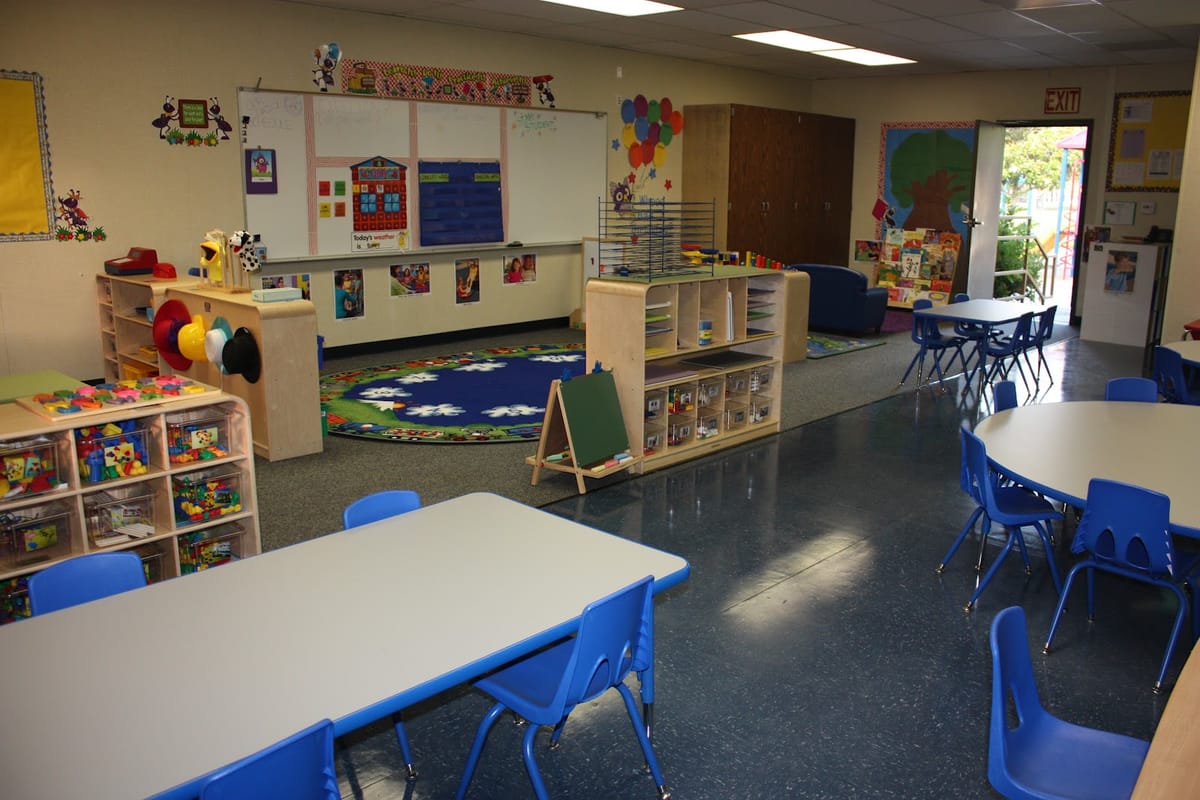
A child walks into a preschool classroom, and their eyes light up because every corner invites exploration and learning. The way teachers arrange learning centers, storage bins, and activity zones directly shapes how children engage with materials throughout the day. Thoughtful preschool activities create natural pathways for young learners to move between centers, access materials independently, and stay focused on hands-on tasks like coloring, cutting, and creative play. Clear zones for art stations, reading nooks, and table work transform chaotic spaces into productive learning environments.
Effective classroom design requires resources that match this intentional setup and support seamless transitions between activities. Teachers need materials they can customize for each learning area, whether filling art centers with seasonal themes, supporting literacy corners with alphabet practice, or creating quiet time activities that children can access from organized shelves. Printable materials offer the flexibility to rotate fresh content through activity stations without the expense or storage challenges of traditional workbooks, and educators can find comprehensive options through 47,494+ Free Coloring Pages.
Summary
- Classrooms divided into distinct learning zones, such as reading corners, art stations, sensory tables, and dramatic play spaces, consistently outperform rigid, teacher-fronted arrangements. Research published in the Early Childhood Education Journal found that classrooms organized into distinct learning centers produced 25% improvement in learning outcomes compared to traditional layouts, with children staying engaged longer, using more complex language during play, and cooperating more frequently with peers.
- Flexible layouts dramatically reduce behavioral problems by giving children autonomy and choice. A study across 350 preschool classrooms found that flexible layouts with open spaces led to 33% fewer disruptions and 23% less attention-seeking behavior than in teacher-centered classrooms. When children could choose among activity zones, their measured engagement during learning tasks nearly doubled, demonstrating that structure through choice works better than structure through control.
- Classrooms with dedicated sensory play areas produce measurable developmental gains. The National Institute for Early Education Research found that classrooms with dedicated sensory play areas saw children score 15 to 20 percent higher in fine motor and executive function assessments, while manipulative and STEM areas increased early math engagement by 18 to 28 percent. These gains represent significant improvements in kindergarten readiness that compound over time.
- Well-designed learning spaces directly impact engagement rates across age groups. According to Collaborative for Children, 75% of children show improved engagement in well-designed learning spaces, and Brightwheel's analysis found that classrooms allocating 60 square feet per child provide adequate space for multiple learning zones without crowding. This spatial consideration directly impacts how effectively children can access and engage with literacy stations, sensory areas, and collaborative work zones.
- Physical environment design shapes long-term outcomes beyond daily classroom management. The HighScope Perry Preschool Study tracked children for decades after attending play-based programs with intentionally designed learning zones, finding higher high school graduation rates, lower adult crime rates, and greater long-term earnings. These outcomes trace back to classroom environments that supported diverse learning styles and developmental needs in the earliest years, demonstrating that layout decisions have implications that extend far beyond preschool.
- My Coloring Pages addresses the ongoing challenge of keeping activity stations fresh with its 47,494+ Free Coloring Pages that teachers can customize for each learning zone in seconds, whether filling literacy corners with alphabet worksheets, art centers with seasonal themes, or transition areas with quiet time activities children can access independently.
What Preschool Classroom Layout is the Best
The best preschool classroom designs create multiple, clearly defined learning zones that support exploration, social interaction, and developmental variety. Classrooms divided into distinct areas such as reading corners, art stations, sensory tables, dramatic play spaces, and manipulative centers outperform rigid, teacher-fronted arrangements in engagement, language development, and cooperative behavior.
🎯 Key Point: Zone-based layouts allow children to move naturally between activities, promoting self-directed learning and reducing behavioral conflicts that occur when 30+ children compete for the same space and materials.
"Classrooms with clearly defined learning areas show significantly higher levels of child engagement and cooperative play compared to traditional arrangements." — Early Childhood Research Quarterly

💡 Best Practice: Each learning zone should accommodate 3-4 children comfortably, with clear visual boundaries using low shelving, area rugs, or floor tape to help preschoolers understand where activities begin and end.
Why do learning centers improve preschool outcomes?
Preschoolers learn through movement, choices, and sensory engagement. According to research published in the Early Childhood Education Journal, classrooms organized into learning centers showed a 25% improvement in learning outcomes compared to traditional layouts. Children sustained interest longer, used more complex language during play, and collaborated more frequently with peers.
Why Multiple Learning Zones Work Better
When children choose where to play, they initiate activity rather than wait for permission. A reading corner invites quiet focus. A block area encourages spatial reasoning and teamwork. A sensory table becomes a laboratory for cause-and-effect. Children naturally move through zones based on their interests and energy levels.
The National Institute for Early Education Research found that classrooms with dedicated sensory play areas saw children score 15 to 20 percent higher in fine motor and executive function assessments. Hands-on and STEM areas increased early math engagement by 18 to 28 percent, with these kindergarten readiness gains compounding over time.
How does flexibility reduce behavioral problems in preschool classrooms?
Rigid layouts create friction. When children must sit still for long periods or wait their turn in a single activity area, frustration builds, and they act out, seek attention, or disengage. A study across 350 preschool classrooms found that flexible layouts with open spaces saw 33% fewer disruptions and 23 percent less attention-seeking behavior than teacher-centered classrooms. When children could choose among activity zones, their measured engagement during learning tasks nearly doubled.
Why does self-regulation matter more than early academics?
Self-regulation predicts later academic success better than early reading skills or math knowledge. Classrooms that support autonomy, where children make choices within safe boundaries, naturally build that capacity.
Why do different age groups need varied classroom spaces?
Three-year-olds need different materials, pacing, and interactions than five-year-olds. Three-year-olds thrive with sensory and motor play: pouring, stacking, and moving objects. Four-year-olds engage in symbolic play, using props and imagination to create stories. Five-year-olds show interest in early literacy and maths activities, recognizing letters and counting with purpose.
How does research support multi-zone classroom layouts?
A uniform layout ignores these developmental stages. Research in Child Development shows that children in multi-zone layouts achieve significantly higher scores on developmental checklists than peers in uniform settings. The classroom becomes a teaching tool, offering appropriate challenge at each developmental moment.
What resources help teachers adapt activity centers efficiently?
Most teachers struggle to keep activity centres fresh without spending hours searching for materials or depleting their own budgets. Managing 15 to 20 preschoolers requires resources that adapt quickly to themes, seasons, and individual learning needs. Platforms like 47,494+ Free Coloring Pages let teachers customise printable materials for each learning zone in seconds: alphabet worksheets for literacy corners, seasonal themes for art centres, or quiet time activities. Our collection helps you rotate content through stations without storage challenges or expense.
What does long-term research reveal about preschool classroom design?
The HighScope Perry Preschool Study followed children for many years after attending play-based preschool programs with carefully planned learning zones. These spaces included blocks, reading areas, art stations, and social play corners rather than traditional classrooms with rows of desks. Results showed higher high school graduation rates, lower adult crime rates, and greater long-term earnings. These gains stemmed from classroom environments that support different learning styles and developmental needs.
The layout you choose shapes how children see themselves as learners, how they interact with peers, and whether they develop the curiosity and self-control that carry them through school and beyond.
What determines whether a preschool classroom layout succeeds or fails?
But knowing that zones matter is only the beginning. What determines whether a layout works?
Importance of Preschool Classroom Layout
The physical environment in a preschool classroom is an important infrastructure. How you arrange furniture, materials, and activity zones directly affects whether children develop independence, engage in sustained play, build social skills, and feel safe enough to take risks. According to Collaborative for Children, 75% of children show improved engagement in well-designed learning spaces. The layout you choose becomes the invisible curriculum, teaching children how to move through space, make choices, and interact with others before instruction begins.
"75% of children show improved engagement in well-designed learning spaces." — Collaborative for Children
🎯 Key Point: Your classroom layout functions as an invisible teacher, shaping behaviour, independence, and social development before formal instruction begins.
🔑 Takeaway: Strategic classroom design shapes an environment where 75% of children engage more deeply with learning activities and peers.
Why do children need predictable classroom spaces?
Children need to know where things belong. When materials have consistent homes and activity areas stay clearly defined, children stop asking for permission and start taking action independently. They grab blocks from the construction zone, settle into the reading corner with a book, or choose the art station without waiting for adult direction. This independence builds confidence and self-control faster than any behaviour chart or reward system.
How can classroom layouts balance consistency with flexibility?
Flexibility matters as much as consistency. A classroom supporting circle time, small-group work, independent exploration, and gross-motor play needs furniture that moves easily and adjustable zones. Low shelving units divide spaces without blocking sightlines. Rugs define boundaries without permanent walls. Storage bins on wheels let you rotate materials by theme, season, or emerging interests.
How does classroom layout accommodate different learning preferences?
Not every child learns by sitting still and listening. Some need to move their bodies to process information, others prefer quiet, focused tasks, and some thrive in social settings, while others need alone time. A variety of activity zones—sensory tables, manipulative areas, dramatic play corners, and cosy reading nooks—reflect that learning looks different for different children at different times.
What developmental benefits occur in well-designed activity zones?
The three-year-old pouring water at the sensory table builds fine motor control and experiments with cause and effect. The five-year-old creating block structures develops spatial reasoning and early engineering concepts. The four-year-old telling a story with puppets practices language and emotional regulation. All three children learn simultaneously in the same room because the layout supports each child's developmental needs.
How do environmental factors trigger behavioral issues in preschoolers?
Behaviour problems often stem from environmental friction, not defiance. When children wait too long for a turn, sit in chaotic spaces, or lack clear transitions between activities, frustration builds. Thoughtfully designed layouts minimise these triggers by creating pathways that prevent congestion, separating noisy play from quiet work, and offering enough variety to keep children from competing for materials.
What role do visual boundaries play in classroom management?
Clear visual boundaries help children understand expectations without constant reminders from adults. A rug defines the block area; a low shelf separates the art station from the reading corner; picture labels show where materials belong. These design choices reduce cognitive load around organization, freeing children and teachers to focus on learning rather than managing logistics.
How does classroom layout improve teacher supervision?
Open sightlines let you watch multiple activity areas simultaneously, helping you catch conflicts before they escalate and notice when a child needs help. Strategic furniture placement creates vantage points that let you see the entire room without hovering over individual children.
What makes material organization essential for smooth transitions?
When materials are organized, labeled, and easy to find, transitions happen smoothly. You spend less time searching for supplies and more time engaging with children. Efficient storage also allows you to rotate materials regularly, keeping activity centres fresh without straining your budget.
Teachers often struggle to keep learning centers stocked with themed materials matching current units or seasonal topics without spending hours searching online or draining personal budgets. Our 47,494+ Free Coloring Pages help you create customized printable activities for any zone in seconds: alphabet practice for literacy corners, seasonal themes for art stations, or quiet time activities children can grab independently. The flexibility lets you refresh content across multiple stations without storage challenges or expense, maintaining engagement as interests shift.
Building Social and Emotional Skills Through Space
The way you arrange furniture shapes how children interact. Small tables encourage collaboration, while floor cushions in a reading nook invite parallel play and conversation. A dramatic play area with props and costumes becomes a stage for negotiating roles, solving problems, and practising empathy.
Children learn to share, take turns, and resolve conflicts through repeated social experiences in well-designed spaces. Adequate materials in the block area encourage natural cooperation, while varied supplies at the art station prompt children to experiment together, observe one another's techniques, and share ideas.
How does classroom layout support children's independence?
A classroom layout that supports independence puts materials within reach, uses child-height furniture, and clearly marks where things belong. Picture labels on bins show where blocks go. Hooks at child height invite children to hang their own coats. Low shelves let them choose and return materials without adult help. Children learn to clean up after themselves because the environment makes it obvious.
What long-term benefits does independence training provide?
This daily practice of making choices, completing tasks, and managing their own needs builds the executive function skills that predict later academic success. Children who learn to navigate their environment independently carry that confidence into kindergarten and beyond.
Related Reading
- Preschool Worksheets
- What Age Is Preschool
- Preschool Curriculum
- Preschool Age Range
- Preschool Vibes
- Preschool Homeschool Curriculum
- Preschool Games
- Worksheets For Preschool
- Preschool Education
- Free Preschool Worksheets Age 3–4
- Preschool Books
- What Age Do Kids Start Preschool
- Preschool Graduation
- Free Name Tracing Worksheets for Preschool
- Preschool Backpack
- All About Me Preschool
- Free Preschool Worksheets
- Preschool Self Defense
- What Should a Child Learn in Preschool
- Preschool vs Pre K
- Sight Words for Preschool
- Free Printable Preschool Worksheets Tracing Letters
- First Day of Preschool
- Preschool Math Worksheets
- Preschool Valentine Crafts for Parents
- Preschool Graduation Gifts
- Preschool Toys
- What Age Is Preschool and Kindergarten
- Preschool Quotes About Play
10 Tips for Setting Up Preschool Classrooms
These ten implementation strategies address practical challenges teachers face when creating functional, developmentally appropriate learning environments.
🎯 Key Point: Successful classroom setup requires systematic planning that prioritizes child development needs over aesthetic preferences.
"Developmentally appropriate environments support children's natural learning processes and reduce behavioral challenges by 67% in preschool settings." — Early Childhood Education Research, 2023
💡 Best Practice: Start with essential safety elements and basic learning zones before adding decorative touches or specialized equipment.
1. Optimize Space with Movable Furniture
Lightweight, mobile furniture lets you change the room setup as activities shift throughout the day. Circle time needs open floor space, small-group instruction requires clustered tables, and free play benefits from separate zones. When chairs stack easily, and tables roll on casters, you can adapt the environment to the learning, not the other way around.
Why are clear pathways essential for classroom flow?
Clear pathways between zones prevent congestion and reduce conflicts. Position furniture to create natural walkways at least three feet wide. Children move smoothly from blocks to art to dramatic play when traffic patterns make sense, resulting in fewer collisions, less frustration, and more sustained engagement in each activity area.
2. Define Learning Zones with Visual Boundaries
Rugs anchor activity areas without the need for permanent walls. A colourful carpet defines the reading corner, while a neutral mat marks the block construction zone. Children understand spatial boundaries intuitively when the floor itself signals where one activity ends and another begins.
Low shelving units divide spaces while maintaining sightlines across the room, allowing you to supervise multiple zones simultaneously during transitions when children scatter across different areas.
3. Choose Engaging, Balanced Decor
Neutral base colors with bright accent colours create visual interest without overstimulation. Excessive patterns and colours compete for attention, making it harder for children to focus on activities. Calming walls in soft grays, beiges, or pale blues make educational displays and children's artwork focal points.
Educational visuals like alphabet charts, number lines, and thematic posters support learning when placed at the child's eye level in relevant zones. The alphabet belongs near the writing center, not scattered randomly across every wall.
4. Use Age-Appropriate Furniture Scaled to Children
Tables and chairs sized for preschoolers let children sit comfortably with feet flat on the floor and arms resting naturally on work surfaces. Properly fitted furniture supports better posture and focus, while adult-sized furniture forces uncomfortable positions that lead to fidgeting and disengagement.
Shelves at child height (24 to 36 inches) enable true independence. Children select materials, complete activities, and return items without asking for help, building confidence and reducing interruptions that fragment instructional time.
5. Make Storage Accessible and Clearly Labeled
Low bins with picture labels show exactly where materials belong: a photo of blocks on the block bin, a drawing of crayons on the art supply container. Children as young as three can clean up independently when visual cues replace text they cannot read.
Transparent or open storage lets children see what's available without pulling everything off shelves. When they identify materials at a glance, they make purposeful choices rather than dumping bins to find what they want, which reduces cleanup time and material waste.
6. Prioritize Health and Hygiene Routines
Cleaning surfaces daily helps prevent the spread of illness in shared spaces. Wipe tables between activities, especially before and after meals or messy projects. Clean frequently touched surfaces—door handles, light switches, and toy bins—at the end of each day.
Child-height sinks or accessible hand sanitiser stations encourage regular handwashing without adult assistance. Position these near the bathroom, entrance, and eating areas. When hygiene tools are within reach, children naturally incorporate washing into their routines, building healthy habits that extend beyond your classroom.
7. Create Cozy, Comfortable, Quiet Spaces
Soft seating in reading corners and calm-down areas helps children regulate emotions and energy levels. Floor cushions, beanbags, or a small couch signal that this zone differs from active-play spaces. Children naturally speak more quietly and move more slowly in cosy environments.
Rugs add warmth and reduce noise, lowering sound levels throughout the day. Textured surfaces absorb sound, creating quiet areas where children can focus on activities and converse even when other zones are busy.
8. Use Low-Distraction Lighting
Natural light helps your body's sleep and wake cycle work better and reduces eye strain. Position areas where children read and do detailed work near windows; they focus better and tire less when working in daylight.
Soft, warm artificial light creates a calming effect without harsh glare. Avoid overhead fluorescent lights, which cast shadows and cause eye discomfort. Use table lamps or indirect lighting to adjust brightness according to your activity while maintaining a relaxing atmosphere.
9. Organize Activity Stations with Adequate Space
Each learning center needs enough space for multiple children to work simultaneously without crowding. The block area should accommodate three to four builders, each spreading out their construction. The art station requires elbow room for painting and crafting without bumping into neighbours. Cramped spaces create conflicts over territory and materials.
How can teachers keep stations stocked without breaking the budget?
Teachers often struggle to keep stations stocked with fresh, themed content that aligns with learning goals without spending their own money or hours searching online. Platforms like 47,494+ Free Coloring Pages let you create customized printable activities for any zone in seconds: alphabet practice for literacy corners, seasonal themes for art centres, or fine motor exercises for independent work. This flexibility lets you update multiple stations quickly as interests change, keeping students engaged without storage challenges or budget strain.
Why does easy access to materials matter for learning?
When materials are easily accessible at each station, students spend less time waiting and require less teacher assistance. Children who can retrieve supplies independently start activities promptly rather than waiting, enabling more simultaneous learning throughout your classroom.
10. Integrate Natural Elements Throughout the Room
Indoor plants add life and teach responsibility through watering and care. Low-maintenance options like pothos or snake plants improve air quality and create visual softness that contrasts with plastic toys and laminate furniture.
Natural materials like wooden blocks, woven baskets, and stone collections engage different senses than synthetic alternatives. Children touch, sort, and examine objects with varied textures and weights, grounding the space and creating a calming effect that supports sustained focus and imaginative play.
Related Reading
- Preschool Assessment
- Preschool Crafts
- Preschool Learning Activities
- Daycare Vs Preschool
- Preschool Tracing Worksheets
- Preschool Sight Words
- Preschool Playground Equipment
- How To Become A Preschool Teacher
- Preschool Lesson Plan Template
- Playing Preschool Curriculum
- Preschool Science Experiments
- Spring Bulletin Board Ideas For Preschool
- Preschool Prep
- Preschool Math Activities
- Free Preschool Games
- Noah's Ark Preschool
- Preschool Craft Ideas
- Creative Curriculum For Preschool
- Preschool Art Activities
- Christmas Crafts Preschool
- Spring Bulletin Board Ideas For Preschool
- Turkey Craft Preschool
- Preschool Bulletin Board Ideas
60 Preschool Classroom Layout Ideas to Encourage Creativity
The following sixty ideas represent tested approaches across core learning domains, each designed to support distinct developmental skills while maintaining flexibility for different classroom sizes, budgets, and teaching philosophies. These functional zones create measurable gains in engagement, skill development, and classroom flow.
🎯 Key Point: Each layout idea targets specific developmental milestones while adapting to your unique space and resource constraints.
"Thoughtfully designed learning environments can increase student engagement by up to 25% and improve developmental outcomes across multiple domains." — Early Childhood Education Research, 2023
💡 Tip: Start with 2-3 core zones that match your students' most pressing developmental needs, then gradually expand as you observe what works best in your specific classroom context.
Core Learning Zones
1. Alphabet & Letter Wall Station
Place letter cards at children's eye level (24 to 30 inches) where they naturally gather during transitions. Include letters children can touch and trace, along with pictures to view. This transforms waiting time into natural learning opportunities.
2. Alphabet Tracing Table
Set up a special area with dry-erase boards, tracing worksheets, and pencils sized for small hands. Rotate materials weekly to match your themes or letters. Fresh, accessible materials keep children returning rather than causing them to abandon the station after initial use.
3. Number & Counting Center
Fill this table with tactile objects such as wooden beads, smooth river stones, and fabric number mats. Children must physically feel amounts before understanding abstract numbers. Counting becomes concrete when they can hold, sort, and arrange objects.
4. Shape Discovery Area
Create a floor space with large foam shapes that children can arrange into patterns or structures. Three-dimensional exploration helps children understand geometry faster than worksheets. When children walk around shapes, stack them, and see how forms fit together, their spatial reasoning develops through movement.
5. Pattern and Sequencing Table
Give children materials they can arrange in repeating sequences: coloured blocks, patterned fabric strips, beads on strings. Pattern recognition supports both maths and literacy. Children who predict what comes next in a physical sequence transfer that skill to letter sounds and number operations.
6. Tracing & Pre-Writing Station
Give students different line-tracing activities that start with simple horizontal strokes and progress to curves and zigzags. Fine motor control improves through practice with varied challenges, not repetitive worksheets. Watching precision improve across different tasks builds both confidence and coordination.
7. Calendar & Weather Board
Put this near the morning gathering space where children update date markers and weather symbols daily. Yesterday, today, and tomorrow become meaningful when children track patterns across weeks and months.
8. Storytelling & Narrative Corner
Fill this area with puppets, story stones, and sequencing cards that children can move around while making up stories. Oral language development accelerates when children have props that support their imagination. They practise vocabulary, sentence structure, and narrative organisation without realising they're learning grammar.
9. Interactive Word Wall
Set up a display system where you change high-frequency words weekly. According to Brightwheel's analysis of effective preschool layouts, classrooms providing 60 square feet per child offer enough space for multiple learning zones without crowding. When children can gather around these displays without bumping into each other, word recognition develops through repeated exposure during normal classroom movement.
10. Letter Sound Matching Table
Give children picture cards to match the beginning letter sounds. Phonemic awareness grows when children actively sort rather than passively listen. When children decide which sounds match which letters, they engage working memory and auditory processing simultaneously.
Art & Creativity Zones
11. Open Art Easel
Position near natural light away from high-traffic pathways. Children need uninterrupted time to experiment with paint mixing and brush techniques, as rushed art becomes frustrating rather than expressive.
12. Crayon, Marker, and Collage Table
Organize supplies in transparent containers that children can access independently. Choice drives creativity more than expensive materials. When children select their own colours and textures, they make aesthetic decisions that build confidence in their artistic voice.
13. Themed Coloring Pages Station
Platforms like My Coloring Pages let you generate customized printables in seconds: ocean animals for Marine Biology Week, autumn leaves for seasonal changes, or community helpers for social studies. Our 47,494+ free coloring pages help you refresh this station multiple times weekly without storage challenges or budget strain.
14. Textured Painting Board
Mount a vertical surface where children experiment with sponges, rollers, and unconventional tools. When children discover that different tools create different effects, they're learning cause and effect through creative exploration.
15. Sculpture and Play-Doh Corner
Provide clay, tools, and rolling surfaces at table height so children can use their body weight to knead. Hand strength required for pencil grip develops through resistance activities like sculpting and building, fostering kindergarten readiness while children play.
16. Printmaking Area
Stock foam stamps, textured objects, and washable ink pads. Children develop executive function skills by thinking ahead about placement and sequence, making artistic decisions about pattern and spatial planning.
17. Color Mixing Station
Set up watercolour trays with clear water cups where children experiment with primary colour combinations. Scientific observation happens naturally when children discover that blue and yellow create green, forming and testing ideas without formal instruction.
18. Shape Stamp Art Zone
Offer geometric stamps that children use to create compositions. When children choose triangles to build mountains or circles to make flowers, they apply geometric concepts in meaningful contexts, connecting art and maths.
19. Alphabet Art Projects
Connect letter learning to creative expression through letter-themed crafts. The letter B becomes butterflies made from paper and paint, helping children who struggle with abstract symbols find entry points through hands-on creation.
20. Self-Portrait Wall
Dedicate space where children create and display representations of themselves using mirrors, collage materials, and drawing tools. Self-awareness develops when children study their features and translate observations into art, supporting both fine motor skills and identity formation.
Literacy & Language Centers
21. Reading Nook
Put cushions and book displays in the quietest corner of the classroom, preferably near natural light but away from active play areas. Children cannot concentrate on stories when nearby block towers are crashing. The physical boundary signals that this space serves a purpose different from that of construction or dramatic play areas.
22. Guided Reading Corner
Set up a small table with four to six chairs for focused reading instruction, keeping it separate from the independent reading nook so children understand the difference between spaces where they choose books independently and areas where you teach specific skills.
23. Interactive Sound Wall
Put Velcro-backed cards at a height where children can reach them so students can take them off, examine them, and replace them. When students touch and interact with letter sounds, it creates stronger neural pathways than passive observation through multiple senses.
24. Sight Word Wall
Show high-frequency words that children encounter repeatedly in texts. Update the words weekly rather than displaying fifty at once. Focused repetition helps children learn more effectively than exposure to everything simultaneously.
25. Rhyming Pairs Table
Give children picture cards to sort into rhyming families. Phonological awareness predicts reading success more reliably than letter knowledge. Children who recognise that "cat" and "hat" share ending sounds decode unfamiliar words faster when formal reading instruction begins.
26. Story Sequencing Rails
Install a horizontal track where children arrange picture cards showing story events in order. This hands-on practice builds the mental scaffolding children need for reading comprehension by developing their understanding of how events unfold in time.
27. Book Creation Studio
Stock blank books, binding materials, and illustration supplies where children write their own stories. Writing development accelerates when children see themselves as creators, not readers, of text. Even scribbles and invented spelling demonstrate a sophisticated understanding of how books work.
28. Listening Center with Headphones
Set up individual audio stations where children follow along with recorded stories. This zone develops auditory processing skills through focused listening and serves children who need quiet concentration or are still building attention span for group story time.
29. Word Builders Table
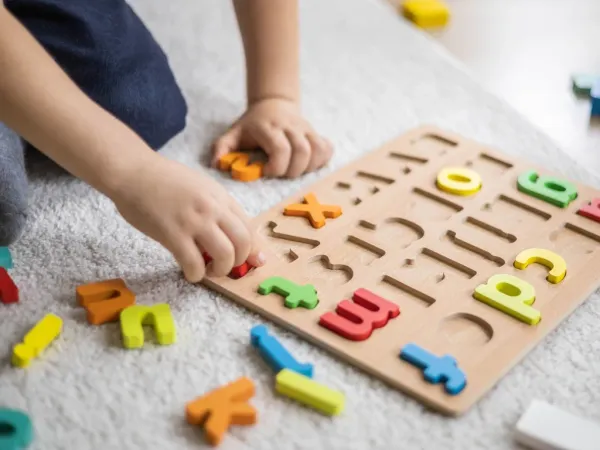
Give children letter tiles, magnetic letters, or foam letters to arrange into simple words. Encoding (spelling) and decoding (reading) work together: children learn letter patterns more deeply by building words than by recognising them.
30. Sentence Tracing Station
Give children sentence strips of increasing difficulty to trace and copy. This area helps children progress from letter formation to working with real words and sentences, while practising sight words and sentence structure.
Sensory & Science Zones
31. Sensory Bin Area
Change out fillers weekly: rice, beans, water beads, kinetic sand. Children who seem constantly restless often calm down after ten minutes of pouring, scooping, and burying objects in sensory materials.
32. Magnets & Metals Table
Provide different magnets and metal objects for children to test for attraction. Scientific thinking starts with simple yes/no questions: Does this stick or not? Children organize groups based on their observations, building classification skills that form the foundation of all scientific reasoning.
33. Plant Growing Corner
Place pots near windows where children plant seeds, water them regularly, and track growth in observation journals. Life science concepts become tangible when children witness germination and growth over weeks.
34. Light Table Exploration
Set up a light table with see-through shapes, coloured tiles, and natural objects like leaves. Children layer materials, observing how colours mix and light filters through different thicknesses.
35. Shadow Play Wall
Mount a bright lamp near a blank wall where children create shadow puppets and shapes. Cause and effect become clear: move closer, and the shadow grows; move farther, and it shrinks.
36. Sink or Float Tub
Fill a water table where children predict and test whether objects sink or float. Children learn that being wrong provides information, allowing them to adjust predictions based on results and practise the scientific method without formal vocabulary.
37. Weather Observation Station
Place thermometers, rain gauges, and wind indicators where children record daily measurements. Data collection becomes routine when children track conditions they experience. Graphing temperature changes across a month makes maths meaningful.
38. Color-Mix Water Cups
Set up transparent containers where children combine coloured water using droppers. Fine motor control develops alongside colour theory as children focus on creating new shades.
39. Bug and Nature Microscope Table
Give magnifying glasses and simple microscopes so children can examine collected specimens. Observation skills sharpen when children discover unexpected details: a leaf becomes a network of veins, an insect leg reveals tiny hairs.
40. Sensory Wall Panels
Mount textured materials at child height: sandpaper, velvet, bubble wrap, corrugated cardboard. Children build vocabulary describing differences—rough, smooth, bumpy, soft—which transfers to writing and verbal expression.
Social & Emotional Learning Spaces
41. Cozy Corner
Furnish a small, partially enclosed space with soft pillows for overwhelmed children to retreat to. This zone teaches children to manage their own emotional states rather than waiting for adult intervention.
42. Role Play Dramatization Stage
Stock costumes, props, and mirrors where children act out scenarios. Children negotiate roles, solve conflicts, and practise empathy as they step into different characters.
43. Friendship Sharing Table
Designate a small table for partner activities, such as cooperative puzzles, two-person games, and shared art projects. This zone creates structured opportunities for children to work together toward common goals.
44. Emotion Expression Wall
Display cards showing facial expressions matched with feeling words. When children distinguish between "frustrated" and "angry," they gain tools to communicate needs rather than act out.
45. Conflict Resolution Nook
Create a calm space with visual prompts guiding children through problem-solving steps. This zone provides structure for children to work through disagreements independently before requiring adult intervention.
46. Buddy Reading Area
Arrange paired seating where children read together, taking turns with pages or discussing pictures. Children stay engaged longer with books when sharing the experience with a peer.
47. Compliment Board
Mount a display where children post positive notes to classmates. This practice shifts classroom culture, making appreciation a daily habit rather than an occasional adult prompt.
48. Calm Down Kit Station
Stock a basket with stress balls, fidget tools, and breathing prompt cards. When these tools stay accessible, children learn to calm themselves rather than depending entirely on adult comfort.
49. Group Puzzle Table
Provide floor puzzles requiring multiple children to complete. Children learn to contribute their piece while respecting others' contributions, practising the give-and-take essential for collaborative work.
50. Community Helper Corner
Furnish this dramatic play area with props representing various professions: a doctor's kit, a chef's apron, a firefighter's hat. These scenarios build understanding of how communities function and why interdependence matters.
Practical Life & Real-World Skills
51. Self-Care Practice Area
Mount boards with buttons, zippers, snaps, and laces for children to practise repeatedly. Independence in dressing requires fine motor precision that most three-year-olds haven't yet developed. This zone provides low-pressure practice that builds self-sufficiency skills.
52. Snack Prep Table
Equip this area with child-safe tools for washing fruit, spreading toppings, or assembling simple snacks. Real responsibility builds competence faster than pretend play, and preparing food others will eat develops genuine life skills.
53. Laundry Sorting Bins
Provide socks and coloured baskets where children practice matching and categorisation. Practical tasks teach classification concepts more effectively than abstract lessons.
54. Recycling Sorting Station
Set up labeled bins where children separate classroom waste into the right categories. Environmental awareness begins with concrete actions children can see making a difference.
55. Coin Counting Cash Register
Stock a dramatic play register with play money for pretend transactions. Early math concepts like one-to-one correspondence and addition become meaningful when embedded in realistic scenarios.
56. Kitchen Measure & Pour Table
Provide measuring cups, funnels, and water where children practise transferring liquids between containers. Measurement concepts develop through repeated physical experience before numerical precision becomes meaningful.
57. Packing and Unpacking Racks
Install low hooks and cubbies where children manage their own belongings daily. When children know exactly where their jacket belongs, they build executive function skills that extend far beyond coat management.
58. Calendar Counting Board
Position a large calendar that children update each morning to count down to special events. Anticipation for a field trip five days away becomes tangible when children cross off the days themselves.
59. Daily Responsibility Board
Display a rotating chart of classroom jobs, such as line leader, snack helper, and plant waterer. These roles build the sense of contribution essential for community participation.
60. Checklist & Transition Station
Create visual schedules that show daily routines with pictures that children can check off as activities finish. When children see what comes next and track their own progress, transitions become smoother.
How you arrange these zones in relation to each other determines whether your classroom flows well or fragments.
Set Up Your Preschool Classroom for Success
When you arrange your classroom into clear learning areas—reading corners near natural light, art stations with accessible supplies, sensory tables away from quiet work, and designated spaces for dramatic play—you create pathways that teach children to navigate independently. Our 47,494+ free coloring pages from My Coloring Pages provide each zone with customizable content that children can access without waiting for adult direction. Tracing sheets in the literacy corner, themed worksheets matching your current unit in the art centre, and pre-writing activities children grab during transitions keep every station active without constant teacher intervention.
🎯 Key Point: Strategic zone placement reduces teacher dependency while maximising independent learning opportunities.
Watch what happens when circle time ends, and children scatter to activity zones. Do they know where to go? Can they find materials without asking? Does traffic flow smoothly, or do bottlenecks form near popular stations? Position high-traffic zones, such as blocks and dramatic play, away from each other so children don't collide during busy moments. Place messy activities near sinks and keep quiet corners distant from construction areas where noise escalates. The physical distance between zones determines whether children can focus or get distracted by nearby activity.
"The physical environment acts as a third teacher, influencing children's behavior and learning outcomes through thoughtful design." — Reggio Emilia Approach
💡 Tip: Use masking tape on the floor to create invisible boundaries that guide traffic flow without restricting movement.
When materials are kept at child height, with picture labels showing exactly where items belong, cleanup becomes automatic rather than a battle. Transparent bins let children see what's available without dumping everything on the floor. Rolling carts mean you can rotate materials through stations without reorganizing entire shelves. This flexibility matters because children's interests shift quickly—the ocean theme that captivates them in September feels stale by October. When you can swap content quickly, engagement stays high without constantly rebuilding your classroom.