55 Affordable Preschool Crafts Every Parent Should Know
Explore 55 affordable Preschool Crafts with simple, fun, and creative ideas perfect for parents and young kids at home or school.

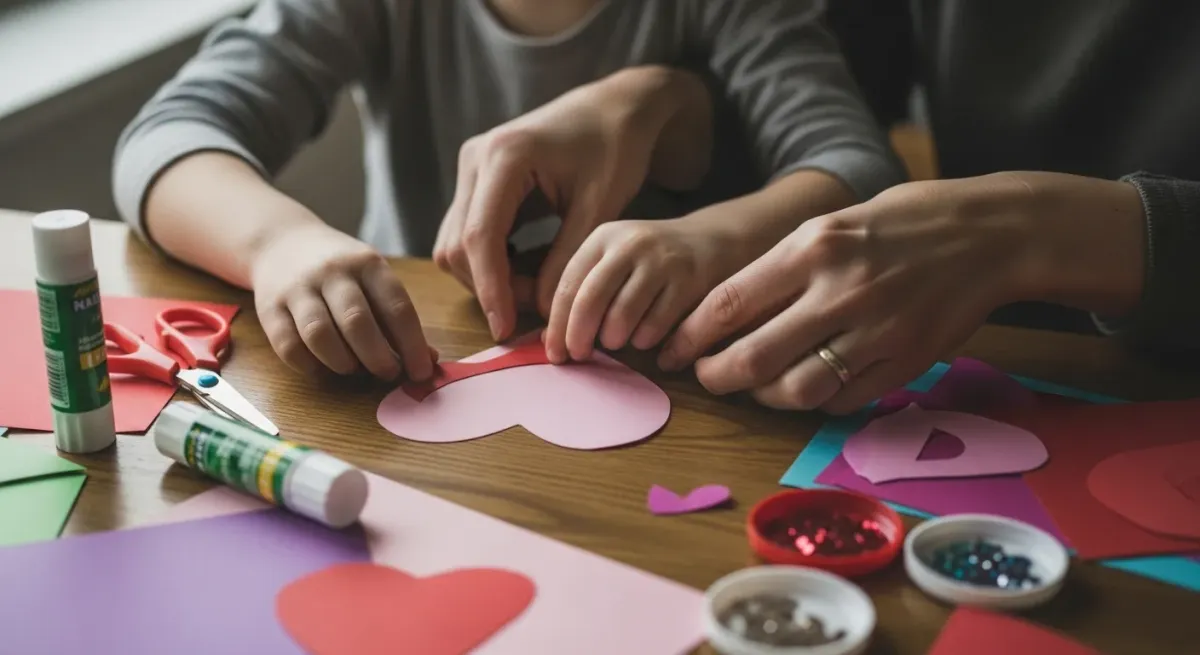
Rainy afternoons and energetic preschoolers create the perfect storm for parents seeking creative solutions. Simple preschool activities and crafts transform restless energy into focused learning opportunities while developing fine motor skills, color recognition, and problem-solving abilities. Paper plate animals, sensory art projects, and hands-on activities keep little ones engaged without requiring expensive supplies or elaborate preparation.
Quality craft materials and templates don't require hours of searching or costly trips to specialty stores. Parents can access age-appropriate content that matches their child's interests, from dinosaurs to fairy tales, creating instant opportunities for cutting practice, painting projects, and seasonal crafts. For endless creative possibilities, explore 44,438+ Free Coloring Pages, perfect starting points for any preschool craft session.
Summary
- Preschool crafts build the foundational skills that predict academic success more reliably than early reading or math drills. A longitudinal study in Early Childhood Research Quarterly found that fine motor skills in preschool significantly predict later reading and math achievement in elementary school, with children who have stronger fine motor control showing faster letter formation, better spacing, and reduced writing fatigue. The physical act of cutting, gluing, and manipulating materials directly prepares the brain and body for the mechanics of writing required in formal schooling.
- Executive function skills develop through hands-on craft activities that require planning, sequencing, and problem-solving. According to the Center on the Developing Child at Harvard University, activities that strengthen executive functioning networks in early childhood predict academic success more reliably than IQ scores. When a child follows multi-step instructions to make a paper plate animal, holds multiple steps in working memory, pivots when glue spills, and resists the urge to rush while waiting for paint to dry, they're practicing the exact cognitive flexibility and self-control that will determine classroom success.
- The global children's arts and crafts market is projected to reach $25.30 billion by 2029, with 9.4% annual growth, reflecting growing recognition that hands-on creative activities aren't optional enrichment but essential developmental tools. Parents and educators are increasingly investing in what research has consistently validated: craft-based activities build the foundational architecture for cognitive development that compounds over decades. High-quality preschool programs evaluated in the Perry Preschool Project found that children exposed to enriched, hands-on early learning environments showed higher graduation rates, better employment outcomes, and reduced behavioral problems decades later.
- Engagement in preschool crafts requires removing barriers rather than forcing participation, with predictability and sensory tolerance being more important than enthusiasm. Children resist activities when they can't anticipate what will happen next, as uncertainty triggers anxiety that shuts down exploration. Visual step-by-step cards showing craft sequences give children a mental map that creates the psychological safety needed for genuine experimentation. Starting with familiar, controlled materials like stickers instead of glue and crayons instead of paint builds sensory tolerance gradually, allowing children to associate crafting with comfort rather than discomfort.
- Process praise builds resilience more effectively than outcome praise in creative activities. When adults praise effort and decision-making rather than finished products, children learn that difficulty is normal rather than failure. Research from Drexel University found that engaging in creative art activities reduces stress hormones and activates brain regions associated with reward and learning, with lower stress levels in preschoolers correlating with better classroom adjustment, improved attention, and higher task persistence. The child who learns to tolerate the discomfort of a mistake in their craft is building emotional regulation skills that transfer directly to academic challenges.
- Printable templates eliminate barriers for mess-averse children while providing the same developmental benefits as traditional crafts. Screen-free activities with printed pages, crayons, and child-safe scissors create opportunities for tracing, color sequencing, pattern recognition, and storytelling without the cleanup anxiety. My Coloring Pages addresses this by offering 40,000 free templates that children can personalize through coloring, cutting, folding, or adding embellishments, turning simple printouts into multi-step craft projects where the template provides structure and the child's choices provide meaning.
Table of Contents
- Importance of Crafts for Preschoolers
- How to Engage Preschoolers in Crafts
- What Things Do You Need for Preschool Crafts
- 55 Affordable Preschool Crafts Every Parent Should Try
- Make Indoor Craft Time Easy & Engaging
Importance of Crafts for Preschoolers
Preschool crafts aren't mere decorations that distract from real learning—they're the foundation for it. When a child cuts paper, follows step-by-step instructions to build a collage, or decides where to place shapes, they develop the cognitive and physical skills that determine whether they'll struggle or succeed when formal academics begin.
🎯 Key Point: Every craft activity serves as a multi-sensory learning experience that builds fine motor skills, problem-solving abilities, and creative thinking simultaneously—skills that directly translate to academic success.
"Children who engage in regular craft activities show improved hand-eye coordination and enhanced cognitive development compared to those with limited hands-on creative experiences." — Early Childhood Education Research, 2023
💡 Tip: The simple act of holding scissors, manipulating glue, and arranging materials builds the muscle memory and hand strength that children will later need for writing, drawing, and other essential academic tasks.
Why are hands-on activities more effective than worksheets?
The idea that "real learning" only happens through worksheets and structured lessons misses how young brains develop. According to The Business Research Company's Arts and Crafts for Children Global Market Report 2025, the children's arts and crafts market is expected to reach $25.30 billion by 2029. This growth reflects growing recognition that hands-on creative activities are essential developmental tools, not supplementary activities.
How do fine motor skills predict academic success?
Cutting with scissors, gluing small shapes, tracing lines, and folding paper strengthen the hand muscles and hand-eye coordination necessary for pencil control. A longitudinal study in Early Childhood Research Quarterly found that fine motor skills in preschool significantly predict later reading and maths achievement in primary school. Children with stronger fine motor control show faster letter formation, better spacing, and reduced writing fatigue. When a four-year-old struggles to hold scissors correctly or cannot control a glue stick, handwriting difficulties in first grade often follow. The muscles that stabilize a crayon are the same ones that will grip a pencil during spelling tests.
How does crafting build executive function skills?
Executive function includes working memory, cognitive flexibility, and self-control: skills that help children follow multi-step instructions, adjust when plans change, and persist on tasks despite frustration. According to the Center on the Developing Child at Harvard University, hands-on activities requiring planning, sequencing, and problem-solving strengthen executive functioning networks in early childhood.
Why are craft activities effective for practicing these skills?
When a child follows instructions to make a paper plate animal, they're holding multiple steps in working memory. When glue spills, and they change their plan, they practise adjusting their thinking. When they wait for paint to dry, they're learning self-control. Executive function in preschool predicts academic success more reliably than IQ scores, and craft activities provide children with ample opportunities to practise these skills without pressure.
How does creativity reduce stress in preschoolers?
A study from Drexel University found that creative art activities reduce stress hormones and activate brain regions connected to reward and learning. Lower stress levels in preschoolers correlate with better classroom adjustment, improved attention, and higher task persistence. When a child becomes absorbed in coloring or building, they regulate their nervous system in ways that enable learning.
Why do craft activities help with emotional regulation?
Preschoolers who cannot handle frustration struggle in group settings: they fall apart during transitions, give up when tasks feel hard, and have trouble sitting through circle time. Craft activities offer repeated practice in managing emotions. Choosing colours, deciding on placement, and fixing mistakes without falling apart are exercises in emotional regulation disguised as art projects. The child who learns to accept the discomfort of a "mistake" in their craft builds resilience that transfers directly to academic challenges.
How does making crafts support language development?
Interactive art activities increase exposure to vocabulary, use of descriptive language, and narrative skills. When children explain, "I'm making a red house with a blue roof" or "This is my family at the park," they practise expressive language, a major predictor of early literacy success. Craft time creates natural opportunities for purposeful conversation.
Why does describing crafts improve reading readiness?
When a child describes what they are making, they learn sentence structure and positional words (on, under, next to) and build confidence in sharing ideas aloud. These aren't separate skills from reading readiness—they're the same neural pathways. A child who can describe what they're making will find it easier to describe what they're reading.
What does research show about hands-on learning?
The Perry Preschool Project was a long-term study of early education that found children in enriched, hands-on learning environments had higher graduation rates, better employment outcomes, and fewer behavioral problems years later. Craft-based activities—cutting, gluing, painting, building—built cognitive architecture that strengthened over time.
How can digital tools support craft activities?
Platforms like My Coloring Pages offer instant access to over 40,000 printable templates for cutting practice, folding activities, and group projects. These tools build fine motor control, sequencing skills, and creative confidence, preparing children for formal learning.
What's the key challenge with preschool crafts?
But knowing that crafts matter is only half the answer. The harder question is how to keep a preschooler interested long enough for those benefits to take effect.
Related Reading
- Preschool Worksheets
- What Age Is Preschool
- Preschool Curriculum
- Preschool Age Range
- Preschool Vibes
- Preschool Homeschool Curriculum
- Preschool Games
- Worksheets For Preschool
- Preschool Education
- Free Preschool Worksheets Age 3–4
- Preschool Books
- What Age Do Kids Start Preschool
- Preschool Graduation
- Free Name Tracing Worksheets for Preschool
- Preschool Backpack
- All About Me Preschool
- Free Preschool Worksheets
- Preschool Self Defense
- What Should a Child Learn in Preschool
- Preschool vs Pre K
- Sight Words for Preschool
- Free Printable Preschool Worksheets Tracing Letters
- First Day of Preschool
- Preschool Math Worksheets
- Preschool Valentine Crafts for Parents
- Preschool Graduation Gifts
- Preschool Toys
- What Age Is Preschool and Kindergarten
- Preschool Quotes About Play
How to Engage Preschoolers in Crafts
Engagement isn't about forcing participation: it's about removing barriers that make crafts feel threatening or overwhelming. Most preschoolers arrive curious, but that curiosity collapses when materials feel unpredictable, instructions seem confusing, or the activity lacks emotional connection. Better experience design, not adult enthusiasm, sustains that curiosity.

🎯 Key Point: The secret to preschooler engagement lies in thoughtful preparation and barrier removal, not in trying to manufacture excitement through adult energy alone.
💡 Pro Tip: Create predictable routines around craft time—same setup process, familiar material containers, and consistent cleanup rituals—to help preschoolers feel secure and ready to explore.

Start With Predictability, Not Surprise
Kids resist activities when they can't predict what will happen next. Uncertainty causes anxiety, which stops exploration. A visual step-by-step card showing the craft sequence (first color, then cut, then glue) gives kids a mental map and reduces resistance. Predictability doesn't mean boring—it means safe enough to experiment. When a child understands the structure, they're free to focus on choices within it: which colours, where to place shapes, and how many stickers to use. The framework creates safety. The choices create engagement.
Why should you start with familiar materials first?
Not every child is ready for paint and glitter on day one. Some find wet textures unsettling, while others feel overwhelmed by materials that spread unpredictably. Starting with familiar, controlled options—stickers instead of glue, crayons instead of paint, pre-cut shapes instead of scissors—builds sensory tolerance without triggering shutdown.
How do you effectively layer in more tactile elements?
Once a child feels comfortable with low-mess materials, add more tactile elements: play-dough before glue sticks, dot markers before brushes. Build confidence in small steps so the child doesn't associate crafting with discomfort. A four-year-old who refuses to touch glue today might happily squeeze a bottle next month if the introduction was gradual rather than sudden.
Contain the Chaos Before It Starts
Fear of mess often stems from fear of losing control. A large tray or baking sheet defines the workspace. An apron signals that messiness is expected and managed. The newspaper underneath communicates that spills are part of the plan, not disasters. Small amounts of paint at a time prevent overwhelm. A child who sees a full cup of paint might freeze, worried about knocking it over. A tablespoon in a shallow dish feels manageable and helps the child maintain the sense that they can handle what's in front of them.
Anchor Crafts in Stories They Already Care About
A craft tied to a story the child loves becomes an extension of something that already matters to them. Read a picture book about animals, then make animal masks. The craft becomes purposeful: not random cutting and gluing, but bringing the story into the physical world. This connection changes how engaged the child is. The child isn't completing a task; they're continuing an experience. The mask isn't paper and glue—it's the character they just met. That emotional investment carries them through frustration because the outcome matters beyond the activity itself.
How does offering choices build ownership in preschool crafts?
Autonomy increases engagement faster than anything else. When a child chooses blue paper over red or decides whether their face will smile or look surprised, they're investing in the outcome. The craft becomes theirs before it's even finished.
What types of choices work best for young children?
Choice doesn't mean chaos. Two options are enough. "Do you want the big circle or the small one?" "Should we add stripes or dots?" These small decisions build real ownership. The child who chose every part will care more about finishing the project than the child who followed instructions.
How can printable resources support creative choices?
Platforms like My Coloring Pages with 44,438+ Free Coloring Pages give children quick access to printable designs they can personalize by choosing colours, practising cutting, or adding decorations. Children make numerous small creative choices that build investment and confidence in their work.
Praise the Process, Not the Perfection
When you praise the finished product ("That's so pretty!"), You teach the child that the outcome matters. When you praise the process ("I noticed how carefully you lined up those shapes" or "You chose colours that go together"), you teach them that effort and decision-making are valuable. Process praise builds resilience. The child who hears "You worked through that tricky part" learns that difficulty is normal, not failure. The child who only hears "Beautiful!" learns that success means looking right. One approach builds confidence to tackle harder projects; the other builds fear of imperfection.
Turn Crafts Into Social Experiences
Making crafts side-by-side transforms the activity into a shared moment. When you work on your own project while the child works on theirs, you model focus and enjoyment. Talking about your choices ("I'm adding green here because it reminds me of grass") demonstrates creative thinking aloud. Singing while crafting, talking about choices, or planning a mini art show afterward adds social energy. The child isn't making something in isolation—they're making something with you. That relational element often matters more than the craft itself. The memory becomes "We made something together" rather than "I glued shapes."
Build From Simple Wins to Complex Challenges
Confidence builds on itself. A child who successfully completes a sticker art project feels ready to try something harder. Each small success reinforces the belief that they can handle the next challenge. This progression works by noticing when a child is ready. When a child asks, "Can we use paint next time?" they're showing readiness for more hands-on materials. When they want to cut their own shapes instead of using pre-cut ones, they're ready to practise with scissors. Each step feels like progress, not pressure.
Connect Crafts to Real Experiences
A craft that reflects something the child recently experienced feels purposeful rather than random: leaf printing after a walk outside, pasta jewellery after helping with dinner, story scenes after reading a bedtime book. These connections make crafts meaningful. Relevance increases engagement because children understand why they're making what they're making. The emotional connection to the real world transforms the craft from an isolated activity into part of a larger story they're living.
End With Reflection, Not Just Cleanup
After crafting, ask questions that build language and thinking skills: "What was your favourite part?" "What would you make next time?" "How did it feel when we stuck the shapes down?" These questions encourage children to reflect on their experience. Reflection builds vocabulary, narrative thinking, and emotional awareness. Describing their favourite part practises expressive language, while explaining what they'd do differently engages planning and self-assessment. These conversations transform the craft into a learning experience that extends beyond the physical activity.
What Things Do You Need for Preschool Crafts
The right materials make a significant difference between a craft that holds attention and one that dissolves into frustration. You need supplies that feel safe to a four-year-old, tools that small hands can control, and materials that forgive mistakes so they don't feel like failures. The goal is a workspace where trying new things feels possible.
🎯 Key Point: Age-appropriate supplies are the foundation of successful preschool crafting. Safety, usability, and forgiveness should guide every material choice you make. "Materials that forgive mistakes create an environment where preschoolers feel confident to explore and learn through hands-on creativity." — Early Childhood Education Research
💡 Tip: Start with basic supplies that serve multiple purposes - washable markers, child-safe scissors, construction paper, and glue sticks form the core of most successful craft sessions.
Paper Products That Match Skill Levels
White printer paper works for tracing and early drawing practice. Construction paper in multiple colours gives children choices without overwhelming them. Cardstock adds structure for projects that need to stand up or withstand repeated handling. Thin paper teaches children to adjust pressure as it tears easily, while thicker paper tolerates more erasing, gluing, and handling without deteriorating. Keep a stack of paper accessible so children can start again when the first attempt doesn't match their vision. That second try is where the real learning happens.
What are the best starter adhesives for young children?
Glue sticks are the starting point: dry enough to feel easy to control, strong enough to hold paper, and forgiving when applied unevenly. White school glue comes next, once a child understands that more isn't better. Pour small amounts into a shallow dish or bottle cap; a child squeezing a full bottle will create puddles, not bonds.
How can tape help children build confidence in crafting?
Masking tape and painter's tape let children try out placement before committing. They can stick, unstick, and move things around without tearing paper, reducing the fear of mistakes. Tape also works for children who find wet glue textures uncomfortable, serving as a bridge material until sensory tolerance builds.
Coloring Tools That Respond to Pressure
Washable markers provide bright colour with minimal effort, while crayons require more pressure to build hand strength. Coloured pencils demand greater control, preparing hands for a proper pencil grip. Using different tools throughout the week gives children varied practice without monotony. Washable markers matter for how kids think and feel. A child who worries about permanent marks will colour carefully and hesitantly. Washable tools show that mistakes are not forever, enabling kids to try bolder ideas.
What makes scissors truly safe for preschoolers?
Not all scissors marketed as "child-safe" actually work for preschoolers. Blunt tips prevent stabs, but dull blades make cutting harder. A child who must squeeze with full strength to cut paper will tire quickly and lose interest. Look for scissors with sharp enough blades to cut paper cleanly but rounded tips to prevent punctures.
How do special features help small hands succeed?
Spring-loaded scissors that reopen automatically reduce hand fatigue. Left-handed scissors matter if you have a left-handed child: regular scissors force them to twist their wrist unnaturally, making an already difficult skill harder. Since cutting practice builds the hand muscles required for pencil control, scissors that work against the child's grip impede that development.
Recycled Materials That Cost Nothing
Toilet paper rolls become binoculars, bracelets, or building blocks. Egg cartons can be turned into sorting trays or caterpillar bodies. Cardboard boxes transform into houses, cars, or robots. These materials teach children that creativity requires no new purchases, only the ability to see potential in what already exists. Plastic bottles, old newspapers, magazines, fabric scraps, and kitchen items like paper plates, cotton balls, cupcake liners, and yarn expand creative possibilities without expanding budgets. A well-stocked recycling bin often contains more craft potential than a store-bought kit.
Nature Items That Connect Crafts to the World
Leaves become printing stamps or collage pieces. Twigs serve as frames or structural supports. Pebbles add weight or texture. Flower petals bring colour and fragility, teaching children to handle delicate materials with care. Natural materials make crafts feel purposeful instead of random. When a child picks up a pinecone outside and later uses it in a craft, they connect what they observe to what they create, building the habit of seeing the world as full of creative material.
Paint and Brushes That Invite Exploration
Tempera paint washes off skin and most surfaces, which matters when young children use their hands as tools. Start with primary colours; children learn more from mixing red and yellow to make orange than from having orange pre-made. Thick brushes are easier to control than thin ones. Foam brushes prevent bristle spreading, while sponges and cotton swabs serve as painting tools when brushes feel too stiff. Dot markers bridge the gap between crayons and paint, delivering bold colour without a liquid mess.
Embellishments That Add Personality
Stickers provide instant decoration without requiring fine motor skills. Googly eyes bring projects to life. Pom-poms add texture and colour. Buttons introduce size variation and the challenge of gluing three-dimensional objects. These materials let children personalize projects quickly. A child who struggles with drawing can still make their craft uniquely their own by choosing sticker placement or googly-eye positioning. That ownership matters as much as skill-building.
Structural Items for Building Up
Popsicle sticks teach children that flat materials can create three-dimensional structures. They're strong enough to hold glue without warping and large enough for small hands to manipulate. Stacking, arranging, and connecting them builds spatial reasoning. Pipe cleaners bend without breaking, letting children try different shapes and undo them if needed. This ability to change things reduces pressure to get it right the first time and teaches that making is a repeating process, not a one-time event.
What safety materials should you look for in preschool crafts?
Non-toxic labels matter when children still put things in their mouths. Look for AP (Approved Product) or CP (Certified Product) seals from the Art & Creative Materials Institute, which indicate materials have been checked for safety.
How do you create an effective craft workspace for preschoolers?
Smocks or old oversized shirts protect clothing and signal to children that mess is expected and acceptable. A dedicated workspace—even a plastic tablecloth on the floor—defines where crafting happens and helps children understand when to create and when to clean up.
Why are printable templates helpful for preschool craft activities?
Free printable templates and colouring pages eliminate the need to freehand draw when a child's vision exceeds their current skill level. Platforms like 40,000 Free Coloring Pages provide instant access to age-appropriate designs that children can cut out, colour, fold, or transform into puppets, masks, or greeting cards. The template becomes the starting point, not the finished product. The child adds their choices, colours, and embellishments, transforming a printout into a personal creation without requiring drawing skills they haven't developed yet.
55 Affordable Preschool Crafts Every Parent Should Try
You don't need expensive kits or specialty supplies to give your child meaningful craft experiences. The most effective preschool crafts use materials you have or can gather for pennies, turning everyday items into opportunities for skill-building, creative expression, and genuine engagement. What matters is whether the activity matches your child's developmental stage and offers enough choice to feel personal.
🎯 Key Point: The best preschool crafts focus on process over product - it's about the learning experience, not creating perfect masterpieces.

The crafts below are organized by complexity and material type, starting with simplest paper-based activities and progressing toward more tactile, multi-step projects. Each builds specific skills while maintaining creative freedom and minimizing frustration. "Children learn best through hands-on activities that engage multiple senses and allow for creative problem-solving." — National Association for the Education of Young Children, 2023
💡 Tip: Always have your basic supplies ready - construction paper, child-safe scissors, washable markers, and glue sticks can handle most of these 55 craft ideas without special trips to the store.
1. Custom Coloring Worksheets
Print or create pages featuring your child's current interests: favourite animals, family members, vehicles, or alphabet letters. Children practise recognising letters and learning new words as they select their preferred colours. Finishing a page they helped choose builds task persistence. When a three-year-old colours a page with their own pet's name, they connect symbols to their world.
2. Handprint Animals
Trace your child's hand on paper, then transform the outline into a lion (fingers become mane), fish (thumb becomes tail), or butterfly (palms form wings) using paint and markers. This craft teaches body awareness and spatial reasoning as children connect their physical self to creative transformation.
3. Paper Plate Faces
Use paper plates as canvases for self-portraits or silly characters. Add yarn for hair, buttons for eyes, and fabric scraps for clothing. Children practise self-expression and fine motor skills through gluing and placement decisions, while the circular boundary helps them organise visual space.
4. Shape People Collage
Cut out basic shapes (circles, squares, triangles) in different sizes and colours. Children arrange and glue them into people, houses, or abstract designs. This reinforces shape recognition, introduces early geometry concepts, and demonstrates how complex forms emerge from simple components.
5. Rainbow Strips
Cut construction paper into strips and have children glue them in colour order to create rainbows. This activity supports colour identification, sequencing practice, and fine motor development through repetitive gluing and pressing motions.
6. Tissue Paper Suncatchers
Press tissue paper squares onto clear contact paper to create see-through designs. Hang them in windows to observe light filtering through overlapping colours and introduce colour-mixing concepts. A child who places red tissue over yellow and sees orange appear experiences cause and effect in real time.
7. Sticker Sorting Sheets
Draw simple grids or shapes on paper. Children sort stickers by colour, size, or theme into marked areas, building sorting skills and fine motor precision. The visual feedback meets the preschoolers' need for concrete results.
8. Pattern Dinosaur Tracks
Use stamps, sponges, or finger paint to create repeated patterns across paper (red, blue, red, blue) and frame them as dinosaur footprints or animal trails. This builds early pattern recognition, a foundational math skill that makes number sequences easier later.
9. Alphabet Hunt Art
Make or print large posters with letters hidden in decorative pictures. Children find and colour specific letters, helping them learn to recognize letters through play rather than memorization.
10. Torn Paper Art Pictures
Rip coloured paper into pieces and glue them to form simple scenes (sky, grass, sun). This strengthens the pincer grasp and hand muscles essential for pencil control, while teaching children that imperfection can be beautiful.
11. Nature Collage
Collect leaves, grass, twigs, and flower petals during outdoor time. Arrange and glue them onto cardboard to create nature scenes. This teaches children to see the world as full of creative material.
12. Paper Chain Counting
Children cut construction paper strips and create paper chains by looping and gluing each link as they count. This combines fine motor practice with early maths skills, and the growing chain provides visual proof of quantity, making abstract numbers concrete.
13. Egg Carton Creatures
Cut egg cartons into sections and paint them. Add pipe cleaners, googly eyes, or paper wings to create caterpillars, spiders, or imaginary creatures. This craft teaches creative material reuse while introducing spatial reasoning through three-dimensional structure.
14. Pom-Pom Glue Art
Use tweezers or fingers to place pom-poms onto glue dots arranged in number shapes, letters, or simple pictures. This develops fine motor control, introduces one-to-one correspondence, and provides sensory variety through the tactile contrast between smooth paper and fuzzy pom-poms.
15. Hand-Cut Snowflakes
Fold paper multiple times, then make small cuts along the edges. Unfold to reveal symmetrical patterns. This teaches symmetry concepts and cutting coordination while demonstrating how structure creates beauty.
16. Q-Tip Paint Dots
Dip cotton swabs in paint to create dot pictures or fill in printed outlines. This develops precision and colour-matching skills while remaining accessible for children who find brush painting overwhelming.
17. Paper Bag Puppets
Decorate small paper bags with faces, hair, and clothing to create puppets for storytelling or pretend play, which enhances narrative skills, language development, voice, character, and plot.
18. Button Mosaic Art
Glue buttons of various sizes and colours onto cardboard to create designs or fill in drawn shapes. This develops sorting, counting, and pattern-making skills while adding sensory richness through texture and weight.
19. Cardboard Tube Critters
Paint toilet paper or paper towel tubes and add paper wings, googly eyes, pipe cleaner antennae, or fabric scraps to create bugs, animals, or robots. This introduces three-dimensional building and teaches children how positioning different elements creates varied creatures.
20. Paper Mosaic Collage
Tear or cut paper into small squares and glue them close together to fill a drawn outline, creating a mosaic effect. This encourages planning and pre-visualization: organizing colours before gluing develops sophisticated design thinking.
21. Bubble Wrap Printing
Pour paint onto a plate. Press bubble wrap into the paint, then stamp it onto paper to create textured patterns. This introduces texture exploration and printing concepts while demonstrating how different materials create different marks.
22. Marble Painting in Box
Place paper in a shallow box. Dip marbles in paint, drop them onto the paper, and tilt the box to roll them around. This develops large motor movement and pattern exploration while teaching that art need not require precise control.
23. Salt and Watercolor Resist
Draw designs with white glue, sprinkle salt over the wet glue, and shake off the excess. Paint with watercolours: the salt absorbs paint differently than paper, creating a textured effect. This demonstrates absorbency concepts, resist art techniques, and how materials interact in unexpected ways.
24. Sponge Painting Shapes
Cut sponges into simple shapes (circles, stars, hearts) and dip them in paint to stamp onto paper. This builds shape recognition and large movement coordination, and the sponge's softness makes it easier to control than a rigid stamp.
25. Straw Blow Painting
Mix water with tempera paint and drop small amounts onto paper. Blow through a straw to spread the paint in different directions. This develops breath control and encourages experimentation. The unpredictable results teach children that accidents can enhance artistic creation.
26. Sand Art
Draw designs with glue on cardboard and sprinkle sand (from the beach or craft store) over the glue, then shake off the excess. This creates textured, sensory art that connects craft time to nature.
27. Foil Impression Art
Place leaves, coins, or textured objects under aluminium foil. Rub crayons over them to reveal their shapes and textures. This technique encourages observation and teaches children that surfaces hold transferable information through touch and pressure.
28. Shaving Cream Swirl Art
Spread shaving cream on a tray, drop paint colours on top, and swirl with a stick. Press the paper onto the surface, then lift to transfer the marbled pattern. This hands-on activity teaches that creation is a process: the temporary pattern exists briefly before transferring to paper, emphasizing that the journey matters as much as the final product.
29. Q-Tip Rainbow Dots
Draw a rainbow outline and use cotton swabs to dot-paint each arc in the correct color sequence. This activity combines color sequencing with fine motor control, building hand strength through repetitive dotting while reinforcing pattern recognition.
30. Leaf Printing
Paint leaves with tempera paint, then press them onto paper to create prints. This helps children appreciate nature, recognise patterns, and discover that natural objects have shapes and textures they can capture and repeat.
31. Handprint Bugs
Paint a child's hand and press it onto paper. Add details with markers to transform it into a ladybug (thumbprint becomes head), bee (fingers become wings), or spider (add extra legs). This builds shape recognition and fine motor control.
32. Paper Spoon Characters
Decorate plastic spoons with yarn, googly eyes, and fabric scraps to create characters for storytelling or puppet shows. This fosters imaginative play and narrative skills while remaining easy for small hands to manipulate.
33. Pipe Cleaner Sculpture
Twist and bend pipe cleaners into shapes, letters, animals, or abstract sculptures. This develops an understanding of three-dimensional shapes and hand strength while allowing endless revision without waste.
34. Sock Puppet Friends
Use old socks, buttons, felt scraps, and glue to make puppets. This activity supports dramatic play, language development, storytelling structure, and emotional expression.
35. Footprint Art
Paint the bottom of a child's foot and press it onto paper. Turn the print into animals: toes become feathers, the heel becomes the body. This combines sensory play with body part awareness, and the ticklish sensation makes the craft memorable.
36. Bubble Painting With Straws
Mix dish soap with paint and water. Blow through a straw to create bubbles, then press paper onto them to capture the pattern. This teaches breath control, colour layering, and introduces the concept that some art materials are temporary.
37. Story Stones
Paint smooth stones with simple images (sun, tree, person, house) and arrange them in different orders to prompt storytelling. This enhances narrative skills, sequencing practice, and makes abstract story structure concrete through physical manipulation.
38. Cardboard Box Playhouse Decorating
Give a child a large cardboard box and let them decorate it with crayons, stickers, paint, and markers to create a house, rocket, or cave. The result encourages big creative thinking: they can enter their creation and experience it firsthand, making the craft feel important beyond display.
39. Paper Lanterns
Fold construction paper in half lengthwise. Cut slits from the folded edge toward the open edge, stopping before reaching it. Unfold and curl it into a cylinder, gluing the ends together. This teaches fine motor precision and introduces three-dimensional construction from flat materials.
40. Magic Wands With Ribbons
Decorate wooden sticks or dowels with ribbons, glitter, and stickers for role-play and movement activities. The wand extends pretend play beyond the craft table, encouraging imaginative play and joyful movement. Platforms like My Coloring Pages offer instant access to 40,000+ printable designs that children can personalize through cutting, folding, or adding embellishments, transforming simple templates into multi-step craft projects. The template provides structure; the child's choices provide meaning.
41. Number Popsicle Stick Puzzles
Write numbers on craft sticks and cut them in half with zigzag cuts. Children match the halves to strengthen number recognition and problem-solving skills while making abstract concepts tangible through physical manipulation.
42. Shape Sorting Boards
Draw or glue shape outlines onto cardboard. Children fill them in with matching cut-out shapes. This reinforces geometry basics and spatial reasoning while providing self-correcting feedback: the shape either fits the boundary or it doesn't.
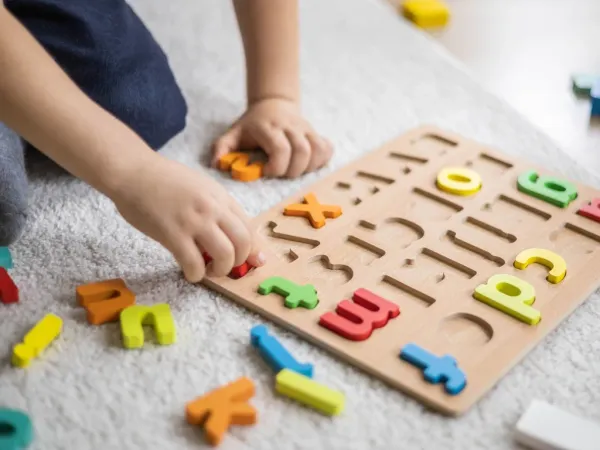
43. Alphabet Match Cards
Make cards with uppercase letters on one set and lowercase letters on another. Children match pairs to build letter recognition and memory skills through repetition.
44. Weather Wheel Craft
Cut two circles from cardboard. Draw weather conditions (sunny, rainy, snowy, cloudy) in sections on one circle. Cut a window in the other circle and attach it with a brad so it spins. This introduces early science concepts and calendar awareness while engaging children through hands-on interaction.
45. Color Scavenger Hunt Collage
Give children a piece of paper divided into colour sections. They find and glue objects from around the house that match each colour. This encourages observation and categorisation while adding movement and discovery through the hunt.
46. Counting Bead Necklace
String beads onto yarn while counting aloud. This combines early maths practice with fine motor coordination, strengthening the pincer grasp while reinforcing one-to-one correspondence.
47. Emotion Masks
Cut paper plates in half and decorate each one to show a different emotion: happy, sad, angry, surprised. This builds vocabulary for identifying and naming feelings, supporting social-emotional language development and self-awareness.
48. Calendar Craft Board
Create a simple monthly calendar with movable pieces (numbers, weather symbols, special events). Children update it daily, building early time awareness and sequencing skills while transforming abstract time concepts into concrete, observable patterns.
49. Farm Animal Cutouts
Print or draw farm animals for children to colour and cut out. Use them for pretend play or to create farm scenes, enhancing vocabulary and thematic play.
50. Underwater Scene Diorama
Use a shoebox turned on its side and paint the inside blue. Add paper fish, seaweed, and rocks, and hang fish from the top with a string. This introduces early science concepts and creative design while teaching how depth and layers create realistic environments.
51. Oobleck Sensory Play
Mix two parts cornstarch with one part water to create a non-Newtonian fluid that feels solid when squeezed but liquid when released. This explores texture and cause-and-effect relationships, teaching children that materials don't always behave as expected.
52. Play Dough Creations
Shape letters, animals, numbers, and patterns from homemade or store-bought play dough. This strengthens fine motor skills and creative thinking while teaching children that creation is iterative.
53. Rice Sensory Bin
Fill a shallow container with uncooked rice and add scoops, cups, small toys, and measuring tools. This encourages imaginative play, tactile learning, and builds hand strength and coordination through pouring and scooping.
54. Paper Plate Weaving
Cut slits around the edge of a paper plate, then weave yarn or paper strips through them to create a circular weave. This activity builds coordination, introduces patterning concepts, and teaches sequencing and spatial awareness through the over-under motion.
55. Shaker Bottle Music Art
Fill empty plastic bottles with beads, rice, or sand, seal them tightly, and decorate them with stickers or paint. Use them as musical instruments to encourage rhythm play, develop fine motor skills, and provide sound and visual feedback as children create.
Related Reading
- Preschool Assessment
- Preschool Learning Activities
- Daycare Vs Preschool
- Preschool Tracing Worksheets
- Preschool Classroom Layout
- Preschool Sight Words
- Preschool Playground Equipment
- How To Become A Preschool Teacher
- Preschool Lesson Plan Template
- Playing Preschool Curriculum
- Preschool Science Experiments
- Spring Bulletin Board Ideas For Preschool
- Preschool Prep
- Preschool Math Activities
- Free Preschool Games
- Noah's Ark Preschool
- Preschool Craft Ideas
- Creative Curriculum For Preschool
- Preschool Art Activities
- Christmas Crafts Preschool
- Spring Bulletin Board Ideas For Preschool
- Turkey Craft Preschool
- Preschool Bulletin Board Ideas
Make Indoor Craft Time Easy & Engaging
If mess anxiety keeps your child from trying crafts, change the medium, not the child. Coloring, tracing, and decorating printables offer the same fine motor practice, creative decision-making, and sense of ownership without the cleanup stress that prevents participation. When a preschooler refuses paint or backs away from glue, they're signaling that sensory unpredictability feels threatening. Mess-averse children need clear boundaries and a sense of control. Printable activities provide exactly that: the paper stays flat, colours stay where you put them, and the project remains manageable. This predictability creates the psychological safety needed for genuine engagement.
🎯 Key Point: Transform any interest into engaging craft time without overwhelming sensory input or cleanup anxiety. Platforms like My Coloring Pages turn any interest into interactive crafts without intimidating art supplies. Our 40,000+ free templates let you choose from existing designs or generate custom pages featuring your child's favorite animals, characters, or learning themes. A child who won't touch finger paint might eagerly color a dinosaur page, then cut it into puppets or greeting cards. Each step feels manageable because the child controls the pace and mess level.
"Control builds confidence, and confidence builds willingness to try harder projects later." Screen-free doesn't require supply-intensive setups. A printed page, crayons, and child-safe scissors create opportunities for tracing, color sequencing, pattern recognition, and storytelling without extensive cleanup. A child practicing fine motor control by decorating a bookmark template builds the same skills as painting a mural, but within boundaries that feel safe rather than chaotic.
Activity Type | Skills Developed | Mess Level |
|---|---|---|
Coloring | Fine motor control, focus | Minimal |
Tracing | Hand-eye coordination, letter formation | None |
Cutting & Decorating | Scissor skills, creativity | Low |
Customization drives engagement. A generic coloring sheet holds attention for five minutes; a page featuring their pet's name, favorite superhero, or letters they're learning becomes personally meaningful. The child creates something reflecting their world, transforming a simple activity into a project worth finishing. Motivation comes from within.
💡 Tip: Turn finished pages into functional objects to show children that creativity produces real, useful things. Turn finished pages into functional objects. A colored page becomes a placemat when laminated. A traced animal becomes a puzzle when cut into pieces. A decorated letter becomes wall art when framed. These transformations teach children that creativity produces real things. The bookmark gets used daily. The greeting card gets mailed to the grandparents. The puppet becomes part of pretend play. Craft time stops feeling isolated and becomes part of how your family makes things you need. Even children who resist structured activities engage when projects connect to something they care about. Print pages based on stories you've read together, animals you've seen, or approaching holidays. The craft becomes an extension of an experience rather than a disconnected task, giving the activity a purpose that sustains attention longer than novelty alone.