5 Practical Tips on How Parents Can Start Preschool Education
Discover 5 practical preschool education tips from My Coloring Pages to prepare your child for success. Expert strategies parents can use today.

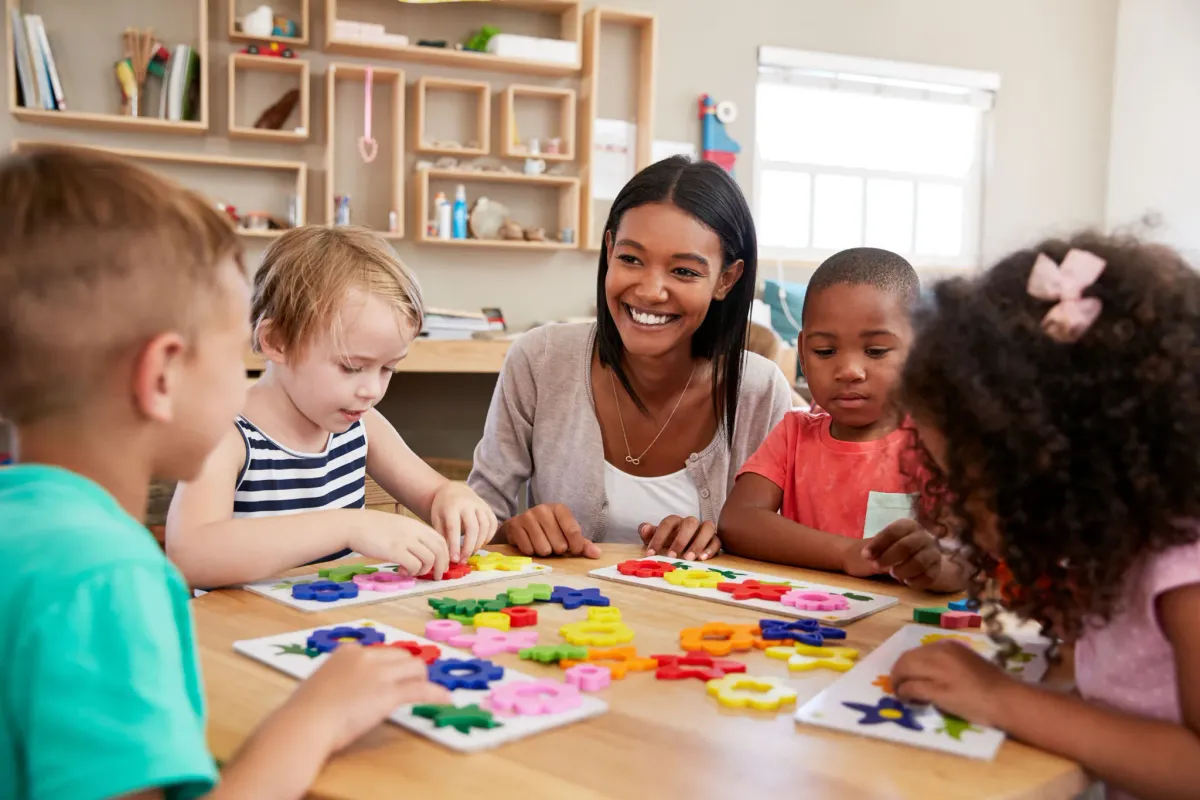
Preschoolers learn best through hands-on exploration and creative play that captures their natural curiosity. The right preschool activities transform fleeting attention spans into meaningful learning moments, helping young children develop essential skills while staying engaged. Parents and educators often struggle to find age-appropriate materials that align with developmental milestones without breaking the budget or consuming hours of preparation time.
Fresh, printable resources make it easier to support early learning at home or in the classroom. Quality materials should cover fundamental concepts such as alphabet recognition, number skills, and fine motor development while also encouraging creative expression. Parents seeking reliable educational content can explore 38,426+ FREE Coloring Pages designed specifically for young learners.
Summary
- Preschool attendance creates lasting academic advantages that extend far beyond kindergarten readiness. Children who attend high-quality preschool programs are 24% more likely to graduate from high school, a statistic reflecting how foundational skills acquired between ages three and five compound over time.
- Social competencies are more important for school success than academic preparation in the early years. Kindergarten teachers consistently report that children struggle not because they don't know their letters, but because they can't share materials, wait their turn, or ask for help appropriately. These learned behaviors develop through repeated practice in group settings where adults guide conflict resolution and emotional regulation.
- Fine motor control development directly enables future writing ability. Holding a pencil correctly, forming letters with consistent size and spacing, and cutting along lines all require precise hand strength and coordination that develop through repeated practice with age-appropriate materials such as playdough manipulation, bead threading, and coloring within boundaries.
- Only 34% of 3- and 4-year-olds were enrolled in preschool in 2021, according to The Annie E. Casey Foundation. This means the majority of young children miss structured opportunities to practice sharing, emotional regulation, and peer interaction outside their family unit, competencies that determine whether a child can successfully navigate kindergarten classrooms and follow multi-step directions.
- Early language exposure in conversation-rich preschool environments directly predicts later reading comprehension. Children who enter kindergarten with a rich vocabulary and strong oral language skills approach phonics instruction with context already built, understanding that written words represent spoken language and that stories follow narrative arcs.
- Physical worksheets build motor skills that digital interfaces cannot replicate. The tactile feedback of a crayon on paper, the physical act of forming letters, and the three-dimensional manipulation of holding and positioning a page all contribute to hand-eye coordination and grip strength development in ways that swiping screens simply doesn't match.
- My Coloring Pages offers 38,426+ free printable activities spanning alphabet recognition, number concepts, shape tracing, and fine motor practice, giving families instant access to customizable worksheets that complement preschool learning without subscriptions or extensive searching.
What Constitutes Preschool Education
Preschool education is a structured learning environment for children ages three to five where cognitive, social, emotional, and physical development occur simultaneously through play-based activities and guided interactions. Every activity, from block building to circle time, serves multiple developmental purposes.
Preschool doesn't look like traditional schooling: no textbooks, no homework, or spelling tests. Young children learn through exploration, repetition, and social interaction. When a four-year-old negotiates turn-taking at the water table, she develops conflict resolution skills. When he sorts colored bears by size, he builds mathematical reasoning. Learning is embedded in experiences that feel like play because that's how preschool-aged brains absorb information.
🎯 Key Point: Preschool education uses intentional play-based learning where every activity serves multiple developmental goals simultaneously, making it fundamentally different from traditional academic instruction.

"Play-based learning in preschool environments supports all areas of development while building the foundation skills children need for future academic success." — National Association for the Education of Young Children
💡 Tip: Look for preschool programs that can explain the specific learning objectives behind their play activities—this shows they understand how structured play drives developmental outcomes.

How does cognitive development prepare children for formal academics?
Cognitive development in preschool builds mental frameworks for formal academics: early literacy skills like letter recognition, understanding that print carries meaning, and phonemic awareness (hearing and manipulating sounds in words); numeracy concepts through counting, pattern recognition, sorting, and spatial relationships; and problem-solving when children figure out how to stabilize a block tower or why mixed paint colours turn brown.
Why is social and emotional learning often underestimated in preschool?
Social and emotional learning often receives insufficient attention. According to The Annie E. Casey Foundation, only 34% of 3- and 4-year-olds were enrolled in preschool in 2021. Consequently, most young children miss opportunities to practise sharing, waiting their turn, expressing frustration appropriately, and making friends.
These skills determine whether a child can sit in a kindergarten classroom, follow multi-step directions, and ask for help when confused.
How does motor development impact classroom readiness?
Motor development splits into two essential categories. Fine motor skills (small hand and finger movements) develop through coloring, cutting with safety scissors, manipulating playdough, and threading beads, directly impacting pencil grip, buttoning coats, and legible writing.
Gross motor skills (large muscle movements) strengthen through climbing, running, balancing, and dancing, building core strength and coordination essential for classroom stamina.
What role does language development play in future reading success?
Language development accelerates in preschool environments rich in conversation, storytelling, and vocabulary exposure. Children practise making complete sentences, expressing their needs clearly, and learning dialogue patterns. This builds the neural pathways that enable reading comprehension years later.
How do different educational philosophies shape preschool programs?
Preschool programs vary significantly in their teaching approaches. Some use play-based methods like Reggio Emilia and Montessori, while others emphasize academics. Most programs share key features: intentional teacher-child ratios (smaller groups enable individualized attention), age-appropriate curriculum design, and environments organized into learning centers for dramatic play, blocks, art, science, and literacy. When materials are accessible and spaces clearly defined, children develop independence and decision-making skills.
What makes preschool activities intentionally educational?
Teachers plan activities around developmental milestones and learning goals, even when those activities resemble free play. A dress-up corner teaches sequencing, role-playing (understanding others' perspectives), and narrative skills. A sensory table with rice and scoops builds fine motor control, math concepts (full, empty, more, less), and scientific observation. This intentionality distinguishes quality preschool from unstructured childcare.
Why does teacher training matter in preschool education?
Teacher training separates effective preschool from well-meaning babysitting. Educators trained in early childhood development understand how three-year-olds think differently from five-year-olds, how to support learning without pushing academics too early, and how to distinguish developmental concerns from typical age-appropriate boundary testing. They know that a child who can't sit still during story time might need more gross motor activity earlier in the day, not stricter discipline.
How does peer interaction enhance preschool learning?
Many parents think teaching letters and numbers at home provides equivalent preparation. It doesn't, not because home teaching lacks value, but because preschool offers regular time with same-age peers under professional guidance. Children learn differently from other children than from adults. They practice talking through problems, observe different problem-solving approaches, and develop a theory of mind (understanding that others have different thoughts and feelings). These social practice sessions cannot occur when a child is alone.
Parents implementing preschool-style learning at home often struggle to find age-appropriate activities that don't overwhelm their child or strain their budget. 38,426+ Free Coloring Pages offers printable activities covering alphabet recognition, number concepts, fine motor practice, and creative expression, providing families quick access to resources that complement structured preschool settings without extensive Pinterest searching or costly workbook purchases.
What preschool isn't academically?
Preschool isn't kindergarten that starts earlier. The goal isn't to have children reading chapter books or doing addition problems before age five. Research consistently shows that pushing formal academics before children are developmentally ready creates anxiety without improving long-term outcomes. Quality preschool respects where young brains are developmentally, building the foundation that makes later academic learning easier and more joyful.
What limitations should parents understand?
It's also not a guaranteed fix for every developmental challenge. Children enter preschool with vastly different experiences, language exposure, and emotional regulation skills. Preschool provides opportunities and structure, but it works best when families and educators partner.
What is the real value of preschool education?
The value of preschool isn't that children learn their ABCs earlier. It's that they learn how to learn, how to exist in a group, and how to believe they're capable of figuring things out. Those invisible skills determine everything that follows.
But knowing what preschool is doesn't answer the question that matters most to parents making enrollment decisions: Does it make a measurable difference in children's lives?
Importance of Preschool Education
Long-term studies following children over many years show that high-quality early education creates lasting advantages in academic achievement, social competence, and life trajectory. Children who attend high-quality preschool programs are 24% more likely to graduate from high school, demonstrating how basic skills learned between ages three and five compound over time.

🎯 Key Point: The 24% increase in high school graduation rates demonstrates that preschool education isn't just about immediate learning—it's about creating a foundation for lifelong success.
"Children who attend high-quality preschool programs are 24% more likely to graduate from high school, showing how basic skills learned between ages three and five build on each other over time." — National Center for Education Statistics

🔑 Takeaway: These longitudinal studies prove that investing in early childhood education creates a ripple effect of benefits that compound throughout a child's academic journey and beyond.
How does early language exposure build reading foundations?
Preschool environments filled with conversation, storytelling, and verbal interaction build the brain's foundation for literacy years before formal reading instruction begins. Children learn linguistic structure through songs, rhymes, and dialogue with teachers and peers, developing their understanding of how sentences fit together and how to listen actively.
Why does vocabulary development predict reading success?
Learning a language early directly predicts how well a child will read in later grades. A child who enters kindergarten with a rich vocabulary and strong speaking skills starts phonics instruction with essential context: understanding that written words represent spoken language, that stories follow narrative arcs, and that books contain information worth discovering. Without this foundation, learning to decode words becomes mechanical rather than meaningful.
How do everyday activities build mathematical thinking?
Number skills develop naturally when preschoolers sort objects by colour, count snack crackers, or arrange blocks by size. These activities build understanding of quantity, patterns, spatial relationships, and logical sequences. A four-year-old figuring out which puzzle piece fits where practices problem-solving strategies she'll use for algebraic thinking a decade later.
Why does number sense matter more than memorization?
The difference between preschool math exposure and no exposure is whether children develop number sense—the intuitive understanding of how quantities relate to each other. Children who manipulate physical objects understand that five blocks can be arranged multiple ways but still represent five. This conceptual flexibility matters more than memorizing that 2+3=5.
Why do social skills matter more than academic preparation?
Academic preparation matters less than most parents assume. Kindergarten teachers consistently report that children struggle not because they lack letter knowledge, but because they cannot share materials, wait their turn, or ask for help appropriately. These social skills develop through repeated practice in group settings where adults guide conflict resolution and emotional regulation.
How does a lack of preschool experience show in kindergarten?
A child who has never dealt with disagreements with other kids starts kindergarten without the social practice her classmates have. When someone takes her crayon, she doesn't know that grabbing it back escalates conflict or that asking a teacher for help is acceptable. These are learned behaviours that preschool explicitly teaches through daily interactions.
In a kindergarten class, you can immediately see which children lack this experience: they stay at the edges during group activities, struggle with transitions, or react strongly to small frustrations. Teachers spend September and October teaching social skills to children who missed preschool, time that could otherwise be spent on academic content. While some children practise reading strategies, others are still learning to raise their hand before speaking.
Why is fine motor control essential for writing success?
Holding a pencil correctly, making uniformly sized letters with even spacing, and cutting with scissors all require careful control of small hand movements. This control develops through repeated practice. Preschoolers who play with playdough, thread beads, use safety scissors, and colour inside the lines build the hand strength and coordination that writing requires.
What challenges do children face without proper motor development?
Writing is physically demanding for young children. It requires sustained grip strength, finger dexterity, hand-eye coordination, and the cognitive load of translating thoughts into letter formations simultaneously. Children who enter kindergarten without adequate fine motor development struggle not because they lack ideas, but because their hands cannot execute what their brains conceptualize. They fatigue quickly, produce illegible work, and often develop negative associations with writing that persist for years.
How can parents access affordable fine motor practice activities?
38,426+ Free Coloring Pages solves the problem of finding affordable, accessible activities by providing instant access to printable pages. These pages cover alphabet practice, number recognition, shape tracing, and creative colouring—all designed to build fine motor skills. Our platform lets parents and teachers create custom pages in seconds without subscriptions or complicated downloads.
Why do preschoolers struggle with emotional regulation?
Three- and four-year-olds experience strong emotions, but their brains are not yet developed enough to manage these feelings independently. Frustration triggers tantrums, disappointment brings tears, and excitement prompts impulsive behaviour. Preschool provides a structured environment where teachers help children recognise their emotions, express them appropriately, and develop coping strategies.
How do teachers help children develop emotional control?
This builds executive function skills: the ability to pause between feeling angry and hitting, or between wanting a toy and grabbing it. Teachers model emotion language ("I see you're frustrated that the tower fell"), provide calming strategies (such as deep breathing and using words instead of actions), and set consistent behavioral expectations.
What are the long-term benefits of emotional regulation skills?
Children who develop strong emotional regulation in preschool exhibit fewer behavioral problems throughout their school years. They can handle disappointment, manage anxiety during tests, and recover from social conflicts independently. These skills matter as much as academic skills for long-term success.
How does exposure to diversity in preschool build empathy?
Preschool classrooms bring together children from different backgrounds, cultures, family structures, and abilities. Children learn that families look different, that people speak multiple languages, and that others have distinct thoughts and feelings. They practice perspective-taking in ways that build empathy.
What collaborative skills do children develop through group activities?
Group activities, such as building projects or pretend play, help children learn to discuss roles, make compromises, and work together. A child who plays alone at home discovers that building a block city with friends requires communication, patience, and flexibility. These experiences cultivate empathy and cooperation in ways that adult instruction cannot replicate.
Kindergarten teachers see five-year-olds who have never shared materials struggle through interactions their classmates handle easily, affecting everything from schoolwork to friendships.
Related Reading
- Preschool Activities
- Preschool Worksheets
- What Age Is Preschool
- Preschool Curriculum
- Preschool Age Range
- Preschool Vibes
- Preschool Homeschool Curriculum
- Preschool Games
- Worksheets For Preschool
- Free Preschool Worksheets Age 3–4
- Preschool Books
- What Age Do Kids Start Preschool
- Preschool Graduation
- Free Name Tracing Worksheets for Preschool
- Preschool Backpack
- All About Me Preschool
- Free Preschool Worksheets
- Preschool Self Defense
- What Should a Child Learn in Preschool
- Preschool vs Pre K
- Sight Words for Preschool
- Free Printable Preschool Worksheets Tracing Letters
- First Day of Preschool
- Preschool Math Worksheets
- Preschool Valentine Crafts for Parents
- Preschool Graduation Gifts
- Preschool Toys
- What Age Is Preschool and Kindergarten
- Preschool Quotes About Play
How Can Parents Start Preschool Education
Parents can start preschool education at home through intentional routines, independence-building activities, and structured learning experiences that mirror those in quality preschool classrooms. This foundation eases the transition when children arrive familiar with the rhythms, expectations, and self-sufficiency skills preschool demands.

🎯 Key Point: The most successful preschool transitions happen when children have already practiced basic routines and independence skills at home, reducing adjustment stress by helping them focus on learning rather than adapting to completely new expectations.
"Children who experience structured learning activities at home before preschool show better social adjustment and are more likely to engage positively with classroom routines." — National Association for the Education of Young Children
⚡ Pro Tip: Start with just 15-20 minutes of structured learning time daily, gradually building your child's attention span and familiarity with routine before they enter a formal preschool environment where they'll need these skills for longer periods.

How can you establish predictable daily rhythms before day one?
Preschool works best when it follows a regular schedule that makes young children feel safe once they learn the pattern. Starting two to three weeks before the first day, adjust your home routine to match the school's timing: gradually shift wake-up times, move breakfast and lunch to align with school meal times, and set a consistent bedtime that provides adequate sleep. The goal isn't strictness but avoiding the shock of sudden schedule changes that can cause worry and resistance.
Why do visual schedules work so effectively for preschoolers?
Visual schedules work because preschoolers think concretely and cannot yet understand abstract time concepts like "later" or "after lunch." A simple chart with pictures showing the order of morning activities (wake up, breakfast, get dressed, brush teeth, leave for school) gives children a mental map of what comes next. Some families use movable clips or magnets that children advance through the day, providing both predictability and a sense of control.
Why do children struggle with basic self-care tasks?
Preschool teachers spend considerable time helping children with tasks they could do independently. Zipping jackets, opening food containers, washing hands, putting away belongings, and using the bathroom without help are all things that three- and four-year-olds can do, yet many arrive unable to do these basic things. The problem isn't capability; it's opportunity.
How can parents practice independence skills at home?
Start practising weeks before school begins. Let your child struggle briefly with a stubborn zipper before offering help. Allow extra time in the morning for them to dress themselves, even when it would be faster to do it for them. Set up bathroom routines, so they wash their hands independently, reaching for soap and a towel without assistance. A child who can manage their own coat and backpack enters the classroom feeling capable rather than dependent.
How do independence skills affect classroom learning?
Independence skills directly impact classroom participation. When a teacher must help five children open snack containers while managing a group activity, instructional time is lost. Children who arrive self-sufficient can focus on learning instead of waiting for adult assistance with basic tasks.
How can you reduce separation anxiety through preparation?
Separation anxiety is developmentally normal, but you can reduce its intensity through gradual exposure and honest conversation. Talk about preschool in concrete terms children understand: where you'll drop them off, what they'll do first, who will be there, and when you'll return. Avoid vague reassurances like "I'll be back soon." Instead, say, "I'll pick you up right after outdoor play time, before lunch."
Reading books about starting school normalizes the experience. Children see characters navigating the same feelings they're experiencing, which validates their emotions while showing that others survive and even enjoy the transition. Practice confident, good-bye greetings at home: make them brief, warm, and consistent. Long, emotional farewells signal to children that separation is dangerous, amplifying their distress rather than soothing it.
What role do school visits and comfort objects play?
Some programs allow short visits before the official start date. Walking through the classroom, meeting the teacher, and seeing where their cubby will be makes "school" feel real and familiar. If visits aren't possible, drive by the building, show pictures, and talk about the physical space so it doesn't feel completely new on day one.
Comfort objects connect home and school. A small family photo, a favourite stuffed animal, or a parent's scarf with a familiar scent can help children feel safe during difficult moments. Teachers typically welcome these items.
Establish Health Routines That Support Learning
Children cannot focus on learning when tired, hungry, or overstimulated. Regular sleep schedules (10-12 hours for preschoolers) help children arrive at school alert rather than cranky. Healthy breakfasts maintain steady blood sugar and energy levels throughout the morning. Limiting screen time, especially before bed, improves sleep quality and reduces behaviour problems.
Basic safety habits, such as washing hands, not sharing food or drinks, and reporting illness to a teacher, help keep classrooms healthy. Teaching children to cover coughs, wash hands after using the bathroom, and avoid touching their faces prevents illness from spreading, protecting both learning and family schedules.
How does structured learning prepare children for preschool?
Play remains the primary way preschoolers learn, but short periods of focused, structured activity prepare children for directed learning in preschool classrooms. This means brief activities (10-15 minutes) where children practise sitting still, following multi-step directions, and completing tasks from start to finish, rather than flashcards or drilling academic content.
Age-appropriate worksheets serve this purpose when used thoughtfully. They provide structure, reinforce foundational skills like letter recognition and number sequencing, and strengthen fine motor control through tracing and coloring. The key is balance: worksheets shouldn't dominate learning time, but they offer focused practice that complements hands-on exploration.
What resources make structured learning accessible for parents?
Many parents face the same problem: quality educational resources either cost significant money or require hours to find and print. My Coloring Pages' 38,426+ Free Coloring Pages solves this by providing instant access to customizable worksheets covering alphabet practice, number recognition, shape identification, and creative coloring activities. Parents and teachers can create exactly what they need in seconds without subscriptions, complicated downloads, or budget concerns.
Why does gradual preparation work better than intensive training?
Getting ready happens in small, steady moments over weeks, not all at once before school starts. Children accustomed to routines, capable of self-care, comfortable being away from their parents, and familiar with focused activities adjust more quickly and feel less distressed. They can direct their energy toward learning and making friends instead of struggling to adapt.
6 Best Online Worksheets for Preschool Education
Online worksheets provide instant access to organized learning activities that build basic skills without the expense of workbooks or the time required for extensive preparation. Quality platforms offer printable materials focusing on letter recognition, number sense, fine motor control, and pattern identification, designed around how preschoolers actually learn. The best worksheets feel engaging rather than tedious, aligning with children's developmental abilities rather than pushing academics too early.

"Quality early learning materials focus on developmentally appropriate activities that build foundational skills without overwhelming young learners." — Learning Policy Institute
🎯 Key Point: The most effective online worksheet platforms combine convenience with age-appropriate content that supports natural learning progression.
🔑 Takeaway: Choose worksheet resources that prioritize engagement and skill-building over premature academic pressure to maximize your preschooler's learning success.
1. Reading Eggs Curriculum-Aligned Foundations
Reading Eggs organizes printable worksheets around phonics progression and early numeracy concepts, following developmental sequences used in many preschools. The materials reinforce letter sounds, beginning word formation, and basic counting through game-like activities rather than drills. Worksheets align with classroom settings, creating consistency between home and school learning. The subscription model provides regular content updates, though the cost may concern families with tight budgets or those who prefer occasional rather than daily access.
2. Begin Learning Printable Variety Without Subscriptions
Begin Learning offers free downloadable worksheets for math readiness, alphabet practice, and pattern recognition. Materials are organized by skill level rather than age, helping parents select activities that match their child's current abilities. Tracing exercises strengthen pencil grip and hand control, while sorting activities build categorization skills that support mathematical thinking. The platform suits families who want occasional worksheets without subscription costs, though locating specific materials requires more searching than curated platforms.
3. Education.com Depth Through Subscription Tiers
Education.com offers thousands of worksheets covering reading, maths, science, and creative activities. The free version provides limited access, while paid subscriptions unlock the full library and progress tracking. Teachers appreciate how worksheets are organised around seasons, holidays, and curriculum units, making it easy to align them with classroom topics. The extensive worksheet collection can overwhelm new parents, and subscription costs may strain tight budgets. Quality remains consistently good, with clear instructions and age-appropriate designs.
4. Teachers Pay Teachers Educator-Created Marketplace
Teachers Pay Teachers is a marketplace where educators sell or share free materials they've created and tested with real students. This peer-to-peer model produces specific resources: worksheets on the letter B with a construction theme, number tracing combined with dinosaur counting. Parents find materials that match their child's interests, but must evaluate quality themselves, since resources come from thousands of individual creators with varying design skills and educational expertise. Free resources are readily available, though premium materials often provide more polish and complete skill coverage.
5. Twinkl Thematic Structure With Global Reach
Twinkl organizes worksheets around themes (seasons, holidays, animals, community helpers) rather than isolated skills, mirroring how preschool classrooms structure learning. A fall unit might include leaf counting, pumpkin pattern sequencing, and harvest vocabulary practice, all visually connected through consistent design. This thematic approach helps children see how different skills relate to each other and to the world around them. The platform serves international markets, offering materials adapted for different educational systems and cultural contexts. Subscription costs run higher than some alternatives, positioning Twinkl as a premium option that delivers professional-quality resources with extensive teacher support materials.
6. My Coloring Pages Instant Customization Without Barriers
Most worksheet platforms require subscription fees, extensive searching, or generic content that doesn't match your child's interests. Parents wanting a worksheet about trucks and the letter T must either pay for premium access or spend thirty minutes searching free sites. My Coloring Pages eliminates this friction. You describe what you need—letters, numbers, shapes, themes—and our platform generates customized, printable worksheets in seconds. No subscription. No searching. No settling. Our 38,426+ community-created worksheets span every preschool skill area, providing immediate access to diverse content. When your four-year-old becomes obsessed with fire trucks, you can create letter tracing pages featuring fire trucks in seconds.
Why does customization matter for preschool learning?
Customization matters because engagement drives practice. A child who loves dinosaurs will complete ten dinosaur-themed number worksheets with enthusiasm but resist generic dot-to-dot pages. Personalization transforms worksheets from something children tolerate into activities they request. Parents gain flexibility to reinforce exactly what their preschool is teaching that week—the letter M, counting to ten, or circle shapes—wrapped in themes their child cares about.
How do physical worksheets build motor skills?
Fine motor development happens through repetition. Coloring within boundaries, tracing letters, and connecting dots require hand-eye coordination and grip strength that formal writing demands later. Physical worksheets build the muscle control and spatial awareness that digital interfaces cannot replicate. The tactile feedback of a crayon on paper, the physical act of forming letters, and holding a page all contribute to motor skill development in ways that swiping a screen cannot match.
But worksheets alone cannot replicate the full preschool experience. Knowing when to use them versus when to step back requires understanding what learning looks like at home.
Related Reading
- Preschool Science Experiments
- Preschool Tracing Worksheets
- Preschool Learning Games
- Daycare Vs Preschool
- Preschool Prep
- Preschool Crafts
- Playing Preschool Curriculum
- Preschool Craft Ideas
- Preschool Playground Equipment
- Preschool Classroom Layout
- Free Preschool Games
- Preschool Lesson Plan Template
- Preschool Learning Activities
- Preschool Art Activities
- Preschool Assessment
- Preschool Sight Words
- Spring Bulletin Board Ideas For Preschool
- Turkey Craft Preschool
- Creative Curriculum For Preschool
- How To Become A Preschool Teacher
- Preschool Math Activities
- Noah's Ark Preschool
- Christmas Crafts Preschool
- Preschool Bulletin Board Ideas
Make Preschool Prep Simple, Engaging, and Screen-Free at Home
Start with tools that make practice feel like play. My Coloring Pages transforms letters, numbers, shapes, and daily routines into custom, printable coloring activities that strengthen early skills without screen time or workbook frustration. Short, engaging pages naturally build fine motor strength, attention span, and early literacy, easing the preschool transition for both you and your child.
🎯 Key Point: Screen-free learning through coloring activities helps develop multiple skills simultaneously - from motor control to cognitive development - while keeping children naturally engaged.
"Children who engage in fine motor activities like coloring show improved readiness for writing and academic tasks when they enter formal schooling." — Early Childhood Education Research
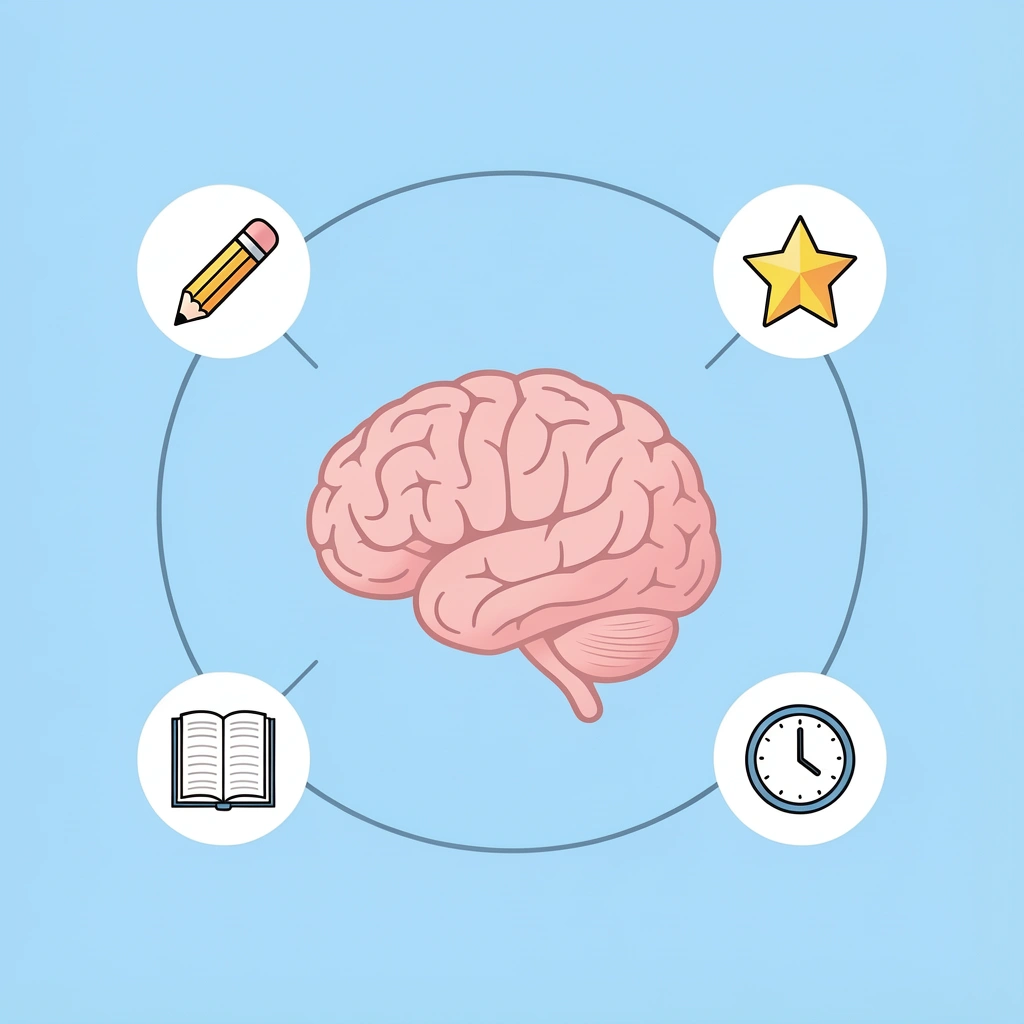
💡 Tip: Create a daily routine where your child spends just 10-15 minutes with these activities. Consistency beats intensity when building foundational skills for preschool success.