50 Fun and Easy Preschool Fall Crafts
Discover 50 preschool fall crafts that spark creativity and learning. My Coloring Pages brings you easy seasonal activities perfect for little hands.

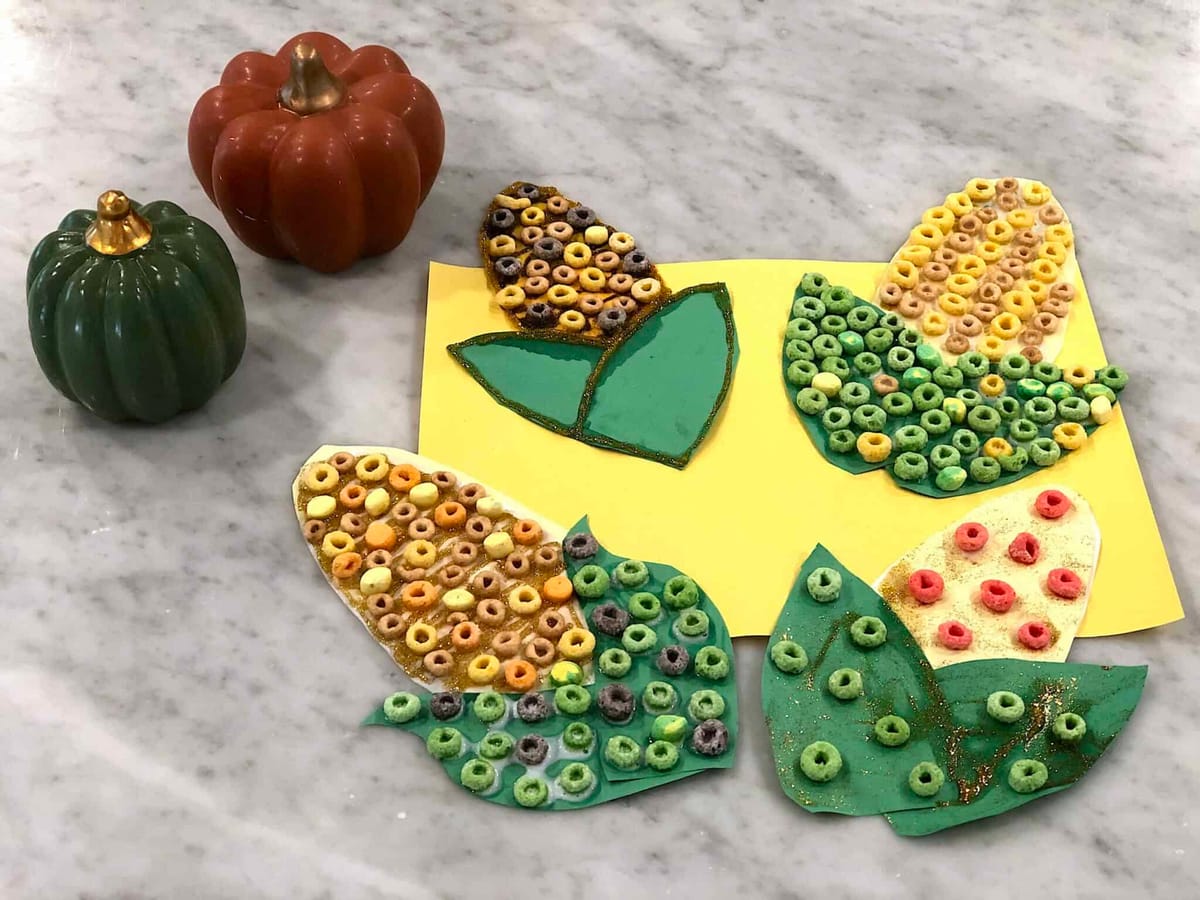
Autumn's arrival brings opportunities for parents and teachers to engage preschoolers with seasonal crafts that develop creativity and fine motor skills. Preschool fall crafts like pumpkin painting, leaf rubbings, and acorn sorting combine learning with the magic of the season. These simple, age-appropriate projects can be enhanced with customizable coloring pages and worksheets that match each child's developmental stage.
Parents and educators can create personalized learning experiences by incorporating themed materials into their craft sessions. Apple-themed worksheets support counting practice, while scarecrow templates help develop scissor skills, and harvest-themed coloring sheets complement nature walks. Download 50,187+ free coloring pages to access customizable resources that match exactly what preschoolers need for their autumn activities.
Summary
- Fall crafts deliver measurable developmental benefits beyond simple entertainment. Research from the National Association for the Education of Young Children found that preschoolers who engage in regular hands-on science activities demonstrate 34% stronger problem-solving skills by kindergarten entry than peers in primarily worksheet-based programs. The physical manipulation involved in cutting leaf shapes, gluing corn kernels, and painting with fall colors strengthens the same hand muscles and motor control children will need for pencil grip and letter formation.
- Constrained creativity outperforms both rigid copying and unstructured exploration for preschool learning. Activities that provide clear shapes while leaving substantial choices to the child (which colors to use, how to arrange elements, what details to add) create what educators call productive boundaries. Too many prescriptions eliminate ownership and decision-making practice, while too little guidance overwhelms young children who need structure to feel confident experimenting. The sweet spot combines recognizable templates with genuine choice points.
- Seasonal activities create natural opportunities for mathematical thinking without the need for formal worksheets. Sorting leaves by color introduces categorization. Arranging pinecones from smallest to largest builds seriation skills. Counting apple seeds or pumpkin cutouts provides practice with one-to-one correspondence. Pattern-making with alternating colored leaf prints teaches sequencing, the foundation for reading comprehension and logical reasoning. These micro-skills develop through playful manipulation rather than abstract instruction.
- Multi-sensory observation projects teach the scientific method more effectively than demonstrations. When children cut an apple and track how oxidation turns the flesh brown over several days, they're conducting experiments themselves rather than watching adults perform them. When they plant pumpkin seeds in clear containers and measure root growth with a string, they build ownership of the discovery process. The comparison conversations (why did this apple slice turn brown, but the sealed one stayed white) introduce hypothesis testing and evidence-based reasoning.
- Social-emotional competencies developed through collaborative crafting predict school success more reliably than early academic skills. Waiting for shared glue bottles, negotiating who gets the orange paint first, and helping a friend attach googly eyes to their owl teaches regulation and cooperation. A child who manages frustration when their leaf collage doesn't match the example, then tries a different approach, practices resilience that serves them through decades of challenges beyond preschool.
- My Coloring Pages addresses the template customization challenge by generating fall illustrations that match specific developmental needs and lesson objectives, from simple pumpkin outlines for beginning scissors users to detailed scarecrow scenes for advanced four-year-olds ready for complex patterns.
Table of Contents
- Importance of Fall Crafts and Activities for Preschoolers
- How to Celebrate Fall in Preschool
- 5 Engaging Fall Preschool Activities
- 50 Fun and Easy Preschool Fall Crafts
- Download Free 50,187+ Fall-Themed Coloring Pages
Importance of Fall Crafts and Activities for Preschoolers
Fall crafts and activities build neural pathways through sensory exploration and fine motor practice, supporting kindergarten readiness. When a four-year-old tears construction paper into pumpkin shapes or sorts acorns by size, they develop hand-eye coordination, spatial reasoning, and focused attention—skills essential for classroom learning.

🎯 Key Point: Fall activities aren't just fun—they're essential developmental tools that prepare preschoolers for academic success through hands-on learning experiences. "Fine motor skills developed through craft activities are directly linked to kindergarten readiness and early academic achievement." — Early Childhood Development Research

💡 Tip: Choose seasonal crafts that incorporate multiple skill areas—like counting pumpkin seeds (math), describing textures (language), and cutting paper (fine motor) all in one engaging activity.
Physical Development Through Seasonal Making
Cutting autumn leaf shapes strengthens the hand muscles needed to hold a pencil and form letters. Gluing dried corn kernels develops pincer grip precision. Painting with fall colours teaches brush control and pressure variation. Creative Learning NJ notes that fall's cooler temperatures enable children to play more actively for longer periods, allowing them to engage in physically demanding craft activities that require sustained concentration and motor control. Punching holes in paper scarecrows for lacing builds bilateral coordination (using both hands for different tasks). Rolling playdough into acorn shapes develops proprioceptive awareness (understanding pressure application). These small movements matter more than the finished product.
How do fall crafts support mathematical thinking?
Fall crafts create natural opportunities for mathematical thinking. Sorting leaves by colour introduces categorisation. Arranging pinecones from smallest to largest builds seriation skills. Counting apple seeds or pumpkin cutouts provides practice with one-to-one correspondence. Pattern-making with alternating red and yellow leaf prints teaches sequencing, which forms the foundation for reading comprehension and logical reasoning.
What science concepts emerge through autumn nature crafts?
Science learning happens during autumn nature crafts. When children press leaves between wax paper, they observe preservation. When they watch apple slices turn brown after cutting, they witness oxidation. When they compare rough bark textures to smooth pumpkin skin, they conduct tactile experiments that build observation skills and vocabulary. My Coloring Pages transforms these learning moments into personalized experiences with over 50,187 customizable templates. Whether you need simple apple outlines for younger three-year-olds mastering scissor grip or detailed scarecrow scenes for advanced four-year-olds ready for complex patterns, our downloadable resources scaffold learning without frustration or boredom.
Emotional and Social Foundations Built Through Making
Making fall crafts together teaches preschoolers to wait for shared glue bottles, negotiate who gets the orange paint first, and help a friend struggling with googly eyes. These social-emotional competencies predict school success more reliably than early academic skills. A child who manages frustration when their leaf collage doesn't match the example and tries a different approach practices resilience that serves them through decades of challenges. Fall specifically matters for this age group in ways most people miss.
How to Celebrate Fall in Preschool
Celebrating fall in preschool means creating a multi-sensory environment where children experience the season through age-appropriate activities that build skills while honouring autumn's natural rhythms. Use seasonal materials, movements, and moments to teach concepts that stick because children can touch, taste, and observe them changing before their eyes.

How can you transform your classroom into an immersive fall learning environment?
Change your classroom with intentional colour choices (reds, oranges, yellows, browns) using real autumn materials as learning tools. Hang leaf mobiles at different heights for visual tracking practice. Place pumpkins of varying sizes on exploration tables to prompt spontaneous conversations about comparison and measurement. Scatter acorns in sensory bins where children develop tactile discrimination by feeling ridges and smooth caps. The physical environment becomes a silent teacher, prompting questions and discoveries without adult direction.
Why do environmental cues matter more than direct instruction for preschoolers?
Preschoolers learn through environmental cues before receiving direct instruction. When fall colours surround them, children understand seasonal patterns and notice that leaves outside match leaves on the wall. This connects indoor learning to outdoor observation in ways that build scientific thinking.
How do you plan craft activities that build fine motor skills?
Plan craft activities that require progressive fine motor control: leaf stamping (gross-motor press), pumpkin painting (brush-grip control), and paper acorn necklaces (threading and bilateral coordination). Each activity targets specific developmental skills while producing something children feel proud to create. The best fall crafts aren't the ones that look perfect on Pinterest; they're the ones where every child's version looks different because they made genuine choices about colour placement, material arrangement, or decorative details.
Where can you find customizable craft templates quickly?
Teachers often struggle to find craft templates that match their classroom needs without extensive searching or settling for basic designs. My Coloring Pages offers over 50,187 customizable templates. Our platform lets you create the exact fall images your lesson requires—detailed scarecrows for advanced students, simple pumpkin outlines for those learning scissor skills, or corn stalks with countable kernels for maths lessons—and download them instantly.
How can seasonal food preparation become a learning opportunity?
Offer safe, simple snacks like apple slices, pumpkin muffins, or cinnamon treats as learning opportunities. Let children stir batter (building arm strength and following sequential steps), arrange apple slices in patterns (creating math opportunities), or sprinkle cinnamon while discussing smell and texture. These activities teach measurement, transformation (batter becomes muffins through heat), and the satisfaction of helping create something the whole class can enjoy.
Why is messiness important during food activities?
The mess during food activities is sensory data collection. When a three-year-old squishes pumpkin puree between their fingers before it goes into muffin cups, they're building knowledge about texture, temperature, and consistency that supports scientific observation skills later on.
Build Movement Into Fall-Themed Learning
Add music and physical games with fall themes: "Leaf Hunt" scavenger hunts where kids match colours and count, "Pumpkin Roll" relay races that teach turn-taking and gross motor control, or movement songs about squirrels gathering acorns that combine rhythm, memory, and creative play. Moving around prevents restlessness while building coordination and body awareness: the movement itself is the learning, not a break from it.
Related Reading
- Preschool Worksheets
- What Age Is Preschool
- Preschool Curriculum
- Preschool Age Range
- Preschool Vibes
- Preschool Homeschool Curriculum
- Preschool Games
- Worksheets For Preschool
- Preschool Education
- Free Preschool Worksheets Age 3–4
- Preschool Books
- What Age Do Kids Start Preschool
- Preschool Graduation
- Free Name Tracing Worksheets for Preschool
- Preschool Backpack
- All About Me Preschool
- Free Preschool Worksheets
- Preschool Self Defense
- What Should a Child Learn in Preschool
- Preschool vs Pre K
- Sight Words for Preschool
- Free Printable Preschool Worksheets Tracing Letters
- First Day of Preschool
- Preschool Math Worksheets
- Preschool Valentine Crafts for Parents
- Preschool Graduation Gifts
- Preschool Toys
- What Age Is Preschool and Kindergarten
- Preschool Quotes About Play
5 Engaging Fall Preschool Activities
Fall activities for preschoolers combine sensory exploration with skill-building through engaging play. The best activities use autumn's natural materials (leaves, acorns, pumpkins, corn) to teach kindergarten-readiness concepts such as sorting, counting, pattern recognition, and fine motor precision. Thoughtful design targets specific skills while letting children make genuine choices about task completion.
🎯 Key Point: The most effective fall preschool activities combine seasonal materials with developmental goals, creating meaningful learning experiences that feel like pure play to children. "Children learn best when they can manipulate real objects and make authentic discoveries through hands-on exploration." — Early Childhood Development Research, 2023

💡 Tip: Always provide multiple ways to complete each activity - some children will focus on color sorting while others gravitate toward counting or texture exploration with the same materials.
1. Leaf Pile Categorization
Gather fallen leaves in various colours, shapes, and sizes, then challenge children to sort them using criteria they identify themselves. After demonstrating one sorting method (all red leaves in one pile, all yellow in another), ask children to propose different ways to organize the same materials. Some will sort by size, others by shape, and some by texture (smooth versus rough edges). This open-ended approach teaches that multiple valid systems can organize the same information, a foundational concept for mathematical thinking and scientific classification.
How does leaf sorting develop fine motor skills?
Picking up and moving things builds the pincer grip and hand-eye coordination needed for writing. When children pick up individual leaves, examine them closely, and place them carefully in designated areas, they develop fine motor skills. When children discuss whether a reddish-orange leaf belongs in the red pile or the orange pile, they practise reasoning and negotiation.
2. Harvest Cycle Documentation
Turn seasonal produce into a multi-day project. Kids can watch how pumpkins, apples, or corn change over time. Cut an apple in half and leave it exposed to air; have children draw what they observe each day as the flesh browns from oxidation. Plant pumpkin seeds in clear containers so roots are visible. Let children measure plant growth using a string or count new leaves. When children conduct these experiments themselves, they feel ownership of the discovery process.
What learning happens through comparison conversations?
The real learning happens in comparison conversations. When you ask, "Why did this apple slice turn brown but the one in the sealed bag stayed white?" you're teaching the scientific method: observation, hypothesis, testing. According to research from the National Association for the Education of Young Children (2023), preschoolers who engage in regular hands-on science activities show 34% stronger problem-solving skills by kindergarten entry compared to peers in worksheet-focused programs.
3. Weather Pattern Tracking
Create a simple weather station where children use basic tools to measure daily conditions throughout autumn. A rain gauge (a clear jar with measurement marks), a windsock (fabric tied to a stick), and a thermometer mounted at child height provide preschoolers with concrete data to collect. Each morning, assign a different child as "meteorologist" to record findings on a pictorial chart: sunny, cloudy, rainy, windy, cold, warm. Over weeks, patterns emerge that children begin predicting.
What skills does daily weather tracking develop?
This daily ritual builds several skills: recording observations teaches data collection and symbolic representation through pictures or simple marks; comparing today's weather to yesterday's develops temporal reasoning and memory; predicting tomorrow's conditions based on cloud patterns or temperature trends introduces cause-and-effect thinking.
4. Autumn Story Extensions
Pick fall-themed books and plan activities that extend the story into hands-on creation. After reading a story about leaf piles, children can make leaf collages. Following a pumpkin patch tale, they can paint cardboard pumpkins and arrange them by size to recreate the story's sequence. This connection between the story and the act of making things transforms passive listening into active comprehension.
What tools help create custom story illustrations quickly?
My Coloring Pages creates custom pictures in seconds that match exactly what you need, whether a scarecrow resembling a book character or a pumpkin patch matching the story's setting, eliminating hours spent searching multiple websites for generic images that fall short.
5. Autumn Scavenger Exploration
Create scavenger hunts that require observation skills beyond simple item collection. Instead of "find an acorn," ask children to "find something smooth and something rough" or "find three things that are the same colour but different shapes." This approach forces children to analyse objects across multiple dimensions rather than simply matching pictures to real items. Provide collection bags and magnifying glasses so children can examine discoveries closely before deciding if items meet the criteria.
Why is the post-hunt discussion so important for learning?
The talk after the hunt is the most important part. When children share their findings and explain how their choices match the criteria, they practise explaining their thinking and using evidence-based reasoning. When disagreements arise ("I think this bark is smooth, but you think it's rough"), children learn that perceptions vary and that respectful debate clarifies understanding.
Related Reading
- Preschool Assessment
- Preschool Crafts
- Preschool Learning Activities
- Preschool Tracing Worksheets
- Daycare Vs Preschool
- Preschool Classroom Layout
- Preschool Playground Equipment
- Free Preschool Games
- Preschool Sight Words
- Preschool Math Activities
- How To Become A Preschool Teacher
- Preschool Prep
- Preschool Lesson Plan Template
- Noah's Ark Preschool
- Preschool Science Experiments
- Preschool Craft Ideas
- Creative Curriculum For Preschool
- Playing Preschool Curriculum
- Preschool Bulletin Board Ideas
- Christmas Crafts Preschool
- Spring Bulletin Board Ideas For Preschool
- Turkey Craft Preschool
- Preschool Classroom Layout
- Preschool Learning Games
- Free Preschool Games
50 Fun and Easy Preschool Fall Crafts
Preschool fall crafts work well when they combine seasonal materials with learning goals, such as strengthening grip, teaching colour theory, building spatial reasoning, and fostering independent decision-making. Children remember crafts in which each version shows real choices about arrangement, colour, or decoration, fostering ownership of the finished piece. These fifty activities range from simple leaf rubbings that three-year-olds can complete independently to multi-step pinecone constructions that challenge advanced four-year-olds developing sequential thinking.
🎯 Key Point: The best fall crafts aren't seasonal decorations—they're developmental tools that strengthen fine motor skills while encouraging creative problem-solving. "Hands-on craft activities improve fine motor development by 67% compared to traditional worksheet-based learning in preschool settings." — Early Childhood Education Journal, 2023
💡 Tip: Choose crafts that allow for multiple variations so each child makes unique creative decisions, building confidence and artistic independence.
1. Leaf Crayon Rubbings
Collect different fall leaves and place them under paper. Children rub crayons over the paper to reveal the leaf patterns. This craft helps develop grip strength and introduces children to leaf textures.
2. Paper Plate Pumpkin Faces
Give each child an orange-painted paper plate. Provide cut-out shapes or markers to create silly or spooky pumpkin faces.
3. Pinecone Bird Feeders
Spread peanut butter on pinecones and roll them in birdseed. Hang them outside with a string to feed birds in the fall.
4. Handprint Fall Trees
Children trace or paint their hands to form tree branches and add painted leaves around them in fall colours.
5. Tissue Paper Apple Craft
Cut apple shapes from paper and glue red or green tissue paper pieces to create a textured apple.
6. Painted Acorn Caps
Collect acorn caps and let children paint them with bright fall colours to create mini decorative pieces.
7. Fall Leaf Collage
Children glue real or paper leaves onto construction paper to design a colorful fall scene.
8. Popsicle Stick Scarecrows
Glue the popsicle sticks together to form the base, then decorate with paper hats, straw hair, and drawn faces.
9. Coffee Filter Autumn Leaves
Children colour coffee filters with markers and lightly spray them with water to blend the colours, like fall leaves.
10. Paper Bag Pumpkin Puppets
Turn small paper bags into pumpkins using orange paint and cut-out faces, perfect for storytelling time.
11. Apple Stamping Art
Cut apples in half and dip them in paint to stamp patterns onto paper.
12. Yarn-Wrapped Leaves
Cut leaf-shaped cardboard templates and wrap yarn around them to practice coordination.
13. Pinecone Owls
Glue googly eyes and small felt pieces to pinecones to create adorable owls.
14. Paper Strip Pumpkins
Glue curved orange paper strips to form a pumpkin shape and add a green paper stem.
15. Fall Nature Bracelets
Wrap tape around a child’s wrist (sticky side out) and let them collect small leaves and grass to stick on it.
16. Sponge-Painted Fall Trees
Use sponges dipped in red, yellow, and orange paint to create fall leaves on a paper tree trunk.
17. Acorn Painting Craft
Children paint acorns and glue them onto paper to make patterns or pictures.
18. Paper Plate Sunflower
Use yellow paper petals around a paper plate center filled with brown paint or seeds.
19. Leaf Suncatchers
Glue tissue paper pieces between two clear sheets cut in leaf shapes and hang them in windows.
20. Toilet Paper Roll Scarecrows
Decorate cardboard rolls with paint, hats, and yarn hair to make scarecrows.
21. Pumpkin Seed Art
Use dried pumpkin seeds as craft pieces for mosaics or pictures.
22. Felt Leaf Matching Craft
Cut felt leaves in different colours and shapes for children to match and glue onto a tree template.
23. Paper Plate Apple Core Craft
Create apple shapes with red paper and a paper plate centered to represent the apple core.
24. Handprint Turkeys
Children paint their hands and press them onto paper to form turkey feathers.
25. Button Tree Art
Glue brown paper trunks and add colourful buttons as leaves.
26. Fall Color Sorting Tree Craft
Provide colored paper leaves and ask children to sort them by colour on a tree drawing.
27. Leaf Crown Headbands
Children glue fall leaves onto paper headbands to create seasonal crowns.
28. Pinecone Hedgehogs
Turn pinecones into hedgehogs with small paper faces and googly eyes.
29. Bubble Wrap Corn Painting
Use bubble wrap dipped in yellow paint to create corn cob textures.
30. Paper Bag Leaf Puppets
Decorate paper bags with leaves and faces to create playful puppets.
31. Painted Rock Pumpkins
Smooth orange rocks can become tiny pumpkins with green stems.
32. Apple Paper Weaving
Cut slits into apple shapes and weave coloured paper strips through them.
33. Foam Sticker Fall Scenes
Children design autumn landscapes using foam leaves and pumpkin stickers.
34. Construction Paper Leaf Garland
Cut leaf shapes and string them together to decorate classrooms.
35. Paper Plate Fall Wreath
Glue leaves, acorns, and small decorations around a paper plate ring.
36. Fingerprint Apple Tree
Use fingerprints dipped in paint to create apples on a tree drawing.
37. Yarn Pumpkin Craft
Wrap orange yarn around cardboard pumpkin shapes for a textured craft.
38. Stick and Leaf Picture Frames
Glue sticks together to form a frame and decorate with leaves.
39. Paper Roll Owls
Decorate toilet paper rolls with feathers, eyes, and beaks to make owls.
40. Fall Nature Collage
Children combine leaves, seeds, sticks, and grass to make creative collages.
41. Cupcake Liner Sunflowers
Flatten cupcake liners and glue them as sunflower petals around a brown center.
42. Leaf Stamping Art
Dip leaves in paint and stamp them onto paper to create patterns.
43. Pinecone Turkeys
Add colorful paper feathers and googly eyes to pinecones to create turkeys.
44. Tissue Paper Pumpkin Mosaic
Fill a pumpkin outline with crumpled tissue paper pieces.
45. Painted Leaf Creatures
Paint leaves and add eyes to transform them into animals or bugs.
46. Acorn Cap Necklace
String acorn caps onto yarn to create simple fall necklaces.
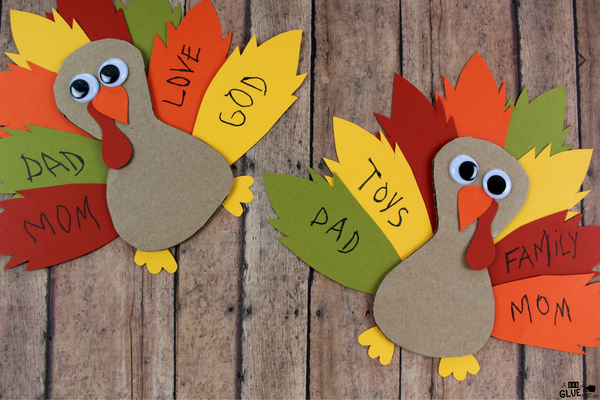
47. Paper Plate Turkey Craft
Use a paper plate as the turkey's body and add colourful feathers.
48. Fall Tree Q-tip Painting
Children dip Q-tips into paint to make dotted fall leaves.
49. Leaf Printing Art
Press painted leaves onto paper to capture their detailed patterns.
50. Paper Plate Pumpkin Patch Craft
Use several small paper pumpkins on a plate to create a mini pumpkin patch scene. These preschool fall crafts encourage creativity while helping young children develop essential early learning skills. By combining seasonal materials with hands-on activities, children can explore colours, textures, and patterns while celebrating the beauty of autumn.
What tools help create custom fall templates?
My Coloring Pages creates custom fall pictures in seconds. You can get detailed leaf patterns for advanced students or simple pumpkin outlines for beginners. This bridges the gap between generic templates and what your classroom needs.
Download Free 50,187+ Fall-Themed Coloring Pages
Intentionality matters most. Crafts that stick with children are designed with specific learning goals, then allow independent problem-solving. When you offer a scarecrow template but let each child choose colors and decide whether to add straw or buttons, you're teaching decision-making alongside fine motor control. When you provide pumpkin outlines but encourage patterns inside rather than coloring orange, you're building mathematical thinking through artistic choice.
🎯 Key Point: The most effective fall crafts combine structured templates with meaningful choices that develop creativity and specific skills.

Fall activities work best by balancing structure with creative freedom. Too many prescriptions eliminate ownership; too few leave preschoolers feeling overwhelmed and needing boundaries to feel confident. The right templates provide clear shapes while leaving substantial choices to the child—what educators call "constrained creativity"—where children innovate within helpful parameters rather than facing blank-page paralysis or rigid copying. "Constrained creativity provides the perfect balance where children innovate within helpful parameters, avoiding both blank-page paralysis and rigid copying." — Educational Research, 2024
My Coloring Pages offers instant access to over 50,187 customizable fall templates for your specific group's needs. Whether preparing materials for a Monday leaf-sorting activity or creating take-home pumpkin sheets reinforcing colour-mixing concepts, you can download age-appropriate designs in seconds instead of settling for generic images misaligned with your lesson objectives. Our platform treats coloring pages as educational tools you customize for learning outcomes, not time-fillers.
💡 Tip: Search our collection by specific skills like "fine motor control" or "pattern recognition" to find templates that align with your lesson plans.

Your preschoolers deserve activities that respect their developmental stage while challenging their growing capabilities. Fall crafts succeed by combining seasonal relevance with skill-building precision, creating experiences children remember because they made genuine choices and saw real results. Start with materials matching your specific teaching goals rather than forcing the curriculum to fit whatever templates you find, and watch children move from following instructions to proposing their own creative variations on autumn themes.
Template Type | Skills Developed | Age Range |
|---|---|---|
Leaf Patterns | Pattern recognition, fine motor | 3-5 years |
Pumpkin Designs | Color theory, creativity | 4-6 years |
Scarecrow Building | Problem-solving, sequencing | 5-7 years |