25+ Best Preschool Games and Activities
Discover 25+ engaging preschool games that boost learning and fun. My Coloring Pages brings you tested activities for classroom and home use.

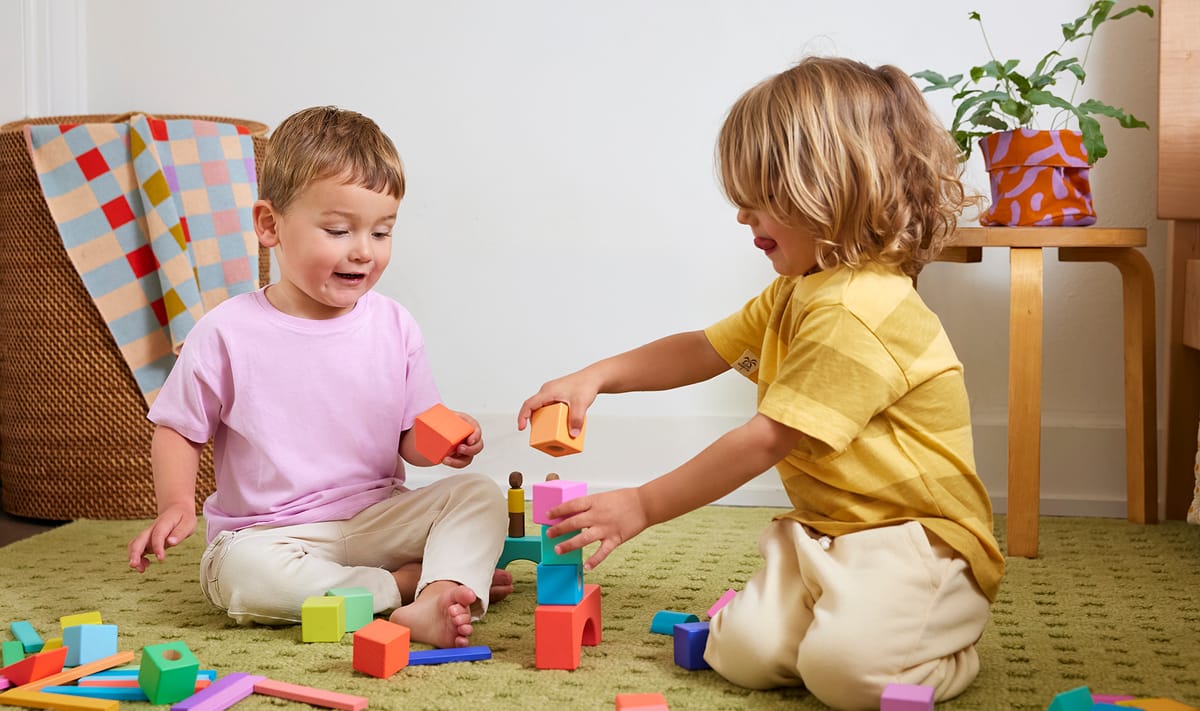
Preschoolers arrive home each day bursting with energy and curiosity, yet finding the right balance between fun and learning can challenge even the most prepared parents and educators. The key lies in choosing preschool games that naturally develop essential skills while keeping children genuinely engaged. Effective activities spark imagination, build motor skills, and create meaningful learning moments without feeling like formal lessons.
Simple play transforms into powerful educational experiences when parents use the right resources and approach. Creative activities like coloring reinforce concepts from active play while developing fine motor skills and focus. Parents seeking versatile learning tools can explore 38,089+ FREE Coloring Pages that complement hands-on activities and turn quiet time into skill-building opportunities.
Summary
- Preschool games serve as the primary mechanism through which young children build the cognitive, physical, social, and emotional foundations required for all future learning. When a four-year-old sorts colored blocks by pattern or negotiates turn-taking during a board game, they're constructing neural pathways that determine how effectively they'll solve problems, regulate emotions, and interact with others for years to come, not just playing.
- Play-based learning produces better outcomes than passive instruction because interactive engagement creates dense networks of brain associations that make recall and application far more reliable. Research shows that digital game-based learning in early childhood has been growing in recent years, reflecting recognition that children retain concepts better when they're actively engaged rather than passively watching or listening.
- Children who enter kindergarten best prepared aren't necessarily those who can already read, but rather those who can focus attention, follow multi-step instructions, work cooperatively, manage disappointment, and approach new challenges with curiosity rather than fear. Games build all of these capacities in ways that feel intrinsically rewarding rather than externally imposed, while premature academics often create frustration without developing the broader cognitive flexibility that games naturally foster.
- Parent engagement quality matters more than duration: 85.2% of parents engage in analogue play with their children, according to recent research. Fifteen focused minutes where you're mentally present as an active collaborator rather than a passive supervisor produce better outcomes than an hour of distracted proximity, because children read your investment level instantly and sustain attention longer when adults genuinely participate in their play.
- Fine motor development determines whether a child will struggle or succeed when first holding a pencil, making physical skill-building through games essential for academic readiness, regardless of cognitive abilities. Activities like sorting small objects, building blocks, and controlled coloring strengthen the pincer grip and hand-eye coordination required for writing, with children motivated by play rather than abstract promises of future school success.
- My Coloring Pages addresses the gap between recognizing learning opportunities and having appropriate materials ready by generating custom printable coloring pages in seconds from its library of 38,089+ free coloring pages, allowing parents to create themed activities that reinforce current learning topics while children develop fine motor skills through hands-on engagement rather than screen time.
Importance of Preschool Games
Preschool games are the main way young children build the thinking, physical, social, and emotional skills they need for subsequent learning stages. When a four-year-old sorts colored blocks by pattern or takes turns during a board game, they're building neural pathways that determine how well they'll solve problems, control emotions, and get along with others throughout their development.
🎯 Key Point: Every game a preschooler plays is actually a brain-building exercise that creates the foundation for future academic success and social competence.
"The experiences children have in their earliest years shape the neural architecture that supports all future learning, behavior, and health." — Harvard Center on the Developing Child, 2023

💡 Tip: Look for games that combine multiple skill areas - like memory games that require turn-taking or building activities that involve problem-solving and fine motor skills.
Why do preschool games outperform traditional academic methods?
Many people believe that real learning requires worksheets, strict teaching, and measurable academic drills. Parents often replace play-based activities with early academics, despite mounting evidence that this approach backfires. Young children learn by doing, experimenting, failing, adjusting, and trying again—the exact process that occurs during well-designed games.
Cognitive Development Through Active Problem-Solving
Games force preschoolers to think in ways that worksheets cannot. A simple matching game requires visual discrimination, pattern recognition, and memory retrieval—all happening simultaneously as the child decides which card to flip next. According to Chroma Early Learning Academy, play is children's essential learning tool, guiding exploration, repetition, and social interaction that build neural pathways and real-world skills.
Puzzle games teach spatial reasoning and logical sequencing. Sorting activities introduce early math concepts such as categorization and one-to-one correspondence. Story-based role-play games expand vocabulary and narrative comprehension as children create dialogue and negotiate plot developments with peers.
Language Skills Built Through Interaction
Preschool games create natural contexts for language development. When children play restaurant or veterinarian, they practise making sentences, learning new words, and taking turns in conversations. They experiment with new words, test grammar, and discover that language shapes their play world.
Board games require children to listen to instructions, ask clarifying questions, and explain their intentions. These communication challenges with immediate results help children retain what they learn.
Social and Emotional Regulation in Action
Parents worry about AI companions for preschoolers because children learn social intelligence through interaction with others: reading faces, understanding tone, resolving disagreements, and learning different perspectives. Games provide a safe space for these skills to develop naturally.
Losing a board game teaches emotional regulation in a safe environment. Fighting over who gets the red game piece practises negotiation and compromise. Choosing which game to play next builds democratic decision-making and consensus skills. These moments prepare children for every social interaction that follows.
How do fine and gross motor skills develop through play?
Fine motor development determines whether a child will struggle or succeed when holding a pencil. Gross motor skills affect balance, coordination, and body awareness. Games address both simultaneously: sorting small objects strengthens the pincer grip needed for writing, building blocks develop hand-eye coordination and spatial planning, and movement-based games improve balance and body control.
Why do parents underestimate physical development's role in learning?
Parents often underestimate how physical development connects to school readiness. A child without adequate fine motor control will find writing frustrating and tiring, regardless of intelligence. Games facilitate this development because children are motivated by play rather than abstract promises of future success.
How do creative activities enhance motor skill development?
Creative activities, such as colouring, further extend these benefits. When children design their own colouring pages using tools like My Coloring Pages, they strengthen hand and finger muscles, improve their grip, and make choices about colour, composition, and detail. The ability to customise adds a cognitive challenge, as children visualise what they want to create and then execute it through careful hand control.
The Research Behind Play-Based Learning
The Journal of Computers in Education notes that digital game-based learning in early childhood has grown, as evidence shows interactive engagement produces better results than passive instruction. High-quality preschool programs worldwide have adopted play-based models because children retain concepts better when actively engaged.
When a child passively watches or listens, they use only a limited set of brain pathways. When they manipulate objects, make decisions, interact with peers, and see immediate results from their actions, they create dense networks of connections that make remembering and using information far more reliable.
Why doesn't pushing formal academics early accelerate development?
Pushing formal academics too early doesn't speed up development. A four-year-old forced to sit through phonics drills may memorize letter sounds, but they won't build the cognitive flexibility, curiosity, and problem-solving confidence that games naturally develop.
What makes children truly kindergarten-ready?
Kids who start kindergarten best prepared aren't always those who can already read. They're the ones who can pay attention, follow multi-step instructions, work well with others, handle disappointment, and face new challenges with curiosity instead of fear. Games build these skills in ways that feel rewarding from within rather than imposed from without.
How can parents identify beneficial activities without overwhelm?
The challenge is determining which activities provide developmental benefits without exhausting already-tired parents.
How to Choose the Right Preschool Activities
Choosing preschool activities means selecting experiences that deliberately build specific developmental skills while respecting how young children learn. The right activities create natural opportunities for growth across multiple areas simultaneously, matching the child's current abilities while introducing manageable challenges that stretch without overwhelming.
🎯 Key Point: The most effective preschool activities target multiple developmental domains simultaneously - a single art project can build fine motor skills, creativity, following directions, and self-expression all at once.

"Quality early childhood programs focus on activities that are developmentally appropriate and support multiple learning domains simultaneously." — National Association for the Education of Young Children, 2023
⚠️ Warning: Avoid activities that are too advanced for the child's developmental stage - this creates frustration rather than learning opportunities and can damage confidence in future learning situations.
How do you identify which developmental areas need attention?
Identify which developmental areas need work: fine motor skills, language growth, emotional control, or thinking skills. Then select activities that address those areas through engaging, playful learning. A three-year-old in need of fine motor development will benefit more from threading beads onto pipe cleaners than from pencil-holding exercises, since the beading activity provides immediate visual feedback that sustains the child's interest and effort.
Why should you focus on developmental stages over age ranges?
Age ranges provide a rough guide, but readiness varies significantly among children. A four-year-old with strong focus may manage multi-step craft projects requiring sustained attention, while another four-year-old, still developing impulse control, needs shorter, varied activities with clear endpoints.
How can attention span guide your activity selection?
Pay attention to how long your child can focus. This is your best clue about what they're ready for. Toddlers can usually pay attention to structured tasks for 5 to 10 minutes before needing to move or experience something new. Older preschoolers can focus for 15 or 20 minutes when interested in what they're doing. When a child stops an activity before finishing it, the task is either too difficult or not engaging enough.
What role does physical capability play in preschool games?
Physical ability matters equally. Activities requiring precise finger movements can frustrate children whose hand muscles lack sufficient strength and coordination. They interpret their inability as failure rather than recognising it as a developmental stage. Choose activities slightly more challenging than their current abilities, not ones that are far beyond their reach.
How do you alternate activity types for natural energy regulation?
Good preschool schedules mix different types of activities rather than grouping similar ones together. A morning that includes outdoor play, a sensory activity, and a quiet story session helps children naturally manage their energy, with each activity preparing them for the next.
Why is balancing structure with flexibility important for preschoolers?
According to Famly's preschool guidance, asking 20+ questions helps you find programs that balance structure with flexibility. Structure gives children a sense of security and helps them anticipate what comes next, while flexibility lets you extend engaging activities or pivot when something isn't working.
What activity categories should you include each week?
Each week should include these types of activities: creative expression (art, music, dramatic play), physical development (outdoor play, movement games, fine motor tasks), early literacy (stories, rhymes, letter recognition), mathematical thinking (sorting, counting, pattern recognition), sensory exploration (water play, sand, playdough), and social interaction (cooperative games, turn-taking activities).
How do themes create coherence in preschool activities?
Thematic units like seasons, community helpers, or animal habitats connect different activities into meaningful patterns. When a week focuses on autumn, children might collect leaves during outdoor time, sort them by colour during maths, create leaf rubbings during art, and hear stories about hibernation during circle time. This repetition across contexts reinforces vocabulary and concepts more effectively than isolated activities.
How can parents use themes across different settings?
Parents who manage childcare across multiple settings can use thematic activities to bridge the different parts of the day. A child who helped prepare vegetable soup during cooking can later colour vegetable images that reinforce the same vocabulary and concepts, extending learning naturally.
Platforms like My Coloring Pages support this approach by generating custom coloring pages matching current learning topics in seconds. Rather than searching generic coloring books, our 38,089+ free coloring pages let you create pages featuring specific animals, seasonal items, or community helpers aligned with the week's focus, transforming coloring into deliberate concept reinforcement.
How can you organize materials to reduce setup friction?
The difference between activities that happen regularly and those that are often skipped comes down to ease of setup. When materials require substantial setup or cleanup, tired parents postpone them.
Organize supplies in labeled containers, with everything needed for each activity grouped together. A "playdough station" with tools, mats, and storage ready to use takes two minutes to set up, instead of the 15 minutes spent hunting for scattered pieces.
Why does rotating materials prevent boredom in preschool games?
Rotating toys prevents boredom without requiring constant new purchases. Keep some materials accessible daily while storing others to reappear every few weeks.
Familiar activities feel fresh when reintroduced, and children approach them with newly developed skills.
What materials should you laminate for durability?
Laminate activity cards, visual schedules, and game boards for repeated use. Five minutes of laminating saves hours of reprinting and prevents frustration from torn materials during activities.
Print several copies of frequently used images so children can revisit their favourite themes without depleting your supplies.
How do children communicate their developmental needs through play?
Children reveal their developmental needs through the activities they choose and how they engage with them. A child drawn to puzzles may need more open-ended creative activities to balance their preference for structured tasks. A child who avoids fine motor tasks may benefit from breaking those skills into smaller steps with more immediate rewards.
What should you do when activities cause frustration?
Watch for activities that consistently cause frustration or disengagement. The issue may stem from developmental timing (too advanced), presentation (unclear instructions), or misalignment with the child's interests and learning style.
One family discovered their toddler thrived with sensory activities in confined spaces, while their older preschooler needed outdoor movement to focus. They restructured their routine around each child's needs: apartment-based activities for the younger child and park time for the older one.
How can you identify optimal challenge levels?
Keep track of which activities help kids focus for extended periods, get requested repeatedly, or get extended by kids who want to continue beyond your plan. These signs indicate the activity is at the right level of challenge. Plan your regular activities around these high-engagement ones while gradually adding new challenges.
Integrate Transitions as Learning Opportunities, Not Dead Time
Transitions offer learning opportunities that educators underutilise. Cleaning up teaches sorting and responsibility. Waiting before snack provides chances for counting, singing, or movement games. Transition activities prevent behaviour problems that arise during unstructured time without clear expectations.
Keep a mental list of five-minute activities that require no materials: Simon Says for following directions, I Spy for observation skills, counting games, simple songs with movements, or storytelling where each person adds one sentence. These fill gaps without extra setup.
Related Reading
- Preschool Activities
- Preschool Worksheets
- What Age Is Preschool
- Preschool Curriculum
- Preschool Age Range
- Preschool Vibes
- Preschool Homeschool Curriculum
- Worksheets For Preschool
- Preschool Education
- Free Preschool Worksheets Age 3–4
- Preschool Books
- What Age Do Kids Start Preschool
- Preschool Graduation
- Free Name Tracing Worksheets for Preschool
- Preschool Backpack
- All About Me Preschool
- Free Preschool Worksheets
- Preschool Self Defense
- What Should a Child Learn in Preschool
- Preschool vs Pre K
- Sight Words for Preschool
- Free Printable Preschool Worksheets Tracing Letters
- First Day of Preschool
- Preschool Math Worksheets
- Preschool Valentine Crafts for Parents
- Preschool Graduation Gifts
- Preschool Toys
- What Age Is Preschool and Kindergarten
- Preschool Quotes About Play
How Can Parents Engage With Kids in Preschool Games
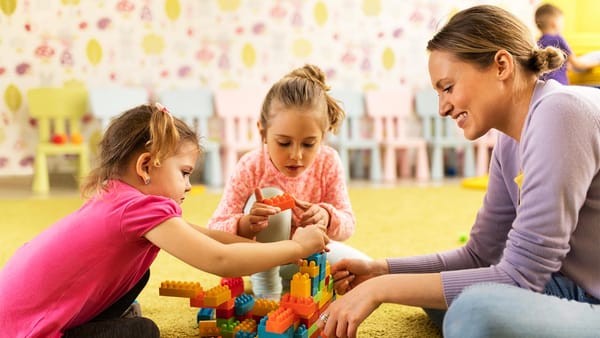
Parents work best as active partners: sitting on the floor during block building, taking turns in games, asking real questions during pretend play, and showing true interest. How much you engage matters more than how long—fifteen focused minutes of attention produce better results than an hour of distraction.

When you engage with children's imaginative scenarios, follow their lead, and add ideas that extend their thinking, they pay attention longer and explore ideas more deeply. Your structure should support their exploration rather than replace it.
How does specific acknowledgment build preschooler confidence?
Give specific praise early and often. Avoid generic praise like "good job"; instead, make precise observations that name what you noticed: "You sorted all the blue blocks together without any help" or "You waited for your sister's turn even though you wanted to go next." This specificity shows you're paying attention to their actual effort and progress.
According to research on parent engagement with preschoolers, 85.2% of parents engage in play activities with their children. The challenge lies not in whether parents participate, but in making that participation genuinely developmental.
Why do micro-recognitions matter more than big celebrations?
Many parents hear from educators only when problems arise. Breaking this pattern at home means actively noticing small wins throughout the day. When your child completes a puzzle they struggled with yesterday, acknowledge it. When they share materials without prompting, name that behaviour specifically. These micro-recognitions build confidence and motivation.
Documentation matters too. Quick photos of block structures before cleanup, saved drawings with dates, or brief notes about new skills create tangible records of progress. Children love revisiting evidence of their earlier work, and these artifacts provide concrete conversation starters during transitions or waiting periods.
How do cultural differences affect preschool game preferences?
Families conceptualise play and learning differently based on their culture. What constitutes good parental involvement in one context may seem controlling in another. Observe which activities generate the most engaged participation from your child and family members rather than assuming all families operate identically.
What activity structures work best for different children?
Some children thrive with open-ended creative activities, while others need clearer structure and completion criteria to feel successful. Neither preference indicates better development; they reflect different comfort levels with ambiguity and different cultural messages about productive activity. Adjust your facilitation style to match rather than impose external standards.
How can language choices enhance preschool games?
The words you use during playtime are important. Asking "What are you building?" makes children explain their ideas and think more deeply, while saying "That's a nice tower" ends the conversation. Questions starting with "how," "why," or "what if" encourage children to articulate their thinking, which strengthens language skills and self-awareness.
Establishing a Genuine Partnership Rather Than Performance
The difference between playing together and activities run by adults becomes clear when you watch who makes the decisions. If you're always deciding which game to play, how long to keep playing, and when to switch to something else, you're managing rather than partnering. Making decisions together teaches children that their ideas and preferences matter while showing them how to negotiate and compromise when people want different things.
Safety rules, time limits, and space boundaries are not flexible. Within those limits, children can choose between two acceptable options, suggest changes to existing games, or create new activities. This freedom builds their interest and teaches them about the consequences of their choices in low-stakes situations.
How can you manage multiple children with different preferences?
One parent managing two children of different ages found that alternating who chose activities stopped constant fighting. The older child picked Monday's afternoon game, the younger chose Tuesday's, and so on. Both children learned to accept activities they didn't prefer because they knew their turn was coming.
What does your body language communicate during play?
Where you position your body during activities shows how engaged you are. Sitting at the same height as your child, rather than standing over them, creates a sense of equality that encourages participation. Putting your phone away, making eye contact when they speak, and asking follow-up questions signal that this time matters to you.
How does technology support rather than replace interaction?
Digital tools work best when they help rather than replace human connection. Research from the same study on preschool play patterns found that 94.5% of parents reported their children play with analogue toys, demonstrating that physical materials remain the most popular choice despite available digital options. The challenge lies in using technology purposefully.
What makes customized physical materials effective?
Websites that make custom physical materials connect digital ease with hands-on fun. When you create themed coloring pages matching your child's current interests using tools like My Coloring Pages, you enhance tactile activity rather than replace it. The child still feels crayons on paper, develops motor skills, and makes creative choices about colour selection.
Customization transforms ordinary activities into meaningful experiences for your child. A child who loves construction vehicles can colour excavators and dump trucks rather than settle for generic store-bought images. This personalization sustains their interest longer and creates natural opportunities for conversation.
How should children learn to balance digital and physical tools?
Keep both digital and physical materials easy to find so children learn to pick the right tools for different situations rather than defaulting to screens.
How can you set up materials for independent exploration?
Give children materials and guidance that let them explore independently between direct instruction. Set up their space so curiosity leads to discovery rather than frustration.
Organize materials in clear, easy-to-reach containers labeled with both words and pictures. When children can find and put back supplies independently, they build confidence while reducing the need for adult assistance with each activity change.
What role should you take during independent play?
Start activities by showing children enough so they understand the basic idea, then step back and let them try things out. Don't feel obligated to fix every mistake or perfect every method. Learning happens when children try things, make mistakes, and try again—not by doing everything perfectly the first time. Your role shifts from teacher to helper: you're there when children need you, but not hovering over their shoulders constantly.
How do printable resources support independent learning?
Printable resources help children develop independence. Activity sheets, colouring pages, craft templates, and game boards provide clear starting points without constant adult guidance. Children can work independently while you attend to other tasks, then share their finished work with you later.
How do joyful activities create effective engagement?
The most effective engagement happens during activities designed for enjoyment. Silly songs, made-up games, spontaneous dance parties, and collaborative storytelling create positive associations with shared time that motivate children to participate in structured learning later.
Laughter signals psychological safety. When children feel comfortable being playful, making mistakes, and trying unconventional approaches without judgment, they take the intellectual risks required for genuine learning. Your willingness to be silly, accept absurd pretend play, and celebrate creative solutions models the flexibility you want them to develop.
What regular activities build lasting connections?
Family game nights, cooking projects with real responsibilities, and outdoor exploration walks create regular patterns of quality time together. The predictability helps children anticipate these activities and provides natural opportunities to discuss shared experiences. These become the stories children remember decades later.
Knowing these principles differs from having specific activities ready when your child asks, "What can we do now?" and you're mentally exhausted.
25+ Best Preschool Games and Activities
The most effective preschool activities combine multiple developmental goals into single experiences that children find intrinsically rewarding. Fine motor practice occurs alongside cognitive challenge, creative expression, and social negotiation. The best activities require minimal specialized materials, adapt to different skill levels, and sustain engagement through natural curiosity rather than external rewards.
🎯 Key Point: Look for activities that naturally blend physical development, cognitive growth, and social skills into one engaging experience rather than targeting these areas separately.
"The best early childhood activities are those that integrate multiple domains of learning simultaneously, allowing children to develop holistically while maintaining high levels of engagement." — National Association for the Education of Young Children

💡 Tip: Choose activities that can be easily modified up or down in complexity - this allows you to challenge advanced learners while still supporting children who need extra practice with foundational skills.
What makes preschool games truly effective for development?
What separates valuable activities from time-fillers is their ability to meet children where they are while creating pathways toward new capabilities. A well-designed activity works for the three-year-old developing grip strength alongside the five-year-old ready for detailed precision work. This flexibility matters because preschool spans a wide developmental range, and children progress at different rates across skill domains.
1. Custom Coloring Pages
Parents often settle for generic colouring books that don't match their child's interests or learning goals. A child fascinated by construction vehicles colours generic cars. A family studying ocean animals makes do with farm pictures. These mismatches create missed learning opportunities.
How do custom coloring pages enhance preschool learning?
My Coloring Pages creates custom, printable coloring pages in seconds that match specific learning topics, interests, or skill needs. When your preschooler colours the exact dinosaur species from yesterday's museum visit or practices letter recognition with images from this week's featured sound, colouring reinforces what they learned rather than filling time.
Customization keeps kids interested because children work with images they care about, while the physical act of colouring develops fine motor control and grip patterns that writing requires.
Skills developed
Fine motor precision, hand-eye coordination, colour recognition, focus duration, and creative decision-making
Materials needed
Printer, paper, crayons, or coloured pencils
How to implement
Generate themed pages matching current learning topics or interests. Start with simpler images requiring broader strokes, then introduce designs with smaller details as grip control improves. Store completed pages by date to document progress.
Adaptation tip
Bind multiple related images into a coloring book, giving children a sense of project completion as they work through the pages.
2. Ice Melting Exploration
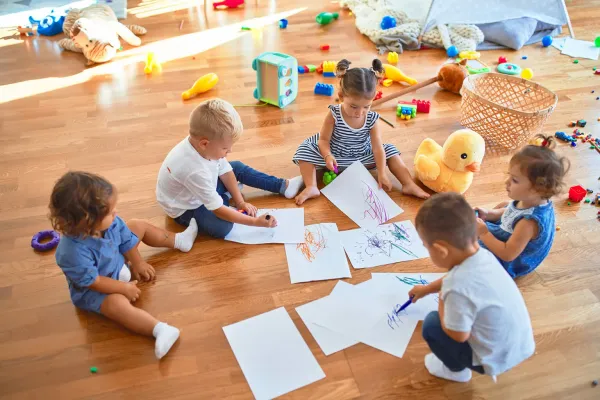
Put coloured ice cubes into clear bowls. Provide droppers filled with warm water, small containers of salt, and optional tools such as spoons or brushes. Children experiment with different methods to melt the ice, observing how temperature and salt affect melting speed. The tactile experience of cold ice, warm water, and colour spreading through melting ice sustains children's interest far longer than passive observation.
Skills developed
Scientific observation, cause and effect reasoning, fine motor control with droppers, patience, and hypothesis formation
Materials needed
Ice cube trays, food coloring, bowls, droppers, warm water, salt
How to implement
Freeze coloured water in ice trays the night before. Present multiple bowls so children can test different melting methods simultaneously and compare results. Ask open questions about their observations rather than explaining the science beforehand.
Adaptation tip
Freeze small toys or natural objects inside ice cubes to create excavation challenges that add narrative purpose to the melting process.
3. Open-Ended Art Stations
Put out different materials without deciding ahead of time what kids will make: paper in different sizes and colours, glue sticks, buttons, ribbon scraps, fabric pieces, crayons, stickers, and natural objects like leaves or pinecones. Children create whatever they consider, rather than following adult instructions. This freedom builds creative confidence and problem-solving as they figure out how to attach materials or achieve their desired look.
Skills developed
Creative thinking, material experimentation, hand-eye coordination, colour theory, spatial planning, decision-making
Materials needed
Paper, glue, scissors (age-appropriate), mixed craft supplies, storage containers
How to implement
Organize materials in clear, accessible containers. Rotate supplies weekly to maintain interest. Avoid correcting or redirecting creative choices unless safety is at risk.
Adaptation tip
Suggest optional themes (underwater scenes, space, favourite animals) for children who struggle with completely open-ended prompts, while letting others ignore them entirely.
4. Alphabet Memory Matching
Create card pairs showing uppercase and lowercase versions of each letter. Turn the cards face down in a grid and flip two cards per turn to match letter pairs. The game teaches letter recognition, memory strategies, and frustration tolerance.
Skills developed
Letter identification, visual memory, pattern recognition, turn-taking, strategic thinking
Materials needed
Cardstock or heavy paper, markers, and optional laminating supplies
How to implement
Start with 5–6 letter pairs for younger preschoolers, expanding to the full alphabet as skills develop. Play cooperatively first, discussing strategies together before introducing competitive turns.
Adaptation tip
Add picture cards showing objects that start with each letter (e.g., an A with an apple image) to build sound-letter connections through visual recognition.
5. What makes sensory slime making so engaging for preschoolers?
Mix glue, water, and a safe slime activator (contact lens solution with baking soda or liquid starch). Children measure ingredients, stir mixtures, and observe texture changes. Stretching, poking, and playing with slime provides sensory input that many find calming while demonstrating basic chemistry concepts.
Skills developed
Following step-by-step instructions, measurement, sensory exploration, scientific observation, and fine motor manipulation.
Materials needed
White school glue, water, slime activator, mixing bowls, measuring cups, and optional additions such as glitter, food colouring, and small beads
How to implement
Watch children as they make it, then let them play with it for a long time. Store it in airtight containers when not in use. Discuss how the texture changes using descriptive words.
Adaptation tip
Make several small batches with different colours or textures so children can compare them.
6. Themed Scavenger Hunts
Hide specific objects or create picture cards showing items children must find indoors or outdoors. Provide baskets for collecting found items. Scavenger hunts combine physical movement, problem-solving, vocabulary development, and the satisfaction of completing concrete tasks with visible results.
According to ABCmouse's collection of play-based learning activities, incorporating 25+ varied activities ensures complete developmental coverage across cognitive, physical, social, and emotional domains.
Skills developed
Observation, vocabulary, problem-solving, following directions, physical movement, persistence
Materials needed
Hidden objects or printed picture cards, collection baskets, and optional clue cards
How to implement
Start with picture cards for non-reading children. Progress to simple written clues as children learn to read. Organize hunts around colours, shapes, textures, or specific categories that reinforce current learning.
Adaptation tip
Create different levels of difficulty by hiding some items in obvious spots and others in trickier locations. This allows children at different skill levels to feel successful.
7. Sorting Squares
Use painter's tape to create large squares on the floor, assigning each a category such as colour, size, or object type. Give children a mixed collection of household items or toys, and have them sort the items into the correct squares by moving around and classifying them.
Skills developed
Sorting things into groups, putting things in categories, understanding space and where things are, large body movements, making choices, recognizing patterns
Materials needed
Painter's tape, mixed collection of safe objects, optional label cards
How to implement
Start with obvious categories, like primary colours, before introducing more abstract sorting criteria, such as texture or function. Increase the challenge by adding more squares or more nuanced categories.
Adaptation tip
Add time constraints or turn sorting into relay races for children who need physical challenge alongside cognitive work.
8. Playdough Sculpting
Give kids homemade or store-bought playdough in multiple colours along with tools like rolling pins, cookie cutters, plastic knives, texture stamps, and small toys to press into the dough. Children create three-dimensional objects and practise rolling, pinching, and flattening while building hand strength essential for writing.
Skills developed
Fine motor strength, bilateral coordination, shape recognition, creative expression, and tactile sensitivity
Materials needed
Playdough (homemade recipe: flour, salt, water, cream of tartar, oil), various sculpting tools, work surface
How to implement
Show basic techniques without telling children what to make. Store playdough in airtight containers to extend its life. Rotate the available tools to maintain children's interest.
Adaptation tip
Create themed playdough stations (bakery with rolling pins and cookie cutters, construction site with toy vehicles, garden with flower-shaped tools) that suggest stories without requiring them to tell one.
9. Pom-Pom Transfer Challenges
Push golf tees into foam blocks or playdough bases. Children use tweezers, tongs, or clothespins to move pom-poms from a container onto tee tops, balancing them carefully. This activity develops fine motor control, focus, and hand-eye coordination.
Skills developed
Pincer grip, hand-eye coordination, focus, tool use, patience, bilateral coordination
Materials needed
Foam blocks or playdough, golf tees, pom-poms in various sizes, tweezers or tongs, clothespins
How to implement
Start with larger pom-poms and shorter tees, progressing to smaller pom-poms and taller tees as control improves. Use different coloured pom-poms for sorting or pattern-creation challenges.
Adaptation tip
Turn it into relay games where children race to move specific numbers of pom-poms, or create colour-matching challenges in which pom-pom colours match the marked tee positions.
10. Emotion Recognition Games
Use flashcards showing faces with different emotions. Children can identify the emotion, copy the expression, or discuss times when they felt that way. This builds emotional literacy and empathy while giving children words for feelings they struggle to explain.
Skills developed
Emotional intelligence, facial recognition, vocabulary expansion, self-awareness, empathy, verbal expression
Materials needed
Emotion flashcards (purchased or homemade), optional mirror, puppets, or stuffed animals
How to implement
Name and discuss each emotion before playing matching or guessing games. Use puppets to act out scenarios showing different feelings, asking children to identify emotions and suggest responses.
Adaptation tip
Photograph family members displaying different emotions to create personalized emotion cards that feel more relevant and recognizable than generic illustrations.
11. What are rhyming and word play activities?
Play silly rhyming games, tongue twisters, and sound activities. Use puppets to have rhyming conversations, or create simple rhyming stories where children supply words that fit the pattern. This phonological awareness work directly supports later reading skills.
Skills developed
Phonemic awareness, vocabulary, listening skills, pattern recognition, verbal fluency, and creative thinking
Materials needed
Rhyming picture cards, puppets, children's poetry books, and an optional recording device
How to implement
Start with obvious rhymes using familiar words before introducing complex sound patterns. Celebrate silly nonsense rhymes alongside real words, emphasizing sound patterns over meaning.
Adaptation tip
Record children's invented rhyming stories or songs and play them back later to reinforce language patterns and build pride in their creative expression.
12. Sticker Scene Creation
Give kids themed sticker books or blank paper with sticker collections. Children can create scenes, practise counting by placing a set number of stickers, or follow pattern sequences. The fine motor skills needed to peel and place stickers build the finger control required for holding and using a pencil.
Skills developed
Pincer grip refinement, spatial planning, counting, pattern recognition, narrative creation, focus
Materials needed
Sticker books or sheets, blank paper, and optional scene templates
How to implement
Offer structured activities (place five stars in the sky, create an AB pattern) and open-ended scene creation. Save completed pages to document developing abilities over time.
Adaptation tip
Create custom sticker charts to track daily routines or skill practice, combining fine motor practice with behavioural reinforcement.
13. What makes unconventional painting tools effective for preschoolers?
Bundle cooked spaghetti with rubber bands to create improvised paintbrushes. Children dip these tools into washable paint, exploring unique textures and patterns while enjoying sensory experiences that differ from those of standard art materials.
Skills developed
Sensory exploration, creative experimentation, fine motor control, cause-and-effect understanding, artistic expression
Materials needed
Cooked spaghetti, rubber bands, washable paint, paper, and smocks or old clothes
How to implement
Prepare spaghetti bundles of different sizes. Demonstrate the technique briefly, then allow students extended time to experiment. Discuss textures and patterns using descriptive language.
Adaptation tip
Expand to other unusual tools (cotton swabs, kitchen sponges, toy cars, pinecones, leaves) to build a collection of methods for creating texture.
14. Handprint Art Projects
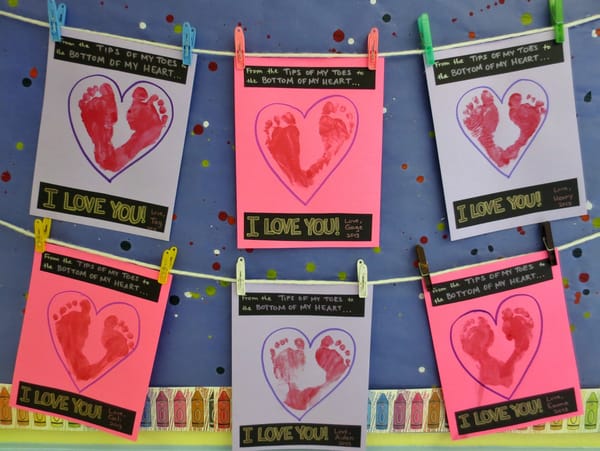
Children press painted hands onto paper to create recognisable pictures: flowers with fingers as petals, animals with thumbs as heads, family trees where each member contributes a print. These projects create tangible memories while building body awareness and creative thinking.
Skills developed
Self-awareness, creative change, fine motor control, family connection, narrative thinking
Materials needed
Washable paint, paper, wet wipes for cleanup, and optional markers for adding details
How to implement
Show how handprints can be transformed into different images, then let children create their own variations. Date and save prints to track hand growth over time.
Adaptation tip
Create seasonal handprint art (autumn leaves, winter mittens, spring flowers) that connects to current themes while building a time-organized collection.
15. Movement-Based Animal Yoga
Turn yoga poses into animal positions: downward dog, cat-cow, cobra, butterfly. Add farm or zoo themes with matching animal sounds and movements to combine physical activity with imaginative play and body awareness.
Skills developed
Gross motor coordination, body awareness, balance, listening skills, imaginative play, and breath control
Materials needed
Clear floor space, optional yoga mats, animal picture cards
How to implement
Show each pose while making the accompanying sounds. Create sequences in which children move through poses as you tell simple animal stories. Keep sessions to 10-15 minutes to match children's attention spans.
Adaptation tip
Let children take turns being the "yoga teacher," choosing which animal poses the group performs next, to build leadership skills alongside physical development.
16. Themed Craft Pizzas
Cut brown construction paper into circles to represent pizza crusts. Provide felt pieces, foam cutouts, buttons, and other craft materials as toppings. Children design pizzas matching themes: desert pizzas with cacti and suns, ocean pizzas with fish and seaweed. This activity combines creativity with thematic learning.
Skills developed
Thinking about themes, planning designs, fine motor control, sorting into groups, and creative expression
Materials needed
Brown paper circles, assorted craft materials, glue, scissors
How to implement
Introduce themes through short discussions or picture books before making the craft. Display finished pizzas together and discuss how different children interpreted the same theme.
Adaptation tip
You can use other food formats (sandwiches, tacos, ice cream sundaes) that let kids choose toppings creatively within set formats.
17. Body Bridge Obstacle Courses
Children create bridges with their bodies (hands and feet on the ground, belly lifted) while others crawl underneath. This cooperative play builds core strength, spatial awareness, and social coordination as children negotiate roles.
Skills developed
Core strength, balance, cooperation, spatial awareness, problem-solving, and turn-taking
Materials needed
Open floor space, optional soft mats
How to implement
Show safe bridging positions and establish clear turn-taking systems so everyone tries both roles. Add variations, such as crawling backward or sideways, to increase difficulty.
Adaptation tip
Add music where children hold bridges during songs and switch roles during musical breaks, creating rhythm and predictability for transitions.
18. Multi-Category Sorting Boxes
Fill large boxes with a variety of household items (buttons, leaves, toys, fabric scraps, natural objects). Children sort using different organizational methods: texture, colour, function, and size. Provide sorting trays or smaller containers and optional tools such as tongs or spoons to increase difficulty.
Skills developed
Classification, vocabulary, tactile discrimination, decision-making, and tool manipulation
Materials needed
Large collection box, mixed safe objects, sorting trays, and optional transfer tools
How to implement
Start by organizing items into groups and discussing why each item belongs in its group. Then let children organize on their own and explain how they sorted things afterward.
Adaptation tip
Create "mystery sorts" by organizing items without explaining your grouping rule. This challenges children to figure out your sorting logic by observing what you do.
19. Letter-Themed Crafts
Transform cardboard letters into representations of words starting with that letter: decorate A with apple cutouts, cover B with butterfly stickers, and add cotton balls to C for clouds. This multi-sensory approach builds letter-sound associations more effectively than abstract memorization.
Skills developed
Letter recognition, sound-letter association, creative design, fine motor skills, vocabulary
Materials needed
Cardboard or foam letters, themed craft materials, glue, and markers
How to implement
Complete one letter each week, discussing multiple words that start with that sound. Display finished letters in sequence to build an alphabet wall for student reference.
Adaptation tip
Have children take photos of themselves holding completed letters to create personalized alphabet books that combine letter recognition with pictures of themselves.
20. What are invitation-to-play scenes?
Set up small-world scenes using themed materials: dinosaur habitats with rocks and plastic plants, fairy gardens with small figurines and natural materials, construction sites with toy vehicles and blocks. Children explore these scenes independently, creating their own stories.
Skills developed
Creative play, storytelling, fine motor control, problem-solving, and independent exploration
Materials needed
Themed small toys, natural materials, containers to create play spaces, and optional background materials
How to implement
Change themes every week based on what kids are interested in or what they're learning about. Watch how kids play without stopping them, and notice which pretend games keep them interested for a long time.
Adaptation tip
Include relevant picture books near play scenes, allowing children to reference images for inspiration or vocabulary during their play.
21. Visual Memory Matching Games
Make card sets with matching images, patterns, or family photos. Place face-down place cards in grids, and have children flip two cards per turn to find pairs. This builds visual memory, pattern recognition, focus, and strategic thinking.
Skills developed
Visual memory, pattern recognition, focus, strategic thinking, and patience
Materials needed
Cardstock, printed images or drawings, and optional laminating supplies
How to implement
Start with 6-8 pairs for younger children, expanding to 12-15 pairs as memory improves. Use images matching current learning themes to reinforce other content.
Adaptation tip
Create personalized sets using family photos, familiar home objects, or images of favorite characters to increase engagement through personal relevance.
22. Nature Craft Projects
Collect pinecones, acorns, leaves, or small sticks during outdoor time and turn them into craft projects: pinecone owls with felt and googly eyes, leaf rubbings that show vein patterns, and stick structures held together with playdough.
Skills developed
Nature observation, creative transformation, fine motor skills, texture awareness, environmental connection
Materials needed
Collected natural materials, craft supplies (googly eyes, felt, glue, paper), and storage containers
How to implement
Combine nature walks with collection missions, discussing the properties of natural objects (texture, colour, shape) before and during craft creation.
Adaptation tip
Create seasonal nature collections to document how available materials change throughout the year and build awareness of natural cycles.
23. Completing Drawing Prompts
Give children papers with partial drawings (such as half a butterfly, an incomplete face, or a single line suggesting a landscape). Children complete the drawings using their imagination, adding details with crayons, markers, or three-dimensional craft materials. This method helps children who struggle to start with blank pages.
Skills developed
Awareness of symmetry, creative completion, fine motor control, visual planning, artistic confidence
Materials needed
Partially completed drawings, crayons or markers, optional craft materials, and glue
How to implement
Create prompt types at different challenge levels and display completed works together to celebrate how different children interpreted identical prompts.
Adaptation tip
Let children create prompts for each other by drawing partial images that friends then complete, fostering collaborative creativity.
24. Active Target Games
Line up plastic cups labelled with letters, numbers, or colours. Call out specific targets while children kick soft balls to knock down the correct cups. This combines physical activity with academic content recognition, making learning kinetic rather than sedentary.
Skills developed
Gross motor coordination, target accuracy, letter/number recognition, listening skills, and physical activity
Materials needed
Plastic cups, permanent marker, soft balls, or bean bags
How to implement
Start with cups placed far apart at close-kicking distances, then gradually increase the difficulty. Keep sessions short and energetic, celebrating successful hits and good attempts alike.
Adaptation tip
For older preschoolers, create point systems or team challenges while maintaining supportive rather than pressured atmospheres.
25. Block-Based Rhyming
Write rhyming word families on building blocks (cat, hat, mat, sat). Children stack blocks with rhyming words, building towers while reinforcing phonemic patterns. The physical manipulation adds kinetic learning to auditory skill development.
Skills developed
Rhyme recognition, phonemic awareness, fine motor stacking, pattern identification, reading readiness
Materials needed
Wooden or cardboard blocks, permanent marker, or word stickers
How to implement
Start with obvious rhyme families using simple, familiar words. Read stacked towers together, emphasising sound patterns. Gradually introduce more complex rhyme families.
Adaptation tip
Include one nonsense word in each family, challenging children to identify which word doesn't belong and building critical thinking alongside rhyming skills.
26. Symmetry Building Challenges
Use LEGO, pattern blocks, or other construction materials to create symmetrical designs. Build half a pattern and challenge children to mirror it on the opposite side. This develops spatial reasoning, attention to detail, and mathematical thinking.
Skills developed
Awareness of symmetry, spatial reasoning, pattern replication, fine motor precision, and mathematical thinking
Materials needed
LEGO bricks, pattern blocks, or other building materials; base plates; optional mirrors
How to implement
Show symmetry using mirrors to demonstrate how reflected images match. Start with simple linear symmetry and progress to more complex radial patterns as children's understanding develops.
Adaptation tip
Take photos of finished symmetrical creations from above to make reference cards that children can copy later. This builds both symmetry awareness and visual memory.
Related Reading
- Preschool Classroom Layout
- Preschool Craft Ideas
- Preschool Learning Activities
- How To Become A Preschool Teacher
- Preschool Art Activities
- Preschool Math Activities
- Preschool Crafts
- Playing Preschool Curriculum
- Turkey Craft Preschool
- Preschool Tracing Worksheets
- Preschool Learning Games
- Preschool Lesson Plan Template
- Preschool Sight Words
- Preschool Assessment
- Creative Curriculum For Preschool
- Free Preschool Games
- Christmas Crafts Preschool
- Preschool Playground Equipment
- Spring Bulletin Board Ideas For Preschool
- Preschool Bulletin Board Ideas
- Preschool Prep
- Preschool Science Experiments
- Daycare Vs Preschool
- Noah's Ark Preschool
Turn Preschool Learning Into Fun, Screen-Free Activities with My Coloring Pages
The hardest part isn't knowing what activities work—it's having them ready when you need them, customized to what your child cares about right now. When your preschooler asks to learn about volcanoes or wants to practice the letter V, you need materials that match that exact moment of curiosity, not whatever happened to be in the coloring book you bought six months ago.

My Coloring Pages transforms this friction by generating custom, printable coloring pages in seconds that align with your child's current interests, learning themes, or developmental needs. Our library of over 38,089 free coloring pages lets you create educational activities that reinforce letters, numbers, shapes, and stories without screens or prep time. A child fascinated by construction vehicles can practise counting by colouring five excavators. A preschooler learning about ocean animals can strengthen fine motor skills while colouring the exact sea creatures you discussed during yesterday's aquarium visit. The customization keeps learning interactive and engaging because children work with images they chose.
🎯 Key Point: Screen-free learning doesn't mean sacrificing customization or immediate availability when you have the right tools.
This approach respects what research confirms: preschoolers learn best through hands-on activities that combine multiple skill areas. Coloring develops the grip strength and hand-eye coordination that writing requires while reinforcing whatever educational concept the image represents. When you can generate themed pages instantly, coloring becomes deliberate skill-building that supports your child's preschool curriculum, without requiring artistic ability or extensive planning.
"Preschoolers learn best through hands-on activities that combine multiple skill areas at the same time, with fine motor development directly supporting future writing readiness." — NAPA Center Research
💡 Tip: Keep a learning opportunity folder where you can quickly store custom coloring pages for different interests and developmental goals.
The platform removes the gap between recognizing a learning opportunity and having the right materials ready. Your child shows interest in butterflies during outdoor play. Two minutes later, you've printed butterfly life cycle coloring pages that extend that curiosity indoors. This responsiveness to emerging interests creates memorable family moments where learning feels natural rather than forced.
🔑 Takeaway: The key to effective preschool learning isn't more activities—it's having the right activity available at the exact moment your child is ready to learn.