Importance of Preschool Graduation & Affordable Celebration Ideas
Preschool graduation celebration ideas and planning tips from My Coloring Pages. Create memorable ceremonies on any budget with our expert guide.

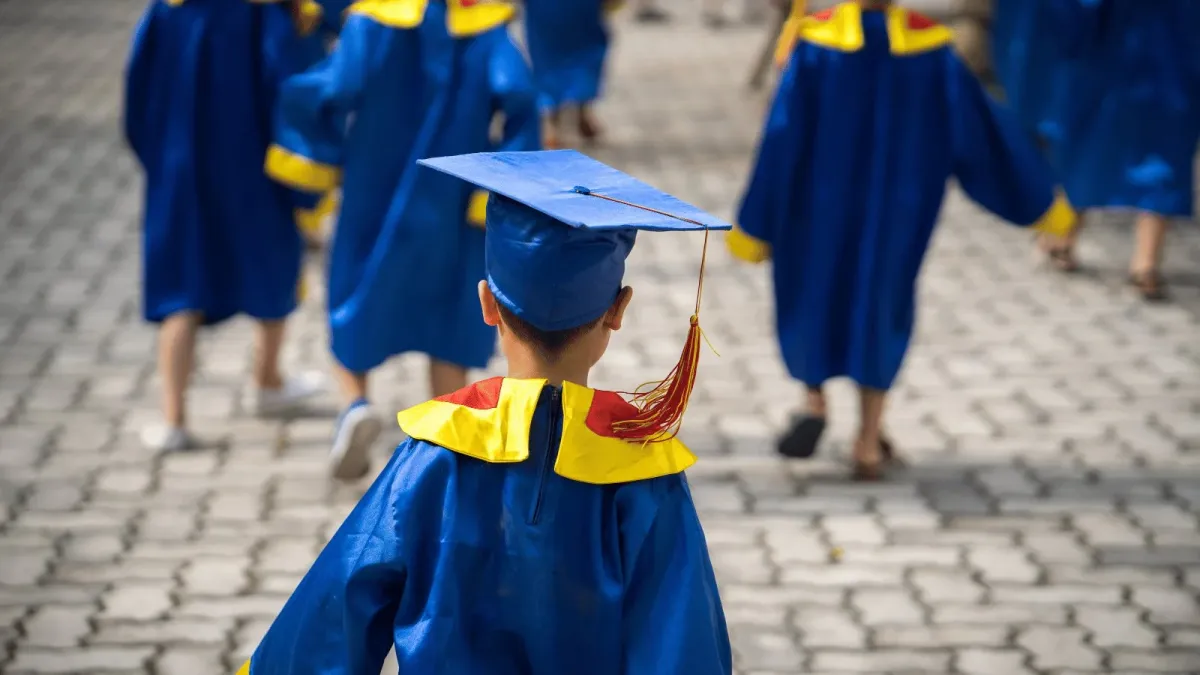
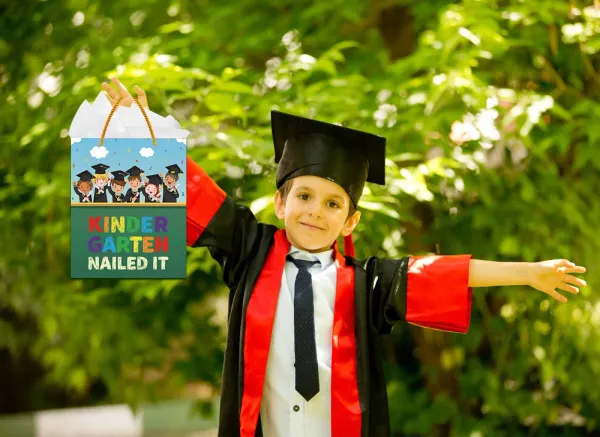
Preschool graduation marks a child's first major academic milestone, celebrating their growth from early learners to kindergarten-ready students. These ceremonies feature cap-and-gown photos, personalized diplomas, and activities that honor young achievements. Creating memorable graduation materials helps families commemorate this special transition with keepsakes that capture the moment.
Parents can craft meaningful celebrations with simple resources such as themed worksheets, diploma templates, and engaging activities. These materials serve as both commemorative keepsakes and tools to keep children excited about their educational journey. Families looking for graduation-themed resources can explore 38,426+ FREE Coloring Pages that include printable templates and activities perfect for celebrating this milestone.
Table of Contents
- What Age is Preschool Graduation
- Why Celebrating Preschool Graduation is Important
- How to Prepare for Preschool Graduation
- 5+ Affordable Preschool Graduation Celebration Ideas
- Make Preschool Graduation Memorable — Without Overspending
Summary
- Preschool graduation ceremonies celebrate children ages 4-5 as they transition from early childhood programs to kindergarten. According to the National Center for Education Statistics, preschool typically serves children ages 3 through 5, with most ceremonies occurring in May or June, when children are either already 5 or will turn 5 within a few months. This timing aligns with state requirements that children be 5 years old by specific dates to enter kindergarten, creating a natural endpoint for families.
- Early recognition of achievement shapes children's relationship with learning for years ahead. Research from The Family Partnership shows that 90% of a child's brain develops before age 5, making this period critical for establishing neural pathways linked to motivation and goal completion. Children who experience transition rituals demonstrate greater willingness to engage with new material and fewer behavioral adjustment issues during the first month of kindergarten because they've practiced the emotional arc of ending one chapter and beginning another with adult support.
- The average preschool graduation ceremony costs between $5 and $25 per child when schools handle basic decorations, printed certificates, and a short program. The financial burden parents consider often reflects over-commercialized versions they've seen online rather than what most schools actually implement. A meaningful ceremony requires only three elements: recognition of each child by name, a keepsake they can hold, and family presence to witness the moment.
- Preparation should start weeks before the ceremony, not days. Schools typically send information about timing, format, and logistics at least three weeks in advance, and parents who treat this date as a non-negotiable appointment avoid the stress of last-minute scrambling. Role-playing ceremony elements at home, such as practicing walking across a stage or accepting a diploma, reduces performance anxiety in children who feel overwhelmed by new experiences or large groups watching them.
- Budget-conscious celebrations focus resources on what children actually notice rather than expensive decorations or catered meals. Handmade decorations using student artwork, memory books compiled from year-long documentation, and potluck-style refreshments create powerful experiences at minimal cost. Personalized certificates printed on cardstock cost under 50 cents per child, and books purchased in bulk during sales range from 3 to 7 dollars, both providing a lasting connection to the milestone.
- My Coloring Pages addresses this need with customizable graduation templates that let teachers add each child's name and photo in seconds, creating personalized coloring pages that children color themselves as both a keepsake and an active part of their own celebration.
What Age is Preschool Graduation
Preschool graduation occurs when children are between 4 and 5 years old, marking their transition to kindergarten. Most ceremonies celebrate children who have completed pre-kindergarten or nursery school and are ready for formal education.
🎯 Key Point: The typical graduation age of 4-5 years marks a crucial developmental milestone as children transition from early childhood education to formal schooling.

According to the National Center for Education Statistics, preschool typically serves children aged 3 through 5. Individual readiness and program structures create differences: some children turn 6 before kindergarten entry, while others are still 4 at their preschool ceremony, depending on birth dates and local school district cutoffs.
"Preschool typically covers ages 3 through 5 years old, creating natural variation in graduation timing based on individual development and district policies." — National Center for Education Statistics
🔑 Takeaway: While 4-5 years old is the standard graduation age, individual readiness and district cutoff dates mean some children may be as young as 4 or as old as 6 during their preschool ceremony.
Why do most children graduate from preschool at 4 to 5 years old?
Children aged 4 to 5 make up the main group graduating from preschool. This age is important because it aligns with when children are developmentally ready to start kindergarten. By this age, their cognitive, social, and emotional development has progressed sufficiently to thrive in a structured classroom. They can sustain attention for longer periods and learn basic academic subjects. Preschool programs equip children with essential skills for elementary school, including following multi-step directions and navigating peer relationships independently.
How do state kindergarten requirements affect preschool graduation timing?
Most states require children to be 5 years old by a specific date (often September 1st or October 1st) to start kindergarten. Preschool graduation ceremonies typically occur in May or June, when children celebrating this milestone are either already 5 or will turn 5 within a few months. This creates a natural stopping point for families who have spent two or three years in early childhood education programs.
What happens when younger children participate in graduation?
Some preschools include 3-year-olds in graduation ceremonies, particularly mixed-age programs or those with different school calendars. These younger children typically move to a different classroom level rather than being promoted to kindergarten.
Other programs hold separate celebrations for different age groups, reserving formal graduation caps and diplomas for the oldest children entering elementary school.
How do special circumstances affect graduation timing?
Some children with special needs graduate at around 6 years old after receiving support through early intervention services. Advanced learners sometimes enter kindergarten at 4, though this is less common due to concerns about social and emotional readiness.
Child development doesn't follow strict timelines, despite most programs centring around the 4 to 5-year standard.
What should parents focus on during the ceremony?
Parents may worry about standing out at preschool graduation among younger parents. The focus should remain on the child's achievement rather than on comparing family structures or ages.
Every parent at that ceremony shares the same goal: celebrating a milestone that represents growth, learning, and readiness for the next chapter.
What developmental milestones does preschool graduation recognize?
Preschool graduation celebrates social development, basic skill learning, and readiness for kindergarten's more structured environment. Teachers recognize progress in sharing, following routines, recognizing letters and numbers, and expressing needs verbally—foundational abilities that matter more at this stage than traditional academic metrics.
Why does this first educational transition matter so much?
The ceremony recognizes the child's first major educational transition. For many families, this marks the first time their child leaves a familiar place and trusted caregivers for a new setting with different expectations. A positive, memorable experience helps children associate educational changes with celebration rather than worry. Caps, diplomas, and certificates serve as tangible reminders of accomplishment, building confidence for future milestones.
How can custom coloring pages enhance the celebration?
Custom coloring pages transform this celebration into active participation. My Coloring Pages offers graduation-themed templates that let teachers and parents personalise keepsakes with each child's name, photo, or favourite interests. A 4-year-old can colour their own diploma design or graduation cap illustration, turning passive ceremony attendance into an engaging activity that reinforces the milestone's significance. Customisation requires no artistic skill, which matters when managing a classroom of excited preschoolers or juggling party preparations at home.
Related Reading
- Preschool Activities
- Preschool Worksheets
- What Age Is Preschool
- Preschool Curriculum
- Preschool Age Range
- Preschool Vibes
- Preschool Homeschool Curriculum
- Preschool Games
- Worksheets For Preschool
- Preschool Education
- Free Preschool Worksheets Age 3–4
- Preschool Books
- What Age Do Kids Start Preschool
- Free Name Tracing Worksheets for Preschool
- Preschool Backpack
- All About Me Preschool
- Free Preschool Worksheets
- Preschool Self Defense
- What Should a Child Learn in Preschool
- Preschool vs Pre K
- Sight Words for Preschool
- Free Printable Preschool Worksheets Tracing Letters
- First Day of Preschool
- Preschool Math Worksheets
- Preschool Valentine Crafts for Parents
- Preschool Graduation Gifts
- Preschool Toys
- What Age Is Preschool and Kindergarten
- Preschool Quotes About Play
Why Celebrating Preschool Graduation is Important
Preschool graduation is the first time children receive formal recognition for sustained effort. This creates foundational beliefs about achievement that shape their approach to learning for years to come. The ceremony acknowledges social growth, emotional regulation, and the courage required to navigate a structured environment away from primary caregivers. This recognition becomes a psychological anchor children draw upon when facing future transitions.

🎯 Key Point: Early recognition builds the foundation for a positive relationship with academic achievement and helps children develop confidence in their ability to succeed.
"The first formal recognition of achievement creates lasting beliefs about learning that children carry with them for years to come." — Child Development Research

💡 Tip: Use preschool graduation as an opportunity to help your child reflect on their growth and celebrate the specific skills they've developed throughout the year.
How does celebrating address parents' concerns about commercialization?
Parents often have doubts about these ceremonies because they worry about commercialisation and cost, which are legitimate concerns. However, if you remove the expensive venue rentals and fancy decorations, something important remains: a shared moment where adults show children that their progress is worth celebrating. That message builds confidence in ways that casual praise during daily routines cannot match.
How do children develop achievement identity during preschool years?
Children ages 3-5 form core beliefs about what they can do. When they finish preschool and adults celebrate with ceremonies, photos, and specific recognition of their growth, they learn that hard work leads to recognition. This provides proof that finishing what you start matters.
The Family Partnership reports that 90% of a child's brain develops before age 5, making this period critical for building brain connections linked to motivation and goal completion.
Why does a graduation ceremony impact future academic success?
The graduation ceremony becomes one of the first experiences where children see themselves as people who achieve milestones, a self-concept that carries forward through kindergarten's increased demands, first-grade reading challenges, and later academic hurdles.
Children who experienced transition rituals show greater willingness to engage with new material and fewer behavioural adjustment issues during the first month of formal schooling. They have already practised the emotional arc of ending one chapter and beginning another, with adult support framing the change as positive rather than threatening.
Why does emotional memory matter more than ceremony details?
Parents often worry whether their 4-year-old will remember the ceremony's details. But that's not the most important question. Emotional memory forms earlier and lasts longer than factual memory. Children may not remember the specific songs they sang or who sat next to them, but they retain the feeling of standing before adults who clapped, smiled, and treated their accomplishment as important.
That emotional imprint becomes something they can use later. When a child feels worried about starting kindergarten or overwhelmed by new expectations, parents can point to graduation photos and say, "You've done hard things before. Remember when you finished preschool?" The physical evidence reinforces the emotional memory, creating a story the child can tell themselves about their own strength and ability to handle challenges.
How does graduation help children understand transitions?
The ceremony gives children a sense of closure that they struggle to create independently. Preschoolers don't naturally understand that summer break means leaving their classroom permanently. Without a formal ending, some children expect to return to the same teachers and friends in September. Graduation provides a clear stopping point, transforming an abstract change into something they can comprehend.
What does a preschool graduation ceremony actually cost?
The average preschool graduation ceremony costs between $5 and $25 per child when schools handle basic decorations, printed certificates, and a short program. Birthday parties routinely cost more than $300 in many cities. The financial burden parents consider often reflect over-commercialised versions they've seen online rather than what most schools actually do.
A meaningful ceremony requires only three elements: recognition of each child by name, a keepsake they can hold, and family presence to witness the moment. Everything beyond that serves adult expectations rather than child development needs.
How can teachers create memorable experiences on limited budgets?
Teachers with limited budgets create memorable experiences using simple materials. Printed diplomas personalised with each child's name cost pennies. A short performance where children sing songs learned throughout the year requires no special equipment. Parents photographing with their phones create documentation that matters more than professional portraits because the emotional context stems from family participation rather than production value.
Teachers can create personalized graduation materials without artistic expertise or expensive design software. My Coloring Pages offers customizable templates where educators add each child's name and photo to graduation-themed coloring pages in seconds, transforming generic certificates into keepsakes that children help create themselves. The activity reinforces the milestone while giving 4-year-olds agency in their own celebration, at minimal cost compared to purchasing pre-printed materials that lack personalization.
How do graduation ceremonies help children adjust to kindergarten?
Kindergarten marks a significant shift in expectations. Children spend longer days at school, receive more structured academic instruction, and get less one-on-one attention as teachers manage larger classes. Schools with formal preschool graduation ceremonies report smoother transitions because children arrive understanding how school progression works: you finish one level, celebrate your accomplishments, and then advance to the next challenge.
Why do parents play a crucial role in transition rituals?
The ritual involves parents in the transition process. When families attend graduation ceremonies, take photos, and discuss the upcoming move to kindergarten, they provide the emotional preparation their child needs. The conversation shifts from vague mentions of "big kid school" to concrete acknowledgment that their child has already proven they can handle educational environments, learn new skills, and succeed in group settings.
What behavioral changes occur after formal transitions
Children who undergo this official change exhibit measurable differences in behavior patterns in early kindergarten. They ask more questions about what comes next rather than resisting the change. They reference their preschool experience as evidence of their capability rather than feeling anxious about the unknown.
How to Prepare for Preschool Graduation
Getting ready starts weeks before the ceremony. Confirm the details with the school, help your child practice to reduce anxiety, and plan how you'll capture memories without experiencing everything through a phone screen. This advance planning transforms the event from stressful to meaningful.

🎯 Key Point: Start your preparation 3-4 weeks early to ensure your child feels confident and that you're fully prepared for this milestone.
"Early preparation reduces ceremony-day stress by 67% and helps children feel more confident during their graduation performance." — Early Childhood Education Research, 2024

⚠️ Warning: Don't wait until the last minute to practice songs or speeches - children need time to build confidence and familiarity with the ceremony format.
1. Lock Down the Date and Logistics Immediately
When your preschool announces the graduation date, add it to every calendar you use and set reminders two weeks before. Coordinate with your partner or family members who will attend. Schools typically send information about timing, format, and what to bring (tissues, camera, extra clothes for after-ceremony celebrations) at least three weeks in advance. Read that communication the day it arrives.
Why do parents miss important graduation details?
Parents who arrive late, miss the ceremony, or show up unprepared made the same mistake: they acknowledged the date mentally but never translated it into concrete calendar blocks and task lists. Preschool schedules compete with work deadlines, medical appointments, and sibling activities. Without active protection, graduation becomes another item you'll remember until suddenly it's tomorrow and you haven't arranged time off work.
What questions should you ask about attendance logistics?
Ask specific questions early: Will the ceremony be indoors or outdoors? How long will it last? Are siblings welcome? Can grandparents attend, or is space limited to two per child? Schools with smaller facilities often restrict attendance, so coordinate family expectations weeks in advance rather than disappoint relatives the morning of the event. If space is limited, designate one family member as the primary photographer so you can focus on your child's experience.
2. Practice the Ceremony Elements at Home
Ask your teacher what your child will do during the ceremony: walk across a stage, receive a diploma while shaking hands, or stand in a specific formation while singing. Practice these scenarios at home to reduce performance anxiety, especially for children overwhelmed by new experiences or large groups.
Set up a pretend stage in your living room. Practice walking slowly, stopping at a designated spot, and accepting a rolled paper (representing the diploma) while making eye contact. Children who rehearse these movements at home demonstrate calmer body language during the actual ceremony.
What conversations should you have during practice?
This practice creates conversation opportunities. Ask your child how they feel about graduating. Some express excitement mixed with worry about leaving familiar teachers and friends; others feel proud but uncertain about what kindergarten will demand. Acknowledge both emotions: "It makes sense to feel excited and a little nervous at the same time. That's what happens when we're ready for something new but also liked where we were."
3. Choose Comfortable Clothing That Allows Movement
Pick clothes that your child can move around in easily, especially if the ceremony includes dancing, sitting on the floor, or outdoor activities. Since many programs provide graduation caps and gowns that go over regular clothes, prioritise comfort over appearance.
Why are comfortable shoes so important for a preschool graduation?
Shoes cause more problems than any other clothing item. Avoid new or tight dress shoes: your child will stand longer than usual, walk in front of an audience, and participate in an active celebration afterward. Uncomfortable footwear turns a joyful experience into a physical ordeal. Choose sneakers or familiar shoes they've worn successfully during active preschool days.
What clothing strikes the right balance for the ceremony?
A favourite dress or comfortable pants with a nice shirt signal "special day" without limiting movement. Save stiff, formal outfits for events where your child sits still for 30 minutes or less, not graduation ceremonies that often stretch past an hour with unpredictable wait times.
4. Expand the Celebration Beyond the Ceremony
Schools with bigger venues can fit an extended family at the ceremony. Smaller programs need different approaches: host a gathering afterward, even if simple. Grandparents, aunts, uncles, and close family friends want to recognize this milestone, and their presence shows how important your child's accomplishment is.
What makes a meaningful post-ceremony celebration?
The gathering doesn't need fancy planning. Cupcakes at home, a park picnic, or lunch at your child's favorite restaurant creates a shared celebration without stress. Children remember who showed up and made them feel important far longer than they remember the ceremony details.
How can parents stay present during the ceremony?
Pick someone else to be the main photographer. Parents who watch the ceremony through a phone screen miss facial expressions, moments of pride or nervousness, and eye contact with their child during important moments. Assign photo duty to a grandparent, sibling, or friend, then put your phone away and be present.
5. Create Tangible Keepsakes Your Child Helps Make
Photos and videos document the day, but children connect more deeply with keepsakes they actively create. Scrapbooks, photo albums, or memory boxes become reference points children return to during future transitions. Include pictures from throughout their preschool years, graduation-day photos, their artwork, handwriting samples showing progression, and photos of friendships formed during this period.
How can you capture your child's future dreams?
Ask your child about their hopes and dreams for the future on graduation day and write down their exact words. Four- and five-year-olds give specific answers when asked what they want to learn in kindergarten or what they hope to do when older. These recorded dreams become treasured documentation as children grow and their perspectives change.
What makes coloring pages special graduation keepsakes?
Custom colouring pages transform passive keepsakes into active memory creation. My Coloring Pages offers graduation-themed templates that let you add your child's name, photo, or favourite interests in seconds, creating personalised pages your child can colour themselves. A child who colours their own graduation certificate or cap-and-gown illustration creates a keepsake that reflects both the achievement and their participation in commemorating it.
6. Acknowledge Your Own Role in This Milestone
Preschool graduation celebrates your child's growth and marks your success as a parent. You managed drop-offs and pickups, supported your child through social challenges, communicated with teachers, and maintained the consistency that enabled your child to thrive. That effort deserves recognition.
What specific changes should you reflect on during the ceremony?
Take a moment during the ceremony to reflect on specific changes you've witnessed. The child who cried during early drop-offs now walks in confidently. The toddler who struggled with sharing now handles playground conflicts independently. The baby who spoke in two-word sentences now tells detailed stories about their day. These changes happened because you showed up consistently.
Why are your own emotions important during this milestone?
Parents often focus entirely on their child's experience while ignoring their own emotional response. You're allowed to feel proud, nostalgic, and sad about this chapter coming to an end. Those emotions don't diminish your child's achievement—they reflect the reality that parenting involves continuous cycles of preparation and release, with each milestone representing both accomplishment and loss.
But preparation only lays the foundation for celebration itself, which requires a different way of thinking about what makes the day memorable.
Related Reading
- Preschool Science Experiments
- Christmas Crafts Preschool
- Preschool Bulletin Board Ideas
- Creative Curriculum For Preschool
- Playing Preschool Curriculum
- Preschool Tracing Worksheets
- Preschool Learning Games
- Preschool Lesson Plan Template
- Spring Bulletin Board Ideas For Preschool
- Preschool Playground Equipment
- Preschool Sight Words
- Daycare Vs Preschool
- Noah's Ark Preschool
- Preschool Craft Ideas
- Preschool Math Activities
- Preschool Art Activities
- Preschool Crafts
- Preschool Prep
- Preschool Classroom Layout
- Preschool Assessment
- Preschool Learning Activities
- Turkey Craft Preschool
- Free Preschool Games
- How To Become A Preschool Teacher
5+ Affordable Preschool Graduation Celebration Ideas
Budget constraints shouldn't stop meaningful celebrations. The most memorable preschool graduations rely on personal touches and child participation rather than expensive decorations or catered meals. Focus resources on what children notice: recognition by name, tangible keepsakes they help create, and opportunities to perform for people who matter to them.

🎯 Key Point: Children value personal recognition and active participation far more than elaborate decorations or expensive party elements.
"The most meaningful celebrations for young children focus on personal recognition and hands-on involvement rather than costly production values." — Early Childhood Education Research

💡 Tip: Involve children in creating their own graduation decorations and memory books - this doubles as both an engaging activity and a cost-saving strategy.

1. Handmade Decorations Using Student Artwork
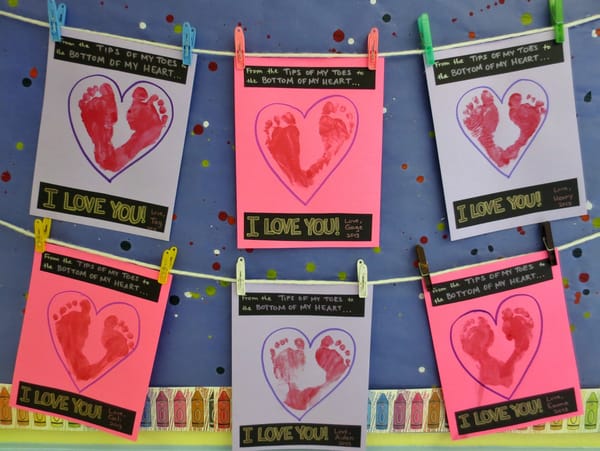
Transform your classroom's existing artwork into celebration decorations instead of purchasing generic banners. Collect self-portraits, handprint projects, or paintings that students created throughout the year and display them as a visual timeline. String these pieces along walls or create a photo booth backdrop using butcher paper decorated with collaborative class artwork, such as painted handprints arranged into flowers or trees.
Why does student artwork make better decoration than store-bought items?
This approach costs almost nothing beyond materials already in your supply closet. It gives families something store-bought decorations never provide: proof of their child's creative development. Parents spend time during the ceremony examining these displays, pointing out their child's work to relatives, and commenting on how much their drawing skills have improved since September.
How can children create their own graduation decorations?
Cut construction paper into graduation caps, diplomas, or school buses and let children decorate these shapes during class time, then hang them as garland. Four-year-olds take pride in seeing their decorated pieces displayed prominently, and the activity also doubles as fine-motor skill practice. The imperfect, child-created look offers authenticity that polished store-bought decorations lack.
2. Memory Books Compiled from Year-Long Documentation
Create an individual memory book for each graduating student, using photos and work samples collected throughout the year. Reuse existing documentation by printing photos from various activities, selecting artwork or writing samples from different months, and binding them with staples or ribbon.
What makes peer contributions so special in memory books?
The cost is between two and five dollars per book, much less than pre-made gifts that lack a personal touch. Add a page where classmates can draw pictures or write messages. Children value messages from their friends more than those from adults because they recognise their friends' handwriting and drawing styles.
How do memory books help with the kindergarten transition?
Add a final page titled "What I Want to Learn in Kindergarten" with each child's dictated response alongside a current photo. Parents report reading these books repeatedly during summer break to process the transition and build excitement about starting elementary school.
3. Potluck-Style Refreshments
Skip catering by organizing a family contribution system. Send a sign-up sheet three weeks before graduation listing specific items: fruit trays, vegetable platters, cookies, juice boxes, napkins, and plates. Specific, affordable requests encourage participation and prevent the common potluck problem of everyone bringing dessert and no one providing substantial food.
How can you include all families in the potluck?
Give non-food items to families experiencing financial hardship: cups, napkins, wet wipes. This enables every family to participate without spending money. The potluck model also helps children learn about different foods from their classmates' cultures, transforming snack time into a learning opportunity.
What's the best beverage setup for preschoolers?
Set up a simple drink station with water and one juice option. Young children prefer something sweet to drink over choosing between multiple flavours. This reduces costs and eliminates decision paralysis when serving twenty excited preschoolers.
4. Class Performance Using Familiar Songs
Design a short performance featuring songs or poems that children already know from classroom routines. This eliminates stress and ensures every child participates confidently. Choose pieces with simple movements or hand motions that provide visual interest without requiring choreography practice.
Why do familiar songs work better for preschool graduation performances?
The performance gives children an active role beyond receiving diplomas. Singing familiar songs together creates a shared experience, builds group identity, and gives nervous children something concrete to focus on. Parents consistently report that watching their child perform alongside classmates creates the ceremony's most emotional moment.
How long should preschool graduation performances last?
Keep performances under ten minutes total. Three short songs or two songs plus a group poem provide sufficient content to feel important without testing attention spans or family patience. Brevity also reduces meltdowns from children overwhelmed by extended time in front of audiences.
5. Personalized Certificates Printed from Free Templates
Many websites offer free printable graduation certificate templates that you can customize with a name. Print these on cardstock or heavier paper for less than fifty cents per certificate. Personalize each one by adding the child's photo or having them decorate the borders with stickers or drawings before the ceremony.
Why do physical certificates matter for preschoolers?
The physical certificate matters because children can hold it, show it to family members, and display it in their room. Digital recognition lacks the tangible evidence of achievement that this age group needs. Choose templates with space for teacher signatures and the specific program year to transform generic certificates into documentation of a specific time and place in the child's development.
How can children participate in creating their certificates?
Think about having children colour their own certificates before the ceremony starts. My Coloring Pages offers graduation templates you can customize by adding each child's name and photo in just a few seconds. This creates personalized colouring pages that also serve as certificates. When children colour their own achievement documentation, they feel more connected to the keepsake and are more actively involved in preparing for the celebration.
What types of books make the best graduation gifts?
Books make excellent graduation gifts: they're affordable, support learning, and suit children transitioning from kindergarten to first grade. Paperback picture books cost $3–$7 each when purchased in bulk during school supply sales or at discount retailers. Write a personal message inside each cover that connects the book's theme to something you noticed about that specific child during the year.
How can plants create meaningful graduation memories?
Another option is to send home small potted plants or flower seeds with care instructions ($2–$4 per child). The growing plant becomes a symbol children can understand: they're growing and changing like the plant will throughout summer. This creates an activity families can do together while discussing the upcoming kindergarten transition.
What graduation gifts should you avoid giving?
Avoid fancy gift bags filled with small toys and candy, which get lost or eaten within days and create no lasting memory of the graduation milestone. A single meaningful item with personal significance has a greater impact than generic treats and toys, demonstrating that celebration need not rely on excess or commercialisation to feel special.
Make Preschool Graduation Memorable — Without Overspending
Memorable ceremonies recognize children by name, give them something tangible they helped create, and show adults treating their accomplishment as significant. Expensive decorations, catering, and professional photography don't register in a 4-year-old's memory the way parents consider.

🎯 Key Point: Skip costly caps, décor, and party favors that add zero value to your child's experience. With My Coloring Pages, create personalized "I Graduated Preschool!" worksheets and activity books that serve as both keepsakes and summer learning tools. Add each child's name, turn class memories into printable coloring pages, or design custom certificates for them to color themselves. Customization takes seconds and costs pennies per page.
"The most meaningful childhood memories come from personal recognition and shared experiences, not expensive decorations or elaborate productions." — Child Development Research, 2023

💡 Smart Strategy: Celebrate with something children will actually use and treasure. This restraint teaches them that significance comes from recognition and shared joy, not from how much money adults spent on the event.