Preschool Movement Songs for Fun and Engagement
Discover engaging preschool movement songs that boost learning and fun. My Coloring Pages offers easy activities to get kids moving and dancing.
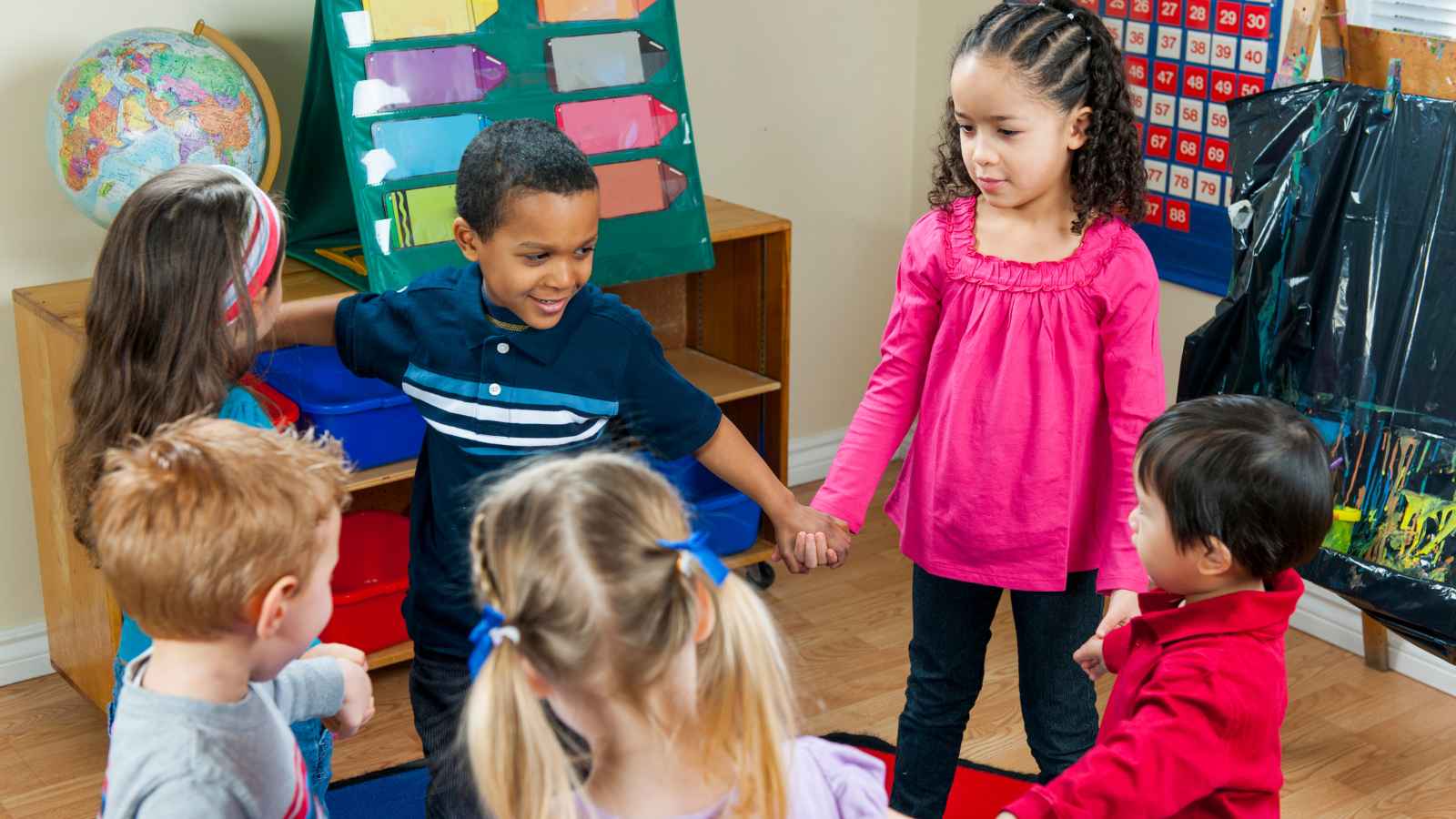
A classroom full of wiggly preschoolers needs activities that burn energy while building essential skills. Movement songs transform learning into active experiences where children hop like bunnies, stomp like dinosaurs, and freeze like statues while absorbing vocabulary, rhythm, and body awareness. These kinesthetic preschool activities engage young learners while developing motor skills and social connections that extend far beyond music. Action songs, dance routines, and musical movement games keep children focused and excited about learning.
Pairing movement activities with visual reinforcement creates even more powerful learning experiences. After singing about farm animals or jungle creatures, children benefit from themed activities that reinforce the concepts they've just learned through movement. Visual activities help cement understanding while developing fine motor control and creative expression, making learning stick long after the music stops. For themed coloring activities that perfectly complement movement songs, download 52,890+ free coloring pages.
Summary
- Movement songs activate multiple brain regions simultaneously, building cognitive, physical, and social skills faster than passive instruction. Research shows that music paired with movement enhances memory encoding because the motor cortex handles movement, the auditory cortex processes rhythm and lyrics, and the prefrontal cortex manages sequencing and attention. This whole-brain activation makes recall automatic rather than effortful, turning abstract concepts into physical experiences children can feel and repeat.
- Classrooms integrating just 30 minutes of music and movement pedagogy daily report measurably higher levels of attention and participation, according to educational research. The physical release isn't a distraction from learning; it's preparation for it. After engaging in active songs, children return to seated activities with better impulse control and greater readiness to concentrate because movement channels physical energy into focused participation rather than suppressing natural developmental needs.
- Structured movement activities directly improve motor skill development and classroom readiness scores across early childhood populations. Gross motor skills require repetition, spatial feedback, and opportunities to practice balance, coordination, and body awareness in low-pressure environments. Hopping on one foot or balancing during songs builds core strength and proprioception that children need for everything from handwriting to playground confidence.
- Short, intense bursts of movement improve focus in subsequent seated tasks by discharging physical energy rather than suppressing it. Attention spans for three- and four-year-olds hover around three to five minutes per activity. Pushing past that window doesn't create more learning; it creates resistance. Stopping while children still want more prevents the moment when attention fractures and behavior issues surface.
- Props transform abstract movements into tangible interactions by giving children something to manipulate, thereby grounding attention and providing immediate sensory feedback. Children with limited attention or developmental concerns engage more consistently when they can hold, shake, or move an object rather than just move their bodies in empty space. That small act of selection increases ownership and reduces resistance during group activities.
- My Coloring Pages addresses this need for visual reinforcement by offering 52,890+ free printable coloring pages featuring animals, actions, and characters from popular movement songs, helping children transition from gross motor coordination to fine motor precision while reinforcing the same vocabulary and concepts they just practiced physically.
Benefits of Preschool Movement Songs
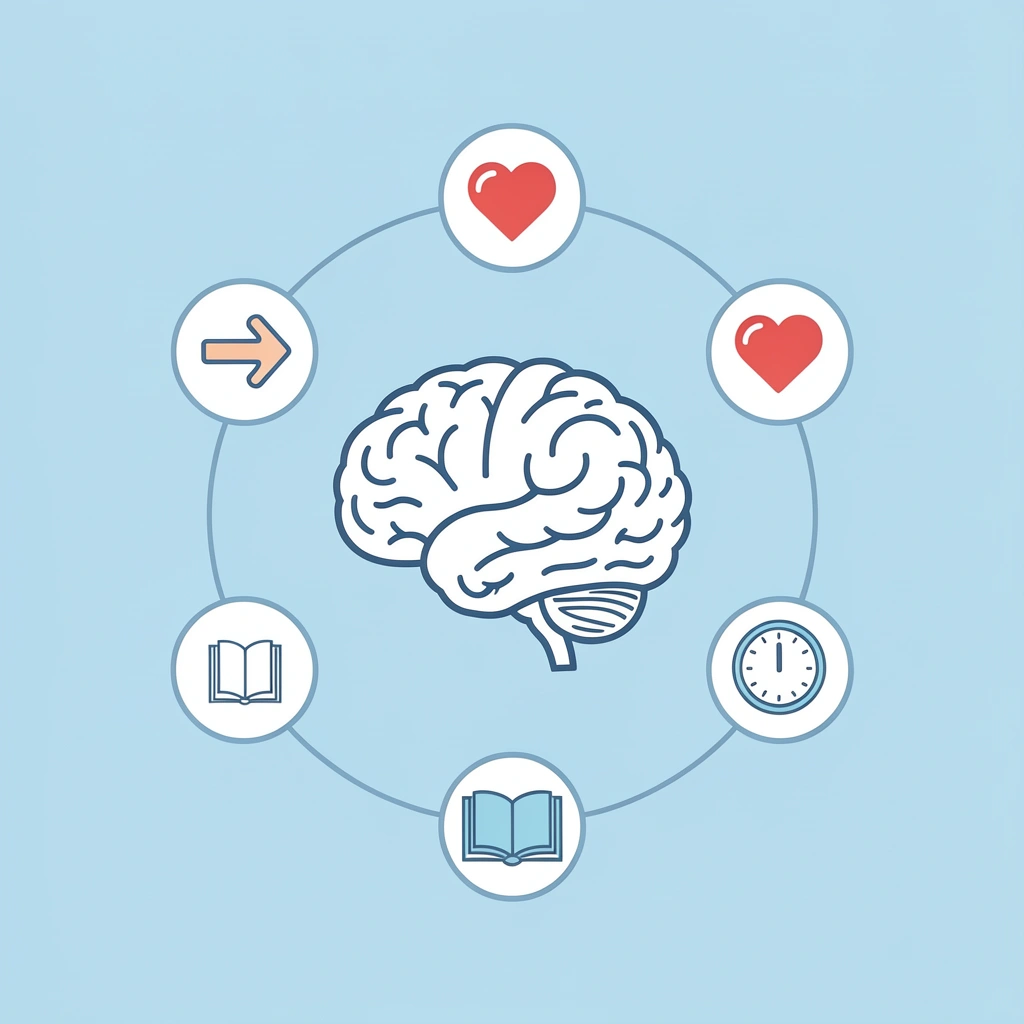
Movement songs activate multiple brain regions simultaneously, building cognitive, physical, and social skills through pattern-based learning. When children sing, move, and coordinate their bodies to rhythm, they encode information more effectively than through passive instruction.
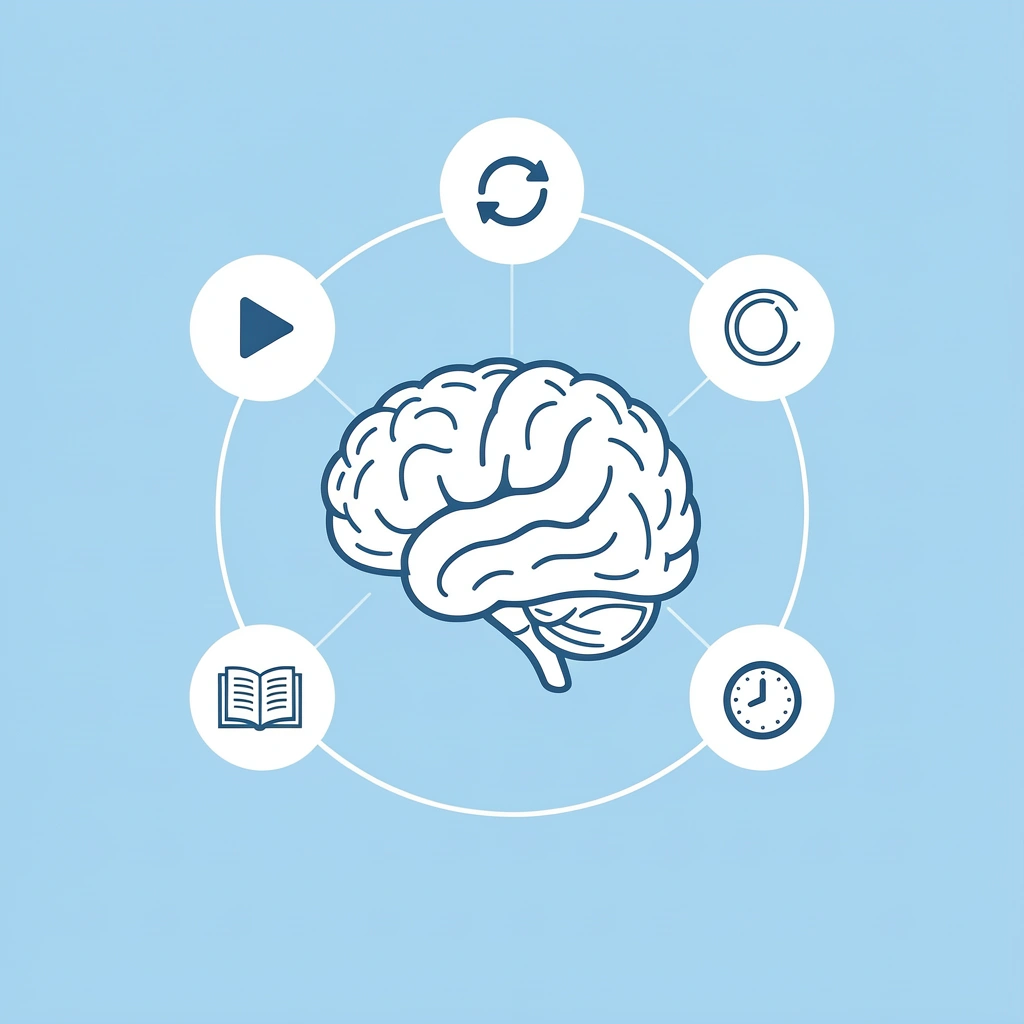
🎯 Key Point: Multi-sensory learning through movement songs creates stronger neural pathways than traditional teaching methods, helping preschoolers retain information longer and develop multiple skills simultaneously.
"When children sing, move, and coordinate their bodies to rhythm, they encode information more effectively than through passive instruction." — Pattern-Based Learning Research, 2025
💡 Tip: The combination of music, movement, and repetition creates what educators call the "triple encoding effect" - where children process information through auditory, kinesthetic, and visual channels all at once.
How do movement songs create lasting memories through the senses?
When a child performs "Head, Shoulders, Knees, and Toes," they create neural pathways connecting language, physical sensation, and spatial awareness. Research published by ChildrenCentral shows that music paired with movement enhances memory encoding because the brain processes information through multiple channels simultaneously. The motor cortex handles movement, the auditory cortex processes rhythm and lyrics, and the prefrontal cortex manages sequencing and attention. This whole-brain activation makes recall automatic rather than effortful.
Why is active participation better than passive learning?
Movement songs let children become the lesson rather than passively absorb abstract symbols. A four-year-old who acts out "Five Little Monkeys Jumping on the Bed" learns counting, subtraction, and the consequences of actions through physical experience, not rote repetition.
How do songs introduce new vocabulary effectively?
Songs teach new words through rhythm and repetition that mirror natural speech. Children hear new words in predictable patterns, enabling them to learn pronunciation and comprehension more quickly than from word lists alone. "The Wheels on the Bus" teaches action words like go, swish, and beep, as well as descriptive phrases like round and round and all through the town. Simultaneously, it helps children internalize sentence rhythm for conversational use. listening comprehension
Why do movement songs create stronger learning connections?
Preschoolers struggle with abstract language instruction because their brains require real experiences to learn effectively. Movement songs put language into action: when children "stomp like elephants" or "slither like snakes," they connect words to physical sensations and visual input. This triple reinforcement (hearing, moving, and seeing) creates stronger neural connections than hearing words alone.
How do movement songs develop coordination and body awareness?
Gross motor skills require practice, repetition, and spatial feedback. Movement songs provide structured opportunities for children to jump, clap, stretch, balance, and coordinate movements with others. Research shows that children who participate regularly in rhythmic movement activities demonstrate better balance, coordination, and body control than peers who don't. These skills support handwriting, sports participation, and physical confidence.
How can parents extend movement learning beyond circle time?
Teachers often find parents seeking ways to extend movement learning beyond circle time. Platforms like My Coloring Pages offer over 52,890 free printable coloring pages featuring animals, actions, and characters from popular movement songs. After singing about jungle creatures or farm animals, children can color-matched images that reinforce vocabulary and concepts while developing fine motor control. The transition from large movements to precise hand coordination strengthens both skill sets simultaneously.
How do movement songs develop executive function skills?
Group movement songs require children to listen, wait for cues, follow instructions, and synchronize actions with peers—executive function skills that develop through practice. When twenty preschoolers perform "If You're Happy and You Know It" together, they learn impulse control (waiting for the right moment to clap), social awareness (matching their movements to others), and emotional expression (connecting feelings to physical actions).
Studies show that children who regularly participate in coordinated group activities demonstrate stronger attention control and behavioural regulation than those who don't.
What makes movement songs effective for building resilience?
The magic is in repetition, shared experiences, and practice in a safe space. Movement songs give children low-stakes chances to fail, adjust, and try again, building resilience while learning physical skills.
Reasons to Not Neglect Preschool Movement Songs
Skipping movement songs creates developmental gaps that passive instruction cannot fill. Structured rhythm, language, and physical coordination build neural connections through multi-sensory engagement, transforming abstract concepts into concrete, memorable learning.
"Multi-sensory engagement through movement and music creates stronger neural pathways than traditional passive learning methods." — Early Childhood Development Research
🎯 Key Point: Movement songs aren't just fun activities—they're essential developmental tools that create lasting learning foundations through coordinated physical and cognitive engagement.
⚠️ Warning: Neglecting movement activities in early childhood can result in missed opportunities for optimal brain development during critical neural formation periods.
How do movement songs improve attention control in the classroom?
The prefrontal cortex of young children, which governs impulse control and sustained attention, is still developing. Movement songs provide structured transitions that channel physical energy into focused participation. According to Frontiers in Education, classrooms that integrated 30 minutes of music-and-movement pedagogy daily reported measurably higher levels of attention and participation. After performing "Shake Your Sillies Out," children return to seated activities with improved impulse control and readiness to concentrate.
Why do preschoolers need kinesthetic learning before abstract instruction?
Preschoolers learn best by moving their bodies before they can sit still and absorb abstract lessons. When children practice stopping, starting, and coordinating actions to a cue during songs, they build the executive function skills needed to follow multi-step directions in maths or literacy activities.
How do movement songs prevent physical development delays?
Gross motor skills require repetition, spatial feedback, and practice in low-pressure environments. Movement songs provide this naturally. Hopping on one foot during "The Hokey Pokey" or balancing during "Ring Around the Rosie" builds core strength and proprioception, which are needed for handwriting and playground confidence. Research in Behavioral Sciences demonstrates that structured movement activities directly improve motor skill development and classroom readiness scores across early childhood populations.
How can teachers extend movement learning without extra preparation?
Teachers can extend movement learning without added preparation using platforms like My Coloring Pages, which offers over 52,890 free printable coloring pages featuring animals and characters from popular movement songs. After singing about jungle creatures or farm animals, children color-match images to reinforce vocabulary and movement concepts while developing fine motor control. This transition from large-body movements to precise hand coordination strengthens both skill sets without requiring separate lesson planning.
How do movement songs help children express emotions and build social confidence?
Children who can't yet express complex feelings use movement and song to show emotions. When a shy four-year-old sings and acts out "If You're Happy and You Know It," they practise identifying emotions, expressing themselves physically, and participating in a group simultaneously.
Group movement songs create safe spaces where children can try things, make mistakes, and adjust without worry. The child who stumbles during "Head, Shoulders, Knees, and Toes" learns that mistakes don't stop participation—they simply try again on the next round, building resilience through low-stakes practice that transfers to higher-pressure learning situations.
What happens when classrooms neglect movement activities?
Classrooms that skip movement songs often struggle with behaviour problems from children lacking structured outlets for physical energy and emotional expression. Movement is foundational to learning, as developing brains understand the world through action before abstract ideas take hold.
But knowing why movement songs matter only helps if you can get children engaged and participating.
Related Reading
- Preschool Worksheets
- What Age Is Preschool
- Preschool Curriculum
- Preschool Age Range
- Preschool Vibes
- Preschool Homeschool Curriculum
- Preschool Games
- Worksheets For Preschool
- Preschool Education
- Free Preschool Worksheets Age 3–4
- Preschool Books
- What Age Do Kids Start Preschool
- Preschool Graduation
- Free Name Tracing Worksheets for Preschool
- Preschool Backpack
- All About Me Preschool
- Free Preschool Worksheets
- Preschool Self Defense
- What Should a Child Learn in Preschool
- Preschool vs Pre K
- Sight Words for Preschool
- Free Printable Preschool Worksheets Tracing Letters
- First Day of Preschool
- Preschool Math Worksheets
- Preschool Valentine Crafts for Parents
- Preschool Graduation Gifts
- Preschool Toys
- What Age Is Preschool and Kindergarten
- Preschool Quotes About Play
How to Engage Children in Movement Songs
Kids get interested when activities feel safe and predictable yet offer enough variety to stay interesting. They thrive when they see themselves succeeding quickly and when participating feels like play rather than performance. The way the activity works matters more than the message.

🎯 Key Point: Create a balance between familiar structure and exciting variations to keep children engaged without overwhelming them.
"Children learn best when they feel safe to explore and make mistakes in a supportive environment that prioritizes fun over perfection." — Child Development Research, 2023

💡 Pro Tip: Start each movement song session with a familiar warm-up activity that children have already mastered, then introduce one new element at a time to maintain their confidence while building excitement.
How long should each activity last for maximum engagement?
Attention spans for three- and four-year-olds are around three to five minutes per activity. Pushing past that window creates resistance rather than learning. Begin with simple, high-energy songs like "Head, Shoulders, Knees, and Toes" or quick follow-the-leader games that deliver fast success.
End each activity with a clear positive cue—a group cheer, high-five circle, or silly sound—that signals completion and reinforces participation. Research from early intervention specialists shows that short, intense movement bursts improve focus in following seated tasks by releasing physical energy rather than suppressing it.
When should you end an activity to maintain enthusiasm?
Stop while children still want more. That extra two minutes often becomes the moment when attention breaks and behaviour problems emerge.
How do children respond to rhythm and beat
Children respond to beat and pattern before formal instruction. Songs work best when actions match the rhythm directly: clap on the beat, stomp on the downbeat, freeze on the rest. Familiar tunes like "If You're Happy and You Know It" let children predict what comes next, freeing up mental energy to coordinate movements and watch their peers.
Adding simple instruments (shakers, tambourines, rhythm sticks) turns passive listening into active participation because children feel the vibration and tempo physically.
Why does music with movement strengthen memory formation
When music is paired with movement, it creates a multisensory experience that strengthens memory formation. As a child claps, stomps, and sings simultaneously, they build neural pathways connecting auditory processing, motor control, and sequencing.
How do props create meaningful roles and choices for children?
Scarves, ribbons, small balls, or hula hoops transform abstract movements into tangible interactions. Props ground attention and provide immediate sensory feedback. Assign each prop a role (red scarves wave high, blue scarves swirl low) or let children choose their prop at the start—this choice increases ownership and reduces resistance. Children with limited attention or developmental concerns engage more consistently when they can hold, shake, or move an object rather than move their bodies in empty space.
How can coloring pages reinforce movement activities?
After movement activities, My Coloring Pages offers over 52,890 free printable coloring pages featuring animals, actions, and characters from popular movement songs. Children can colour-matched images that reinforce vocabulary and movement concepts as they transition from gross-motor activity to fine-motor practice. This shift from large-body movements to precise hand coordination strengthens both skill sets without interrupting the lesson flow.
How can you transform instructions into engaging play experiences?
Kids resist commands but lean into games. Transform "jump five times" into "Can you jump like a kangaroo five times without falling?" or create simple obstacle courses where kids crawl under imaginary bridges, balance on one foot like flamingos, or hop over pretend rivers.
Keep rules minimal and transparent. Reward effort and creativity, not perfect execution. Play-based movement challenges build gross motor skills, social cooperation, and executive function simultaneously: children practise impulse control (waiting for their turn), spatial awareness (navigating around peers), and problem-solving (adjusting movements when something doesn't work) without experiencing formal instruction.
Why does reframing activities as exploration work better than direct instruction?
Kids who lose interest during organized activities often thrive when the same movements are presented as exploring or pretend play. The activity remains unchanged; what shifts is the amount of freedom they feel they have to do it.
Related Reading
- Preschool Assessment
- Preschool Crafts
- Preschool Learning Activities
- Preschool Tracing Worksheets
- Daycare Vs Preschool
- Preschool Classroom Layout
- Preschool Playground Equipment
- Free Preschool Games
- Preschool Sight Words
- Preschool Math Activities
- How To Become A Preschool Teacher
- Preschool Prep
- Preschool Lesson Plan Template
- Noah's Ark Preschool
- Preschool Science Experiments
- Preschool Craft Ideas
- Creative Curriculum For Preschool
- Playing Preschool Curriculum
- Preschool Bulletin Board Ideas
- Christmas Crafts Preschool
- Spring Bulletin Board Ideas For Preschool
- Turkey Craft Preschool
- Preschool Learning Games
10 Movement Activities for Preschool
Musical statues, dancing with props, and rhythm-based games transform abstract ideas into physical experiences that preschoolers can feel, repeat, and master. These activities build spatial awareness, emotional expression, and coordination through structured play that feels spontaneous.
🎯 Key Point: Movement-based learning engages multiple sensory pathways simultaneously, helping preschoolers retain information 3x longer than traditional seated activities.
"Physical movement activities enhance cognitive development by creating neural pathways that connect motor skills with learning retention in young children." — Early Childhood Development Research, 2023
💡 Tip: Start with simple freeze dance games and gradually introduce more complex movements like animal walks or shape dancing to build both physical coordination and cognitive skills progressively.
1. Musical Statues (Freeze Dance)
Play music from different genres and let children dance freely until the music stops. When silence hits, they freeze completely until the next song starts. This teaches impulse control and spatial intelligence: children must pay attention to their bodies in space, track audio cues, and coordinate stopping mid-motion without falling over. The predictable structure of dancing and freezing with unpredictable timing keeps attention sharp.
Children learn to quickly shift their energy levels, moving from high-intensity activity to complete stillness in seconds. This toggle builds executive function skills that transfer directly to classroom transitions and behavioural regulation during seated activities.
2. Dancing with Props
Set up a table with scarves, ribbons, hats, plastic flowers, and small toys. When music plays, children select one prop and dance with it until the music stops, then return it and choose something new. According to SplashLearn, preschoolers benefit from at least 60 minutes of physical activity daily, and prop-based movement naturally extends engagement because children focus on manipulating objects rather than moving their bodies through empty space.
How do props help children develop skills?
Props create roles and limits that focus scattered attention. A child waving a scarf practices arm extension and rhythm tracking; another balancing a hat learns body control and spatial awareness. The rotation system teaches turn-taking and decision-making under time pressure without fostering competition.
3. Exploring Musical Moods
Play songs that show different emotions (upbeat pop, slow classical, tense movie scores) and ask children how each one makes them feel. Have them express those emotions through movement and dance. This builds emotional vocabulary and empathy as children identify their own feelings and observe how peers interpret the same music differently. A four-year-old who stomps angrily to dramatic strings and sways gently to soft piano learns that emotions have physical expressions and that music mirrors internal states.
Why do children express emotions through movement before words?
Young children feel emotions in their bodies before they can name them. Movement activities that pair music with exploring emotions help create language for feelings they already recognise but cannot yet express.
4. Follow the Musical Leader
Children take turns being the leader, creating dance movements and sounds for others to copy. The leader might hop on one foot, spin in circles, clap overhead, or make animal noises as they move. The rest of the group mirrors those actions until a new leader takes over.
What skills does this activity develop?
This rotation builds social confidence because shy children gain structured chances to direct group behaviour without advanced speaking skills.
Leadership roles teach children that their ideas matter and that peers will follow their direction. The following roles teach observation, imitation, and cooperation. Rotating ensures every child practises both positions.
5. Draw What You Hear
Play different kinds of music (jazz, classical, electronic, folk) and give children paper with crayons or finger paints to draw images, shapes, or patterns inspired by the music. Fast songs might produce jagged lines and bright colours; slow songs might create gentle curves and muted tones. This activity connects how we hear and process sound to how we create visual art, building neural pathways between sensory systems that strengthen creative thinking and abstract reasoning.
What resources support music and movement activities?
Platforms like My Coloring Pages offer over 52,890 free printable coloring pages featuring animals, actions, and characters from popular movement songs. The collection reinforces vocabulary and movement concepts as children colour-match images after singing or engaging in rhythmic activities, supporting the transition from large-muscle coordination to small-muscle precision.
6. Rhythm Sticks
Give each child two rhythm sticks (or wooden dowels, pencils, or sturdy straws). Play familiar songs or nursery rhymes and have them clap the sticks together on the beat. Start with simple quarter-note rhythms, then introduce variations such as tapping sticks on the floor, clicking them overhead, or creating call-and-response patterns in which the teacher taps a rhythm and children echo it back. Rhythm sticks provide immediate tactile and auditory feedback that helps children feel the tempo physically.
Why are rhythm sticks effective for maintaining attention?
Kids with trouble focusing pay attention better when they can hold and move objects around. The sticks give restless hands something productive to do while their brains work on rhythm patterns and coordinate movements on both sides of their body.
7. The Hokey Pokey
This classic song teaches body part identification, directional concepts (left versus right), and coordinated group movement. Children stand in a circle and follow lyric-based instructions: put your right hand in, take your right hand out, shake it all about. The repetition across multiple body parts (hands, feet, elbows, head) reinforces vocabulary through physical action. Research shows that children who regularly participate in coordinated group activities develop stronger impulse control and social synchronization than peers who don't.
How does the song structure support child development?
The song combines a predictable structure with cumulative learning. Each verse adds complexity while maintaining the same melodic pattern, allowing children to experience early success and build confidence as difficulty increases.
8. Call and Response Songs
Use songs like "We're Going on a Bear Hunt," where the teacher sings a line and the children repeat it. This pattern builds listening skills, memory, and rhythm tracking because children must hold information briefly, reproduce it accurately, and then clear working memory for the next input. Call-and-response creates natural turn-taking, preventing chaos while giving every child equal participation time.
Why does repetition improve speech development?
Repeating things helps us learn language by strengthening the brain's language pathways, which improves sound recognition and vocal control. Children with articulation difficulties often progress faster through rhythmic call-and-response singing than through isolated sound practice, as rhythm and melody provide scaffolding that facilitates correct pronunciation.
9. Personalized Drums
Give children empty containers, cans, boxes, or cookie tins with stickers, glitter, and pom poms to decorate their own drums. Once decorated, teach simple rhythmic patterns starting with two-beat sequences (boom-boom, pause) and gradually increasing complexity (boom-boom-tap, pause).
Personalization builds ownership and respect for instruments because children invest creative effort in making them, which in turn leads to more careful handling and sustained engagement during rhythm activities.
What do children learn from making their own instruments?
Making instruments before playing them teaches that musical tools aren't magic objects: they're built items that produce sound through intentional design. This builds foundational understanding of cause and effect, material properties, and how humans shape their environment to create desired outcomes.
10. Dance Like an Animal
Show pictures of different animals and play music while calling out animal names. Children dance as they consider how each creature would move, adding sounds and interactions with peers while staying in character. A child dancing like an elephant might stomp heavily and swing their arm like a trunk; another moving like a snake might slither low to the ground with smooth, continuous motion. This activity builds creative thinking, body awareness, and observational skills by transforming what they observe into movement they can feel and perform.
How does imaginative movement help shy children participate?
Creative movement helps children feel less shy because they act out characters instead of being themselves. A shy child who won't jump independently will often jump with excitement when pretending to be a kangaroo.
Preschool Movement Songs for Fun and Engagement
The songs below offer variety in energy level, skill focus, and classroom application. Some teach body parts, others build rhythm, and a few burn off energy before transitions. Each entry includes what children do, which skills develop through repetition, and one practical adjustment to prevent the activity from falling flat.
🎯 Key Point: Movement songs serve multiple purposes beyond just entertainment - they're educational tools that develop motor skills, language acquisition, and social coordination simultaneously.
"Physical activity integrated with music can improve cognitive development by up to 30% in preschool-aged children." — Early Childhood Development Research, 2023
💡 Tip: Always have a backup plan ready - if a high-energy song gets children too excited, immediately follow with a calming movement activity to help them self-regulate before the next classroom transition.
Head, Shoulders, Knees, and Toes
Children touch each body part as it's named in the song, following the melody's rhythm. Start slowly so everyone can keep pace, then gradually increase speed until accuracy becomes challenging. The activity builds body awareness, gross motor coordination (bending, reaching, balancing), memory through repetition, and listening skills: missing a cue means touching the wrong body part when everyone else has moved on.
Add variations by substituting body parts. Call out "touch your ears" or "tap your elbows" between verses to prevent the song from becoming automatic and encourage active listening over muscle memory.
If You're Happy and You Know It
Children perform actions (clap hands, stomp feet, shout "hooray") as the lyrics direct. The call-and-response structure ensures they're never performing alone—supported by the group's collective energy. Following instructions becomes effortless when the song specifies exactly what to do and when to do it.
Rhythm develops through repeating clapping and stomping patterns, while self-expression emerges when children vary their energy: some clap loudly and enthusiastically, while others clap gently.
How can children add their own creative touches?
Let children suggest new actions between verses. "Stomp like an elephant" or "wiggle like a worm" transforms passive participation into creative ownership. The child who invents a movement feels seen, and peers who copy it practise both imitation and imaginative thinking.
The Wheels on the Bus
Children copy the bus's parts: wheels turning (roll arms in circles), wipers swishing (wave arms side to side), doors opening (push arms apart). Each verse adds a new motion, teaching sequencing as children remember what comes next. Different verses require different movement patterns, improving motor coordination, while imagination is activated as children visualize the bus and translate its mechanical parts into body movements.
What props can enhance the experience?
Use props like cardboard buses or scarves to help children visualise your meaning. A child holding a paper steering wheel becomes the driver. This gives nervous children a concrete role, shifting their focus from "Am I doing this right?" to "What does my prop need to do?"
Hokey Pokey
Put your right foot in, shake it, pull it out, turn around. Repeat for left foot, right hand, left hand, head, and whole body. The song teaches balance through single-leg standing, a movement that requires core strength and spatial control. Coordination develops as children process which body part to move while maintaining rhythm. The predictable structure (in, shake, out, turn) reassures anxious children, while repetition automates multi-step directions.
How can you make the Hokey Pokey more engaging?
Encourage children to choose the next body part after the standard sequence. "What should we put in next?" gives them agency and keeps the activity fresh. The child who suggests "put your belly in" practices both creativity and leadership.
Ring Around the Rosie
Children hold hands, move in a circle, and fall down together at the rhyme's end. Social cooperation develops because the circle only works if everyone moves at the same pace. Spatial awareness improves as children learn to maintain formation without stepping on each other. The shared falling creates a moment of collective joy that builds classroom community.
Use soft mats or carpeted areas for safety. The falling is the payoff—the moment children anticipate—so make it comfortable enough that they want to repeat the activity. A hard floor turns fun into caution, which kills momentum.
Shake My Sillies Out
Children shake their arms, legs, and bodies to "shake sillies out," then jump to "jump the jiggles out," clap to "clap the crazies out," and rest. This sequence teaches energy regulation by progressing from high-energy movement to controlled clapping to stillness. Gross motor skills develop through the varied movements, while following the sequence builds memory and listening skills.
How does this activity help with transitions?
This works well as a way to help restless kids transition between activities before circle time or after recess. The structure lets them release extra energy in a controlled way, then guides them back to a calm state. It asks them to move with purpose, then rest—something they can accomplish.
I'm a Little Teapot
Children act like a teapot: one arm becomes the handle (bent at the waist), the other becomes the spout (extended out). "Tip me over, pour me out" means leaning to the side while keeping the spout arm steady. This develops body awareness as children coordinate two different arm positions simultaneously, activates imagination through object visualization, and improves fine motor coordination through precise arm positioning.
Encourage children to "pour" pretend tea into cups using plastic cups or each other's hands. The shift from structured song to imaginative play happens naturally when you provide props and permission.
Row, Row, Row Your Boat
Children sit in pairs or lines, holding hands or linking arms, and rock back and forth as if rowing. Partners must synchronize their rocking to avoid pulling each other off balance, teaching social interaction and cooperation. The steady back-and-forth pattern develops rhythmic movement, while turn-taking emerges naturally as one child rows forward while the other leans back.
Use soft mats as "boats" and emphasize gentle movements. Aggressive rowing turns the activity into a pulling contest and defeats the purpose: the goal is synchronized rhythm, not speed or force.
Five Little Monkeys Jumping on the Bed
Children jump in place or on soft mats while counting down from five to zero as each monkey "falls off" and bumps their head. Counting skills develop through repeating the descending sequence, gross motor skills improve through jumping, and memory strengthens as children anticipate when the next monkey falls.
Make counting stronger by holding up fingers with each verse. As you sing "four little monkeys," show four fingers: the visual cue helps children who struggle with number sequencing, and folding down one finger per verse makes subtraction tangible and concrete.
The Ants Go Marching
Children march in place while the song counts ants from one to ten. Use fingers to show the number as you sing, turning the activity into a dual-skill exercise combining marching and counting. Rhythm develops through the steady marching beat, while gross motor coordination improves as children maintain the pattern.
Add sound effects or instruments, such as tambourines. Children who struggle with marching can shake instruments instead, staying engaged without forcing a difficult movement pattern.
This Old Man
Children tap knees, clap hands, or stomp feet to the rhythm while singing the counting rhyme. Each verse introduces a new number and matching action (he played one, he played two). This builds counting skills through numerical sequence, develops rhythm from tapping patterns, and improves coordination as children match movements to the beat.
Encourage children to suggest different tapping patterns for each verse. One child might tap their head for verse one, another their shoulders for verse two. This variation keeps children engaged and gives them ownership of the activity.
Over the River and Through the Woods
Children can pretend to travel to Grandmother's house by galloping like horses, jumping over imaginary rivers, and skipping through pretend woods. This develops gross motor skills through varied movements (galloping requires different coordination than skipping) and teaches sequencing as children remember which action matches each part of the journey.
Create a small obstacle course as the "river" path, using pillows as stepping stones, chairs as trees to weave around, and blankets as rivers to jump over. This physical environment helps children who struggle with abstract imaginative play engage with the narrative concretely.
Boom Chicka Boom
This call-and-response song has children repeat phrases with matching actions: "Boom" (stomp), "Chicka" (clap), "Boom" (stomp again). The leader calls out a style (opera voice, whisper voice, silly voice), and children repeat the pattern in that style. Listening skills improve because missing the style change means shouting when everyone else whispers. Rhythm develops through the repetitive boom-chicka pattern. Group participation feels safe because everyone performs together, never solo.
How can you increase the challenge level?
Speed up the game as children become familiar with the pattern. Faster speed sharpens their reaction time and increases the difficulty. Children who master the slow version feel proud when they keep pace with the fast version.
Animal Action Songs
These songs ask children to act like different animals: "Hop like a bunny," "Waddle like a penguin," "Stomp like an elephant." Each movement pattern builds gross motor skills through variety while activating imagination as children visualize how creatures move. Social play emerges when children interact as their chosen animals, creating spontaneous narratives, such as the bunny hopping away from the elephant.
Props like animal masks or stuffed animals increase engagement and playfulness. A child wearing bunny ears commits more fully to hopping because the prop reinforces their role and reduces self-consciousness.
If You're Wearing Red Today
Children move based on the colour of their clothing. "If you're wearing red, jump up and down. If you're wearing blue, spin in a circle." This activity helps children recognize colours while identifying their own clothing, improves decision-making through quick self-assessment, and provides practice with different gross motor patterns.
This works perfectly for inclusive group games because every child participates eventually. Children wearing multiple colours get to move during multiple verses, which feels like bonus participation rather than exclusion.
The Bear Went Over the Mountain
Children copy the bear's journey: climb (reach arms up and step in place), peek (hand over eyes, look around), and march down the other side. As they picture the mountain and the bear's perspective, imagination develops. Gross motor coordination improves through the varied movements, while following the story teaches sequencing.
Add props like small "mountains" made from pillows or foam blocks. Children can physically climb over them during the song, making the abstract story concrete and reinforcing spatial vocabulary (over, up, down).
London Bridge is Falling Down
Children form arches with their arms while others pass under. At "fall down," the arch collapses, catching whoever is underneath. Cooperation develops because the arch only works if both children coordinate their arm positions. Spatial awareness improves as children judge whether they can pass under the bridge before it falls.
Watch closely to avoid collisions. Show gentle collapsing and establish that caught children become the next bridge rather than being "out," ensuring inclusion over elimination.
Move Your Fingers
Fingerplay songs involve wiggling, tapping, and counting fingers, building fine motor control through small, controlled movements. Hand-eye coordination improves as children watch their fingers perform specific actions. These focused movements also serve as calming transitions from high energy to quiet attention.
Combine fingerplays with counting or letter recognition to develop dual skills. "One finger, two fingers, three fingers, four" teaches number sequencing while building fine motor control. Immediate success builds confidence in children who struggle with larger movements.
I Like to Move It
This high-energy song encourages freestyle movement: running, jumping, spinning, and shaking. Gross motor skills develop through varied, self-directed movements, and children burn off excess energy while matching their movements to the upbeat tempo, building rhythm awareness.
Play upbeat versions and allow freestyle movement to encourage creativity. Children who invent new dance moves practise physical coordination and creative thinking while observing peers and incorporating movements they like into their own dancing.
Twinkle, Twinkle, Little Star Movements
Children raise their arms overhead like twinkling stars, reach down to touch the ground, and twirl gently in place. Coordination develops through smooth, controlled movements, while fine motor control improves with finger twinkling (opening and closing hands while arms are raised). The slow pace makes this ideal for calming sequences after high-energy play.
Use this song for relaxation after active games. Pair it with deep breathing—breathe in when reaching up, breathe out when reaching down—to add a self-regulation component.
Ring a Ring o' Roses
Children move in a circle and fall down at "all fall down," developing social skills through hand-holding and synchronized movement. Rhythm emerges from the group's collective pace, while gross motor coordination improves as children maintain balance in formation.
Emphasize gentle landing techniques to prevent injury: bend your knees and sit down rather than collapse. Controlled falling teaches body awareness and builds core strength for safe physical play.
Hokey Pokey Freeze
This version adds sudden "freeze" moments to the regular Hokey Pokey. When the music stops mid-verse, children must hold their position to develop impulse control, balance, and body awareness.
The freeze element teaches self-control and listening skills. Children must pay attention to when the music stops, and the unpredictability prevents the activity from becoming automatic.
Chicken Dance
Children flap their arms like wings, wiggle their bodies side to side, and stomp their feet in rhythm. This repeated sequence develops gross motor coordination while matching movements to the song's distinctive beat. Group participation reduces self-consciousness as everyone performs the same movements together.
Add instruments like shakers to increase engagement. Children can shake them during the wiggling portion, developing fine motor control alongside gross motor movements while reinforcing rhythm.
Shake It Off
Children shake their arms, legs, and bodies while singing along to upbeat, kid-friendly music. This vigorous full-body movement releases energy, develops gross motor skills, and builds confidence as children see that everyone looks equally silly while shaking, normalizing energetic self-expression.
This works best as a transition or movement break between seated activities like story time or craft work. A two-minute shake session resets their physical state and prepares them to focus again.
My Bonnie Lies Over the Ocean
Children form waves with their hands and arms, swaying side to side to copy ocean movement. Some versions add jumping on the word "bring" or stepping side to side in rhythm. Coordination develops through the steady swaying motion, while rhythm emerges from matching the sway to the melody. Imaginative play activates when children picture the ocean and translate its movement into their bodies.
How can props enhance the ocean movement experience?
Use soft scarves to visually represent waves and enhance sensory experience. Children hold scarves and move them in flowing motions, making the abstract concept of waves tangible and understandable. The scarves also give shy participants something to focus on besides their own bodies, reducing performance anxiety.
How do movement songs connect to fine motor development?
After movement songs, children naturally transition to focused fine motor work. My Coloring Pages offers access to download 52,890+ free coloring pages that extend the movement theme into detailed visual tasks. A child who hopped like a bunny or waddled like a penguin can immediately colour those same animals, reinforcing vocabulary and recognition while practising grip strength and hand-eye coordination.
Why is adaptability crucial for movement activities?
Knowing twenty-five songs by heart doesn't help if you can't adapt them when half the class is overstimulated, and the other half is disengaged.
Keep Kids Moving and Engaged with Custom Movement Song Worksheets
Without visual cues, children lose track of sequences, forget which movements come next, and disengage when they can't follow along. Custom printable worksheets address this by providing children with step-by-step illustrations, song lyrics, and visual prompts that guide them through movements on their own. These aren't just decorative handouts—they're instructional supports that turn abstract auditory instructions into concrete visual references children can return to again and again.
💡 Tip: Create worksheets with numbered movement sequences and simple stick figure illustrations to help children visualize each step before they start moving.
"Visual learning supports help 85% of children better retain movement sequences and stay engaged 3x longer during physical activities." — Early Childhood Education Research, 2023
🎯 Key Point: Movement worksheets transform passive listening into active learning by providing children with a visual roadmap they can reference independently, reducing frustration and increasing participation rates.

Building Movement Sequences Children Can Actually Follow
Create worksheets that break songs into numbered steps with simple illustrations showing each action. A "Head, Shoulders, Knees, and Toes" worksheet might show four panels: a child touching their head, shoulders, knees, and toes, with arrows indicating the direction of movement. Children reference the images while singing, reducing cognitive load by matching actions to pictures rather than holding multiple verbal instructions in working memory. This visual reinforcement strengthens pattern recognition and sequencing skills that transfer to following multi-step directions in non-musical contexts.
Platforms like My Coloring Pages let you generate custom worksheets in seconds by entering the song name or specific movements. Choose images, colours, and icons that match your song's theme, then print or download for immediate use. You create exact visual matches for the songs you teach rather than searching through generic templates.
Matching Worksheets to Daily Routines and Themed Lessons
Pair worksheets with morning circle songs, transition activities, or thematic units. For a farm animals unit, create movement song worksheets featuring cows, pigs, and chickens that children color after performing "Old MacDonald." The coloring activity engages children as they transition from large-muscle control to small-muscle control, reinforcing vocabulary through a different sensory channel. Children who struggled to remember animal names during the song often recall them easily while coloring matching images because choosing colours and staying within lines creates additional memory encoding.
Use worksheets during indoor activity sessions when the weather prevents outdoor play. Children can review movement sequences independently, practise counting steps, or create their own movement patterns by drawing new actions in blank panels. This shift from following instructions to generating original sequences builds creative confidence and ownership of learning content.
Related Reading
- Preschool Mothers Day Crafts
- Preschool Spring Crafts
- Preschool Snack Ideas
- Preschool vs Daycare
- Preschool Thanksgiving Crafts
- Fathers Day Crafts Preschool
- Letter A Worksheets Preschool
- All About Me Preschool Activities
- Tracing Worksheets Preschool
- Good Morning Songs for Preschool
- Fall Preschool Crafts
- Preschool Art
- Preschool Classroom Themes
- January Preschool Themes
- Fall Coloring Pages Preschool
- Part Time Preschool
- Letter B Worksheets Preschool
- Play Based Preschool
- Preschool Science Activities
- How Much Is Preschool