Preschool Prep: Helping Parents Prepare Preschoolers
Get your child ready for preschool success with My Coloring Pages' expert prep guide. Essential tips, activities, and strategies for confident transitions.

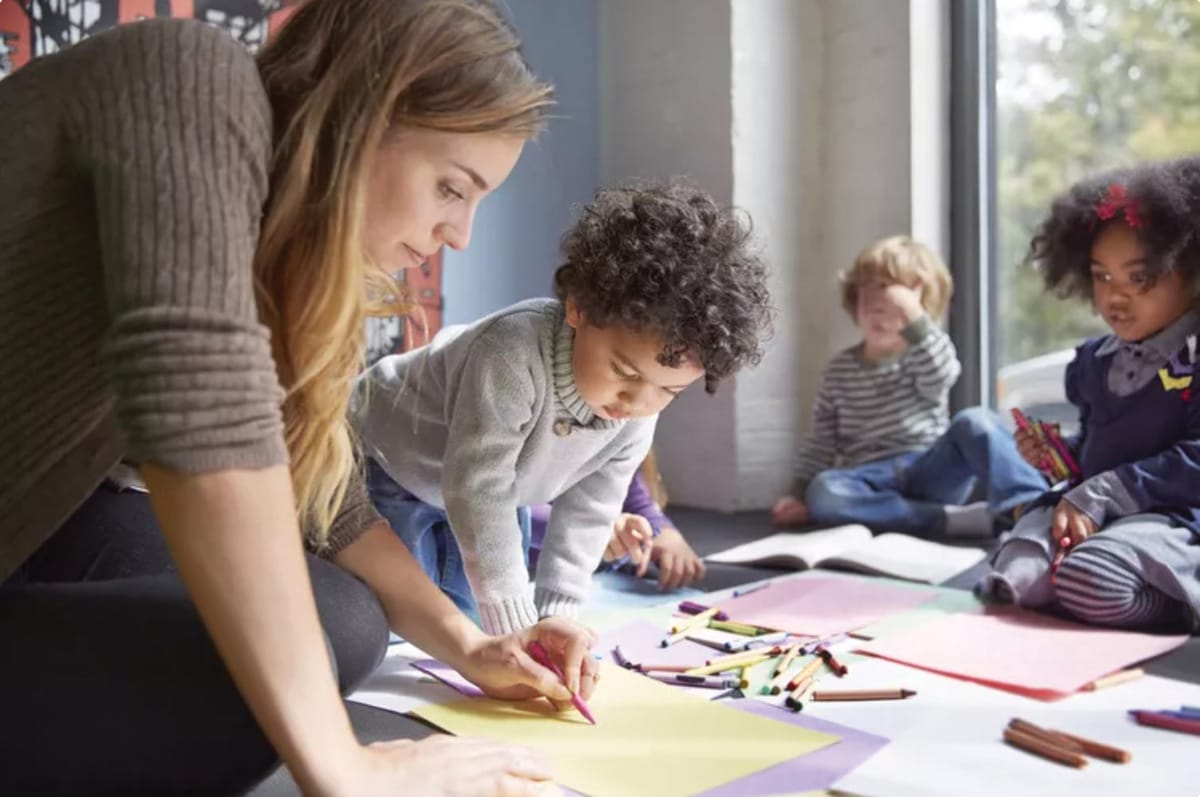
Preparing children for preschool involves more than teaching basic skills—it requires creating engaging experiences that build curiosity, creativity, and confidence. Preschool activities transform everyday moments into meaningful learning opportunities, whether reinforcing early literacy, introducing science concepts, or developing fine motor skills. The right resources help parents and educators make learning feel natural and exciting rather than overwhelming.
Printable worksheets and coloring activities provide hands-on learning that children can explore at their own pace. These tools turn abstract concepts into tangible experiences that support school readiness without straining budgets or schedules. Parents seeking comprehensive resources for early childhood development can access 49,000+ Free Coloring Pages designed specifically for preschool preparation.
Summary
- Preschool preparation builds executive function skills such as self-control, focus, and problem-solving, which more reliably predict academic success than early reading ability. Research shows quality Pre-K programs increase kindergarten readiness by 30%, reflecting children's ability to regulate emotions, follow directions, and persist through challenges rather than just academic knowledge. The Perry Preschool Project found participants were 44% more likely to graduate high school, with researchers concluding that social skills and self-control learned during preschool drove long-term outcomes more powerfully than early letter recognition.
- Children with stronger self-regulation skills at age 4 show up to 2x better academic performance by middle school, according to a large longitudinal study in Child Development. In some cases, these abilities predicted future math and reading scores more accurately than IQ tests. When four-year-olds can wait their turn during circle time or transition from playtime to cleanup without meltdowns, they're demonstrating mental flexibility that carries them through increasingly complex academic demands throughout their education.
- Developmental readiness matters more than chronological age when determining preschool timing. Children between 3 and 5 years old show the strongest capacity for developing language skills, social confidence, and routine-following abilities that make preschool successful. Watch for behavioral indicators like communicating basic needs verbally, following simple instructions, and managing bathroom routines independently. These everyday capabilities signal readiness more accurately than knowing colors or shapes.
- Fine motor activities like cutting, coloring, and manipulating small objects directly impact classroom participation and confidence. Learning to cut paper requires coordinating both hands simultaneously while steering toward a target, making it one of the most complex fine motor tasks preschoolers encounter. Writing on vertical surfaces develops shoulder, wrist, and forearm stability that must be strengthened before small-finger movements become precise, with even five minutes of vertical drawing several times weekly producing measurable improvement in pencil control.
- Social-emotional competence causes more distress in preschool than academic unpreparedness. A child who can count to twenty but dissolves when another student gets the red crayon will struggle more than parents anticipate. Turn-taking, cleanup routines, and asking for help prevent the silent frustration that can escalate into behavioral outbursts, especially in classrooms where teachers manage 20 students and cannot constantly monitor every child's internal state.
- This is where My Coloring Pages's 49,000+ FREE Coloring Pages fit in, offering printable activities that combine fine motor skill-building with creative play, helping children practice sustained attention, hand-eye coordination, and task completion without the pressure of formal instruction.
Table of Contents
- Importance of Preparing Kids for Preschool
- What Age is Appropriate for Preschool Prep
- How to Prep for Preschool Easily
- What Activities Help With Preschool Prep
- Build Your Child’s Focus and Confidence Before Preschool with Fun Coloring Activities
Importance of Preparing Kids for Preschool
Getting ready for preschool builds the foundation for how children approach learning throughout their entire lives. The work involves developing executive function skills such as self-control, focus, and problem-solving, which predict academic success more reliably than early reading ability.

🎯 Key Point: Executive function skills developed during preschool preparation create lasting impacts that extend far beyond the first day of school. These foundational abilities shape how children approach challenges, manage emotions, and interact socially throughout their educational journey.
"Executive function skills predict academic success more reliably than early reading ability, making preschool preparation a critical investment in long-term educational outcomes." — National Center for Biotechnology Information
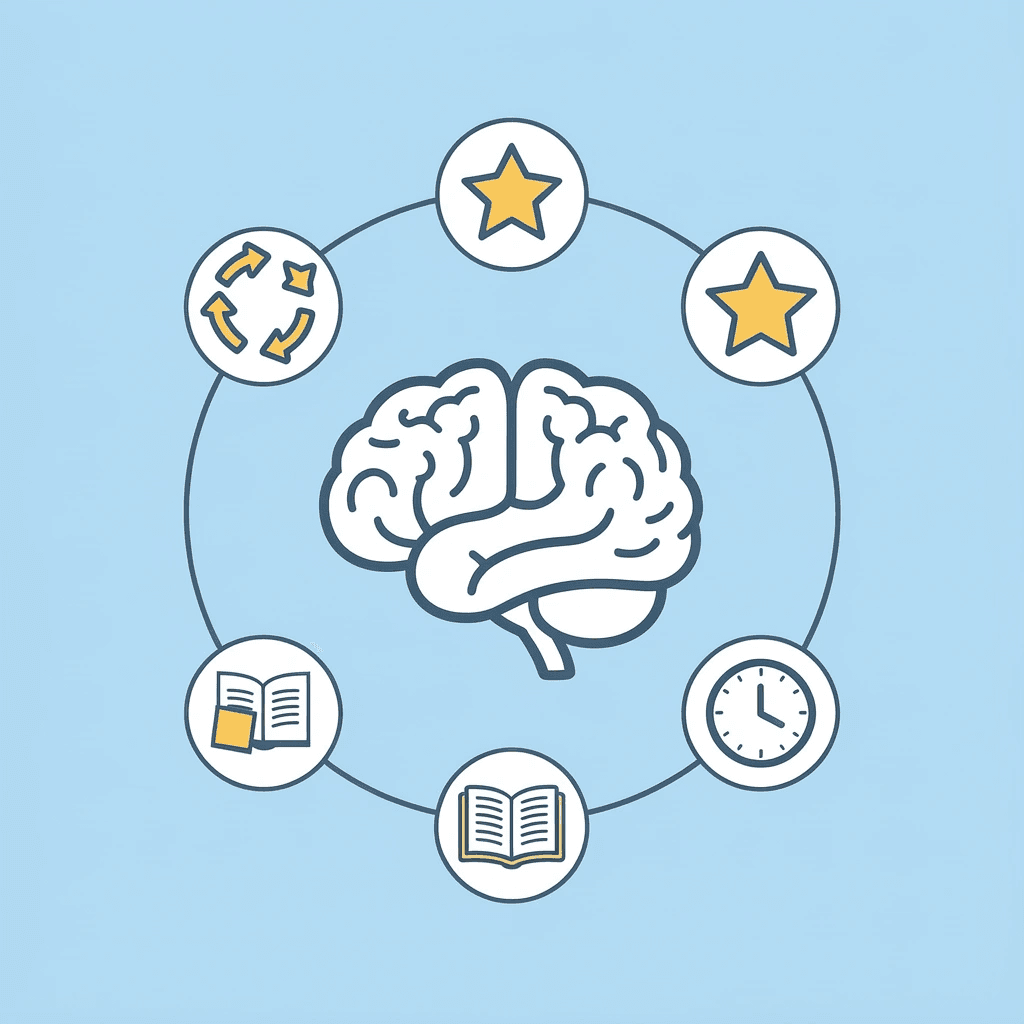
💡 Tip: Focus on building routines and practicing transitions at home to help your child develop the self-regulation skills that will serve them best in a structured preschool environment.
What skills does preschool prep actually develop?
When you prepare a child for preschool, you're teaching them to control their emotions, follow multi-step directions, and work with other children in social situations: skills that help them succeed long after they've learned their ABCs.
How much does quality preparation impact kindergarten readiness?
Research from Wee Wons Daycare shows that quality Pre-K programs can increase kindergarten readiness by 30%. This reflects a child's ability to sit with discomfort, ask for help, and persist when tasks feel hard. These skills develop through intentional practice: opportunities parents and educators create for children to stretch beyond their comfort zone.
What does research show about play-based learning?
The Perry Preschool Project followed children from low-income backgrounds for decades after attending a high-quality preschool program. The curriculum emphasised cooperative play, communication, problem-solving, and emotional regulation over early academics. Participants were 44% more likely to graduate from high school and earn higher average incomes as adults. Social skills, confidence, and self-control developed during preschool proved more influential than early letter recognition or counting skills.
How do executive function skills predict academic success?
Executive function skills help children focus on tasks, follow instructions, control impulses, and solve problems independently. A long-term study in Child Development found that children with stronger self-regulation at age 4 showed up to 2x better academic performance by middle school, predicting math and reading scores more accurately than IQ tests in some cases. When a four-year-old waits their turn or transitions from playtime to cleanup without distress, they develop the mental flexibility needed for increasingly complex academic demands.
Why is cognitive preparation important for preschool?
Most parents underestimate the cognitive demands of preschool. Walking into a room full of unfamiliar faces, remembering where to hang a backpack, and listening to instructions while other children talk require working memory and attention control that many three-year-olds haven't fully developed. Preparation means giving children repeated, gentle exposure to similar situations so that the thinking demands feel manageable rather than overwhelming.
Why do social skills matter more than early academics?
Preschool is where children first learn to be individuals within a group. They discover that other kids have different ideas, preferences, and emotional needs. A child who enters preschool knowing how to share materials, express frustration with words instead of hitting, and recover from disappointment will navigate the school day with far less stress than a child who reads at a first-grade level but falls apart when another student takes the red crayon.
What happens when academic prep ignores social development?
The familiar approach treats preschool prep like an academic boot camp, drilling letters and numbers through repetitive worksheets. As complexity grows and children encounter actual classroom dynamics, those academic advantages fade quickly. A child who can recite the alphabet but can't ask a peer to play, or who recognises sight words but melts down when it's someone else's turn to be line leader, will struggle more than parents expect. Platforms like My Coloring Pages shift this dynamic by offering printable activities that combine skill-building with creative play, allowing children to practise fine motor control, pattern recognition, and focus without the pressure of formal instruction.
How do physical skills build confidence for learning?
Children need practice with physical routines, such as opening a lunchbox, using scissors, holding a pencil with a tripod grip, and zipping a jacket. Fine motor development directly impacts confidence. When children can manipulate small objects, draw recognisable shapes, and complete tasks independently, they feel capable—a sense of competence that shapes how they approach schoolwork later.
Why does early preparation build stronger foundations?
Starting early builds cognitive pathways, language development, and emotional regulation that strengthen over time. Provide children with rich, varied experiences that allow them to explore, experiment, and sometimes fail safely. A child who has practised following two-step directions at home ("Please put your shoes by the door, then wash your hands") will find classroom instructions less confusing. A child who has coloured, cut, and glued at the kitchen table will approach art projects with familiarity rather than anxiety.
How does preparation reduce anxiety about school?
Getting ready for preschool helps children understand what will happen. Talking about circle time, reading books about starting school, and visiting the classroom before the first day reduces the cognitive load of new experiences. When children know the basic structure of their day, they can focus mental energy on learning and socializing instead of constantly wondering what comes next.
What activities work best for skill building?
The most effective preparation happens through activities that feel like play but build essential skills: sorting toys by colour teaches categorisation, building block towers develops spatial reasoning and frustration tolerance, and playing simple board games introduces turn-taking and rule-following. These activities don't require expensive materials or structured curricula: only consistency and an adult who understands that process matters more than product. But one question stops most parents before they begin.
What Age is Appropriate for Preschool Prep
The window for preschool preparation typically opens between ages 3 and 4, though readiness depends on developmental milestones rather than chronological age. According to the Cleveland Clinic, children between 3 and 5 years old develop language skills, social confidence, and routine-following abilities most effectively during this period. Some children demonstrate readiness as early as 2.5 years, while others benefit from waiting until nearly 4, depending on their ability to handle separation, communication, and basic self-care tasks.
🎯 Key Point: Individual readiness matters more than hitting a specific age milestone when determining preschool prep timing. "Children between 3 to 5 years old show the strongest ability for developing language skills, social confidence, and routine-following abilities that make preschool successful." — Cleveland Clinic
Age Range | Typical Readiness Indicators | Key Development Focus |
|---|---|---|
2.5-3 years | Basic communication, some independence | Language skills, separation comfort |
3-4 years | Strong verbal skills, routine following | Social confidence, self-care mastery |
4-5 years | Advanced readiness, peer interaction | Academic preparation, emotional regulation |
🔑 Takeaway: The 3-4 year window represents the optimal range for preschool preparation, but parents should prioritize developmental readiness over strict age requirements.
What matters more than age when determining preschool readiness?
A child's birth date matters far less than whether they can express needs verbally, manage bathroom routines independently, and separate from caregivers without prolonged distress. These capabilities signal that a child's nervous system has matured enough to handle the cognitive and emotional demands of group learning environments. When a three-year-old can follow two-step directions, share materials without constant intervention, and recover from disappointment within minutes, they're showing the executive function capacity that predicts preschool success.
How do developmental timelines align with program expectations?
The Annie E. Casey Foundation notes that children aged 3 to 4 benefit most from structured pre-kindergarten programs when their developmental timelines align with program expectations. Forcing readiness before a child can control emotions or express frustration creates stress that undermines early education. The goal is recognising when a child has reached the developmental stage where group learning enhances rather than overwhelms their natural curiosity.
Why do parents confuse readiness with academic preparation?
Parents often confuse school readiness with academic preparation, assuming their child must recognise letters or count to twenty before entering preschool. Preschool builds the foundational skills that make academic learning possible later in life. A four-year-old who can sit through a short story, ask questions, and engage with peers during free play will absorb literacy and numeracy concepts naturally once formal instruction begins. A three-year-old who knows the alphabet but melts down when another child takes their toy lacks the emotional regulation needed for classroom learning to be sustainable.
What readiness patterns do three-year-olds typically show?
Three-year-olds benefit from part-time, play-based programs that focus on social interaction and routine development. They learn to share, take turns, and follow simple group rules such as sitting during circle time or cleaning up after activities. Their attention spans remain short, usually 5 to 10 minutes for structured tasks, so programs for this age focus on movement, sensory exploration, and frequent activity changes.
How do four-year-olds differ in their developmental readiness?
By age four, most children show greater independence and handle structured environments well. They follow multi-step directions, play cooperatively with others, and show curiosity about letters, numbers, and how things work. Four-year-olds benefit from programs that introduce early literacy and maths concepts through hands-on activities, though social-emotional growth should remain the primary focus. They're developing the persistence and focus needed for kindergarten.
Why do social skills matter more than early academics?
The common approach treats preschool prep like a race to cover academic content before kindergarten. Early academic advantages fade once children enter actual classrooms, while social skills and emotional regulation continue driving outcomes. A child who knows letter sounds but cannot ask for help, or recognizes numbers but refuses to participate when activities feel challenging, will struggle more than parents anticipate. Platforms like My Coloring Pages shift this dynamic by offering age-appropriate printable activities that combine skill-building with creative play, allowing three- and four-year-olds to practise fine motor control, pattern recognition, and focus without the pressure of formal instruction.
What behavioral signs indicate preschool readiness?
Look for specific signs of how your child acts rather than checking off items on a development list. Can your child tell you what they need using words instead of pointing, gestures, or crying? Do they show interest in other children and try to play with them or near them? Can they follow simple directions like "put your shoes by the door" or "wash your hands before snack time"? These everyday skills matter more than whether they know colours or shapes.
How can you assess levels of separation anxiety?
Separation anxiety provides another important clue. Some upset during initial drop-offs is normal. What matters is whether your child can settle and join activities within 10 to 15 minutes after you leave. A child who remains upset for extended periods or shows signs of regression, such as sleep troubles or increased clinginess at home, might benefit from waiting a few more months.
What physical independence skills should children have?
Physical independence signals readiness. Can your child manage basic self-care tasks like using the toilet, washing hands, and eating snacks with minimal adult help? Can they put on and remove their jacket, even if they struggle with zippers or buttons? These skills reduce the mental effort needed to navigate a preschool day, allowing children to focus energy on learning and socializing.
How do you avoid pressure to compare with other children?
When families delay kindergarten, it creates a cycle where each family's choice raises the bar for what children should accomplish. This makes normally developing children seem less ready than their most advanced peers, conflating competitive comparison with actual readiness. The real question isn't whether your child matches the most advanced peer in the classroom, but whether they've reached the developmental milestones needed to learn, grow, and build confidence in a group setting.
Related Reading
- Preschool Worksheets
- What Age Is Preschool
- Preschool Curriculum
- Preschool Age Range
- Preschool Vibes
- Preschool Homeschool Curriculum
- Preschool Games
- Worksheets For Preschool
- Preschool Education
- Free Preschool Worksheets Age 3–4
- Preschool Books
- What Age Do Kids Start Preschool
- Preschool Graduation
- Free Name Tracing Worksheets for Preschool
- Preschool Backpack
- All About Me Preschool
- Free Preschool Worksheets
- Preschool Self Defense
- What Should a Child Learn in Preschool
- Preschool vs Pre K
- Sight Words for Preschool
- Free Printable Preschool Worksheets Tracing Letters
- First Day of Preschool
- Preschool Math Worksheets
- Preschool Valentine Crafts for Parents
- Preschool Graduation Gifts
- Preschool Toys
- What Age Is Preschool and Kindergarten
- Preschool Quotes About Play
How to Prep for Preschool Easily
Getting your child ready for preschool works best through regular daily routines, activities that build independence, and chances to practice with other kids—not academic drills or expensive programs. Set up a predictable morning routine, practice basic tasks like washing hands and getting dressed, and give your child regular time to interact with other children. This builds the practical skills that make preschool feel manageable instead of overwhelming.
🎯 Key Point: Focus on independence skills and social interaction rather than academic preparation. These are the foundations that help children thrive in preschool.
"Children who can manage basic self-care tasks like hand washing and getting dressed adapt to preschool routines 25% faster than those without these skills." — Early Childhood Development Research, 2023
⚡ Pro Tip: Start your morning routine practice at least 2-3 weeks before preschool begins, so these habits feel natural rather than stressful on the first day.
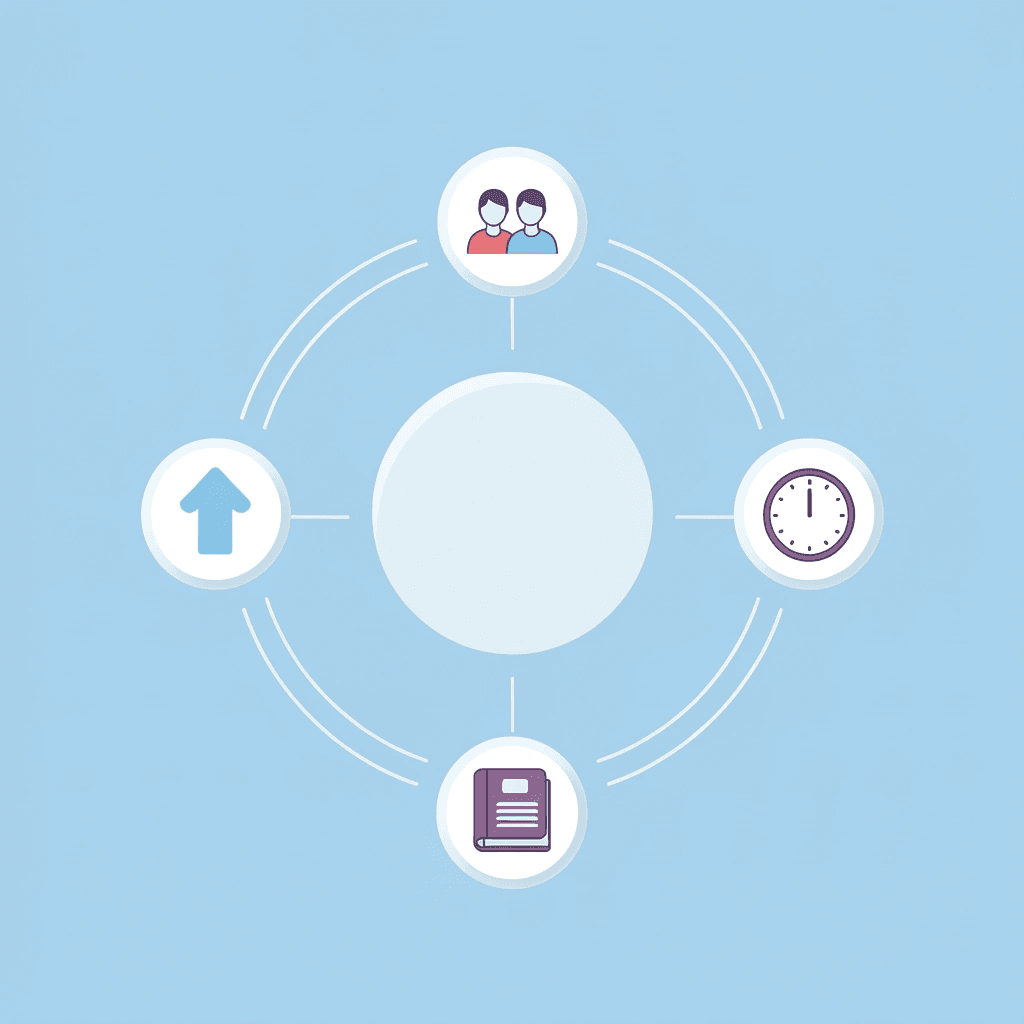
Start With Morning Routines That Mirror School Days
Start adjusting wake-up and bedtime three to four weeks before school begins so your child wakes naturally rested rather than rushing through breakfast and getting dressed. Establish a simple pattern (wake up, bathroom, get dressed, eat breakfast, brush teeth, pack bag) and follow it consistently until your child internalises the sequence. The specific activities matter less than maintaining the same order each day.
How do visual schedules support routine building?
Visual schedules work well for 3- to 5-year-old children who cannot read yet. Use picture cards showing each step so your child can see what comes next without asking. This external structure helps your child remember what to do next while building the thinking and planning skills needed for independent tasks during their preschool day.
Why do established routines help with school transitions?
When morning routines at home feel automatic, children arrive at school with one less thing demanding their attention. Everything at preschool is new: the room layout, the teacher's voice, the bathroom location, snack times, and where to put belongings. They can focus their mental energy on learning names, following group instructions, and managing social interactions instead of constantly wondering what will happen next.
Why does self-sufficiency matter for preschool success?
Preschool teachers supervise many children simultaneously, so your child needs to manage basic self-care tasks independently. This includes putting on shoes and socks, removing jackets, washing hands, and eating snacks without assistance. These skills matter because your child will fall behind during transitions if they cannot zip their coat while other children line up to go outside.
How can you make independence practice enjoyable?
Turn practice into play rather than chores. Challenge your child to see how quickly they can put on both shoes, or create a handwashing song that lasts long enough to clean properly. The goal isn't perfection—it's building enough competence that your child feels capable rather than helpless when the teacher can't provide immediate one-on-one help. That internal sense of "I can do this myself" shapes how children respond to difficulty with academic tasks later in life.
What outerwear skills should you practice before school starts?
Most young children struggle with outerwear, especially in cold climates where boots, hats, and heavy coats complicate matters. Practice these specific tasks during the weeks before school starts. Your child might not master every zipper or button, but even partial independence—getting arms into sleeves, pulling boots halfway on—reduces bottlenecks during group transitions.
Why does social practice matter more than academic drilling?
Separation anxiety and social uncertainty cause more distress in preschool than unreadiness for schoolwork. Set up regular playdates or playground visits to help your child play with unfamiliar peers. Give your child repeated chances to experience peer dynamics: sharing materials, negotiating turn-taking, recovering when someone takes a desired toy, and asking to join ongoing games.
How can role-playing prepare children for real classroom interactions?
Role-playing specific scenarios helps children practise responding before real situations arise. Practice asking to share, expressing frustration with words instead of grabbing, and waiting when the teacher helps someone else. These small interactions represent genuine thinking challenges for young children who haven't yet developed the self-control and perspective-taking ability that make group settings manageable.
What happens when social skills take priority over academic preparation?
The familiar approach treats preschool prep like an academic boot camp, drilling letters and numbers through repetitive worksheets. As children enter classrooms, those early academic advantages fade, while social competence continues to drive daily experience. A child who can count to twenty but falls apart when another student gets the red crayon will struggle more than parents expect. Platforms like My Coloring Pages combine skill-building with creative play, allowing children to practise fine motor control, pattern recognition, and sustained focus without the pressure of formal instruction, while building the patience and task-completion habits that transfer directly to classroom settings.
How can you help your child express their feelings about starting school?
Starting preschool can bring up strong feelings that many young children don't know how to talk about. Begin discussing feelings a few weeks before the first day. Ask open questions like: "What do you think school will be like?" or "How does your body feel when you're nervous?" Accept whatever emotions arise instead of dismissing your child's concerns.
What self-regulation techniques can children use independently at school?
Teach your child simple calming strategies they can use independently when a teacher is unavailable. Practice taking three deep breaths when frustrated, asking for water when overwhelmed, or finding a quiet corner for a break. These strategies give children concrete actions to take when big feelings arise in group settings where adult attention is spread among many students.
How can you reduce your child's anxiety about drop-off and pickup?
Help your child understand the basic structure of drop-off and pickup so they know you will return. Explain clearly: "I will bring you to school, you will play and learn with your teacher and friends, and then I will pick you up after snack time." This predictability reduces anxiety more effectively than unclear promises. Young children need concrete information about what happens and when.
How do you create effective goodbye routines?
Create a short, consistent goodbye routine a few weeks before preschool starts. This might include a special handshake, a quick hug, and a simple phrase like "See you after school." Practice this routine when leaving your child with a babysitter or relative so the pattern feels familiar before the first school drop-off. Long, emotional goodbyes often worsen separation anxiety.
Why should departures stay quick and confident?
Keep departures quick and confident, even when your child cries. Teachers consistently report that children who experience long, drawn-out goodbyes take longer to settle into classroom activities. Crying typically stops within minutes after you leave. Your calm, matter-of-fact departure signals that school is safe and that you trust the teacher and environment. Some parents instinctively stay longer when their child shows signs of distress, believing that extra time will provide comfort. Children pick up on parental anxiety and uncertainty, which reinforces their own worry that something might be wrong. A confident, brief goodbye signals that the transition is normal and manageable. Routines and social practice work only when paired with activities that build the specific skills preschool demands daily.
Related Reading
- Preschool Assessment
- Preschool Crafts
- Preschool Learning Activities
- Preschool Tracing Worksheets
- Daycare Vs Preschool
- Preschool Classroom Layout
- Preschool Playground Equipment
- Preschool Art Activities
- Christmas Crafts Preschool
- Spring Bulletin Board Ideas For Preschool
- Turkey Craft Preschool
- Preschool Sight Words
- Preschool Math Activities
- How To Become A Preschool Teacher
- Preschool Prep
- Preschool Lesson Plan Template
- Noah's Ark Preschool
- Preschool Classroom Layout
- Preschool Science Experiments
- Christmas Crafts Preschool
- Preschool Learning Games
- Free Preschool Games
- Creative Curriculum For Preschool
- Playing Preschool Curriculum
- Preschool Bulletin Board Ideas
What Activities Help With Preschool Prep
Fine motor skills, visual tracking, and hand strength determine whether a child can participate fully in classroom activities or struggle with basic tasks like holding scissors or staying within lines. Hands-on play that strengthens specific muscle groups while teaching focus, patience, and task completion provides the most effective preparation.
🎯 Key Point: Daily practice with activities like playdough manipulation, bead threading, and coloring within boundaries builds the essential foundation your child needs for kindergarten success. "Children who engage in fine motor activities for just 15-20 minutes daily show significantly better classroom readiness and academic performance in their first year of school." — Early Childhood Development Research, 2023
Activity Type | Skills Developed | Recommended Duration |
|---|---|---|
Playdough/Clay Work | Hand strength, finger dexterity | 10-15 minutes |
Cutting Practice | Scissor skills, bilateral coordination | 5-10 minutes |
Drawing/Coloring | Pencil grip, visual tracking | 15-20 minutes |
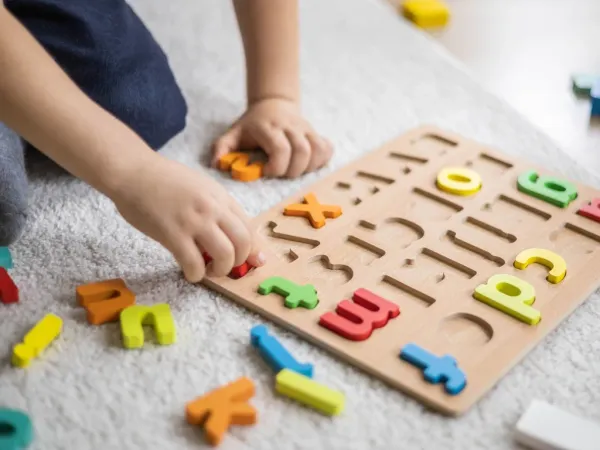
Puzzle Assembly | Problem-solving, fine motor control | 10-20 minutes |
💡 Tip: Start with larger manipulatives like jumbo crayons and thick markers, then gradually transition to standard-sized tools as your child's grip strength and control improve over time.
Why do scissor skills matter beyond cutting paper?
Learning to cut paper requires coordinating both hands while steering toward a target, making it one of the most complex fine motor tasks preschoolers encounter. Teach proper scissor orientation first by asking, "Is your thumb in the small hole?" and "Is your thumb on top?" Children typically pronate their wrists when turning scissors upside down, so this verbal reminder requires repetition until the positioning becomes automatic. Practice the correct grip three times in a row during each session to establish muscle memory.
What materials work best for beginning cutters?
Once orientation feels natural, move to snipping activities using playdough, straws, or narrow strips of index card. These materials provide immediate sensory feedback and require less precision than paper, reducing stress while building hand strength for controlled cutting. The thicker consistency offers proprioceptive input that helps children understand how much pressure to apply. Visible tongue-poking during this phase signals genuine cognitive effort as the brain learns to coordinate new movements.
When should children attempt cutting on lines?
Cutting on a line is an advanced skill that many parents expect their children to learn too quickly. This task requires holding and moving scissors with one hand while using the other to hold and turn the paper steady, all while watching carefully to stay on the line. If your child struggles with this, return to snipping activities without discouraging them. Help them improve by allowing them to succeed rather than pushing a skill before they're ready.
How does coloring build foundational writing skills?
Coloring teaches children to control hand movements while tracking visual boundaries, a foundational skill for writing. Start with small objects like stars, then progress to larger shapes as control improves. Images with a single solid object and minimal background reduce visual distraction for young children who are still developing selective attention.
What drawing sequence prepares children for letter formation?
Drawing straight lines comes before shapes. Model a horizontal line while saying "zoom!" Then invite your child to copy the motion and sound. The verbal cue helps them remember the direction and adds playful energy to practice. After they master horizontal lines, introduce vertical ones using the same approach. These basic strokes build the motor planning necessary for letter formation. Circles come next, followed by crosses and squares. Start with loose circular motions, then gradually work toward circles with definite starting and ending points. Crosses challenge many children because the second line requires crossing the body's midline, a neurological skill that develops at different rates. Squares combine everything: straight lines, corners, and directional changes. If your child can draw a recognizable square, they've demonstrated significant visual motor integration.
How do dot-to-dot activities support reading readiness?
Connecting dots helps children track visually and prepares them to read. It also builds motor planning skills—the ability to plan and control movements. Start with two dots requiring one line between them, then add more as your child improves. Draw simple pictures using dots for your child to complete, giving the activity purpose beyond a mechanical task. This directly supports left-to-right tracking, essential for reading fluency in kindergarten.
Hand Strength Determines Writing Readiness
A proper tripod grasp typically emerges between ages 3.5 and 4, so earlier grips are developmentally normal. Teach the correct position using the "point, pick, and flip" method: have your child point the crayon at themselves, use their thumb and index finger to pick it up near the tip, then flip the back end into the web space between thumb and palm. This creates the three-point contact that provides optimal control with minimal fatigue.
How does vertical surface writing build strength?
Writing on vertical surfaces such as windows, chalkboards, or easels builds strength and stability in the shoulders, wrists, and forearms. These larger muscle groups must stabilise before small finger movements can become precise. The angle naturally positions the wrist in extension, strengthening the muscles that support sustained writing. Even five minutes of vertical surface drawing, several times a week, yields measurable improvement in pencil control.
What simple tools strengthen writing muscles?
Small or broken crayons force the tripod fingers (thumb, index, middle) to work harder, providing targeted strengthening during play rather than isolated exercises. Keep a container of crayon pieces for drawing activities, and grip strength improves within weeks. Clothespins strengthen the same three fingers while developing the thumb web space and hand arches needed for writing endurance. Attach them to a string, box edge, or shirt sleeves. The opening and closing motions build muscle control, preventing cramping during longer writing sessions. Tongs provide similar benefits with more dramatic results. Use kitchen tongs to pick up cotton balls, small toys, ice cubes, or markers and transfer them between bowls or muffin tins. The squeezing motion activates the entire hand and forearm while teaching controlled release, a skill that determines whether children can set down writing tools gently or drop them disruptively.
How does playdough develop hand control?
Playdough develops hand arches through rolling, pinching, and pressing motions. Roll it into snakes against your palm, pinch along the length to create texture, press small objects like toothpicks into flattened playdough, or form letters using playdough ropes. Each activity strengthens the small hand muscles that control individual finger movements during writing.
Social-Emotional Practice Prevents Classroom Meltdowns
Turn-taking doesn't happen automatically. Children learn it through repeated practice in low-stakes situations. Ask for a turn with your child's favourite toy, or play simple board games like Go Fish, Hungry Hungry Hippos, or Candyland that require waiting while another player takes their turn. The frustration that arises during these games at home mirrors what they'll experience when another child becomes the line leader. Practising regulation strategies in your living room helps prevent the discovery of problems during circle time.
How do cleanup routines prepare children for school transitions?
Cleanup routines teach children how to finish tasks and transition between activities. When your child finishes playing with toy cars or building blocks, have them put those items away before selecting something new. This mirrors classroom practice, in which materials must return to their designated spots before moving on to the next activity.
Why is attention control essential for preschool success?
Sitting through an entire activity without stopping halfway demonstrates the focus preschool requires. Three- and four-year-olds should stick with a task they enjoy for at least five minutes, such as finishing a puzzle, colouring a picture, or building with Legos. Start with activities your child enjoys, then gradually add tasks requiring more patience.
How does asking for help prevent classroom outbursts?
Learning to ask for help prevents the quiet frustration that can escalate into behaviour problems. Practice this directly: "When you need help, you can say 'Can you help me please?'" Act out situations where your child gets stuck opening a container or reaching something, then help them by asking for assistance. Children who can articulate their needs receive support before small problems become larger ones. Eye contact during greetings and conversations shows attention and respect. Most children can learn to make brief eye contact when speaking or being spoken to. Practice during everyday interactions: "Look at my eyes when you tell me what happened." This skill demonstrates engagement in classroom settings, where teachers use eye contact to gauge whether children understand instructions.
How do clothing skills help children manage bathroom and outdoor routines?
Kids need to take off and put on shoes and pants independently for bathroom time and outdoor play. Practice these skills at home by breaking down the steps: for shoes, sit down, loosen laces or straps, pull the heel out, slide the foot in, and secure fasteners. For pants, pull down to knee level, use the toilet, pull back up to the waist, and fasten if needed. These steps require significant motor planning and hand strength for young children.
Why does handwashing independence matter in preschool settings?
Handwashing becomes automatic when broken into five steps: get soap, rub hands together, rinse hands, turn off faucet, and dry hands. Practice this sequence multiple times daily, saying each step aloud until your child completes it without reminders. Preschool bathrooms often lack adult supervision, so children who can wash their hands independently avoid the hygiene issues that lead to frequent illness during the first months of school.
How do practical skills compare to academic preparation for preschool success?
The familiar approach treats preschool prep like an academic boot camp, drilling letters and numbers through repetitive worksheets. As children enter classrooms, those early academic advantages fade, while practical skills like managing clothing and materials continue to drive daily experience. A child who can recite the alphabet but cannot put on their jacket will struggle more than parents anticipate. Platforms like My Coloring Pages shift this dynamic by offering printable activities that combine skill-building with creative play, letting children practise fine motor control, pattern recognition, and sustained focus without the pressure of formal instruction, while building the patience and task-completion habits that transfer to classroom settings.
How does daily letter exposure build recognition skills?
Help your child learn letters by seeing them every day: read books together, point out letters in their name and on signs, and practise letter sounds in a relaxed way ("Apple starts with 'ah'"). This casual approach helps your child understand how sounds and letters work without pressure.
Which letters should preschoolers practice first?
Capital letters with straight lines (L, E, F, H, T, I) work well for preschoolers because they lack the diagonal strokes and curves that require advanced motor control. Practice writing together, focusing on stroke order rather than perfection. Start with vertical lines, which most children find more natural, then add horizontal parts once vertical strokes feel controlled.
Why is writing their name such an important milestone?
Writing their name is a significant step in building identity and ownership. This might mean recognizing letters, copying the first letter, or writing the whole name in capital letters. Respect what your child can do now. Multi-sensory approaches work better than paper-and-pencil alone: write names in sand, form letters with playdough, or trace large letters on a steamy mirror. These varied methods keep your child engaged while building motor skills. These individual skills matter most when practised in an environment that feels like play rather than work.
Build Your Child’s Focus and Confidence Before Preschool with Fun Coloring Activities
Starting preschool challenges children who haven't practiced sitting still, following instructions, or completing tasks independently. Teachers expect students to manage basic activities like colouring within boundaries, cutting along lines, and finishing projects before moving on. These skills determine whether a child can participate in classroom routines or needs ongoing support.
🎯 Key Point: Structured coloring activities build these skills through repetition that feels like play. Coloring a picture from start to finish practices sustained attention. Staying within lines develops hand-eye coordination and impulse control. Choosing colors deliberately builds decision-making skills and shows visible results. Each completed page reinforces the satisfaction of finishing something, creating internal motivation to keep going through harder tasks. "Regular coloring practice develops the sustained attention and fine motor control children need to succeed in structured classroom environments." — Early Childhood Development Research, 2023
💡 Tip: My Coloring Pages helps parents create custom printable activities matched to what their child needs to practice before preschool. Describe letters, numbers, shapes, or classroom themes your child will encounter, then print pages combining skill-building with engaging subjects. Our platform also offers 49,000+ free community coloring pages for quick activities that build focus and fine motor control without screens or expense. Regular practice develops the confidence children need to navigate preschool routines on their own.

Skill Developed | Coloring Activity | Preschool Benefit |
Sustained Attention | Complete full pictures | Sit through story time |
Fine Motor Control | Stay within lines | Hold pencils properly |
Task Completion | Finish before moving on | Follow classroom routines |
Decision Making | Choose colors deliberately | Make independent choices |