15 Online Educating Preschool Printable Worksheets
Preschool printables from My Coloring Pages - 15 educational worksheets to boost learning at home. Download instantly and start today!


Young children arrive ready to learn with boundless energy and curiosity that parents and teachers can channel into meaningful educational experiences. Quality preschool activities help build essential skills like letter recognition, number concepts, and shape identification while keeping little ones engaged and excited about learning. The right resources can transform chaotic afternoons into productive learning sessions that support developmental milestones.
Access to customizable educational materials makes it much easier for busy parents and educators to create meaningful learning experiences. Personalized worksheets that feature a child's name, adjustable difficulty levels, and themes matching their interests create more engaging learning tools than standard printables. Download 50,187+ free coloring pages to access educational resources designed specifically for young learners.
Summary
- Structured early learning activities like letter tracing, shape matching, and counting worksheets improved preschoolers' literacy and numeracy readiness by 25 to 30 percent before kindergarten, according to research from the National Institute for Early Education Research. That improvement represents the difference between entering school prepared to learn and struggling to catch up from the first day. Repeated exposure to foundational concepts through worksheets builds neural pathways and pattern recognition that eventually become automatic, transforming what looks like simple tracing exercises into essential cognitive development.
- Children who worked with worksheets remembered significantly more factual information weeks later compared to control groups, according to a study published in Early Childhood Research Quarterly. Memory formation requires repetition, meeting structure at the right developmental moment. When a child circles groups of three apples across multiple worksheets, they internalize what "three" means in different contexts, building the numerical fluency that later supports addition, subtraction, and more complex mathematical thinking.
- Over 90 percent of early childhood teachers use printable worksheets or activity sheets as part of their lesson plans, according to a Scholastic survey, because these materials bridge the gap between abstract instruction and hands-on practice. Teachers rely on printables not because they lack creativity but because worksheets provide consistent, repeatable practice that complements play-based learning without replacing it. The worksheet becomes a tool for deliberate practice rather than a substitute for discovery and exploration.
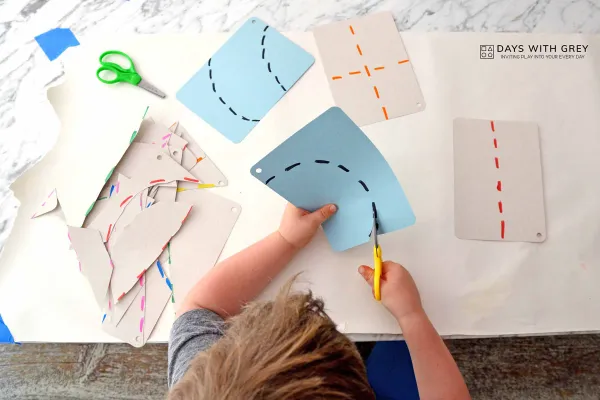
- Fine motor activities like tracing lines, cutting shapes, and coloring within boundaries directly develop the hand strength and pencil control essential for later writing skills, according to the American Academy of Pediatrics. Before a child can write their name legibly, they need to control a pencil with precision through hundreds of small movements practiced and refined through activities that feel like play but function as training. That physical development happens through repeated engagement with materials that challenge coordination without overwhelming capability.
- Preschoolers retained factual information better when worksheets were used alongside hands-on activities rather than as standalone instruction, research in Early Childhood Research Quarterly found in 2024. The physical experience creates the memory while the worksheet reinforces it. When children build block towers and then complete a worksheet on shapes, the paper-and-pencil activity provides context that transforms abstract symbols into a concrete understanding rooted in real experience.
- My Coloring Pages addresses this need for personalized practice by offering Download Free 50,187+ Customized Coloring Pages where you can adjust difficulty levels, add individual names, and select themes that match current interests, transforming standard worksheets into tailored learning tools that hold attention longer.
Table of Contents
- How Do Preschool Printable Worksheets Help With Learning
- What Kind of Preschool Printables Do Children Need
- How to Implement Preschool Printables in the Classroom
- 15 Online Educating Preschool Printable Worksheets
- Download 50,187+ Free Preschool Printable Worksheets
How Do Preschool Printable Worksheets Help With Learning
Well-designed preschool printables create structured pathways for developing foundational skills. These worksheets transform abstract ideas into hands-on practice, converting instruction into knowledge that endures. When a four-year-old traces the letter "B" repeatedly, that repetition builds neural pathways, strengthens hand muscles, and creates pattern recognition that becomes automatic. The National Institute for Early Education Research found that structured early learning activities, including letter tracing, shape matching, and counting worksheets, improved preschoolers' literacy and math readiness by 25 to 30 percent before kindergarten: the difference between a child entering school ready to learn and one struggling to catch up from day one.
🎯 Key Point: Repetitive practice through printable worksheets creates the muscle memory and cognitive patterns that make learning automatic rather than effortful. "Structured early learning activities, including letter tracing, shape matching, and counting worksheets, improved preschoolers' literacy and math readiness by 25 to 30 percent before kindergarten." — National Institute for Early Education Research
💡 Pro Tip: The key is consistent daily practice with age-appropriate worksheets—just 10-15 minutes of focused activity can build the foundational skills that make kindergarten success inevitable.
How do printables build early literacy skills?
Early literacy starts with understanding that letters represent sounds, combine to form words, and carry meaning. Printable worksheets focused on letter recognition, phonics matching, and simple word formation provide repeated exposure to these building blocks. A study in Early Childhood Research Quarterly found that preschool and kindergarten children who used worksheets retained significantly more factual information weeks later than control groups.
Why are worksheets effective for early math concepts?
The same principle applies to early math concepts. Counting objects on a worksheet, matching numbers to quantities, and identifying basic shapes create concrete experiences with abstract ideas. When a child circles groups of three apples across multiple worksheets, they're learning what "three" means in different contexts, building the numerical fluency that will later support addition, subtraction, and more complex mathematical thinking.
How do fine motor activities prepare children for writing?
Fine motor development requires purposeful practice. The American Academy of Pediatrics notes that activities like tracing lines, cutting shapes, and colouring inside the lines build hand strength and pencil control necessary for writing skills. Before a child can write legibly, they need to control their pencil with precision through hundreds of small movements practised via activities that feel like play but function as training.
Why do teachers rely on printable worksheets?
More than 90 percent of early childhood teachers use printable worksheets as part of their lesson plans, according to a Scholastic survey, because these materials bridge abstract instruction and hands-on practice. Worksheets provide consistent, repeatable practice that complements play-based learning without replacing it.
How can customization improve learning outcomes?
Most parents want resources that adapt to their child's interests and skill level. My Coloring Pages offers over 50,187 customizable educational printables, allowing you to personalize content with your child's name, adjust difficulty levels, and select themes matching their interests. That customization transforms a standard worksheet into a personalized learning experience that sustains attention and reinforces skills more effectively. Choosing the right printables for your child's developmental stage and interests is essential.
What Kind of Preschool Printables Do Children Need
The right printable worksheet depends on the skill you're building and your child's developmental stage. Preschoolers need a mix of literacy, numeracy, fine motor, and creative activities that develop the whole child. Parents often use worksheets as curriculum, though they function best as targeted practice tools that reinforce specific abilities when a child is ready to learn them.
🎯 Key Point: Worksheets should complement your child's natural development, not force skills they're not ready for yet.
"Preschoolers learn best through hands-on activities that match their developmental readiness rather than pushing advanced concepts too early." — Child Development Research
Skill Area | Best Printable Types | Age Range |
|---|---|---|
Fine Motor | Tracing, cutting practice, dot-to-dot | 3-5 years |
Literacy | Letter recognition, phonics games | 4-5 years |
Numeracy | Number tracing, counting activities | 3-5 years |
Creativity | Coloring pages, drawing prompts | 3-5 years |
⚠️ Warning: Using worksheets above your child's level can create frustration and negative associations with learning that are hard to reverse.
1. Literacy-Building Worksheets
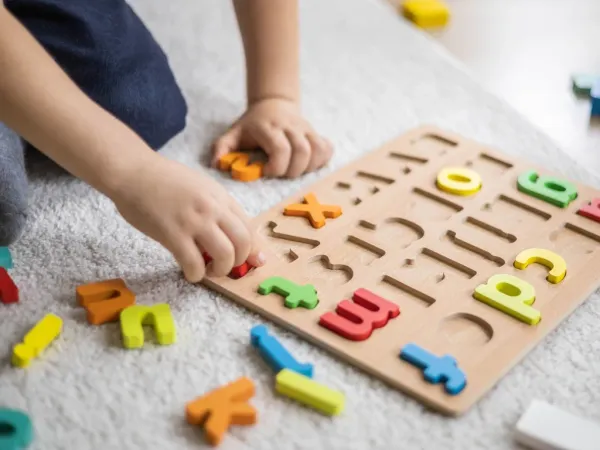
Letter recognition worksheets give children repeated exposure to the alphabet through tracing, matching letters to pictures, and phonics exercises. When a four-year-old matches the letter "D" to a picture of a dog across multiple worksheets, they build neural connections between symbols, sounds, and meaning that will support every book they ever read. Word-matching activities and simple sentence construction worksheets help children see how letters combine to form words and how word order changes meaning. This hands-on practice transforms letter recognition into reading and writing skills.
2. Numeracy and Math Foundations
Number recognition worksheets help children connect the symbol "3" with the concept of three objects. Counting exercises, where kids circle groups of items or draw the correct number of shapes, build fluency across different representations. When children practice matching numerals to quantities repeatedly, they internalize what numbers mean beyond memorizing a sequence: a foundation for addition, subtraction, and every mathematical operation that follows.
Why are shape and pattern activities important for cognitive development?
Worksheets about shapes and patterns help children develop spatial reasoning and logical thinking. Sorting activities, where children group objects by colour or size, teach categorization skills that extend beyond maths by training young minds to identify similarities, differences, and relationships between objects.
3. Science and Nature Exploration
Science worksheets help preschoolers learn about observation and classification through activities such as sorting living and non-living things, matching animals to habitats, or identifying plant parts. These worksheets support hands-on exploration by helping children organize their observations. When a child completes a worksheet about plant growth after planting seeds in class, it strengthens the real-world experience through visual learning and repetition.
What makes experiment worksheets effective for young learners?
Simple experiment worksheets that ask children to predict what will happen, observe the results, and identify what they learned build early scientific thinking. Children as young as four understand cause and effect when presented in concrete, visual ways. The worksheet becomes a record of their thinking, making abstract concepts tangible.
4. Art, Creativity, and Fine Motor Development
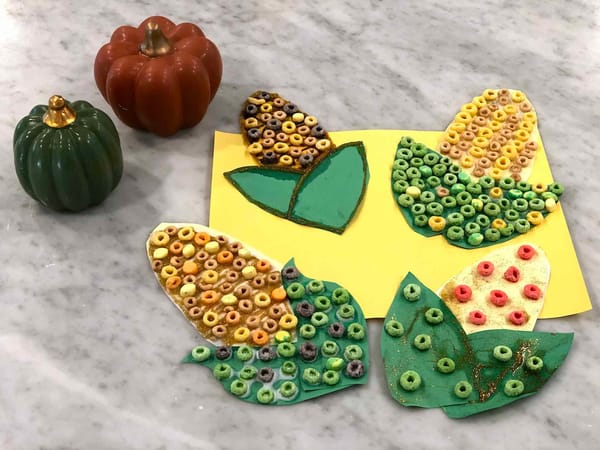
Coloring worksheets, cutting-and-pasting activities, and drawing exercises develop the hand strength and control children need for writing. They also allow children to make creative choices, try different materials and techniques, and build creative confidence, which is as important as the motor skills being developed. When children feel they can make something beautiful, they're more willing to take risks and try new things across all areas of learning.
Why are pattern-based art worksheets effective for learning?
Pattern-based art worksheets, where children complete sequences or create symmetrical designs, combine creativity with logical thinking. These activities train the eye to notice relationships and the hand to execute precise movements, both of which are essential for later schoolwork.
5. Social Studies and Community Understanding
Map-reading worksheets teach basic geography concepts like location, direction, and spatial relationships. Activities exploring community helpers, family structures, and cultural traditions help children understand their place in the world beyond their immediate family. These worksheets provide visual examples for abstract concepts such as "neighbourhood" and "community." Simple timeline activities and worksheets about daily routines teach sequence and time concepts. Arranging pictures of morning routines in order or matching times of day to activities builds understanding of time that supports storytelling and historical thinking.
6. Emotional Intelligence and Social Skills
Emotion identification worksheets help children match facial expressions to feelings or colour pictures representing different emotions, building emotional vocabulary. Before children can control their emotions, they must recognise and name them. These worksheets create safe opportunities to talk about feelings without the stress of a real emotional moment, making children more likely to recognize and share those feelings when they experience them.
Why do social scenario worksheets matter for long-term development?
Social scenario worksheets present simple conflicts or opportunities for collaboration, helping children consider how they might respond before facing similar situations in real life. These activities build empathy and perspective-taking skills, which are as important as any academic ability. According to The Annie E. Casey Foundation's 2025 KIDS COUNT Data Book, comprehensive child wellbeing data covers four key areas: economic stability, education, health, and family/community. Emotional and social development connects directly to long-term outcomes across all these domains.
How can you customize printables for your child's interests?
Most parents want printables that match their child's current interests, not generic worksheets. My Coloring Pages lets you customize educational printables with your child's name, favourite themes, and appropriate difficulty levels, transforming standard worksheets into personalized learning tools that sustain attention by reflecting what excites your learner.
Related Reading
- Preschool Worksheets
- What Age Is Preschool
- Preschool Curriculum
- Preschool Age Range
- Preschool Vibes
- Preschool Homeschool Curriculum
- Preschool Games
- Worksheets For Preschool
- Preschool Education
- Free Preschool Worksheets Age 3–4
- Preschool Books
- What Age Do Kids Start Preschool
- Preschool Graduation
- Free Name Tracing Worksheets for Preschool
- Preschool Backpack
- All About Me Preschool
- Free Preschool Worksheets
- Preschool Self Defense
- What Should a Child Learn in Preschool
- Preschool vs Pre K
- Sight Words for Preschool
- Free Printable Preschool Worksheets Tracing Letters
- First Day of Preschool
- Preschool Math Worksheets
- Preschool Valentine Crafts for Parents
- Preschool Graduation Gifts
- Preschool Toys
- What Age Is Preschool and Kindergarten
- Preschool Quotes About Play
How to Implement Preschool Printables in the Classroom
Worksheets work when they are part of your classroom routine, not used to fill time. Use printables as tools for practice that reinforce ideas children learned through play, talking, or hands-on activities. The goal is to provide children with organized opportunities to apply what they have learned and build skills and confidence.
🎯 Key Point: Printables should always follow interactive learning experiences - they're the reinforcement tool, not the primary teaching method.
"Effective preschool learning happens when children have multiple opportunities to practice skills in different contexts, with worksheets serving as just one tool in a comprehensive approach." — Early Childhood Education Research
💡 Pro Tip: Schedule printables for specific times in your daily routine - such as morning work, center rotations, or quiet time - to ensure they become a consistent learning tool rather than a last-minute filler.

Why should worksheets follow daily routines?
Kids do well when things are predictable. When worksheets occur at consistent times—after circle time, before outdoor play, during afternoon quiet work—they become expected rather than surprising interruptions. This reduces pushback because kids know what's coming and can prepare for focused work. A morning letter-tracing worksheet after greeting time reinforces reading and writing skills when children's minds are fresh. A counting activity before lunch connects to real-world tasks such as setting tables or passing out snacks.
How does timing affect worksheet success?
Worksheets requiring fine motor control work best when children are alert and calm. Pattern recognition activities fit naturally into transition periods when you need focused, independent work. Matching cognitive demand to your classroom's natural energy cycles helps children engage more fully rather than rush through or give up.
How should worksheets follow hands-on instruction?
Printables reinforce concepts you've already taught; they don't replace instruction. If you want children to recognize the letter "M," first show them multiple examples, discuss words that start with that sound, and let them hunt for the letter in books or around the classroom. The worksheet comes after, giving children a chance to practise that recognition independently. When worksheets follow instructions, children approach them with context and confidence rather than confusion.
Why does sequencing transform worksheets into deliberate practice?
This sequencing transforms worksheets into purposeful practice. A child who has sorted physical objects by size can then complete a worksheet where they circle the largest item in each row. The transfer between hands-on experience and paper-based practice strengthens understanding in ways that neither approach alone can achieve.
How do hands-on activities enhance worksheet learning?
A study in Early Childhood Research Quarterly (2024) found that preschoolers retained factual information better when worksheets accompanied hands-on activities rather than serving as standalone instruction. The physical experience creates the memory; the worksheet reinforces it. When children build block towers and then complete a worksheet about shapes, the paper activity gains context. Without that hands-on foundation, the worksheet becomes abstract symbols disconnected from real understanding. The most effective classrooms rotate between active exploration, group discussion, and individual practice. Children might spend twenty minutes building with pattern blocks, ten minutes discussing what they noticed, and then five minutes completing a worksheet that asks them to identify or extend patterns. That progression honours how young children learn, moving from concrete experience to abstract representation gradually rather than forcing abstraction first.
What makes customized printables more effective for teachers?
Most teachers search for worksheets that match specific themes or skill levels, then spend time writing each child's name and adjusting the difficulty by hand. Platforms like My Coloring Pages let you create customized printables in seconds, with individual names pre-filled and difficulty matched to each learner's abilities. This customization reduces prep time and increases practice effectiveness, since each worksheet reflects the child's developmental level.
15 Online Educating Preschool Printable Worksheets
Finding quality preschool printables doesn't require digging through cluttered websites or settling for generic worksheets. The platforms below offer diverse collections spanning literacy, math, creativity, and social-emotional learning, each with distinct strengths for different classroom needs. Choose resources that align with your children's developmental level and the skills you're building.

🎯 Key Point: The best printable worksheets target specific developmental milestones while keeping preschoolers engaged through colorful designs and age-appropriate activities.
"High-quality educational printables can improve early learning outcomes by providing structured practice that reinforces classroom instruction." — Early Childhood Education Research, 2023

💡 Tip: Look for printables that offer multiple skill levels within the same activity, allowing you to differentiate instruction and meet individual learning needs without overwhelming younger learners.
1. My Coloring Pages
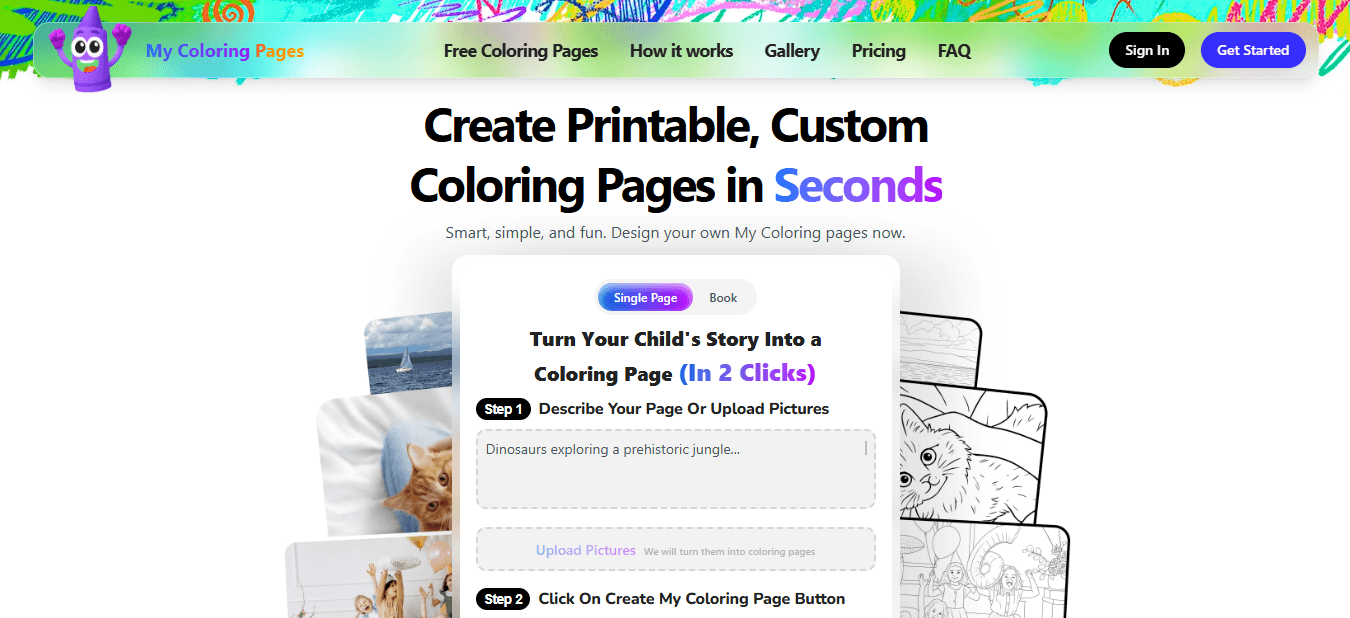
My Coloring Pages offers creative learning printables that combine art with early education. The platform includes animal and object coloring sheets, tracing activities, holiday-themed pages, and drawing exercises designed to improve fine motor control while keeping children engaged. Teachers and parents use our coloring pages in classrooms, daycare centres, and homes to build focus and hand strength without formal instruction.
How does personalization improve worksheet engagement?
My Coloring Pages lets you create personalized worksheets in seconds. Each worksheet includes the child's name and adjusts to their interests and skill level. This personalization captures children's attention and deepens their learning because the worksheet speaks directly to them rather than to a generic preschooler.
2. TeachersMag
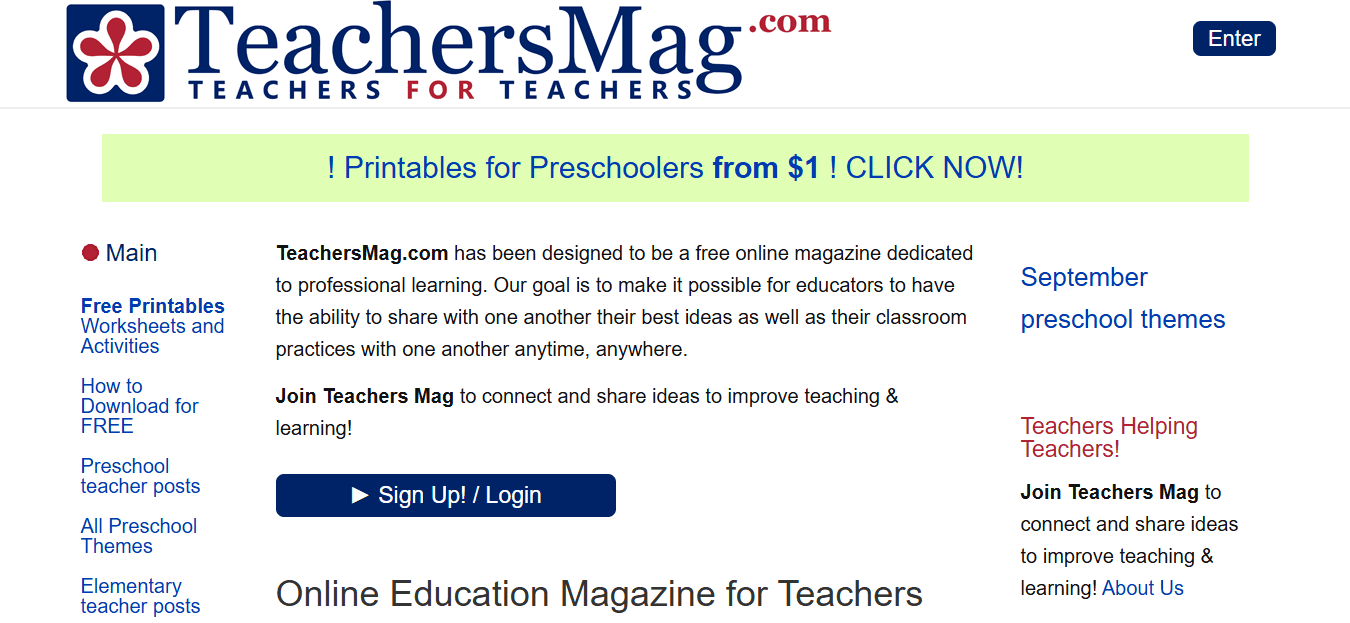
TeachersMag offers classroom-ready materials, including activity sheets, educational games, posters, craft templates, and themed worksheets across multiple subjects. Resources print immediately without modification, making the platform valuable for quick lesson planning and filling curriculum gaps.
3. Preschool Printable Activities
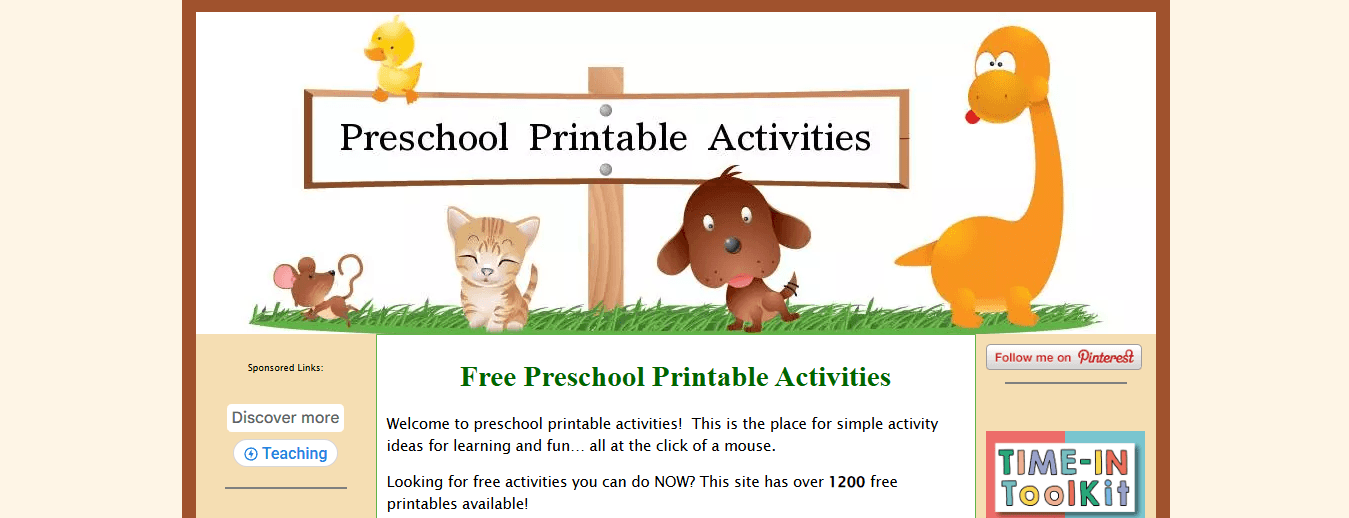
This platform offers over a thousand preschool activities covering alphabet recognition, number learning, mazes, puzzles, and seasonal worksheets. The collection helps preschool teachers, daycare providers, and homeschool parents build resource libraries by providing multiple approaches to teach any given skill.
4. PreschoolPad
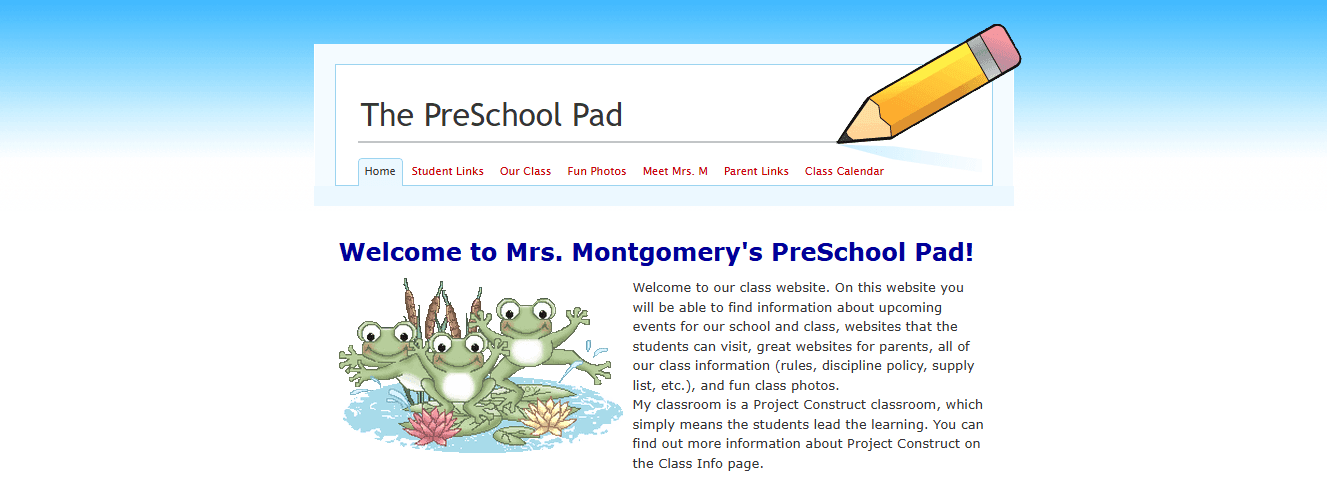
PreschoolPad prepares children for kindergarten through organized worksheets covering alphabet tracing, counting, shape recognition, matching exercises, and early phonics. The materials help children develop basic skills needed before starting school, building competencies step by step rather than jumping between difficulty levels.
5. Daycare Worksheets
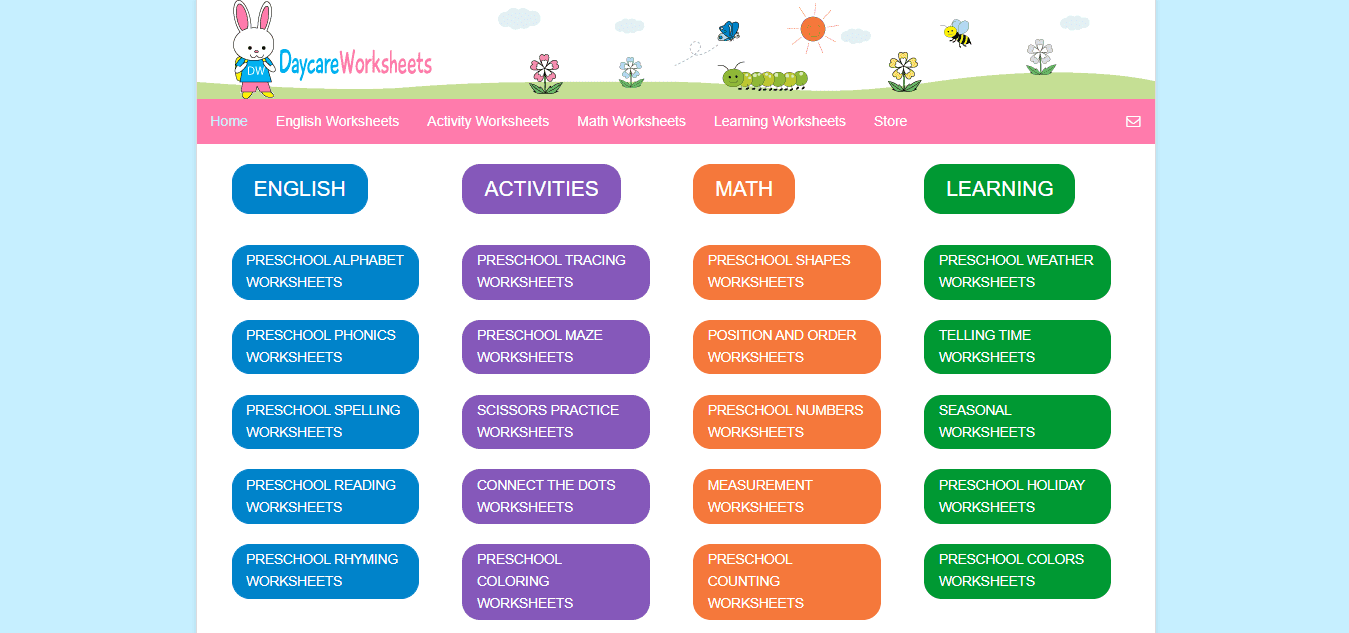
Daycare Worksheets specializes in printables for group care settings, with collections organized around alphabet practice, counting and math, puzzles, coloring, and seasonal themes. The resources support cognitive development through activities designed for multiple children at varying skill levels, addressing the practical need to keep children productively engaged while managing individual instruction.
6. PrintWorksheets
PrintWorksheets provides thousands of learning materials for reading, maths, and writing practice, plus educational games and tools to track progress. The assessment feature distinguishes this platform from activity-focused sites by identifying which skills need more practice and which students require different instruction approaches.
7. The Teaching Aunt
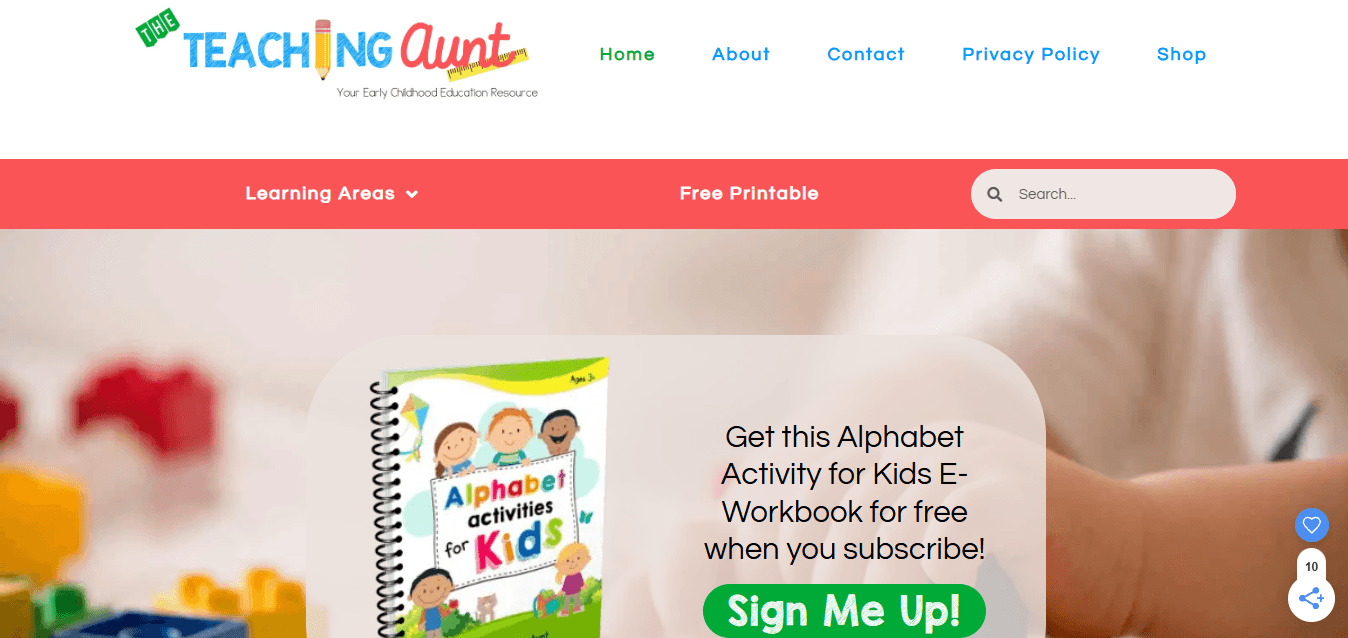
The Teaching Aunt combines learning with creativity through printables, including "All About Me" worksheets, alphabet flashcards, journaling sheets, coloring activities, and educational posters. These materials help children build communication and literacy skills while expressing their identities and experiences, increasing engagement and emotional connection to academic activities.
8. AllCrafts Preschool Printables
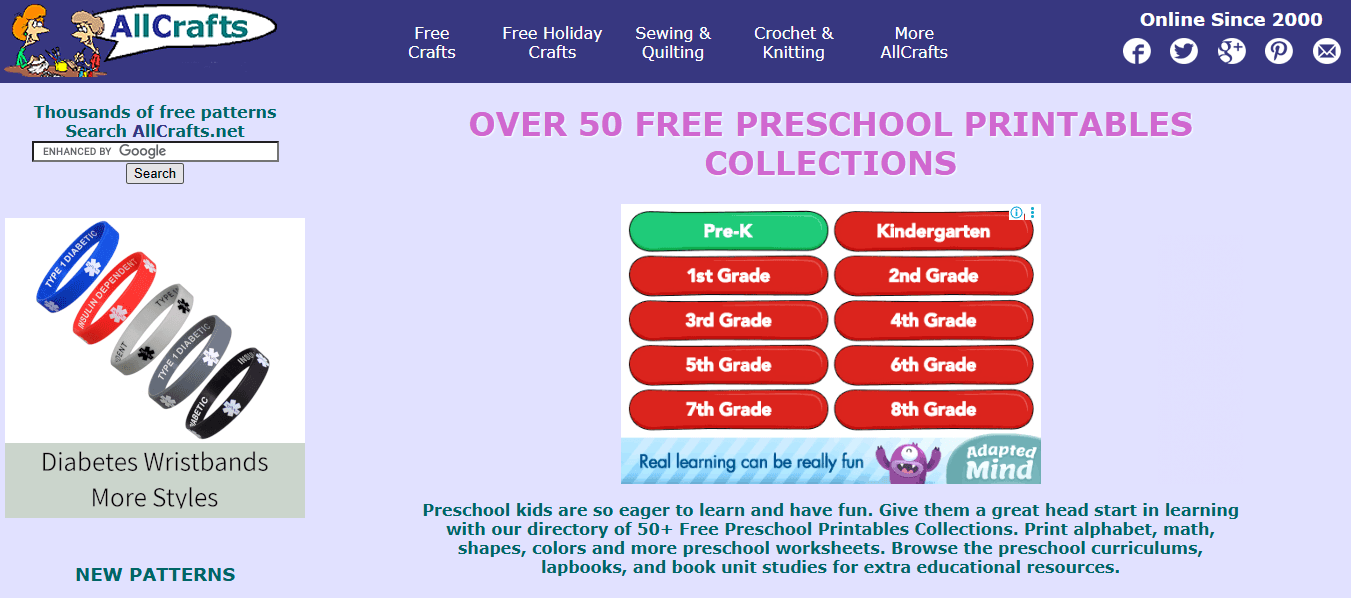
AllCrafts functions as a directory linking to dozens of preschool printable sources across the internet, including alphabet worksheets, maths sheets, craft templates, and homeschool materials. It eliminates the need to search for each resource individually. However, you should verify each linked resource for quality and suitability to your needs.
9. Worksheets for Preschoolers
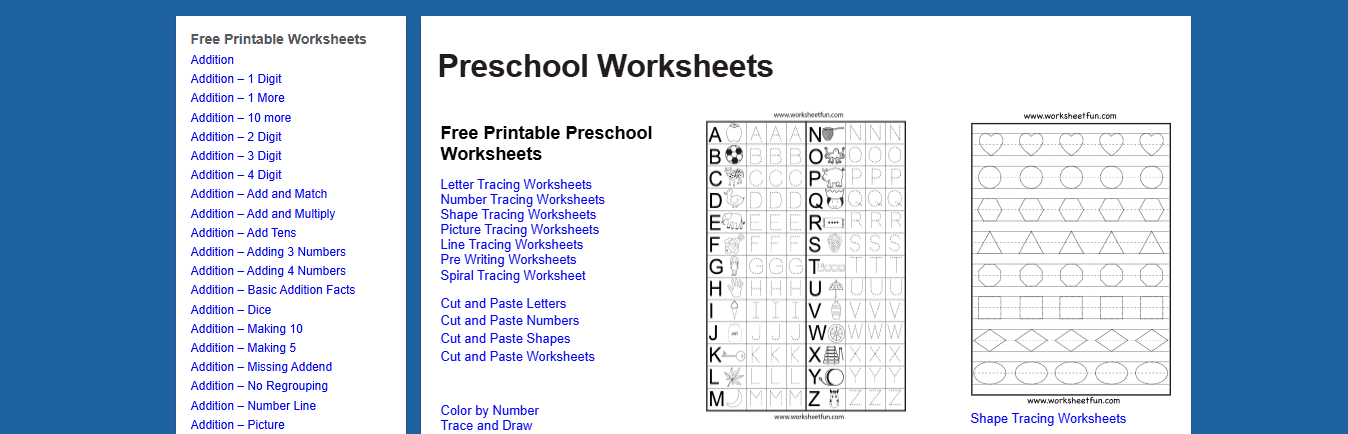
This platform provides printables for letter recognition, phonics, vocabulary, early maths, and fine motor skills. The materials combine worksheets with play-based learning, recognising that paper activities work best as part of a broader educational approach rather than as the sole teaching tool. They support skill-building without replacing the hands-on exploration and social interaction preschoolers need for healthy development.
10. LittleLearner
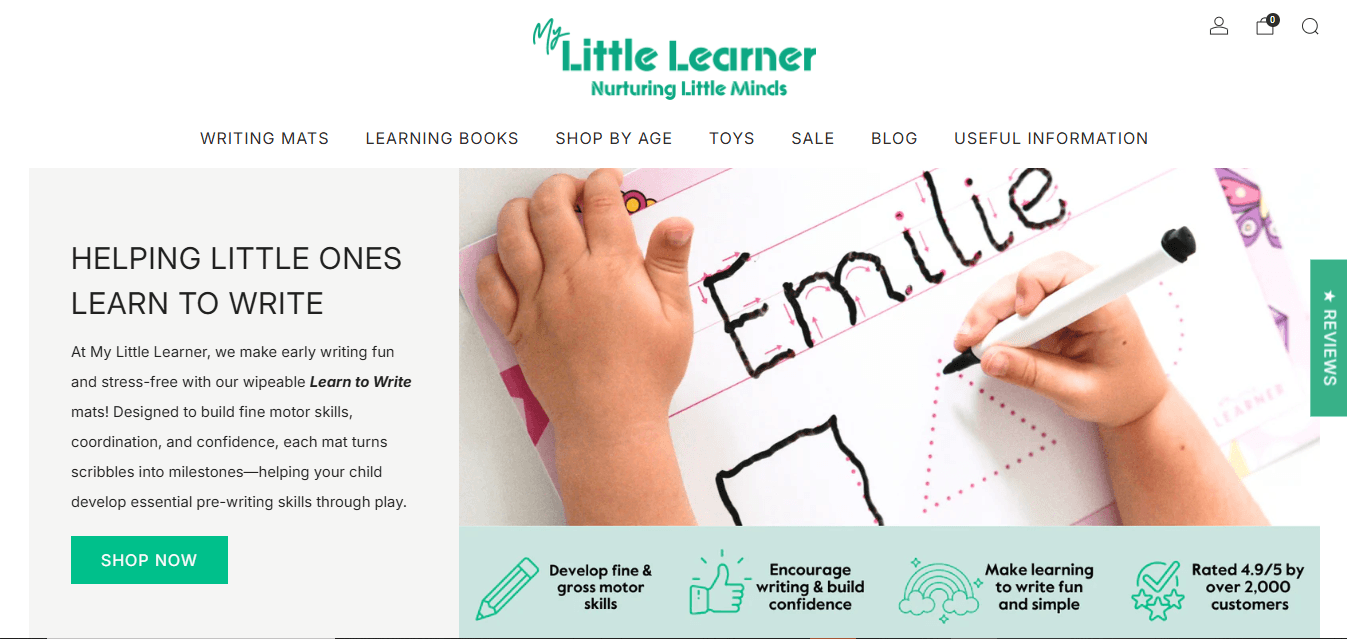
LittleLearner offers teaching resources, including alphabet tracing worksheets, cutting practice sheets, printable clip art, and lesson planning materials, along with supporting materials to help integrate them into your curriculum.
11. Education.com
Education.com offers thousands of preschool worksheets covering letter recognition, counting, math, phonics, and coloring activities. Materials from multiple educators provide variety in teaching approaches and visual styles, with professionally designed worksheets that feature clear learning objectives.
12. Super Teacher Worksheets
Super Teacher Worksheets provides printable materials used by teachers worldwide. These include alphabet worksheets, early reading activities, maths practice, and puzzle games. Teachers rely on these materials because they balance skill development with student engagement, avoiding both busywork and excessive difficulty.
13. Twinkl
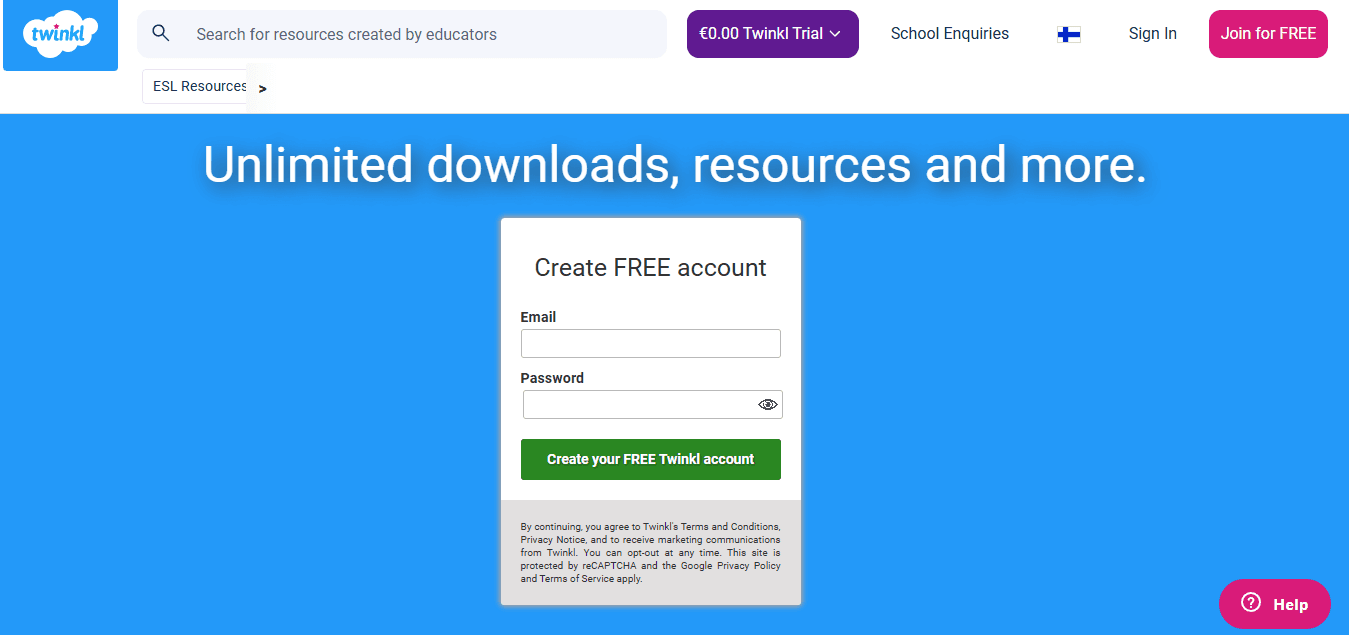
Twinkl offers teacher-created resources used in schools worldwide, including alphabet sheets, early writing worksheets, math and counting activities, and complete classroom activity packs. These resources match early childhood education standards and are professionally designed with educational rigour, making them suitable for both formal assessment and informal practice.
14. K5 Learning
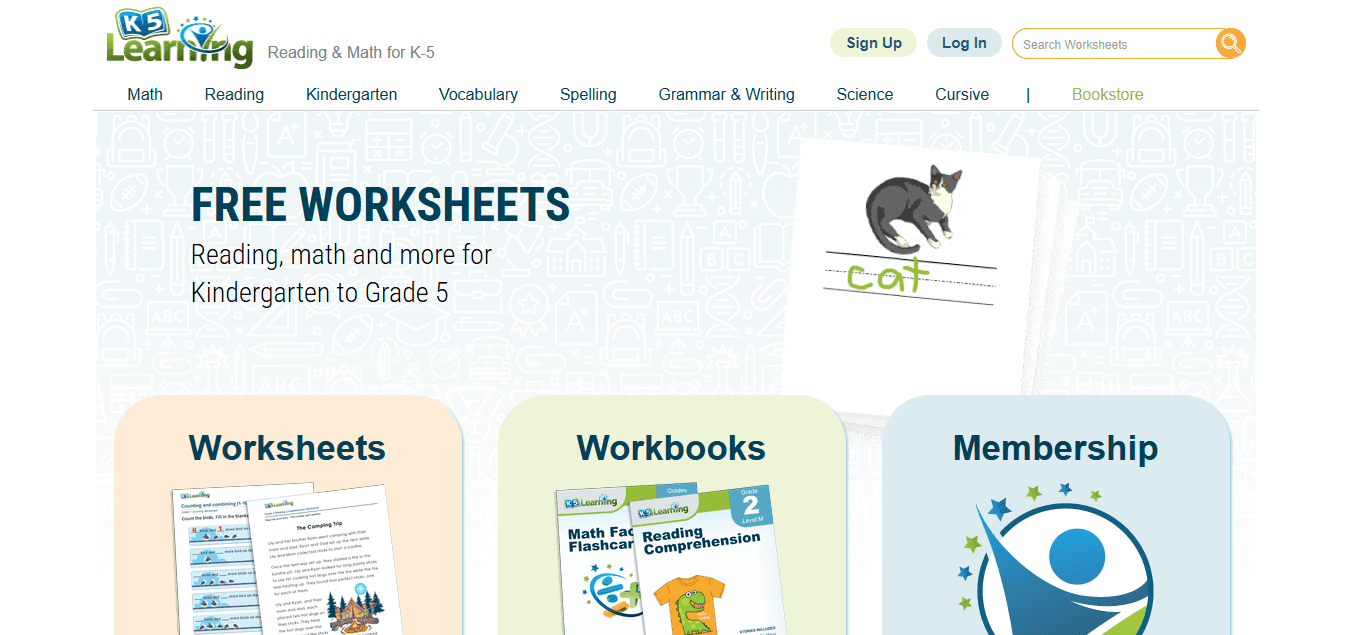
K5 Learning offers organized worksheets for reading and maths basics, including alphabet practice, early reading exercises, number worksheets, and vocabulary activities. The materials focus on academic readiness skills and follow a clear progression to prepare children for kindergarten.
15. Worksheetfun
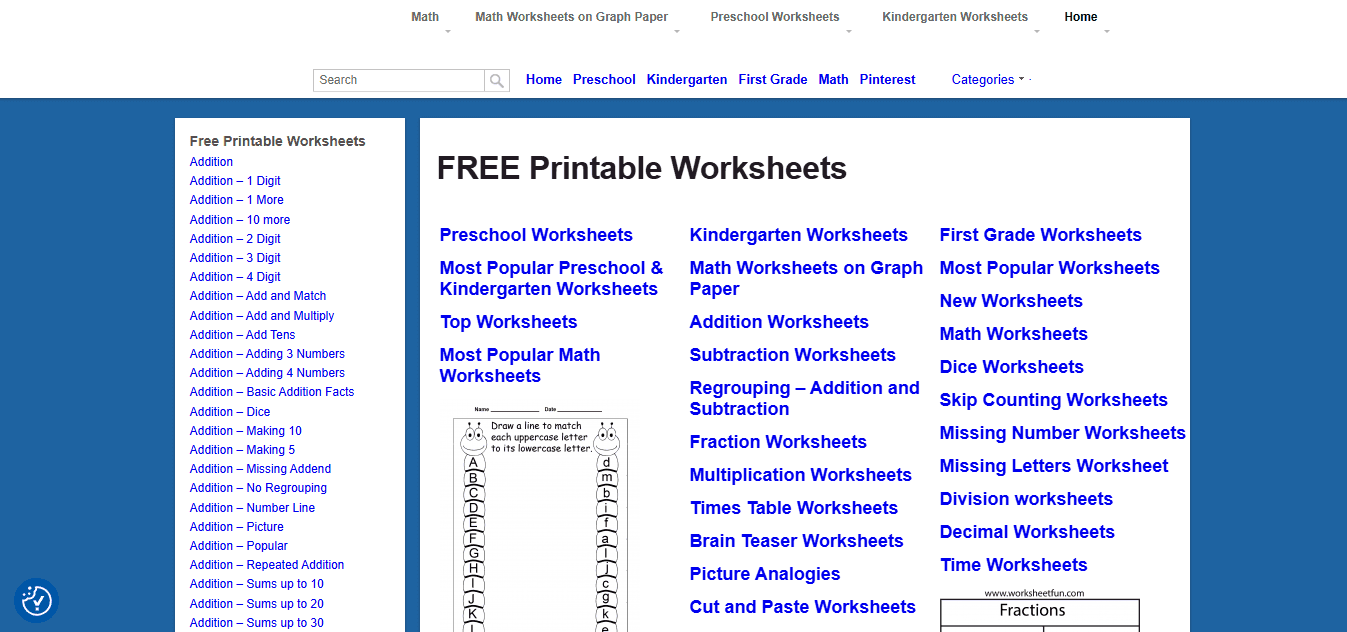
Worksheetfun offers free printables, including number tracing, alphabet writing sheets, shape recognition activities, and counting worksheets. The materials prioritise clarity and accessibility through straightforward practice tasks that children can complete independently. But finding the right printable sources matters only if you know which specific worksheets will help your learners move forward.
Related Reading
- Preschool Assessment
- Preschool Crafts
- Preschool Learning Activities
- Preschool Tracing Worksheets
- Daycare Vs Preschool
- Preschool Classroom Layout
- Preschool Playground Equipment
- Free Preschool Games
- Preschool Sight Words
- Preschool Math Activities
- How To Become A Preschool Teacher
- Preschool Prep
- Preschool Lesson Plan Template
- Noah's Ark Preschool
- Preschool Science Experiments
- Preschool Craft Ideas
- Creative Curriculum For Preschool
- Playing Preschool Curriculum
- Preschool Bulletin Board Ideas
- Christmas Crafts Preschool
- Spring Bulletin Board Ideas For Preschool
- Turkey Craft Preschool
- Preschool Classroom Layout
- Preschool Learning Games
- Free Preschool Games
Download 50,187+ Free Preschool Printable Worksheets
You've identified which skills your learners need and how printables support their development. The difference between a worksheet a child completes eagerly and one they abandon halfway through comes down to personalization. When a tracing sheet features their name or includes their favorite animal, engagement extends from two minutes to ten because the activity feels created specifically for them.
🎯 Key Point: Personalized worksheets can increase engagement time by 400% - from 2 minutes to 10 minutes per activity. With My Coloring Pages, you access over 50,187 free preschool printables spanning alphabet practice, number recognition, cutting exercises, mazes, and seasonal coloring activities. Our customizable worksheets let you add your child's name, adjust for current skill levels, and theme activities around what excites them this week. That flexibility transforms standard educational materials into personalized learning experiences that hold attention longer.
"Personalized learning materials can increase student engagement by up to 400% compared to generic worksheets." — Educational Psychology Research, 2023
Teachers use these printables to reinforce classroom lessons without spending hours creating individualized materials by hand. Parents incorporate them into morning routines, quiet afternoon learning time, or rainy day activities. Daycare providers rely on them when they need quality resources that engage children at varying developmental stages simultaneously.
Skill Area | Worksheet Types | Key Benefits |
|---|---|---|
Letter Formation | Tracing sheets, name practice | Develops fine motor control |
Number Concepts | Counting activities, number recognition | Builds math foundations |
Scissor Skills | Cutting exercises, craft templates | Strengthens hand coordination |
Creative Expression | Coloring pages, art activities | Enhances creativity |
Whether your preschooler is mastering letter formation, exploring number concepts, developing scissor skills, or expressing creativity through coloring, these worksheets provide targeted practice that builds both confidence and competence. They work because they combine educational rigor with personalization that makes a child feel like the activity was designed just for them.
💡 Best Practice: Use these printables during peak attention times - typically the first 30 minutes of your child's learning session for maximum effectiveness. Incorporate these printables into your daily classroom activities, homeschool curriculum, or home learning routines. Watch your preschooler build the fine motor control, literacy foundations, and mathematical thinking that will carry them confidently into kindergarten and beyond.