25+ Easy Preschool Science Experiments for Engaging Kids
Discover 25+ preschool science experiments that spark curiosity and learning. My Coloring Pages brings you safe, fun activities kids love!

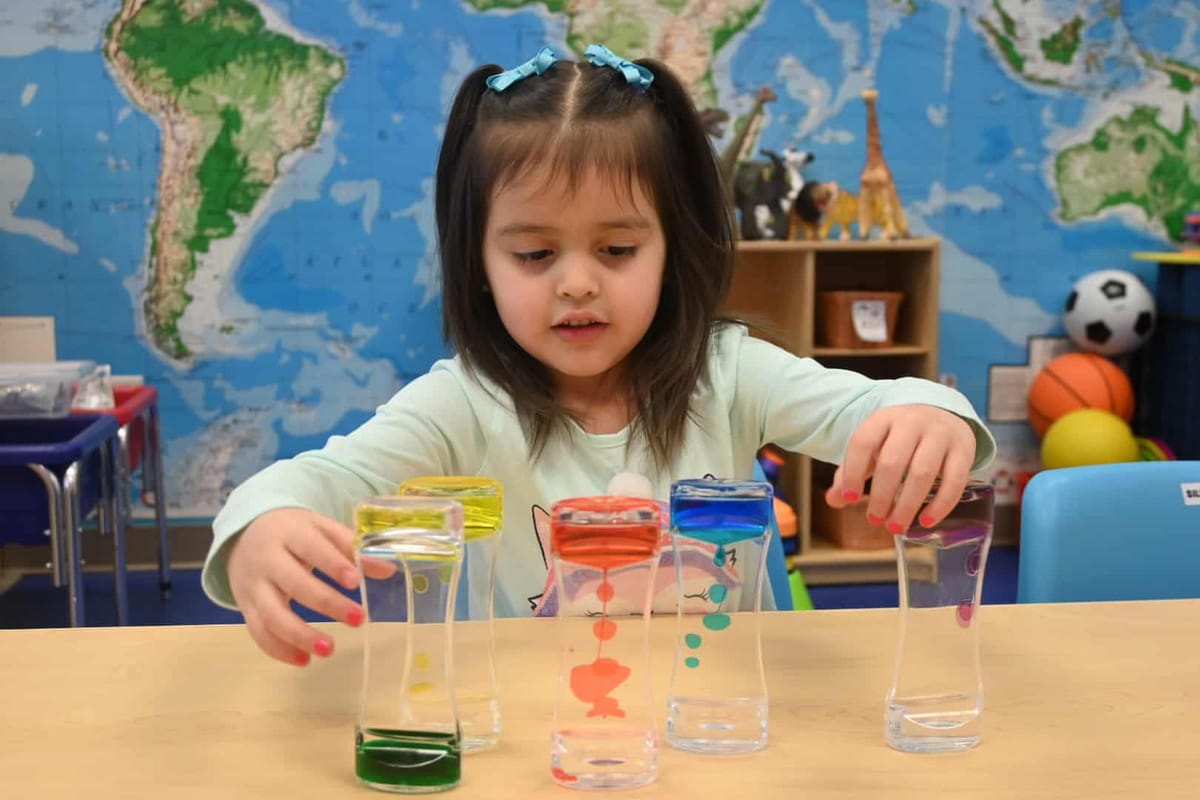
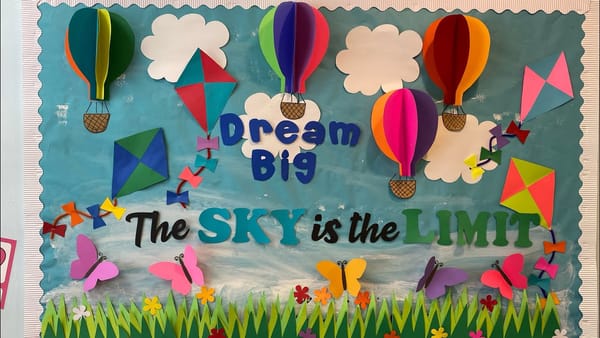
Preschool bulletin boards transform blank classroom walls into engaging learning environments that capture children's attention and reinforce key concepts. Effective displays support curriculum goals, celebrate student achievements, and create a welcoming atmosphere for families. Teachers can use these visual spaces to showcase seasonal themes, highlight important skills, and create interactive learning opportunities that complement daily lessons.
Creating compelling bulletin board displays requires quality materials that align with educational objectives and engage young learners. Teachers need accessible resources that support various themes throughout the school year while remaining budget-friendly and easy to implement. For endless creative possibilities, explore 49,000+ Free Coloring Pages featuring alphabet letters, numbers, seasonal designs, and educational themes perfect for classroom displays.
Summary
- Preschool bulletin boards work best when they function as active teaching tools rather than static wall decorations. Research from the California Department of Education's Child Development Division shows that early childhood environments integrating visual learning supports help establish foundational literacy and numeracy skills through repeated passive exposure. A child who sees the letter "B" paired with a butterfly image dozens of times throughout the week makes intuitive connections without the pressure of formal testing. The environmental consistency creates learning opportunities during circle time, transitions, and free play without requiring direct instruction.
- Interactive bulletin boards generate significantly higher engagement than display-only designs. When children physically move calendar markers, place name cards under feelings categories, or update weather charts with movable icons, they transform passive viewing into active learning experiences. A four-year-old who moves the "Today is..." marker from Tuesday to Wednesday doesn't just read the word Wednesday; they experience time progression through movement and choice. This kinesthetic component matters because preschoolers learn through multiple sensory channels simultaneously, making tactile interaction essential for concept retention.
- Rotation schedules determine whether bulletin boards remain teaching tools or become invisible wallpaper. Boards that haven't changed in three months lose effectiveness because familiarity breeds indifference among both children and parents. Teachers who maintain predictable update rhythms, whether weekly for themed units or biweekly for student work displays, create anticipation that keeps boards relevant. When children know the "Look What We Made" board updates every other Friday, they start checking to see whose work is featured and comparing current projects to previous weeks, turning the board into an event rather than scenery.
- Student involvement in creating bulletin boards builds ownership and develops sophisticated social skills. When children help select which five paintings from art time should go on display, they're making aesthetic judgments, negotiating with peers, and learning that not everything gets featured, but everyone gets a turn. This curation process teaches decision-making and fairness in contexts that feel meaningful rather than abstract. Collaborative elements, such as class murals, in which each child contributes one painted square, create visual records of the group while honoring individual contributions.
- Quality materials and organizational systems reduce the friction that makes bulletin board updates feel burdensome. Laminated borders withstand multiple uses, while paper versions curl after a single mounting. Durable letter sets used repeatedly across the year need protection once rather than constant reprinting. When supplies are kept in designated, labeled bins rather than scattered across storage closets, teachers spend less time hunting for materials and more time designing effective displays. The infrastructure investment transforms updates from dreaded chores into manageable tasks.
- This is where 49000+ FREE Coloring Pages fits in, letting teachers generate customized bulletin board content in seconds rather than hunting across multiple websites for printables that almost match their specific theme, aesthetic, and learning objectives.
Table of Contents
- Do You Need Bulletin Boards in Preschool
- How to Effectively Use Bulletin Boards in Preschool
- What Items Do You Need for a Preschool Bulletin Board
- 50 Engaging Preschool Bulletin Board Ideas
- Download 49000+ FREE Coloring Worksheets for Bulletin Boards
Do You Need Bulletin Boards in Preschool
You don't technically need bulletin boards in preschool, but they're among the most versatile teaching tools available. Bulletin boards reinforce learning, structure daily routines, and give young children a crucial sense of ownership in their classroom environment.

🎯 Key Point: While bulletin boards aren't mandatory, they create daily learning opportunities that actively engage preschoolers and support classroom structure.
"Visual displays in early childhood classrooms serve as powerful learning tools that support cognitive development and create meaningful connections between concepts." — Early Childhood Education Research, 2023
💡 Tip: The real question is whether you're willing to miss the learning opportunities they create every single day. Bulletin boards transform passive wall space into interactive learning zones that support visual learners and reinforce key concepts throughout the day.
How do visual environments support early learning development?
Preschoolers learn by repeating activities, observing their surroundings, and noticing environmental cues. A well-designed bulletin board displaying letters of the alphabet, number sequences, or colour-coded shapes becomes part of the classroom environment. Children encounter these visuals during circle time, transitions between activities, and free play without formal instruction.
What research supports visual learning in early childhood?
According to Management Bulletin 25-05 from the California Department of Education's Child Development Division, early childhood environments using visual learning supports build foundational literacy and maths skills. A child who sees the letter "B" paired with a picture of a butterfly throughout the week makes natural connections.
Why does passive learning work so effectively?
This passive learning works because it removes pressure. The bulletin board isn't testing anyone; it's consistent and accessible, offering information whenever a child's attention lands on it.
How do bulletin boards help structure classroom routines?
Young children thrive with predictability. Bulletin boards can serve as visual schedules that lower anxiety and build independence by helping children understand what comes next and what is expected of them.
What types of functional bulletin boards support learning?
Weather charts teach observation skills and vocabulary. Feelings boards help children identify and express emotions, which is critical for social-emotional development. Birthday displays celebrate individual children, while weekly theme boards show what the class is exploring together: farm animals, community helpers, or seasonal changes. These are functional tools that help three- and four-year-olds navigate their environment with growing confidence. When a child can look at the schedule board and know that snack time comes after story time, they're building executive function skills that will serve them for years to come.
How does displaying student work build confidence?
One of the most powerful uses of bulletin board space is displaying children's creations. When a preschooler sees their painting, attempt at writing their name, or craft project on the classroom wall, their work matters. It's valued enough to be seen by classmates, teachers, and parents. A "Look What We Made!" board featuring weekly art projects from every student reinforces that creativity and effort deserve celebration. Children begin seeing themselves as capable creators and notice growth and variety in their work.
What long-term benefits come from visibility?
The confidence built through these moments of visibility compounds over time. A child who feels seen in preschool is more likely to take creative risks, try new activities, and value their contributions. Many preschool teachers maintain rotating project boards tied to weekly themes: drawings of family members one week, handprint animals or nature collages the next. The board serves as a visual record of what the class has explored together. Parents notice. Children remember. The classroom feels like a community that honours its members.
How can teachers create themed bulletin board content efficiently?
Platforms like My Coloring Pages with 49,000+ free coloring pages streamline the creation of themed bulletin board content. Teachers can customize coloring pages to match current lesson plans, whether for seasonal images, alphabet practice sheets, or character designs that support social-emotional learning themes. The platform generates matching bulletin board displays in minutes, freeing time for teaching rather than preparation.
What practical functions do bulletin boards serve in preschool classrooms?
Bulletin boards serve practical communication functions, such as class schedules, upcoming events, health and safety reminders, classroom jobs, and behavioural expectations. A job chart designating the line leader, door holder, or snack helper teaches responsibility and gives children meaningful roles. A visual reminder of handwashing steps reinforces hygiene habits. A parent communication board keeps families informed about field trips, special activities, and curriculum changes. These functional displays reduce repetition and foster shared understanding, providing children with independent reference points as they develop reading skills.
How can bulletin boards stay engaging and relevant?
Bulletin boards work best when treated as living tools rather than static decorations. They should change regularly, display what students are currently learning, and invite interaction. A bulletin board unchanged for months becomes invisible; one that evolves with the classroom stays relevant and engaging.
How to Effectively Use Bulletin Boards in Preschool
Effective bulletin boards are active-learning tools that adapt to your classroom. The best ones align with current student learning, invite student interaction, and display children's work and ideas. When you design them intentionally and update them regularly, bulletin boards become teaching partners that work independently.
🎯 Key Point: Transform your bulletin boards from static decorations into dynamic learning centers that actively support your curriculum goals and student engagement.
"Interactive bulletin boards can increase student participation by up to 40% when they directly connect to current classroom learning objectives." — Early Childhood Education Research, 2023

💡 Pro Tip: Rotate your bulletin board content every 2-3 weeks to maintain maximum student interest and ensure the displays stay relevant to your current lessons.
How do you align bulletin board content with current learning goals?
The most powerful bulletin boards reflect what's happening in your classroom right now. If you're teaching about farm animals this week, your bulletin board should display farm vocabulary, animal sounds written phonetically, and student drawings of barns and tractors. When you shift to ocean life, that same space transforms into an underwater scene with fish species, colour-coded depth zones, and texture samples of sand and shells.
Why does environmental reinforcement matter for preschoolers?
This alignment creates environmental reinforcement. When a child hears "octopus" during circle time, sees the word paired with an image on the wall during free play, and colours an octopus during art time, the repetition across contexts builds neural pathways that make learning stick. The bulletin board becomes one node in a web of exposures that feel natural rather than instructional.
How can themed boards help you assess student engagement?
Themed boards help you see what's working. If children move toward certain images or ask questions about specific elements, you know which parts connect with them. If a board sits ignored, that's feedback too: the content may be too difficult to understand, the pictures may not be interesting, or the theme may not resonate with the group.
Design for Interaction, Not Just Display
Static bulletin boards become wallpaper. Interactive boards demand attention and participation. A calendar board where children move a marker to today's date teaches sequencing and time concepts through daily action. A weather chart with movable sun, cloud, and rain icons lets students record observations and notice patterns over weeks. A feelings board with pockets where children place their name cards under "happy," "sad," "frustrated," or "excited" builds emotional vocabulary and provides real-time insight into classroom mood.
How does physical movement enhance learning experiences?
When a four-year-old physically moves the "Today is..." marker from Tuesday to Wednesday, they're not reading the word Wednesday—they're experiencing the progression of time through movement and choice.
What makes question prompts effective conversation starters?
Question prompts turn boards into conversation starters. "How many days until Friday?" "What do we wear when it rains?" "Who in our class has a birthday this month?" These invitations encourage children to engage with content, practise reasoning, and share answers that get validated during group discussion.
How can you streamline the creation of bulletin board resources?
Many teachers search for printable resources across multiple websites, gathering alphabet charts from one source, weather icons from another, and themed images from a third. Platforms like 49,000+ Free Coloring Pages solve that problem by letting you create matching, customizable content in seconds. Need farm animals that match your classroom's visual style? Create them. Want alphabet letters showing objects your students recognize from their own lives? Customize them. The time you save on finding materials can go back into designing activities that matter.
Why does regular content rotation matter for bulletin boards?
A bulletin board that has remained unchanged for three months becomes invisible. Children stop noticing it. Parents stop reading it. The space loses its teaching power.
How often should you update your preschool bulletin board ideas?
Rotation schedules depend on your curriculum rhythm. Some boards change weekly to match themed units; others shift monthly to reflect seasons or broader concepts. Student work displays might rotate every two weeks, so every child sees their creation featured multiple times throughout the year. Predictability matters: when children know the "Look What We Made" board updates every other Friday, they anticipate it, check whose work is featured, and compare projects across weeks. The board becomes an event, not scenery.
What does rotation reveal about your bulletin board effectiveness?
Rotation also signals what's working. If you dread updating a particular board, that's telling. Maybe it's too complex, requires hard-to-find materials, or doesn't serve a clear purpose. Simplify it or replace it with something that supports your teaching goals.
Why should students help create bulletin boards?
The best bulletin boards display what students think and want. When children help select what goes on the wall, they feel a sense of ownership and see themselves reflected in it.
What are effective ways to involve students in bulletin board creation?
A collaborative class mural, in which each child contributes one painted square, creates a visual record of the group. A "Question of the Week" board where students submit drawings in response to prompts like "What makes you laugh?" or "What's your favourite food?" honours individual perspectives while building community. Letting children vote on next month's theme gives them agency in shaping their environment.
How does student curation develop important skills?
Student involvement teaches curation skills. When a small group selects five paintings from art time for display, they make choices about what looks good, discuss options with classmates, and learn that not everything gets shown, but everyone gets a turn. These social and decision-making skills develop through bulletin board maintenance.
Why do quality materials matter for bulletin boards?
Thin paper fades under bright lights. Cheap borders curl and tear after one stapling. Low-quality materials require more work due to constant replacement. Strong borders, laminated letters, and sturdy backing paper withstand multiple uses. You can swap out the centre content while keeping the frame intact. Bright, colourful materials grab attention in ways that black-and-white printouts cannot.
How does visual appeal support children's learning?
Visual appeal shows respect for children's developing sense of beauty and recognizes that engaging environments support learning better than drab ones. Quality matters for an organization. Having a designated place to store seasonal decorations, thematic cutouts, and reusable elements saves time searching for materials. A labeled bin system transforms bulletin board updates from a dreaded task into a manageable one.
Related Reading
- Preschool Worksheets
- What Age Is Preschool
- Preschool Curriculum
- Preschool Age Range
- Preschool Vibes
- Preschool Homeschool Curriculum
- Preschool Games
- Worksheets For Preschool
- Preschool Education
- Free Preschool Worksheets Age 3–4
- Preschool Books
- What Age Do Kids Start Preschool
- Preschool Graduation
- Free Name Tracing Worksheets for Preschool
- Preschool Backpack
- All About Me Preschool
- Free Preschool Worksheets
- Preschool Self Defense
- What Should a Child Learn in Preschool
- Preschool vs Pre K
- Sight Words for Preschool
- Free Printable Preschool Worksheets Tracing Letters
- First Day of Preschool
- Preschool Math Worksheets
- Preschool Valentine Crafts for Parents
- Preschool Graduation Gifts
- Preschool Toys
- What Age Is Preschool and Kindergarten
- Preschool Quotes About Play
What Items Do You Need for a Preschool Bulletin Board
The supplies you need depend on whether you're building decorative displays or interactive learning tools. For basic coverage, you need background paper, borders, adhesive fasteners, and content materials like letters or student work. For interactive boards, add laminating supplies, reusable elements, and organizational tools that make rotation manageable and effortless.
🎯 Key Point: Interactive bulletin boards require different supplies than static displays - plan your supply list based on your board's primary purpose.
Supply Category | Basic Boards | Interactive Boards |
|---|---|---|
Background | Paper, fabric | Laminated backgrounds |
Fasteners | Staples, pins | Velcro, magnetic strips |
Content | Student work, letters | Reusable cards, moveable pieces |
Maintenance | Replacement paper | Rotation organizers, storage pockets |
Having the right supplies accessible makes the crucial difference between a bulletin board that engages children and one that becomes stale wallpaper. Ensure your supply choices support your board's educational goals rather than filling wall space.
"Well-stocked bulletin boards with the right supplies become active learning centers that children return to repeatedly throughout the day." — Early Childhood Education Research
💡 Tip: Keep a supply rotation kit with extra letters, laminated pieces, and fresh borders so you can update boards quickly without starting from scratch.
1. Background Paper That Sets the Stage
Bulletin board paper forms your foundation layer. Solid colours work when student work takes centre stage, while patterned paper adds visual interest for themed displays about seasons, habitats, or holidays. Craft paper rolls in neutral tones create versatile backgrounds that work across multiple themes without competing for attention. Fabric backgrounds last longer than paper. A single piece of burlap or felt can serve an entire school year if stapled once and layered with content. The texture adds dimension that flat paper cannot match and conceals staple holes better when rotating displays. Pick backgrounds that help, not take over. A busy pattern behind student artwork creates visual confusion, while a calm backdrop lets the content breathe.
2. Border Trim That Frames Intention
Borders show where one board ends, and another begins, creating visual boundaries that help young children understand what belongs together. Scalloped edges soften rectangular boards, while straight borders in bold colours create clean, organised lines. Seasonal borders reinforce themes without explanation: leaves for autumn, snowflakes for winter, flowers for spring. Character-themed borders work well for storybook units or social-emotional learning concepts featuring recognizable figures. Laminated borders withstand multiple uses, while paper borders curl after one mounting. Plastic or laminated versions stay crisp through repeated stapling and removal, which matters when updating boards monthly.
3. Letter Cutouts for Titles and Labels
Pre-cut letters save time but limit customization. Printable letters let you control size, font, and colour to match your theme. Hand-cut letters from construction paper give boards a homemade warmth that feels personal. Titles shape emotional tone. "Welcome to Our Class" signals community, while "Look What We're Learning" invites curiosity, and "Our Amazing Work" showcases achievement. Laminate letter sets you use repeatedly: alphabet charts, number sequences, and phrases like "Student of the Week" or "Today's Weather." Protecting them once saves hours of reprinting.
4. Construction Paper for Versatile Building Blocks
Construction paper is flexible for bulletin boards: cut it into shapes to convey ideas, layer it to create dimensional scenes, or use it as a mat behind student work to make drawings stand out against busy backgrounds. Bright colours grab attention in ways that lighter colours cannot. Red apples, yellow suns, and blue oceans create visual contrast that helps preschoolers quickly distinguish between elements. Stock multiple shades of each colour. Light and dark green build depth in nature scenes; three blues create realistic sky-to-water gradients. Variety transforms flat displays into scenes with visual hierarchy.
5. Printable Content That Aligns with Learning Goals
Worksheets and activity pages become bulletin board content when children complete them during centre time. Alphabet tracing sheets display letter formation progress. Animal colouring pages support science units on habitats. Seasonal drawings connect classroom learning to the world outside. Teachers often spend hours searching for printables that match their specific theme and style: farm animals that look friendly rather than cartoonish, alphabet letters showing objects students recognize, and weather icons simple enough for three-year-olds to identify. Platforms like My Coloring Pages, with 49,000+ free coloring pages, solve this by creating customized content in seconds. Instead of generic printables, our collection lets you create exactly what your bulletin board needs, freeing up time to design activities that teach.
6. Fasteners That Hold Without Damaging
Push pins work for cork boards, staples handle fabric and layered paper, and magnetic clips suit metal surfaces. Your choice depends on the backing material of the board. Staples hold heavier decorations more securely than pins by spreading weight across a wider area, making them essential for dimensional elements like paper-plate crafts or layered construction-paper scenes. Think about how easy it is to remove things. Boards that require prying out staples or hunting for tiny push pins become tasks you avoid. Easier takedown encourages regular content changes.
7. Laminating Supplies for Reusable Elements
Lamination turns temporary materials into permanent resources. Letter cards survive sticky fingers, weather icons withstand daily handling, and classroom rule charts last the entire year without fading or tearing. Student name tags for job charts need protection since four-year-olds don't handle paper gently. Laminated tags survive the weekly rotation from line leader to door holder to snack helper without becoming illegible. The upfront time investment pays off in reduced replacement work. Laminate once, use for years; skip it, and you're reprinting the same materials every few months.
8. Basic Craft Tools for Clean Execution
Scissors, paper cutters, glue sticks, tape, and hole punches transform raw materials into finished displays. Dull scissors create ragged edges that compromise professional boards, while a reliable paper cutter produces the straight lines that hand-cutting cannot match. Organize tools in your prep area, not your supply closet. When scissors sit nearby, you trim edges without friction. When they're three rooms away, you make fewer clean cuts. Quality tools work faster. Sharp blades cut construction paper in single strokes, while cheap scissors require sawing motions that waste time and produce poor results.
9. Decorative Elements That Capture Attention
Stickers, die-cut shapes, and themed cutouts add visual interest without requiring artistic skill. Stars reward participation, smiley faces celebrate positive behaviour, and seasonal icons—pumpkins, snowmen, flowers—help young children understand the passage of time. Use decorative elements as functional markers, not mere decoration. A star next to each child's name on a helper chart shows who completed their job. Animal stickers on a nature observation board let children vote for their favourite creature. The key is restraint. Too many decorative elements create visual noise; a few well-placed accents guide the eye toward what matters.
10. Student Artwork as Core Content
Children's drawings, paintings, writing attempts, and craft projects deserve prominent placement: they demonstrate the classroom's commitment to student creation. Rotate artwork frequently so every child sees their work featured multiple times throughout the year. When the same five students dominate the display board, the other fifteen stop trying. Fair rotation builds confidence across the entire class. Mount student work on coloured paper. The frame effect elevates simple drawings to gallery quality and signals that children's creations merit presentation.
Optional Tools for Interactive Boards
Velcro dots let children move pieces during calendar time or sorting activities. Clothespins create rotating displays by clipping new student work over old without removing staples. Pocket charts hold cards that children can reorganize during literacy or maths activities. Magnetic strips turn any metal surface into a movable learning tool. These interactive elements transform passive displays into active learning stations. The more children touch, move, and manipulate board elements, the more they engage with the content. Having the right supplies matters only if you know how to use them to create displays that teach something.
50 Engaging Preschool Bulletin Board Ideas
Bulletin boards teach when they show what children are exploring, invite kids to take part, and change often. The ideas below cover reading and writing, math, social-emotional learning, seasonal awareness, and community building. Each creates meaningful chances for children to see themselves and their learning reflected in ways that build confidence and curiosity.

🎯 Key Point: The most effective preschool bulletin boards are interactive and student-centered, featuring children's work and current interests rather than static decorations.
"Quality bulletin boards serve as visual documentation of children's learning journey, creating a sense of ownership and pride in their educational environment." — Early Childhood Education Research, 2023

💡 Tip: Rotate displays every 2-3 weeks to maintain fresh engagement and reflect ongoing learning themes—this keeps children excited about what's coming next and reinforces that their classroom is a dynamic learning space.
1. Welcome Board
A personalized greeting that includes each child's name helps them feel they belong from day one. You can add handprints in different colours, self-portraits that children draw during the first week, or arrival photos. When children see their name displayed prominently, they recognize letters in ways that feel personal and meaningful. Parents notice this too, which builds trust that their child is being seen as an individual.
2. Alphabet of the Week
Set aside space for one letter at a time, changing it each week. Match the letter with objects, pictures, or student-made items that start with that sound. For "M," you could display mittens, moons, and drawings of monkeys. Kids encounter the letter multiple times in different contexts during the week, which helps them understand letter sounds without formal practice drills.
3. Number Corner
Pick one number each week and show it in different ways to help students understand it better: five dots arranged like dice, five fingers on a traced hand, five apples cut from construction paper. Include student artwork that represents that amount. When children see the same number displayed in multiple ways, they learn that "five" is an idea, not merely a symbol. This builds strong number skills, including counting, addition, and pattern recognition.
4. Color of the Week
Focus on one color through classroom objects, student creations, and environmental examples. During "red week," children bring red items from home, paint with red tempera, and hunt for red objects outdoors. Display their findings and artwork together. This repetition helps children move from identifying colors when asked to naming them independently, a significant cognitive leap for three- and four-year-olds.
5. Shape Exploration
Show basic shapes using real-world examples children know—wheels, clocks, plates—alongside circles students draw. Add dimensional elements, such as foam shapes or cardboard cutouts. Tactile components matter because preschoolers learn through multiple sensory channels. Tracing a triangle while seeing the word and shape simultaneously strengthens the connection.
6. Student of the Week
Pick one child to spotlight with their photo, favourite activities, and simple facts like "I have a dog named Max" or "I love strawberries." This builds the featured child's confidence, helps classmates learn about one another, and supports identity development. When everyone gets a turn, children anticipate their week and reflect on what makes them unique.
7. Classroom Rules
Turn behavioral expectations into pictures that preschoolers can reference independently. Instead of "Respect others," show two children sharing blocks with a smiley face. Instead of "Use walking feet," display footprints with arrows. These images require no reading and give children a tool to self-regulate: when a child runs, point to the board rather than repeat the same instruction.
8. Seasonal Themes
Change displays to match fall leaves, winter snowflakes, spring flowers, and summer sunshine. This helps children notice natural patterns and builds vocabulary around seasonal concepts. A fall board with acorns, pumpkins, and coloured leaves prompts conversations about why leaves change colour and how animals behave in cold weather, making abstract time concepts more accessible.
9. Weather Board
Include movable icons for sunny, rainy, cloudy, and snowy conditions. Assign a daily helper to update the weather, teach observation skills, and take on routine responsibilities. Over weeks, children notice patterns: "It rained three days this week." "We haven't seen snow in a long time." These observations build foundational scientific thinking and data collection skills.
10. Birthday Board
Celebrate each child's birthday with their name and photo arranged by month. Children love seeing themselves recognized, and the display helps them understand calendar concepts while creating an emotional connection that makes the abstract system personally meaningful.
11. Nature Exploration
Show items that children collected during outdoor play, such as leaves, pinecones, rocks, and pressed flowers. Include labeled photos from nature walks displaying their findings. This transforms outdoor play into documented scientific observation and demonstrates that children's curiosity is valued.
12. Animal of the Month
Feature one animal with images, simple facts written at a preschool level, and student artwork. A giraffe month might include information about height, habitat, and diet alongside children's painted giraffes. By year's end, children have learned about 12 different creatures.
13. Plant Growth Tracker
Take pictures or have students draw pictures of classroom plants weekly to document their growth. Children can measure height, count leaves, and watch for changes over time. The visual record makes slow biological processes visible and teaches patience: comparing "our bean plant was this small three weeks ago" builds understanding of time, change, and living things' needs.
14. Community Helpers
Show different jobs through photos, drawings, or student-made crafts. Feature firefighters one week, doctors another, teachers a third. Include simple descriptions of what each helper does and why communities need them. This builds social awareness and introduces career concepts early, helping children understand that different jobs serve different community purposes.
15. Cultural Awareness Board
Celebrate diverse holidays and traditions with student contributions. Display red decorations and dragon artwork for Lunar New Year, oil lamps and rangoli patterns for Diwali. Invite families to share traditions through photos or objects, teaching children that different families celebrate in different ways and building empathy.
16. Alphabet Sound Wall
Pair each letter with multiple images that show its sound. The letter "B" might show a ball, a butterfly, and a banana. Unlike alphabet-of-the-week boards that change, this one remains constant throughout the year as a reference tool. When children need to remember what sound "T" makes while writing, they can check the wall independently, building confidence and supporting emerging literacy.
17. Counting Board
Use concrete materials to represent numbers: toy blocks for small amounts, photos of larger groups, or student-created art showing specific quantities. Display ten in multiple ways—dots, stars, handprints—so children understand that the quantity remains constant regardless of what is being counted.
18. Family Tree
Ask children to bring family photos and make simple picture trees showing parents, siblings, grandparents, and pets. This honours diverse family structures: children with two mums, divorced parents sharing custody, or grandparents as primary caregivers, see their families accepted while learning about relationships.
19. My Feelings Board
Show emotion faces with labels: happy, sad, frustrated, excited, worried. Children place their name card under the feeling that matches how they feel at the moment. This provides real-time information about classroom mood, helps children learn feeling words, and signals when you need to make changes—for example, when three children are under "frustrated."
20. Colorful Handprints
Create a collaborative display where every child contributes one handprint in their chosen colour. The resulting collage is visually striking and represents the whole class working together. Children can identify their own print among the others, reinforcing individual identity within group membership. The metaphor is clear: we're all different, and together we make something beautiful.
21. Alphabet Craft Display
Each week, children create crafts based on the featured letter. "A" week produces apple prints, alligator drawings, or airplane constructions. Display all crafts together with the letter shown clearly. Multiple student interpretations demonstrate how the same letter connects to diverse objects, deepening phonemic understanding.
22. Transportation Board
Show different vehicles through images, toy attachments, or student drawings: cars, buses, trains, aeroplanes, boats. Discuss how people move from place to place and why different modes of transportation serve different purposes. This builds vocabulary and introduces basic physics concepts about movement, speed, and distance.
23. Numbers in Real Life
Take photos of numbers around school: room numbers, page numbers in books, clock faces, and calendar dates. Display the photos, with the numeral written large beside each. This helps children see that numbers exist everywhere and makes abstract symbols concrete and purposeful.
24. Shape Hunt
Create large cutouts of basic shapes and challenge children to find matching objects in the classroom. A circle hunt might reveal clocks, plates, and wheels. Display findings around the shape cutout. The active searching transforms shape recognition from passive identification to active investigation.
25. Letter Tracing Wall
Place laminated letters at a height that children can reach. Students can trace the letters with dry-erase markers during free-choice time. This hands-on practice helps students learn letter formation in a relaxed setting. Since students choose when to practice, learning feels like play rather than work.
26. Seasonal Tree
Keep one tree outline that changes with the seasons: green leaves in spring, full foliage in summer, orange and red in fall, and bare branches in winter. Children help update it, observing and predicting seasonal changes. The tree's shape remains constant while its details transform, teaching children that some things stay the same while others change.
27. Alphabet Animals
Match each letter with an animal whose name starts with that sound. "K" shows a kangaroo, "P" shows a penguin. By connecting letters to animals children already like, this approach increases engagement and makes the abstract letter system easier to understand.
28. Counting With Colors
Combine math skills and colour recognition by having children create art with specific quantities in designated colours: three red apples, five blue fish, seven yellow stars. Label the artwork with both the number and colour word to reinforce two concepts simultaneously.
29. Classroom Jobs Board
Display weekly responsibilities with student names and simple icons for each job: line leader, door holder, snack helper, plant waterer. Children check the board to remember their role, building responsibility and reducing the need for constant adult reminders while supporting executive function development.
30. Weather Chart with Hands-On Elements
Attach Velcro-backed weather icons that children can physically move to show current conditions. This hands-on interaction makes updating the chart a task children want to do and helps them connect what they see outside with symbolic representations—practicing abstract thinking.
31. Healthy Habits Board
Show pictures and reminders for healthy habits, such as washing hands, brushing teeth, eating vegetables, and getting enough sleep. Include photos of children performing each habit. Peer learning is effective—when children see their classmates wash their hands correctly, they're more likely to replicate the behaviour than if an adult simply explains it.
How can digital tools streamline bulletin board creation?
Teachers often spend hours searching multiple websites for printable materials that don't fit their needs. Platforms like 49,000+ Free Coloring Pages solve this by generating customized content in seconds. Need alphabet animals that match your classroom's visual style? Create them. Want seasonal images featuring specific topics your students are studying? Design them. The time you save goes toward planning activities that teach.
32. Alphabet Sound Matching
Use student-created crafts or drawings to match letters with their sounds. Children make "S" snakes during art time, displayed beside the letter S. Personal creations forge stronger connections than pre-made images, as children remember making their own snake and the sound it represents.
33. Sight Words Wall
Show common preschool sight words like "I," "see," "the," and "my" with examples from students. Children colour and decorate the words during centre time. Repeated exposure helps them recognise words and develop early reading skills.
34. Custom Coloring Pages Display
Turn finished colouring pages into themed bulletin boards by displaying children's work together—whether showing animals, seasonal scenes, or alphabet images—to showcase each child's contribution and class learning.
35. Animal Habitats
Show different environments with the right animals: forests, deserts, and oceans. Use student crafts, drawings, or coloured images to fill each habitat. This teaches basic biology and geography while building vocabulary about environmental diversity.
36. Alphabet Garden
Use a flower or vegetable to represent each letter, selecting plants whose names start with that letter's sound. Children decorate paper plants, creating a growing garden across the wall. The nature theme makes the alphabet feel organic rather than arbitrary.
37. Recycling and Environment Board
Show information about sorting trash, saving water, and protecting nature through photos, student artwork, or simple posters. Teach children environmental care early by using visuals that demonstrate actionable steps.
38. Numbers and Counting Crafts
Show student-made items that represent specific amounts: paper-plate pizzas with five pepperoni circles, construction-paper trees with seven apples, and handprint flowers with three petals. These crafts make abstract numbers concrete and personal.
39. Story Corner Board
Highlight favourite classroom books with character drawings, plot summaries told by children, or scenes illustrated by students. This builds understanding and sequencing skills through storytelling and retelling.
40. Weather Art Board
Children create art depicting different types of weather using cotton balls for clouds, aluminium foil for rain, yellow paint for sunshine, and white paper for snowflakes. Display the artwork alongside weather words to help children understand and remember weather concepts.
41. Daily Schedule Board
Show the day's routine with photos representing each activity: circle time, centres, snack, outdoor play, and story time. This visual schedule helps children understand what comes next, reducing anxiety during transitions and building time awareness.
42. Letter and Number Line
Create a continuous line across the board using letters of the alphabet or numbers in order. Attach student work or crafts to the matching letters or numbers, reinforcing order and sequence: basic concepts for reading and maths.
43. Seasonal Crafts Display
Rotate student-made seasonal items: paper pumpkins in autumn, snowflake cutouts in winter, flower paintings in spring, and sun designs in summer. This keeps the classroom current and gives children multiple opportunities to see their work displayed.
44. Alphabet Train
Design a train where each car represents a different letter. Children add objects, drawings, or photos matching each letter sound. The train metaphor transforms alphabet learning into an adventurous journey rather than an academic exercise.
45. Community Board
Show local places children know well, such as the park, library, fire station, and grocery store. Include photos or drawings made by students. This helps children understand where things are located and recognise they are part of a larger community.
46. Friendship Board
Celebrate acts of kindness with photos or descriptions of children helping classmates: sharing toys, comforting someone who is sad, and including others in play. Public recognition reinforces prosocial behaviour and teaches empathy through concrete examples.
47. Numbers on the Move
Use movable elements like Velcro apples, magnetic fish, or clothespin butterflies to represent quantities. Children physically manipulate the objects during math activities, making counting kinesthetic rather than visual.
48. Shape Collage
Children cut shapes from magazines or construction paper to create a class collage. This activity develops fine motor skills while teaching shape recognition.
49. Alphabet Crafts from Recycled Materials
Children build letters or objects using bottle caps, cardboard, egg cartons, or fabric scraps. The recycled materials add texture and dimension while teaching environmental responsibility: a "B" made from bottle caps becomes both a literacy tool and an example of creative reuse.
50. Seasonal Themed Coloring Boards
Use customized coloring pages depicting autumn animals, winter scenes, spring gardens, or summer activities. Children color the pages during centre time, then display them together on seasonal bulletin boards to showcase creativity while reinforcing current learning themes.
Related Reading
- Preschool Assessment
- Preschool Crafts
- Preschool Learning Activities
- Daycare Vs Preschool
- Preschool Tracing Worksheets
- Preschool Classroom Layout
- Preschool Sight Words
- Preschool Playground Equipment
- How To Become A Preschool Teacher
- Preschool Lesson Plan Template
- Playing Preschool Curriculum
- Preschool Science Experiments
- Preschool Prep
- Preschool Math Activities
- Free Preschool Games
- Noah's Ark Preschool
- Preschool Craft Ideas
- Creative Curriculum For Preschool
- Preschool Art Activities
- Christmas Crafts Preschool
- Spring Bulletin Board Ideas For Preschool
- Turkey Craft Preschool
- Preschool Bulletin Board Ideas
Download 49000+ FREE Coloring Worksheets for Bulletin Boards
Bulletin boards work best when materials perfectly match what you are currently teaching. Hunting across websites for printables wastes hours that could be spent teaching. With My Coloring Pages, you can create custom coloring pages in seconds that match your unit, season, or learning goal, eliminating the sourcing problem that makes bulletin board updates feel like a burden.
🎯 Key Point: Stop wasting precious time searching for materials that almost fit your curriculum - custom creation puts you in complete control of your bulletin board content.

"Teachers spend an average of 7 hours per week searching for and preparing classroom materials, with bulletin board updates being one of the most time-consuming tasks." — Education Week, 2023
💡 Tip: Create a digital folder of your custom coloring pages organized by subject and season - this builds your personal library of perfectly-matched materials for future bulletin board refreshes.
Generate Content That Matches Your Exact Vision
Generic printables force you to make compromises. Free templates feature cartoon farm animals that don't match your classroom style, alphabet letters paired with unfamiliar objects, and seasonal images disconnected from your students' experiences. This visual inconsistency weakens student learning. Customization transforms bulletin boards into cohesive teaching tools. You can generate weather icons that match your seasonal tree's style, animal images that coordinate with habitat posters, and alphabet pages featuring objects from your students' cultural backgrounds.
Stop Piecing Together Materials From Multiple Sources
Most teachers bookmark five different printable websites, each offering some of what they need, but none providing everything. The visual styles don't match, teaching approaches don't align, and the time spent searching, downloading, and organizing files from different sources consumes hours each month in administrative tasks rather than teaching. Platforms like 49000+ FREE Coloring Pages consolidate content creation in one place, letting you generate everything you need without switching tools. A matching visual style across all materials creates intentionally designed bulletin boards, and the time saved goes toward planning interactions that teach rather than hunting for resources.
Customize for Individual Student Needs
Students have different needs: some benefit from simpler line drawings with fewer details, while others thrive with detailed designs that challenge their growing fine motor skills. Generic worksheets work well for some students but poorly for others. Changing work complexity lets you create different materials from the same template. Make a basic butterfly outline for students who struggle with fine motor control, and a detailed butterfly with pattern elements for children ready for more challenge. Displaying both on the same bulletin board shows that everyone worked on butterflies at their skill level, teaching children that learning happens at different paces without making kids feel inadequate.
Align Materials With Cultural Representation
Your classroom likely includes children from diverse backgrounds whose experiences aren't reflected in mass-produced materials. Generic printables may not reflect your students' family structures, celebrations, foods, or daily objects. When bulletin boards show only one family type or celebrate certain holidays, some children never see themselves represented. Customizable content lets you create materials that honour the diversity in your room. Generate family images showing different setups, celebration pages featuring holidays your students observe, and food-themed alphabet pages using dishes children recognize from home. Children engage more deeply with content reflecting their lived reality. Your bulletin boards deserve materials created for your specific students and classroom environment. Generating exactly what you need transforms bulletin boards into powerful teaching tools that evolve with your curriculum.