Importance of Preschool Self-Defense and How to Start It
Preschool self-defense builds confidence and safety skills in young children. My Coloring Pages shows parents how to start teaching basic techniques today.

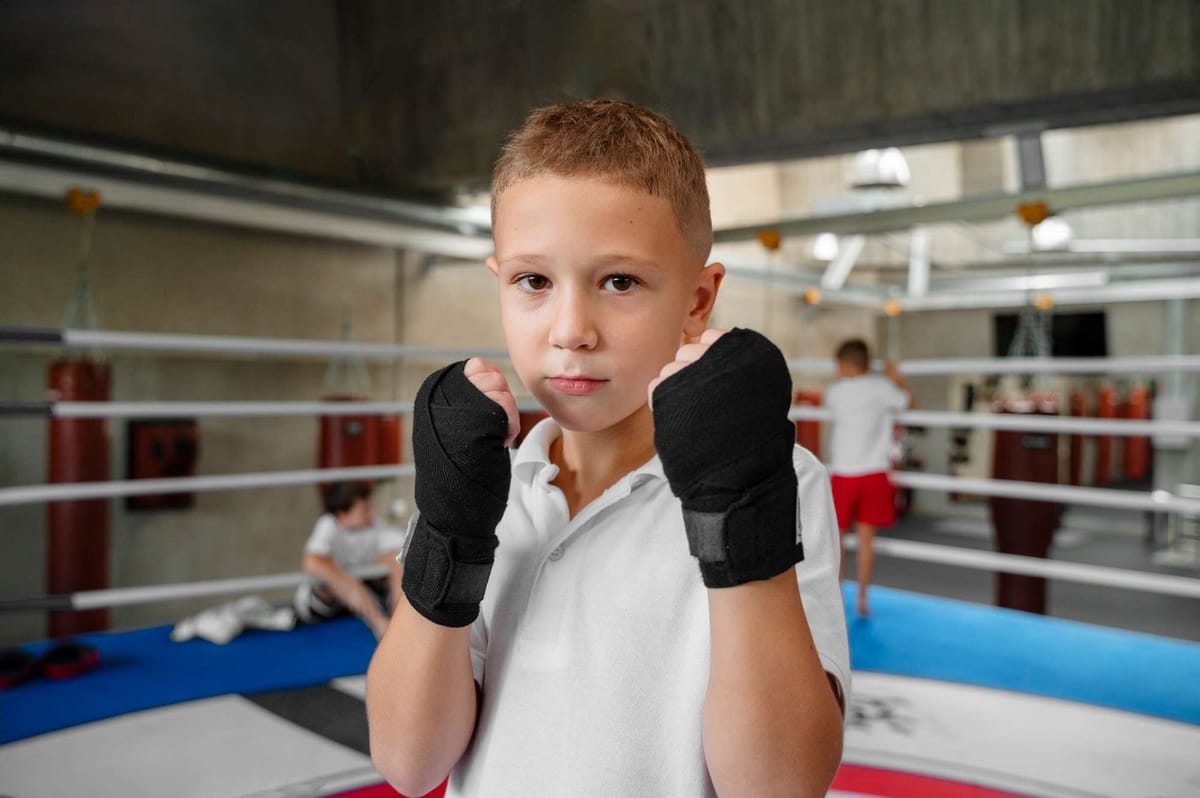
Young children need simple tools to handle playground conflicts and understand personal boundaries. Teaching basic safety awareness through preschool activities helps children build confidence as they learn age-appropriate self-protection skills. Simple exercises can introduce fundamental concepts like recognizing trusted adults, maintaining safe distances, and responding to uncomfortable situations.
These safety lessons become more engaging when children can visualize and practice them through hands-on activities. Coloring worksheets that illustrate proper stance, safe boundaries, and trusted-adult scenarios help preschoolers understand abstract concepts through concrete visual learning. Parents and educators can enhance these lessons with 40,089+ FREE Coloring Pages that transform essential safety principles into colorful activities children enjoy completing.
Table of Contents
- Are Preschool Self-Defence Classes Important
- When to Start Self-Defence Classes for Preschoolers
- What Self-Defence Training Should Preschoolers Do?
- How to Start Teaching Preschoolers Self-Defence
- Turn Safety Lessons Into Lasting Habits With My Coloring Pages
Summary
- Preschool self-defense training builds critical safety reflexes during the most neurologically responsive period of childhood. According to the Center on the Developing Child at Harvard University, 90% of brain development occurs before age five, making this the optimal window for teaching boundary awareness and confident communication. When a four-year-old practices saying "no" loudly and stepping back from uncomfortable situations, those actions become wired responses rather than conscious decisions they must think through under stress.
- Structured physical training improves behavioral regulation rather than increasing aggression in young children. Research on early martial arts participation demonstrates measurable improvements in attention span, impulse control, and emotional regulation. The Centers for Disease Control and Prevention identifies structured physical activity in early childhood as a predictor of both improved physical coordination and better behavioral outcomes, with self-defense classes combining movement with rule-following and controlled responses that strengthen neurological pathways responsible for self-regulation.
- Visual learning tools transform abstract safety concepts into concrete actions preschoolers can recognize and practice. Young children think in pictures rather than principles, making verbal explanations of stranger danger often confusing about who qualifies as a stranger and what danger actually looks like. Coloring pages depicting a child standing tall, making eye contact, or holding up a hand to say "stop" create mental models that preschoolers can recall when needed, with repeated coloring reinforcing the behavior without the pressure of physical practice.
- Most preschool safety threats come from familiar environments rather than strangers, with the U.S. Department of Justice reporting that more than 58,000 children are abducted annually. Effective training shows children what bullying looks like through role-play scenarios they can recognize, such as when a classmate repeatedly knocks down their block tower or when someone says "you can't play with us" every day at recess. Programs that demonstrate these situations and practice assertive responses give children scripts they can recall under stress.
- Predators and bullies select targets based on perceived vulnerability, with research showing that children who exhibit confident body language are significantly less likely to be targeted in threatening situations. A child who walks with their shoulders back, head up, and makes direct eye contact projects strength regardless of their size. Teaching confident posture requires daily reinforcement until it becomes automatic, helping children balance confidence around peers and strangers with appropriate respect toward legitimate authority figures.
- My Coloring Pages addresses this by offering 40,089+ Free Coloring Pages that turn essential self-defense principles into customizable worksheets, showing proper stance, safe distance from strangers, and recognizing trusted adults through coloring activities that build body awareness and confidence.
Are Preschool Self-Defence Classes Important
Preschool self-defence classes matter because they teach body autonomy, assertiveness, and emotional regulation during a critical window for habit formation. According to the Center on the Developing Child at Harvard University, 90% of brain development happens before age five. Teaching boundary awareness and confident communication at this stage builds safety reflexes that become second nature.
🎯 Key Point: The preschool years represent the most important developmental window for establishing lifelong safety habits and self-protection instincts.
"90% of brain development happens before age five, making preschool the optimal time for teaching safety reflexes and boundary awareness." — Center on the Developing Child at Harvard University
🔑 Takeaway: Starting self-defence training during the preschool years leverages the brain's peak learning capacity to build automatic safety responses that protect children throughout their lives.
Why does early childhood create the foundation for lifelong safety instincts?
Young brains form behavioral patterns faster and retain them longer than at any other developmental stage. When a four-year-old practices saying "no" loudly and stepping back from uncomfortable situations, those actions become automatic responses rather than conscious decisions requiring thought when stressed.
What do preschool safety programs focus on instead of physical combat?
Preschool safety programs focus on awareness, speaking up with confidence, and recognizing when something feels wrong, not physical fighting techniques. A child who learns to make eye contact, speak firmly, and move away quickly develops what researchers call "low victim vulnerability."
The American Academy of Pediatrics supports teaching body autonomy and assertiveness as part of early safety education because children with confident body language are statistically less likely to be targeted for bullying.
How does structured discipline build self-regulation instead of aggression?
Some people worry that martial arts training might make young children more aggressive. However, research shows the opposite is true. Studies on early martial arts participation demonstrate clear improvements in attention span, impulse control, and emotional regulation. The Centers for Disease Control and Prevention notes that structured physical activity in early childhood predicts both improved physical coordination and better behavioral outcomes.
Self-defence classes combine physical movement with rule-following, respect for authority, and controlled responses. This strengthens the brain pathways responsible for self-regulation, one of the strongest predictors of long-term academic and social success.
What skills do preschool self-defense programs actually teach?
Teaching a three-year-old to punch isn't the goal. Teaching them to recognize unsafe feelings, trust their instincts, and respond with confidence is. School-based prevention programs that include assertiveness training, boundary setting, and role-playing unsafe scenarios have shown measurable reductions in bullying behaviours in early grades, according to research from Focus Martial Arts. Preschool self-defence combines these elements through safe role-play, confidence drills, and peer interaction.
How do visual tools help preschoolers understand safety concepts?
Young children think in pictures, not principles. Explaining stranger danger through conversation leaves preschoolers confused about who counts as a stranger and what "danger" means. Visual tools transform abstract safety lessons into concrete situations they can practise.
What resources make safety education engaging without creating fear?
Parents struggle to make safety education engaging without creating fear. Verbal warnings feel scary or unclear to four-year-olds. Families need resources that demonstrate proper stance, maintain a safe distance from strangers, and recognize trusted adults through activities preschoolers enjoy.
My Coloring Pages offers 40,089+ free coloring pages that transform self-defence principles into customizable worksheets, enabling you to create activities depicting confident body language, safe responses, and trusted adult identification. These visual tools provide children with concrete images to help them understand while building body awareness through an activity they already enjoy.
How does repetition through coloring reinforce safety behaviors?
Coloring pages showing a child standing tall, making eye contact, or holding up a hand to say "stop" create mental models that preschoolers can recall when needed. Repetition reinforces the behaviour without the pressure of practising it or the anxiety of contemplating what-if scenarios.
How does preparedness differ from creating fear?
The most common objection to preschool self-defence is that it takes away children's innocence. Parents worry that teaching safety skills introduces dangers their child wouldn't otherwise consider. But being prepared and being afraid are not the same thing. Teaching a child to look both ways before crossing the street doesn't make them afraid of cars; it gives them agency in navigating their environment safely.
Preschool self-defence programs frame safety as empowerment rather than paranoia. Children learn that they have a voice, that their body belongs to them, and that they can ask for help when something feels wrong. These lessons build confidence, not anxiety.
When is the right time to start these lessons?
Timing determines whether those lessons stay with you.
Related Reading
- Preschool Activities
- Preschool Worksheets
- What Age Is Preschool
- Preschool Curriculum
- Preschool Age Range
- Preschool Vibes
- Preschool Homeschool Curriculum
- Preschool Games
- Worksheets For Preschool
- Preschool Education
- Free Preschool Worksheets Age 3–4
- Preschool Books
- What Age Do Kids Start Preschool
- Preschool Graduation
- Free Name Tracing Worksheets for Preschool
- Preschool Backpack
- All About Me Preschool
- Free Preschool Worksheets
- What Should a Child Learn in Preschool
- Preschool vs Pre K
- Sight Words for Preschool
- Free Printable Preschool Worksheets Tracing Letters
- First Day of Preschool
- Preschool Math Worksheets
- Preschool Valentine Crafts for Parents
- Preschool Graduation Gifts
- Preschool Toys
- What Age Is Preschool and Kindergarten
- Preschool Quotes About Play
When to Start Self-Defence Classes for Preschoolers
Children are typically ready for basic self-defence training between ages three and six, though readiness depends on developmental markers rather than age alone. Look for sustained attention during structured activities, the ability to follow two-step instructions, and basic coordination, such as hopping or catching a ball.
🎯 Key Point: Every child develops at their own pace - focus on individual readiness signs rather than rushing into classes based on chronological age alone.
"The optimal age for beginning martial arts training is when a child can demonstrate basic motor skills and attention span necessary for structured learning." — Martial Arts Family Studio
⚠️ Warning: Starting too early can lead to frustration and negative associations with physical training that may persist for years.
What physical signs show a child is ready for movement activities?
Balance and coordination develop at different rates. You'll notice readiness when your child moves around playground equipment with confidence, jumps off with both feet, or copies simple movements after watching someone else. According to Excel Martial Arts, children as young as 3–4 years old can begin martial arts training once they show these basic motor skills.
The physical demands of preschool programs focus on body awareness rather than strength. A four-year-old needs to understand where their body is in space, how to move purposefully, and how to stop on command.
Why does building neural pathways matter more than athletic ability?
Parents often worry their child isn't athletic enough for self-defence classes. The goal isn't to produce tiny athletes; it's to build neural pathways that connect intention to action.
When a preschooler practices stepping back while saying "stop," they're wiring their brain to respond automatically in stressful situations. That reflex matters far more than kicking power.
What emotional skills do children need for self-defense training?
Self-defence training requires children to handle corrections without shutting down, wait their turn during partner drills, and practise techniques repeatedly without immediate reward. If your child falls apart when they can't be first in line or refuses to try something after one failed attempt, they might need a few more months before group classes feel productive.
Look for small signs of emotional regulation: Does your child recover from disappointment within a few minutes? Can they watch another child demonstrate a skill without interrupting? Do they ask questions when confused instead of giving up? These behaviours signal readiness for structured learning environments.
How does self-defense training help shy children build confidence?
Many parents notice their quieter children benefit most from self-defence training. The structured environment offers predictable routines, clear expectations, and positive reinforcement for small victories. A shy four-year-old who struggles with assertiveness on the playground often finds their voice when practising firm "no" statements in a safe, supervised setting.
How does social comfort affect preschool self-defense learning?
Most preschool self-defence programs use partner activities, group warm-ups, and collaborative games to teach concepts. If your child freezes in group settings or refuses to participate with unfamiliar children, consider whether they're ready for that social dynamic.
The key question isn't whether your child loves being around other kids—it's whether they can function in a structured group without constant parental help. Can they stand in a line, follow instructions for the whole class, and participate in turn-taking activities without individual redirection? These skills determine whether group classes will feel engaging or overwhelming.
What tools help parents reinforce preschool self-defense at home?
Parents who reinforce these ideas at home need tools that make practice feel natural. Pictures and visual aids help preschoolers understand abstract concepts such as personal space, safe distance, and recognizing trusted adults. My Coloring Pages offers customizable coloring activities depicting children using confident body language, practising assertive responses, and identifying safe adults.
These printable resources let families create age-appropriate scenarios matching what their child is learning in class, turning abstract safety lessons into concrete images that preschoolers can color, discuss, and internalize at their own pace.
How do high-energy children benefit from structured movement?
High-energy children who constantly climb, run, and jump often thrive in self-defence classes because the structure channels their movement into purposeful activity. Low-energy children benefit too: the key is whether your child enjoys physical challenges and learning new skills through repetition. Self-defence works for both personality types when the teaching style matches the child's temperament.
What signs indicate your child will adapt well to martial arts?
Watch how your child responds to physical activities they already do. If they enjoy obstacle courses, dance classes, or playground games with rules, they will likely adapt well to the structure of martial arts. If they prefer quiet, solo activities and resist physical challenges, forcing self-defence training might create resistance rather than confidence.
What do trial classes reveal that checklists cannot?
No readiness checklist replaces watching your child in the real environment. Most programs offer trial classes so parents can observe how their child responds to the instructor's teaching style, activity pace, and group dynamic. Some children thrive in settings that seem like a poor fit, while others struggle despite checking every readiness box.
How should you interpret your child's reaction after the first class?
Pay attention to how your child reacts after the first class. Do they ask when they can go back? Do they practise what they learned at home? Or do they resist returning, complain during class, or seem anxious beforehand?
Their emotional response tells you more than their technical performance. A four-year-old who executes every move incorrectly but leaves excited has better long-term prospects than a six-year-old who performs perfectly but hates every minute.
What Self-Defence Training Should Preschoolers Do?
Preschoolers need training that builds awareness, assertiveness, and emotional control, not combat techniques. The curriculum should focus on recognizing unsafe situations, using confident body language, practising verbal boundaries, and understanding when to seek help from trusted adults.

🎯 Key Point: Age-appropriate self-defense for preschoolers emphasizes mental preparation and situational awareness rather than physical techniques that could be dangerous or ineffective for their developmental stage.
"Children aged 3-5 develop best through role-playing scenarios and simple verbal commands that help them recognize and respond to potentially unsafe situations." — Child Safety Research Institute, 2023

⚠️ Warning: Avoid teaching physical techniques like kicks or punches to preschoolers, as they lack the coordination and strength to execute them effectively and may develop a false sense of security that could put them in greater danger.
Why should conflict resolution come before physical techniques?
The strongest self-defence skill a preschooler can develop is the ability to calm situations before they become physical. Children need words for uncomfortable feelings, strategies for handling frustration, and alternatives to hitting when someone takes their toy or cuts in line.
Teaching a four-year-old to notice rising anger in their body—tight fists, hot face, loud voice—and pause before reacting builds a foundation that stops violence rather than responding to it.
How does verbal assertiveness translate to safety skills?
Good programs teach children to name their emotions, use "I feel" statements, and walk away when situations escalate. A child who can say "I feel angry when you push me" and step back gives adults a chance to help without anyone getting hurt.
That ability to speak up clearly proves critical in stranger danger situations, where clear, loud communication often determines whether someone stays safe.
What specific scenarios help children recognize bullying?
According to the U.S. Department of Justice, more than 58,000 children are taken away every year. Most preschool safety threats come from familiar places, not strangers. Bullying takes many forms that young children struggle to recognize without direct teaching: mean words, exclusion from games, physical pushing, and early online teasing each requires different responses.
How does role-play training teach children to respond?
Good training shows children what bullying looks like through acted-out scenarios. A classmate repeatedly knocking down their block tower is bullying. Someone saying "you can't play with us" every day at recess is bullying. An older child taking their snack and laughing about it is bullying.
Preschoolers need concrete examples because abstract definitions mean nothing to them. Programs that demonstrate these situations and practise assertive responses ("Stop doing that, I don't like it" or "I'm telling the teacher") give children words they can recall when stressed.
The goal is to teach children the difference between problems they can solve independently and those that require adult help. This builds good judgment, not dependence.
Why do traditional stranger danger messages confuse children?
Most preschoolers receive oversimplified stranger danger messages that create confusion rather than safety. "Don't talk to strangers" sounds clear until a child gets lost in a store and needs help, a new teacher joins their classroom, or a parent's friend picks them up from school. Children need more sophisticated frameworks that account for context.
What specific approaches do predators commonly use with children?
Strong programs teach the difference between strangers in public spaces (e.g., store clerks, police officers) and those who approach them directly with requests. They explain the eleven common approaches predators use: asking for help finding a lost pet, offering candy or toys, claiming to know their parents, pretending to be lost themselves, or creating urgency ("your mum is hurt, come with me"). Preschoolers practise firm refusal responses: "No, I need to ask my parent first," followed by moving toward trusted adults.
How do you teach body autonomy without creating fear?
Training also addresses the fact that most abuse comes from people children know. Programs teach body autonomy concepts like "nobody touches you under your swimsuit" and "you can say no to hugs, even from family." These lessons feel uncomfortable for parents worried about creating fear or damaging family relationships. However, children who understand their body belongs to them develop protective instincts that function regardless of the perpetrator's identity.
How do preschoolers develop natural awareness skills?
Preschoolers live in the moment and don't naturally look for exits, notice unusual adult behaviour, or recognise when they've wandered too far from supervision. These awareness skills require deliberate practice through games and activities that make observation fun rather than scary.
What activities help children build automatic scanning behaviors?
Teachers use scavenger-hunt formats in which children identify safe adults (people in store uniforms, parents with children), locate exits in different rooms, and practise the "stop, look, listen" routine before entering new spaces. This repetition builds automatic scanning behaviours that activate when children feel uncertain.
A four-year-old who regularly identifies exits and safe adults in new environments has developed protective instincts that function without conscious thought.
How can visual tools make safety concepts concrete for preschoolers?
Most parents struggle to explain safety concepts to children without causing unnecessary worry. Visual learning tools help by demonstrating confident posture, appropriate distance from strangers, and which adults children can trust in different situations.
My Coloring Pages offers customizable coloring activities depicting these situations. Families can create worksheets showing children standing tall, making eye contact with trusted adults, or practising the "stop and yell" response. These printable resources transform safety lessons into pictures that preschoolers can colour, discuss, and learn through an activity they already enjoy.
Why does mental readiness matter more than physical techniques?
Self-defence instructors repeat a truth that parents often miss: without mental readiness, physical techniques fail completely. A child who knows how to break a wrist grab but freezes when grabbed has learned nothing useful. Preschool programmes spend more time building confidence and reducing freeze responses than teaching strikes or escapes.
How do children build confidence through practice?
Confidence comes from practising repeatedly in safe environments. Children act out scenarios where they use loud voices, make direct eye contact, and physically move away from uncomfortable situations. The instructor plays the "stranger" and asks them to help find a lost puppy. The child practises saying "No!" loudly, stepping back, and running to their parent. This rehearsal creates muscle memory that bypasses the thinking brain when real danger appears.
What physical techniques work best for preschoolers?
The physical techniques preschoolers learn focus on creating distance and getting attention, not causing harm. They practice stomping on feet, pushing away with both hands, and running while yelling, "This is not my parent!" These actions buy time for an adult to help. A four-year-old cannot fight off an adult attacker, but they can make enough noise and create enough difficulty that the attacker abandons the attempt.
Related Reading
- Preschool Art Activities
- Preschool Classroom Layout
- Turkey Craft Preschool
- Preschool Playground Equipment
- Creative Curriculum For Preschool
- Preschool Math Activities
- Spring Bulletin Board Ideas For Preschool
- Noah's Ark Preschool
- Playing Preschool Curriculum
- Preschool Prep
- Preschool Craft Ideas
- Free Preschool Games
- Daycare Vs Preschool
- Preschool Learning Games
- Preschool Assessment
- Preschool Sight Words
- Preschool Bulletin Board Ideas
- Preschool Lesson Plan Template
- How To Become A Preschool Teacher
- Preschool Tracing Worksheets
- Preschool Learning Activities
- Preschool Crafts
- Christmas Crafts Preschool
- Preschool Science Experiments
How to Start Teaching Preschoolers Self-Defence
Start with distance awareness before anything else. Stand an arm's length away and show children what a safe distance looks like. Have them practice extending their arm fully and stepping back if someone crosses that boundary. This physical reference point gives preschoolers something concrete to hold on to when a situation feels wrong.

🎯 Key Point: Distance awareness is the foundation of all self-defense skills for young children. It's easier for preschoolers to understand physical space than complex verbal instructions.
"Teaching children about personal space and body boundaries from an early age helps them develop confidence and self-protection skills that last a lifetime." — Child Safety Experts
⚠️ Warning: Never practice self-defense moves without proper supervision. Preschoolers can easily misunderstand when these techniques are appropriate.
Why does proximity affect children's thinking ability?
Most adults don't realise how confusing it feels when someone stands too close to small children. When someone invades their space, a four-year-old's brain goes into survival mode, and rational thought shuts down. Teaching distance management gives children a buffer zone in which they can think clearly and respond purposefully rather than freeze.
How do martial arts principles apply to preschool safety?
Boxing coaches teach fighters to stay outside striking range until they choose to engage. Jiu-jitsu practitioners learn to close the distance so completely that opponents lose leverage to strike. Both recognize that controlling space controls outcomes. Preschoolers need the same principle adapted to their reality: they can't fight, but they can create enough distance to run, yell, or attract help.
What games help children practice safe distance?
Practice this through games like "bubble space," where children consider a protective bubble around their body. Anyone entering the bubble without permission receives a firm "stop" and a step back. Keep it fun, not scary. When a child automatically steps back from uncomfortable closeness, they've learned a reflex that operates without conscious thought.
Why should preschoolers use open hands instead of fists for protection?
The classic boxer's stance with clenched fists sends the wrong message for preschool self-defence. Children need defensive positioning that looks non-threatening to observers while keeping them protected. Open hands held chest-high, palms facing outward, create a barrier without appearing aggressive. This position lets children cover their face quickly if someone swings, push away if grabbed, and maintain balance if shoved.
How can parents teach non-confrontational defensive positioning?
Parents worry that this looks confrontational. Watch how adults naturally hold their hands when backing away from an uncomfortable conversation: palms up, arms slightly bent, creating space without making things worse. That's the exact positioning preschoolers should practice. It communicates boundaries while leaving room for de-escalation.
When does hands-up positioning work best in real situations?
The value emerges in ambiguous situations. A classmate running toward your child at full speed might be playing or might collide with them. Hands-up positioning protects either way. An adult approaching too quickly in a parking lot might be harmless or might have harmful intentions. The defensive stance works regardless of intent. Children who practice this position during role-play scenarios access it automatically when uncertainty triggers their alert system.
Why should preschoolers avoid corners and closed spaces?
Situational awareness for preschoolers comes down to one simple rule: always know where the exits are. Children who regularly scan rooms for doors, position themselves near open spaces, and avoid being surrounded by groups develop protective instincts applicable across many situations.
How can you teach exit awareness through games?
Preschoolers learn through movement and repetition, not lectures. Turn awareness training into a game: enter a new room and ask your child to point out all the doors. Play "find the exit" in stores, libraries, and playgrounds to earn points for spotting escape routes.
What about social situations that create the same vulnerability?
This idea extends beyond physical spaces. Children need to learn to recognize when social situations trap them: a group of older kids forming a circle on the playground creates the same danger as a physical corner. Teach children to identify the weakest point in any circle around them (the smallest kid, the widest gap, or the direction closest to supervising adults) and move toward it with confidence.
Loud voices and physical pushback work together
Royler Gracie's teaching philosophy is straightforward: children don't start fights, but they respond strongly when someone crosses their boundaries. When kids combine force and physical resistance, they create enough trouble that most bullies and potential attackers give up and leave.
How can preschoolers learn to use their voice effectively?
Preschoolers naturally speak quietly, especially when nervous or scared: exactly when they need maximum volume. Practice yelling "No!" and "Stop!" until it feels uncomfortable. Children need to experience how loud they can be, so volume becomes accessible under stress.
Record them yelling and play it back. Make it a contest to see who can yell the loudest. Remove the social conditioning that tells children to be quiet and polite in every situation.
What physical techniques work best with loud voices?
Pair that volume with two-handed pushing—firm pushing away with both palms while stepping back. This creates distance, shows clear refusal, and draws attention without escalating to violence.
A preschooler who pushes an adult's leg while yelling, "This is not my parent!" gives witnesses immediate context. Bystanders intervene when they understand what's happening. Silence and compliance resemble normal parent-child interaction, while noise and resistance trigger protective responses in nearby adults.
Why do predators target children with poor posture?
Predators and bullies pick targets based on perceived vulnerability. According to research from Gracie Sutherland Shire, children who display confident body language are less likely to be targeted in dangerous situations. A child who walks with shoulders back, head up, and makes direct eye contact demonstrates strength regardless of size.
How can parents teach preschoolers to maintain a confident posture?
Most preschoolers slouch, look down while walking, and avoid eye contact with unfamiliar adults. Teaching confident posture requires daily practice. Remind your child to "stand tall like a superhero" before entering school, and practise walking across rooms while maintaining eye contact with you until it becomes automatic.
How do you balance confidence with respect for authority?
The challenge is balancing confidence with appropriate caution. Children need to recognize authority and show respect to teachers, parents, and other trusted adults. Confident posture around peers and strangers protects them, while respectful attention toward legitimate authority figures maintains necessary social structures. Help children understand context: standing tall with a playground bully differs from doing so during teacher instruction.
How does visual reinforcement make abstract concepts concrete?
Parents struggle to keep up with practice after initial lessons end: safety skills fade without reinforcement, yet teaching a four-year-old self-defence responses daily feels exhausting. Families need tools that reinforce concepts through activities children already enjoy. My Coloring Pages offers customizable coloring activities showing children using confident body language, maintaining a safe distance, and recognizing trusted adults. These printable resources let families create scenarios that match what their child is learning, turning abstract safety instructions into images that preschoolers can colour, discuss, and internalize.
Coloring pages depicting a child in a defensive position, stepping back from a stranger, or pointing to a police officer create mental models that stick. Repetition builds neural pathways without the stress of physical practice. Visual learning combined with fine motor activity creates stronger memory formation than verbal instruction alone.
Why is customization key for effective visual learning?
The key is customization. Generic safety colouring pages miss the specific challenges your child faces. If your daughter struggles with eye contact, create pages showing a child her age looking directly at different adults. If your son forgets to keep his hands up, design pages showing confident defensive positioning. Personalized visual reinforcement strengthens retention.
But technique without emotional readiness creates knowledge that never activates when it matters most.
Turn Safety Lessons Into Lasting Habits With My Coloring Pages
Teaching self-defence principles once doesn't create lasting behaviour change. Preschoolers need repeated exposure to safety concepts through activities that feel natural rather than forced. When you integrate visual reinforcement into routines children already enjoy, abstract lessons transform into automatic responses they can access under stress.
🎯 Key Point: Safety skills require repeated practice through engaging activities to become automatic responses during emergencies.
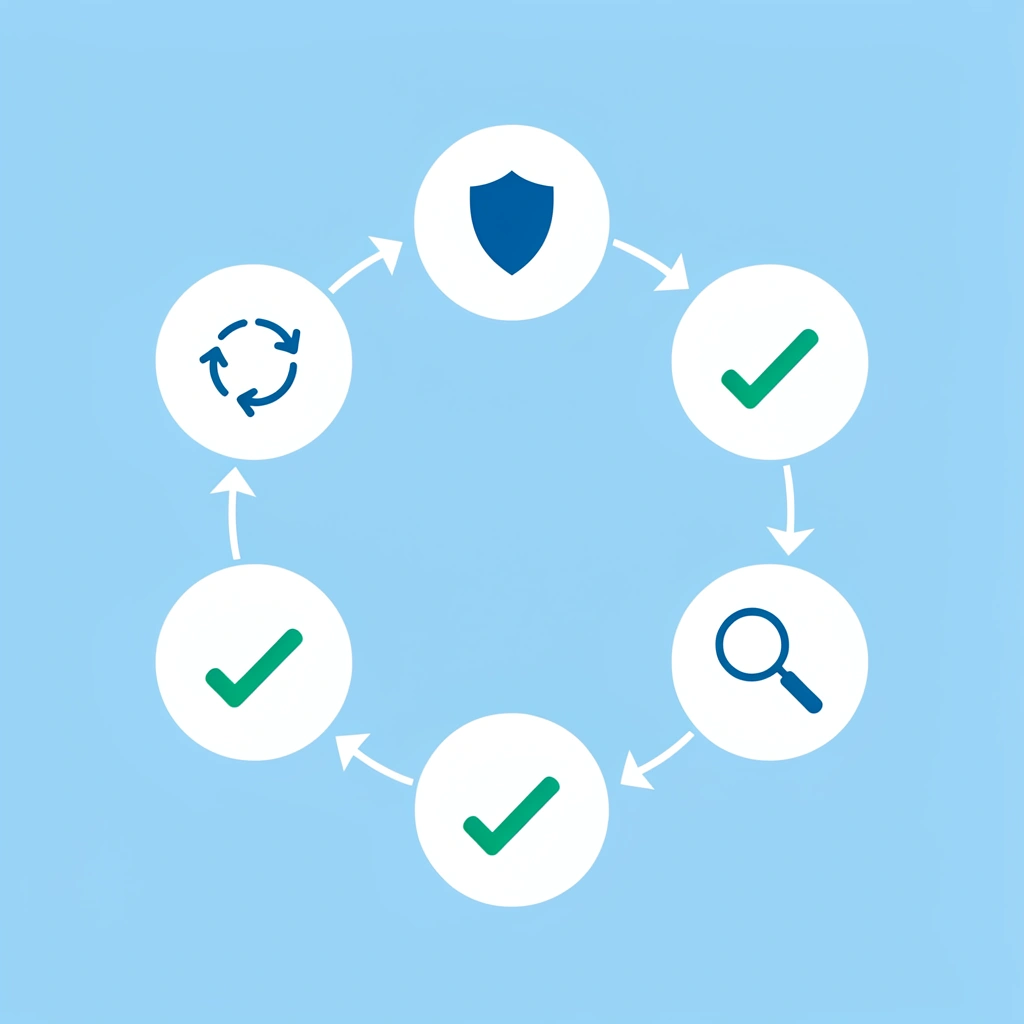
With My Coloring Pages, you create custom coloring sheets showing children practicing confident body language, identifying trusted adults, or demonstrating safe distance from strangers. Build mini "My Safety Rules" coloring books that repeat core lessons without triggering anxiety. Personalize worksheets with your child's name, school environment, or favorite characters to boost engagement. This transforms safety education into creative play that builds muscle memory through repetition and reinforces protective instincts when seconds count.
💡 Tip: Create a weekly coloring routine where children colour one safety scenario while discussing what makes each choice smart and safe.
"Children retain safety concepts 65% better when learning through visual activities combined with repetitive practice rather than one-time verbal instruction." — Child Safety Research Institute, 2023