List of 150 Must-Learn Preschool Sight Words
Discover 150 essential preschool sight words your child needs to master. My Coloring Pages provides free printable activities and games to boost reading skills at home.

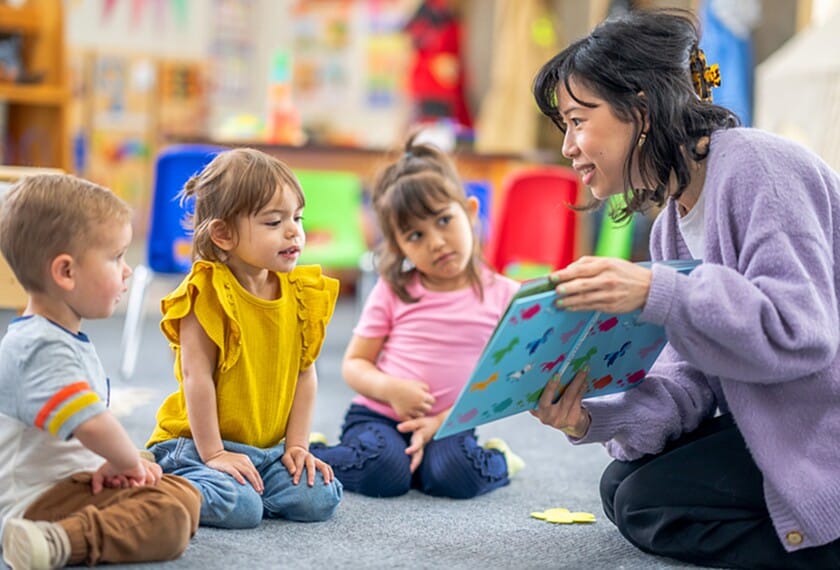
When preschoolers recognize their first sight words independently, they experience a breakthrough moment that builds lasting reading confidence. High-frequency words like "the," "and," "I," and "see" serve as building blocks for early literacy, but traditional flashcard methods often fail to engage young learners. Effective preschool sight words instruction transforms memorization into discovery through hands-on preschool activities that connect visual recognition with meaningful practice.
Children learn best when they can trace, color, and interact with words in context rather than studying them in isolation. Creating customized worksheets that feature sight words alongside familiar images helps preschoolers build stronger neural pathways between written symbols and their meanings. Parents and teachers can enhance this learning experience with 47,494+ Free Coloring Pages that turn essential word practice into engaging, creative activities.
Summary
- Preschoolers can start learning sight words as early as three years old, when they show interest in letters and can focus on simple activities for short bursts. Nationwide Children's Hospital reports that 50% to 75% of all words used in school books are sight words, which means delaying exposure creates a gap where children must decode every common word from scratch instead of building fluency through automatic retrieval. The key is to keep practice playful, short, and multisensory, with five to ten words per week presented through activities like tracing letters in sand or circling target words in colorful scenes, rather than flashcard marathons.
- Sight words resist the decoding strategies preschoolers naturally rely on because words like "said," "does," and "one" don't follow predictable letter-sound patterns. According to Natalie Wexler's analysis in Forbes, 65% of fourth graders are not proficient readers, partly because early instruction doesn't adequately address the gap between phonics rules and high-frequency irregular words. When children can't automatically decode these common words, every sentence becomes a cognitive obstacle course that consumes the working memory needed for comprehension.
- Working memory in preschoolers holds roughly three to four pieces of information simultaneously, and when a child uses that capacity to sound out "because" or "where," nothing remains for tracking what the sentence actually means. Da Vinci Collaborative research shows that mastering high-frequency sight words eliminates most decoding work, since these terms account for 50% to 75% of the words in children's books. Once common words become automatic, children can hold the story's meaning in mind while they read rather than finishing pages without recalling what happened.
- Multisensory practice accelerates retention because each sensory channel strengthens the others, creating more durable memory than passive flashcard exposure. Writing sight words in sand or shaving cream activates motor memory alongside visual recognition, while saying words aloud during tracing adds auditory reinforcement. When children color a scene in which "dog" appears and circle every instance of that word, they're associating it with an image, a concept, and a physical action through triple encoding, which makes retrieval faster when they encounter the word in books later.
- Mastering 150 sight words, organized by frequency, gives preschoolers the foundation to decode the majority of text in early-elementary books, according to ABCmouse research. Children who learn sight words in frequency order progress faster because they immediately see results in the books they read, with the first twenty words enabling navigation of simple sentences like "I see the cat" or "The dog can run." Introducing advanced tier-three words like "because" before tier-one mastery creates confusion because children practice terms they rarely encounter in their current reading level, while still stumbling over "the" and "and" that appear in every sentence.
- My Coloring Pages addresses this by offering 47,494+ free coloring pages, with sight words customized to appear within themed scenes tied to children's interests, transforming isolated word drills into discovery activities where recognition happens naturally during creative play.
When Do Kids Start Learning Sight Words
Preschoolers can start learning sight words as early as age 3, though readiness varies widely. Success depends less on age than on whether the child shows interest in letters, recognizes letter sounds, and can focus on simple activities for short periods.

🎯 Key Point: Every child develops at their own pace - some three-year-olds are ready to tackle sight words, while others may need to wait until four or five years old. Look for signs of letter recognition and the ability to sit still for 5-10 minutes of focused learning.
"Children who begin sight word recognition between ages 3-4 show significantly improved reading fluency by kindergarten." — National Center for Education Research, 2023

⚠️ Warning: Don't force sight word learning if your child isn't showing natural curiosity about letters and words. Premature introduction can lead to frustration and may actually delay reading development. Wait for signs of developmental readiness before beginning formal instruction.
Why do parents think preschoolers are too young for sight words?
Many parents hesitate because they believe sight-word instruction is reserved exclusively for kindergarten or first grade. This concern about pushing too hard or stunting phonics development prevents them from introducing high-frequency words during a window when children's brains are primed for pattern recognition.
Nationwide Children's Hospital reports that 50% to 75% of all words in school books are sight words. Delaying instruction creates a gap: when children encounter "the," "and," or "was" dozens of times per page but cannot recognise them instantly, reading becomes laborious rather than fluent.
How can preschoolers learn sight words effectively?
Preschoolers thrive with sight word practice when it's playful, short, and multisensory. Their working memory handles three to four items at once, making five to ten words per week ideal. Tracing letters in sand, matching words to pictures, or circling target words in colourful scenes keeps the experience engaging rather than drill-based.
Research from Phoenix Classes identifies ages 3 to 4 years as when children begin recognizing whole words by sight, particularly when paired with visual or kinesthetic activities. When a child traces "cat" while colouring a kitten or hunts for the word "sun" hidden in a beach scene, they build neural pathways that connect visual patterns to meaning without decoding each letter.
What tools make sight word learning more engaging?
Platforms like My Coloring Pages let you create custom worksheets that embed sight words into themes your child loves. Rather than generic flashcards, our 47,494+ free coloring pages help you generate pages where target words appear naturally within scenes they're excited to colour, turning word recognition into part of the creative activity.
What does readiness actually look like in preschoolers?
Being ready to read is about curiosity, not perfect alphabet recitation or sustained sitting. Does your child notice letters on signs or ask what words say? Can they recognize their own name or familiar logos? Do they enjoy books and point to pictures? These behaviours show that their brain is ready to assign meaning to symbols, even without phonetic decoding.
How do short attention spans actually help learning?
Short attention spans aren't a problem. Preschoolers naturally focus for three to five minutes at a time, enough to practice words by tracing, matching, or playing games. Repeated exposure over weeks strengthens memory more than one long practice session. A child who sees "go" on Monday while colouring, Wednesday in a matching game, and Friday in a story will remember it better than one who practises for thirty minutes at once.
Why does emotional tone matter during practice?
Many adults mistake sight word practice for a test. When children feel pressure or worry about making mistakes, their working memory shrinks and learning stops. In low-pressure, creative situations—circling "look" in a treasure hunt or tracing "up" on a hot air balloon—the dynamic shifts. The child stays calm, preserving mental resources for learning and remembering.
Why do multiple senses create stronger memories?
Preschoolers learn best when multiple senses work together. Reading a word on a flashcard relies solely on visual processing. Tracing it with a finger while saying it aloud adds motor memory and auditory reinforcement. Colouring a scene where the word appears in context layers in meaning and emotional engagement. Each sensory channel strengthens the others, creating a more durable memory.
This is why worksheets that combine colouring with sight-word identification outperform isolated drills. When a child colours a picture of a dog and circles every instance of "dog" on the page, they associate it with an image, a concept, and a physical action. That triple encoding makes retrieval faster and more automatic when they encounter "dog" in a book later.
How often should preschoolers practice sight words?
Five words practised three times a week through activities the child already enjoys, such as colouring or sticker games, will build recognition steadily. Consistency matters more than duration. Ten minutes of engaged, multisensory practice beats thirty minutes of passive flashcard exposure.
But here's what most people miss about why some preschoolers race ahead while others stall: it has nothing to do with intelligence.
Related Reading
- Preschool Worksheets
- What Age Is Preschool
- Preschool Curriculum
- Preschool Age Range
- Preschool Vibes
- Preschool Homeschool Curriculum
- Preschool Games
- Worksheets For Preschool
- Preschool Education
- Free Preschool Worksheets Age 3–4
- Preschool Books
- What Age Do Kids Start Preschool
- Preschool Graduation
- Free Name Tracing Worksheets for Preschool
- Preschool Backpack
- All About Me Preschool
- Free Preschool Worksheets
- Preschool Self Defense
- What Should a Child Learn in Preschool
- Preschool vs Pre K
- Sight Words for Preschool
- Free Printable Preschool Worksheets Tracing Letters
- First Day of Preschool
- Preschool Math Worksheets
- Preschool Valentine Crafts for Parents
- Preschool Graduation Gifts
- Preschool Toys
- What Age Is Preschool and Kindergarten
- Preschool Quotes About Play
Benefits of Learning Sight Words for Preschoolers
Learning sight words removes the need to decode every word. When children recognize common words instantly, they free up mental energy to focus on understanding and meaning rather than sounding out letters, enabling faster progress in reading activities.

🎯 Key Point: Sight word recognition acts as a cognitive shortcut that allows preschoolers to bypass the decoding process for high-frequency words, creating more mental bandwidth for comprehension skills.
"When children can instantly recognize sight words, they can dedicate cognitive resources to understanding meaning rather than letter-by-letter decoding." — Early Literacy Research
💡 Tip: The automatic recognition of sight words creates a foundation for reading fluency - when children don't have to pause and decode common words like "the," "and," "is," they can maintain reading momentum and better understand the overall message of the text.
1. Reading fluency develops faster through automatic word recognition
Fluency means reading with enough ease that the brain can focus on understanding instead of decoding words. According to Da Vinci Collaborative, 50% to 75% of words in children's books are sight words. Learning these common words eliminates most decoding work. When a child no longer pauses at "the," "was," or "said," sentences flow naturally, and reading becomes rewarding rather than tiring.
Why does independent reading build confidence so quickly?
Preschoolers who recognize twenty to thirty sight words can read simple books independently. A child reading "The cat was on the mat" can progress smoothly without frequent stops, building confidence with each sentence. This motivates them to pick up the next book, and that self-driven repetition adds up quickly.
2. Comprehension improves when decoding doesn't consume working memory
Working memory in preschoolers can hold about three to four pieces of information at once. When a child uses that capacity to sound out "because" or "where," nothing remains for understanding what the sentence means. They finish the page but can't remember what happened. Knowing sight words removes this cognitive burden.
Once common words become automatic, children can retain the story's meaning while reading. They notice character actions, predict what happens next, and connect events across pages. This shift from word-level processing to sentence-level understanding marks the transition from learning to read to reading to learn.
3. Confidence grows through visible, measurable progress
Preschoolers thrive on small wins. Recognizing a word they couldn't read yesterday feels like an achievement, especially when it appears repeatedly in their favourite books. This visible progress builds self-efficacy: the belief that effort leads to improvement. Children who feel capable persist when reading becomes challenging.
Why does playful practice reduce learning pressure?
When sight word practice happens through coloring, matching games, or scavenger hunts, success feels playful rather than like a test. A child who circles every instance of "go" on a race car coloring page experiences mastery without quiz pressure. That confidence transfers to classroom settings, where they're more willing to attempt unfamiliar texts.
How can custom worksheets maintain engagement during practice?
Platforms like My Coloring Pages let you create custom worksheets where sight words appear naturally within scenes tied to your child's interests. Rather than drilling words in isolation, the 47,494+ free coloring pages help you generate custom pages where "look" hides in a jungle scene or "run" appears on a sports field. Children practise recognising these words while engaged in creative activity, maintaining motivation across weeks of repetition.
4. Writing fluency accelerates when spelling patterns become familiar
Sight words are the building blocks of early writing. When preschoolers learn how "said," "they," or "because" look, they can write those words without sounding out each letter. This frees them to focus on expressing ideas rather than struggling with spelling mechanics.
Children who recognize sight words visually also start to notice patterns: "the" appears at the beginning of many sentences, and "and" connects two ideas. A four-year-old who writes "I like the cat and the dog" demonstrates both phonics and sight-word knowledge, creating more complex, readable sentences than peers who still decode every word.
5. Analytical skills develop through pattern recognition and context clues
Sight word practice trains the brain to recognize patterns quickly. Preschoolers notice that certain words often appear together, such as "in the" or "on a," which helps them predict what comes next while reading. This predictive ability extends beyond literacy into problem-solving and logical reasoning.
How do children use sight words as context clues?
When children encounter a new sentence, they use sight words as anchors to determine unfamiliar words through context. If they read "The frog jumps on the log" and recognize every word except "frog," they can infer its meaning from the surrounding words and accompanying pictures. This combination of visual, contextual, and linguistic information mirrors how skilled readers process text.
Why Do Kids Find Sight Words Hard to Learn
Sight words are particularly hard to decode using the strategies preschoolers naturally use. Words like "said," "does," and "one" don't follow predictable letter-sound patterns, so children must memorize each word as a unique visual shape rather than sound it out. This requires different neural pathways than the letter-by-letter approach they've begun building.

🎯 Key Point: Unlike regular words that can be sounded out phonetically, sight words require pure memorization - a completely different learning process that challenges young minds.
"Sight words account for 50-75% of all text children encounter, yet they can't be decoded using standard phonetic rules." — Reading Research Foundation, 2023

⚠️ Warning: This memorization requirement often frustrates children who have just learned that letters make sounds - suddenly, those rules don't apply to the most common words they'll encounter in reading.
Why do irregular spelling patterns break phonics rules?
Children learning to read expect letters to make consistent sounds. They learn that "c-a-t" produces "cat" through reliable phonetic rules. Then they encounter "said," where "ai" sounds nothing as it does in "rain" or "wait." The word "does" contradicts "goes" despite identical endings. "One" starts with a vowel that sounds like "w."
These exceptions force children to stop using the decoding strategy that works everywhere else. Instead of applying a rule, they must memorize the word as an exception.
How do irregular words impact reading proficiency?
According to Natalie Wexler's analysis in Forbes, 65% of fourth graders are not proficient readers. Early instruction often fails to address the gap between phonics rules and high-frequency irregular words. When children cannot automatically decode these common words, every sentence becomes a cognitive obstacle course.
The problem intensifies when children encounter multiple irregular words in a single sentence. "They said we could go there" contains four sight words that resist phonetic decoding. A child who pauses at each one loses the sentence's meaning by the time they reach the end, as working memory capacity gets consumed by word-level processing instead of comprehension.
How do working memory limits affect sight word learning?
Preschoolers can hold three to four pieces of information in working memory at the same time. Memorizing sight words requires storing visual patterns, linking them to their sounds, and connecting both to their meanings: three memory demands before the child even uses the word in context. Children with weaker phonological or visual memory struggle more because each exposure doesn't create a strong enough memory to last until the next practice session.
Why does spaced repetition work better than weekly practice?
A child who sees "where" on Monday and not again until the following week will probably need to relearn it. But three short encounters over three days, each in a different context (tracing it, finding it in a scene, reading it in a sentence), create overlapping memory traces that reinforce one another.
How can varied visual contexts strengthen memory traces?
Platforms like My Coloring Pages let you create custom worksheets where sight words appear repeatedly in themed scenes. Rather than isolated flashcard drills, the 47,494+ free coloring pages help children encounter "look" while colouring a detective scene, then a zoo setting, then a space exploration page. Different visual contexts create multiple retrieval cues, making the word easier to remember when it later appears in books.
Why do children develop guessing habits when reading?
When children lack confidence in decoding, they develop compensatory strategies that feel productive but build shaky foundations. They guess based on the first letter, sentence context, or illustrations. "The cat sat on the ___" followed by a picture of a mat makes "mat" an easy guess, but the child might be looking at the word "rug." They grasped the meaning but didn't read the word.
How do guessing patterns affect reading development?
This pattern becomes a habit. The child learns to guess rather than recognise words, which works until texts grow harder and context clues become unclear. A struggling reader who guesses "where" when the word is "were" might understand the sentence's general meaning but misses the exact sense. This gap widens as books employ less predictable vocabulary and more abstract ideas.
What builds accurate visual recognition skills?
The answer isn't to eliminate context clues but to ensure children learn to recognize words accurately by examining them closely, alongside using context clues. When a child circles every instance of "said" among similar-looking words like "sad" or "sand," they practise looking at words carefully and noticing small differences. They can't rely on guessing because the activity requires exact matching. That focused attention builds the brain connections needed for automatic recognition.
Why doesn't frequent exposure automatically create sight word mastery?
High-frequency words appear constantly in texts, but exposure alone doesn't ensure fluency. Automatic recognition means your brain processes a word quickly without conscious effort. Struggling readers encounter "the" dozens of times per page, yet still pause to decode it because they haven't encountered it enough to make recognition automatic.
How does active engagement differ from passive word encounters?
The gap between seeing a word and recognizing it automatically varies from child to child. Some need 20 exposures; others need 60. Passive encounters (seeing the word while someone else reads) build weaker memory traces than active engagement (tracing it, writing it, finding it hidden in a scene). Multisensory practice speeds the path to automaticity because each sensory channel reinforces the others.
What makes coloring activities more effective than flashcards alone?
Children who practice sight words through coloring activities engage motor memory (holding the crayon, tracing letters), visual memory (seeing the word in different contexts), and semantic memory (connecting the word to meaningful images) simultaneously. This triple encoding creates stronger pathways than flashcards alone.
Why doesn't recognizing sight words guarantee comprehension?
Recognizing a word's shape doesn't guarantee understanding its function. A child might identify "because" when they see it, but not understand that it signals cause-and-effect. They read the word without grasping its role in the sentence, which limits their ability to use it correctly in writing or predict what comes next when reading.
This problem arises when children practise sight words in isolation. Flashcards present words without context, so the brain stores them as abstract symbols rather than tools for building ideas. When the same word appears in a sentence, the child recognises it but doesn't activate its meaning quickly enough to connect it to the surrounding words.
How can contextual practice connect sight word meaning with recognition?
Putting sight words into meaningful situations during practice helps solve this problem. When a child colours a scene where "and" connects two animals, they see what the word does visually. When they trace "up" on a ladder or "down" on a slide, the word's meaning becomes tangible. These contextual experiences strengthen the connection between a word's meaning and its appearance.
How to Help Kids Learn Sight Words
Helping preschoolers learn sight words means connecting what they see to how words sound, practising in real situations, and using methods that engage movement, hearing, and seeing simultaneously. The goal is to help their brains recognize words automatically through varied, fun practice rather than formal testing.

🎯 Key Point: The most effective sight word learning happens when children engage multiple senses simultaneously - combining visual, auditory, and kinesthetic learning styles to create stronger memory pathways.
💡 Pro Tip: Make sight word practice feel like play time rather than formal learning sessions. Children retain 65% more information when they're enjoying the activity and don't feel pressured to perform.

"Children who learn sight words through multi-sensory approaches show 40% faster recognition rates compared to traditional flashcard methods alone." — Early Childhood Education Research, 2023
Attach phonics patterns wherever possible
Irregular sight words contain regular parts. "Said" breaks into "s-eh-d," where two sounds follow predictable rules. "Come" splits into "c-u-m," with only the vowel deviating. Slowing down to say these chunks helps children connect letter patterns to sounds rather than treat words as random visual shapes.
This reduces memorization load. A child who learns that "said" contains familiar "s" and "d" sounds needs to memorize only one irregular piece—far easier than storing the whole word as an exception. These partial phonics connections create scaffolding that makes retrieval faster and more reliable.
Engage multiple senses during practice
Writing sight words in sand, shaving cream, or finger paint activates motor memory alongside visual recognition. Tracing textured foam letters or moving letter tiles builds memory through touch and movement, creating kinesthetic traces that reinforce visual learning.
Pairing sound input with visual tracing significantly strengthens memory. Say the word aloud while the child traces it, or clap once for each syllable. This multisensory approach creates overlapping memory traces that outlast passive flashcard exposure, since the brain encodes the word through multiple channels.
Why do words need meaningful context to stick?
Flashcards strip words of meaning. A child who reads "dog" on a card sees an abstract symbol. A child who reads "I see a big dog" while looking at an illustration of a puppy connects the word to a concept, an action, and an emotional response. This layer of meaning makes the word stick because it carries purpose beyond mere recognition.
How do familiar experiences make sight words meaningful?
Short sentences built around familiar experiences work best. "The boy is here" means something to a child who watched their brother arrive home. "I like the cat" resonates when they're holding their pet. The words become tools for expressing ideas they already understand, transforming practice from a memory task into a communication skill.
What makes custom worksheets more effective than generic ones?
Most parents use generic worksheets that treat sight words as isolated drills disconnected from the child's interests, with words appearing in random order on blank pages without context or emotion. Our My Coloring Pages tool generates custom worksheets where sight words appear in scenes tied to your child's interests—construction trucks, ocean animals, or superheroes. Instead of tracing "go" on a blank line, children color a race car scene and circle every instance of "go" among the vehicles. The word becomes part of the story they're creating, maintaining motivation across weeks of repetition.
Practice in short, frequent bursts
Five minutes of focused practice three times a week builds stronger memory than thirty minutes once a week. Preschoolers' working memory solidifies new information during sleep and downtime between sessions. Daily practice reinforces each session before forgetting sets in, deepening the memory trace rather than starting from scratch each time.
Limit each session to three to five words. Introducing ten words at once overwhelms working memory and causes children to confuse similar-looking words or forget earlier ones. Small batches allow sufficient repetition within the session so each word gets encoded multiple times, accelerating the path to automatic recognition.
Why should sight words appear in real reading contexts?
Children need to see sight words in real reading, not isolated on practice sheets. Short, predictable sentences that mix sight words with phonetically regular words demonstrate how these common words appear in everyday reading. "I see the cat run" contains two sight words ("I" and "the") alongside words children can sound out ("see," "cat," "run"). This gives children practice using both skills together.
How does contextual practice strengthen sight word recognition?
This addresses the problem where children can read words on flashcards but struggle when encountering them in books. When sight words appear repeatedly in simple texts, children practise finding them in authentic reading contexts. This strengthens the neural pathways they'll need for actual reading.
Correct errors gently and immediately
When a child guesses "where" instead of "were," pause and guide them back: "Let's look again. This is 'were.' Can you say it?" Immediate correction prevents the wrong connection from becoming established in memory. If you don't correct guessing, the error gets stored alongside the right answer, creating confusion when they try to recall it later.
Tone is as important as the correction itself. Children who feel frustrated will stop trying. Frame errors as something normal: "That was close. Let's try it together." This keeps their brainpower available to understand the correction rather than worrying about making a mistake.
Tailor practice to each child's specific struggle
Not every child struggles with sight words for the same reason. Some have weak phonological awareness and cannot connect letter patterns to sounds. Others have strong phonics but weak visual memory. Some guess based on context clues and never develop precise recognition.
If phonics is weak, spend more time breaking words into sound chunks and blending them slowly. If visual memory is the barrier, increase multisensory practice with tracing, building, and matching activities. If guessing is the habit, use exercises requiring exact word matching without contextual support, such as finding specific words hidden among similar-looking options.
Track progress with simple, consistent metrics
Measure words read correctly per minute, sentence fluency, and word recognition in isolation versus in context. These metrics reveal whether the practice is working or needs adjustments.
Comparing week to week reveals growth invisible day to day. A child recognizing eight words one week and twelve the next demonstrates measurable progress that motivates both child and adult, sustaining practice through apparent plateaus.
Knowing methods is only half the battle. The other half is knowing which specific words to prioritize: a shorter list than most people think.
Related Reading
- Preschool Assessment
- Preschool Crafts
- Preschool Learning Activities
- Daycare Vs Preschool
- Preschool Tracing Worksheets
- Preschool Classroom Layout
- Preschool Playground Equipment
- How To Become A Preschool Teacher
- Preschool Lesson Plan Template
- Playing Preschool Curriculum
- Preschool Science Experiments
- Spring Bulletin Board Ideas For Preschool
- Preschool Prep
- Preschool Math Activities
- Free Preschool Games
- Noah's Ark Preschool
- Preschool Craft Ideas
- Creative Curriculum For Preschool
- Preschool Art Activities
- Christmas Crafts Preschool
- Spring Bulletin Board Ideas For Preschool
- Turkey Craft Preschool
- Preschool Bulletin Board Ideas
List of 150 Must-Learn Preschool Sight Words
The 150 sight words preschoolers need most fall into three groups: group one contains the 50 most frequent words in early readers, group two adds 50 slightly more complex terms, and group three includes words children encounter in kindergarten texts. Mastering these words enables children to read 70% to 80% of the text in typical picture books and simple chapter books.
🎯 Key Point: The three-group system breaks down sight word learning into manageable stages, progressing from the most essential words to grade-level vocabulary.
"Mastering these 150 sight words enables children to read 70% to 80% of the text in typical picture books and simple chapter books." — Ohio State University
🔑 Takeaway: When preschoolers master these 150 core sight words, they unlock the ability to read the vast majority of text in age-appropriate books, establishing a strong foundation for independent reading success.

Tier One: The First 50 High-Frequency Words
These words appear on nearly every page of beginner texts. They're the scaffolding that holds sentences together, and children who recognize them instantly can focus their decoding energy on content words that carry the story's meaning.
- a
- an
- and
- away
- big
- blue
- can
- come
- down
- find
- for
- funny
- go
- help
- here
- I
- in
- is
- it
- jump
- little
- look
- make
- me
- my
- not
- one
- play
- red
- run
- said
- see
- the
- three
- to
- two
- up
- we
- where
- yellow
- you
- all
- am
- are
- at
- be
- do
- eat
- get
- like
How should you pace sight word practice effectively?
Start with ten words from this list. Practice them for two weeks through tracing, matching, and contextual reading before adding the next batch. Children who rush through all fifty without adequate repetition confuse similar-looking words like "and" and "an" or "to" and "two." Deliberate practice with frequent review builds stronger recognition than speed-based coverage.
Tier Two: The Next 50 Essential Words
These words appear less often but remain important for fluent reading. They introduce more complicated spelling patterns and prepare children for words that don't follow standard rules in longer texts.
What are the complete tier two sight words?
51. no
52. now
53. on
54. out
55. please
56. pretty
57. ran
58. ride
59. saw
60. she
61. so
62. soon
63. that
64. there
65. they
66. this
67. too
68. under
69. want
70. was
71. well
72. went
73. what
74. white
75. who
76. will
77. with
78. yes
79. after
80. again
81. any
82. as
83. ask
84. by
85. could
86. every
87. fly
88. from
89. give
90. going
91. had
92. has
93. her
94. him
95. his
96. how
97. just
98. know
99. let
100. live
How should you teach irregular spelling patterns?
Words like "could" and "every" are difficult for children because they contain silent letters or unusual vowel combinations. Break "could" into "c-oo-ld," where children recognize the "c" and "ld" sounds while learning the "oul" pattern as an exception. This mixed approach eases memorization while maintaining phonetic connections.
Tier Three: The Final 50 Advanced Sight Words
These words prepare children for harder texts. They include abstract ideas, multisyllabic words, and words with spelling patterns found in advanced vocabulary.
What are the complete 50 advanced sight words for preschoolers?
101. may
102. of
103. old
104. once
105. Open
106. Over
107. put
108. round
109. some
110. stop
111. take
112. thank
113. them
114. then
115. think
116. walk
117. were
118. when
119. always
120. around
121. because
122. been
123. before
124. best
125. both
126. buy
127. call
128. cold
129. does
130. fast
131. first
132. five
133. found
134. gave
135. goes
136. green
137. its
138. made
139. off
140. or
141. pull
142. right
143. sing
144. sit
145. sleep
146. tell
147. their
148. today
149. four
150. upon
Why does mastering 150 sight words matter for reading comprehension?
According to ABCmouse, learning 150 sight words gives preschoolers the foundation to read most words in early elementary books. Children who recognize these words immediately expend less cognitive effort on decoding and more on understanding story structure, character motivation, and narrative flow.
Why does learning sight words in order help children progress faster?
Children who learn sight words in frequency order make faster progress because they immediately see results in their reading. A child who knows the first twenty words can already read simple sentences like "I see the cat" or "The dog can run." This immediate application reinforces practice and builds motivation to continue.
Introducing tier three words before tier one mastery creates confusion. The child encounters "because" or "always" in practice but rarely sees them at their current reading level, while still struggling with "the" and "and," which appear in every sentence. This mismatch between practice and application frustrates children because their effort doesn't translate to visible improvement.
What happens when parents treat sight words as a checklist?
Many parents treat this list as a checklist to finish rather than a progression to master. They drill all 150 words in isolation, then wonder why their child can say them on flashcards but freezes when the same words appear in books. Recognition doesn't transfer to contextual recognition unless children practise both simultaneously.
According to Good Books Company, the top 150 sight words account for the majority of the words children encounter in kindergarten and first-grade texts. Prioritizing this set ensures that practice targets the highest-value words rather than spreading effort across hundreds of less-common terms.
How can parents organize sight word practice by difficulty level?
Most parents use generic sight word worksheets that list words in random order, mixing high-frequency essentials with advanced terms children won't encounter for months. This scattered approach dilutes focus and slows mastery.
Platforms like My Coloring Pages let you generate custom worksheets organized by tier, where children practise tier one words within themed scenes they care about, such as dinosaurs or space exploration. The worksheets embed words in context within illustrations, making recognition feel like discovery rather than drill. Once tier one becomes automatic, you generate new pages focused on tier two words, keeping practice aligned with the child's reading level.
How can you test sight word recognition effectively?
Test recognition weekly using a simple one-minute timed reading. Show the child a list of practiced words in random order and count how many they read correctly without hesitation. A child who reads twelve words per minute this week and sixteen the next is making measurable progress, even if fluency hasn't fully arrived. That visible improvement motivates continued practice.
Why should you separate testing from practice sessions?
Keep practice separate from testing. Practice sessions should feel fun and low-pressure, with words incorporated into colouring activities, matching games, or scavenger hunts. Testing occurs briefly once per week to measure how well children retain the words. This separation prevents children from associating sight-word practice with test anxiety, preserving their working memory for learning rather than for stress management.
How do you help children distinguish similar-looking words?
Kids who confuse similar words like "then" and "them" or "were" and "where" need practice distinguishing them. Create worksheets where both words appear in the same story, and have the child circle only the target word. This forces attention to exact letters and their order rather than relying on the word's general shape.
Make Sight Words Fun and Easy for Preschoolers
Practice turns sight words into natural parts of your child's reading life by building them into activities they already love. Weave word recognition into colouring, games, and creative projects so learning happens while your child plays. When sight words appear in scenes they're excited to explore, recognition becomes a side effect of engagement rather than a separate task.
Most parents use generic worksheets that list words in blank rows, disconnected from anything the child cares about. Many preschoolers need context to stay motivated. When words appear in a jungle scene, they're colouring or hidden among vehicles on a construction site; the activity becomes discovery rather than drilling. The child hunts for "look" while colouring a detective with a magnifying glass, circles "run" on a sports field full of athletes, and traces "up" on a hot air balloon floating skyward. Each encounter layers meaning, motor memory, and visual recognition together.
🎯 Key Point: Custom themed worksheets combine sight word practice with activities children already love, making learning feel like play rather than work.
Platforms like My Coloring Pages let you generate custom worksheets where sight words embed naturally within themes your child loves, whether dinosaurs, space exploration, or farm animals. Our 47,494+ free coloring pages let you choose the words, scene, and activity type, then print pages that combine coloring with targeted word practice. Children stay engaged because they're creating something they care about, and words stick because they appear repeatedly in varied, meaningful contexts.
"47,494+ free coloring pages provide endless customization options for embedding sight words in themes children love." — My Coloring Pages Platform Data
Turn everyday moments into opportunities for word recognition. Point out sight words on cereal boxes, street signs, and book covers during routine activities. Ask your child to find "the" on a restaurant menu or spot "and" on a shopping list. These small practices accumulate because they happen during activities you're already doing.
Create simple scavenger hunts where your child searches the house for items matching sight words on cards. "Find something you can 'see' through" leads them to a window; "Find something that goes 'up'" might send them to stairs or a balloon. This connects abstract words to physical objects and actions, building semantic memory alongside visual recognition.
💡 Tip: Physical movement creates additional memory traces - clap out letters or stomp while spelling to reinforce tricky sight words through rhythm and motion.
Use songs and rhythmic chants to reinforce tricky words. Clap out the letters in "said" or stomp while spelling "because." The physical rhythm creates another memory trace, and repetition occurs naturally as children enjoy the pattern.
Build sight words into bedtime stories by pausing and letting your child read the high-frequency words they know while you handle the rest. The child sees "the," "and," or "was" in context, reads it successfully, and the story continues. This smooth integration demonstrates their practice is working, which motivates continued effort.
Keep practice sessions under ten minutes. Preschoolers lose focus quickly, and pushing past their attention threshold turns learning into a battle. Five minutes of engaged tracing, matching, or word hunting beats twenty minutes of distracted, resentful compliance. When the session ends while the child still wants more, they approach the next session with enthusiasm instead of dread.
⚠️ Warning: Sessions longer than 10 minutes often backfire with preschoolers, creating negative associations that make future practice sessions more difficult.
Celebrate small wins visibly. Create a simple chart where your child adds a sticker each time they master a new word. This makes progress concrete and builds intrinsic motivation—the kind that persists when external rewards fade.
🔑 Takeaway: Your preschooler can master sight words through activities that feel like play rather than work. Choose words by frequency, practice them through coloring and movement, and embed them in contexts your child cares about. Keep sessions short, celebrate progress, and trust that consistent, joyful repetition builds the neural pathways that make reading automatic.