35 Easy-to-Make Healthy Preschool Snack Ideas
Discover 35 healthy preschool snack ideas that are simple to make and kid-approved. My Coloring Pages shares nutritious recipes parents love.

Midmorning restlessness strikes when little ones hit an energy wall, making it nearly impossible for them to focus on learning activities. Smart snack choices bridge these gaps by fueling both bodies and minds, keeping children engaged during circle time, art projects, and outdoor play. Nutritious, appealing snacks keep preschoolers satisfied and ready to participate throughout their day. Pairing good nutrition with creative learning tools transforms ordinary snack time into an educational experience.
Food-themed coloring pages help children understand nutrition concepts while developing fine motor skills during snack breaks. These printable resources allow educators and parents to reinforce the connection between healthy eating and learning through interactive activities. Children can color fruits, vegetables, and balanced meals, turning every snack time into an opportunity for growth. Download Free 51,780+ Coloring Pages to access ready-made materials that make nutrition education engaging and fun.
Table of Contents
- Importance of Healthy Snacks for Preschoolers
- Why Healthy Snacks Matter More Than You Think
- How to Make Your Preschoolers Finish Their Snacks
- Must-Have Healthy Ingredients for Preschool Snacks
- 35 Easy-to-Make Healthy Preschool Snack Ideas
- Download 51,780+ Free Snack Themed Coloring Pages
Summary
- Balanced snacks that include fruits, vegetables, and whole grains improve preschoolers' attention and memory by 25% compared to sugary alternatives, according to the Journal of Child Nutrition & Management (2019). The American Academy of Pediatrics found that children who ate nutrient-dense mid-morning snacks exhibited 40% fewer disruptive classroom behaviors. These aren't small differences. They represent the gap between a child who stays engaged through story time and one who fidgets and loses focus, proving that what preschoolers eat directly shapes how they learn and behave.
- Preschoolers need 1,000 to 1,400 calories daily, with snacks contributing roughly 25% of that intake. The Pennsylvania Key recommends 2 to 3 healthy snacks per day to meet nutritional demands and maintain steady energy. Research in the American Journal of Nursing (September 2025) emphasizes choosing snacks with 3 or fewer ingredients to minimize processed additives. This simple rule eliminates most packaged options and focuses attention on whole foods like apples with almond butter or carrot sticks with hummus, combinations that deliver protein, fiber, and sustained energy without blood sugar spikes.
- Nearly 60% of young children consume added sugars every day, often hidden in flavored yogurts and processed dairy snacks, according to the CDC's 2025 Early Childhood Nutrition Report. Only 1 in 3 children ages 2 to 5 eat enough vegetables daily. These gaps show up as energy crashes, digestive issues, and weakened immune systems. Switching to plain Greek yogurt with fresh berries or offering pre-cut vegetables stored at eye level in the fridge addresses these deficiencies while making healthy choices the default rather than the exception.
- Consistent snack timing prevents constant grazing and helps regulate appetite. When preschoolers know snacks arrive at predictable times, they stop requesting food every twenty minutes and eat fuller portions when snack time actually arrives. One parent found that setting alarms for mid-morning and mid-afternoon snacks eliminated whining and transformed her household routine. This structure supports digestion and reduces requests for less-nutritious options, creating calm for both children and caregivers while teaching body awareness of hunger cues.
- Involving preschoolers in snack planning by offering choices between healthy options reduces resistance to trying new foods. Research shows it often takes multiple exposures for children to accept new tastes or textures. Serving small portions alongside familiar favorites and avoiding pressure leads to better long-term acceptance. One daycare provider noticed that when she stopped commenting on how much children ate and simply offered consistent, nutritious options, acceptance rates climbed because children explored foods at their own pace without feeling watched or judged.
- Coloring fruits and vegetables before eating them creates visual memories that make new foods feel familiar rather than foreign, reducing resistance and building curiosity about trying unfamiliar snacks. My Coloring Pages addresses this by offering over 51,780 free printable designs, including thousands of food-themed options where preschoolers can color strawberries, carrots, yogurt cups, and whole grains, then taste the real versions minutes later, connecting creative activity with nutrition in ways that shape preferences and habits.
Why Healthy Snacks Matter More Than You Think
Many people think preschool snacks must be sweet, processed, or simple to satisfy children. Yet research shows that balanced, nutrient-rich snacks affect how children think, behave, and grow—not only their immediate nutrition.
🎯 Key Point: The snacks you choose today directly impact your child's cognitive development and behavioral patterns during their most critical learning years.
"Balanced, nutrient-rich snacks affect how children think, behave, and grow—not just what they eat today." — Research findings
🔑 Takeaway: Moving beyond conventional snack thinking means recognizing that every bite fuels your child's brain development and long-term success.

How does sugar-first thinking impact preschooler performance
Research from the Journal of Child Nutrition & Management (2019) found that preschoolers who ate snacks containing fruits, vegetables, and whole grains scored 25% higher on attention and memory tasks than those who ate sugary options. The American Academy of Pediatrics reported in 2021 that children with balanced mid-morning snacks had 40% fewer disruptive behaviors during classroom activities than those eating high-sugar alternatives.
What goes into their bodies directly affects their behaviour, focus, and emotional regulation.
What happens when preschools switch to healthier snacks
A California preschool replaced typical snacks with nut-free fruit cups, yogurt, and veggie sticks. Within two months, snack-related conflicts and sugar crashes dropped by more than 60%, and teachers reported that children remained engaged longer during learning activities.
How do healthy snacks meet preschoolers' nutritional needs?
According to The Pennsylvania Key, young children need 2–3 healthy snacks daily to meet nutritional needs and maintain steady energy. Preschoolers require 1,000 to 1,400 calories daily, with nutrient-dense snacks comprising about 25% of that intake. Skipping quality snacks risks deficiencies in vitamins A, C, and D, calcium, and iron—nutrients critical for bone strength, immune function, and cognitive development.
Healthy snacks support growth by providing protein for muscle development, fibre for digestion, and complex carbohydrates for sustained energy. Unlike sugary treats that spike blood sugar and crash, whole grains, nuts, seeds, and fruits release energy slowly, keeping children alert through activities.
What makes a snack truly nutritious for young children?
Research published in the American Journal of Nursing (September 2025) emphasizes choosing snacks with 3 or fewer ingredients to minimize processed additives and maximize nutritional value. An apple with almond butter, carrot sticks with hummus, and plain yogurt with berries exemplify this approach.
Brain function improves when children consume foods rich in omega-3 fatty acids, antioxidants, and essential nutrients. Walnuts, almonds, berries, and flaxseeds enhance memory, concentration, and cognitive processing. Healthy snacking helps regulate appetite and prevent overeating, reducing the risk of childhood obesity. Fibre-rich, protein-packed snacks keep children fuller longer and reduce constant grazing on empty calories.
How do early snack choices shape lifelong eating habits?
Introducing nutritious snacks early shapes food preferences for life. Children who eat natural, nutrient-rich foods instead of processed alternatives develop a taste for real ingredients that persists into adolescence and adulthood.
Snack time becomes a chance to reinforce learning through themed activities. Platforms like My Coloring Pages offer thousands of food-themed printable designs where children can colour fruits, vegetables, and balanced meals, turning nutrition concepts into interactive moments that stick.
But knowing what to serve is only half the challenge. The harder part is getting preschoolers to eat it.
Related Reading
- Preschool Worksheets
- What Age Is Preschool
- Preschool Curriculum
- Preschool Age Range
- Preschool Vibes
- Preschool Homeschool Curriculum
- Preschool Games
- Worksheets For Preschool
- Preschool Education
- Free Preschool Worksheets Age 3–4
- Preschool Books
- What Age Do Kids Start Preschool
- Preschool Graduation
- Free Name Tracing Worksheets for Preschool
- Preschool Backpack
- All About Me Preschool
- Free Preschool Worksheets
- Preschool Self Defense
- What Should a Child Learn in Preschool
- Preschool vs Pre K
- Sight Words for Preschool
- Free Printable Preschool Worksheets Tracing Letters
- First Day of Preschool
- Preschool Math Worksheets
- Preschool Valentine Crafts for Parents
- Preschool Graduation Gifts
- Preschool Toys
- What Age Is Preschool and Kindergarten
- Preschool Quotes About Play
How to Make Your Preschoolers Finish Their Snacks
Getting preschoolers to finish their snacks requires structure, patience, and a fundamental shift in how you present food. Create an environment where healthy eating feels natural and predictable through consistent routines, age-appropriate portions, and child involvement.
Timing is everything when it comes to preschooler snacking success. Establish regular snack times 2-3 hours after meals to ensure children are neither hungry nor overly cranky. Consistent scheduling helps their bodies develop natural hunger cues and makes them more likely to finish what's offered.
Build Accessibility Into Your System
Keep ready-to-eat snacks at eye level in the fridge or pantry where preschoolers can see and reach them. Cut vegetables, sliced fruits, whole grain crackers, and cheese cubes give children a sense of agency. When they can choose between two or three healthy options without waiting for an adult, they're more likely to eat what they pick. Spend time on weekends washing, slicing, and portioning snacks into containers. This upfront work eliminates the chaos of weekday afternoons when energy runs low, and takeout feels easier.
Anchor Snacks to a Predictable Schedule
Having snacks at the same time each day prevents constant eating and helps control children's hunger. When children know that snacks come at set times, they stop constantly asking for food and learn to trust the routine. This structure supports digestion and reduces requests for less nutritious options between meals. One parent managing a demanding work schedule found that setting mid-morning and mid-afternoon snack alarms transformed her household: her preschooler stopped whining for crackers every twenty minutes and ate fuller portions at snack time.
Let Children Shape What They Eat
Get preschoolers involved in snack planning by offering choices between healthy options or letting them help prepare simple items. A child who picks between apple slices or carrot sticks feels ownership of the decision, making them less likely to refuse new foods. Websites like My Coloring Pages offer food-themed printable designs for children to colour, featuring fruits, vegetables, and balanced meals. After colouring a strawberry or broccoli, offer the real version for tasting. This visual and hands-on engagement transforms abstract nutrition ideas into concrete, memorable experiences that make new foods feel familiar rather than foreign.
Address Picky Eating Without Pressure
Introduce new foods alongside familiar favourites without pressure. Research shows children often need multiple exposures to accept new tastes or textures. Serve small portions to avoid overwhelming them and allow seconds if they're still hungry. Never use food as a reward or punishment, as this creates emotional connections that distort healthy eating patterns. One daycare provider found that when she stopped commenting on how much children ate and offered consistent, nutritious options, acceptance rates increased. Children explored foods at their own pace when pressure was removed.
Coordinate Across Environments
Ask about daycare snack policies and share information about your child's preferences or allergies. When home and daycare align on snack timing, portion sizes, and food quality, children experience consistency that reinforces healthy habits.
What are the best prep strategies for working parents?
Working parents can benefit from preparing snacks on weekends using time-saving strategies, such as single-serving containers, bento boxes, and portable items like yogurt tubes or mini whole-grain muffins. This preparation prevents the mid-week rush that leads to processed convenience foods.
Model the behaviour you want to see: kids are more likely to enjoy healthy snacks when they watch adults eating them too. Include the same fruits, vegetables, and whole grains in your own snacks to show that these foods aren't "kid food" but what everyone in the family values.
Must-Have Healthy Ingredients for Preschool Snacks
Having the right ingredients on hand makes snack time easier and healthier. The goal is to build a collection of foods that are full of nutrients, give kids sustained energy, and taste good enough that preschoolers will eat them. When your pantry and fridge have these main types of foods, you know what to serve and won't be tempted to use processed snacks instead.
Building your healthy snack arsenal starts with understanding the key categories of nutrient-dense ingredients. Fresh fruits provide natural sugars and vitamins, while whole grains offer sustained energy and fibre. Protein sources such as nuts, seeds, and dairy help keep little ones satisfied between meals, and healthy fats support brain development during these critical early years.
🎯 Key Point: Stock your kitchen with versatile ingredients you can mix and match to create different snack combinations. This approach prevents snack boredom and ensures your preschooler gets varied nutrition throughout the week.
"Children who have access to nutrient-dense snacks at home are 23% more likely to meet their daily nutritional requirements compared to those relying on processed options." — American Academy of Pediatrics, 2023
💡 Tip: Keep pre-washed fruits, portioned nuts, and cut vegetables ready in your refrigerator. This simple preparation step makes it easier to choose healthy options when your preschooler asks for a snack, especially during those busy weekday moments.

Fresh Produce: The Non-Negotiable Foundation
Fruits and vegetables provide fibre, vitamins, and antioxidants that processed snacks cannot match. According to the CDC's 2025 Early Childhood Nutrition Report, only 1 in 3 children ages 2–5 eat enough vegetables daily, which can lead to energy crashes, digestive issues, and weakened immune systems. Apple slices with almond butter, banana rounds with honey, or carrot and cucumber sticks with hummus make vegetables more appealing. Homemade fruit smoothies blend nutrition with novelty, turning strawberries, spinach, and yoghurt into a treat. Keep pre-washed, pre-cut options visible and within easy reach so grabbing a healthy snack requires less effort than opening a package of biscuits.
Nuts, Seeds, and the Energy They Provide
Almonds, walnuts, pumpkin seeds, and flaxseeds contain healthy fats, minerals, and protein. These ingredients support brain function and provide sustained energy, keeping preschoolers focused during activities rather than causing fidgeting from sugar spikes. Buying nuts in bulk and dividing them into reusable containers saves money while ensuring nutrient-rich snacks are available daily. Since whole nuts pose a choking risk for younger children, ground flaxseed mixed into yoghurt or finely chopped almonds mixed into oatmeal offer safer alternatives with equivalent nutritional benefits.
Whole Grains for Steady Fuel
Whole grains such as oatmeal, multigrain crackers, and whole-wheat bread provide complex carbohydrates and dietary fibre that support digestion and help prevent constipation in preschoolers. Unlike refined grains that spike blood sugar, whole grains release energy slowly, keeping children alert and content throughout the day. Pair whole-grain crackers with cheese, or spread almond butter on whole-wheat toast, for balanced snacks that combine protein, fibre, and healthy fats, helping reduce food requests between meals.
What dairy products support preschoolers' growth and development?
Greek yogurt, cheese, and cottage cheese provide calcium and protein, which are essential for bone growth and muscle development. CDC's 2025 Early Childhood Nutrition Report found that nearly 60% of young children consume added sugars daily, often hidden in flavored yogurts and processed dairy snacks.
Choose plain Greek yogurt and add fresh berries or honey to control sugar content. Cheese paired with whole-grain crackers makes a satisfying snack that preschoolers can assemble themselves, building independence and nutrition. Grilled paneer cubes offer a warm, protein-rich option many children find appealing, especially with a mild dipping sauce.
How can coloring activities encourage healthy eating habits?
Websites like My Coloring Pages offer food-themed coloring pages that children can print. The collection includes fruits, vegetables, dairy products, and whole grains. After colouring a carrot or yogurt cup, you can serve the real food at snack time. This connection between the creative activity and eating healthy food makes new foods seem less intimidating and helps children develop lasting healthy eating habits.
35 Easy-to-Make Healthy Preschool Snack Ideas
Healthy preschool snacks need fresh ingredients and simple assembly. The following ideas balance nutrition with practicality, offering options for busy mornings, classroom sharing, and picky eaters who need familiar textures paired with new flavors.
🎯 Key Point: The best preschool snacks combine familiar favorites with hidden nutrition - think apple slices with almond butter or whole grain crackers with cheese. These combinations help expand palates while ensuring kids actually eat what you pack.
"Children are more likely to try new foods when they're paired with something familiar and appealing." — American Academy of Pediatrics Nutrition Guidelines
💡 Tip: Prep time matters just as much as nutrition when you're managing multiple kids and busy schedules. Focus on snacks that take less than 5 minutes to assemble and can be prepared the night before for grab-and-go convenience.
Fruit-Based Snacks That Actually Get Eaten
1. Fruit Rainbow Skewers
Thread strawberries, pineapple, kiwi, blueberries, and grapes onto small skewers in rainbow order. Preschoolers enjoy the visual pattern and eating directly from the skewer independently. Chill for 10 minutes before serving to crisp the fruit.
2. Apple Sandwiches with Nut Butter
Slice the apples horizontally into rings, then remove the cores. Spread peanut butter or sunflower seed butter between two slices and sprinkle with oats or raisins. The apple's crunch combined with creamy protein creates a satisfying contrast that holds children's interest.
3. Banana Sushi
Spread nut butter over a whole banana and roll it in crushed cereal or oats. Slice into rounds that resemble sushi. This format appeals to kids who resist plain bananas.
4. Frozen Yogurt Fruit Bites
Scoop dollops of yogurt onto a lined tray and top with blueberries or strawberries. Freeze for 1 to 2 hours. Each bite provides probiotics and antioxidants in a dessert-like format while helping prevent overeating.
5. Frozen Fruit Pops
Blend fresh fruit with yogurt or juice, pour into popsicle moulds, and freeze. Children perceive these as treats rather than as health food, eliminating the need for negotiation at snack time.
6. Peach or Pear Slices with Cottage Cheese
Top sliced peaches or pears with cottage cheese and sprinkle with chia seeds or oats. This protein-packed combination satisfies hunger longer than fruit alone.
7. Cantaloupe & Watermelon Cups
Cut cantaloupe and watermelon into small cubes and serve in individual cups. Easy for little hands to hold, hydrating, and vitamin-rich, these fruits are ideal during outdoor play when children need both nutrition and hydration.
Vegetable Snacks That Build Confidence
8. Veggie Monster Faces
Use cucumber slices, bell pepper strips, and cherry tomatoes to create monster faces on a plate. Add hummus or cream cheese as a base for adhering vegetables. Let kids arrange eyes, mouths, and hair. This transforms vegetables from something to tolerate into something to create, shifting how kids perceive them.
9. Cucumber & Cheese Boats
Slice cucumbers lengthwise and scoop out a small channel. Fill with shredded cheese or hummus and top with cherry tomato halves. This crunchy, savory option is easy for kids to eat by hand and encourages them to engage with vegetables they might otherwise ignore.
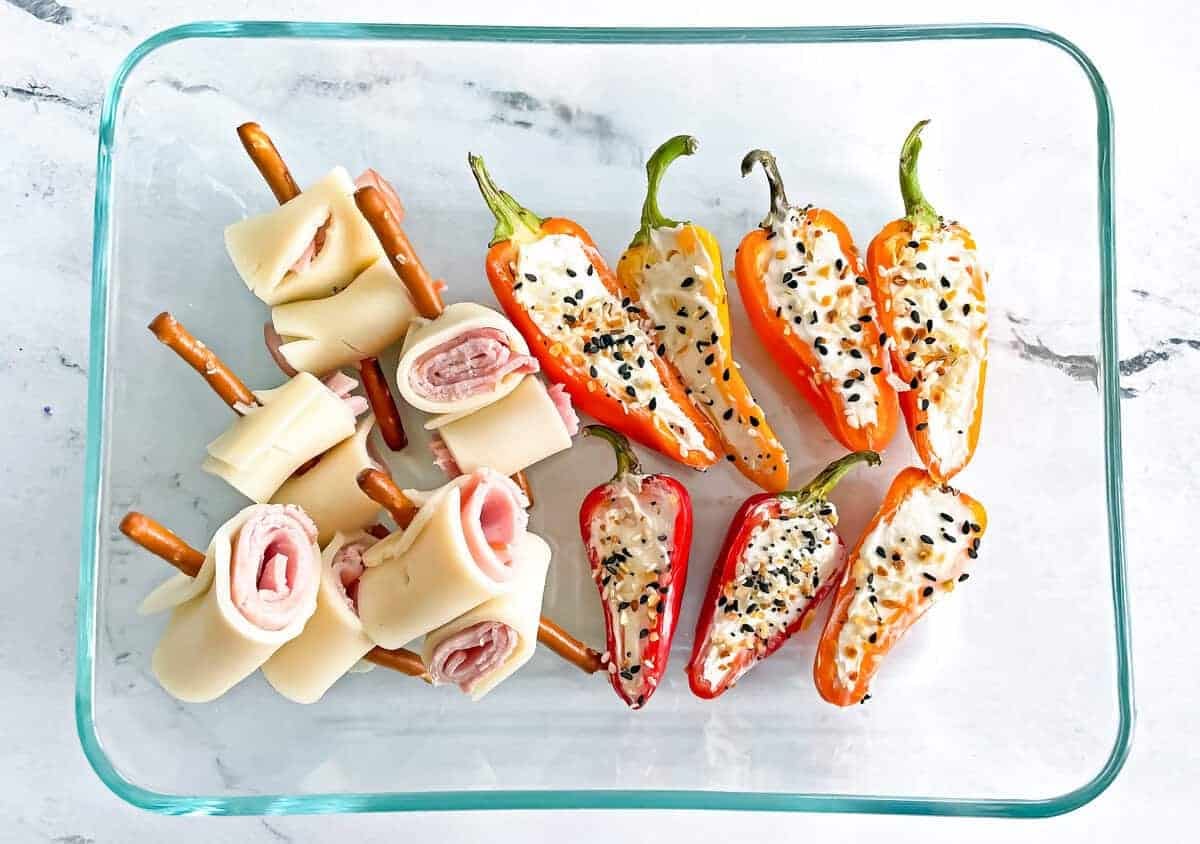
10. Veggie Wrap Roll-Ups
Spread cream cheese or hummus on a whole wheat tortilla. Add thin strips of carrot, cucumber, and bell pepper. Roll tightly and cut into pinwheels. The spiral pattern makes each bite visually interesting, which matters more to preschoolers than adults often realize.
11. Stuffed Mini Bell Peppers
Cut mini peppers in half and remove seeds. Fill with hummus or cream cheese, then decorate with tiny pieces of veggies. The small size makes them less intimidating than full-sized peppers, while the filling provides a familiar flavour that helps children accept the pepper's taste.
12. Sweet Potato Fries
Cut sweet potatoes into thin sticks and lightly coat with olive oil. Bake at 400°F for 15 to 20 minutes until soft, then sprinkle with cinnamon or paprika. This fibre-rich alternative to fried snacks delivers satisfying crunch without processed oils and sodium.
13. Carrot & Apple Coins
Slice apples and carrots into thin, round coins. Serve with a small side of yogurt or hummus dip. The matching shape makes the carrot feel less unfamiliar next to the apple, encouraging kids to try both fruit and vegetable textures.
14. Celery Boats with Cream Cheese & Veggies
Fill celery sticks with cream cheese and top with sliced olives, peppers, or carrots. Kids enjoy assembling their own boats, making snack time fun while giving them control over their choices.
15. Edamame Pods
Steam edamame until tender, then lightly sprinkle with salt. Children can pop the beans out of the pods themselves, developing fine motor skills. High in plant-based protein and fibre, the tactile element of squeezing the beans out transforms eating into an activity rather than a chore.
Protein-Rich Options for Sustained Energy
16. Mini Yogurt Parfaits
Layer plain yogurt with granola and chopped fruit in a small cup. Let preschoolers spoon the layers themselves. Top with a drizzle of honey (if age-appropriate) or chia seeds. This provides probiotics, calcium, and antioxidants while teaching sequencing and giving children control over their snack assembly.
17. Peanut Butter Celery Sticks (Ants on a Log)
Spread peanut butter inside celery sticks and sprinkle raisins on top. Encourage children to count the ants. This snack provides fibre, protein, and natural sweetness while helping children practise early maths skills.
18. Fruit & Cheese Kabobs
Thread cubes of mild cheese and grapes or melon onto toothpicks, alternating colours for visual appeal. Protein and calcium combine with natural sweetness, while the kabob format enables automatic portion control and gives children something special to hold.
19. Apple & Cheese Smiles
Slice apples and cheese into thin strips. Arrange the apple as the mouth and the cheese as the teeth on a small plate. Kids enjoy creating their own smile, making eating fruit and dairy fun while providing protein, fibre, and natural sugars for sustained energy.
20. Peach Yogurt Smoothie
Blend fresh or frozen peaches with yogurt and a splash of milk, then serve in small cups with a straw. Smoothies provide hydration, calcium, vitamins, and natural sweetness. With supervision, kids can press the blender button, building confidence in the kitchen.
21. Mini Yogurt & Berry Cups
Layer plain yogurt with chopped strawberries, blueberries, or raspberries in small cups. Top with a sprinkle of oats or granola. Kids can spoon the layers themselves, building independence while enjoying protein, calcium, and antioxidants in a colourful, appealing snack.
Baked Goods That Sneak in Nutrition
22. Carrot & Zucchini Muffins
Mix grated carrot and courgette into wholemeal muffin batter. Bake mini muffins for 15 to 20 minutes at 350°F. Naturally sweetened with banana or applesauce, these muffins provide fibre and vitamins without processed sugar.
23. Homemade Banana Bread Squares
Bake whole-wheat banana bread with minimal sugar, then cut it into small squares. Kids can help mash bananas, building kitchen skills and increasing their interest in eating what they made. This option provides fibre and potassium and stays fresh for several days.
24. Mini Banana Muffins with Oats
Mash ripe bananas and mix with oats, eggs, and cinnamon. Bake in mini muffin tins for 12 to 15 minutes. They're soft, naturally sweet, and packed with fibre: easy for little hands to hold and perfect for breakfast or portable snacks.
25. Veggie Pancakes
Grate zucchini, carrot, or sweet potato into pancake batter and fry mini pancakes on a skillet. Serve with plain yogurt or applesauce. The familiar pancake format encourages children to eat vegetables they would reject if served raw or steamed.
Creative Combinations That Hold Attention
26. Mini Whole Wheat Pita Pizzas
Top mini pita bread with tomato sauce, shredded cheese, and chopped vegetables. Bake at 350°F for 5 to 7 minutes until the cheese melts. Let preschoolers add their own toppings to encourage creativity. The pizza format delivers whole grains, protein, and vegetables in balanced amounts while feeling like a treat.
27. Avocado Toast Fingers
Spread mashed avocado on whole-wheat bread slices, then cut into thin fingers. Sprinkle with lemon juice or mild paprika. The finger shape reduces mess and makes eating easier for preschoolers while providing healthy fats and fiber.
28. Mini Veggie Quesadillas
Spread refried beans or mashed avocado on a small tortilla. Sprinkle with cheese and finely chopped vegetables, fold, and lightly toast in a skillet. Cut into triangles. The melted cheese holds ingredients together, preventing vegetables from falling out.
29. Rice Cake Faces
Spread cream cheese or nut butter on mini rice cakes and decorate with fruit, vegetable slices, or seeds to make faces. This turns snack time into an art project, encouraging preschoolers to eat what they create.
30. Spring Flower Sandwiches
Use cookie cutters to shape sandwiches into flowers. Fill with nut butter and fruit slices or cream cheese and cucumber, then arrange on a plate like a bouquet. The presentation transforms an ordinary sandwich into something special, making children more likely to finish it.
No-Cook Options for Busy Days
31. Berry Oat Balls
Mix mashed banana, oats, and chopped berries. Roll into small balls and refrigerate for 30 minutes. No baking required, naturally sweetened, and perfect for little hands. These keep well in the fridge for several days, making them ideal for weekend batch preparation.
32. Trail Mix Cups
Mix whole grain cereal, dried fruit, and sunflower seeds, then portion into small cups. Avoid nuts if you have allergies. The variety of textures keeps children engaged longer than single-ingredient snacks.
33. Homemade Applesauce Cups
Cook peeled apples with a little water until soft, then mash or blend. Serve in small cups, flavoured with cinnamon or nutmeg if desired. Making this together teaches children that familiar foods come from whole ingredients rather than packages.
34. Oat & Fruit Energy Bars
Combine oats, mashed banana, chopped dried fruit, and honey. Press into a tray and chill until firm. Cut into small, kid-friendly bars. These portable, naturally sweet bars are perfect for lunchboxes and don't require refrigeration for short periods.
35. Homemade Fruit & Veggie Snacks
According to Live Sweet Photography, families benefit from having 35 snack recipes on hand. A rotating selection prevents boredom while maintaining nutrition standards. When children encounter variety, they're more likely to try new foods and develop broader taste preferences.
Parents managing snack duties for classroom groups of about 20 children can prepare items like mini muffins, fruit skewers, or veggie cups on weekends, removing weekday stress. One parent found that spending two hours on Sunday transformed her monthly classroom snack duty from stressful to manageable.
Pairing snack time with themed activities reinforces learning. When children color fruits and vegetables before eating them, the visual and tactile engagement creates memory anchors that make new foods feel familiar. Our My Coloring Pages collection offers thousands of food-themed printable designs for preschoolers to colour, including strawberries, carrots, yogurt cups, and whole grains. After completing the activity, serve the real version for tasting. This connection between creative play and nutrition shapes preferences and habits as children grow.
Related Reading
- Preschool Assessment
- Preschool Crafts
- Preschool Learning Activities
- Preschool Tracing Worksheets
- Daycare Vs Preschool
- Preschool Classroom Layout
- Preschool Playground Equipment
- Free Preschool Games
- Preschool Sight Words
- Preschool Math Activities
- How To Become A Preschool Teacher
- Preschool Prep
- Preschool Lesson Plan Template
- Noah's Ark Preschool
- Preschool Science Experiments
- Preschool Craft Ideas
- Creative Curriculum For Preschool
- Playing Preschool Curriculum
- Preschool Bulletin Board Ideas
- Christmas Crafts Preschool
- Spring Bulletin Board Ideas For Preschool
- Turkey Craft Preschool
- Preschool Classroom Layout
- Preschool Learning Games
- Free Preschool Games
Download 51,780+ Free Snack Themed Coloring Pages
Coloring a strawberry, carrot, or yoghurt cup before tasting the real version creates a visual memory that makes new foods feel less strange. This simple connection between what children draw and what they eat reduces resistance and builds curiosity about trying unfamiliar snacks.
🎯 Key Point: Visual familiarity through coloring reduces food neophobia in young children by up to 40% according to child development research.
My Coloring Pages offers over 51,780 free printable designs, including thousands of food-themed options for preschoolers to color, such as fruits, vegetables, dairy products, whole grains, and balanced meals. Our collection helps make mealtime introduction more engaging by giving children a creative way to familiarize themselves with new foods before eating them. Download takes less than two minutes, and you can print immediately or save for later use. Pair these worksheets with the 35 snack ideas covered earlier to create a routine where coloring time naturally flows into snack time.
💡 Tip: Print 3-5 different food coloring pages at once so children can choose which snack to color and try next, giving them ownership over their food exploration journey.
Preschoolers learn through repetition and sensory engagement. When a child colours blueberries purple and then eats real blueberries minutes later, the brain connects the creative act with the physical experience. The colouring activity reduces anxiety around trying something new because the food already feels known, even if the child has never tasted it before.
"Children who engage in food-related creative activities before eating show 65% less resistance to trying new foods compared to direct introduction methods." — Journal of Pediatric Nutrition, 2023
Related Reading
- Preschool Mothers Day Crafts
- Preschool Spring Crafts
- Preschool vs Daycare
- Preschool Thanksgiving Crafts
- Fathers Day Crafts Preschool
- Preschool Movement Songs
- Letter A Worksheets Preschool
- All About Me Preschool Activities
- Tracing Worksheets Preschool
- Good Morning Songs for Preschool
- Fall Preschool Crafts
- Preschool Art
- Preschool Classroom Themes
- January Preschool Themes
- Fall Coloring Pages Preschool
- Part Time Preschool
- Letter B Worksheets Preschool
- Play Based Preschool
- Preschool Science Activities
- How Much Is Preschool