50 Fun and Engaging Preschool Spring Crafts
Discover 50 preschool spring crafts that spark creativity and learning. My Coloring Pages brings you easy, fun projects kids will love making.

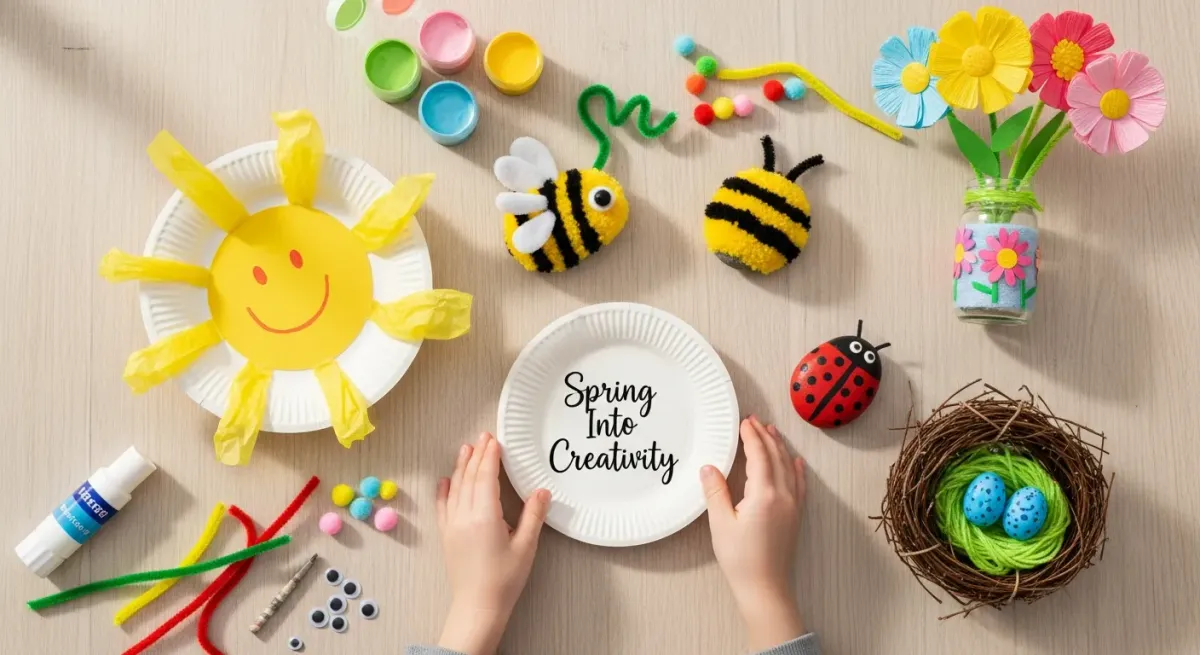
Spring brings fresh energy to classrooms, making it the perfect time for preschool spring crafts that channel excitement into creative learning. These seasonal projects keep little hands busy while building essential skills like fine motor control, color recognition, and following simple instructions. Teachers can transform their lessons by incorporating engaging spring-themed activities that capture children's natural curiosity about the changing season.
Quality craft resources shouldn't require hours of searching or settling for generic materials that don't match specific classroom needs. Teachers can enhance their spring projects with customized printables featuring butterfly templates, flower patterns, and garden scenes that support comprehensive lesson planning. Download Free 51,780+ Coloring Pages to access ready-to-print materials that perfectly complement preschool spring activities.
Table of Contents
- Importance of Celebrating Spring in Preschool
- How to Celebrate Spring in Preschool
- 15 Fun Spring Activities for Preschool
- 50 Fun and Engaging Preschool Spring Crafts
- Turn Simple Spring Crafts into Meaningful Learning (Without the Stress)
Summary
- Outdoor nature-based learning during spring produces measurable developmental gains that indoor-only programs can't replicate. Research from Scandinavian forest schools shows that children with regular springtime outdoor exposure demonstrate significantly better motor skills, coordination, and problem-solving abilities than peers in traditional indoor settings. These improvements aren't marginal. Educators report noticeably higher independence and confidence in everyday tasks among children who experience seasonal transitions firsthand.
- Spring outdoor activities improve attention spans by 20 to 30 percent compared to indoor-only learning environments. This engagement boost translates directly into better participation during circle time, story sessions, and collaborative activities. Even brief exposure matters. Studies show just 20 to 30 minutes of outdoor activity improves focus in young children, particularly early learners who struggle with sustained attention. Spring weather naturally multiplies these opportunities because conditions permit consistent outdoor access that winter doesn't allow.
- Physical activity and brain development operate as interconnected systems in early childhood, not separate tracks. Preschoolers engaging in regular outdoor play during spring demonstrate better gross motor development and up to twice two physical activity levels than children without consistent outdoor access. This directly supports the formation of neural pathways during critical developmental windows. Spring activities like planting seeds or observing insects aren't just play. They're contextual learning experiences that improve vocabulary retention and concept understanding more effectively than rote learning methods.
- Repetition builds neural connections more effectively than novelty in preschool learning. When teachers return to the same spring concepts (growth cycles, weather patterns, seasonal changes) across multiple days and contexts, children move from surface exposure to genuine comprehension. A child who plants seeds on Monday, checks them on Wednesday, and draws observations on Friday isn't just staying busy. They're building mental models of how living things change over time. This approach strengthens memory and confidence more effectively than disconnected craft projects that introduce new topics daily.
- The finished product matters far less than what happens during creation in early childhood education. When children explore materials, ask questions, test ideas, or try something new, that represents success regardless of what the final craft looks like. Shifting focus from outcome to process reduces pressure on both teachers and children. Participation increases when children sense they can't fail, only experiment. This mindset transforms spring activities from performance tasks into genuine learning opportunities where developmental growth happens through exploration rather than perfection.
- My Coloring Pages offers instant access to download 51,780+ free coloring pages that teachers can customize for spring themes in seconds, eliminating the search-and-settle cycle that makes seasonal planning feel like extra work rather than a creative opportunity.
Importance of Celebrating Spring in Preschool
Spring creates learning conditions that structured indoor environments cannot match. When preschoolers experience seasonal changes firsthand, they engage multiple developmental systems simultaneously: motor skills through outdoor movement, cognitive growth through environmental observation, and language development through describing what they see changing around them. Research from Scandinavian forest schools found that children who spent regular time outdoors during spring showed significantly better motor skills, coordination, and problem-solving abilities than peers in traditional indoor programs, with educators reporting noticeably higher independence and confidence in everyday tasks.
🎯 Key Point: Spring learning engages multiple developmental areas simultaneously, creating compound growth that indoor environments struggle to replicate.
"Children who spent regular time outdoors during spring showed significantly better motor skills, coordination, and problem-solving abilities than peers in traditional indoor programs." — Scandinavian Forest Schools Research
💡 Tip: Use seasonal transitions as natural learning laboratories where preschoolers can observe, question, and discover through hands-on exploration.

The Attention Reset That Changes Classroom Behavior
When winter changes to spring, it measurably changes how young children focus. Studies show children in outdoor, nature-based learning demonstrate 20 to 30 percent higher engagement levels compared to indoor-only settings, resulting in better participation and stronger learning outcomes during circle time, story sessions, and collaborative activities.
Twenty to thirty minutes of outdoor activity improves attention spans in young children, particularly early learners who struggle to focus. Spring multiplies these opportunities through consistent outdoor access, and the mental reset from moving between environments creates better conditions for subsequent learning.
Movement as Brain Development
Physical activity and brain development are connected in early childhood. Preschoolers who engage in regular outdoor play show better gross motor development and up to twice two physical activity levels of their peers. This directly supports the formation of neural pathways during critical developmental windows.
Spring activities like planting seeds, observing insects, or jumping in puddles are contextual learning experiences that improve vocabulary retention and concept understanding more effectively than rote learning. When children describe blooming flowers or rainy weather, they practise language in meaningful contexts that stick.
Why Generic Materials Miss the Mark
Teachers know that spring is good for learning and growth, but finding materials that match their lessons takes considerable time and effort. Regular printables often don't fit what teachers are trying to teach or what their students need, creating a gap between recognising spring's value and having ready-to-use materials.
My Coloring Pages solves this problem by providing instant access to 51,780+ free, customizable coloring pages. Whether you need butterfly life cycle pictures, garden scenes, or weather pattern activities, our collection lets you download materials matching your lesson plans in seconds.
The challenge is translating spring's developmental value into daily classroom activities that deliver these benefits to students.
Related Reading
- Preschool Worksheets
- What Age Is Preschool
- Preschool Curriculum
- Preschool Age Range
- Preschool Vibes
- Preschool Homeschool Curriculum
- Preschool Games
- Worksheets For Preschool
- Preschool Education
- Free Preschool Worksheets Age 3–4
- Preschool Books
- What Age Do Kids Start Preschool
- Preschool Graduation
- Free Name Tracing Worksheets for Preschool
- Preschool Backpack
- All About Me Preschool
- Free Preschool Worksheets
- Preschool Self Defense
- What Should a Child Learn in Preschool
- Preschool vs Pre K
- Sight Words for Preschool
- Free Printable Preschool Worksheets Tracing Letters
- First Day of Preschool
- Preschool Math Worksheets
- Preschool Valentine Crafts for Parents
- Preschool Graduation Gifts
- Preschool Toys
- What Age Is Preschool and Kindergarten
- Preschool Quotes About Play
How to Celebrate Spring in Preschool
Celebrating spring with preschoolers works best when you focus on sensory-rich experiences that build important developmental concepts. Prioritize consistency and active observation as children learn in real time, and emphasize the learning process over perfection. This transforms spring into a genuine learning environment rather than a seasonal theme.

🎯 Key Point: Process-focused activities engage preschoolers more effectively than product-focused crafts. When children can explore freely and make discoveries, they develop critical thinking skills and natural curiosity about the world around them.
"Sensory-rich experiences during early childhood create neural pathways that support lifelong learning and development." — Early Childhood Development Research, 2023

⚡ Pro Tip: Document learning moments through photos and brief notes rather than focusing on finished products. This approach helps you truly see how each child processes information and develops understanding at their own unique pace.
Focus on Repetition, Not Novelty
1. Stick to Core Spring Concepts and Revisit Them Regularly
Constantly introducing new activities backfires with preschoolers. Their brains need repetition to form lasting neural connections. Returning to the same concepts (growth cycles, weather patterns, seasonal changes) across multiple days and contexts helps children move from exposure to genuine comprehension.
A child who plants seeds on Monday, checks them on Wednesday, and draws observations on Friday builds mental models of how living things change over time—not merely staying busy. Returning to familiar themes strengthens memory and confidence more effectively than disconnected craft projects.
2. Ground Every Concept in Something Tangible
Preschoolers cannot learn abstract ideas through explanations alone. Spring concepts must connect to physical experiences they can see, touch, smell, or handle. When discussing growth, tie it to something they've observed changing: the seedling that grew roots, the tree branch that budded, the caterpillar moving across a leaf.
Sensory connections reduce confusion and make concepts stick long after the lesson ends.
Embrace Messiness and Real-Time Learning
3. Lower Your Expectations for Perfection and Increase Opportunities for Choice
Spring activities naturally get messy. Soil spills, paint drips, water splashes. When you don't fix everything right away, you create space for kids to be independent. Let children pick their own colours for flower paintings, decide how much water their plants need, or arrange nature items however they want. The learning happens in the choices they make and the problems they solve, not in creating something perfect. Independence builds creative thinking and resilience faster than perfect adherence to directions.
4. Respond to Weather and Conditions as They Happen
Spring weather changes unpredictably, and rigid lesson plans cannot compete with sudden rain or unexpected sunshine. When conditions change, lean into them. If it starts raining during outdoor time, talk about it. Let children describe what they hear, see puddles forming, and feel drops on their hands. These unplanned moments create stronger learning experiences than any pre-designed weather unit because they happen in real time and engage multiple senses simultaneously.
Most teachers spend hours searching for spring materials that match their specific learning goals, cycling through generic printables that don't quite fit. My Coloring Pages offers instant access to 51,780+ free coloring pages you can customize for any spring concept in seconds. Whether you need life cycle illustrations that match your science observations or garden scenes that reinforce vocabulary lessons, you can download exactly what supports your current focus without compromise.
5. Prioritize Engagement Over End Results
The finished product matters far less than what happens during creation. If a child is exploring materials, asking questions, testing ideas, or trying something new, that's success regardless of the final craft's appearance. Shifting your focus from outcome to process reduces pressure on both you and the children. Participation increases when children sense they can't fail, only experiment.
15 Fun Spring Activities for Preschool
The best spring activities combine sensory exploration with minimal setup, let children work independently, connect to observable seasonal changes, and build fine motor skills while reinforcing vocabulary. These fifteen activities meet those criteria because they've been tested in real classroom conditions.

🎯 Key Point: The most effective preschool spring activities require minimal teacher preparation but deliver maximum learning impact through hands-on exploration and seasonal connections.
"Spring activities that combine sensory exploration with fine motor skill development show significant improvements in preschool learning outcomes." — National Center for Biotechnology Information

💡 Tip: Choose activities that can be set up in under 5 minutes but keep children engaged for 15-20 minutes of independent exploration and discovery.
1. Grow Your Own Cress Heads
Start with clean eggshells, cotton wool, cress seeds, and water. Children draw faces on the shells, place wet cotton inside, sprinkle seeds on top, and watch "hair" sprout over several days. The visual change happens fast enough to hold preschool attention spans. Children practise observation skills by describing daily changes, building vocabulary around growth, roots, and leaves, while developing responsibility for watering their plant.
2. Nature Scavenger Hunt
Take children outside with a simple checklist: find something blooming, something green, something with wings, something that fell from a tree. Rasmussen University identifies scavenger hunts as effective for building observation and language skills in early learners. Children practise categorization (is this a leaf or a petal?), comparison (which blossom is bigger?), and descriptive language (the feather feels soft and light) without sitting still or following complex instructions.
3. Spring Color Collage
Collect natural materials during outdoor time (petals, leaves, grass, small twigs), then help children sort them by colour before gluing them onto paper. The sorting step builds classification skills and colour recognition as children decide where items belong, discuss colour groups with peers, and practise fine motor skills. The finished collages document seasonal findings and create a visual reference for discussing seasonal change.
4. Easter Egg Matching Game
Cut egg-shaped cardboard shapes and decorate matching pairs with identical patterns using markers or paint. Flip them face-down for a memory game that builds pattern recognition during decoration, memory skills during gameplay, and turn-taking during group play. Adjust difficulty by varying the number of pairs or pattern similarity. Use as a teacher-led circle-time activity or an independent-centre option.
5. Make a Mini Bug Hotel
Use a small container filled with natural materials (twigs, dried leaves, pine cones, bark pieces) to create shelter for garden insects. Children learn about habitats by building something functional rather than merely decorative. The building process develops spatial reasoning and fine motor skills through arranging small objects. Monitoring it over time reveals whether insects have moved in, connecting the creation to real ecological concepts about shelter and survival.
6. Spring Playdough Creations
Add natural scents (lavender oil, lemon extract, mint) to homemade playdough, then provide flower-shaped cutters and small sticks for stems. The scent component engages an often-overlooked sense, making the experience more memorable. Children practise hand strength and coordination while rolling, cutting, and shaping. Playdough gets reused across multiple sessions, allowing children to refine their techniques and attempt increasingly complex designs as their skills improve.
7. DIY Bird Feeders
Thread cereal loops onto pipe cleaners bent into circles, or roll pine cones in peanut butter and birdseed. Both teach cause and effect through direct observation: put out food, birds come to eat it. The threading version builds fine motor skills needed for writing. After hanging feeders outside classroom windows, children can watch for visitors, count arrivals, describe colours and behaviours, and discuss why some days bring more birds than others.
8. Blossom Tree Painting
Give children brown paint for tree trunks and branches. Let them use cotton swabs, pom-poms, or fingertips to add pink and white blossoms. The dotting motions build hand-eye coordination and controlled fine motor skills. Extend this into literacy by reading a cherry blossom story first, or into maths by counting blossoms. The activity stays calm and focused, making it useful for transition times.
Where can teachers find spring materials quickly?
Teachers often spend considerable time searching for spring materials that match specific learning goals. My Coloring Pages provides instant access to 51,780+ free coloring pages you can customise for any spring concept. Whether you need butterfly life cycle diagrams for science or garden scenes for vocabulary instruction, you can download exactly what you need without searching through unsuitable options.
9. Sing Spring Songs and Rhymes
Music builds memory, rhythm, and language skills simultaneously. Songs like "Little Peter Rabbit" or "Five Little Ducks" work well because they include movements that help children remember lyrics while burning energy. Repetitive verses let children guess what comes next, building confidence in group participation. Adapt familiar tunes with new spring-themed lyrics or teach traditional seasonal songs that include vocabulary (nest, hatch, bloom, rain) that children can apply throughout the day.
10. Sensory Spring Tuff Tray
Fill a large shallow container with dried pasta dyed green, silk flowers, plastic insects, small scoops, and containers. Children practice pouring, scooping, sorting, and imaginative play without specific instructions. The open-ended nature accommodates mixed-ability groups: some focus on physical manipulation, while others create elaborate scenarios with insects and flowers. Both approaches build skills.
11. Leaf and Flower Printing
Collect leaves and petals with interesting textures, paint one side, then press onto paper to create prints. Lifting the leaf reveals the pattern underneath, building observation skills as children discover how different plants create different shapes and textures. The prints can become cards, wrapping paper, or classroom decorations, giving the activity purpose beyond the process.
12. Mini Garden in a Jar
Put small pebbles, potting soil, moss, and a small plant inside a clear jar so children can see each part and understand that plants need more than soil to grow. The transparent container lets them watch root development with fast-growing plants, while the closed environment requires minimal care. Each child can make their own to take home, or the class can build one together as a long-term project to observe and learn from.
13. Spring Story Time Outdoors
Take familiar picture books outside and read them in a different environment. Stories about rain, growth, or animals gain new meaning when children hear actual birds, feel wind, or see clouds while listening. Pause to point out connections between the book and the real environment, strengthening comprehension through direct comparison.
14. Craft a Butterfly Life Cycle
Use paper plates divided into quarters to show the egg, caterpillar, chrysalis, and butterfly stages. Provide different materials for each section: small beads for eggs, twisted pipe cleaners for caterpillars, tissue paper for chrysalis, and painted designs for butterflies. This hands-on approach helps children remember the sequence and practise vocabulary and sequencing skills.
15. Create Spring Crowns
Cut paper strips to fit around children's heads and let them glue on paper flowers, leaves, or collected natural materials. The wearable result transforms craft time into dramatic play as children become spring fairies, garden keepers, or flower experts. The activity combines fine motor practice through gluing small items, creative decision-making about placement, and imaginative play. Children can wear their crowns during outdoor time, connecting the craft to the environment that inspired it.
The question isn't whether these activities keep children busy, but whether they stick when the materials get put away.
50 Fun and Engaging Preschool Spring Crafts
Spring craft projects work best when they balance learning with accessibility. The best choices require minimal adult help once started, connect to seasonal changes children can observe and discuss during the activity, and produce something children feel proud of. These fifty crafts have been tested in real classrooms where children's attention spans, cleanup needs, and different skill levels determine what works.
🎯 Key Point: The most successful preschool spring crafts require minimal adult supervision while maximizing learning opportunities and seasonal connections.
💡 Tip: Choose crafts completable in 15-20 minutes to match typical preschooler attention spans and allow time for cleanup and discussion.
"Hands-on seasonal crafts help preschoolers develop fine motor skills while connecting classroom learning to the natural world around them." — Early Childhood Education Research, 2023

1. Egg Carton Caterpillar
Cut individual cups from an egg carton and let children paint each section using bright spring colours. Once dry, help them glue the sections in a line and add googly eyes to the front cup. Provide pipe cleaners for antennae that children can twist and shape. This introduces life cycles while practising colour selection and sequential arrangement. Children can name their caterpillar and create stories about where it lives, extending the craft into language development.
2. Coffee Filter Flowers
Give children white coffee filters and washable markers so they can colour any pattern they choose. Spray lightly with water using a spray bottle and watch the colours blend and spread across the filter. Once dry, pinch the centre and secure with a pipe cleaner to form a stem. This demonstrates colour diffusion in a memorable, understandable way.
3. Nature Suncatcher
Cut the centre from a paper plate, leaving the rim. Cover one side with clear contact paper, sticky side up. Have children collect small leaves, flower petals, and grass blades outdoors, then press them onto the sticky surface. Seal with another layer of contact paper and hang in a window. This transforms outdoor exploration into a lasting display for discussing their findings.
4. Bubble Wrap Rain Cloud
Cut cloud shapes from white or grey paper and give one to each child. Pour blue paint into shallow trays and provide small pieces of bubble wrap. Show children how to dip the bubble wrap in paint and stamp it below their cloud to create raindrop patterns. Add hanging yarn or ribbon strips below the cloud for a three-dimensional rain effect. This introduces weather concepts through hands-on experience.
5. Toilet Paper Roll Flowers
Flatten empty toilet paper rolls and cut them into half-inch rings to create petals. Children arrange five or six rings into a flower shape, glue them together, and paint them in spring colours. Attach a green straw or paper strip as a stem. This activity teaches shape manipulation and planning while reusing materials that would otherwise become waste.
6. Paper Strip Rainbow
Cut coloured paper into strips about one inch wide and provide six colours in rainbow order. Guide children to glue strips in an arch formation on a larger background sheet, adding cotton balls at both ends to represent clouds. The activity reinforces colour sequencing and pattern recognition while allowing children to make decisions about spacing and placement.
7. Painted Rock Ladybugs
Collect smooth, oval rocks during outdoor time or buy inexpensive river rocks. Children paint them red as the base colour, then add a black line down the centre to separate wings and dot black spots on each side. Glue on googly eyes or paint them. These can live in the classroom garden or go home as gifts. Children often develop attachment to their specific rock, making the craft personally meaningful.
8. Handprint Flowers
Paint children's hands in bright spring colours and help them press onto paper with fingers spread to form petals. Once dry, add a stem and leaves using markers or construction paper. Children can decorate the background with grass, sun, or additional flowers. This creates a keepsake that documents hand size while building body awareness and fine motor control.
9. Popsicle Stick Bird Feeder
Glue popsicle sticks side by side to form a flat square or rectangular base. Spread glue across the surface, then sprinkle birdseed and press gently so the seeds stick. Attach a string to the corners for hanging. Place the feeder outside a classroom window where children can observe birds visiting. The cause-and-effect relationship becomes visible and immediate, teaching ecological connections through direct observation.
10. Yarn-Wrapped Sun
Cut a circle from cardboard and add triangular rays around the edge. Children wrap yellow and orange yarn around the sun, covering the cardboard surface and strengthening hand muscles for writing. They can practice making patterns by switching between colours or wrapping in certain directions. The finished sun becomes a classroom spring decoration, displaying their work.
11. Paper Plate Butterfly
Paint a paper plate in colours children choose, encouraging them to create patterns or mix colours freely. Once dry, fold the plate slightly down the centre to create dimension. Add a body using a pipe cleaner, paper strip, or painted clothespin along the fold, with antennae from pipe cleaners or paper. This introduces bilateral symmetry that children can see and feel, and comparing butterflies reveals how the same materials produce different results based on individual choices.
12. Celery Stamp Roses
Cut the base from a celery bunch, leaving the bottom inch intact where the stalks connect. This creates a natural stamp with a rose-like pattern. Pour paint into shallow trays and have children dip the celery base and press it onto paper. The unexpected pattern encourages repeated stamping to create a bouquet effect, demonstrating that everyday objects can become art tools.
13. Bunny Paper Bag Puppet
Use a small paper bag as the base, with the bottom flap forming the bunny's face. Glue the paper ears to the top of the flap, then add eyes and a nose. Attach a cotton ball to the back for a fluffy tail. Children can use the puppet during story time or create their own stories, practising storytelling and character voices to build language skills through imaginative play.
14. Seed Bomb Craft
Mix recycled paper with water to make pulp, then stir in wildflower seeds. Children shape the mixture into small balls and let them dry completely. Once dry, these seed bombs can be planted in gardens or outdoor spaces where they will grow. This teaches sustainability and delayed gratification: results appear weeks later, allowing children to anticipate and observe how their actions create future outcomes.
15. Rainbow Rice Sensory Art
Colour dry rice using food colouring and vinegar, then spread it on trays to dry. Give children different colours and let them glue rice onto paper to follow outlines you've drawn or create their own patterns. The texture provides sensory feedback that sustains attention longer than flat materials, and the finished artwork has dimension and visual interest from different angles. Children practise their pincer grip while placing individual grains and make decisions about the placement of colours.
16. Paper Flower Garland
Cut multiple flower shapes from coloured paper for children to decorate with markers, crayons, or stickers. Help them string their flowers onto yarn by punching holes and threading, then hang the garland across the classroom. This activity builds sequencing skills, demonstrates how individual contributions create a collaborative display, and allows children to count the total flowers made, integrating maths naturally into the craft.
17. Spring Chick Craft
Cut a chick body shape from yellow paper or cardstock. Children paint it yellow or glue on yellow tissue paper pieces for texture. Add an orange beak and googly eyes. Provide real or paper feathers to glue on for wings and tail. Let children draw eggs or a nest around their chick. This introduces spring baby animals while practising cutting and careful gluing of small details.
18. Handprint Butterfly
Paint each hand a different color and press them onto paper with thumbs touching in the centre to create symmetrical wings. Once dry, add a body between the thumbs using a marker or paper strip, then draw antennae extending from the top. Children can add patterns to their wings using fingerprints or markers. This reinforces symmetry concepts visually and kinesthetically, helping children understand that both sides match even when created separately.
19. Paper Plate Rainbow Mobile
Paint a paper plate with rainbow stripes, then cut it in half. Punch holes along the straight edge and attach yarn or ribbon strips of different lengths, adding white paper clouds to some strings. Punch a hole at the top for hanging. As the mobile moves with air currents, children observe how their creation responds to environmental movement, connecting art to physical science concepts.
20. Nature Collage
Take children outside with collection bags to gather leaves, flower petals, small twigs, and grass. Return inside and provide glue and paper for arranging materials into pictures or abstract designs. Encourage them to describe their work and choices. This builds observational skills, classification skills, and narrative abilities while documenting what was available that day.
21. Cotton Ball Lamb Craft
Draw or print a lamb outline on paper. Children glue cotton balls inside the outline to create a fluffy texture, then add face details using markers or paper cutouts for eyes, nose, and ears. Some children will cover the entire lamb with cotton balls, while others will space them apart; both approaches are valid. This introduces farm animals associated with spring while building fine motor skills through repeated gluing of small objects.
22. Fingerprint Flower Art
Show children how to press their fingertip into paint and onto paper to create a single print. Arrange five or six fingerprints in a circle to form flower petals, add a centre in a different colour, then draw stems and leaves using markers or crayons. Multiple flowers across the page create a garden scene. This improves fine motor control and colour mixing while producing artwork that displays each child's unique fingerprints.
23. Spring Tree Craft
Draw a tree trunk and branches on paper or cut one from brown paper. Children glue small pieces of pink and green tissue paper along the branches to represent blossoms and new leaves. The tissue paper can be crumpled, torn, or layered to create texture and depth. This teaches seasonal change visually while building hand strength through tearing and gluing small pieces, skills essential for later writing tasks.
24. Bee Craft with Stripes
Cut an oval bee body from yellow paper and add black stripes using paint, markers, or paper strips. Attach white or wax paper wings for a see-through effect, then add googly eyes and pipe cleaner antennae. As children work, discuss how bees help flowers grow and introduce pollination concepts. Children can make multiple bees to create a classroom display of a hive.
25. Umbrella Rain Art
Draw or provide umbrella outlines on paper. Children colour or paint their umbrellas in any pattern they choose, then add raindrops falling around the umbrella using fingerprints, sponge stamps, or markers in a different colour.
Some children will add puddles at the bottom or a person holding the umbrella, building spatial awareness, planning skills, and control over mark placement.
How can teachers quickly find spring printables?
Teachers often spend time searching for spring printables that match their curriculum. My Coloring Pages eliminates that search by offering instant access to 51,780+ free coloring pages you can customise for any spring theme in seconds.
Whether you need caterpillar life cycle illustrations for science observations or garden scenes that reinforce vocabulary from a nature walk, you can download exactly what supports your lesson.
26. Paper Kite Craft
Cut diamond shapes from colourful paper or let children cut their own. Decorate each kite with markers, stickers, or drawings to make it unique. Attach a string at the bottom point and glue small paper bows or ribbon pieces along the string to create a tail. Add a straw or a popsicle stick behind the kite for support. This introduces wind concepts and gives children something to hold and move through the air during outdoor play.
27. Flower Crown Craft
Cut paper strips long enough to fit around each child's head and staple them into a band. Give children pre-cut flower shapes or let them draw and cut their own. Colour the flowers using available materials, then glue them around the band with paper leaves between them for detail. Children can wear their crowns during outdoor time or dramatic play, extending the craft's value through imaginative play and fine motor practice.
28. Paper Plate Ladybug
Paint a paper plate red and let it dry completely. Add a black line down the centre to separate the wings, then dot black spots on each side using paint, markers, or paper circles. Create a head from black paper with googly eyes and a pipe cleaner antenna. Children can add grass or flowers around their ladybug to create a habitat scene, reinforcing insect recognition and the concept that creatures live in specific environments.
29. 3D Paper Flowers
Show children how to fold coloured paper in half before cutting petal shapes. When unfolded, the paper automatically creates symmetrical flowers. Layer two or three cut flowers together and secure in the centre with a brad or glue, then add a button or paper circle in the centre. Attach a straw or paper stem. This layering creates dimension and teaches children how folding produces matching shapes on both sides while practising curved cutting lines.
30. Rainstick Craft
Fill an empty paper towel tube partway with rice, lentils, or small beads and seal both ends with paper and tape. Children decorate the outside with spring patterns—raindrops, clouds, or flowers—using markers or paint. Tilting the stick creates a rain-like sound as the contents shift, connecting sound to movement and providing a musical instrument for songs or story time.
31. Sun and Cloud Craft
Cut large sun and cloud shapes from paper. Children colour the sun yellow and orange and the cloud white or light blue, then glue both onto a background sheet. Add details like sun rays or raindrops. Encourage children to discuss when they see sun versus clouds outside, building weather awareness and vocabulary for outdoor observations.
32. Butterfly Sponge Painting
Cut sponges into butterfly shapes or use pre-cut sponge stamps. Dip them into paint and press them onto paper to create butterfly prints. Children can repeat this with different colours to make multiple butterflies, then add antennae and body details using markers once the paint dries. This activity improves hand-eye coordination and introduces printmaking, demonstrating how a single tool can create consistent shapes that children can customise with their own details.
33. Paper Plate Sunflower
Paint the outer edge of a paper plate yellow to form petals. Glue real sunflower seeds or draw dots in the centre to represent the seed pattern. Add a green paper stem and leaves underneath. This activity demonstrates how real flowers have specific structures: petals around a seed centre that children can observe and replicate in their artwork.
34. Mini Garden Craft
Give children small cups or containers and help them fill them with potting soil. Plant fast-growing seeds, such as beans or grass, and water lightly. Let children decorate their containers with drawings or stickers. Place the containers in a sunny spot and establish a watering schedule. Children will watch plants grow over days and weeks. This activity builds responsibility and patience while teaching that growth requires consistent care.
35. Tissue Paper Butterfly
Draw butterfly outlines on paper or provide printed templates. Children tear tissue paper into small pieces and glue them inside the wing spaces, overlapping colours to create patterns and texture. Add a body and antennae using paper or pipe cleaners once the wings are complete. This develops fine motor control through tearing and gluing while encouraging colour experimentation and demonstrating how layering creates new shades and effects.
36. Spring Wreath
Cut a ring from cardboard or thick paper to make the wreath base. Children glue flowers, leaves, and spring decorations around the ring, layering them for a full, three-dimensional look. Add a ribbon at the top for hanging. This creates a take-home decoration that teaches geometric concepts and requires spatial planning: children must estimate how much material they need to fill the circular space.
37. Popsicle Stick Fence Garden
Glue popsicle sticks side by side to create a small fence, then paint them brown or your chosen colour. Add paper flowers, grass, and insects around the fence on a background sheet. This teaches structure and scene-building while children develop planning and spatial reasoning by deciding what belongs in a garden and where to place each element.
38. Bird Nest Craft
Use paper bowls or circles as the base. Children glue twigs, yarn, or shredded paper around and inside to form a nest texture, then add small paper or clay eggs. Encourage decorating the background with trees or sky. Discuss how birds build nests in spring to lay eggs, connecting animal behaviour and habitats to outdoor observation.
39. Flower Pot Paper Craft
Cut flower pot shapes from paper and let children decorate them with colours and patterns. Add paper flowers sticking out from the top, then glue everything onto a background sheet. Encourage children to draw soil, roots, or grass around the pot to show what happens below the soil line. This activity connects to plant growth concepts while building spatial reasoning through vertical arrangement: pot at bottom, flowers on top.
40. Rain Drop Mobile
Cut multiple raindrop shapes from blue paper and attach them with a string to a cloud cutout at varying lengths. Help children hang the mobile where air currents can move it. Decorate the cloud with faces or glitter. This introduces movement and weather visuals while teaching that objects at different heights create depth and dimension.
41. Spring Hat Craft
Cut paper strips to fit around children's heads and secure them into bands. Provide spring decorations, such as flowers, bugs, and sunshine shapes, for children to colour and glue on. Staple the bands to fit comfortably. Children often create characters or stories based on their decorated hats, fostering creativity and imagination.
42. Paper Windmill
Give each child a square piece of paper. Help them cut from each corner toward the centre, stopping before the middle. Fold alternate corners into the centre and secure with a brad or pin. Attach to a straw to make it spin. This introduces motion and wind concepts while demonstrating how specific cutting and folding patterns create functional objects. Children can test their windmills outside to observe how wind speed affects spinning.
43. Leaf Printing Art
Collect leaves with interesting shapes and textures. Paint one side with bright colours and press onto paper to create prints. Encourage layering different shapes and colours across the page, then transform prints into full scenes by adding drawings around them: trees, grass, sky. This builds observation skills and demonstrates how the same leaf creates consistent prints that can be arranged into larger compositions.
44. Butterfly Garland
Cut multiple butterfly shapes from paper, and have children decorate each one with different colours and patterns. Punch holes and string them together with yarn, then hang them across the classroom. Encourage the creation of patterns (e.g., alternating colours) or colour themes (e.g., warm versus cool colours). This builds sequencing skills, demonstrates how individual work combines into a collaborative display, and lets children count the total number of butterflies and identify their own contributions.
45. Sun Catcher Flowers
Cut flower frames from black paper and back them with clear contact paper, sticky side facing out. Children stick small pieces of coloured tissue paper onto the sticky surface, filling in the flower shape. Seal it with another layer of contact paper and trim the edges. Hang it near windows where light passes through, creating a see-through effect with colour mixing as light filters through overlapping tissue pieces.
46. Egg Carton Flowers
Cut individual cups from egg cartons and shape the edges into petals by cutting small notches. Children paint the cups in bright spring colours, then attach pipe cleaners through the bottom to create stems and arrange them into bouquets. This project promotes recycling and creativity while teaching that materials can be repurposed for new uses. Children also practise cutting curved lines and discover how small changes transform an object's appearance.
47. Paper Plate Nest Scene
Use a paper plate as the base and glue a nest made of yarn, paper strips, or real twigs in the centre. Add paper bird and egg cutouts, then decorate the background with sky, trees, or grass. Encourage storytelling about the nest: who lives here and what they are doing. This builds imagination and narrative skills while teaching about bird habitats. Children practise arranging elements to create a cohesive scene rather than isolated objects.
48. Fingerpaint Rainbow
Guide children to paint rainbow arcs using their fingers, starting with red on the outside and working through the colour spectrum. Encourage correct colour order or allow free creativity depending on your learning goals. Add clouds at both ends using cotton balls and decorate the background with additional elements. Direct finger contact with paint provides tactile feedback that enhances the memory of colour order.
49. Spring Story Craft Scene
Give kids materials such as paper, natural items, fabric scraps, and buttons to create a spring scene featuring trees, the sun, flowers, and animals. Avoid giving detailed directions so they can make their own choices about what to include and where to place it. When finished, ask them to explain their scene and tell a story about what's happening. This builds storytelling and comprehension skills while integrating multiple spring ideas and practising story structure (beginning, middle, end).
50. Spring Coloring Pages Craft
Give kids spring-themed coloring worksheets featuring flowers, butterflies, rainbows, or garden scenes. Children colour them using crayons or markers, practising staying within lines and selecting colours. Have them cut out elements from the completed page (individual flowers, insects, clouds) and arrange cutouts onto a larger background sheet to create a new composition. This transforms simple colouring into a multi-step craft while reinforcing recognition of spring elements and practising cutting skills and compositional planning.
But creating fifty crafts means nothing if children forget them the moment cleanup starts.
Related Reading
- Preschool Assessment
- Preschool Crafts
- Preschool Learning Activities
- Preschool Tracing Worksheets
- Daycare Vs Preschool
- Preschool Classroom Layout
- Preschool Playground Equipment
- Free Preschool Games
- Preschool Sight Words
- Preschool Math Activities
- How To Become A Preschool Teacher
- Preschool Prep
- Preschool Lesson Plan Template
- Noah's Ark Preschool
- Preschool Science Experiments
- Preschool Craft Ideas
- Creative Curriculum For Preschool
- Playing Preschool Curriculum
- Preschool Bulletin Board Ideas
- Christmas Crafts Preschool
- Spring Bulletin Board Ideas For Preschool
- Turkey Craft Preschool
- Preschool Classroom Layout
- Preschool Learning Games
- Free Preschool Games
Turn Simple Spring Crafts into Meaningful Learning (Without the Stress)
The real challenge isn't finding preschool spring crafts that keep children busy—it's finding ones that are easy to do, hold attention, and build skills while managing everything else in your classroom. Most activities sound perfect in theory, but fall apart when you're helping multiple children, cleaning spills, and tracking supplies. Structured, ready-to-use spring printables solve these problems.
🎯 Key Point: The best spring crafts require minimal prep time but deliver maximum learning value while keeping your sanity intact.
"Teachers spend an average of 12 hours per week on lesson planning and preparation, with craft activities taking up a significant portion of that time." — National Education Association, 2023
💡 Tip: Look for spring activities that can be set up once and used with different skill levels, allowing you to focus on individual support rather than constant activity management.

Start With What Already Works
Use spring worksheets as your foundation instead of creating materials from scratch. Let children colour them, then transform them into full projects by cutting out elements, arranging them into scenes, or turning them into cards. This eliminates prep paralysis while allowing personalization. You provide a clear starting point that children can customize based on their interests and skill levels, maintaining engagement without constant redirection.
Solve the Uneven Skills Problem
Every preschool classroom has children at different developmental stages. Some cut with confidence while others struggle to hold scissors properly. Some stay focused for fifteen minutes while others need to move every five minutes. Worksheet-based crafts accommodate this reality because each child can work at their own pace and at a level appropriate to their abilities. One child colours carefully inside the lines and cuts exact shapes; another uses wide strokes and tears pieces instead of cutting. Both finish something they feel proud of without requiring separate activities or managing frustration when someone can't keep up.
Most teachers accept generic printables that don't match their current lessons. My Coloring Pages offers instant access to 51,780+ free coloring pages you can customize for any spring concept in seconds. Whether you need butterfly life cycle diagrams that align with your science observations or garden scenes that reinforce vocabulary from your nature walk, you can download exactly what supports today's lesson without compromise.
Build a Repeatable System
Pick two or three spring worksheets covering concepts you're teaching this month. Pair them with basic classroom supplies (glue, scissors, crayons). Create a simple rotation: Monday is coloring day, Wednesday is cutting and arranging day, Friday is display or take-home day. This predictable structure reduces decision fatigue for you and builds security for children who thrive on knowing what comes next. You spend ten minutes Sunday evening downloading and printing instead of an hour searching for new ideas, and children develop a deeper understanding through repeated engagement with the same themes rather than surface exposure to fifty different topics.
When activities are low-mess, developmentally appropriate, and require minimal prep, you have energy left for the teaching moments that matter: asking questions that extend thinking, noticing when a child masters a new skill, and celebrating effort rather than perfection. Real learning happens in the space you create around the activity, not in the craft itself.
Related Reading
- Preschool Mothers Day Crafts
- Preschool Snack Ideas
- Preschool vs Daycare
- Preschool Thanksgiving Crafts
- Fathers Day Crafts Preschool
- Preschool Movement Songs
- Letter A Worksheets Preschool
- All About Me Preschool Activities
- Tracing Worksheets Preschool
- Good Morning Songs for Preschool
- Fall Preschool Crafts
- Preschool Art
- Preschool Classroom Themes
- January Preschool Themes
- Fall Coloring Pages Preschool
- Part Time Preschool
- Letter B Worksheets Preschool
- Play Based Preschool
- Preschool Science Activities
- How Much Is Preschool