10 Best Preschool Vibes Alternatives for Better Worksheets
Explore 10 Best Preschool Vibes alternatives for better worksheets, fresh designs, and engaging classroom printables.


Picture this: a room full of energetic preschoolers, each one buzzing with curiosity but struggling to focus on the task at hand. Finding the right preschool activities that genuinely capture young minds while supporting their development can feel like an endless search. This guide reveals practical ways to create those magical learning moments where little ones stay engaged, explore their creativity, and develop essential skills through activities they actually want to do.
That's where My Coloring Pages steps in with over 37,650 free coloring pages designed specifically for young learners. These customized coloring resources give you instant access to themes that match your preschooler's interests, from friendly animals to exciting vehicles, turning ordinary quiet time into meaningful learning experiences. When children connect with images they love, they naturally practice fine motor skills, color recognition, and concentration without even realizing they're learning.
Summary
- Early childhood education reaches children during a critical window when 90% of brain development occurs before age 5, making the quality of learning materials during this period particularly consequential. Structured worksheets that target developmental milestones, such as letter recognition, number tracing, and fine motor skills, work best when they follow intentional progression rather than random exposure, building neural pathways through repetition that move children from confusion to mastery.
- Themed learning packs solve the cognitive load problem young learners face when switching contexts constantly. When children explore a single concept, such as autumn, through multiple coordinated activities (counting pumpkins, tracing leaf shapes, sorting acorns), they build a deeper understanding than students who jump between unrelated topics daily. This approach also saves educators 30 to 45 minutes per day by eliminating the need to curate individual worksheets from multiple scattered sources.
- Fixed-format worksheets create limitations in mixed-ability classrooms where developmental ranges can span 18 months among four-year-olds. Pre-designed materials with identical difficulty levels, fonts, and spacing cannot be adjusted when one child masters counting to 10 faster than expected, while another needs extended time with basic number recognition. Teachers often end up creating supplemental custom materials themselves, reintroducing the exact planning burden standardized platforms promise to eliminate.
- Paper-based learning misses the multisensory experiences that research confirms as most effective in driving early development. Preschoolers build a stronger understanding of spatial relationships by physically stacking blocks until they fall, testing gravity through embodied failure, and understanding measurement by pouring water between containers of different sizes. Worksheets introduce vocabulary and symbols for these concepts, but cannot replace the hands-on exploration that happens when small children physically manipulate their environment.
- Worksheet-heavy approaches risk training compliance rather than curiosity when structured activities leave little room for imaginative deviation. Young children need both guided tasks that build foundational skills and open-ended exploration where they experiment with unexpected color relationships, add invented elements to drawings, or create original stories. Too much emphasis on coloring within pre-drawn borders and matching identical images constrains the creative experimentation essential for cognitive flexibility.
- My Coloring Pages addresses the personalization gap with 37,650+ customizable templates that let teachers and parents generate themed materials in seconds, creating differentiated worksheets for mixed-ability groups without spending evenings reformatting documents or searching for clip art that matches current learning objectives.
What is the Preschool Vibes

Preschool Vibes is an educational resource platform built by Jess, a teacher with over 16 years in early childhood education, alongside her husband, TJ. It delivers a structured "preschool playbook" through YouTube, TikTok, Facebook, and a dedicated website, offering teachers and parents practical tools to simplify lesson planning without sacrificing engagement. At its core sits the Preschool Vibes Scope & Sequence, a $34.99 editable Google Sheets roadmap that organizes an entire year of standards-aligned learning activities into manageable monthly themes.
Who It Serves and Why It Exists
The platform targets preschool teachers drowning in Pinterest boards and parents searching for educational activities that don't require a teaching degree to execute. Jess built Preschool Vibes after watching colleagues burn out from constantly chasing novelty, convinced that effective early education requires endless variety. The truth is simpler: young brains build stronger neural pathways through repetition, not random stimulation. When you revisit the same activity with slight variations, children move from confusion to mastery, from tentative attempts to confident execution.
Most educational content creators flood feeds with "100 new activities for fall" lists that leave teachers overwhelmed and kids overstimulated. Preschool Vibes takes the opposite stance. Less is more. Their philosophy centers on deep learning through intentional repetition, giving children time to fully absorb concepts before moving on. A single hands-on activity, like "Subtraction Smash" (where kids literally smash Play-Doh to visualize subtraction), is repeated across weeks with different numbers, contexts, and complexity levels.
The Scope & Sequence Framework
The platform's flagship offering structures learning around monthly themes paired with "We Can" statements, clear, standards-aligned goals that tell both teachers and students exactly what they're working toward. Instead of vague objectives like "explore numbers," you get specific targets: "We can count to 20," "We can identify beginning sounds," "We can sort objects by size." This clarity transforms abstract curriculum standards into actionable daily plans.
The editable format matters more than most realize. Every classroom operates under different constraints (time, resources, student needs), and rigid curricula ignore that reality. When a teacher can adjust themes, swap activities, or modify pacing based on actual student progress rather than arbitrary calendar dates, learning becomes responsive instead of prescriptive. Jess provides the structure; educators customize the execution.
Content Beyond the Curriculum
Preschool Vibes extends beyond yearly planning into the messy, human challenges of managing young learners. Their social media channels tackle classroom management hacks (how to transition between activities without chaos), read-aloud book recommendations matched to specific learning goals, and quick teaching tips that solve problems in under 60 seconds. A recent TikTok demonstrated how rearranging circle time seating by alternating high-energy and calm students reduces disruptions, a tiny spatial change that saves 10 minutes of redirection daily.
The platform recognizes that effective preschool teaching isn't just about lesson content but about sustainable systems. Teachers need activities that work consistently, not occasionally. Parents need resources that fit into Tuesday evening exhaustion, not just Saturday morning energy. When you design for real constraints instead of ideal conditions, adoption actually happens.
Families juggling work and parenting often face a painful gap between wanting to support early learning and having the bandwidth to research, print, organize, and execute educational activities. Teachers spend hours searching for images that match specific themes, only to find generic clipart that fails to capture student interest. Platforms like My Coloring Pages address this friction by offering instant access to over 37,650 customizable coloring pages across themes that align with preschool curricula, from alphabet recognition to seasonal concepts. Instead of browsing multiple sites or settling for mismatched resources, educators and parents generate themed materials in seconds, turning planning time into teaching time.
The Community Element
Beyond downloadable resources, Preschool Vibes functions as a community where early childhood educators share what actually works. Comment sections fill with teachers troubleshooting specific challenges ("How do you adapt this for non-verbal students?") and celebrating small victories ("My kids finally understood one-to-one correspondence using your counting bears activity"). This peer support matters because preschool teaching often feels isolating. You're managing 15 tiny humans with wildly different developmental levels, limited planning time, and pressure to meet standards designed by people who haven't stood in a classroom recently.
Jess positions herself not as an expert dispensing wisdom from above but as a fellow practitioner sharing hard-won insights. Her videos show real classroom footage, complete with background noise and imperfect moments. When she demonstrates an activity, you see actual student responses, not staged performances. This authenticity builds trust faster than polished marketing ever could.
But knowing what Preschool Vibes offers only scratches the surface of why thousands of educators rely on it daily.
Key Features of the Preschool Vibes
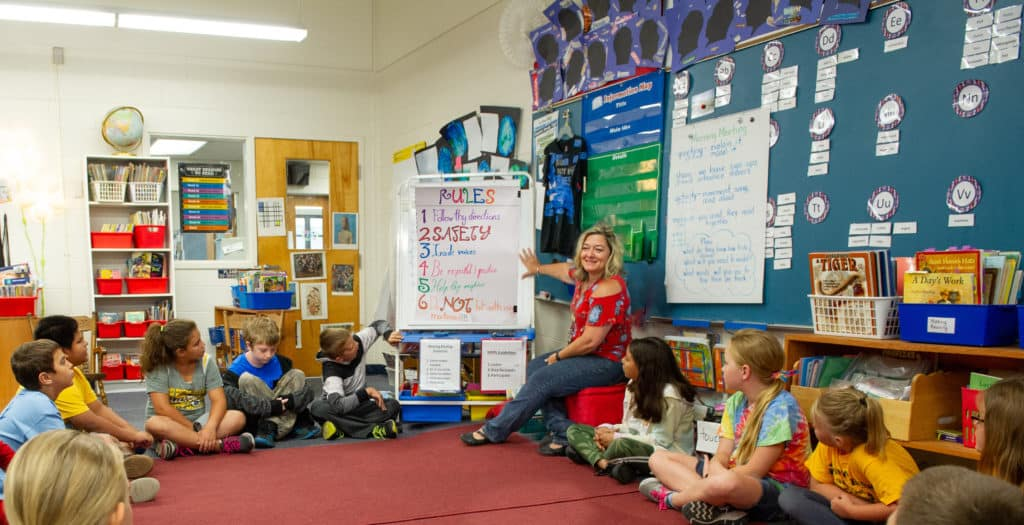
Preschool Vibes organizes early learning into five functional categories that address specific pain points teachers and parents face daily. Each feature solves a concrete problem, whether it's finding age-appropriate materials quickly, maintaining thematic consistency across weeks, or building foundational skills without reinventing lesson plans from scratch.
Printable Worksheets That Target Developmental Milestones
The platform houses hundreds of downloadable activity sheets focused on the skills research from Children's Corner Group confirms matter most during early childhood, when 90% of brain development occurs before age 5. These worksheets cover letter recognition, number tracing, shape identification, and fine-motor practice through coloring, cutting, and pasting.
What separates these from generic printables scattered across the internet is intentional skill progression. A letter recognition worksheet doesn't just ask children to identify "B." It starts with tracing the letter's shape, moves to finding it among similar letters, and then progresses to matching it with objects that begin with that sound. Each sheet builds on the previous one, creating neural pathways through repetition rather than random exposure.
Teachers save 30 to 45 minutes per day by accessing materials organized by specific learning objectives, rather than scrolling through Pinterest boards in search of something that fits. Parents without educational backgrounds can print a worksheet knowing it aligns with what their child's preschool classroom is teaching, creating continuity between home and school.
Themed Learning Packs That Maintain Engagement
Preschool Vibes groups worksheets into cohesive themed collections (seasons, holidays, alphabet weeks, nursery rhymes) that keep learning consistent across multiple days or weeks. When you're teaching the letter "A," you don't need five different themes for five different days. You need variations on apple activities that reinforce the same phonetic pattern until recognition becomes automatic.
Themed packs solve the cognitive load problem young learners face when switching contexts constantly. A child exploring autumn concepts through multiple activities (counting pumpkins, tracing leaf shapes, sorting acorns by size) builds a deeper understanding than one who jumps from one random topic to another. The theme provides the container; the varied activities provide the repetition.
This approach also reduces decision fatigue for educators. Instead of curating individual worksheets from multiple sources, you download one pack and have a week's worth of coordinated materials ready. The mental energy saved goes toward actual teaching, not administrative hunting.
Skill-Focused Resources That Build Kindergarten Readiness
Every resource connects to foundational preschool competencies: early literacy, early numeracy, pre-writing strokes, and pattern recognition. These aren't arbitrary categories. They're the specific skills kindergarten teachers expect incoming students to have developed, the difference between a child who spends September catching up and one who spends it advancing.
Pre-writing strokes (vertical, horizontal, circular, and diagonal lines) prepare the hand muscles for letter formation. Pattern recognition (AB, ABB, ABC patterns using colors or shapes) builds the logical thinking required for math sequences and reading comprehension. When parents understand why their child is tracing zigzag lines, they stop seeing it as busywork and start recognizing it as essential preparation.
The platform makes these connections explicit. Each activity includes a brief note explaining which developmental milestone it supports, transforming abstract educational standards into tangible progress markers parents can observe and celebrate.
Organization That Respects Limited Planning Time
Preschool Vibes structures materials by topic, skill, theme, and age, allowing users to find relevant resources in under two minutes. This matters more than it sounds. Teachers working with 15 students across different developmental stages need materials differentiated by ability level, not just age. A four-year-old who already recognizes all letters needs different challenges than a four-year-old still learning letter sounds.
The multi-axis organization system lets you filter by what matters most in that moment. Searching by skill (counting to 10) surfaces activities across themes. Searching by theme (winter) shows activities across skill levels. This flexibility accommodates both planned curriculum and spontaneous teachable moments when a child shows unexpected interest in a topic.
Parents juggling work schedules and bedtime routines need resources that fit into fragmented time slots. When you have 20 minutes before dinner, browsing multiple websites hoping to find a printable that matches your child's current learning focus wastes 15 of those minutes. Structured organization turns planning time into activity time.
Free Access That Removes Financial Barriers
Many worksheets can be downloaded instantly without subscriptions or membership fees, removing the economic barrier that prevents families from accessing quality educational materials. This matters in communities where school budgets don't cover classroom supplies, and parents can't afford $30 monthly subscriptions to multiple educational platforms.
Free access also eliminates the friction of commitment. Parents unsure whether their child will engage with structured activities can test materials without financial risk. Teachers trying new approaches mid-year don't need budget approval before experimenting. When the barrier to trying something drops to zero, adoption increases dramatically.
The platform recognizes that effective early education shouldn't require wealth. A child's readiness for kindergarten shouldn't depend on whether their parents can afford premium resources. When foundational learning materials become universally accessible, educational equity starts before formal schooling begins.
But even the most thoughtfully designed resources carry limitations that become apparent only after sustained use.
Related Reading
- Preschool Activities
- Preschool Worksheets
- What Age Is Preschool
- Preschool Curriculum
- Preschool Age Range
- Preschool Homeschool Curriculum
- Preschool Games
- Worksheets For Preschool
- Preschool Education
- Free Preschool Worksheets Age 3–4
- Preschool Books
- What Age Do Kids Start Preschool
- Preschool Graduation
- Free Name Tracing Worksheets for Preschool
- Preschool Backpack
- All About Me Preschool
- Free Preschool Worksheets
- Preschool Self Defense
- What Should a Child Learn in Preschool
- Preschool vs Pre K
- Sight Words for Preschool
- Free Printable Preschool Worksheets Tracing Letters
- First Day of Preschool
- Preschool Math Worksheets
- Preschool Valentine Crafts for Parents
- Preschool Graduation Gifts
- Preschool Toys
- What Age Is Preschool and Kindergarten
- Preschool Quotes About Play
Limitations of the Preschool Vibes
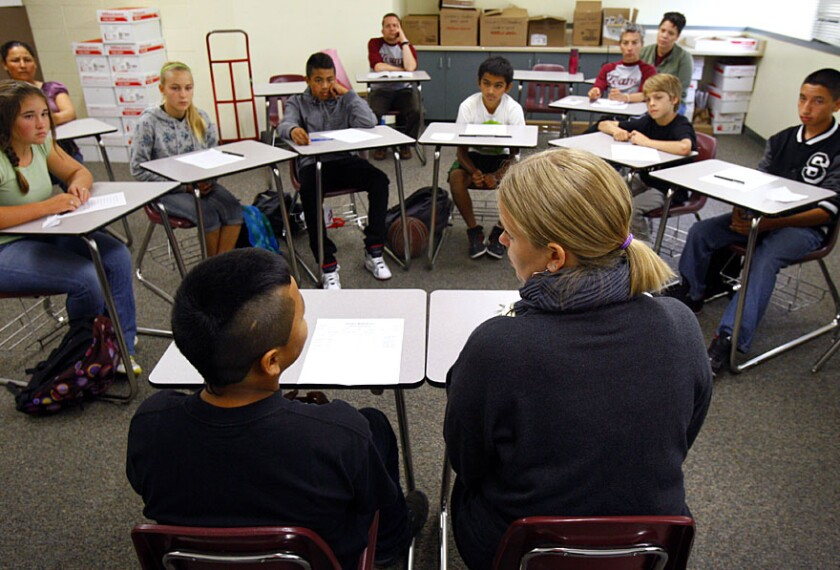
Preschool Vibes delivers structured, theme-based worksheets that simplify planning, but it operates within boundaries that become visible once you use it consistently. The resources work best as supplements, not standalone solutions. Understanding where the platform stops helps you fill gaps intentionally rather than discovering them mid-lesson.
Fixed Format Prevents Personalization
Every worksheet arrives pre-designed. You cannot adjust difficulty mid-activity when a child masters counting to 10 faster than expected or needs more time with number recognition. The letter tracing sheets use the same font, stroke width, and spacing for all learners, regardless of fine motor development. A child struggling with pencil grip gets identical materials to one already writing their name independently.
This rigidity surfaces most painfully in mixed-ability classrooms. According to Education Week's 2023 analysis of early education challenges, school enrollment for the nation's youngest learners has nosedived, creating classrooms with wider developmental ranges as families delay formal education. When your four-year-olds span 18 months of developmental differences, one-size-fits-all materials force you to print multiple versions or risk having half the class disengage.
Teachers often report needing to supplement with custom materials they create themselves, the exact planning burden the platform promises to eliminate. You still spend Tuesday evening modifying worksheets in Google Docs, adding a child's name to make tracing practice feel personal, or simplifying instructions for emerging readers.
Paper-Based Focus Misses Multisensory Learning
Most resources require printing, cutting, and distributing physical sheets. This creates logistical friction (printer jams, ink costs, storage space) and pedagogical limitations. Young brains build stronger neural connections through varied sensory input: touching textured materials, manipulating three-dimensional objects, and moving their bodies through space. A worksheet about shapes doesn't replace building block towers or tracing shapes in sand.
The homeschool community consistently emphasizes this gap. Parents worry whether worksheet-heavy approaches provide an adequate foundation compared to play-based exploration. They seek a balance between structure and the sensory-rich experiences (outdoor discovery, hands-on manipulation, creative construction) that research confirms drive early development more effectively than repetitive paper tasks.
Preschoolers learn spatial relationships by stacking blocks until they fall, testing gravity and balance through trial and error. They understand measurement by pouring water between containers of different sizes, feeling the weight and volume shift. Worksheets about these concepts introduce vocabulary and symbols, but they cannot replace the embodied learning that happens when small hands physically explore cause and effect.
Creativity Constrained by Structured Activities
Tracing pre-drawn shapes and matching identical images build specific skills (hand-eye coordination, pattern recognition), but leave little room for imaginative deviation. A coloring sheet with defined borders tells children to stay inside lines, not to experiment with color relationships or invent new visual ideas. The activities guide toward correct answers rather than open-ended exploration.
Young children need both types of engagement. Structured tasks teach foundational skills and build confidence through achievable completion. But creativity develops when a child decides the sky should be purple, adds unexpected elements to drawings, or invents stories about characters they create from scratch. Too much structure trains compliance rather than curiosity.
Platforms like My Coloring Pages address this tension by offering over 37,650 customizable templates that teachers and parents can adapt in seconds. Instead of choosing between generic pre-made sheets and time-consuming custom creation, you generate themed coloring pages that match your current lesson while leaving space for creative interpretation. A child studying autumn can color personalized pumpkin scenes that connect to classroom themes without rigid completion requirements.
Repetition Without Variation Creates Disengagement
The platform's philosophy centers on deep learning through repeated exposure to similar activities. This works until it doesn't. A child who traces the letter "M" for five consecutive days may master the shape by Wednesday and resist the same task on Thursday. Worksheet-based repetition lacks the natural variation that keeps tasks fresh (different materials, changed context, new challenges within familiar frameworks).
Active preschoolers especially struggle with extended seat time. Twenty minutes of worksheet completion feels interminable when your body wants to run, climb, and test physical boundaries. The format demands stillness and focus that conflict with normal developmental energy levels. Teachers notice increased resistance, off-task behavior, and requests to do "something different" when worksheet sessions are too long or repeated too often.
Effective repetition in early childhood involves revisiting the same skill across varied modalities. You count blocks on Monday, count steps while walking on Tuesday, and count snacks during lunch on Wednesday. The concept repeats; the experience changes. Worksheets offer less flexibility for this type of contextual variation.
Missing Curriculum Infrastructure
Preschool Vibes provides materials, not a complete educational system. You get themed worksheets and activity ideas, but no sequential learning plan that progressively builds skills over months. There's no progress tracking to show which standards each child has mastered or which need more attention. No instructional videos demonstrate how to introduce activities effectively or troubleshoot when children don't understand concepts.
Teachers new to early childhood education need more scaffolding than resource libraries provide. They need to understand why certain activities sequence in specific orders, how to recognize developmental readiness for new skills, and what to do when a child doesn't respond to standard teaching approaches. The platform assumes pedagogical knowledge it doesn't teach.
Parents face even steeper learning curves. A worksheet about phonemic awareness means little if you don't know how to model letter sounds correctly or recognize when your child confuses similar phonemes. The materials work best for people who already understand early childhood development, limiting accessibility for families without educational backgrounds.
But recognizing these constraints only matters if better alternatives actually exist.
Related Reading
- Preschool Sight Words
- Noah's Ark Preschool
- Creative Curriculum For Preschool
- Preschool Bulletin Board Ideas
- Preschool Math Activities
- Preschool Crafts
- Christmas Crafts Preschool
- Preschool Playground Equipment
- Preschool Tracing Worksheets
- Preschool Art Activities
- Preschool Assessment
- Turkey Craft Preschool
- Preschool Learning Games
- Preschool Science Experiments
- Playing Preschool Curriculum
- Preschool Learning Activities
- Free Preschool Games
- Daycare Vs Preschool
- Preschool Craft Ideas
- How To Become A Preschool Teacher
- Preschool Classroom Layout
- Preschool Prep
- Preschool Lesson Plan Template
- Spring Bulletin Board Ideas For Preschool
10 Best Preschool Vibes Alternatives for Better Worksheets
You don't need to settle for worksheets that fit some children but frustrate others. Better alternatives exist, platforms that let you adjust difficulty on the fly, generate materials that match your child's actual interests, or access professionally designed resources organized by developmental stage rather than arbitrary age brackets. The right tool depends on whether you prioritize customization speed, curriculum alignment, or creative flexibility.
1. My Coloring Pages (Best for Customizable Worksheets)
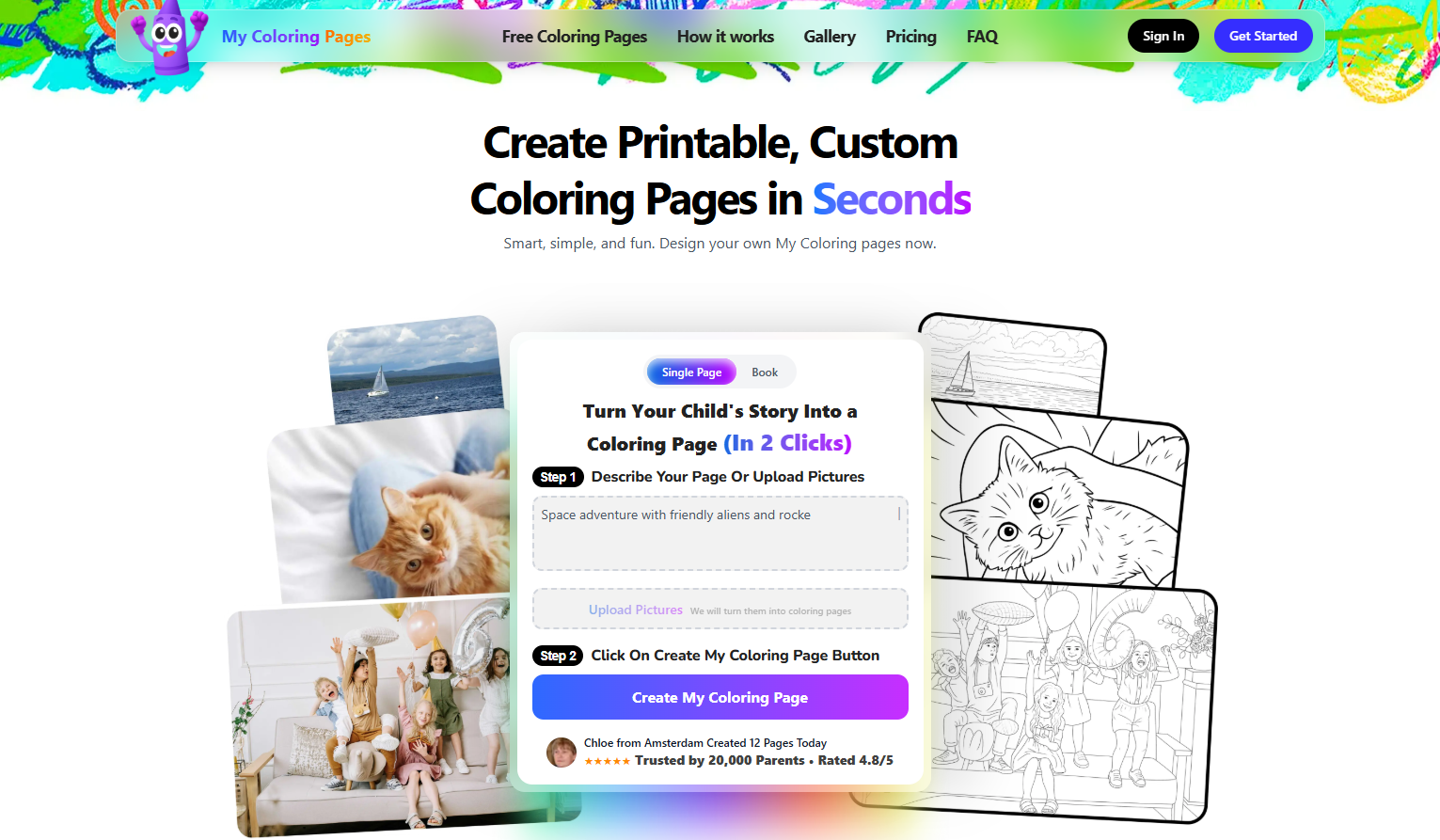
Creating personalized learning materials used to mean spending 30 minutes searching for clip art, another 20 minutes formatting in Word, then discovering your printer ran out of color ink. You either accepted generic worksheets that half your students found too easy or too hard, or you burned evening hours making custom versions.
My Coloring Pages generates themed coloring and activity sheets in seconds. Type your child's name, select their current learning focus (letters, numbers, shapes, seasonal themes), and download printable pages that feel made specifically for them. The platform holds 37,650+ templates spanning preschool concepts, from alphabet recognition to counting exercises, each customizable without design software or technical skills.
Teachers working with mixed-ability classrooms create differentiated materials during lunch breaks instead of staying late. A child obsessed with dinosaurs gets letter tracing sheets featuring T. rex and Triceratops, building engagement through personal relevance rather than forcing interest in generic apples and balls. Parents without educational backgrounds generate learning activities that align with classroom themes, creating home-school continuity without needing to understand scope and sequence documents.
2. Education.com (Best for Curriculum-Level Worksheets)
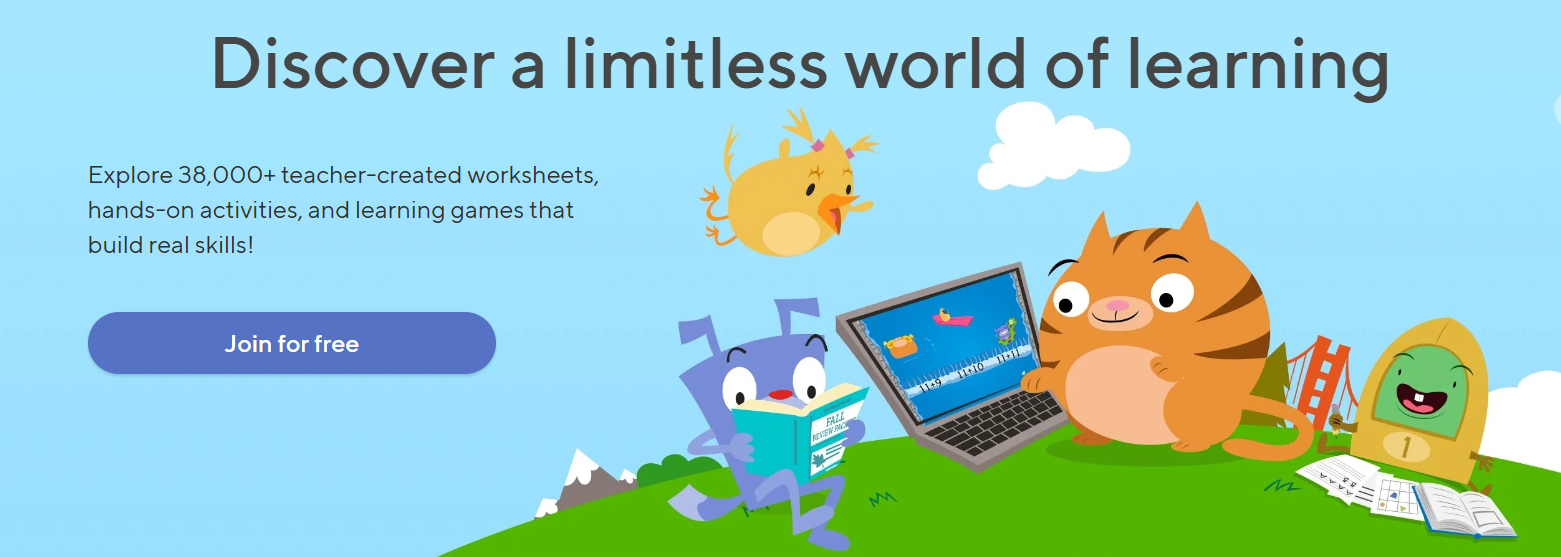
This platform organizes thousands of printable worksheets by grade level and specific skill, treating early education like the structured learning path it actually is. Instead of browsing by vague age ranges, you filter by precise competencies: phonemic awareness, one-to-one correspondence, pattern completion, spatial reasoning. Each worksheet aligns with educational standards, clearly indicating which developmental milestone it addresses.
The sequential structure helps parents understand how skills build on each other. You don't randomly jump from counting to subtraction. You move through number recognition, then counting objects, then comparing quantities, then simple addition, each step preparing for the next. Teachers appreciate the clarity of progression when planning units that span multiple weeks.
The subscription model ($9.99 monthly) creates a financial barrier absent from free platforms, but it funds quality control that shows in consistent formatting, clear instructions, and age-appropriate complexity. Worksheets actually match the advertised skill level, rather than requiring guesswork about whether your four-year-old can handle the task.
3. Teachers Pay Teachers (Best for Teacher-Designed Materials)
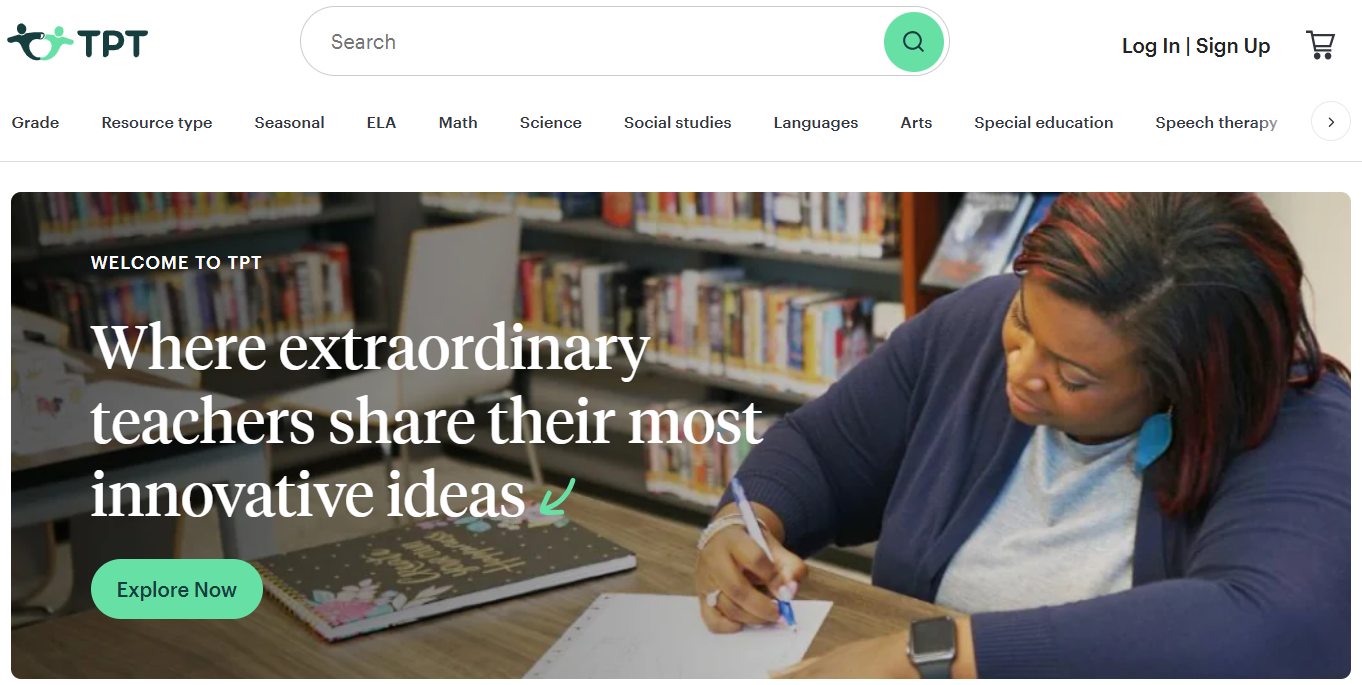
Real classroom teachers sell resources they created and tested with actual students, not content writers guessing what might work. You get themed units designed by someone who knows that Halloween week needs activities exciting enough to compete with costume anticipation, or that spring fever requires movement breaks built into lesson plans.
The marketplace structure means quality varies dramatically. Some sellers offer meticulously crafted materials with detailed implementation guides. Others upload hastily made PDFs with spelling errors and unclear directions. Reviews help filter, but you still spend time evaluating before purchasing. Prices range from $2 single worksheets to $50 comprehensive units.
The variety becomes both a strength and a weakness. You can find incredibly specific resources (a complete unit on arctic animals using Montessori principles), but also waste 20 minutes scrolling through options that almost fit your needs. Teachers with clear curriculum goals find gems. Parents who explore casually often feel overwhelmed by the choices.
4. Twinkl (Best for Themed and Holiday Packs)
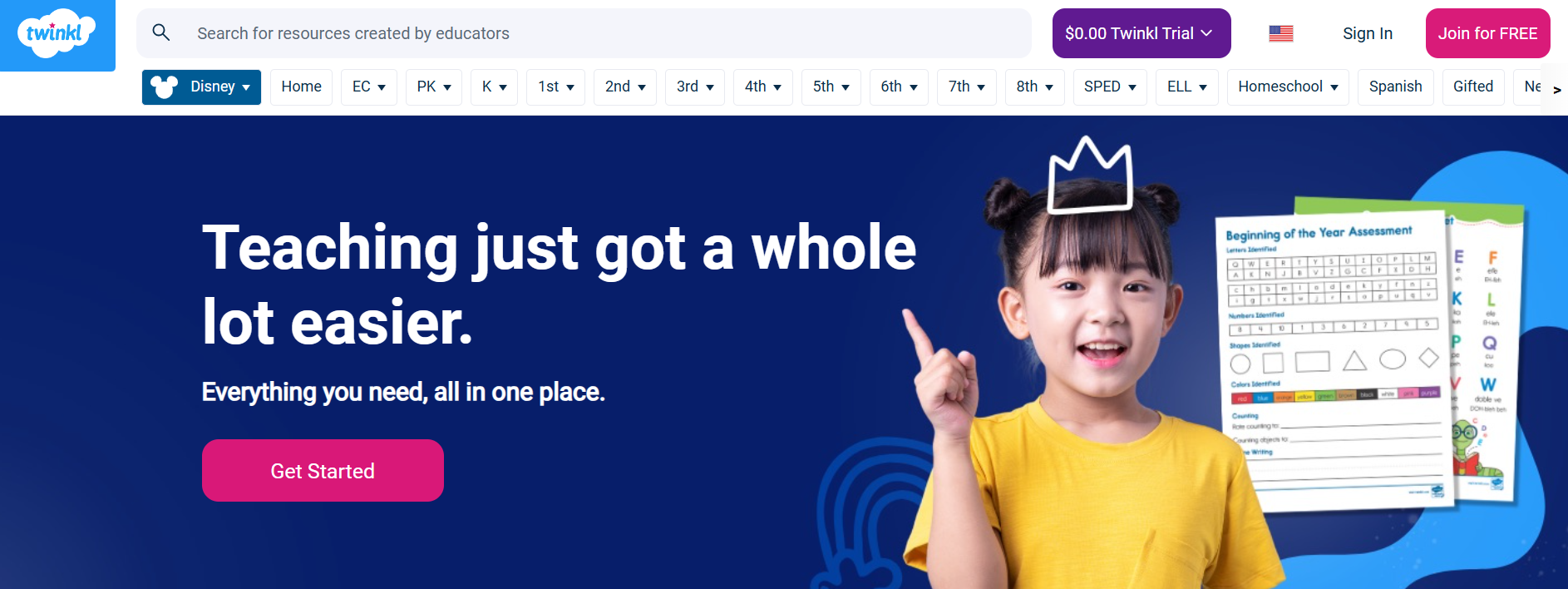
This platform bundles worksheets into ready-made collections organized by topic and season, solving the coordination problem when you want five days of cohesive autumn activities. Instead of assembling materials from multiple sources, you download one pack containing coloring sheets, counting exercises, letter tracing, and craft templates, all featuring consistent fall imagery.
The organizational structure saves planning time but reduces flexibility. You get what the pack includes, even if your students already mastered two of the five skills covered. The subscription cost ($12.99 monthly) makes sense for teachers who use it weekly, but feels steep for parents who want occasional supplemental activities.
International content appears throughout, reflecting the platform's UK origins. Worksheets reference "autumn" and "maths" instead of "fall" and "math," include British spellings, and feature cultural references unfamiliar to American families. This matters less for basic skill practice (tracing letters works regardless of vocabulary) but creates confusion in literacy-focused materials.
5. Scholastic Printables (Best for Literacy and Early Reading)
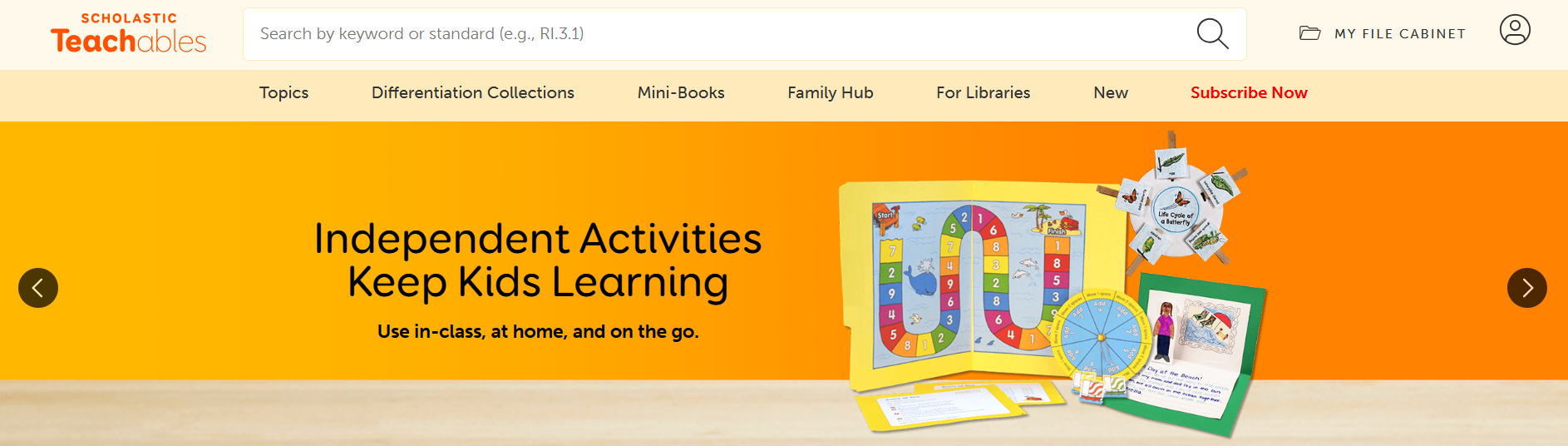
The company that built childhood literacy through book fairs and classroom libraries brings that same focus to printable worksheets. Phonics activities follow research-backed progression. Sight word practice uses high-frequency words that children actually encounter in early readers. Reading comprehension sheets pair with age-appropriate text complexity.
The literacy specialization means math and science resources feel less developed. You get excellent letter-sound correspondence practice but limited geometry or measurement activities. Teachers building a comprehensive curriculum need to supplement it with other platforms. Parents specifically targeting reading readiness find everything they need in one place.
Free access to basic materials with premium content behind a paywall ($7.99 monthly) creates a try-before-you-buy model that reduces commitment friction. You can test whether the teaching approach matches your child's learning style before paying for full access.
6. PBS Kids Printable Activities (Best for Media-Linked Learning)
Children who love Daniel Tiger or Wild Kratts on screen can extend that engagement to paper-based learning through character-themed worksheets. The familiar faces reduce resistance to structured activities, turning "we have to practice letters" into "let's see what Curious George is doing today."
The media connection creates both benefits and limitations. Kids highly motivated by favorite characters engage enthusiastically. Children unfamiliar with PBS programming find the characters meaningless and offer no advantage over generic worksheets. Free access removes financial barriers but offers less content variety than subscription platforms.
Educational quality matches PBS's reputation for research-backed children's programming. Activities genuinely teach target skills rather than just featuring characters on otherwise generic worksheets. A Daniel Tiger emotions worksheet doesn't just show his face, it guides children through identifying feelings and appropriate responses using scenarios from the show.
7. Storyline Online Activities (Best for Literacy Through Stories)
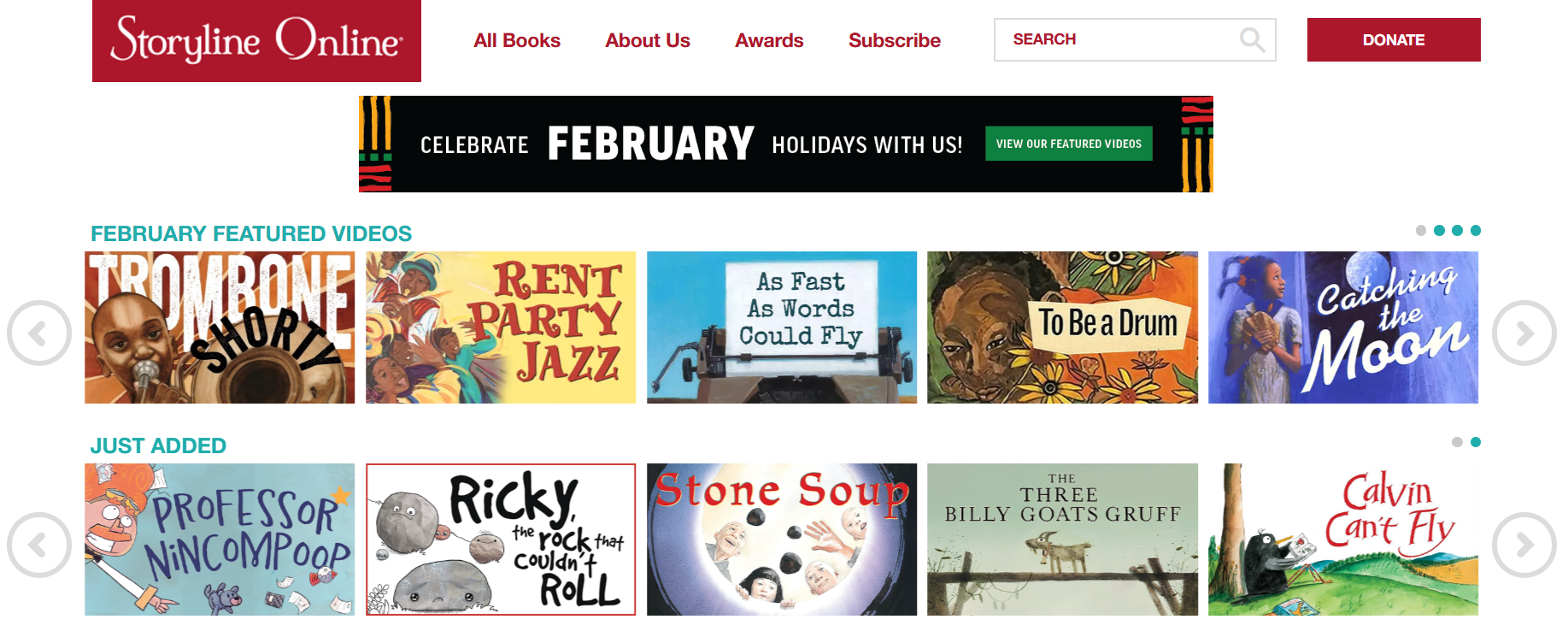
This platform pairs celebrity-narrated picture book videos with downloadable activity sheets that deepen comprehension and extend learning. After a read-aloud, children complete worksheets that explore story elements, vocabulary, and thematic connections. The combined format builds listening skills, narrative understanding, and critical thinking simultaneously.
The story-based approach works beautifully for literature-focused learning but offers limited math or science content. You get rich language development resources and almost nothing for number sense or spatial reasoning. Teachers integrating literacy across subjects find creative applications. Parents wanting comprehensive skill coverage need additional platforms.
Free access to all content removes barriers, though the library size (under 100 books with accompanying materials) means you exhaust options more quickly than on platforms with thousands of worksheets. The quality-over-quantity approach serves families well when used as one component of broader learning plans rather than a sole resource.
8. Super Teacher Worksheets (Best for Random Practice and Drill Sheets)
Sometimes you just need 20 addition problems or a page of uppercase letter tracing without thematic packaging or narrative context. This platform delivers straightforward skill practice sheets organized by specific competency: skip counting by fives, identifying rhyming words, comparing object sizes, and completing AB patterns.
The no-frills approach speeds up material selection when you know exactly which skills need reinforcement. Teachers creating homework packets or practice stations grab relevant sheets in under two minutes. The stripped-down format also means less visual interest, which matters when working with children who need engaging imagery to maintain focus.
Subscription pricing ($19.95 annually) sits between free platforms and premium monthly services, offering middle-ground value for moderate users. The content volume justifies the cost if you regularly need practice sheets across multiple subjects. Occasional users find free alternatives sufficient.
9. JumpStart Printables (Best for Playful Learning Sheets)
Bright colors, cartoon characters, and game-like formats make worksheets feel less like schoolwork and more like activities children choose during free time. A math worksheet becomes a treasure hunt where solving problems reveals map clues. Letter recognition transforms into a matching game with animated animals.
The playful design increases engagement but sometimes sacrifices clarity. Busy visual layouts distract children who process information better with clean, simple formatting. Teachers working with students who have attention challenges often prefer minimalist worksheets that reduce cognitive load. Parents with easily engaged children appreciate the built-in motivation.
Free access to basic printables, with premium content locked behind a membership ($4.99 monthly), creates a tiered value structure. You can meet basic needs without paying while accessing a wider range of activities through a subscription. The pricing structure accommodates both casual users and committed subscribers.
10. K5 Learning Worksheets (Best for Digital Plus Printable Options)
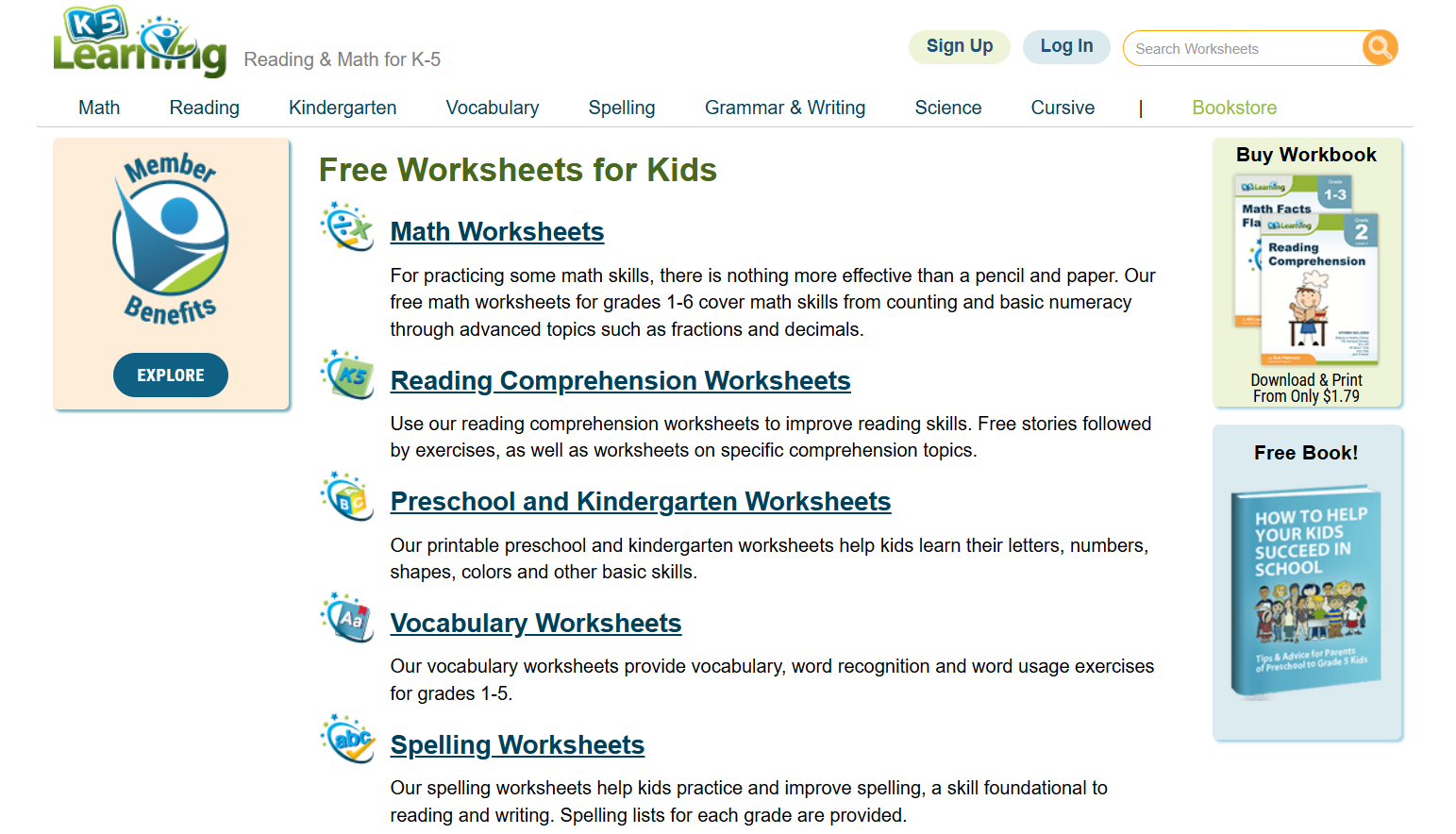
This platform offers both downloadable PDFs and online interactive versions of the same activities, letting you switch between formats based on context. Paper worksheets work for car trips and waiting rooms. Digital versions suit screen time that actually builds skills rather than just entertains. The dual format flexibility accommodates different learning environments without requiring separate resource libraries.
The kindergarten-readiness focus means preschool content, while solid represents a smaller portion of overall offerings. You find excellent materials for four-year-olds preparing for formal schooling, but less for younger preschoolers still building foundational skills. Teachers working with transitional age groups appreciate the forward-looking progression.
Free trial access (limited worksheets) transitions to paid membership ($9.99 monthly) after you've tested fit. The pricing feels reasonable for families using it as a primary curriculum, but steep for occasional supplemental practice. The content quality and format flexibility justify the cost for committed users.
But knowing which platforms exist only scratches the surface of making them actually work in your specific situation.
Upgrade from Generic Printables to Personalized Preschool Learning
If you're searching for a better alternative to Preschool Vibes, chances are you're tired of downloading worksheets that don't quite match your child's interests, skill level, or weekly learning theme. One-size-fits-all printables can only go so far. When your daughter obsesses over unicorns but the alphabet worksheet features generic apples, you lose the engagement advantage before the activity even starts.
Instead of adjusting your lesson plan to fit pre-made PDFs, create worksheets that fit your child. With My Coloring Pages, you can generate custom, printable learning sheets in seconds, whether it's name tracing, letter-of-the-week activities, themed math pages, or skill-based coloring designed around your child's favorite topics. The platform turns "I need a worksheet about counting dinosaurs" from a 30-minute search into a 30-second solution, giving you more time for actual teaching rather than hunting through Pinterest boards in the hope that something close enough exists.
When you need flexibility, creativity, and personalization, not just another worksheet bundle, make the switch to something built around your preschooler. The difference between generic practice and materials that feel made specifically for your child shows up immediately in their willingness to sit down and engage. That shift from resistance to curiosity matters more than any curriculum document can measure.