Preschool vs Daycare: Which is Better For Your Child?
Preschool vs Daycare differences explained by My Coloring Pages. Discover which option best supports your child's development and your family's needs.

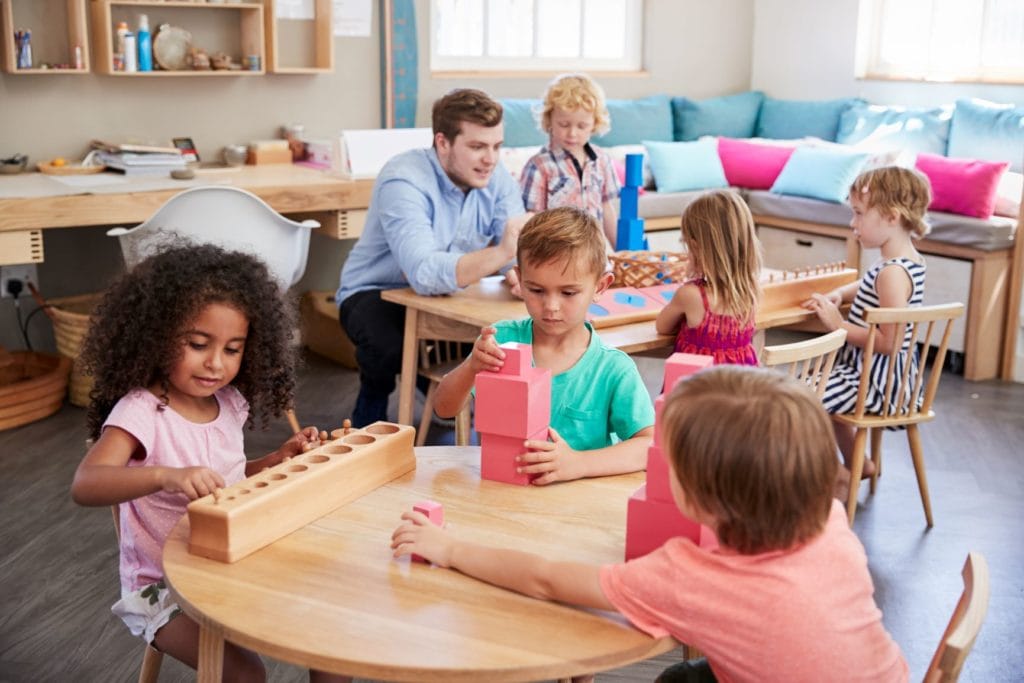
Parents face a significant decision when choosing between preschool and daycare for their child. This choice affects daily routines, early learning experiences, social development, and kindergarten readiness. Understanding the differences between structured educational programs and flexible childcare options helps families select the right environment. Preschool activities typically focus on building foundational skills through play, creativity, and early academics.
Quality educational materials support learning regardless of which option parents choose. Whether supplementing a preschool curriculum at home or enriching a daycare experience, the right resources make a difference. Children benefit from activities that target specific skills like letter recognition, number development, and fine motor coordination. Download 51,780+ free coloring pages to access educational materials that enhance any early learning environment.
Summary
- The shift from daycare to preschool represents a fundamental change in daily structure and expectations, not just a new building. Children accustomed to flexible, home-like care suddenly face fixed schedules with designated learning times, larger peer groups, and requirements to manage their own belongings and follow multi-step instructions without individual prompting. Peak crying often surfaces around days four or five, not immediately, catching families off guard after initially smooth starts.
- Quality of care predicts developmental outcomes more reliably than whether a program labels itself daycare or preschool. Research from the National Institute of Child Health and Human Development found that responsive caregiving environments predict cognitive and social outcomes better than institutional labels, with children in high-quality care settings demonstrating 30% better social adjustment regardless of program type. Low child-to-teacher ratios, trained educators, and environments where children feel safe enough to explore matter more than curriculum descriptions.
- Preschool readiness depends on physical coordination and self-regulation, not academic knowledge. The skills that determine classroom success include correct scissor grip, sustained attention for five-minute tasks, and the ability to ask for help when struggling. Children who practice these capabilities through repetitive, hands-on activities at home arrive at preschool with confidence that their peers are still building, creating positive associations with learning environments that persist beyond initial adjustment periods.
- Schedule realities often determine childcare choices more than educational philosophy. Preschool programs typically run three to five hours daily following school calendars, while daycare centers operate year-round with full-day options designed around working parents' schedules. When both parents work full-time jobs with inflexible hours, preschool alone rarely solves the logistics, forcing families to patch together before- and after-care, and backup plans that create stress for everyone involved.
- Transition timelines extend longer than most parents anticipate, with some children needing several months before preschool feels comfortable. Interruptions like vacations or illness essentially restart the adjustment process, requiring patience to rebuild routine and comfort. At age four, children face unique developmental challenges that compound the transition difficulty, as they struggle to articulate what bothers them, fixating on surface issues while unable to express deeper feelings about autonomy or social dynamics.
- My Coloring Pages supports preschool preparation by offering 51,780+ free coloring pages that parents and teachers customize in seconds to match specific developmental skills like letter recognition, shape identification, and fine motor control, providing targeted practice that feels playful rather than evaluative.
Importance of Daycare and Preschool
Both daycare and preschool play important roles in early childhood development, but the quality of care matters more than the label. Research from the National Institute of Child Health and Human Development found that caregiving environments where adults respond to children's needs predict cognitive and social outcomes more reliably than the type of program. The key is finding an environment that offers consistency, warmth, and developmental support during the years when 90% of brain development occurs before age 5.

🎯 Key Point: The quality of interactions between caregivers and children is the strongest predictor of positive outcomes, regardless of whether the setting is labeled as daycare or preschool.
"90% of brain development occurs before age 5, making the early childhood years the most critical period for cognitive and social foundation building." — Children's Corner Group, 2025

🔑 Takeaway: When choosing between programs, focus on finding caregivers who provide responsive, nurturing interactions rather than getting caught up in program labels - this single factor will have the greatest impact on your child's development.
The Quality Question Nobody Asks
Most parents compare preschool curricula to daycare schedules, assuming structure ensures better results. What predicts success? Low child-to-teacher ratios, trained educators who understand developmental milestones, and environments where children feel safe enough to explore. A study in Early Childhood Research Quarterly found that children in high-quality care settings demonstrated 30% better social adjustment, regardless of whether the sign outside read "daycare" or "preschool." The difference was the attention, responsiveness, and intentionality happening inside.
How do preschools structure their learning approach?
Preschools typically follow a set curriculum with specific learning times, school-readiness goals, and activities focused on reading, maths, and critical thinking skills. Children learn to follow routines, take turns, and understand classroom expectations, similar to those in kindergarten.
Can daycare centers provide structured learning, too?
However, structure doesn't require a preschool setting. Many daycare centres integrate early learning frameworks into daily activities, blending care with intentional skill-building through play, storytelling, and creative projects. What matters is whether adults understand how young children learn and create growth opportunities during every interaction.
When educators need flexible tools to support learning goals, our My Coloring Pages platform offers 51,780+ free coloring pages that target developmental skills such as letter recognition, number practice, and fine motor coordination. Teachers and parents can customize materials in seconds to match any concept a child is working on, from tracing shapes in daycare to reinforcing alphabet lessons in preschool. Our tool adapts to the environment, not the other way around.
How do quality programs support social development?
Good programs help children learn to get along with others through organized group activities and adult-guided conflict resolution. Children practice sharing, understanding others' feelings, and emotional regulation with peers. Physical development improves when programs prioritize active play, such as running, climbing, and movement-based learning. The best early childhood environments recognise that bodies and brains develop together, and prolonged sitting contradicts how young children naturally learn.
What can we learn from integrated care systems?
Countries like Norway and Denmark have combined care systems that blur the difference between daycare and preschool, offering flexible schedules alongside educational content. According to OECD education reports, these models produce some of the highest early childhood development results globally.
When quality stays consistent, the institutional label becomes unimportant. Children need engagement, safety, and adults who understand that every moment—from snack time to story time—is a learning opportunity.
Related Reading
- Preschool Worksheets
- What Age Is Preschool
- Preschool Curriculum
- Preschool Age Range
- Preschool Vibes
- Preschool Homeschool Curriculum
- Preschool Games
- Worksheets For Preschool
- Preschool Education
- Free Preschool Worksheets Age 3–4
- Preschool Books
- What Age Do Kids Start Preschool
- Preschool Graduation
- Free Name Tracing Worksheets for Preschool
- Preschool Backpack
- All About Me Preschool
- Free Preschool Worksheets
- Preschool Self Defense
- What Should a Child Learn in Preschool
- Preschool vs Pre K
- Sight Words for Preschool
- Free Printable Preschool Worksheets Tracing Letters
- First Day of Preschool
- Preschool Math Worksheets
- Preschool Valentine Crafts for Parents
- Preschool Graduation Gifts
- Preschool Toys
- What Age Is Preschool and Kindergarten
- Preschool Quotes About Play
Preschool vs Daycare: Which is Better For Your Child?
Neither one is universally better. The right choice depends on your child's age, family schedule, and developmental needs. A three-year-old doing well in a play-based daycare with intentional learning activities may gain more than a peer struggling in a rigid preschool that doesn't match their learning style. Quality of interaction, caregiver training, and daily responsiveness predict outcomes far more reliably than the program's label.
🎯 Key Point: The program type matters less than the quality of care and how well it matches your child's individual needs and temperament.
💡 Tip: Visit both types of programs during active hours to observe teacher-child interactions and see which environment makes your child feel most comfortable and engaged.
"Quality of interaction, caregiver training, and daily responsiveness predict outcomes far more reliably than whether a program calls itself a preschool or daycare." — Early Childhood Development Research

Schedule Realities Shape Everything
Preschool programs typically run three to five hours daily, with summers and holidays off, requiring flexible work arrangements or supplementary care. Daycare centres operate year-round with full-day options from 6:30 AM to after 6:00 PM, designed for working parents. According to the First Families Fund, many families need four-hour session durations to accommodate work commitments. When both parents work full-time, inflexible jobs, preschool alone rarely solves the logistics puzzle. Families must cobble together before-care, after-care, and backup plans, creating stress for everyone.
Age and Readiness Trump Everything Else
Most preschools accept children starting at age three and require potty training and basic self-care skills before enrollment. Daycare centres welcome infants as young as 6 weeks old and adjust care to developmental stages without requiring readiness. If your child is under three, daycare is the practical choice. The question shifts from "which is better" to "which daycare offers the best learning environment?" For parents applying to 30-plus facilities and waiting years for a single opening, the stress centres on finding any quality spot that fits your child's age and your family's schedule before returning to work.
Learning Happens Everywhere When Adults Pay Attention
Preschools follow structured curricula with set times for literacy, numeracy, and school-readiness activities. Children practise sitting in groups, following multi-step instructions, and moving between activities on schedule. High-quality daycares integrate learning into daily routines through responsive caregiving, intentional play setups, and educators who understand developmental milestones. A caregiver narrating diaper changes builds language skills. Block play teaches spatial reasoning and problem-solving. Circle time songs reinforce patterns and memory. When educators need targeted learning tools, our My Coloring Pages library of 51,780+ free coloring pages supports specific skills like letter recognition, number practice, and fine motor development. Teachers customise materials in seconds to match whatever concept a child is exploring.
How do age groupings affect peer interactions?
Preschool classrooms group children by age, creating peer interactions that mirror elementary school dynamics. Children learn classroom behaviour, turn-taking, and cooperative play through structured activities.
Daycare settings often mix age groups, allowing younger children to learn from older peers while older children practise empathy and leadership. The choice depends on whether your child benefits more from same-age peer dynamics or from mixed-age relationship-building.
What matters most for children with special needs?
Kids with speech delays or developmental differences may struggle to communicate problems like exclusion or conflict, making quality adult supervision and intervention more critical than in the institutional setting.
Parents often prioritize caregiver responsiveness and individualized attention over curriculum comparisons when their child cannot verbally report what happened during the day.
The Decision Framework That Actually Works
Choose preschool if your child is three to five years old, you need part-day care, and school readiness is your main goal. Choose daycare if you need full-day care, your child is younger than three, or you value play-based learning with flexible scheduling. Ultimately, select based on quality: low child-to-teacher ratios, trained educators, safe environments, and balanced approaches to play and learning rather than the label.
When enrollment day arrives, the real work begins.
7 Tips for a Smooth Transition from Daycare to Preschool
Moving from daycare to preschool is a significant change for children. They transition from flexible, home-like care to structured learning environments with new expectations around independence, group participation, and daily routines. Children who spent two years in intimate settings with six peers suddenly face classrooms of twelve or more, unfamiliar teachers, and schedules built around learning objectives rather than individual rhythms. The adjustment takes weeks, sometimes months.

🎯 Key Point: The transition from daycare's flexible environment to preschool's structured setting represents a fundamental shift in your child's daily experience, requiring patience and preparation from both parents and children.
"Children transitioning from smaller daycare settings to larger preschool classrooms face a significant adjustment period that typically lasts 4-6 weeks as they adapt to new social and academic expectations." — Early Childhood Education Research, 2023

⚠️ Warning: Don't underestimate the emotional impact of this transition. Even children who seem excited about preschool may experience separation anxiety, behavioral changes, or sleep disruptions during the first few weeks of adjustment.
1. What Actually Changes When Children Enter Preschool
Preschool provides a predictable routine that daycare often lacks. Children follow set schedules with specific times for circle time, snack breaks, outdoor play, and organized activities, moving between tasks on cue rather than freely between play areas.
The responsibility shifts from caregivers meeting most needs to children managing their own care, following multi-step directions independently, and participating in group activities even when they prefer solitary play.
What social challenges do children face in preschool?
Social demands intensify in unexpected ways. Sharing extends beyond toys to classroom materials passed among larger groups. Taking turns now includes competing for teacher attention, speaking opportunities during group time, and access to preferred activities.
Conflicts happen more often because more children share the same space with competing wants. Children must learn to speak up for themselves, express frustration without aggression, and navigate friendships in ways that smaller daycare groups didn't require.
How do children handle the emotional adjustment to preschool?
Learning to handle emotions becomes an important hidden lesson. Children feel excited about making new friends and doing new activities, but also worried about new routines and being away from people they know and trust.
Some children express these feelings through enthusiasm and curiosity, while others show resistance by crying at drop-off, fighting bedtime, or saying "I hate school"—signs they are struggling to adjust. Peak crying typically occurs around days four or five rather than immediately, which can surprise families after an initially smooth start.
2. Preparing Children Before the First Day
Start talking about preschool about one month before your child begins. Discussing it too early may cause unnecessary worry about something distant, while waiting too long leaves insufficient time for questions and preparation. Frame preschool as something fun and new, not as a replacement for their current daycare. Drive past the building a few times and wave at it. Call it "the new school" to help your child become familiar with it and feel positive about the transition.
How can school visits reduce first-day anxiety?
Go to every orientation event, meet-and-greet session, and summer preparation program the school offers. These visits transform preschool from something scary and unknown into a familiar space with known teachers and classmates. Bring children when dropping off enrollment paperwork so they can see the cubbies, explore the classrooms, and watch other children play. Seeing the space in person reduces first-day stress.
What books and media help children understand school transitions?
Use children's books and age-appropriate media to introduce school concepts through relatable characters. Daniel Tiger episodes about starting school help young children understand expectations through stories mirroring their experience. Read books together that show characters navigating similar changes, then discuss what the child noticed, their questions, and which parts seem exciting or worrying.
3. Building Independence Through Daily Routines
Practice morning routines weeks before preschool starts: set alarms, get dressed independently, eat breakfast within a set time, and pack a backpack. These practice runs eliminate confusion during busy mornings when emotions run high. Children who've practiced the routine fifty times approach the first day with confidence rather than confusion.
What self-help skills do preschoolers need to master?
Self-help skills matter more in preschool than curriculum knowledge. Teachers expect children to wash hands independently, manage bathroom needs, open lunch containers, put away belongings, and clean up materials. Practice these tasks at home until they become automatic. Children who struggle with zippers, snaps, or opening water bottles expend mental energy on basic tasks instead of engaging with learning.
How can coloring pages reinforce preschool readiness skills?
Websites like My Coloring Pages offer over 51,780 free customizable coloring pages for parents and teachers. The collection lets you create pages depicting morning routines, self-care tasks, or classroom rules. Children colour through the steps, acclimating to preschool while practising fine motor skills and learning to follow visual instructions.
4. Supporting Emotional Adjustment During the Transition
Expect regression and resistance even from children who seemed excited at first. The reality of attending daily, being away from parents, and doing structured activities feels different from what I anticipated. Children who attended daycare since infancy still struggle with this change because moving from informal to formal learning settings significantly alters their daily experience.
How can parents help during drop-off and pick-up times?
Stay positive and excited when you drop off and pick up your child, even if you feel worried. Children quickly pick up on their parents' emotions. If you seem unsure or anxious when saying goodbye, your child will assume something bad is happening, which makes separation harder. Keep goodbyes short, calm, and consistent. Staying longer only prolongs the difficult moment rather than easing it.
Why is communication with teachers essential during this transition?
Talk regularly with teachers about what you see at home compared to classroom behaviour. Children who seem fine all day might show strong negative emotions at bedtime or through behaviour changes. Teachers can explain what happens in the classroom, helping families distinguish between normal stress from adjusting to school and problems requiring intervention.
5. Creating Consistency Between Home and School
Create predictable routines at home that mirror school structure. Regular mealtimes, consistent bedtimes, and set times for quiet activities help children learn the rhythm that preschool requires. Children accustomed to flexible, child-led days at home struggle more with preschool's schedule than those whose home routines already have structure.
What comfort items help bridge the gap between home and school?
Give comfort items that connect home and school. A small stuffed animal, family photo, or familiar blanket in the cubby provides emotional security during difficult moments and helps children calm themselves when overwhelmed by new experiences.
How should you celebrate your child's preschool achievements?
Celebrate small achievements without overemphasizing difficulties. Notice when children report positive moments, new friendships, or activities they enjoyed. Avoid interrogating them about problems or repeatedly asking if they're sad. Children learn what parents focus on, so emphasizing the positive helps them construct a narrative where preschool is a place where good things happen.
6. Understanding Realistic Adjustment Timelines
Transitions take longer than most parents expect. Some children adjust within days; others need several months. Interruptions like vacations or illness restart the adjustment process. The child who seemed settled before spring break may regress afterward, not because something went wrong, but because consistency broke.
Why do four-year-olds struggle with emotional regulation during transitions?
At age four, children face unique developmental challenges. Emotional regulation skills are still developing, and children struggle to explain what bothers them. They focus on surface issues like mandatory naptime while being unable to express deeper feelings about independence, social dynamics, or performance pressure. Parents describe feeling helpless when non-negotiable aspects become flashpoints for resistance, masking larger adjustment struggles.
Does switching preschools solve adjustment problems?
Switching schools rarely solves adjustment problems stemming from the shift from informal to formal educational settings. The issue isn't the specific preschool but the fundamental change in expectations, structure, and social complexity. Families who change schools, hoping for easier adjustment, often discover their child faces the same struggles in the new environment because the type of setting, not the specific location, drives the difficulty.
7. Recognizing When Adjustment Becomes Concern
Normal adjustment includes tears at drop-off, reluctance about attendance, and emotional exhaustion at day's end. Concerning patterns involve sustained distress lasting months without improvement, physical symptoms such as stomachaches or sleep disruption, aggressive behaviour toward peers or family, or complete withdrawal from previously enjoyed activities.
The key difference: normal adjustment shows gradual improvement with occasional setbacks, while problematic adjustment shows no progress or worsening patterns over extended periods.
How should teachers support children during difficult transitions?
Find out if teachers show kindness, patience, and support for each child's needs. Ask how they help when children are upset, what they do to ease transitions, and how they communicate with families about concerns.
Good programs understand that adjustment is developmental work requiring adult support, not something children must navigate alone. Teachers should explain the specific ways they're helping your child feel safe and engaged, rather than simply saying your child "had a hard day."
Related Reading
- Preschool Assessment
- Preschool Crafts
- Preschool Learning Activities
- Preschool Tracing Worksheets
- Daycare Vs Preschool
- Preschool Classroom Layout
- Preschool Playground Equipment
- Free Preschool Games
- Preschool Sight Words
- Preschool Math Activities
- How To Become A Preschool Teacher
- Preschool Prep
- Preschool Lesson Plan Template
- Noah's Ark Preschool
- Preschool Science Experiments
- Preschool Craft Ideas
- Creative Curriculum For Preschool
- Playing Preschool Curriculum
- Preschool Bulletin Board Ideas
- Christmas Crafts Preschool
- Spring Bulletin Board Ideas For Preschool
- Turkey Craft Preschool
- Preschool Learning Games
22 Activities to Prepare Your Child for Preschool
Getting ready for preschool isn't about knowing academics—it's about building physical coordination, self-regulation, and social confidence for a structured classroom. The skills that matter most develop through hands-on practice: cutting with scissors, holding crayons correctly, following multi-step instructions, and managing frustration. These capabilities develop through deliberate, playful activities in the weeks before enrollment, not through worksheets or pressure.

🎯 Key Point: Focus on foundational skills like fine motor control and emotional regulation rather than academic content when preparing your child for preschool.
"Children who enter preschool with strong self-regulation skills and fine motor development show better classroom adjustment and academic readiness than those who focus solely on letters and numbers." — Early Childhood Development Research, 2023

💡 Tip: Start practicing these essential preschool skills at least 4-6 weeks before your child's first day to build confidence and reduce transition anxiety.
1. Practice Using Scissors
Provide child-safe scissors and let your child cut along straight lines, then progress to curves and simple shapes. Start with thicker paper for easier control. This strengthens hand muscles and improves coordination needed for classroom tasks.
2. Coloring with Crayons
Encourage your child to color freely while guiding them in holding crayons properly with a tripod grip. This improves hand control and prepares them for writing. Avoid correcting too much—focus on comfort and control.
3. Playdough Play
Let children roll, pinch, flatten, and mold playdough into shapes. You can add tools like plastic knives or cookie cutters. This builds finger strength and supports fine motor development needed for writing and cutting.
4. Tracing Lines and Shapes
Introduce tracing activities starting with straight lines, then zigzags, curves, and basic shapes. Use worksheets, whiteboards, or even draw lines on paper yourself. This helps develop early writing control.
5. Puzzles (Simple Jigsaw)
Offer age-appropriate puzzles with large pieces. Completing puzzles improves problem-solving, spatial awareness, and patience—skills they’ll use during structured classroom activities.
6. Sorting Games
Give your child objects (blocks, buttons, toys) and ask them to sort by color, size, or type. This strengthens early math and cognitive skills while encouraging attention to detail.
7. Following Simple Instructions
Practice giving 2–3-step directions, like “Get your shoes and put them by the door.” This helps children learn to listen, remember, and act—essential skills in a classroom setting.
8. Clean-Up Time Routine
Make clean-up part of daily play. Use songs or timers to keep it fun. This builds responsibility, awareness of routines, and the ability to follow expectations.
9. Turn-Taking Games
Play simple games that require waiting, such as rolling a ball back and forth or basic board games. This teaches patience, sharing, and social interaction.
10. Story Time Listening
Read books daily and ask simple questions like “What happened?” or “Who is this?” This improves listening skills, comprehension, and attention span.
11. Name Recognition Practice
Help your child recognize their name in print by labeling their belongings. Gradually introduce tracing or copying their name to build early writing familiarity.
12. Snack Time Independence
Encourage your child to open containers, hold utensils, and clean up after eating. These small tasks build independence and confidence during school routines.
13. Handwashing Routine
Teach proper handwashing steps: wet, soap, scrub, rinse, and dry. Practice regularly so it becomes automatic, especially before meals and after play.
14. Dress-Up Practice
Let your child practice putting on shoes, jackets, and simple clothing. Start with easy items like slip-on shoes or loose shirts. This reduces dependence on teachers.
15. Emotion Naming Activities
Talk about feelings during daily situations. Use phrases like “You look frustrated” or “That made you happy.” This helps children understand and manage emotions.
16. Role-Playing School
Pretend to be in a classroom—sit in a circle, raise hands, listen to instructions. This familiarizes children with classroom structure and expectations.
17. Building Blocks or LEGO
Encourage building towers, houses, or simple structures. This improves creativity, problem-solving, and fine motor coordination.
18. Outdoor Play (Climbing/Running)
Activities like running, jumping, and climbing develop gross motor skills, balance, and overall physical confidence.
19. Simple Chores
Assign small responsibilities, such as putting toys away, wiping tables, or helping set the table. This builds independence and a sense of contribution.
20. Waiting Practice
Teach your child to wait for short periods before receiving something they want. Gradually increase the time to build patience and self-control.
21. Music and Movement Activities
Sing songs, clap rhythms, and dance together. This improves coordination, listening skills, and the ability to follow patterns.
22. Managing Frustration Practice
When your child struggles, guide them to pause, take deep breaths, or ask for help. Learning to handle frustration is critical for adapting to new challenges in preschool.
Make the Transition to Preschool Easier With 51,780+ Free Coloring Pages
Getting ready for preschool doesn't require expensive programs. Children need regular, low-pressure practice with specific skills, such as holding writing tools correctly, following visual instructions, completing tasks independently, and staying engaged. These skills develop through repetition that feels playful rather than like a test.

🎯 Key Point: Free resources can be just as effective as costly preschool prep programs when used consistently.
Platforms like My Coloring Pages offer 51,780+ free coloring pages that parents and teachers can customize in seconds. Our collection lets you create pages featuring morning routine sequences, self-care tasks, or letter recognition activities that support early literacy. The tool adapts to your child's developmental level, providing targeted skill-building without rigid structure.
"Consistent daily practice of just 10-15 minutes builds essential preschool readiness skills more effectively than intensive cramming sessions." — Early Childhood Development Research
Spend 10 to 15 minutes daily on guided coloring activities during the month before enrollment. This consistent practice builds attention span, fine motor control, and task completion habits without overwhelming anxious children. The routine itself becomes comforting during a period of uncertainty.

💡 Tip: Children who enter preschool with established fine motor skills and attention habits show faster adjustment and greater confidence in new learning environments.
Start today, not the week before school begins. Children already comfortable holding crayons, following instructions, and sitting through focused activities enter classrooms with confidence, while their peers are still building up to that level. That early comfort creates positive associations with learning environments that persist long after adjustment.
Related Reading
- Preschool Mothers Day Crafts
- Preschool Spring Crafts
- Preschool Snack Ideas
- Preschool Thanksgiving Crafts
- Fathers Day Crafts Preschool
- Preschool Movement Songs
- Letter A Worksheets Preschool
- All About Me Preschool Activities
- Tracing Worksheets Preschool
- Good Morning Songs for Preschool
- Fall Preschool Crafts
- Preschool Art
- Preschool Classroom Themes
- January Preschool Themes
- Fall Coloring Pages Preschool
- Part Time Preschool
- Letter B Worksheets Preschool
- Play Based Preschool
- Preschool Science Activities
- How Much Is Preschool