100+ Screen-Free Activities for Kids That Make Unplugging Easy
Screen-Free Activities for Kids: Discover 100+ creative ideas for unplugged fun from My Coloring Pages, including crafts and outdoor play that keep kids engaged.

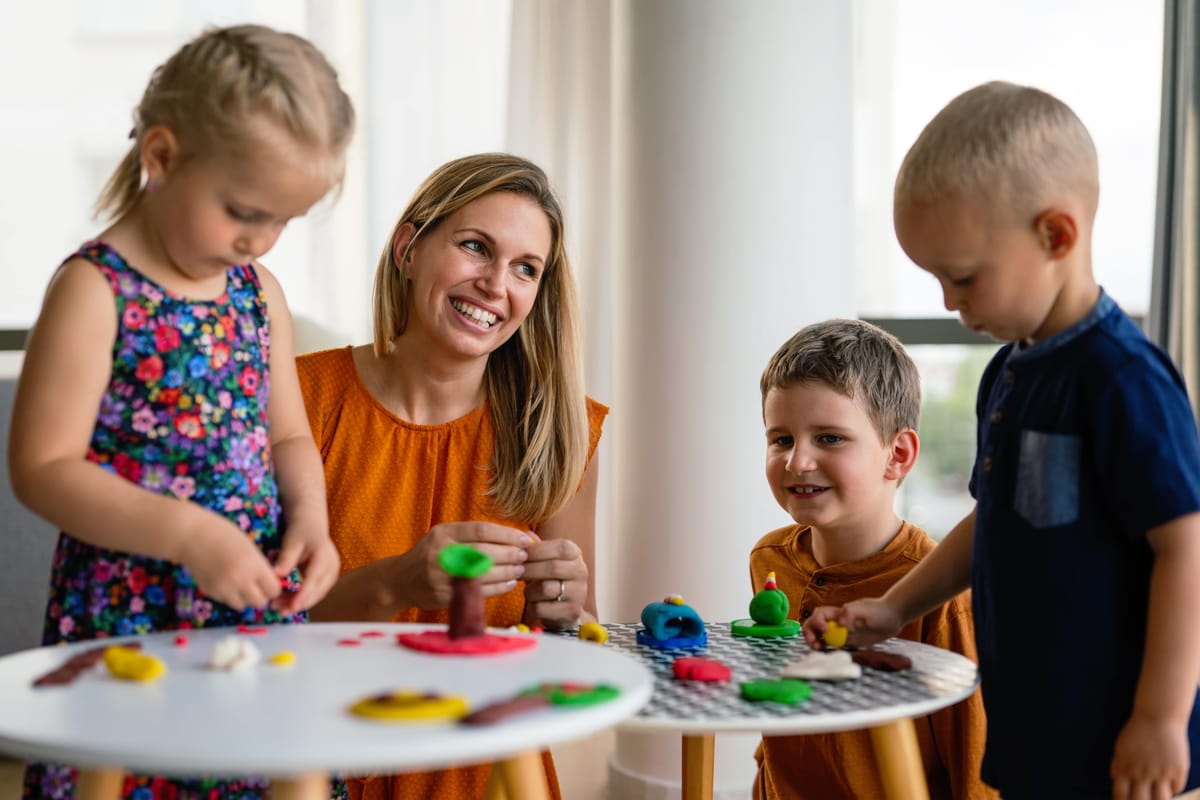
Many families experience afternoons where glowing screens replace hands-on play, leaving traditional toys and crafts unused. Simple, screen-free activities for kids offer engaging alternatives such as outdoor play, puzzles, and storytelling that build fine motor and social skills. Creative, hands-on projects naturally foster learning and provide a welcome respite from digital distractions.
Balancing digital time with tactile play not only enhances creativity but also lays a foundation for critical developmental milestones. Family activities like arts and crafts, board games, and DIY projects create an environment conducive to learning and connection. My Coloring Pages offers a vast collection of tools, including 10,000+ free coloring pages that support quiet, focused activities and encourage creative growth.
To put these ideas into practice, our 10,000+ free coloring pages help you get started right away.
Summary
- Reducing screen time yields measurable sleep gains: a 30% cut in device use produces about a 20% improvement in sleep quality, making bedtime routines calmer and more predictable.
- Small decreases in screen exposure translate into significant gains in activity: a 15% reduction in screen time was associated with a 25% increase in physical activity, supporting motor development and overall health.
- Focused, hands-on activities sustain attention, with simple options like coloring producing 20- to 30-minute stretches of engagement that replace short, dopamine-rich media bursts.
- Behavioral shifts follow a predictable timeline: the first two weeks are typically the hardest as children adjust, and curiosity and tolerance for boredom increase with consistent, small swaps.
- Variety matters, since more than 100 different screen-free activities exist that can be run in short sessions, often 15 to 40 minutes each, helping families rotate options to build repeated practice in skills like fine motor control and social play.
- This is where My Coloring Pages fits in, as 10,000+ free coloring pages address the need for low-prep. These printable activities support 20- to 30-minute focused play, fine-motor practice, and calm family routines.
What are the Key Benefits of Reduced Screen Time for Kids?
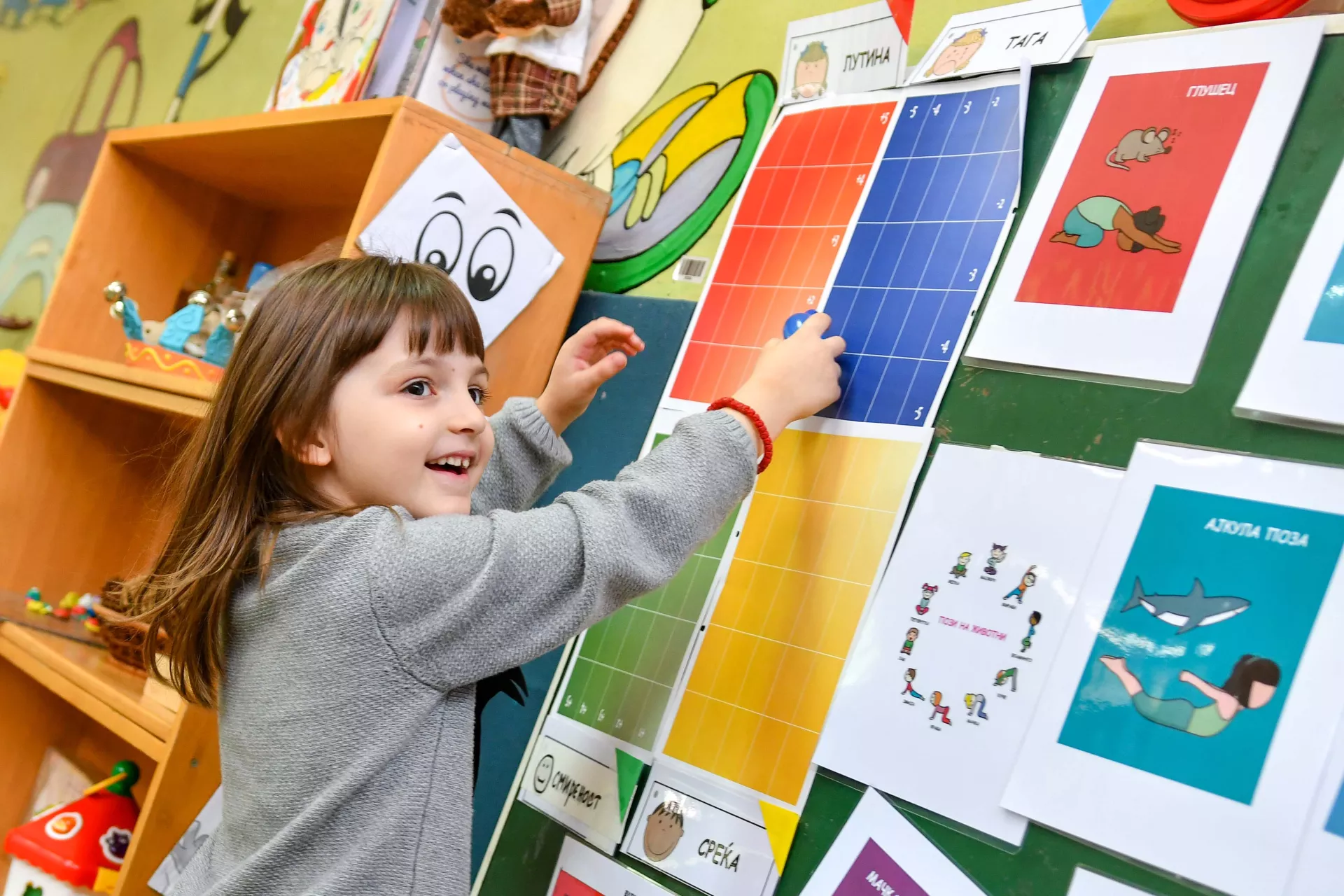
When kids spend less time on screens, they enjoy clearer bodies and calmer minds. The benefits include more sleep, more movement, better focus in school, deeper social interactions, and improved creative thinking. These good changes often happen quickly when families change their routines. They provide children with enjoyable but straightforward alternatives to passive digital time.Consider incorporating some of our 10,000+ free coloring pages as a creative and screen-free activity for your kids.
Why does reducing screen time help kids sleep?
Less evening screen time decreases the stimulation that makes it hard to fall asleep. This helps kids fall asleep faster and wake up feeling more rested.Families that cut back on evening device use noticed fewer bedtime fights as kids got used to more regular routines, which helped them sleep better. In fact, a blog post on Lurie Children's found that children who reduced screen time by 30% showed a 20% improvement in sleep quality. This is a fundamental change that can be expected when screen time is limited around bedtime.
How does less screen time affect physical health?
When kids have more free time instead of watching screens, they usually move around more on their own. Playtime becomes more active, with activities like running, climbing, biking, and pretend play replacing screen time. This change is essential; a study by Lurie Children's Blog reported a 25% increase in physical activity following a 15% drop in screen time. This increase helps lower the risk of obesity, boosts motor skills, and strengthens their lungs and muscles.
What changes emotionally when screens come down?
Emotionally, children become less reactive and more regulated when screens are taken away. Instead of having constant high-intensity input, their brains have room to process feelings. This change helps reduce anxiety and big meltdowns. However, this transformation doesn't happen overnight.Parents often say the first week is tough, followed by a period when children learn to handle boredom and find ways to calm themselves. The struggles families face are both real and expected: when screens serve as an automatic way to calm kids down, taking them away can lead to resistance. That tension is normal, and planning small changes can help make the transition easier.
How do social skills improve without screens?
When screens are off, children practice reading faces, timing conversation turns, and negotiating play rules, skills that no app can teach.In observed playgroups and sibling interactions, kids who took part in scheduled screen-free times showed quicker recovery after disagreements and more lasting cooperative play compared to their friends.The hidden benefit is confidence: repeated, low-stakes social wins give children the courage to start conversations and the patience to wait their turn.
Does less screen time actually boost attention and learning?
Yes, attention is a skill that can be trained, not something people always have. By swapping short bursts of exciting media for focused activities like puzzles, building, and drawing, we can lengthen kids’ attention spans.
Teachers often notice that children who come back from weekends without screens are calmer and can work on tasks for longer. This positive change builds on itself: better focus leads to more enjoyable learning experiences, which encourage curiosity instead of just watching passively.
Where does creativity get its head start?
Creativity grows when people can play and think without knowing what the end result will be. Activities like coloring, storytelling, building with blocks, and trying out recipes give kids problems to solve in their own way. Imagine a child turning a basic coloring page into a story with different scenes, cutting, folding, and telling the story for twenty minutes.This time spent playing alone helps them practice for future inventions. These little experiments build the scaffolding for original ideas later on.
What to expect when you start changing habits?
Expect resistance followed by curiosity. In many households, the first two weeks are the hardest. During this time, tantrums may go up, and parents often feel guilty about being strict.The best approach includes small, predictable changes, ready-made activity kits, and a simple mindset to return to when you feel tired. This mix reduces fights and creates new routines that can keep going.
Think of screen-free time as training your attention muscle. Each little exercise helps with this training, rather than requiring a significant change. Small, consistent wins can lead to lasting improvements in health, focus, and creativity.
What is the surprising effect of reducing screen time?
The surprising part is what comes next, which is often not what most parents expect.
Related Reading
- Activities for Kids
- Hobbies for Kids
- Activities for 5-Year-Olds
- Creative Activities for Kids
- Educational Activities for Kids
- At Home Activities for Kids
100+ Creative Screen-Free Activities for Kids To Beat Boredom Fast
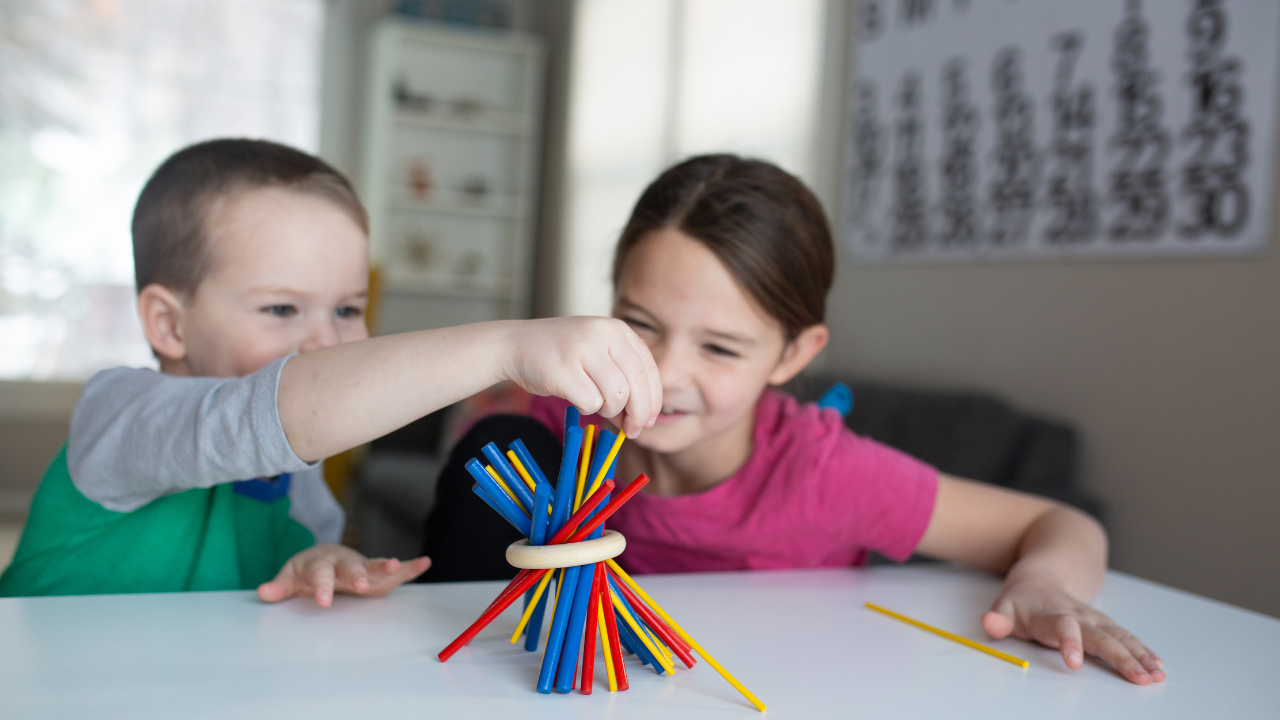
1. Print coloring pages.
I ask my kids what they would like to color, do a quick Google search on images, and then let them pick out a few coloring pages to print. This seems more exciting than a coloring book because it’s new, and they get a choice! We pull out markers, crayons, colored pencils, and several of my kids will spend 20-30 minutes coloring. If your kids are old enough for scissors, they can practice cutting out the image after they color it. Make custom coloring pages and coloring books with the My Coloring Pages app.
Simply describe what you want or upload pictures, and our app turns them into ready-to-print coloring pages. You can also browse 10,000+ free coloring pages from our community, or design your own personalized pages and coloring books for kids, adults, classrooms, or stress relief. Trusted by 20,000+ parents and rated 4.8/5, it's the easiest way to spark creativity and keep your kids off screens, whether you're turning your child's story into art or crafting intricate mandalas for yourself.
2. Read.
Read a lot. If you don’t have books, go to the library and let your child pick one book each visit; that small choice matters. Rotate between picture books, short chapter books, and nonfiction to keep curiosity alive, and try audio versions on car rides for a change of pace.
3. Play outside.
Pull on shoes, grab a ball or a bucket, and head outside for 20 minutes of fresh air to reset energy. Use natural objects as props and let the kids decide the rules; free choice keeps interest higher than an adult-directed drill.
4. Music.
Play a record, CD, or playlist and sing along; rhythm hooks kids quickly. Bring out pots and spoons for a family jam session, and assign silly roles like “chief drummer” to make it feel special with minimal setup.
5. Play games
Choose something age-appropriate and accept rule tweaks to keep everyone involved; that flexibility keeps play positive. Use games to teach taking turns and counting; short, repeatable plays are better than a single long session.
6. Keep a stash of surprise activities.
Set aside a small box of cheap, ready-to-go treats that you can pull out on a rough afternoon; every parent wins when a quick win is available. I keep a list of fresh ideas handy, like the one in 100+ Creative Screen Free Activities — MKE with Kids, so I can rotate options without having to think too hard.
7. Ask an older sibling to be in charge of a younger sibling for an hour.
Offer a simple incentive, such as extra storytime or a small privilege, and give the older child clear, safe tasks to avoid overwhelm. This builds responsibility and buys you focused time without complex planning.
8. Keep fort supplies on hand.
Toss blankets, clothespins, and a couple of large boxes in an easily reachable bin and let kids design the blueprints. Building together becomes imaginative play and a quiet zone once it’s finished.
9. Books on CD/Audiobooks
Match audiobooks to books you already own so kids can follow pictures while they listen; it extends attention spans without screen time. Use a portable speaker or car stereo and make “listening time” a ritual before naps or long chores.
10. Tea party with stuffed animals or a sibling (and real food!).
Let kids pull a few safe snacks and cups and role-play manners, pouring, and conversational turns. The novelty of real food and a tiny table keeps them engaged longer than play dishes alone.
11. Puzzles.
Keep puzzles on a low, reachable shelf so children can start projects independently; varied difficulty means siblings can work together. A rotating puzzle board or mat saves the puzzle between sessions and prevents lost momentum.
12. Trade babysitting with a friend/Make time for friend time.
Arrange a reliable swap day each week so both families get a break without complicated logistics. That predictable rhythm lasts because both parents know when they’ll get time back.
13. Fill up the sink with water
Add cups, spoons, and safe containers and let kids measure, pour, and experiment with buoyancy. Add a small towel and a rule about where the water goes to keep cleanup fast.
14. Play-dough
Keep a small container of play-dough and a tray for play; add simple cutters and a rolling pin. It satisfies tactile urges and can anchor 20 to 30 focused minutes of constructive play.
15. Blow up some balloons and turn on your kids’ favorite music.
A quick balloon dance feels like a party and requires almost no setup or cleanup. It’s especially useful when you need concentrated, energetic play while you finish something nearby.
16. Non-messy painting
Offer water-based paints or paint sticks on a washable surface so kids can enjoy color without long cleanup. Water painting pads and AquaDoodle work well when you want minimal drying time and no stains.
17. Backyard Sleepover on a Trampoline
Lay sleeping bags on the trampoline and let kids read flashlights and trade stories under the sky. It’s extraordinary because the setting itself makes ordinary bedtime feel like an adventure.
18. Nature Scavenger Hunt
Make a short checklist of five items and a small prize for completion to encourage exploration without a long commitment. Kids learn observation skills and get fresh air, and you control the difficulty by the list.
19. DIY Obstacle Course
Use pillows, broom handles, and cones to make simple physical challenges in the yard or hallway. Time each run for playful competition and swap roles so everyone tries setup and running.
20. Play Hangman
This pen-and-paper game teaches letters and spelling without any equipment beyond paper and a pencil. Keep turns short and celebrate partial wins to avoid frustration.
21. Shadow Drawing
Place toys in sunlight and trace their shadows on paper for an instant art project that teaches light and shape. Kids enjoy the magic of the result and can color in the traced forms afterward.
22. Homemade Bird Feeders
Spread peanut butter on pinecones, roll them in birdseed, then hang them outside; the payoff is watching the birds come. It teaches cause and effect and gives you an easy observational science moment.
23. Storytelling Circle
Sit in a circle and take turns adding a sentence to a story, building narratives together. This develops sequencing, listening, and imagination, and it’s portable to car rides or waiting rooms.
24. Slam Dunk Contest on a Trampoline
Use a soft hoop or make one from a hula hoop, and let kids take gentle shots while a sibling judges. It’s active, neighbor-friendly, and a great way to practice coordination.
25. Rock Painting
Collect smooth rocks and paint them with simple designs or kind messages to hide around the neighborhood. It’s a small craft with immense pride, and hiding them adds excitement and purpose.
26. Cardboard Box Creations
Give kids markers, tape, and a Sharpie, and let them turn a large box into whatever their imagination can dream up. Cardboard resists perfecting, which makes iteration and redesign part of the fun.
27. Water Balloon Target Practice
Draw chalk rings and take turns aiming; you can make it cooperative by assigning points for teamwork. It’s compact, active, and easy to clean up.
28. Play on a Swing Set
Short swinging sessions improve balance and self-regulation while kids enjoy the sensory rhythm. Bring a snack and make it a calm, shared routine after a busy morning.
29. Leaf Rubbing Art
Place paper over leaves and rub crayons across to reveal texture, then create a collage of the best impressions. It’s low-prep and a quiet activity that pairs well with a nature walk.
30. DIY Puppet Show
Make simple puppets from socks or paper bags and rehearse a short performance; kids direct, design, and act. The multi-step process holds attention and results in a proud moment to share.
31. Treasure Hunt
Hide tiny treasures and draw a simple map with clues to encourage problem-solving and reading practice. Offer different difficulty levels depending on age so everyone feels successful.
32. Climb
Set up safe climbing challenges using sturdy furniture or a local playground, and let kids push limits in a supervised way. Climbing builds strength and spatial awareness, and short challenges are better than long, forced sessions.
33. Lemonade Stand
Let kids design the menu, price, and signage to teach basic math and customer interaction in a low-stakes setting. It’s practical and gives children a sense of contribution.
34. Have a LEGO party
Sort dump bins by color or theme, set a timed build challenge, and let kids show off their creations. The constraints spark creativity and sharing when you rotate ownership.
35. Bug Safari
Give a magnifying glass and a small notebook so kids can sketch or note insect finds; simple recording elevates the experience. Teach catch-and-release and bring a small magnifying jar for safe observation.
36. Homemade Playdough
Mix flour, salt, and water in five minutes, and dye with food coloring for a fresh batch that smells of baking. It’s cheap, fast, and customizable to themes like holidays or animals.
37. Marshmallow and Toothpick Structures
Challenge kids to build a bridge or tower; it’s a low-cost engineering exercise and great for cooperative play. Offer a time limit or design constraint to keep it focused.
38. Jump Rope Challenges
Teach a new rhyme or trick and practice in short intervals to build stamina without frustration. Celebrate small improvements rather than continuous jumping.
39. Homemade Kites
Use sticks, paper, and string to build simple kites and test them on a breezy day; failures are part of the lesson. Kids learn about design, iteration, and wind in one session.
40. Sidewalk Chalk Town
Draw roads, buildings, and destinations and let kids role-play driving, shopping, or delivering mail. It combines art, gross motor play, and imaginative social rules.
41. Plant a Mini Garden
Assign each child a pot and a plant to care for, and schedule quick check-ins for watering and observation. The short routine builds responsibility without becoming a chore.
42. Trampoline Talent Show
Let each child pick a short act and present it to the family; keep acts under two minutes so focus stays high. Props and funny certificates make it memorable and repeatable.
43. Sponge Boat Races
Cut sponges into boat shapes, add paper sails, and race them in a tub or pool; it’s a fast setup and big payoff. Kids learn about buoyancy, steering, and friendly competition.
44. Cloud Watching
Lie back and name shapes together, then ask children to make up stories about the forms they see. It’s a restful way to practice observation and storytelling with no materials.
45. Laundry Basket Skee-Ball
Set baskets at distances and assign points for tossing soft balls; rotate who sets up and who scores to keep collaboration active. It’s excellent for hand-eye coordination and quick play sessions.
46. Ice Block Excavation
Freeze small toys in a block of water and give kids safe tools like warm water and spoons to excavate. It’s a patient, sensory project that stretches focus and problem-solving.
47. Stick Fort Building
Gather sticks and branches to build an outdoor shelter; encourage safety and structural thinking by designating an adult supervisor. The process of collection and assembly naturally extends the activity.
48. Make Your Own Music Band
Assign instruments from around the house and write a short “song” together with a simple chorus everyone can sing. Recording it on audio for later playback adds pride without screens if you use a basic voice recorder.
49. DIY Nature Bracelets
Wrap masking tape sticky-side out and attach found leaves and flowers to wearable nature keepsakes. They are immediate, pretty, and encourage exploration.
50. Paper Airplane Contest
Teach different folds and test which design flies farthest; it’s an instant lesson in aerodynamics with easy iteration. Keep flights in a hallway for consistent conditions and measurable fun.
51. Glow Stick Hide-and-Seek
Play at dusk with glow sticks for a dramatic twist on a classic; set clear boundaries and safe hiding spots. The glow adds mystery and keeps kids engaged after sunset.
52. Dead Man Trampoline Game
Use this classic trampoline game with supervision and clear safety rules, especially at night or around Halloween. It’s thrilling and memorable when everyone knows the boundaries.
53. Giant Bubble Making
Make a simple solution and use a homemade wand for big bubbles that inspire awe and cooperative chasing. Mix in quiet observation time to practice patience between bursts of running.
54. Read in a Cozy Tree Swing
Move reading time outdoors in a hanging swing or tent to make a familiar routine feel novel and calming. A special reading spot can revive interest in familiar books.
55. Backyard Olympics
Create short events like sack races or long jumps and keep score for small teams so everyone participates. Rotating captain roles gives older kids leadership while younger kids focus on fun.
56. Status quo for quick activities
Empathize, reveal cost, and bridge. Most families default to the same handful of quick tricks because they are familiar and require no new tools. Over time, that habit fragments variety, so skills like handwriting, focused creativity, and small-motor practice go undertrained.
Platforms like My Coloring Pages, which offer 9,888+ free, downloadable, and customizable coloring pages, give families an easy, printable way to rotate high-quality, developmentally appropriate activities without extra prep.
57. Sensory Bin Play
Fill a bin with rice, beans, or sand and add scoops, cups, and small toys for digging exploration. Rotate themes by adding colored rice or small seasonal items to keep the novelty high at a low cost.
58. Outdoor Painting with Water
Give paintbrushes and water containers, and let kids “paint” fences, decks, or sidewalks; then watch the art disappear. It’s satisfying and mess-free, and it encourages extensive motor control.
59. Mirror Writing Challenge
Try writing or drawing while watching a mirror image to boost spatial reasoning and humor. Short attempts make it fun without frustration.
60. Cup Tower Building
Stack disposable or plastic cups and experiment with different bases to improve balance and planning skills. Time trials and redesigns keep it fresh.
61. Hiking Adventure
Plan a short, goal-oriented walk to a creek or lookout and let kids collect a single favorite item to discuss at the end. Small objectives keep motivation high without a long slog.
62. Make a Time Capsule
Fill a small box with a drawing, a note, and a tiny object, and pick an opening date, then bury or store it safely. The future focus helps children understand time and anticipation.
63. Ice Cream in a Bag
Mix cream, sugar, and vanilla in a sealed bag surrounded by ice and salt and shake until it solidifies, teaching basic chemistry through motion. It’s a delicious reward for physical effort and cooperation.
64. Chalk Drawing on a Trampoline
Confirm safety and draw lightly; kids can make temporary murals without harm to the mat. It’s an unusual surface that feels new and invites playful composition.
65. Animal Charades
Act out animals and guess to build observational and expressive skills; set a time limit to keep rounds moving. Change categories to letters or actions to extend the game.
66. Recycled Craft Challenge
Give a pile of recyclables and a prompt like “build a robot” to encourage design thinking and resourcefulness. Judging criteria like “most creative” or “strongest” teach evaluation skills.
67. Glow-in-the-Dark Bowling
Insert glow sticks into empty bottles, set up pins, and roll a soft ball for nighttime play that feels magical. Keep turns short and rewards small so interest doesn’t wane.
68. Clothespin Tag
Clip clothespins to shirts and challenge kids to grab others’ pins while protecting their own; it’s quick, active, and inexpensive. Rotate teams and enforce safe zones to limit roughness.
69. Sock Puppet Theater
Decorate socks with buttons and yarn to make characters, then perform short skits that combine craft and performance. The low stakes invite improvisation and repeated plays.
70. Secret Message with Invisible Ink
Write messages with lemon juice and reveal them with a warm lamp or lightbulb; explain safety rules about heat. The reveal moment creates a quiet, focused thrill.
71. Repurpose the garage
Clear a small area and create an open gym with hula hoops, cones, and bikes for rainy-day play. It converts idle space into a flexible, supervised zone.
72. Cook dinner
Invite children to help with age-appropriate tasks like stirring or washing veggies, and pair the activity with a quick lesson about measurements. Kids gain practical skills and often eat more when they help prepare food.
73. Dishes
Let kids wash plastic dishes or wipe counters with a damp cloth; include a short timer to make the job feel like a game. Chores taught this way build competence and reduce future resistance.
74. Pack lunch
Make packing lunches a shared ritual: have kids choose one healthy item and one fun item, then discuss their choices. It teaches planning and decision-making in a short window.
75. Clean up
Turn tidying into a scavenger hunt where kids collect specific items and earn a small sticker for speed and thoroughness. Short, clear tasks keep morale higher than vague directives.
76. Other chores
Include kids in sweeping, dusting, or car-washing with tools sized for them; short assignments teach responsibility. Rotate chores weekly to build a broad skill set.
77. Throw a frisbee
Practice simple throws and catches in the yard, and set small goals, like hitting a tree trunk for a point. It improves coordination and offers quick replayability.
78. Go for a bike ride
Pick a new route and set the destination as a small treat or a park to keep motivation high. Plan rides for 20 to 40 minutes so children know it’s finite and achievable.
79. Walk the dog
Assign leash-holding and small responsibilities like snacks or treats to kids so they feel useful. Short, structured walks teach care and routine.
80. Watch the clouds go by and learn about different cloud formations
Bring a simple field guide or app for names and keep the session to 15 minutes to maintain focus. Make it social by having kids describe what stories they see.
81. Take an outing to a zoo or a museum
Give each child a single focus item to find to avoid overwhelm and encourage detailed observation. Short, targeted goals make public venues educational and manageable.
82. Set up a bird feeder, and practice bird-watching.
Keep a notebook to tally species and look for changes week to week, which helps with attention and pattern recognition. A small schedule of observations builds a habit without daily demands.
83. Draw a map of your block, neighborhood, or the route to school.
Mapping sharpens spatial reasoning and gives kids ownership of their environment. Use crayons and stickers to mark favorite spots.
84. Have a picnic in your backyard or local park
Let children choose one food item and a blanket, and keep the picnic short and praise-filled. The routine makes mealtime into a focused family ritual.
85. Write a card or letter to a friend.
Teach the basics of address writing, or decorate the envelope for extra pride and connection. The delayed reward of mail arrival strengthens anticipation.
86. Learn the lyrics to a favorite song
Break it into short lines and repeat them as part of a game to build memory and rhythm skills. Add gestures to boost recall and silly moves to make practice fun.
87. Practice saying the alphabet backwards
Turn it into a timed challenge with practice sessions to build cognitive flexibility and working memory. Celebrate milestones rather than perfection.
88. Try to solve a Rubik’s Cube
Start with a simple tutorial and practice short, focused sessions to keep frustration low. Solving in steps models persistence and algorithmic thinking.
89. Teach your dog a trick
Break learning into tiny steps and reward minor improvements; this method works for kids learning, too. It teaches patience, sequencing, and empathy.
90. Get out the fabric scraps and start sewing a new creation.
Begin with simple hand-sewn projects like a pillow or a small pouch, and keep sessions under 30 minutes for younger hands. The slow, tactile work builds fine motor skills and pride.
91. Make a friendship bracelet
Teach knot patterns slowly and offer color choices to keep the project personal. Short practice sessions mean early wins and finished bracelets within an afternoon.
92. Decorate the driveway with chalk art
Offer a theme like “underwater” and limit the space per child to avoid crowding. The ephemeral nature makes it forgiving and repeatable.
93. DIY transform something (phone case, t-shirt, squishy, etc.)
Use fabric markers, stickers, or safe paints and set a clear drying zone to avoid accidental smudges. The transformation focus makes ordinary objects feel new.
94. Learn to fold paper airplanes
Test different models and measure distances to compare results, which gives it a scientific feel. Kids will iterate naturally if you encourage redesigns.
95. Dip leaves in wax and make wreaths, garlands, or mobiles
The process is seasonal and yields durable keepsakes, perfect for a short craft that extends over multiple days. It combines nature with fine motor craft.
96. Build something from boxes
Challenge kids to build a car, house, or machine with a box and a few fasteners, encouraging planning and iterative tests. The low stakes of cardboard mean mistakes are easy to fix.
97. Play an instrument (or even just noodle around on one)
Short practice bursts with clear goals like “play the first line” make progress visible. Celebrate tiny improvements to keep motivation high.
98. Have a tea party
Rotate host roles and include conversation prompts on small cards to build social skills. Using some real food increases the ritual feel and attention to manners.
99. Have a dance party
Put on a short playlist and invite everyone to freestyle for three songs, then sit to cool down together. This gives physical release and a shared upbeat moment.
100. Host a themed dress-up day or costume party
Pick a theme and let kids design their own costumes from household items, encouraging creativity without cost. Add a short runway or presentation to showcase effort.
101. Learn to jump rope or hula hoop
Practice in short bursts and teach basic tricks progressively so kids experience quick wins. Group challenges maintain engagement and peer learning.
102. Start a family fitness challenge
Select three simple moves like yoga sun salutations, jumping jacks, and stretches, and track them for a week. Small, measurable goals help form healthy habits without pressure.
103. Learn a poem and recite it to your family
Break the poem into lines and rehearse one or two lines each day until it’s ready for performance. Public recitation boosts memory and confidence.
104. Learn something new together
Pick a short skill like knot-tying or basic coding and set aside three 15-minute sessions to practice, keeping expectations modest. Shared learning models curiosity and shows kids that adult learners are fallible too.
105. Have a family game night with classic card games like Fish or Crazy Eights.
Keep rounds short and rotate game selection so everyone gets their favorite in. The ritual reinforces connection without high stakes.
106. Create a family scrapbook, photo album, or travel journal
Assign one page per family member and gather small captions, stickers, and dates to make the book personal and enduring. The project can be done in short sessions and becomes a keepsake that rewards attention to moments.
What to consider when choosing activities?
The frustrating part is that this still leaves one practical question unanswered. This question can significantly influence how someone chooses and personalizes printable activities.
Related Reading
- Activities for 6 Year Olds
- Activities for 7-Year-Olds
- Fun Activities for Elementary Students
- Fun Activities for Preschoolers
- Activities for 8-Year-Olds
Create Custom Printable Coloring Pages and Coloring Books in Seconds
Many parents use screens to find something that reliably calms their kids and gives them some time. Consider My Coloring Pages, which offers 10,000+ free coloring pages as a simple choice. Trusted by over 20,000 parents and rated 4.8 out of 5, this tool lets users turn a photo or a short description into ready-to-print pages in just seconds. It helps create repeatable mini-rituals, like travel activity kits or bedside keepsake books, which keep kids creatively engaged without using screens.Check out our 10,000+ free coloring pages for more choices.