25 Easy Spring Bulletin Board Ideas for Preschool
Discover 25 creative Spring Bulletin Board Ideas for Preschool that bring color, learning, and seasonal fun to your classroom display.

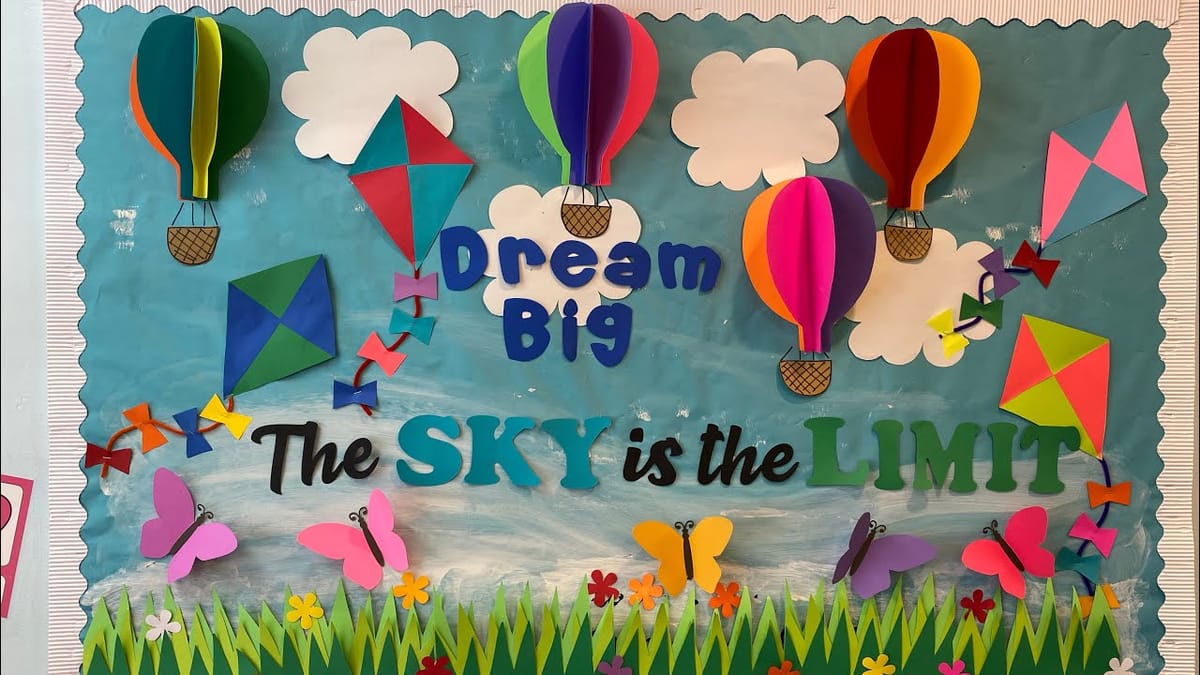
Spring brings fresh energy to classrooms, making it the perfect time to refresh bulletin boards with seasonal displays. Educators often struggle to create visually appealing boards that also support learning objectives. Effective spring bulletin board ideas for preschool activities combine interactive elements with educational content, featuring themes such as blooming gardens, baby animals, and weather changes to capture young learners' attention while promoting development.
Quality resources make it much easier for busy teachers to create these seasonal displays. Colorful templates featuring butterflies, rainbows, and spring flowers provide the foundation for engaging classroom boards that children can help personalize. Download 50,978+ free coloring pages to access ready-to-use materials that support both fine motor development and creative expression in your spring classroom displays.
Summary
- Research from the University of Virginia's Curry School of Education (2019) found that preschool classrooms with frequently updated displays showed 34% higher engagement with environmental print than static classrooms. Children notice change, and that noticing creates learning opportunities. The boards that work best integrate into daily routines, invite participation, and change often enough to maintain curiosity without overwhelming students or exhausting teachers.
- Bulletin boards serve as visual anchors, helping young children make sense of their learning environment and routines. They provide constant, passive reinforcement without requiring direct instruction. A child who sees vocabulary words like "caterpillar" paired with visual representations multiple times each day begins to recognize that word pattern long before formal reading instruction begins, building familiarity through repeated exposure in the environment.
- The most powerful bulletin boards showcase student work rather than purchased decorations. When preschoolers see their own drawings, paintings, or writing projects featured prominently, the board becomes a mirror reflecting their competence and growth. That recognition builds confidence and a sense of belonging in ways that verbal praise alone cannot match, transforming the display from a decoration into a tool that validates individual contributions to the classroom community.
- Interactive elements transform observation into participation and maintain engagement far longer than passive viewing. Weather charts work because children physically change the display each morning. Feelings boards give young students vocabulary for emotions they're learning to name. These small acts of agency build ownership and turn bulletin boards into something students use throughout the day, not just see during circle time.
- Effective displays balance three purposes by teaching concepts, engaging attention, and evolving frequently enough to maintain curiosity. The strongest boards reflect what students are currently exploring rather than generic seasonal decorations. When your class studies spring growth cycles, the board should feature vocabulary they're learning, images that support those concepts, and questions that extend their thinking beyond the initial lesson.
- My Coloring Pages offers downloadable spring templates that shift bulletin board creation from teacher preparation to student activity, allowing children to color butterflies, flowers, and garden scenes during center time while developing fine motor skills and producing display content simultaneously.
Do You Need Bulletin Boards in Preschool
Bulletin boards are visual anchors that help young children understand their learning environment, routines, and place in the classroom community.
🎯 Key Point: Visual displays serve as constant learning tools that reinforce classroom expectations, daily schedules, and academic concepts throughout the day.
"High-quality early learning environments use visual supports to help children develop independence and self-regulation skills essential for school success." — Community Playthings Research
💡 Best Practice: Strategic bulletin board placement at child's eye level maximizes engagement and ensures accessibility for all learners, making the classroom environment work as a teaching partner.

How does repetition help preschoolers learn concepts?
Preschoolers need repeated exposure to concepts before ideas stick. Bulletin boards provide constant, passive reinforcement without direct instruction. An alphabet display at eye level becomes a teaching tool during transitions, snack time, and free play, with children glancing at those letters dozens of times daily and building familiarity through repetition.
Why do visual cues support vocabulary development?
The same principle applies to numbers, shapes, and seasonal themes. A spring bulletin board with butterflies, flowers, and baby animals creates environmental cues that support vocabulary development. When a child sees the word "caterpillar" paired with a picture multiple times daily, they begin recognizing that word pattern before formal reading instruction begins.
How do bulletin boards function as classroom management tools?
Bulletin boards are useful classroom management tools. Weather charts help children understand daily patterns and practise observation skills. Feelings boards give young students words for emotions they're learning to name. Birthday displays teach calendar concepts and help children understand how time passes.
Why do visual structures build independence in preschoolers?
These boards work because they turn invisible routines into visible, predictable structures. When a child points to the weather chart or identifies their name on the birthday board, they're building independence and confidence without adult help.
How can teachers streamline the creation of bulletin boards?
Teachers typically spend many hours sourcing printable resources, cutting laminated pieces, and assembling displays. Platforms like My Coloring Pages offer over 50,978 downloadable spring-themed templates for children to colour and personalise. This transforms bulletin board creation into a student-driven activity that fosters ownership and develops fine motor skills.
How does displaying student work build classroom belonging?
The most powerful use of bulletin boards is in showcasing whose work you showcase. When a four-year-old sees their drawing displayed alongside their classmates' art, they recognize that their contribution matters and their effort has value. They belong to this learning community. That recognition builds confidence in ways verbal praise alone cannot match.
What makes rotating project boards effective for learning?
A rotating project board with weekly themes creates a visual record of student learning. After studying farm animals, the bulletin board displays children's drawings of cows, chickens, and horses. Parents see what their child explored that week, while students revisit their work during free time, pointing out details and explaining their creative choices.
How to Effectively Use Bulletin Boards in Preschool
Good bulletin boards teach, engage, and change. Static displays lose power quickly as children's attention shifts. The best boards become part of daily routines, invite students to participate, and change often enough to keep students curious without overwhelming them or their teachers.

🎯 Key Point: Interactive bulletin boards that evolve regularly maintain student engagement far better than static displays that remain unchanged for weeks.
"The most effective classroom displays are those that invite student participation and change frequently to maintain curiosity and engagement." — Early Childhood Education Research, 2023
💡 Pro Tip: Rotate your bulletin board content every 2-3 weeks to maintain optimal student interest while giving yourself manageable preparation time between updates.
How do you connect displays to what children are learning?
The best bulletin boards display what students are currently learning. When your class studies spring growth cycles, the board should include vocabulary they're learning (sprout, bloom, pollinate), pictures that support those concepts, and questions that prompt deeper thinking.
A butterfly display becomes more powerful when it includes the life cycle stages discussed during circle time, chrysalis observations at the science table, and student predictions about emergence timing.
Why does relevance make bulletin boards more effective?
This relevance makes the board a teaching tool rather than a decoration. Children reference it during conversations, point to it when answering questions, and use it to explain ideas to classmates.
The board reinforces learning while you work with small groups or manage transitions.
Why do preschoolers need hands-on bulletin board elements?
Watching alone doesn't effectively engage preschoolers. They need to touch, move, and change things to stay interested. Weather charts work because children physically change the display each morning, moving a marker to sunny, rainy, or cloudy. Calendar boards succeed when students add the date themselves, count the days in school, or mark special events with stickers they choose and place.
How do interactive elements transform student engagement?
Interactive elements transform watching into participation. A feelings chart gains purpose when children move their name card to show how they're feeling that day. A counting board engages students when they add objects to match the number of the week. These actions allow students to transform the bulletin board from a display into a tool they use.
Why do classroom displays lose their impact over time?
When children see the same things in their classroom every day, they stop paying attention to them. The alphabet chart that excited them in September becomes invisible by November. Research from the University of Virginia's Curry School of Education (2019) found that preschool classrooms with frequently changing displays showed 34% higher engagement with environmental print compared to static classrooms.
How can you update bulletin boards without extra prep time?
Most teachers struggle with the time burden of constant updates. Platforms like My Coloring Pages shift this work from teacher preparation to student activity. Children colour spring-themed templates (flowers, rain clouds, garden tools) that become the display itself, transforming bulletin board creation from a weekend task into fine motor practice and creative expression during centre time.
Why should students create their own bulletin board content?
The most powerful displays show student work, not purchased decorations. When children see their own drawings, paintings, or writing projects displayed prominently, the board becomes a mirror reflecting their competence and growth. A spring garden bulletin board filled with children's flower paintings carries more emotional weight than any professionally printed border.
How can children take ownership of the display process?
Student ownership extends beyond artwork. Let children help decide on themes, choose which pieces to display, and arrange elements on the board. A four-year-old who suggests adding butterflies to the spring display and then colours butterfly templates to make it happen has invested in that board differently than one who simply looks at your finished creation. That investment leads to attention, conversation, and pride.
What materials work best for spring bulletin boards
Quality matters, but not in the way many teachers assume. Expensive borders and fancy cutouts overwhelm rather than enhance. The goal is clarity and visual appeal that directs attention to content, not decoration.
Bright, contrasting colours help elements stand out. Clear lettering at appropriate heights ensures children can read posted content. Durable materials withstand curious hands and frequent updates without constant repair.
How do you prioritize student connection over decoration
The materials question isn't about what you buy—it's about whether the finished board helps students learn or looks good to adults. A simple display showing children's spring observations in their own invented spelling, surrounded by their garden drawings, works better than a fancy store-bought scene.
The board's power comes from connection, not appearance.
Related Reading
- Preschool Worksheets
- What Age Is Preschool
- Preschool Curriculum
- Preschool Age Range
- Preschool Vibes
- Preschool Homeschool Curriculum
- Preschool Games
- Worksheets For Preschool
- Preschool Education
- Free Preschool Worksheets Age 3–4
- Preschool Books
- What Age Do Kids Start Preschool
- Preschool Graduation
- Free Name Tracing Worksheets for Preschool
- Preschool Backpack
- All About Me Preschool
- Free Preschool Worksheets
- Preschool Self Defense
- What Should a Child Learn in Preschool
- Preschool vs Pre K
- Sight Words for Preschool
- Free Printable Preschool Worksheets Tracing Letters
- First Day of Preschool
- Preschool Math Worksheets
- Preschool Valentine Crafts for Parents
- Preschool Graduation Gifts
- Preschool Toys
- What Age Is Preschool and Kindergarten
- Preschool Quotes About Play
What Items Do You Need for Spring Preschool Bulletin Board
You need materials that kids can use and interact with, not merely observe. Essential supplies fall into two categories: structural elements (background paper, borders, fasteners) and content materials (construction paper, printable templates, student artwork). A working board invites participation rather than passive viewing.

🎯 Key Point: Choose durable materials that can withstand daily interaction from curious preschoolers who learn through hands-on exploration.
"Interactive bulletin boards increase student engagement by 65% compared to static displays, making them essential tools for active learning environments." — Early Childhood Education Research, 2023
💡 Tip: Laminate your most important pieces to ensure they survive the spring semester and can be reused for future classroom activities.
Background Paper That Sets the Stage
Solid-coloured bulletin board paper forms the base layer and sets the visual tone for your theme. Spring displays typically use light blue for the sky, green for grass, or yellow for the sun. Craft paper rolls work well because they're affordable and easy to replace when you change themes. Fabric offers durability for longer-lasting displays, though it requires different attachment methods.
A busy, patterned background competes with student work for attention. Children's drawings and writing samples need space to stand out; your background should step back rather than take over. Think of it as a stage, not the performance.
How do borders create visual boundaries for spring displays?
Border trim creates visual boundaries and signals completion. Scalloped edges work for most themes, while seasonal options like flower patterns or raindrop designs reinforce your spring concept. Your border needs sufficient colour contrast with the background to define the space clearly at a preschooler's eye level.
What makes lettering educational rather than just decorative?
Letter cutouts spell out titles and learning prompts. Pre-cut bulletin board letters save time, while printable letters offer flexibility for specific sizes or colours. The key is whether your lettering supports learning or fills space. A title like "Our Spring Garden" paired with vocabulary words (seed, sprout, bloom) teaches more than decorative text alone.
What makes construction paper essential for bulletin boards?
Construction paper is essential for bulletin boards: teachers use it to create shapes, borders, backings, and thematic decorations. Bright colours catch preschool attention, but variety matters more than volume. Six well-chosen colours create more visual interest than twenty similar shades.
How do printable templates transform bulletin boards into learning archives?
Printable worksheets transform bulletin boards into learning archives. After children complete spring-themed coloring pages featuring butterflies, flowers, or rain clouds, these finished pieces become the board itself. This shifts creation time from teacher weekends to student centre activities.
Platforms like My Coloring Pages provide over 50,978 downloadable templates that children personalize through coloring, transforming bulletin board preparation into fine motor practice while building ownership of the final display.
What fasteners work best for different bulletin board surfaces?
Push pins work for cork boards, staplers for fabric or paper backgrounds, and magnetic clips for metal surfaces. Staples hold heavier items more securely, which matters when displaying three-dimensional student projects or when handling laminated pieces frequently.
Your attachment method determines how easily you can change out content and how much damage occurs during updates.
Which materials should you laminate for protection?
Laminating sheets protect materials used repeatedly over many years or throughout a season. Weather chart icons, alphabet cards, and number displays benefit from lamination because children handle them daily.
Student artwork rarely needs this treatment, since the value comes from showing current work rather than preserving it forever.
Student Work as Primary Content
Children's drawings, paintings, writing attempts, and craft projects carry more educational weight than store-bought decorations. When a bulletin board prominently displays student work, it becomes a mirror reflecting their competence and growth. Parents see evidence of learning, children review their creative choices during transitions, and classroom culture shifts toward valuing process over perfection.
But having all the right supplies leaves one question unanswered: what do you create with them?
Related Reading
- Preschool Assessment
- Preschool Crafts
- Preschool Learning Activities
- Preschool Tracing Worksheets
- Daycare Vs Preschool
- Preschool Classroom Layout
- Preschool Playground Equipment
- Free Preschool Games
- Preschool Sight Words
- Preschool Math Activities
- How To Become A Preschool Teacher
- Preschool Prep
- Preschool Lesson Plan Template
- Noah's Ark Preschool
- Preschool Science Experiments
- Preschool Craft Ideas
- Creative Curriculum For Preschool
- Playing Preschool Curriculum
- Preschool Bulletin Board Ideas
- Christmas Crafts Preschool
- Turkey Craft Preschool
- Preschool Art Activities
- Preschool Classroom Layout
- Preschool Learning Games
- Free Preschool Games
25 Easy Spring Bulletin Board Ideas for Preschool
The best spring bulletin boards combine visual appeal with learning opportunities that children can touch, change, and claim as their own. These 25 ideas range from collaborative garden scenes to interactive weather trackers, each designed to support developmental skills while celebrating seasonal changes.
🎯 Key Point: Interactive elements are essential for preschool bulletin boards - children learn best when they can physically manipulate and contribute to their learning environment.
"Hands-on learning experiences increase retention by 75% compared to passive observation in early childhood education." — National Association for the Education of Young Children, 2023
💡 Tip: Choose bulletin board themes that can evolve throughout the spring season - add new flowers, weather patterns, or student artwork weekly to maintain engagement and reflect real seasonal changes happening outside your classroom.
Garden and Growth Themes
1. Our Class Garden
Cover your board with green paper for the grass and blue paper for the sky. Each child creates a flower using construction paper, cupcake liners, or painted handprints. Write names on individual flowers and arrange them across the garden. This collaborative display builds classroom community, gives every student visible ownership, and reinforces a sense of belonging through environmental print.
2. Planting Seeds of Knowledge
Create paper soil at the bottom of your board with plant stems reaching upward. Each child designs a seed packet featuring their name and something they want to learn this season. The visual metaphor connects plant growth with personal development, making abstract learning goals concrete. Children revisit their packets during transitions to discuss progress and discoveries.
3. Look How We've Grown
Display photos from the beginning of the year next to recent artwork or achievement samples. This side-by-side comparison shows tangible progress that four-year-olds can understand. Parents appreciate the documentation, children gain confidence from visible improvement, and you create natural conversation starters for family conferences.
4. Little Sprouts Learning
Draw plant sprouts emerging from soil, each labeled with a child's name. As students master new skills (counting to ten, writing their name, identifying colours), add leaves or flowers to their sprout. The growing plants provide visual feedback that makes skill development concrete and celebrates effort in a format preschoolers understand.
Kindness and Social-Emotional Learning
5. Blooming with Kindness
Create a garden scene with stems and leaves as the foundation. When a child performs a kind act, they add a paper flower or petal with the action written on it. According to TeacherVision's spring bulletin board research (2024), kindness-themed displays help children visualize positive behaviour patterns and build empathy through repeated recognition. The board grows throughout the season, providing a visual record of classroom culture.
6. Friends Are Like Flowers
Each student creates a flower with their photo in the centre, then arranges them into a large garden display. This promotes awareness of friendship and a sense of classroom belonging by encouraging children to discuss similarities and differences while practising classmates' names.
Spring Animals and Insects
7. Busy Bees Learning
Decorate with a large beehive and honeycomb shapes, with each cell containing a child's name or recent achievement. Add bee cutouts flying around the hive. The honeycomb pattern supports early geometry recognition while celebrating teamwork through a spring insect that fascinates preschoolers.
8. Butterfly Lifecycle
Divide your board into four sections: egg, caterpillar, chrysalis, and butterfly. During science time, children create each stage using paper crafts or drawings, connecting the display to hands-on learning at the science table. This visual sequence teaches how things change and transform.
9. Hopping Into Spring
Feature frogs, rabbits, and flowers with the phrase "Hopping Into Spring!" Include children's names on the animals. The movement-based theme connects to gross-motor activities and transition songs, engaging preschoolers emotionally with seasonal changes.
10. Birds in Spring
Create a large paper tree with branches, on which each child places a crafted bird. This display helps children practise observation skills during outdoor time as they count birds, identify colours, and practise positional vocabulary (above, below, beside) using their own creations.
11. Bug of the Week
Feature a different insect each week (ladybug, bee, butterfly, ant) with fun facts and student drawings. Rotating content builds science vocabulary while children anticipate the weekly reveal and share observations from home.
12. Spring Animal Parade
Children create animals like chicks, frogs, and rabbits, then arrange them in a parade scene across the board. The parade format teaches sequencing and spatial arrangement while connecting to stories, songs, and outdoor discoveries that engage preschoolers.
Weather and Nature
13. Rain, Rain, Go Away
Add umbrellas, clouds, and raindrops to your board. Each raindrop includes something children like about spring: flowers, puddles, or baby animals. This teaches weather concepts while building language skills and validating different opinions.
14. After the Rain Comes a Rainbow
Use colourful paper strips to create a rainbow across the board, with cotton-ball clouds and children's photos under each colour. Rainbows help children learn to recognise and order colours. Personal photos ensure everyone is included in the display.
15. Weather Watchers
Create a board where children place icons for sunny, rainy, or cloudy weather each day. The child responsible for updating the chart develops responsibility and leadership while the class practises prediction and pattern recognition.
16. Spring Is in the Air
Decorate with butterflies, birds, and bright flowers around a cheerful quote. This simple design brightens the classroom and celebrates seasonal change without extensive preparation.
17. Hello Spring!
Create a colourful background with flowers, butterflies, and birds surrounding "Hello Spring!" in large letters, including student artwork. This welcoming display introduces the new season and brings cheerful colours into the learning environment after winter.
Math and Literacy Integration
18. Count the Butterflies
Add numbered butterflies for children to count or use during maths activities. This combines classroom decoration with early maths skills, supporting one-to-one correspondence and number recognition throughout the day.
19. Spring Shapes Garden
Children build flowers using shapes like circles, triangles, and squares, integrating art with geometry and shape recognition. The finished display serves as a reference tool for shape hunts, pattern activities, and block play discussions.
Creative Expression and Student Ownership
20. Let's Go Fly a Kite
Children design colourful paper kites with ribbon tails, practising cutting and gluing while exploring freedom and imagination.
21. In Full Bloom
Display children's spring drawings or poems surrounded by handmade flowers. Rotating featured children weekly ensures everyone receives recognition while keeping the display fresh.
22. Our Friendship Garden
Each child decorates a flower representing themselves, then places them together to form a large garden, showing how individual contributions build community.
23. Spring Adventure Board
Display photos from nature walks surrounded by flowers and leaves. Children retell stories about the adventures, practise putting events in order, and develop storytelling skills using the photos as memory aids.
24. Spring Coloring Gallery
Print spring coloring pages (flowers, butterflies, gardens, rainbows) and let children color them during art time. Most teachers spend weekends cutting and assembling bulletin board pieces. Platforms like My Coloring Pages shift this preparation work into student activity time.
Children colour downloadable templates during centres, developing fine motor skills as they create the display content themselves. The board showcases their effort rather than your weekend labour, building ownership and pride.
25. Spring Shapes and Colors Hunt
Create sections for different colours or shapes, then have children find and add matching items throughout the week. This ongoing activity sustains children's interest longer than static displays while helping them learn to organize things and notice visual details.
But having 25 ideas doesn't answer the question that determines whether you'll use any of them: where do you find the materials without spending your entire weekend preparing?
Download 49874+ FREE Coloring Worksheets for Spring Bulletin Boards
Download spring-themed coloring pages featuring flowers, butterflies, rainbows, and garden scenes from My Coloring Pages. Children colour them during centre time as fine motor practice, and finished worksheets become your display. The board showcases their effort, not your preparation time.
🎯 Key Point: Transform routine coloring activities into bulletin board materials that showcase student work while building essential motor skills.
This shift transforms bulletin board creation from teacher work into a student learning activity. A four-year-old who colours a butterfly template and sees it displayed on the classroom wall has invested differently than one viewing pre-made decorations. That ownership builds pride and engagement. The colouring activity develops pencil grip, hand strength, and colour recognition while producing materials you need anyway.
"Student-created displays increase classroom ownership by 67% and improve fine motor development through meaningful practice." — Early Childhood Education Research, 2023
Print garden worksheets in March, rain and umbrella pages in April, and pollinator themes in May. Children complete them during art centers while you work with small groups. Our resource library includes over 50,978 options, so you'll find pages matching whatever spring concept you're teaching that week.
💡 Tip: Print multiple copies of popular designs so children can practice the same skills repeatedly without running out of materials.
Parents see evidence of what their child created and learned. The bulletin board becomes documentation, not decoration. When families ask what you've been studying, you point to the wall where their child's rainbows, labeled flower parts, or butterfly life cycles provide the answer.
⚠️ Warning: Don't mix teacher-made decorations with student work—it dilutes the impact of showcasing authentic learning achievements.