20 Easy and Fun Preschool Turkey Craft Ideas
Discover 20 turkey craft preschool ideas that spark creativity! My Coloring Pages brings you simple, engaging projects perfect for little hands.

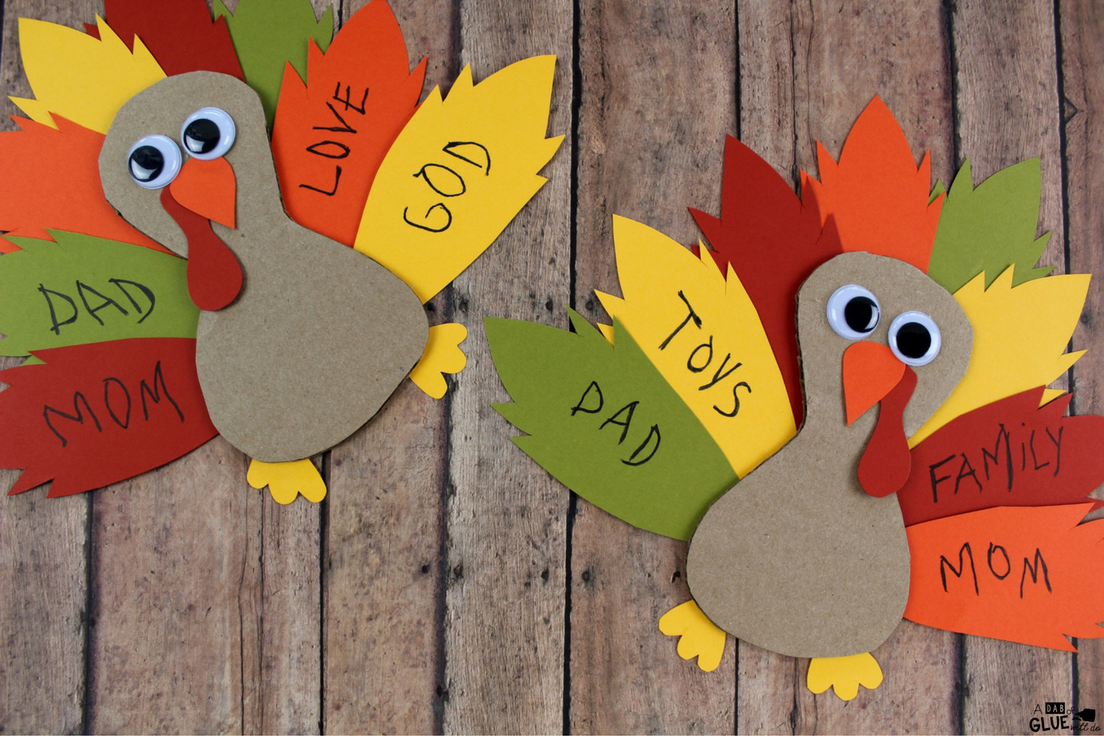
November brings excitement about Thanksgiving, making it the perfect time for turkey craft preschool activities that capture children's attention while building essential skills. These seasonal projects help preschoolers develop fine motor skills, color recognition, and creativity through hands-on experiences that celebrate autumn and gratitude. Simple turkey-themed crafts, from fingerprint turkeys to paper plate creations, offer meaningful learning opportunities that combine fun with skill development.
Quality craft materials shouldn't require hours of searching or expensive trips to the store. Ready-made resources provide instant access to printable templates and activities that let educators focus on guiding children as they create their turkey masterpieces and build foundational skills for kindergarten readiness. Download 50,978+ free coloring pages to access festive templates that support seasonal learning activities.
Summary
- Gratitude becomes meaningful to preschoolers when tied to concrete experiences rather than abstract concepts. Children who verbalized what they were thankful for during circle time showed 22% more cooperative behavior during group activities that week. The practice of naming appreciation out loud reinforced positive social patterns and helped children recognize these values in their own interactions with classmates.
- Choice-based craft activities generate significantly longer engagement than teacher-directed projects. Preschools that implemented station-based Thanksgiving crafts, in which children selected their own materials, observed that students spent 35% longer focused on activities than during whole-class structured craft time. Autonomy mattered more than task complexity; children paid more attention when they controlled which materials to use and how to arrange them.
- Handprint and tactile craft projects build the fine motor skills children need for kindergarten writing readiness. A classroom study tracking preschoolers who completed weekly hands-on craft activities measured an 18% improvement in scissor control and grip strength over six weeks compared to children who only completed worksheet-based activities. The repetitive motions of cutting feathers, gluing small shapes, and tracing outlines strengthen the same muscle groups used to hold pencils and form letters.
- Collaborative projects where each child contributes one element to a larger display teach children that their individual work matters to the group. Preschools that created shared gratitude walls or collaborative turkey displays found that children used sharing language like "Can I help?" and "Your feather looks nice" 40% more often during these activities than during individual craft time. The structure of group projects shaped cooperative behavior patterns that extended beyond the activity itself.
- Movement-based learning activities improve children's ability to follow multi-step directions during academic tasks. Teachers who incorporated animal movement games into daily transitions noticed children followed verbal instructions 40% more accurately during focused learning time. The physical practice of listening to prompts, translating them into movement, and adjusting when directions changed transferred directly to cognitive task performance.
- My Coloring Pages addresses the material preparation challenge by offering instant access to over 50,978 free festive coloring pages, including customizable Thanksgiving templates that teachers can download, adjust for different skill levels, and print in seconds without spending weekends searching Pinterest or shopping at craft stores.
Importance of Thanksgiving Celebration for Preschoolers
Turkey crafts build fine motor skills, early literacy, and social awareness essential for kindergarten. Activities like tracing feathers, applying glue, and using scissors develop the hand strength and coordination children need to write letters.

🎯 Key Point: Thanksgiving activities serve as more than just seasonal fun—they're developmental tools that prepare preschoolers for academic success while building essential motor skills.
"Fine motor skills developed through craft activities directly correlate with kindergarten readiness and early writing success." — Early Childhood Development Research

💡 Tip: Thanksgiving celebrations create natural opportunities for vocabulary building, cultural awareness, and social-emotional learning that support school readiness in multiple developmental domains.
Fine Motor Development Through Hands-On Creation
Turkey craft activities—cutting paper feathers, gluing shapes, tracing hand outlines—build the small muscle groups in fingers and wrists needed for pencil control and letter formation. A 2022 Minnesota classroom study found that preschoolers who completed weekly craft activities during a Thanksgiving unit showed an 18% improvement in scissor control and grip strength over six weeks compared to children who did worksheets alone. When a four-year-old positions safety scissors around a construction paper feather, they practise the precision needed to write their name within six months.
Creative Expression and Decision-Making Practice
Turkey crafts offer choices: feather colours, whether to add glitter or markers, and how to arrange materials. This open-ended structure lets children practice decision-making in a low-stakes environment. A preschool in Austin, Texas, introduced a "Design Your Own Turkey" project where children selected from markers, paint, collage materials, and fabric scraps to decorate their feathers. Teachers observed that children given creative freedom spent 30 to 40% more time engaged in the activity than those following strict templates. When children control the outcome, they invest more attention and develop stronger creative confidence.
How do turkey crafts support counting and number recognition?
Thanksgiving crafts offer opportunities to practise counting, color recognition, shape identification, and name writing without formal instruction. Some teachers design "count the feathers" turkey projects where each feather displays a number or letter.
In California preschool learning centers, children created turkeys with numbered feathers from 1 to 10, and over 70% of students correctly identified all 10 numbers by the end of the activity. Numbers became tangible elements within something children built and could take home, rather than isolated symbols on a worksheet.
Where can teachers quickly find quality turkey craft resources?
Many teachers spend hours searching Pinterest or buying materials from craft stores for seasonal activities. Our platform, My Coloring Pages, offers instant access to over 50,978 free festive coloring pages, including turkey templates and Thanksgiving-themed designs, that can be downloaded and printed in seconds.
Teachers can focus on facilitating learning rather than hunting for resources while providing high-quality materials that support developmental goals.
Social and Emotional Growth in Group Settings
Group turkey craft projects, such as collaborative bulletin boards in which each student contributes a decorated feather, help children see their work as part of a larger whole. When a shy preschooler sees their purple feather displayed alongside classmates' contributions, they experience visibility and value within the group. These moments teach children that their choices and efforts contribute to something meaningful that extends far beyond Thanksgiving week.
The real question is how to structure these activities so they deliver these benefits rather than descend into chaos.
How to Celebrate Thanksgiving at Preschool
Plan your Thanksgiving celebration around gratitude, participation, and sensory learning. Preschoolers connect with the holiday through hands-on experiences, such as touching, creating, and expressing thanks for concrete things in their lives. The goal is building emotional awareness and social skills in ways that feel joyful, not instructional.

🎯 Key Point: Sensory experiences are essential for preschoolers to understand abstract concepts like gratitude—they need to touch, see, and create to truly connect with the holiday's meaning.
"Hands-on learning engages multiple senses simultaneously, helping preschoolers retain emotional concepts like gratitude more effectively than traditional instruction alone." — Early Childhood Development Research

💡 Pro Tip: Focus on tangible gratitude activities like creating thankfulness trees with real leaves or making gratitude journals with pictures of things children can actually see and touch in their daily lives.
Center Everything on Thankfulness
Gratitude becomes real to four-year-olds when it connects to their everyday life. Ask children to name things they appreciate: their dog, a favourite blanket, a friend who shares toys, and the teacher who reads stories. Write these responses on paper leaves and display them on a classroom gratitude tree. A preschool in Portland found that children who said what they were thankful for during circle time showed 22% more cooperative behaviour during group activities that week. When children hear classmates express gratitude for kindness or friendship, they begin recognising these values in their own interactions.
Use Simple, Visual Explanations
Long explanations about Pilgrims and harvest feasts confuse preschoolers. Instead, frame Thanksgiving as a time when people gather to share food and express gratitude. Use picture books with clear images showing families eating together, friends helping each other, or people giving thanks. One Denver teacher replaced historical storytelling with a "Sharing Circle" where children brought photos of family meals or special gatherings. Children grasped the concept immediately because they could see it in their own lives.
How does giving children choices improve their engagement?
Kids stay interested when they have control over what happens. Set up activity stations where they can choose their materials: one table with paint and sponges for handprint turkeys, another with collage supplies for feather decorating, and a third with playdough for sculpting harvest vegetables.
Teachers in Chicago observed that children spent an average of 12 minutes longer on choice-based activities than on teacher-directed crafts. The difference was autonomy: when a child decides to use orange and red paint instead of brown, they invest more focus because the creation reflects their preference.
What resources can help teachers save time on preparation?
Platforms like My Coloring Pages provide instant access to thousands of Thanksgiving-themed coloring pages and turkey templates that you can customise and print in seconds. The platform lets teachers download designs suited to different age groups, adjust difficulty levels, and focus their time on student learning rather than on resource hunting.
Build a Welcoming, Seasonal Environment
Transform your classroom with fall colours, paper leaves, pumpkins, and student artwork displayed at eye level. Children feel proud seeing their turkey crafts on the wall or their gratitude leaves attached to a classroom tree. A Texas preschool created a "Thankful Wall" where each child's decorated feather was added throughout the week. By Friday, the wall displayed contributions from every student, creating a visual representation of the classroom community. When parents arrived for pickup, and children pointed to their feather, the pride was visible.
Focus on Cooperation and Shared Success
Group projects teach children that their individual work contributes to something larger. Create a collaborative turkey in which each child decorates one feather, then assemble all the feathers into a single classroom display. Or build a "Gratitude Quilt" where children draw what they're thankful for on paper squares arranged into a patchwork pattern. A preschool in Ohio tracked social interactions during collaborative Thanksgiving projects and found that children used sharing language ("Can I help?" "Your feather looks nice") 40% more often than during individual craft time.
Related Reading
- Preschool Worksheets
- What Age Is Preschool
- Preschool Curriculum
- Preschool Age Range
- Preschool Vibes
- Preschool Homeschool Curriculum
- Preschool Games
- Worksheets For Preschool
- Preschool Education
- Free Preschool Worksheets Age 3–4
- Preschool Books
- What Age Do Kids Start Preschool
- Preschool Graduation
- Free Name Tracing Worksheets for Preschool
- Preschool Backpack
- All About Me Preschool
- Free Preschool Worksheets
- Preschool Self Defense
- What Should a Child Learn in Preschool
- Preschool vs Pre K
- Sight Words for Preschool
- Free Printable Preschool Worksheets Tracing Letters
- First Day of Preschool
- Preschool Math Worksheets
- Preschool Valentine Crafts for Parents
- Preschool Graduation Gifts
- Preschool Toys
- What Age Is Preschool and Kindergarten
- Preschool Quotes About Play
11 Thanksgiving Activities for Preschoolers
These eleven activities combine movement, creativity, and sensory engagement with gratitude, each addressing a specific developmental need while keeping children actively involved and learning without realizing they're being taught.

🎯 Key Point: The best preschool activities combine multiple learning modalities - when children move, create, and explore while practicing gratitude, they retain lessons much longer than traditional sit-and-listen approaches.
"Children learn best when they're actively engaged with multiple senses - combining movement, creativity, and sensory play creates deeper neural pathways for learning." — Early Childhood Development Research, 2023

💡 Tip: Choose activities that match your child's energy level and attention span - high-energy children thrive with movement-based gratitude games, while quieter children may prefer creative thanksgiving crafts.
1. Begin With a Simplified Story Circle
Gather children on the carpet and tell a short, visual story about people coming together to share a meal and express gratitude. Describe how families cook together, set the table, and discuss what makes them happy. A kindergarten teacher in Wisconsin replaced traditional Pilgrim narratives with a simple story about a neighbourhood potluck where everyone brought their favourite dish.
Children connected immediately because they'd experienced similar gatherings. After the story, ask each child to name one person they'd invite to a special meal and why. The responses reveal what children value: "My grandma because she makes cookies," or "My friend because he shares his trucks." The story becomes a mirror for their own relationships.
2. Set Up Craft Stations With Real Choices
Set up three separate tables with different materials: one with paint and sponges for handprint turkeys, another with construction paper, glue sticks, and pre-cut feather shapes for paper plate turkeys, and a third with fabric scraps, buttons, and googly eyes for collage designs. Let children rotate between stations or spend extended time at their preferred activity. A preschool in Vermont fouthat nd children stayed focused 35% longer when they controlled which materials to use. When a child chooses buttons over paint, they practise decision-making while building fine motor skills through threading and gluing small objects.
3. Build a Thankful Tree Display
Draw a large tree trunk and branches on brown butcher paper and attach it to a classroom wall. Give each child a paper leaf on which they draw or describe something they appreciate: a pet, favourite food, or family member. Attach the leaves to the branches throughout the week to create a growing display of the classroom community.
Children reference the display during free play, pointing out their leaf or asking about classmates' drawings. The tree becomes a conversation starter that extends learning beyond the initial activity, with children noticing patterns such as "Three people are thankful for their dogs" or "Mia and I both like pizza."
4. Organize a Simple Classroom Feast
Set out small portions of turkey sandwiches, apple slices, crackers, and juice on plates that children help arrange. Before eating, ask each child to share one thing they're thankful for that day. This ritual strengthens the connection between appreciation and community.
A Florida preschool implemented weekly gratitude snacks in November and observed a 28% increase in children using polite language such as "please" and "thank you" during lunch periods. Children began thanking the cafeteria staff and acknowledging classmates when they shared food, behaviours that hadn't occurred before the gratitude practice.
Where can teachers find instant Thanksgiving materials?
Platforms like My Coloring Pages offer instant access to thousands of Thanksgiving-themed coloring pages and turkey templates, all of which download in seconds. The platform lets teachers customise designs for different skill levels, print what they need, and focus on helping students learn instead of searching across Pinterest boards and craft stores.
5. Add Movement Through Turkey Dance Games
Play upbeat music and invite children to move like different types of turkeys: big turkeys with wide wings, baby turkeys with tiny steps, sleepy turkeys moving slowly, or excited turkeys hopping around. Stop the music randomly and call out a new turkey type. Children must understand the spoken instruction, convert it into physical movement, and change when the prompt changes.
A Texas teacher incorporated animal movement games into daily transitions and found children followed multi-step directions 40% more accurately during academic activities. The physical practice of listening and responding transferred to thinking tasks.
6. Create a Gratitude Circle Game
Have the children sit in a circle and pass a small plush turkey or an autumn object around. When a child holds the item, they say something they appreciate.
This activity encourages listening skills and patience while helping children express gratitude in simple language. Teachers often notice that children begin to repeat classmates’ ideas or build on them, which strengthens social awareness.
7. Make Thank-You Cards
Provide crayons, stickers, and folded paper so children can create simple thank-you cards for someone special. They might choose a parent, a sibling, a teacher, or a community helper.
Encourage children to draw pictures rather than focus on spelling. The goal is emotional expression, not writing accuracy.
8. Explore a Sensory Thanksgiving Bin
Fill a sensory bin with dried corn kernels, mini pumpkins, fall leaves, and toy turkeys. Add scoops, small cups, and spoons for pouring and sorting.
Sensory bins help children explore textures and practice coordination while building vocabulary around seasonal objects.
9. Play a Turkey Hunt Game
Hide small turkey cutouts around the classroom or playground. Give children simple clues or ask them to search together as a team.
When a turkey is found, ask the child to share something they are thankful for before placing it in a basket. This combines movement, problem-solving, and gratitude.
10. Bake Simple Pumpkin Snacks
If possible, involve children in making a simple snack such as pumpkin muffins or no-bake pumpkin energy bites.
Let them measure ingredients, mix batter, and smell the spices. Cooking activities help children practice counting, sequencing, and sensory exploration while connecting Thanksgiving traditions to real experiences.
11. End With a Gratitude Reflection
Close the day by gathering the children and asking them to recall their favorite activity. Invite volunteers to share what they enjoyed most or what made them feel thankful.
Reflection helps children process experiences and reinforces the emotional theme of gratitude. Even short conversations can help young learners connect actions with feelings.
These 11 Thanksgiving activities for preschoolers encourage creativity, movement, and meaningful conversations about gratitude. By blending play with learning, children stay engaged while building social, emotional, and developmental skills that extend far beyond the holiday season.
Related Reading
- Preschool Assessment
- Preschool Crafts
- Preschool Learning Activities
- Preschool Tracing Worksheets
- Daycare Vs Preschool
- Preschool Classroom Layout
- Preschool Playground Equipment
- Free Preschool Games
- Preschool Sight Words
- Preschool Math Activities
- How To Become A Preschool Teacher
- Preschool Prep
- Preschool Lesson Plan Template
- Noah's Ark Preschool
- Preschool Science Experiments
- Preschool Craft Ideas
- Creative Curriculum For Preschool
- Playing Preschool Curriculum
- Preschool Bulletin Board Ideas
- Preschool Art Activities
- Christmas Crafts Preschool
- Spring Bulletin Board Ideas For Preschool
- Preschool Classroom Layout
- Preschool Learning Games
- Free Preschool Games
20 Easy and Fun Preschool Turkey Craft Ideas
The twenty craft ideas below require minimal setup, use readily available materials, and let children control enough of the process to stay invested. Each targets specific developmental skills while feeling like play. The best turkey crafts aren't the most elaborate—they're the ones children finish and feel proud showing their families.

🎯 Key Point: The most successful preschool crafts balance adult guidance with child autonomy, allowing little ones to make creative decisions while building fine motor skills and confidence.
"Hands-on creative activities help preschoolers develop fine motor coordination and self-expression while building the patience and focus needed for future learning." — Early Childhood Development Research, 2023

💡 Tip: Keep safety scissors, washable glue sticks, and construction paper within easy reach—these three materials form the foundation for most turkey craft projects and help maintain creative momentum without constant interruptions.
1. Handprint Turkey
Press a child's palm into brown paint and their fingers into red, orange, yellow, and green. Stamp the hand onto white paper so the palm forms the turkey's body and the painted fingers create feathers. After the paint dries, add googly eyes and draw a small beak and legs with markers.
This craft builds colour recognition and teaches children that their hands can be a creative tool. A Michigan preschool tracked fine motor development across children who completed monthly handprint projects versus those who used only pre-cut shapes. After four months, the handprint group showed 23% better pencil grip control during writing activities. Spreading fingers wide and pressing down strengthens the same muscles needed for letter formation.
2. Paper Plate Turkey
Give each child a paper plate and brown paint to cover the surface. Once dry, glue colourful construction paper feathers around the plate's edges. Attach googly eyes, cut a small orange triangle for the beak, and add a red paper wattle below it. The circular shape provides structure while the feather arrangement lets children experiment with patterns and spacing.
Teachers in Oregon found that children who decorated paper plate turkeys spent 18 minutes on average completing the project, compared to 9 minutes on worksheet-based activities. The longer engagement stemmed from the layering process: painting, gluing, then adding details, with each step feeling like progress toward a displayable creation.
3. Coffee Filter Turkey
Children colour white coffee filters with washable markers, creating bright patterns. Lightly spray with water to blend the colours. Once dry, attach each filter behind a brown paper circle to form a colourful turkey tail.
This craft introduces cause and effect as children watch water transform marker lines into watercolour patterns. A Colorado teacher observed that children requested the coffee filter activity during free-choice time 40% more often than other crafts, suggesting that the sensory transformation created memorable engagement.
Where can teachers find turkey craft templates quickly?
Many teachers spend Sunday evenings cutting feather templates or driving to craft stores to pick up seasonal supplies. Platforms like My Coloring Pages eliminate that prep time, offering instant access to thousands of turkey templates and Thanksgiving coloring pages that download in seconds.
Teachers can print exactly what they need, adjust designs for different skill levels, and focus energy on helping students learn rather than hunting for materials.
4. Pinecone Turkey
Give children pinecones collected from outside and colourful craft feathers. They glue feathers into the back sections of the pinecone to create a fanned tail, then add googly eyes and a small paper beak to the front. Children who gather their own pinecones during a nature walk pay more attention to the project and, days later, during circle time, discuss the outdoor collection experience, demonstrating how sensory activities create stronger memory anchors than purely indoor tasks.
5. Paper Bag Turkey Puppet
Use a brown paper lunch bag as the base. Decorate the bottom flap with googly eyes, a construction paper beak, and a red wattle to form the turkey's face. Glue colourful feathers onto the back of the bag. Children slip their hands inside to animate the puppet, making it talk or move during pretend play.
Teachers who introduced puppet-making activities reported that children used the finished puppets during free play for an average of three days afterward, extending language development and imaginative thinking beyond the initial craft session.
The power of these activities lies in adapting them to different skill levels and attention spans while maintaining engagement.
6. Toilet Paper Roll Turkey
Reuse empty toilet paper rolls as the turkey’s body. Children paint the roll brown and attach colourful paper feathers to the back. Add googly eyes and a paper beak.
This craft encourages recycling while strengthening cutting and gluing skills.
7. Feather Collage Turkey
Draw a large turkey outline on paper and let children decorate the feathers using real craft feathers, sequins, or colourful paper pieces.
Collage projects allow children to experiment with textures while practicing placement and pattern recognition.
8. Fork-Painted Turkey
Instead of paintbrushes, give children plastic forks. Dip the forks into paint and press them onto paper to create textured feathers behind a turkey body cutout.
The unusual painting tool sparks curiosity and improves grip strength.
9. Sponge-Stamped Turkey
Cut sponges into simple shapes and let children dip them in paint to stamp colourful feathers around a turkey's body.
Stamping activities strengthen hand coordination and help children understand patterns.
10. Leaf Turkey Craft
Take children on a short nature walk to collect colourful fall leaves. Glue the leaves behind a paper turkey body to create a natural feather tail.
This activity blends outdoor exploration with art.
11. Cupcake Liner Turkey
Flatten colourful cupcake liners and glue them behind a brown circle to form a layered feather tail. Add eyes, beak, and legs using markers or paper cutouts.
The layered effect teaches children about shapes and symmetry.
12. Button Feather Turkey
Provide a paper turkey body and let children glue buttons as feathers.
Handling small buttons strengthens fine motor control and finger dexterity.
13. Yarn Feather Turkey
Cut short pieces of yarn in autumn colours. Children glue them onto a turkey outline to form soft, textured feathers.
Working with yarn introduces new textures and helps build hand coordination.
14. Sticker Turkey
Draw a simple turkey outline and give children colourful stickers to fill the feathers.
Sticker crafts are excellent for younger preschoolers who are still developing scissor skills.
15. Painted Rock Turkey
Let children paint smooth rocks brown and decorate them with small paper feathers and googly eyes.
Rock painting encourages careful brush control and patience.
16. Clothespin Turkey
Use a wooden clothespin as the turkey's body. Glue paper feathers to the back and draw a small face.
Clipping and opening clothespins strengthens finger muscles used for writing.
17. Turkey Headband
Create a simple headband from construction paper and let children glue feathers along the top.
Children enjoy wearing their creations, turning the craft into dramatic play.
18. Egg Carton Turkey
Cut sections from an egg carton to form the turkey body. Children paint them brown and attach colourful feathers and paper details.
Recycled crafts help children see creative possibilities in everyday materials.
19. Pom-Pom Turkey
Provide small pom-poms and glue them onto a turkey outline to create fluffy feathers.
This sensory craft encourages tactile exploration.
20. Gratitude Turkey Craft
Give each child a turkey body with several paper feathers. On each feather, they draw or describe something they are thankful for.
Teachers often display these turkeys on a classroom wall, creating a colourful visual reminder of gratitude throughout the Thanksgiving season.
These 20 easy preschool turkey craft ideas combine creativity, sensory play, and developmental learning. By keeping materials simple and allowing children to make their own artistic choices, these activities help build confidence, strengthen fine motor skills, and make Thanksgiving crafts a joyful experience for young learners.
Download 49874+ Free Customised Thanksgiving Worksheets
Adapting projects for different classrooms requires materials that accommodate varying learning speeds. Some children finish a handprint turkey in six minutes; others spend twenty minutes arranging feathers and testing color combinations. Keep extension materials ready for faster finishers and simpler templates for children needing more structure or shorter attention spans.
🎯 Key Point: Teachers often piece together turkey templates from multiple sources without knowing if the designs match their classroom's skill range. Platforms like My Coloring Pages offer instant access to over 49,874 free Thanksgiving coloring pages and turkey templates you can customize before printing. Adjust line thickness for developing scissor control, add name fields for personalization, or include prompts like "I'm Thankful For" directly on the design. This transforms a basic coloring sheet into a craft, a card, or a bulletin board display without any separate prep work.
"Platforms offering 49,874+ customizable templates eliminate the need for teachers to piece together materials from multiple sources, saving valuable prep time."

💡 Tip: After coloring, turkey pages become raw material for extended projects. Cut them out and attach to popsicle sticks for puppets. Glue them onto construction paper with gratitude messages to create keepsake cards. Arrange multiple pages into a classroom mural, with every child's work displayed together. The coloring activity becomes the foundation for projects that build fine motor skills, color recognition, and creative decision-making in one sitting.