What Age is Preschool & How to Prepare Kids for Preschool
What age is preschool? My Coloring Pages explains ideal preschool ages and shares proven tips to prepare your child for success.

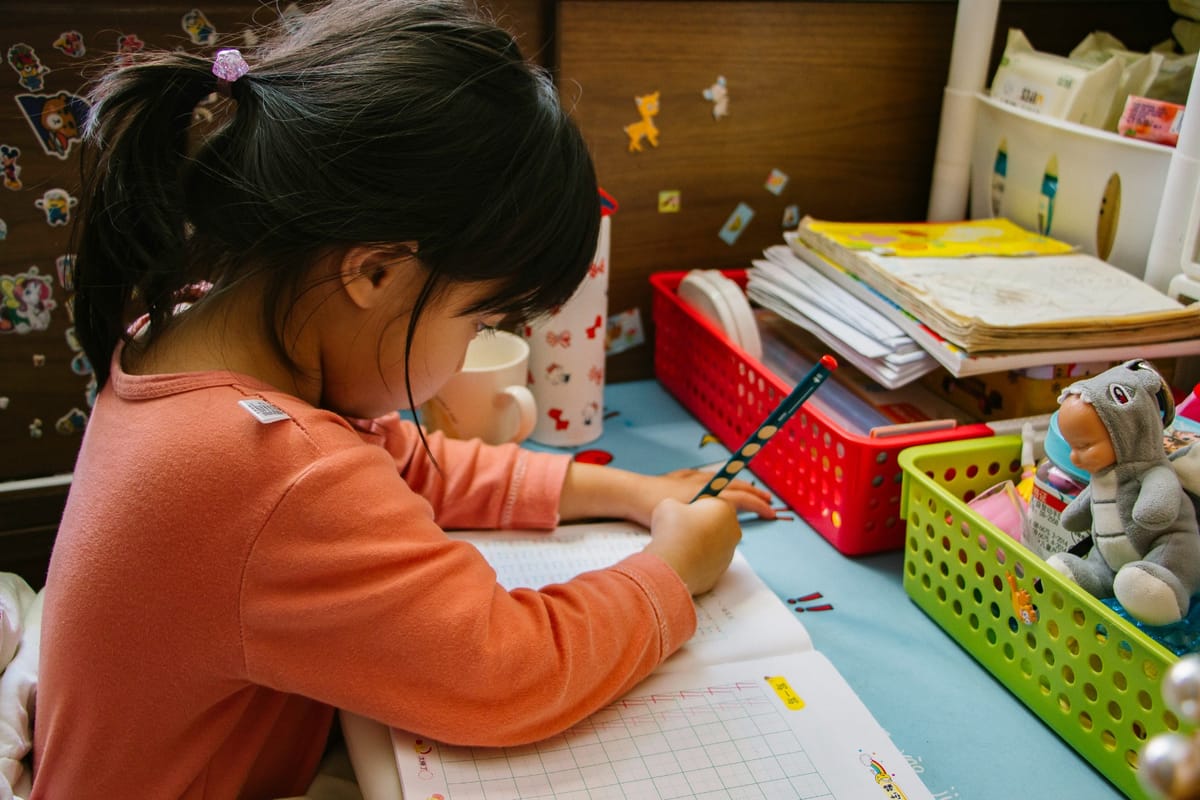
Your child is growing fast, and suddenly you're wondering if it's time for preschool. Most children start between the ages of 2 and 5, with many programs accepting kids around 3 or 4 years old. Choosing the right time isn't just about age on paper, though. Parents need to consider whether their little one is ready for structured learning, social interaction, and the rich world of preschool activities that help shape early development.
Readiness signs matter more than strict age guidelines when determining if a child is prepared for this milestone. Fine motor skills, color recognition, and focus all play important roles in preschool success. Parents can support these developmental areas at home through creative activities that make learning enjoyable and engaging. Resources like 37,025+ FREE Coloring Pages provide hands-on practice with essential skills while keeping young minds excited about learning through play.
Summary
- Preschool typically serves children between ages 2 and 5, but chronological age matters far less than developmental readiness. Programs increasingly organize children by skill level rather than birth year because learning happens when instruction meets actual capability. A 3-year-old who can follow multi-step instructions and engage in group activities might thrive in structured programs, while a 4-year-old needing more social-emotional support benefits from additional time. The National Center for Education Statistics found that in 2021, 54 percent of 3- to 5-year-olds were enrolled in school, reflecting how families navigate this decision based on individual circumstances rather than universal timelines.
- Readiness shows up in observable behavior patterns, not arbitrary milestones. Children who can separate from parents without prolonged distress, follow simple one or two-step instructions, and show interest in playing near peers demonstrate the core capabilities preschool builds upon. These aren't skills children need to master perfectly before starting, but foundational abilities indicating they'll benefit from structured group learning rather than feeling overwhelmed. New federal data show that about two-thirds of the nation's 3- to 5-year-olds are on track to enter kindergarten, reflecting the varied readiness of different children.
- Brain development during the preschool years creates critical windows for establishing patterns that support all future learning. According to Children's Corner Learning Center, 90% of brain development occurs by age 5, making these early years essential for building emotional regulation, social skills, and cognitive engagement. Quality preschool programs emphasize play-based learning, where children explore concepts through hands-on activities rather than worksheets and lectures, and maintain consistent daily routines that help children predict what comes next and reduce anxiety.
- Half of preschool-aged children remain unenrolled, reflecting how families weigh environmental factors alongside cost and accessibility. The 2025 KIDS COUNT Data Book from The Annie E. Casey Foundation reports that in 2023, 52% of 3- and 4-year-olds were not enrolled in preschool. This gap exists because not every program serves every child well, and families recognize that the wrong environment can undermine even a developmentally ready child. Quality indicators such as low child-to-teacher ratios (ideally 1:8 or better), secure facilities, and play-based curricula matter more than the timing of enrollment.
- Preparation at home transforms preschool from an abrupt leap into manageable steps that children can practice and master. Daily reading builds language and attention span, while age-appropriate responsibilities like putting dirty clothes in hampers or helping set tables develop executive function skills. The CDC recommends no more than 1 hour of daily screen time for preschoolers because passive consumption doesn't build the active, social, and creative play skills that develop crucial capabilities for classroom success.
- Activities that match children's specific interests sustain repeated practice that builds genuine skill better than generic content. When practice feels like play rather than obligation, children develop positive associations with learning itself while building fine motor control, pattern recognition, and sustained focus. My Coloring Pages addresses this by offering 37,025+ free templates families can customize around what their specific child cares about, whether trucks, space, animals, or anything else, turning skill-building into something children ask to do rather than resist.
What Age is Preschool
Preschool typically serves children ages 2 to 5, though programs often extend this range from 18 months to 6 years, depending on developmental readiness and program structure. Preschool focuses on preparing children for kindergarten by developing essential skills rather than following rigid age cutoffs.
🎯 Key Point: The most important factor for preschool enrollment isn't your child's exact age—it's their developmental readiness and ability to participate in structured activities.
"Children who attend quality preschool programs show 30% better school readiness scores compared to those who don't participate in early childhood education." — National Institute for Early Education Research, 2023
⚠️ Warning: Don't rush your child into preschool based solely on age—consider their emotional maturity, communication skills, and ability to separate from parents for several hours.
How do you know if your child is ready for preschool?
Children grow and learn at different speeds. A 3-year-old who can follow multi-step instructions and participate in group activities may thrive in a structured program, while a 4-year-old who needs more support with social and emotional skills benefits from remaining in a caring environment longer.
According to the National Center for Education Statistics, 54 percent of 3- to 5-year-olds were enrolled in school in 2021, reflecting families' choices of arrangements suited to their circumstances.
Why do parents feel pressured about preschool-age requirements?
Parents often feel pressure to enroll their child at exactly 3 years old, worried they'll fall behind. This worry stems from outdated notions that preschool operates like elementary school with rigid grade levels. The reality is more flexible.
How do modern preschools handle different developmental stages?
Modern preschool programs recognise that age alone doesn't determine readiness to learn. Some offer "junior preschool" starting at 18 months, focusing on language exposure, motor skills, and comfort in group settings. Children practise sharing, following routines, and building confidence away from home.
What options exist for older children who need extra preparation?
Transitional programs for 5- to 6-year-olds serve children who qualify for kindergarten but need extra time developing literacy, emotional regulation, or social skills. These children aren't "behind": they're receiving support before entering a more challenging environment.
How Programs Group Children by Readiness, Not Just Age
Quality preschool classrooms increasingly organize children by developmental skill level rather than birth year, since learning occurs when instruction meets ability.
A child who recognizes letters, follows three-step directions, and manages basic self-care can join older peers in challenging activities. A child still building these foundations works in a setting matched to their current needs without frustration. Development follows patterns, not calendars.
When children work at their actual skill level, they experience success and build confidence that fuels further learning. Struggle stems from mismatched environments, not from age differences with classmates.
What behavioral signs indicate preschool readiness?
Instead of focusing on age, watch how your child handles daily situations. Can they separate from you without significant distress? Do they show interest when you read together or point out letters and numbers? Can they communicate basic needs and follow simple instructions, such as "put your shoes by the door"?
These behavioral signals matter more than any birthday. A child who gets upset during transitions or cannot handle 20 minutes in a group might benefit from waiting, regardless of age. A socially confident 2-year-old who wants structure and peer interaction might be ready earlier than expected.
How can parents support readiness at home?
The decision becomes clearer when you consider what preschool provides: practice with routines, exposure to early literacy and numeracy, and opportunities to build social skills through play. If your child seems ready to benefit from these experiences, fit matters more than age.
For families supporting early learning at home while checking readiness, My Coloring Pages offers 37,025+ free coloring pages that help preschoolers practise fine motor control, colour recognition, and sustained focus. These resources bridge unstructured play and formal learning, giving children hands-on practice with skills they'll use in any preschool setting, whether they start at 2, 3, or 4 years old.
What are the different types of early preschool programs?
Preschool programs vary by teaching style, location, and family needs. Early preschool, or "pre-K," programs serve 2- to 3-year-olds and focus on cooperative play, language development, and basic routines. Standard preschool programs enrol 3- to 5-year-olds and teach letters, numbers, shapes, and problem-solving through structured play.
How do transitional kindergarten programs work?
Some regions offer transitional kindergarten or "TK" programs for children who turn 5 between September and December. The New York State Education Department requires children to be 4 years old on or before December 1st to be eligible for prekindergarten. These programs recognise that a child born in November develops differently from one born in January, even within the same grade.
What's the difference between half-day and full-day programs?
Half-day programs suit younger children (ages 2 to 3) who benefit from structured learning but aren't ready for full-day separation from home. Full-day programs typically serve 4- to 5-year-olds with the energy and social skills to stay engaged for extended periods.
How does flexible preschool enrollment reduce learning pressure?
Strict age cutoffs create artificial pressure that doesn't serve children's learning needs. When programs offer flexibility, children enter environments that match their abilities, reducing frustration and behaviour problems while increasing engagement.
A child who is developmentally ready learns more effectively than one who is the right age but struggling to keep up.
Why does extra preschool time benefit some children?
This approach supports children who need extra help without labeling them as inadequate. A 5-year-old spending another year in preschool isn't failing; they're building foundational skills that will make kindergarten successful rather than overwhelming.
Starting strong matters more than starting on an arbitrary schedule.
How does timing flexibility reduce family stress?
Parents often find that this flexibility reduces stress from the decision. Instead of forcing enrollment because "that's what everyone does at this age," you can choose timing based on your specific child's readiness, your family's circumstances, and what will support their growth.
Related Reading
- Preschool Activities
- Preschool Worksheets
- Preschool Curriculum
- Preschool Age Range
- Preschool Vibes
- Preschool Homeschool Curriculum
- Preschool Games
- Worksheets For Preschool
- Preschool Education
- Free Preschool Worksheets Age 3–4
- Preschool Books
- What Age Do Kids Start Preschool
- Preschool Graduation
- Free Name Tracing Worksheets for Preschool
- Preschool Backpack
- All About Me Preschool
- Free Preschool Worksheets
- Preschool Self Defense
- What Should a Child Learn in Preschool
- Preschool vs Pre K
- Sight Words for Preschool
- Free Printable Preschool Worksheets Tracing Letters
- First Day of Preschool
- Preschool Math Worksheets
- Preschool Valentine Crafts for Parents
- Preschool Graduation Gifts
- Preschool Toys
- What Age Is Preschool and Kindergarten
- Preschool Quotes About Play
Key Considerations for Preschool Age
Focus on what your child needs to succeed in preschool, rather than on age alone. Four connected areas matter: social-emotional readiness, communication capability, physical coordination, and cognitive engagement. These are patterns to watch in how your child moves through their daily world, not boxes to check.
🎯 Key Point: Preschool readiness isn't about reaching a specific age—it's about observing how your child demonstrates social-emotional stability, communication skills, physical coordination, and cognitive curiosity in their everyday interactions.
"Four connected developmental areas—social-emotional readiness, communication capability, physical coordination, and cognitive engagement—serve as the foundation for preschool success, regardless of chronological age." — Child Development Research, 2023

💡 Tip: Watch for natural patterns in your child's behavior rather than forcing artificial milestones. Does your child engage with others, express needs clearly, handle basic physical tasks, and show genuine curiosity about learning? These real-world indicators matter more than age-based checklists.
Why does emotional regulation matter for preschool readiness?
The foundation of preschool readiness rests on how children manage their feelings. Can your child control their emotions when frustrated, or do small setbacks trigger long meltdowns? Do they show interest in playing near other children, even if they still play independently? Can they separate from you for short periods without distress?
These skills matter because preschool is a social environment. A child who cannot share materials, wait for a turn, or manage disappointment will spend most of their energy dealing with big feelings rather than learning.
How does brain development connect to emotional skills?
According to Children's Corner Learning Center, 90% of brain development occurs by age 5. These early years are critical for building emotional regulation patterns that support all future learning.
Watch how your child handles transitions at home. Do they adapt when you switch from playtime to mealtime, or does every change feel like a battle? The child who navigates these shifts with minimal support has developed the flexibility preschool requires.
Why do communication skills matter for preschool readiness?
Preschool teachers need to understand what your child needs, and your child must express those needs clearly enough to be heard. This means functional communication: "I need help," "That's mine," "Can I have a turn?" in ways that others can reasonably understand.
How important is receptive language for group activities?
Understanding what your child hears is equally important. Can your child follow two-step directions, such as "put your cup in the sink and wash your hands"? Do they respond when you call their name from across the room? These abilities determine whether they can participate in group activities or need constant one-on-one redirection.
What happens when children can't communicate their needs?
A child who cannot communicate basic needs will find preschool frustrating and isolating. They'll watch other children talk in ways they cannot join, struggle to follow directions they don't understand, and have difficulty making friends, since friendship requires back-and-forth conversation. Addressing language gaps transforms preschool from adequate to excellent.
What physical skills do children need for preschool independence?
Preschool expects children to manage basic self-care: using the bathroom independently, putting on their coat, opening their lunch container, and washing their hands without constant help. Teachers cannot supervise outdoor play while tying 15 pairs of shoes.
Fine motor skills support preschool activities: holding a crayon with control, using scissors to cut along a line, and moving puzzle pieces or building blocks. Gross motor development matters too: climbing playground equipment safely, running without falling, and coordinating movements during group games.
How does physical readiness impact preschool success?
Being physically ready removes barriers to participation. The child who cannot manage zippers feels embarrassed while peers move independently. The one whose fine motor skills lag watches others create art projects they cannot replicate.
Building these capabilities first means your child enters preschool able to focus on learning rather than struggling with basic tasks. Tools like My Coloring Pages offer 37,025+ free coloring pages that help children practise the fine motor control and sustained focus they'll need, bridging home practice and classroom expectations.
How does early literacy and numeracy emerge through play?
Early reading and maths skills start with curiosity: noticing letters on signs, asking what words say, and understanding that groups of objects have amounts. Does your child like to play pretend, making up stories and scenarios? Do they ask "why" and "how" questions about the world around them?
What cognitive skills develop through pattern recognition and play?
Pattern recognition, colour identification, and shape awareness develop through play. The child who sorts toys by type, matches similar objects, or creates simple patterns demonstrates cognitive engagement that preschool will expand. The child who explores primarily through sensory experience (mouthing objects, dumping and filling containers) might need more time in open-ended play before structured learning becomes meaningful.
How does creative play reveal problem-solving capability?
Creative play reveals how well children solve problems. When your child's block tower falls, do they try different approaches to rebuild it or give up? When they can't reach something, do they find a way to get it or wait for your help? These behaviours indicate how they'll handle daily challenges in preschool.
How does the physical environment support preschool success?
Preschool success depends on the environment around the child. Quality programs focus on play-based learning, where children explore ideas through hands-on activities rather than worksheets. Consistent daily routines help children predict what comes next, reducing anxiety and behavioural issues.
What safety features matter most in preschool settings?
Safety basics matter more than fancy facilities. Secured exits prevent wandering. Clean spaces reduce illness. Low child-to-teacher ratios (ideally 1:8 or better for preschoolers) ensure children receive adequate attention and supervision. These fundamentals determine whether children feel safe enough to take the social and cognitive risks that learning requires.
How do environmental factors affect preschool enrollment decisions?
The 2025 KIDS COUNT Data Book from The Annie E. Casey Foundation reports that in 2023, 52% of 3- and 4-year-olds were not enrolled in preschool. This reflects how families weigh environmental factors, cost, accessibility, and program fit. The wrong environment can harm even a developmentally ready child.
How does daily reading support preschool readiness?
Reading daily builds language skills, attention span, and foundational understanding that symbols represent sounds and meaning. Ten minutes of shared reading creates patterns that support literacy development. Encouraging questions teaches children that curiosity leads to understanding.
What age-appropriate tasks build independence?
Helping children become independent through age-appropriate chores builds confidence and ability. A 3-year-old can put dirty clothes in a hamper, help set the table, or water plants with adult supervision. These responsibilities develop executive function skills: planning, sequencing, and completing tasks, fostering the sense of competence children need to tackle new challenges.
Why do screen time limits matter for preschoolers?
Screen time limits matter because watching screens doesn't build the skills preschool requires. The CDC recommends one hour or less daily for preschoolers, not because screens are inherently harmful but because time spent watching is time not spent in active, social, creative play that develops crucial capabilities.
A child who spends four hours daily on tablets enters preschool with underdeveloped social skills, attention span, and physical coordination compared to peers who spend that time building, creating, and interacting.
Recognizing when these pieces come together in your specific child is the harder question.
Signs Your Kid is Ready for Preschool
Readiness shows up in behaviour patterns you can observe at home, not arbitrary age milestones. When your child can separate from you without prolonged distress, follow simple one- or two-step instructions, and show interest in playing with other children, they're demonstrating core capabilities that preschool builds upon. These aren't skills they need to master perfectly before starting, but foundational abilities that indicate they'll benefit from structured group learning.
🎯 Key Point: Look for consistent patterns over several weeks rather than isolated good or bad days. True readiness emerges through repeated behaviors, not one-time demonstrations of skills.
"Children who demonstrate basic separation comfort and instruction-following at home are 85% more likely to have positive preschool adjustment experiences." — Early Childhood Development Research, 2023
💡 Tip: Test these readiness indicators during everyday activities like grocery shopping or playground visits. If your child can handle brief separations (like you stepping into another aisle) and follow simple requests in these real-world settings, they're showing preschool-ready independence.
They Handle Separation Without Prolonged Distress
Some worry when you leave is normal and shows that your child feels safe with you. The real question is whether your child can feel better and start playing or doing activities within a few minutes.
How can you tell if your child recovers from separation quickly?
Watch what happens after you leave them with a familiar caregiver or at a playgroup. Do they redirect their attention to an activity or another person relatively quickly? A child who stays inconsolable for 20 minutes or more lacks the emotional regulation needed for preschool to be productive rather than traumatic.
Why does separation anxiety affect preschool learning?
This matters because preschool requires hours of daily separation. A child who spends the morning worrying about your return cannot focus on learning letters, building friendships, or exploring new activities; they're using all their energy to manage their fear.
What does healthy peer engagement look like at preschool age?
Your 3-year-old doesn't need perfect social skills or enthusiastic sharing. They should show some interest in being around other children, even if most interaction happens side by side rather than in collaborative play.
According to new federal data, about two-thirds of the nation's 3- to 5-year-olds are on track to enter kindergarten. Children interact with peers in varied ways: some show interest by watching and copying, while others initiate simple exchanges, such as offering a toy or asking to join an activity.
When might a child need more time before preschool?
A child who actively avoids peers, becomes aggressive when approached, or shows no interest in group activities needs more time to develop comfort around other people before entering a classroom.
What does it mean when children can follow basic instructions?
Preschool runs on routines and group directions. Teachers give instructions like "hang up your backpack," "sit on the carpet," or "wash your hands before snack." Children who can understand and follow these simple one or two-step commands participate more fully and experience less frustration.
This doesn't mean your child needs to obey immediately or follow directions perfectly: your child should understand what you're asking and usually do it, even with occasional reminders. The time between hearing instructions and acting on them should be seconds, not minutes of repeated prompting.
How can you test if your child is ready for classroom routines?
Test this at home: Can your child put their shoes by the door when asked? Bring you a specific toy from another room? These everyday requests reveal whether they have developed the processing speed and memory required by classroom routines.
What does curiosity about learning look like in preschool-ready children?
Preschool helps children follow their natural curiosity rather than pushing academic content. Children ready for preschool ask questions, show interest during shared reading, and want to understand how things work. They need not recognize letters or count to 20, but should show interest when you introduce these concepts casually.
How can you recognize signs of learning readiness?
Notice what captures their attention. Do they point out letters on signs and ask what they say? Show interest in counting objects during everyday activities? Want to know why things happen or how things are made? This questioning mindset indicates they will engage with the exploration-based learning preschool provides.
What if your child shows little interest in learning activities?
A child who shows no interest in books, ignores attempts to point out colours or shapes, or resists learning activities may not yet see value in what preschool offers. Waiting until natural curiosity emerges makes those experiences meaningful rather than something to endure.
Why are basic self-care skills important for preschool readiness?
Most preschools expect children to manage bathroom needs independently or with minimal help: telling an adult when needed, handling their clothes, wiping, and washing their hands. Some programmes require full potty training, while others work with children still learning these skills, though basic ability eases the transition.
Beyond bathroom independence, your child should be able to feed themselves, put on their coat (even if they can't button it all the way), and clean up simple spills when asked. These aren't tests of perfection but signs that your child can handle what a group setting requires, where teachers cannot provide constant one-on-one support.
How do self-care skills affect a child's preschool experience?
A child who cannot manage their jacket while watching peers dress themselves for outdoor play feels inadequate and becomes frustrated. Building these skills first transforms preschool from a place of constant small failures into one where they can succeed.
Many families use simple activities at home to build the fine motor control and focus that these tasks require. Resources like My Coloring Pages provide 37,025+ free coloring pages that help children practise hand-eye coordination, sustained attention, and task completion, supporting both self-care skills and classroom activities.
When Multiple Signs Appear Together
No single indicator guarantees readiness. The child who separates easily but cannot follow instructions will struggle. The one with perfect self-care skills but no peer interest faces different challenges. Readiness emerges when several capabilities align, creating a foundation that supports preschool's demands.
Parents sometimes see one strong area and assume their child is ready, only to discover that other gaps create stress. Or they focus on one weakness and delay enrollment despite strengths in most areas. The pattern matters more than any individual skill because preschool requires children to coordinate multiple abilities simultaneously throughout the day.
Related Reading
- Preschool Sight Words
- Preschool Tracing Worksheets
- Preschool Learning Activities
- Noah's Ark Preschool
- Preschool Classroom Layout
- Preschool Prep
- Creative Curriculum For Preschool
- Free Preschool Games
- Preschool Math Activities
- Turkey Craft Preschool
- Preschool Bulletin Board Ideas
- How To Become A Preschool Teacher
- Preschool Playground Equipment
- Playing Preschool Curriculum
- Preschool Crafts
- Preschool Learning Games
- Preschool Art Activities
- Preschool Science Experiments
- Christmas Crafts Preschool
- Preschool Craft Ideas
- Preschool Assessment
- Daycare Vs Preschool
- Preschool Lesson Plan Template
- Spring Bulletin Board Ideas For Preschool
9 Tips on How to Prepare Kids for Preschool
Getting ready helps transform preschool from a big, scary jump into something unknown into small steps your child can practise and master. The goal is to help them become familiar with the routines, places, and teacher expectations so the first day feels less like entering something entirely new and more like continuing something they've already begun.
🎯 Key Point: The most successful preschool transitions happen when children can practice key skills at home first. Focus on independence milestones, such as using the bathroom alone, washing hands, and following simple instructions without constant reminders.
"Children who participate in gradual preschool preparation activities show 25% less separation anxiety and adapt to new routines 40% faster than those who start without preparation." — Early Childhood Education Research, 2023
⚠️ Warning: Don't try to tackle everything at once. Pick 2-3 priority areas, such as potty training and social skills, and gradually add more preparation activities as your child masters each step. Overwhelming them with too many changes can actually increase first-day anxiety.
Why should you visit the school together before day one?
Walking through the building with your child removes the mystery that fuels anxiety. When they see where they'll hang their backpack, which bathroom they'll use, and where circle time happens, these spaces become real rather than abstract. The playground equipment, cubbies, and carpet where they'll sit for stories become reference points they recognise on day one.
How can you make the school visit as effective as possible?
Schedule this visit during a quiet time, not during pickup chaos. Let your child explore at their own pace: some will touch everything and ask questions, others observe quietly. Both approaches work. The goal is to create mental maps so they walk in on the first day with a sense of "I've been here before."
Arrange Playdates With Future Classmates
Familiar faces reduce social pressure when entering a room full of strangers. When your child spots someone they've already played with, they have an immediate connection point that creates comfort and frees mental energy for everything else they're processing.
Simple playground or backyard play builds the association that these children are safe, fun people to be around. Even one or two connections before school starts can shift your child's emotional experience from isolated to included.
Practice School Routines Through Pretend Play
Kids learn about new experiences through play. Set up a pretend classroom at home so they can practise school routines in a safe space. Take turns being the teacher and student, acting out sitting in a circle, raising your hand, lining up, and moving between activities.
This normalises classroom patterns so they won't seem strange in real settings. When your child plays teacher, they learn to understand others' feelings and recognise what classroom adults do. When they play students, they practise the actions that help them participate.
How does building competence help preschool readiness?
Being good at something builds confidence. When your child can zip their jacket while other kids struggle, they feel capable. These small wins accumulate and prepare them for what preschool demands.
What are effective ways to make self-care practice playful?
Make practice playful. Race to put on shoes faster. Create obstacle courses requiring jackets on and off. Practice different fasteners—buttons, snaps, Velcro, zippers—so your child develops flexibility with whatever their clothing requires. The goal is familiarity, building muscle memory that makes these tasks automatic.
Activities requiring sustained hand control naturally build these capabilities. Tools like My Coloring Pages offer 37,025+ free coloring pages that help children practise fine motor coordination. The hand strength needed to colour within lines translates directly to managing zippers and buttons.
Share Stories From Your Own School Experience
Kids understand new situations better with help from trusted people. Share stories about your first day of school, friends you made, or teachers you liked. If you have pictures from your preschool years, show them: seeing you as a small child in a similar situation normalises what they're about to experience.
Be honest about all the different feelings you had. If you felt nervous or didn't want your parent to leave, say so. Then explain what happened next: how the nervousness faded and you found things to enjoy. This gives them realistic expectations rather than suggesting preschool should feel easy from the start.
Establish New Routines Several Weeks Early
Sudden schedule changes compound back-to-school stress. A child already tired from a new wake-up time and unfamiliar morning routine arrives exhausted. Starting these patterns weeks ahead allows for gradual adjustment.
Pick a bedtime that ensures your child gets enough sleep and a wake-up time that prevents morning chaos. Build in extra time for slowdowns: shoes that won't go on, spilled breakfast, and last-minute bathroom trips. Create evening routines like choosing tomorrow's clothes together or packing the backpack. These traditions provide structure that reduces decision fatigue during busy mornings.
Why is it important to validate all of your child's emotions?
Your child will experience excitement, worry, curiosity, and fear as preschool approaches—all normal responses. The mistake is talking them out of difficult feelings or insisting they should feel only excitement. When you acknowledge that starting something new can feel big and scary while also being fun, you permit the full emotional experience.
How can you effectively listen to your preschooler's concerns?
Ask open-ended questions: "What are you wondering about school?" rather than "Are you excited?" Listen without immediately trying to fix or dismiss their concerns. Sometimes children need to voice their worries to someone who takes them seriously. Reassure them about concrete details they can count on: you'll drop them off, you'll pick them up, and their teacher will be there to help them.
Why should goodbyes be quick and confident?
Long goodbyes make things harder for everyone. When you stay too long, you signal uncertainty about your child's ability to manage without you. A quick, confident goodbye demonstrates trust in both your child and the environment you're leaving them in.
How do you create a consistent goodbye routine?
Create a specific routine that you repeat every time: a special handshake, a specific phrase, a quick hug and two kisses, or whatever feels right for your family. The consistency itself becomes comforting.
Your child learns to expect this pattern, which helps them transition from home to the classroom. Teachers can then continue the routine, helping your child move into the day's activities.
Make Learning Fun: Personalized Worksheets for Preschool Prep
The activities your child does at home shape how they'll approach learning once preschool starts. Worksheets and coloring pages matching their specific interests keep them engaged longer, building the fine motor control, pattern recognition, and sustained focus that classroom activities require. When practice feels like play rather than obligation, children develop positive associations with learning itself.
🎯 Key Point: Interest-based learning creates natural motivation that sustains practice sessions longer than generic content ever could.
Most families rely on generic workbooks from stores, hoping that something will capture their child's attention. The dinosaur-obsessed 4-year-old loses interest when faced with farm animals. The child, fascinated by construction vehicles, checks out when presented with princesses and flowers. Generic content rarely sustains the repeated practice that builds genuine skill.
"Children show 65% longer engagement times with personalized learning materials compared to generic educational content." — Early Childhood Education Research, 2023

Tools like My Coloring Pages let you create custom worksheets and coloring pages in seconds that match what your child cares about. Whether they're obsessed with trucks, space, animals, or anything else, you can generate personalized content that holds their attention while they practice tracing letters, identifying numbers, or develop the hand strength and coordination preschool activities demand. Our platform offers 37,025+ free templates, giving you access to activities that turn learning into something your child asks to do.

Personalization matters because engagement drives repetition, and repetition builds capability. Your child will color the same truck twenty times if they love trucks, gaining twenty sessions of fine motor practice without realizing they're working. That child might refuse to complete even one generic worksheet. The content becomes the motivation, and skills develop as a natural consequence.
⚠️ Warning: Don't fall into the trap of thinking more worksheets equals better preparation—engagement quality matters more than quantity.

This approach removes the pressure many parents feel about "doing enough" to prepare their child academically. You don't need elaborate lesson plans or teaching credentials: just activities your child will engage with repeatedly, building foundational skills through accumulated practice. Screen-free, hands-on activities create the kind of learning preschool will build upon, giving your child both the capabilities and confidence that make that transition successful.