90+ Easy Activities for 5-Year-Olds To Play & Learn
Activities for 5-Year-Olds: Find 95 quick, screen-free ideas to boost motor skills and curiosity. My Coloring Pages provides printables for active learning.

Managing a restless 5-year-old means finding clever, screen-free ways to harness their energy into skill-building play. Creative activities for kids can sharpen fine motor skills and spark imagination even on the busiest days.
Simple shifts in routine can turn everyday challenges into moments of learning and fun. My Coloring Pages supports creative exploration with 10,000+ free coloring pages, offering a practical tool for stress-free engagement.
To put these ideas into practice, our 10,000+ free coloring pages help you get started right away.
Summary
- Five-year-olds learn in bursts, so swapping activity formats keeps attention and momentum, and the article offers 95 short, doable options to rotate before interest wanes.
- Caregivers benefit from low-prep routines because time is scarce, and the piece cautions that relying on the same three crafts leads to rising boredom and caregiver fatigue.
- Fast inspiration matters, with a recommended two-minute plan and cited jumpstarts like 90+ curated collections that provide immediate, grab-and-go ideas.
- Concise activity descriptions aid selection, since each entry uses one to three sentences to state the task, the targeted skill, and essential materials for instant use.
- Targeted mini-tasks produce measurable practice; for example, the memory game uses a tray of six to eight objects to strengthen working memory and verbal recall.
- Blending sensory, motor, and literacy moments is practical and efficient, as shown by the 95-item list that ranges from seed-to-sprout projects to skip-counting exercises to build science, fine motor, and number sense.
- This is where My Coloring Pages' 10,000+ free coloring pages fit in, supplying a large, printable bank of age-appropriate sheets to reduce prep time and make it easier to rotate short, skill-focused, screen-free activities.
90+ Fun and Creative Activities for 5-Year-Olds
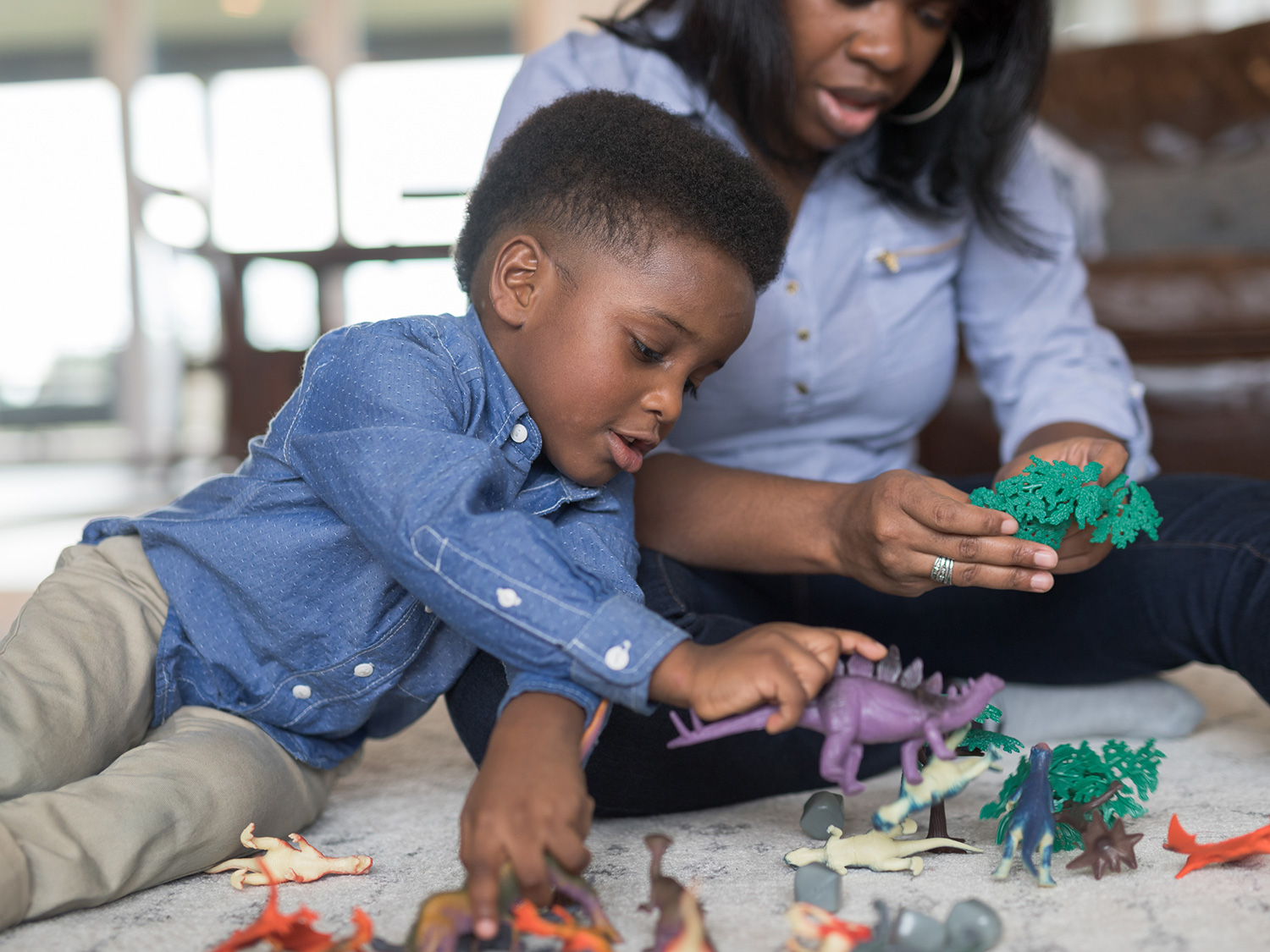
Kids this age need short, playful activities that teach through doing, not through long lectures.Below are 95 simple, doable options that can be pulled quickly, each designed to strengthen a specific skill and keep attention moving.
Why does variety matter for a five-year-old? Five-year-olds learn in bursts, so changing formats and senses keeps curiosity alive and speeds up skills like fine motor control, early literacy, and problem-solving.This list gives you quick swaps so you can change pace before attention wanes.
Where do caregivers get fast inspiration? For a quick boost of fresh ideas, collections like Pinterest's "90+ Fun and Creative Activities for 5 Year Olds" (2025) and curated guides like Pastory's "80 Educational Games & Activities" (2025) are great jumpstarts when a two-minute plan is needed.
A practical pattern I see again and again is the challenge that appears across home and preschool settings. Caregivers juggle short attention spans and seek activities that are both educational and fun, yet prep time is often scarce. When the usual response is to cycle through the same few crafts, the hidden cost is burnout and bored kids. This can lead to demands for bigger, more elaborate props to regain attention.Platforms like My Coloring Pages offer caregivers a different path, providing thousands of ready-to-print designs, including 10,000+ free coloring pages, and an easy customization tool, making sure that short, purposeful coloring sessions fit seamlessly into the day without extra prep or screen time.
What activities can I do with my child?
Here are several activities to engage in with your child, numbered for easy bookmarking. Each title includes a short description of the activity, highlighting the skill or benefit involved, along with the essential materials needed.
- Coloring Activity: Provide a color-by-number sheet and crayons, and the child matches numbers to colors. This activity practices fine motor control and color recognition in a clear and calming way.
- Make Art and Craft with Handprints: Trace and cut handprints into flower shapes, glue them onto stems, and build a paper pot.This encourages creativity and scissors skills while celebrating individual identity.
- Rhyming Games: Engage in simple rhymes, create silly rhyming jokes, and play clapping rhymes to boost phonemic awareness and listening skills.
- Phonic Games: Play letter snap, bingo, or phonics fishing to match sounds with letters. This strengthens early decoding and letter-sound mapping.
- Memory Games (Kim’s Game): Show a tray of 6–8 objects, cover it, and ask the child to recall the items. This sharpens working memory and verbal recall.
- Listening Games (Simon Says): Play Simon Says and instrument-spotting during music. These activities build listening skills, self-control, and vocabulary related to sounds.
- Action Games (Puppet Theatre): Create a simple puppet stage and encourage retelling a story. This activity develops narrative skills and dramatic expression.
- Dressing-Up and Role Play: Dress in costumes and act out different characters. This helps to build social imagination and communication confidence.
- Time-Based Role Games (What’s the Time, Mr Wolf?): Engage in movement and counting games that connect numbers to actions. This reinforces number concepts through fun play.
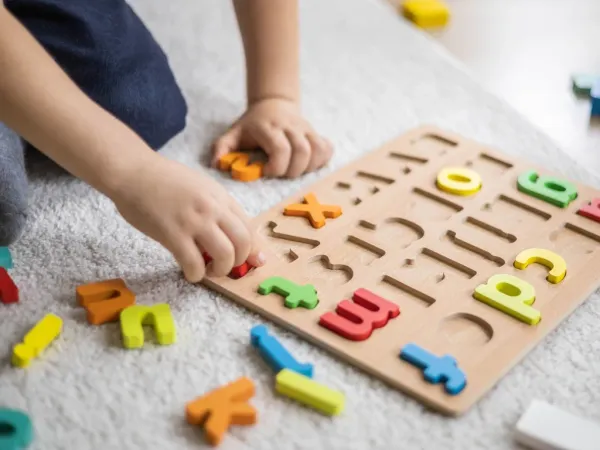
- Tactile Games with Magnetic Letters: Use fridge magnets to spell names and simple words. This supports letter recognition and early spelling skills.
- Screen-Linked Storytime: Watch a short story clip, then read the book together. This comparison deepens comprehension and promotes critical thinking.
- Car Journey Word Games: Play ‘Who can spot…’ and other noisy call-out games to practice observation, vocabulary, and quick decision-making during travel.
- Out-and-About Label Reading: Encourage your child to read product labels while shopping. This makes reading functional and purposeful.
How can I enhance my child’s learning experience?
- Library Visit Scavenger: Check the local library schedule and pick a book together, showing curiosity and exposure to different formats.
- Read Books of All Kinds Together: Share picture books, poetry, and informational texts out loud to help with vocabulary development, attention span, and a love of reading.
- Math Worksheets: Use printed worksheets to practice number sense and simple addition problems, which help build strong arithmetic foundations.
- Skip-Counting Aloud: Count by twos, threes, or fours out loud to develop number patterns and improve mental calculation skills.
- Paper Maze Solving: Draw or print a maze and guide a pencil through it. This activity practices planning, hand control, and persistence.
- Writing Imaginary Letters: Have the child write letters to a favorite character, encouraging expressive writing and idea sequencing.
- Make a Story with Props: Use toys, blankets, and flashlights to create and act out a story. This method enhances storytelling skills and role sequencing.
- Puzzle-Based Treasure Hunt: Hide clues that require solving simple puzzles, which builds logical thinking and encourages following multi-step instructions.
- Journaling Day and Feelings: Give a notebook with short prompts about the day or feelings to inspire reflection and early writing habits.
- Fashion Show Dress-Up: Create outfits from sheets and cushions and parade around to boost self-expression, motor planning, and confidence.
What crafts can I do with my child?
- Pairing Word Match: Match cut-out word pairs to help learn vocabulary and understand how words relate to each other.
- Home Instruments Jam: Use pots, spoons, and jars as instruments to explore rhythm, cause and effect, and loud and soft sounds.
- Story Map Follow: Put together map pieces that show a story path, which helps with sequencing and understanding space.
- Mini Ocean in a Pool: Fill an inflatable pool with water toys and talk about marine life to introduce ecosystems and encourage imaginative play.
- Cardboard Fort Building: Build a fort from boxes and decorate it, which helps promote problem-solving, planning, and teamwork.
- Sandbox Castle Building: Create sandcastles together to develop shape creation, fine motor skills, and creative building.
- Seed-to-Sprout Watching: Plant seeds in a cup and keep track of their growth to learn about germination, patience, and noticing changes.
- Tomato Planting Project: Plant tomato seeds in a pot and take care of them, practicing responsibility, sequencing, and basic botany.
How can we incorporate movement into learning?
- Obstacle Jump Course: Set up pillows and low hurdles, timing runs to help develop gross motor skills, balance, and agility.
- Emotion Faces Craft: Have the child draw expressions on blank faces to help discuss feelings and grow their social-emotional vocabulary.
- Themed Dessert Decorating: Decorate ice cream or cupcakes based on a theme, which combines fine motor control, sequencing, and sensory enjoyment.
- DIY Coin Box Craft: Decorate a cardboard box to hold coins, allowing practice of counting and simple savings ideas.
- Design a Wacky Dress: Encourage the child to create fun outfits on paper using glitter and sequins, which supports planning and fine motor skills.
- Painted Garden Rocks with Messages: Decorate stones with positive messages and place them in the garden to practice writing while encouraging community-mindedness.
- Make a Paper Plate Clock: Cut a paper plate and attach movable hands to teach about hours and minutes through hands-on manipulation.
What science experiments can we do together?
- Simple Origami Shapes: Fold paper to create animals and boats. This helps with precision, sequencing, and spatial skills.
- Month-Themed Greeting Card: Design a card that represents the current month. This practice helps with calendar awareness and creative narration.
- DIY Shoebox Guitar: Stretch rubber bands across a shoebox. This activity explores sound, pitch differences, and cause-and-effect relationships.
- Educational App Play (Short Sessions): Use short, focused app sessions that concentrate on letters or numbers to support hands-on play. Make sure the sessions are brief.
- Float or Sink Experiments: Test different household objects in water to learn about buoyancy and hypothesis testing.
- Apple Oxidation Observation: Cut apple slices at intervals and watch for browning. This introduces concepts of oxidation and record-keeping.
- Sorting Everyday Objects: Sort toys or household items by color, shape, or use. This reinforces categorization and attention to detail.
How do I make learning fun?
- Simple Science Experiments: Build balloon rockets or paper helicopters to teach basic physics. These activities spark curiosity and allow for controlled trials
- Age-Appropriate Jigsaw Puzzles: Work on puzzle pieces together. This helps improve visual-spatial skills and encourages focused attention.
- Memory Tray Revisit: Show a tray of items, then take it away and ask the child to list or draw the items. This exercise helps practice memory and sequencing.
- Finger Painting on Textures: Use paint on cardboard, leaves, or fabric to explore texture and color mixing. This activity also helps develop motor skills.
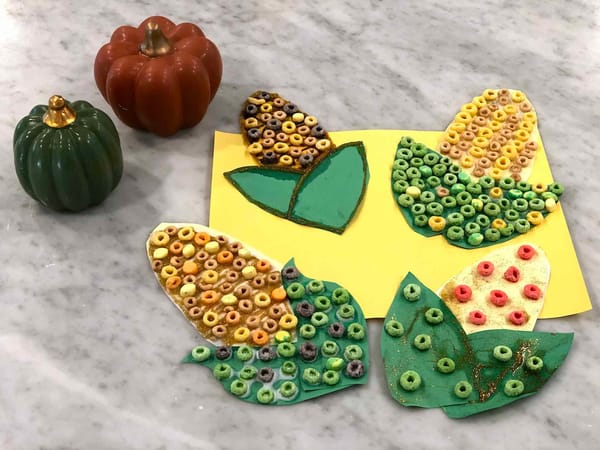
- Seed Art Collage: Glue seeds and grains to make pictures, combining hands-on exploration with art and pattern creation.
- Playdough Animal Molding: Shape animals from playdough, which builds hand strength, creativity, and three-dimensional thinking.
What activities can strengthen fine motor skills?
- Sensory Bin Exploration: Fill a bin with beans or rice and add hidden toys to encourage scooping, sorting, and imaginative discovery.
- Upper/Lowercase Letter Match: Match large paper letters with lowercase cutouts to help with alphabet recognition and build effective mapping.
- Button Sorting by Color and Size: Sort buttons into bowls to improve hand-eye coordination and develop sorting strategies.
- Playdough Shape Play with Cutters: Use cutters and rollers to create shapes and letters, which helps strengthen fine motor control and introduces basic geometry.
- Dress-Up Drama Sessions: Use a costume box for role play to improve narrative skills and support collaborative storytelling.
Are there fun collaborative activities we can do?
- Sock Puppet Show: Make puppets and put on short plays to practice language, emotions, and sequences.
- Nature Collage After a Walk: Gather leaves and twigs, then put them together in a creative collage. This connects outdoor exploration with art.
- Counting Treasure Hunt: Hide objects and number clues to help with counting skills, matching, and following directions.
- Shape Sorting with Homemade Slots: Cut slots in a box for different shapes. This creates a hands-on puzzle that teaches geometry and precision.
What music activities can we explore?
- DIY Instrument Building: Make shakers and drums using containers and beans to learn about rhythm and different types of instruments.
- Block Tower Building Challenge: Use blocks and boxes to build the tallest tower. This activity helps with talking about balance, planning, and stability.
- Vegetable and Leaf Stamping Painting: Use cut vegetables and leaves as stamps to try out patterns and printmaking methods.
- Memory Match Card Game: Create face-down pairs for a memory game that helps improve working memory and focus.
How can we utilize indoor play?
- Indoor Obstacle Course Timed Runs: Set up safe obstacles and time runs to encourage movement, coordination, and healthy competition.
- Invitation to Play Prompts: Offer a simple drawing or scene as a play prompt to spark independent imaginative games.
- Story Time Yoga Poses: Act out animals and actions from a book to combine listening and gross motor movement.
- Make a Homemade Board Game: Design a board, rules, and pieces together to practice sequencing, fairness, and rule-following.
What sorting and categorization activities can we do?
- Sorting by Household Categories: Provide bowls and mixed items for sorting by category. This activity teaches classification and vocabulary.
- Cozy Blanket Fort Building: Build a fort and use it as a quiet reading nook. This supports imaginative play and offers a place to relax.
- Indoor Scavenger Hunt with Clues: Write simple rhyming clues and hide objects to encourage reading clues, problem-solving, and movement.
- Word Board Play: Use a board to collect new words from books or outings. Going back to these words helps build vocabulary.
What pattern- and matching game can we play?
- String Beads on a Thread Putting beads on a thread in patterns helps improve fine motor skills and boosts pattern recognition.
- Action Words Charades: In this game, players display action cards and act them out. This connects verbs with movements and helps grow vocabulary.
- Parts of Plants Stickers and Match. By labeling and putting together plant parts on paper, learners understand the structure and function of leaves, stems, and roots. There are plenty of 10,000+ free coloring pages that can illustrate these concepts beautifully!
- Word Search Puzzles for Beginners: Easy word searches help with scanning, recognizing letters, and building patience.
How can we make crafts more engaging?
- Make a Paper Crown: Cut and decorate a crown to practice measuring, cutting, and decorative choices.
- Shapes Matching with Buttons Match drawn shapes to outline boards. Place buttons to improve matching skills and enhance fine motor placement.
- Handmade Clock Craft with Numbers: Build a cardboard clock using wool for hair. Create movable hands. This craft helps kids practice telling time through play.
- Toy Car Race Track Construction: Cut cardboard into road shapes to make a racetrack. This project helps children learn about motion, speed, and creative design.
What activities can help with comparison and categorization?
- Sink and Float Worksheet: Predict and place pictures into sink or float categories to practice hypothesis and classification.
- Stack Cups into Towers: Stack cups into towers and experiment with patterns and balance. This activity helps improve fine motor control.
- Snowman Playdough Sculpting: Roll playdough into spheres and put together a snowman. This fun task helps practice sequencing and small-object placement.
- Counting Activity with School Items: Count the pictured school items, and write down the totals to connect numerals to quantity in meaningful contexts.
What Math Activities Can We Explore?
- Math Plant Activity with flower counters: Use flower-head counters and pots to show addition and subtraction through hands-on visuals.
- Ticket Collage Upcycling Art: Glue old ticket stubs into a collage to practice composition and encourage creative reuse.
- Big and Small Comparison Worksheet: Circle and square bigger and smaller items to build comparative vocabulary and improve observation skills.
- Geometric Shapes with Connectors: Use drawing pins and elastic bands to create shapes while talking about sides and symmetry.
What visual discrimination activities can I implement?
- Shadow Matching Activity: Match colored pictures to their silhouettes. This activity sharpens visual discrimination and improves shape memory.
- Growing Worms Sensory Setup: Create pretend worm habitats using sand and tissue worms. This setup allows for discussions about ecosystems while enriching tactile play.
- Heavy and Light Sorting Activity: Compare pairs of pictures to find out which is heavier or lighter. This teaches comparative mass concepts effectively.
- Number Counting Board Play: Place the right number of objects next to matching numerals to strengthen one-to-one correspondence.
What tracing and cutting activities can I do?
- Tracing Ship Picture Activity: Trace the dotted lines of a ship, then color the picture to help improve pencil control and stay within the lines.
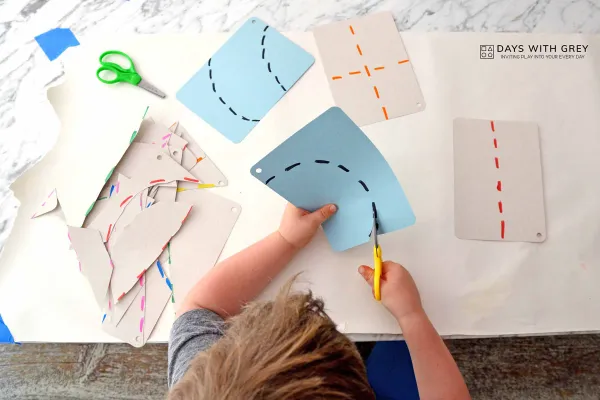
- Scissor Skill Haircut Collage: Cut strips of paper for hair and glue them onto a character. This activity helps practice careful cutting and how to place things correctly.
- Dot-to-Dot Join Activity: Connect the numbered dots to uncover a picture, then color it. This helps with counting order and develops fine motor skills.
A few closing notes before you try these?
This pattern of short, focused activities fits the real-world pressure caregivers experience. Simple, repeatable routines often work better than complicated setups because they reduce prep stress and keep kids engaged.While caregivers may use the three crafts for a little while, this approach can lead to boredom and caregiver fatigue. Solutions like My Coloring Pages, which provide an extensive, searchable library of age-appropriate, printable activities, allow adults to quickly rotate options and target skills intentionally, without needing to do extra shopping or spend a long time getting ready.
The next part shows a surprisingly fast way to turn those skill-focused moments into customized worksheets and printable books that can be reused.
That simple idea changes everything about how to plan a day of playful learning.
Related Reading
- Activities for Kids
- Hobbies for Kids
- Creative Activities for Kids
- Educational Activities for Kids
- At Home Activities for Kids
Create Custom Printable Coloring Pages and Coloring Books in Seconds
My Coloring Pages lets users create custom, printable coloring pages in seconds. Simply describe what you want or upload a picture, and the app transforms it into a ready-to-print sheet. Alternatively, you can browse through 10,000+ free coloring pages to create age-appropriate activities for five-year-olds.These activities help strengthen fine motor skills, encourage creative play, and support early learning. Discover more options with 10,000+ free coloring pages.
20,000+ parents trust My Coloring Pages, with a rating of 4.8 out of 5. It's an excellent resource for low-prep, screen-free activities that fit easily into preschool and kindergarten routines, offering customizable printable sheets and coloring books tailored to a child’s interests and skill level.
Related Reading
- Activities for 6 Year Olds
- Activities for 7-Year-Olds
- Fun Activities for Elementary Students
- Fun Activities for Preschoolers
- Screen-Free Activities for Kids
- Activities for 8-Year-Olds
- Back to School Activities for Elementary Students
- Budget Friendly Family Activities
- Hobbies for Toddlers
- At Home Learning Activities
- How to Encourage Creativity in a Child
- Coloring Skills Development