Top 66 Activities for 6-Year-Olds for Hands-On Learning and Fun
Activities for 6 Year-Olds: 66 fun ideas in art, science, and outdoor play. My Coloring Pages gives printable, low-prep projects to spark hands-on learning.


Six-year-olds thrive on activities that tap into their natural energy and curiosity, benefiting both fine motor skills and creative thinking. Engaging in indoor games, crafts, and simple science experiments builds confidence and nurtures learning opportunities in everyday play. Fun, low-prep options offer a reliable way to combine learning with active, imaginative exploration.
Flexibility in indoor and outdoor tasks supports growth without overwhelming planning requirements, and parents can easily integrate activities for 6-year-olds into daily routines. These engaging play ideas transform ordinary moments into learning experiences. My Coloring Pages offers 10,000+ free coloring pages to spark creativity and support focused play.
To put these ideas into practice, our 10,000+ free coloring pages help you get started right away.
Summary
- Families benefit from having a ready stash of low-prep options, and this guide delivers 66 practical activity ideas you can pull out at home, in a classroom, or during a playdate.
- Short, focused sessions work best, with a recommended cadence of 15 to 30 minutes, and parents modeling the activity for the first five minutes before letting kids lead.
- Deliberately rotating who chooses activities and introducing new materials or printables regularly, for example, one theme night per week, reduces sibling conflict and increases engagement by restoring novelty and fairness.
- Blending movement with learning amplifies outcomes, as shown by activities like the alphabet workout, which uses 26 exercises that combine physical stamina, sequencing, and early literacy practice.
- Targeted physical benchmarks give clear goals parents can scaffold; for example, many six-year-olds can jump about 24 inches forward and balance on one foot for at least 10 seconds, skills practiced across several listed games.
- This is where My Coloring Pages fits in: 10,000+ free coloring pages provide ready-to-print templates and short project prompts to vary weekly play with minimal prep.
65+ Engaging Activities for 6-Year-Old
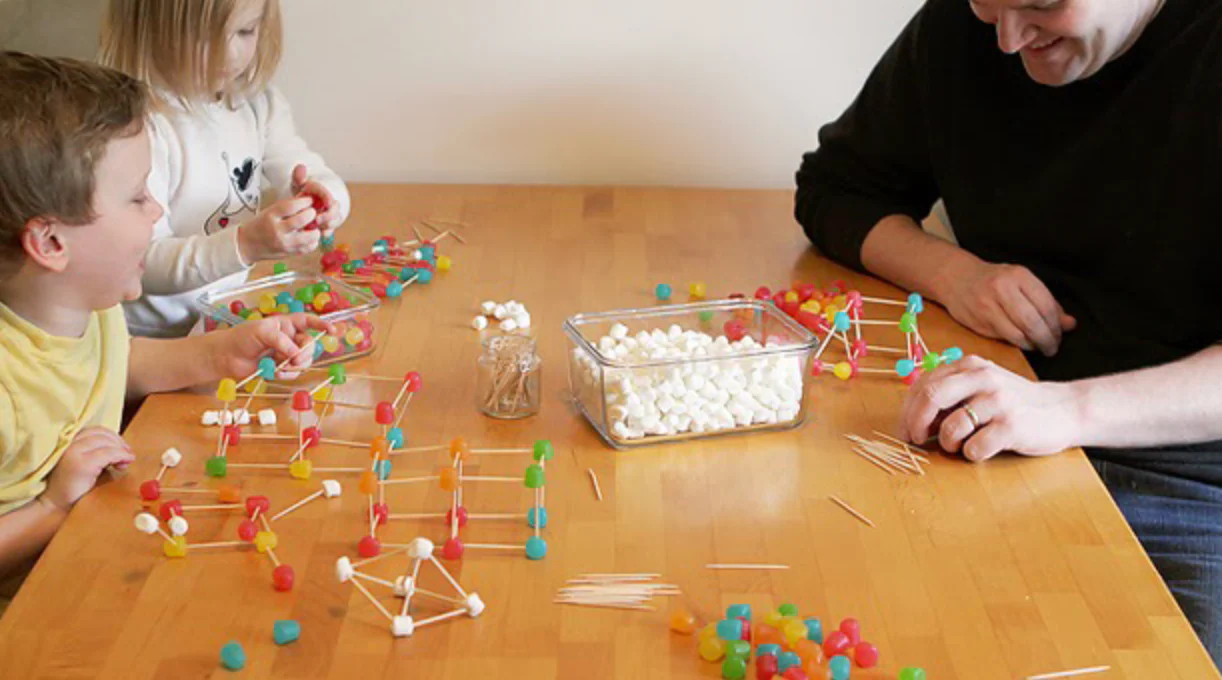
Every family needs a reliable stash of simple, tested activities to use when energy is high and patience is low. This list gives 66 practical ideas that can be enjoyed at home, in a classroom, or during a playdate.Use the quick How to Do, Supplies Needed, and What Does It Teach? Get guidance from the top, then look through the numbered ideas and choose one that fits your time and mood. If you're looking for a great resource, check out our 10,000+ free coloring pages that can complement these activities.
How to Do? Choose one activity, set a 15–30 minute time limit, gather the few supplies listed, and join in for the first five minutes to show how to play before letting your child take the lead.Keep instructions short, offer choices, and adjust the challenge level based on your child’s interest and energy.
Supplies Needed: paper, pencils/crayons, basic craft glue/scissors (child-safe), and a few household props (balls, blankets, containers).
What Does It Teach? These activities boost creativity, fine and gross motor skills, language and social skills, problem-solving, and confidence, offering easy wins that can be repeated and included in themed learning weeks.
1. Drawing and Painting
Simple supplies like crayons, watercolors, or finger paints allow kids to express emotions and ideas. My Coloring Pages lets you create custom, printable coloring pages in seconds. Simply describe what you want or upload pictures, and our app turns them into ready-to-print coloring pages. You can also browse 10,000+ free coloring pages from our community, or design your own personalized pages and coloring books for kids, adults, classrooms, or stress relief. Trusted by 20,000+ parents and rated 4.8/5, it's the easiest way to spark creativity and keep your kids off screens, whether you're turning your child's story into art or crafting intricate mandalas for yourself.
Drawing
Colours can always get your kids excited.
How to Do?
You just need some paper, a pencil, a rubber, and colours. You can always get some books with pictures to colour, too.
What Does It Teach?
It is a creative way to help your kid give colour to his fantasies. As it is more primal in nature, it will assist your kid in noticing things minutely.
2. Crafting
Using paper, glue, scissors (child-safe), and recycled materials can turn into hours of imaginative fun.
3. Storytelling and Role Play
Encourage kids to invent stories or act out favorite characters. This develops language skills and empathy.
4. Outdoor Scavenger Hunt
How to Do?
Create a list of items found in your backyard or a nearby park. Give your child the list and a basket, and challenge them to find and collect these items. You can make it even more exciting by providing clues.
Supplies Needed
Basket, list, pencil, small bag for finds.
What Does It Teach?
This activity encourages observation skills, problem-solving, and teamwork as kids search for hidden treasures, fostering a sense of adventure and curiosity.
5. Storytime Theater
How to Do?
Choose a favourite storybook and ask your child to act out the characters and scenes with props and costumes. You can take turns being different characters and even record the performance.
What Does It Teach?
Storytime theatre enhances creativity, imagination, and language development. It also promotes confidence and public speaking skills.
6. Building a Blanket Fort
How to Do?
Use blankets, pillows, and furniture to construct a cosy fort. Let your child be the architect, arranging the materials and deciding on the fort’s layout.
What Does It Teach?
Building a blanket fort fosters creativity, fine motor skills, and spatial awareness. It also provides a quiet space for reading or imaginative play.
7. Nature Art
How to Do?
Take a nature walk and collect leaves, rocks, and twigs. Then, use these natural materials to create artwork like leaf rubbings or stone sculptures.
What Does It Teach?
Nature art encourages appreciation for the outdoors, artistic expression, and fine motor skills. It also teaches kids about different textures and patterns in nature.
8. Cooking Together
How to Do?
Choose simple recipes like no-bake cookies or homemade pizza. Let your child participate in measuring, mixing, and decorating the food.
What Does It Teach?
Cooking together promotes math skills, following instructions, and teamwork. It also allows kids to explore their sense of taste and creativity in the kitchen.
9. Can you catch it in a…?
This sounds like a Fox in Socks adventure, but rest assured, there are no green eggs nor ham involved. Provide your child with several sizes of balls and several items to catch them in, such as an empty margarine tub, a pail, a butterfly or fishing net, a small garbage can, a towel, or a box.
10. The sock ball roll
Roll two or three clean pairs of socks together to make a sock ball. Your child should then lie down and place the sock ball at their feet.
Have your child grip the sock ball between their feet, then do a roll back, bringing their feet behind their head (have them keep their hands on the ground beside them). They can then drop the sock ball behind their head and return to the flat lying position. Have your child then roll back, pick up the ball between their feet, and bring it back to the starting position.
11. Balloon keeps up with a twist
By the age of six, there’s a good chance your child will have played their share of balloon keep-up games. But now that they’re probably keep-up champions, can they keep the balloon afloat while doing other activities between balloon taps?
12. Jump the river
6-year-olds are able to jump approximately 24 inches forward. Have them use their hopping skills to avoid the crocodiles and get across the river safely!
Lay out two skipping ropes on the floor. The space between the ropes is the river. Have your child run and jump across the river. If they make it across successfully, move the ropes further apart to make the river wider. How far can they jump without getting wet?
13. Crab walk
Have your child sit, place their arms behind them with their palms on the ground, then push up from the floor. When your little crab has mastered walking, see if they can walk like a crab with a beanbag on their stomach.
14. Hula hoops
6-year-olds can be super-talented hoopers when they learn the basic waist spin. Once they get that down pat, they can try spinning it on their chest, spinning it while balancing on one foot, or while balancing something on their head.
15. Indoor hockey
Turn your indoor space into a championship arena using sock balls as pucks and laundry baskets as nets. Your kids can practice their shot or play games with others.
16. Balance of the foot
Most kids can balance on one foot for at least 10 seconds. See if they can balance and take a couple of shots.
17. Traffic lights!
Get your kids revving their engines with a game of Red Light, Yellow Light, Green Light by calling out the commands and watching them move, freeze, or go slow motion.
18. Name that bean!
Call out different types of beans and have your child act out each one — tall, bouncy, cold, wobbly — and enjoy the silly movement and vocabulary practice.
19. Balance walk
Lay out pillows and couch cushions in a line, and see if your child can move from one end to the other while keeping their balance the whole time.
20. Gymnastics routine
On a mat or carpet, your child can put together a routine using front and back rolls, star jumps, and creative dance moves. Provide ribbons or scarves for extra flair.
21. Call out the search party!
Run an indoor scavenger hunt with themes like "20 red items" or "15 round things" to help your child practice categorizing and scanning their environment.
22. Cornhole
Also called bean bag toss, cornhole teaches aiming and scoring. Build a DIY board from cardboard if you want a low-cost option.
23. Catwalk!
Create a dress-up box with scarves, sunglasses, and hats, let your child design outfits, pick music, and stage a family fashion show.
24. Snowball fight
Use crumpled paper or cotton-filled nylons for an indoor snowball fight, with simple, low-throw rules for safety, and lots of hot chocolate afterward.
25. Mirror, Mirror
Stand facing each other and mirror movements, from eyebrow wiggling to jumping jacks, building body awareness and imitation skills.
26. Beach party
Throw an indoor beach party with beach ball hot potato or a limbo contest using a pool noodle as the bar.
27. Flashlight hide-and-seek
Turn off the lights, have one child hide, and let a seeker use a flashlight to find them, blending suspense with safety.
28. Hurdle hop
Line up small objects 12 inches or under, and challenge your child to jump over each one, timing them to add a playful element.
29. Skip
Teach or practice skipping rope, encouraging songs to keep rhythm and stamina while reducing screen time.
30. Make Homemade Playdough
Mix a simple, non-toxic, gluten-free recipe, dye it, and let children knead and sculpt, which supports sensory play and hand strength.
31. Memory Skills Emoji Style
Use emoji face cards to match emotions to scenarios, building emotional vocabulary and memory in the process.
32. Kaleidoscope Crazy
Make a simple kaleidoscope from a toilet roll, colored paper, and small shiny objects, then explore symmetry and pattern.
33. Workout to the Alphabet
Use 26 exercises, one per letter, to make fitness playful and literacy-friendly. This is great for burning energy and learning sequencing.
34. Hula Hoop
Use hula hoop musical chairs or timed hooping sessions to build coordination and lower-body strength.
35. Go Fish Reading Style
Swap standard cards for word cards and challenge kids to form sentences, turning a classic game into reading practice.
36. Bedtime Stories that Teach Kindness
Select stories that model empathy and community, and use short post-story questions to deepen the lesson.
37. Make a Bird Feeder
Spread peanut butter on a toilet paper roll, roll it in birdseed, tie a string, and hang it; this teaches care for wildlife and observation.
38. Deer
Call out animal names and have children freeze in their animal poses when "DEER" is called, honing listening skills.
39. STEM Car
Build a simple reaction-powered car from recycled materials, baking soda, and vinegar to teach cause and effect.
40. Obstacle Course
Create a course with crates, ropes, and pillows to challenge balance and emotional regulation through controlled risk.
41. Telepictures
Play a game where one child writes a sentence, the next draws it, then the next guesses — a fun chain of writing and interpretation.
42. Painting with Soil
Mix clean soil with water and use brushes for earthy-toned painting, then discuss texture and where soil comes from.
43. The Cat in the Hat
Celebrate Dr Seuss with paper-plate hat crafts and read-aloud dramatization to reinforce rhythm and rhyme.
44. Bouldering
Take kids to a safe climbing wall or natural boulders to practice strategy, strength, and calculated risk.
45. Shadow Tag
On a sunny day, challenge kids to step on or tag others’ shadows, teaching spatial awareness and sun observation.
46. Marble Painting
Place marbles in paint and roll them across paper inside a box to create abstract art while practicing containment and control.
47. Hidden Pictures from Highlights
Use hidden-picture puzzles to sharpen attention to detail and visual scanning speed.
48. Tissue Paper Rocket Ship
Use tissue boxes, paint, and craft supplies to build group rocket ships that require planning and cooperation.
49. A-Z Treasure Hunt
Have kids find objects or words in alphabetical order to strengthen letter recognition and vocabulary.
50. Subtraction Pizza Party
Play an online or physical game that turns subtraction into a pizza-slice exercise, making math tactile and tasty.
51. “Brains on” Podcast Time
Play a kid-friendly educational podcast during quiet time to foster listening skills and curiosity without screens.
52. Animal Movement Activity Dice
Roll a die with animal pictures and act them out, mixing gross motor work with imaginative play.
53. Learn Music with Mirror activity
Use small mirrors and simple notation to teach basic music reading while children mirror rhythms and notes.
54. Creating New Words
Make new words from three-letter cards to practice spelling, phonics, and inventive vocabulary.
55. Riddles
Start with simple riddles and encourage your child to create their own, sharpening logic and playful language skills.
56. Finish the Story
Begin a story and stop mid-way, then have your child write or tell the ending to develop narrative thinking.
57. Origami
Fold square paper into frogs, bunnies, and hats, building fine motor precision and sequential memory.
58. Act Out Stories
Let kids write simple dialogue and perform a scene from a favourite book, boosting confidence and comprehension.
59. LEGO
Give an open-ended LEGO prompt and minimal adult direction, letting children experiment with shapes, balance, and problem-solving.
60. Treasure Hunt
Hide a small prize and leave clues to decode, giving children practice with focus, inference, and persistence.
61. Make Cards
Create handmade cards for family occasions to teach cultural rituals, fine motor control, and generosity.
62. Writing in a Diary
Offer a diary with prompts for feelings and small observations to build reflection and writing fluency.
63. Visit the Zoo and Museum
Plan an outing and prep two quick questions for each exhibit to turn observation into conversation and memory.
64. Go Camping
Set up a tent in a safe outdoor spot, give small chores, and teach basic navigation and simple survival tasks.
65. Go Fishing
Bring basic angling gear, practice patience by the water, and use the time to talk about ecosystems and quiet observation.
66. Plant a Tree
Let your child dig, plant, and water a sapling, then track its growth as a long-term responsibility and nature connection.
How to keep kids engaged with new activities?
The standard way to handle activities usually includes the same five crafts or screen-based videos because they are easy and familiar. This approach works until kids get bored, feel left out, or start fighting over turns. This creates silent tension at dinner and leads to more micromanaging by parents.Platforms like My Coloring Pages offer a vast library of over 9,784 free items and easy customization tools. These resources help families quickly change up activities, turning a short 10-minute quiet time into a meaningful learning project without extra preparation.
This problem is clear in family situations and weekend playdates. When one adult consistently leads the same activity, children notice and complain, leaving siblings feeling left out.By purposely rotating who gets to pick the activity and bringing in a new printable or material each week, complaints go down, and kids are more interested. Attention spreads out, and new ideas emerge.
For more organized collections and fresh ideas, outside sources offer helpful resources. For example, the list of 66 activities from Happy Toddler Playtime and 65+ Engaging Activities from Keiki has many fun ideas that can be adjusted in just a few minutes.
This simple change in rotating activities and materials reduces the household stress that parents often say makes them feel exhausted and unappreciated. When kids can choose activities or when activities have clear goals, the whole family sees fewer complaints and more focus. Think about having one theme night each week, using a printable to guide the activities, and alternating who leads them to keep things fair and consistent.
The interesting part? What comes next will show how one printable can turn a five-minute calm-down time into a week-long project that kids want to do over and over.
Related Reading
- Activities for Kids
- Hobbies for Kids
- Activities for 5-Year-Olds
- Creative Activities for Kids
- Educational Activities for Kids
- At Home Activities for Kids
- Fun Activities for Preschoolers
Create Custom Printable Coloring Pages and Coloring Books in Seconds
The truth is, practical tools can turn five spare minutes into purposeful practice for fine motor control, early learning, and imaginative play, especially for 6-year-olds. My Coloring Pages is a quick, customizable source of printable activities and themed pages. These resources help build calm focus, reinforce essential skills, and create cherished family keepsakes. You can explore 10,000+ free coloring pages to get started with engaging activities.
Related Reading
- Activities for 7-Year-Olds
- Fun Activities for Elementary Students
- Fun Activities for Preschoolers
- Screen-Free Activities for Kids
- Activities for 8-Year-Olds
- Back to School Activities for Elementary Students
- Budget Friendly Family Activities
- Hobbies for Toddlers
- At Home Learning Activities
- How to Encourage Creativity in a Child
- Coloring Skills Development