65+ Fun and Engaging Activities for 8-Year-Olds (No Screens Needed!)
Activities for 8 Year-Olds: Get 65+ screen-free ideas to boost creativity and fine-motor skills. My Coloring Pages offers instant printables.

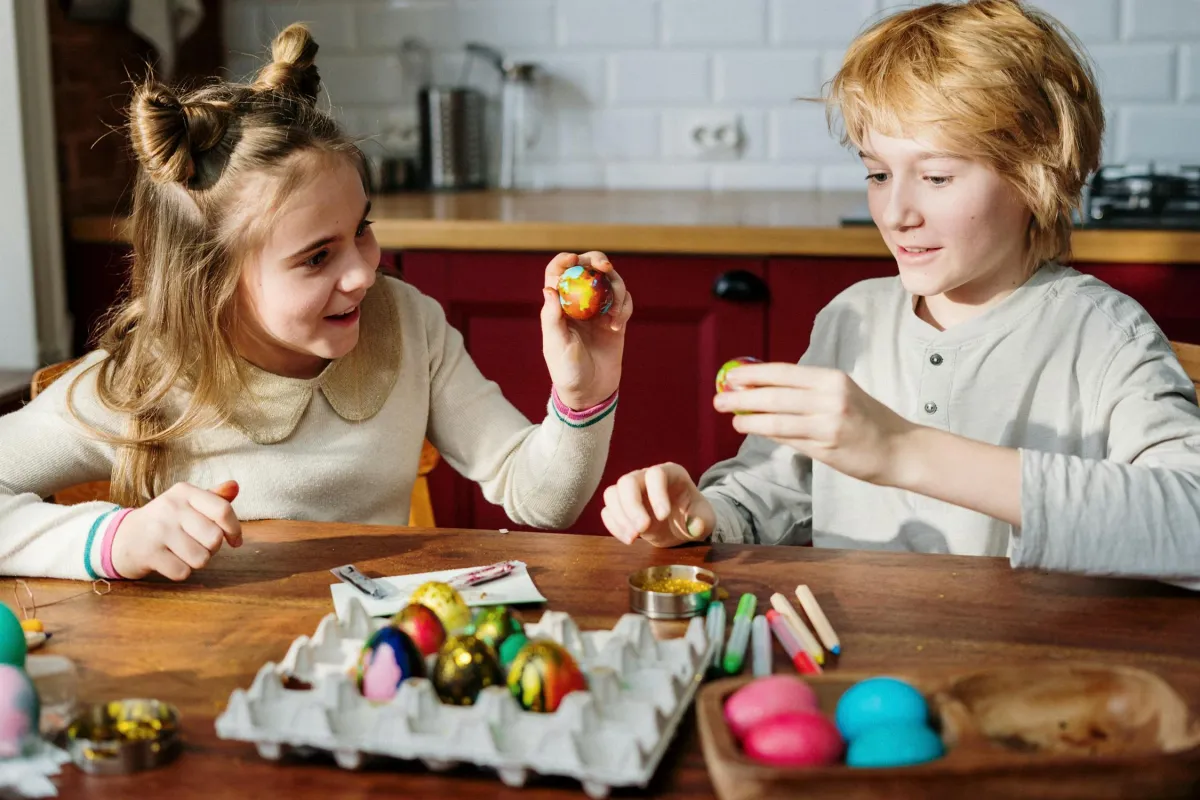
Raising eight-year-olds requires balancing daily routines with opportunities for learning and play. Parents seeking activities for 8-year-olds often look for ways to engage them in creative projects without relying on screens or constant supervision. Hands-on projects like crafts, simple STEM experiments, outdoor games, and sensory experiences help build fine motor skills and problem-solving abilities while keeping boredom at bay.
Practical screen-free ideas not only provide a constructive outlet for energy but also encourage independent exploration. My Coloring Pages offers 10,000+ free coloring pages that integrate easily into daily plans, fueling creativity and supporting focused play.
To put these ideas into practice, our 10,000+ free coloring pages help you get started right away.
Summary
- Replacing screen time with active tasks can boost attention, with a reported improvement of about 25% in focus when children engage in screen-free activities rather than passive scrolling.
- Experts recommend no more than 1 hour of recreational screen time per day for 6- to 8-year-olds, yet children aged 8 currently average about 4 hours per day, exposing a large behavior gap that predictable routines can help close.
- Daily movement supports both physical and cognitive growth, with at least 60 minutes of mixed aerobic, bone-strengthening, and muscle-strengthening activity recommended to build balance, coordination, and the fine-motor control used in coloring and handwriting.
- Low-prep, quick-start options increase the likelihood that activities actually happen, and a catalog of 65+ ready ideas shows how having concrete choices on hand reduces decision fatigue and improves consistency.
- Hands-on projects that follow a four-step cycle, for example, imagine, sketch, test, and revise, systematically teach planning, hypothesis testing, iterative problem solving, and resilience.
- Cutting setup time matters: replacing half-hour setup rituals with a three-step flow that yields ready-to-use materials in seconds keeps activities on the schedule and turns occasional experiments into steady practice.
- This is where My Coloring Pages fits in: 10,000+ free coloring pages address this by providing instant, printable themes parents can use for low-prep, fine-motor, and narrative practice during screen-free time.
Why Is It Important for Eight-Year-Olds To Do Screen-Free Activities?
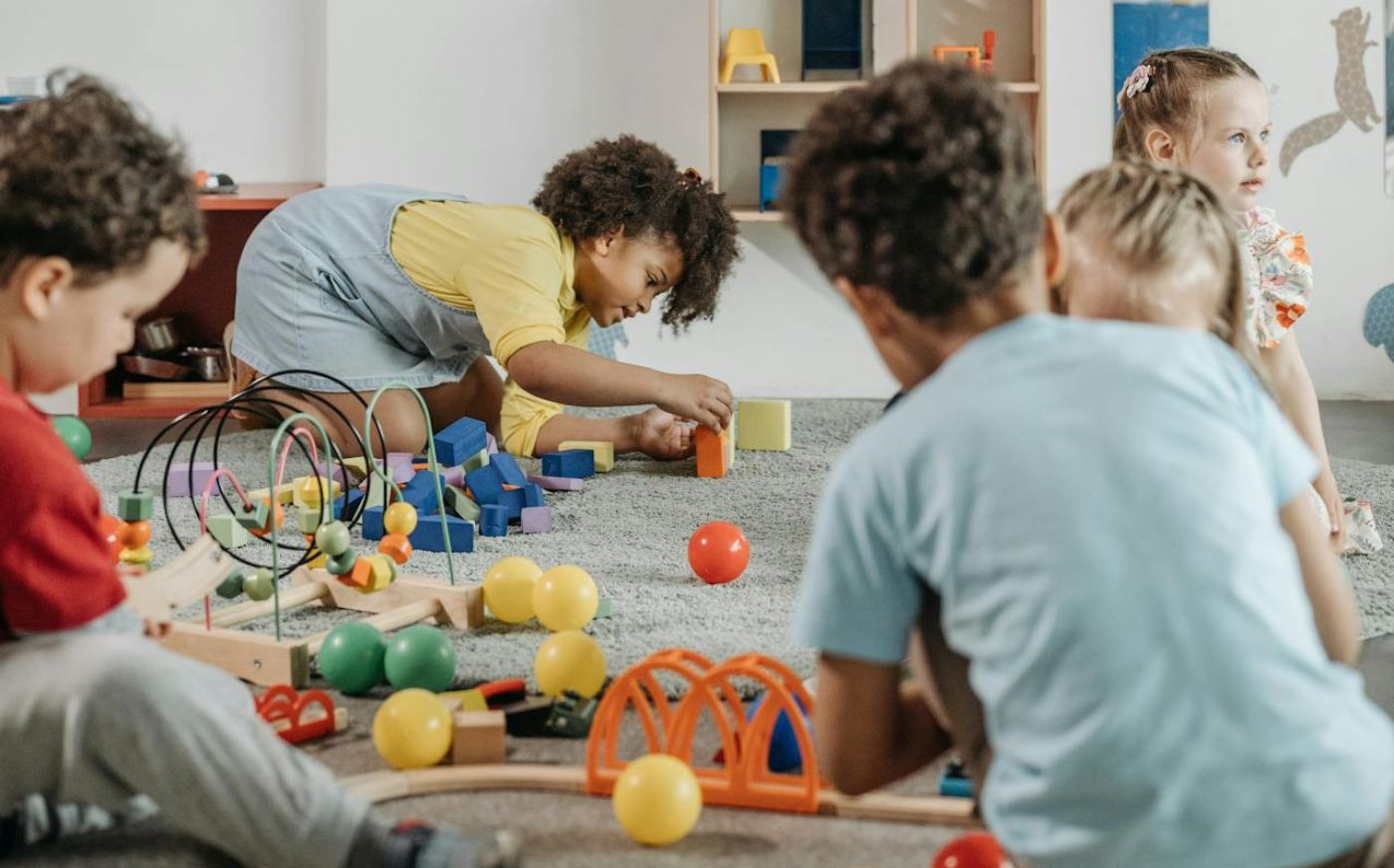
Reducing screen time around age eight opens up space for creativity, stronger attention, and real movement that supports both confidence and problem-solving. This can be done without making rules feel like punishments.By making simple changes and following a few reliable routines, parents can help an eight-year-old explore interests, become more independent, and practice real-world problem-solving through play. Have you considered providing your child with 10,000+ free coloring pages to encourage creativity?
How does less screen time boost creativity and problem-solving?
Hands-on play encourages open-ended thinking in a way that watching does not. When a child paints a unique scene, builds a fort, or puts on a short play, they make choices about color, structure, and story. This helps them develop creative judgment and iterative thinking.For instance, if you ask a child to create a comic strip using printable panels, they can plan a plot, arrange events, and make changes along the way. This process creates a mental loop similar to that used in science projects and coding tasks, but it is easier and faster to use.
How does screen-free play improve attention and self-regulation?
This pattern appears in classrooms and living rooms, where children who take part in focused, hands-on activities show clearer improvements in staying on task. According to Sarasota Memorial Health Care System, "Screen-free activities can improve focus by 25% in children."
This 2025 finding suggests that replacing some passive screen time with puzzles, timed drawing challenges, or simple building tasks can significantly boost a child’s ability to concentrate during homework and group play. Begin with short, repeatable challenges, then gradually lengthen them as the child's focus improves.
How much activity should an eight-year-old get?
To ensure their muscles, bones, heart, and lungs grow evenly, children should aim for at least 60 minutes of physical activity each day. This activity should mix aerobic exercises, like running and jumping rope, with bone-strengthening jumps and muscle-strengthening activities such as climbing or resistance exercises.
Switching these activities throughout the day helps different systems get the work they need without causing tiredness. Think of it like a menu: one day can center on cardio games, while another could focus on obstacle courses or backyard gymnastics, helping to improve coordination, stamina, and strength.
How much screen time should 8-year-olds have each day?
The standard guideline limits recreational screen time to about 1 hour a day for ages 6 to 8, excluding homework. This balance is essential as it preserves time for active play and social learning.
In practice, real-life usage often diverges significantly from these recommendations. Research shows that children aged eight spend an average of four hours per day on screens, according to the Sarasota Memorial Health Care System.
This figure illustrates the gap between ideal recommendations and actual behavior, explaining why small, consistent swaps are more realistic than sudden bans.
What are the benefits of printable activities?
Most families use screens because they are quick, reliable, and help fill small bits of time; this makes sense when schedules are busy. However, this common way can break practice in fine-motor skills, narrative building, and sustained attention. These essential skills are learned through planned, printable activities.Platforms like My Coloring Pages provide a great solution, allowing caregivers to create custom printable coloring pages in seconds from a collection of 100,000+ designs. This helps them match themes to a child's current interests, turning a five-minute prep job into an immediate, structured activity that aids fine-motor development and storytelling.
How can parents ensure the activities they choose are age-appropriate?
Choosing activities based on skills, not just age, leads to better results. It's essential to think about how much a child can handle mentally, emotionally, and physically. For example, you might choose a puzzle with one more piece than what a child can do on their own, add a simple rule to a game that requires taking turns, or move from tracing to freehand coloring as dexterity improves.
Make sure to prioritize safety and supervise when using new tools. Also, provide choices that let the child be independent, while parents stay close for help.Small changes can make a big difference. For instance, making craft steps easier or timing an activity right after a snack can turn reluctance into eagerness.
How to encourage consistency in activities?
This challenge shows up in many homes: rules alone don’t work well when they conflict with convenience. To encourage teamwork, swap out strict regulations for patterned alternatives. For example, creating a regular after-school hands-on time can boost cooperation without causing more arguments.
What activities keep curiosity alive?
That simple change works well. However, it is crucial to identify which specific activities actually sustain curiosity.
Related Reading
- Activities for Kids
- Hobbies for Kids
- Activities for 5-Year-Olds
- Creative Activities for Kids
- Educational Activities for Kids
- At Home Activities for Kids
65+ Fun and Engaging Activities for 8-Year-Olds

This list helps you choose an activity and get started in minutes, not hours. Each entry comes with setup instructions, simple rules, and the main skills it develops.For more ideas, check out Pastory, "45+ Creative Activities For Kids 8 Year-olds," and WCO-IOF-ESCEO 2025, "65+ Fun and Engaging Activities for 8 Year Olds." Both resources serve as practical catalogs to quickly match a child’s mood with the right project. You can also explore 10,000+ free coloring pages for even more creative fun.
What Do Custom Coloring Pages Teach?
1. Custom Coloring Adventures (with My Coloring Pages)
Make custom coloring pages and coloring books with our app. My Coloring Pages lets kids bring their imaginations to life by turning any idea into a printable coloring page in seconds. They can describe their dream pet, a fantasy world, a superhero version of themselves, or even upload artwork and photos—and the app turns it into ready-to-color pages. Kids can also browse over 10,000 free coloring pages made by other families and classrooms. Rated 4.8/5 and trusted by more than 20,000 parents, it's a fun way to spark creativity, encourage screen-free time, and help kids feel proud of their own art.
What Does It Teach?
Children practice focus, creativity, and fine-motor skills as they explore storytelling through art.
2. Chatting With Alphabets
A playful word-chain that turns spelling into a conversation and keeps language practice lively.
How to Do
One child writes a word on a whiteboard, the next child writes a word starting with the last letter of the previous word; keep going until no one can think of a word.
What Does It Teach?
Expands vocabulary, letter awareness, and quick-thinking in a social context.
3. Decode the Message
Kids become code-breakers and learn to spot patterns as they solve a mini-mystery.
How to Do
Create a simple substitution cipher, give a few hints, and let the child work through decoding the sentence.
What Does It Teach?
Teaches pattern recognition, logic, and flexible sentence construction.
4. Brain Teasers
Short puzzles turn math into a satisfying challenge rather than rote work.
How to Do
Gather several age-appropriate math riddles or logic puzzles, present one at a time, and let the child think aloud.
What Does It Teach?
Builds numerical reasoning, persistence, and problem-solving strategies.
5. Writing a Letter
Putting feelings into words is a quiet but powerful way to learn clear communication.
How to Do
Ask the child to pick someone they miss, outline three things to say, then write and decorate the letter before mailing or delivering.
What Does It Teach?
Improves written expression, empathy, and conversational structure.
6. Paragraph Drawing
Mix reading and art to make comprehension visible and fun.
How to Do
Have the child read a short paragraph aloud, then illustrate the scene with colors and labels.
What Does It Teach?
Connects reading comprehension with visual representation and fine-motor control.
7. Play a Matching Game
Memory and pattern play are bundled into a fast, repeatable activity.
How to Do
Use index cards or a printed deck to create pairs, shuffle face down, and take turns flipping two cards to find matches.
What Does It Teach?
Enhances visual memory, concentration, and turn-taking.
8. Make Glowing Flowers
A simple lab moment that makes plant vessels visible and magical at night.
How to Do
Split white flowers into colored water with highlighter ink, wait for capillary action, then view under a black light.
What Does It Teach?
Shows plant biology, observation skills, and experimental patience.
9. Design a Candy Delivery Machine
Let kids prototype a contraption with household parts and test how things move.
How to Do
Guide them to sketch a simple machine, gather cardboard, ramps, and tape, then iterate using trial-and-error.
What Does It Teach?
Introduces engineering thinking, cause-and-effect, and iterative design.
10. Make Your Own Dog Treats
Cooking with purpose motivates the following steps and measurements.
How to Do
Mix oatmeal, mashed banana, and peanut butter, press into shapes with cookie cutters, and bake until set.
What Does It Teach?
Teaches measurement, following instructions, and caring through gift-giving.
11. Build Your Own Roller Coaster
A physics playground using toys and cardboard to test speed and loops.
How to Do
Plan a track with paper, tape, and boxes, run a small ball or car, and adjust slopes to improve the ride.
What Does It Teach?
Explains gravity, momentum, and experimental iteration.
12. Make a Lava Lamp
A hands-on demo of density and reaction that's visually rewarding.
How to Do
Fill a jar with oil and colored water, add fizz tablets, and watch blobs move.
What Does It Teach?
Teaches density, chemical reaction signs, and observation.
13. Bake a Snack
Cooking is a sensory lesson in fractions, timing, and reward.
How to Do
Choose a simple recipe together, measure ingredients, and follow the steps to bake a family snack.
What Does It Teach?
Builds math skills, sequencing, and responsibility.
14. Solve Puzzles
Puzzles scale with difficulty and teach patience through progress.
How to Do
Pick a jigsaw, maze, or logic puzzle, and work solo or in teams until the picture or solution appears.
What Does It Teach?
Develops spatial reasoning, planning, and perseverance.
15. Learn Origami
Paper folding turns flat sheets into three-dimensional thinking tools.
How to Do
Start with easy folds, follow step-by-step diagrams, and advance to more complex shapes as confidence grows.
What Does It Teach?
Improves spatial perception, fine-motor precision, and the ability to follow multi-step instructions.
16. Join a Chess Club
Competitive play sharpens strategy and long-term planning.
How to Do
Teach the rules, practice short games, and encourage joining a local or school club for regular play.
What Does It Teach?
Boosts concentration, foresight, and sportsmanship.
17. Paint Treasure Rocks
A portable, low-mess art project that doubles as a secret gift hunt.
How to Do
Collect smooth rocks, paint designs on them, seal them, and hide them for others to find.
What Does It Teach?
Encourages creativity, pattern planning, and community play.
18. Do a Flower Experiment
Watching color travel through stems is a short, precise science.
How to Do
Place white carnations in colored water and record changes over the course of days.
What Does It Teach?
Teaches experimental observation, hypothesis testing, and patience.
19. Make Your Own Puppets
Puppet-making leads to tiny plays and big imaginations.
How to Do
Use socks or paper bags, add eyes and clothes, then stage a short show.
What Does It Teach?
Builds storytelling, role-play, and fine-motor crafting.
20. Make Pointillism Art
Dots become pictures, and control becomes style.
How to Do
Use Q-tips to place colored dots on paper to assemble an image.
What Does It Teach?
Improves fine-motor control, color mixing, and planning.
21. Take a Virtual Field Trip
You can visit museums and zoos without leaving the living room.
How to Do
Choose a virtual tour, set a time to explore together, and ask the child to note three new facts they learned.
What Does It Teach?
Increases curiosity, listening skills, and research follow-up.
22. Super Mario Obstacle Course
An active theme keeps energy high and rules simple.
How to Do
Set up themed stations in the yard for jumping, balancing, and target throws, then time runs.
What Does It Teach?
Improves gross motor skills, sequencing, and healthy competition.
23. Dominoes
Build chains or play strategic matching games with a small set.
How to Do
Create patterns for toppling or use scoring rules to play rounds of dominoes.
What Does It Teach?
Teaches cause-and-effect, planning, and counting.
24. Dice Games
A handful of dice unlock countless math and chance games.
How to Do
Teach simple dice games that involve adding or matching, and rotate the rules each round.
What Does It Teach?
Reinforces arithmetic, probability basics, and social play rules.
25. Mermaid Paper Dolls
Cut, color, and customize characters for imaginative play.
How to Do
Print templates, color outfits, cut them out, and create stories together.
What Does It Teach?
Boosts creativity, scissor skills, and narrative thinking.
26. Amate Art Project
Traditional technique with bold colors primed for curious hands.
How to Do
Show examples, sketch nature scenes, and paint with strong contrast.
What Does It Teach?
Teaches cultural arts appreciation, composition, and color boldness.
27. Make a Raised Salt Painting
Texture and color combine in a hands-on sensory craft.
How to Do
Draw glue lines, sprinkle salt to set, then add drops of watercolor to spread along the salt.
What Does It Teach?
Builds fine-motor patience, cause-and-effect, and color blending.
28. Learn to Play Gin Rummy
A classic card game with counting and pattern recognition.
How to Do
Teach melds and deadwood basics, play a few practice hands, and keep scores simple.
What Does It Teach?
Develops arithmetic, strategic choices, and attention.
29. Write and Draw a Comic Book
Short, framed stories make plotting manageable and fun.
How to Do
Plan a three-panel story, sketch characters, add dialogue, and color.
What Does It Teach?
Teaches narrative structure, sequencing, and expressive vocabulary.
30. Learn Water Science
Ten bite-sized experiments reveal surprising properties of water.
How to Do
Pick a straightforward experiment at a time, set precise observations to track, and let the child record results.
What Does It Teach?
Teaches scientific observation, hypothesis formation, and measurement.
When most caregivers default to long prep or complicated materials, activities get shelved even though the child wants to play; that familiar approach is understandable, it feels safe. Over time, that friction makes craft time rare and reactive rather than regular, which steals chances for steady skill-building. Solutions like My Coloring Pages provide instant, printable pages and a massive themed library, so teams and families replace half-hour setup rituals with a three-step flow that produces ready-to-use pages in seconds, saving decision energy and keeping activities on the schedule.
31. Weather Wall
A daily check-in that turns observation into structured learning.
How to Do
Draw icons on a board, have the child record the day’s weather, and compare weekly patterns.
What Does It Teach?
Builds symbol recognition, data recording, and weather vocabulary.
32. Draw Idioms
Literal versus figurative drawings make language playful and memorable.
How to Do
Pick an idiom, draw both the literal and the figurative meaning, and discuss differences.
What Does It Teach?
Expands understanding of figurative language and creative interpretation.
33. Origami Primer
Start small and build to complex paper constructions.
How to Do
Follow simple folding instructions, practice repeatedly, and trade models with friends.
What Does It Teach?
Sharpens spatial reasoning, patience, and fine-motor precision.
34. Cardboard Creations
Repurposed boxes become props, forts, or even mini-museums.
How to Do:
Collect boxes, tape, and safe scissors, sketch a plan, and build with adult supervision.
What Does It Teach?
Encourages resourcefulness, planning, and cooperative building.
35. Beetle Dice Drawing
A shared drawing that unfolds unpredictably and hilariously.
How to Do
Assign dice numbers to beetle parts, take turns rolling and adding to the creature until it is complete.
What Does It Teach?
Encourages collaboration, turn-taking, and the embrace of surprise.
36. (Create your own) This placeholder keeps original numbering consistent; provide a quick idea.
How to Do
Name a short, child-friendly activity here, sketch steps, and choose materials that are already on hand.
What Does It Teach?
Pick one clear learning target, such as teamwork, counting, or creativity.
37. (Create your own) Quick Science Snack
How to Do
Use edible materials to illustrate a scientific concept, such as mixing an acid and a base, using safe kitchen items.
What Does It Teach?
Marries curiosity with safe experimentation and vocabulary growth.
38. (Create your own) Backyard Safari
How to Do
Give a checklist of things to find, a small magnifier, and a journal to record discoveries.
What Does It Teach?
Sharpens observation, classification, and descriptive language.
39. (Create your own) Story Dice
How to Do
Roll the dice with images and craft a short tale using each rolled prompt.
What Does It Teach?
Boosts improvisation, sequencing, and vocabulary.
40. Bridge Construction
Kids learn structural thinking by designing and testing a bridge made of simple materials.
How to Do
Use ice cream sticks and glue to assemble a bridge plan, then load it gradually with coins to test its strength.
What Does It Teach?
Teaches engineering basics, observation, and iterative improvement.
41. Aeroplane Challenge
Paper planes become a test bed for tiny aerodynamic experiments.
How to Do
Fold planes from different papers, launch from a measured line, and record distances to compare designs.
What Does It Teach?
Promotes experimentation, measurement, and optimization thinking.
42. Batik Painting
A wax-resist craft that rewards careful planning and color choices.
How to Do
Use a kit, sketch a design, apply wax lines, then dye and remove wax once dry.
What Does It Teach?
Teaches planning, color layering, and appreciation of cultural techniques.
43. Hanging Plate
Turn an old plate into a keepsake with paint and pattern.
How to Do
Paint a chosen design on a clean plate and add hanging hardware once sealed and dry.
What Does It Teach?
Encourages design thinking, upcycling, and pride in completed work.
44. DIY Mini Garden
Small-scale gardening teaches cycles and care in a contained project.
How to Do
Fill a pot with soil, plant seeds or cuttings, label them, and chart growth over weeks.
What Does It Teach?
Builds responsibility, observation skills, and basic plant science knowledge.
45. Family Tree
Tracing relatives and photos helps kids place themselves in a story.
How to Do
Draw a tree on paper, sort family photos, and place each person on the appropriate branch, naming their relations.
What Does It Teach?
Improves sequencing, social understanding, and memory for names.
46. Magazine Art
Cut-and-paste collages sharpen selection and theme skills.
How to Do
Give a theme, hunt magazines for images, and arrange a glued collage to tell a focused story.
What Does It Teach?
Trains visual filtering, composition, and thematic thinking.
47. Cooking Time
Turn a show into a project by recreating one featured recipe together.
How to Do
Watch a short episode, write an ingredient list, and make the dish step by step with the child handling simple tasks.
What Does It Teach?
Links media literacy with practical skills, measurement, and following sequences.
48. Playing Cards
A deck of cards opens dozens of math and memory games.
How to Do
Teach a straightforward card game, play several rounds, and rotate rules to keep it fresh.
What Does It Teach?
Develops counting, pattern recognition, and social rules for play.
49. Cleaning Race
Turn tidy tasks into timed, fair competitions to build routine.
How to Do
Assign identical chores, set a timer, and celebrate completion rather than speed alone.
What Does It Teach?
Reinforces responsibility, time management, and cooperative fairness.
50. Pictionary
Drawing under pressure becomes a language sprint, punctuated by laughter.
How to Do
Split into teams, pick words, draw silently, and let teammates guess within a time limit.
What Does It Teach?
Builds vocabulary, nonverbal communication, and fast thinking.
51. Treasure Hunt
Riddles and clues turn the home into a logic course.
How to Do
Write a chain of clues that lead from one location to the next until the prize is found.
What Does It Teach?
Teaches reading comprehension, inference, and sequential problem-solving.
52. Chess
A deep game for slow, thoughtful practice and measurable progress.
How to Do
Teach piece moves, play simple mini-games, and discuss a few basic tactics after each match.
What Does It Teach?
Improves concentration, planning, and strategic thinking.
53. Bell Game
Quiet dexterity and group focus make a simple prop thrilling.
How to Do
Sit in a circle, pass a bell silently without ringing, and see how long the group can go without noise.
What Does It Teach?
Enhances body control, quiet focus, and cooperative pressure handling.
54. Washing the Car
A practical chore that feels grown-up and fun when done together.
How to Do
Give the child a sponge and safe, soapy water, guide proper rinsing and drying, and make small decorative games with suds.
What Does It Teach?
Teaches responsibility, sequencing, and pride in work.
55. Reverse Hide and Seek
Flip the rules to boost group cooperation and inclusive play.
How to Do
One hider stays, and the others search; when a seeker finds the hider, they hide together until all are crammed into one spot.
What Does It Teach?
Encourages teamwork, spatial awareness, and cooperative compromise.
56. Balloon Toss
A high-energy, low-equipment game for coordination and laughs.
How to Do
Keep a balloon in the air as a team, using only taps, or pass it without letting it touch the ground.
What Does It Teach?
Promotes coordination, timing, and group communication.
57. Bulls-eye Toss
Turning aim into a simple scoring game teaches force control.
How to Do
Draw a target, stand a set distance, and toss wet sponges or beanbags to score points.
What Does It Teach?
Develops judgment of force, distance, and fine motor coordination.
58. Map Making
Kids learn spatial reasoning by mapping a familiar area.
How to Do
Send groups to sketch a neighborhood section, then compare their sketches with online maps for accuracy and discuss any differences.
What Does It Teach?
Improves direction sense, observation, and comparative analysis.
59. Ball Pass in Pool
Water play becomes cooperative training for strength and rhythm.
How to Do
Use a floating plastic ball, pass among swimmers, and add challenges like one-handed passes.
What Does It Teach?
Builds coordination, stamina, and team timing.
60. Outdoor Gardening
A larger-scale planting project teaches cycles and commitment.
How to Do
Assign a patch to the child to weed, water, and track growth across a season.
What Does It Teach?
Teaches long-term care, observation, and environmental awareness.
61. Tape Shape
A reading-and-motion game that links instructions to action.
How to Do
Place taped shapes on the floor with mixed instructions to read and perform between shapes within a time limit.
What Does It Teach?
Combines reading comprehension with gross motor planning and speed.
62. DIY Obstacle Course
Designing the course is as important as running it.
How to Do
Let the child plan obstacles with household items, time runs, and encourage iterative improvements.
What Does It Teach?
Fosters creative problem-solving, physical confidence, and iterative testing.
63. Nail Art Activity
Paper nail crafts let kids experiment with tiny details without real polish.
How to Do
Cut hand shapes, glue paper nails, and decorate with patterns and tiny drawings.
What Does It Teach?
Builds fine-motor design skills, pattern planning, and aesthetic decision-making.
64. Jute Art Activity
Textured materials open a different sensory, craft-driven path.
How to Do
Frame jute squares with popsicle sticks and stitch or glue yarn designs.
What Does It Teach?
Teaches tactile design, planning, and patience with slower crafts.
65. Hopscotch Activity
A classic movement game that teaches rhythm and count.
How to Do
Draw a numbered grid, toss a marker, and hop through while skipping the marked square.
What Does It Teach?
Improves balance, number sequencing, and spatial planning.
66. Pull and Count Activity
A hands-on counting game that turns dice rolls into movement.
How to Do
Create a path of squares, thread a pull string through them, roll a die, and pull the string that many steps while counting.
What Does It Teach?
Reinforces counting aloud, one-to-one correspondence, and fine-motor control.
67. Archery Activity
Safe, supervised aiming games sharpen focus and control.
How to Do
Set up a kid-safe bow and target, demonstrate a safe stance, and practice short-range aiming, following clear safety rules.
What Does It Teach?
Builds hand-eye coordination, concentration, and respect for safety rules.
Why prioritize activities with minimal preparation?
A typical pattern appears in both kitchens and classrooms: when an activity requires lengthy preparation, adults often put it off or skip it.On the other hand, activities that can be started in just a few minutes with simple materials encourage children to join in again and again, helping them develop skills steadily. This shift from complicated setups to printable, tailored assets makes activities more fun and turns occasional experiments into regular practice.
What is the shortcut for custom pages?
The next part shows a surprising shortcut that makes custom, age-ready pages quick and hard to resist.
Related Reading
- Activities for 6 Year Olds
- Activities for 7-Year-Olds
- Fun Activities for Elementary Students
- Fun Activities for Preschoolers
- Screen-Free Activities for Kids
Create Custom Printable Coloring Pages and Coloring Books in Seconds
Balancing school runs, snacks, and a brief pocket of calm requires fast, age-appropriate activities for 8-year-olds. These activities should boost fine motor development and encourage creative storytelling without lengthy setup.My Coloring Pages allows users to type a description or upload a photo to create a ready-to-print custom coloring page in seconds. This service is backed by 10,000+ free coloring pages and easy tools to build personalized pages or entire coloring books for classroom activities, art projects, or quiet hands-on play.
More than 20,000 parents trust it, with a rating of 4.8 out of 5.