85 Best Screen-free Activities For Kids
Discover 85 fun, screen-free activities for kids that spark creativity, movement, and connection at home, on rainy days, and beyond.

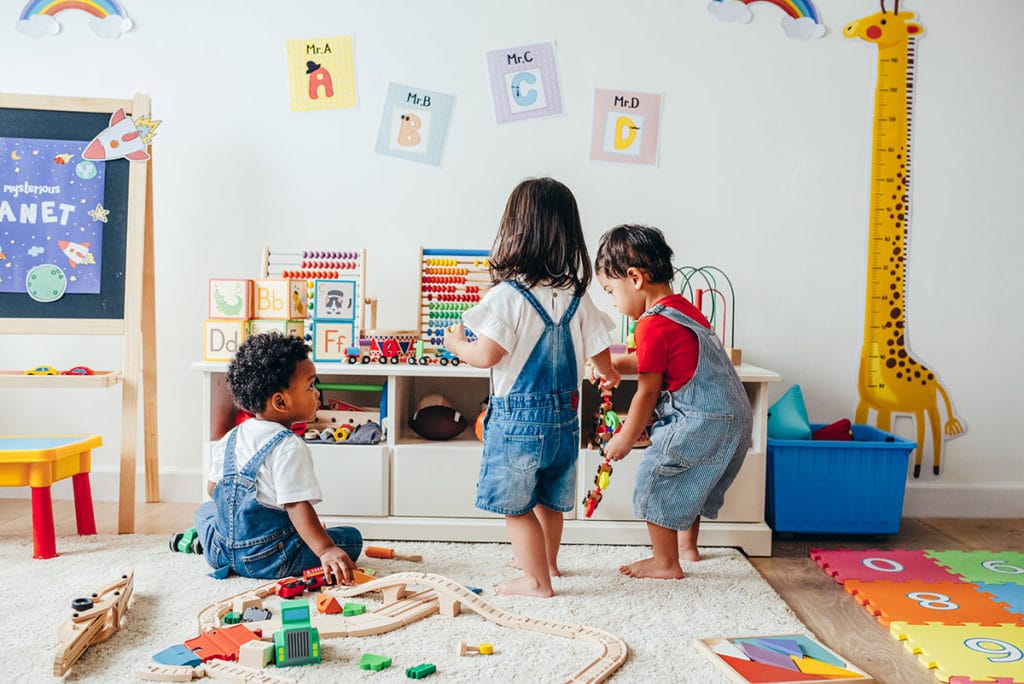
Every parent knows the moment when the easy choice becomes a screen, and the house fills with restless energy. Finding fresh Activities for Kids that spark imagination, build fine motor skills, and turn idle time into learning and play can feel like a full-time job.
This guide lays out simple arts and crafts, sensory play, outdoor games, and easy learning activities to keep kids engaged, creative, and happily entertained without relying on screens. Want quick, practical playtime ideas for rainy days, quiet mornings, or family time?My Coloring Pages offers 10,000+ free coloring pages you can print or use as drawing and painting prompts, craft starters, and learning aids that slot into those moments to cut screen time and make life easier and more fun for the whole family.
Summary
- The article compiles 85 concrete screen-free activities, broken into roughly 10 creative/crafting ideas, 10 paid outing options, 8 free places to visit, 18 higher-energy at-home games, and 39 lower-energy or tabletop activities, showing a deliberate balance for different ages and moods.
- A small weekend trial with 30 families over three months found parents consistently prioritize quick setup and adaptability when choosing activities, making simplicity a core selection criterion.
- What should take five minutes to set up often becomes a half-hour scramble as schedules tighten, illustrating how prep time can erode the practicality of otherwise simple crafts and games.
- The mix of 18 higher-energy and 39 lower-energy activities supports easy rotation between mood-reset movement and calm, focused play, helping families match activities to energy levels and available time.
- Many caregivers patch together craft supplies and printouts. Still, the list of 85 activities can fill a daily family challenge calendar for 85 days, which reduces repetition and planning friction when used as a ready resource.
- This is where My Coloring Pages' 10,000+ free coloring pages fit in, offering printable coloring sheets and drawing prompts that can be generated in seconds to reduce setup time and keep theme libraries consistent.
85 Interesting, Screen-free Activities For Kids
These activities suit different ages and goals: some build fine motor control and creativity, others burn energy, teach responsibility, or sharpen observation and problem-solving skills. Below I list 85 concrete options, each saying who benefits, how to set it up with household materials, and one tweak to scale or extend the challenge.
Creative & Crafting
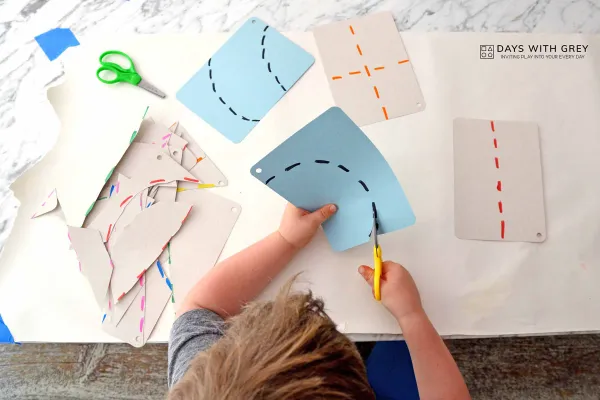
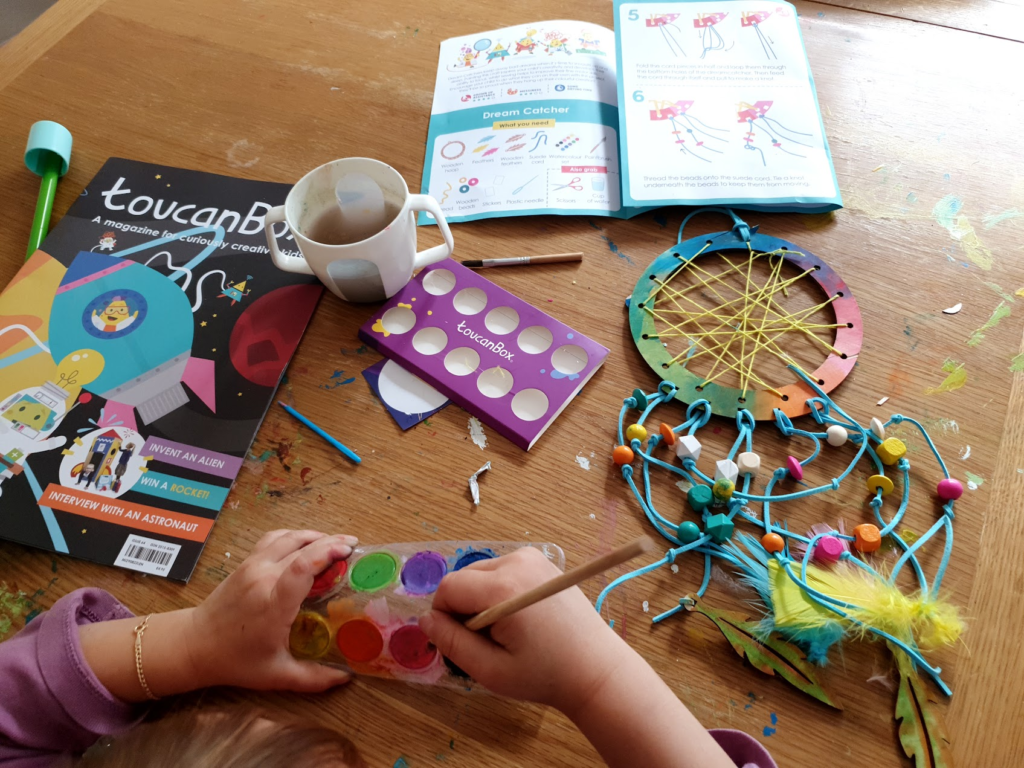
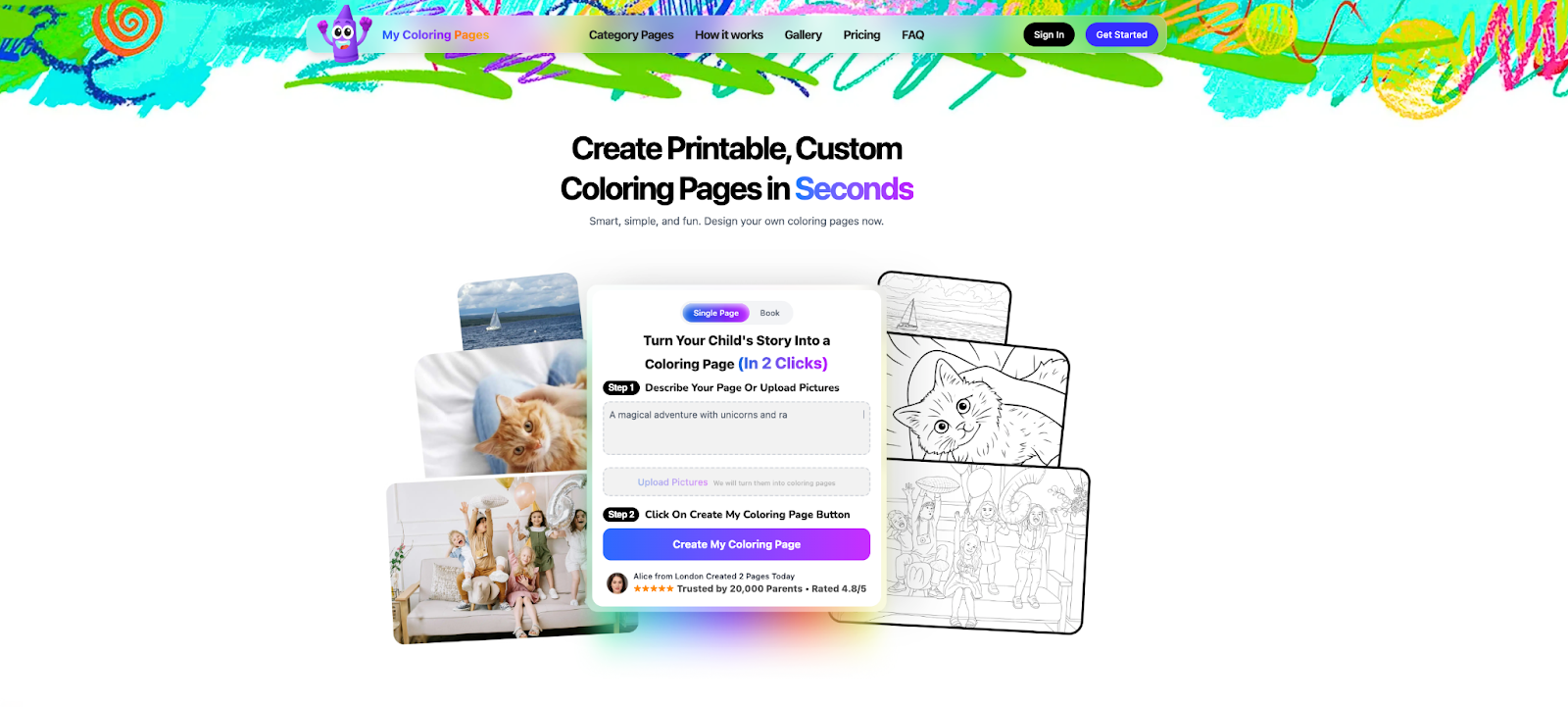
1. Drawing, painting, and coloring pages are best for creativity, fine motor control, and calm focus. Set up paper, washable markers, crayons, and tempera paints; try making custom coloring pages by describing a scene or uploading a photo to My Coloring Pages, which turns them into printable sheets instantly and offers a massive community library of 10,000+ free coloring pages!
2. Go for a walk — Great for observation skills and low-impact exercise. Turn it into a scavenger hunt for leaves, birds, or holiday lights, pack a small bag for collecting treasures, and change the theme by season.
3. Bike or scooter — Builds balance and independence. Use helmets, reflective vests, or flashlights for evening rides, map a slightly longer route each week, and add a destination reward like choosing a picnic spot.
4. Go to the park — Good for social skills and free play. Pack a ball, a blanket, and simple games like frisbee or tag; visit different parks to vary terrain and equipment.
5. Repurpose the garage — Useful for gross-motor play when the weather is bad. Clear a path, roll out a yoga mat or crib mattress for soft landings, and set up hula-hoops or bikes for an open-gym feel.
6. Use the patio — Ideal for outdoor crafts or quiet play. Secure the area, add a small table for painting or sensory bins, and plant a container garden to return to over the weeks.
7. Cook dinner — Teaches kitchen skills and basic food safety. Give kids a plastic cutting board and a toddler knife to chop soft fruit or cheese, let them measure ingredients, and rotate themed-cooking nights to keep it novel.
8. Dishes — Builds responsibility and hand-eye coordination. Use plastic dishes, a shallow tub of soapy water, and sponges; make it a timed game or ranking task to boost engagement.
9. Pack lunch — Encourages planning and healthy choices. Let kids pick from a pre-approved list, teach portioning with cookie cutters, and have them write a note to tuck inside for older siblings.
10. Clean up — Teaches organization through play. Turn pickup into a scavenger hunt by color or item type, time rounds, or assign point values for sorting to donate, keep, or toss.
Places to Go (Paid)
11. Zoos — Great for science curiosity and animal learning. Bring a notebook for drawing or tallying the animals you spot; some zoos run evening light displays for a seasonal twist.
12. Ice skating rinks — Build balance and endurance. Rent skates and try short lessons; set small goals like skating one lap without falling.
13. Gymnastics — Improves flexibility and body awareness. Check for drop-in open-gym times or beginner classes and set a small trick goal for each month.
14. Swimming — Teaches water safety and fitness. Local pools often offer lessons; practice floating and kicking games, then track lap improvements.
15. Museums and aquariums — Sparks curiosity and structured learning. Make a scavenger list before you go to focus attention, then debrief at home with a drawing or mini-report.
16. Bowling — Builds hand-eye coordination. Use bumpers for younger kids, create silly team names, and award prizes for creative throws.
17. Trampoline parks — Burns energy and teaches aerial control with caution. Choose supervised sessions, set strict rules, and prefer small-group bookings to lower injury risk.
18. Indoor “kid gyms” — Good for climbing and imaginative play. Pick facilities with strong cleaning protocols if health is a concern, and schedule off-peak hours for fewer crowds.
19. Ropes courses and ziplines — Best for older kids, building confidence. Choose graded courses with equipped safety and make a photo log of each completed element.
20. Escape rooms — Boosts teamwork and logic, better for tweens and up. Pick kid-friendly themes and let children lead puzzle clues to develop leadership skills.
Places to Go (Free)
21. Libraries and bookstores — Support literacy and calm focus. Let kids choose two surprise books, find a cozy corner for a shared read, and make a wish list for future visits.
22. Pet stores — Teach animal awareness. Prepare a short list of questions to ask staff about animal care, and use a tally sheet to count different species.
23. Hardware stores — Inspires DIY curiosity. Attend free kids’ workshops like those offered monthly at some chains, then build the small project at home together.
24. Grocery stores — Teaches planning and categories. Give kids a mini-list to find items, practice price comparisons, and avoid fragile items like eggs when they’re carrying things.
25. Vintage and thrift stores — Turn shopping into a treasure hunt and lessons about reuse. Set a small budget and challenge kids to find something with a story.
26. Outdoor stores — Inspires future adventures and gear literacy. Let kids pick one item they are curious about, then plan a backyard skill session using it.
27. Malls — Offers varied, convenient stops under one roof. Visit during quieter hours and combine errands with a small game like “window display bingo.”
28. Craft stores — Good for material exploration. Let kids choose one supply, then plan a project around that material to teach resourcefulness.
At-home Higher Energy
29. Build a fort — Encourages construction thinking and role play. Use couch cushions, blankets, and clothespins; theme the fort as a spaceship or castle and assign roles for family members.
30. Play hide and seek — Sharpens spatial awareness and stealth. Add walkie-talkies for older kids and set zones for fairness and safety.
31. Climbing equipment — Develops strength and coordination. If you can, install a modular wooden gear like a Pikler triangle for varied difficulty levels.
32. Mini slides and ball pits — Provides physical play for small spaces. Rotate toys to keep novelty and supervise for cleanliness and safety.
33. Mini trampoline — Good for cardiovascular play and balance. Count jumps for small goals and encourage creative jump sequences.
34. Bubble-wrap jumping — Delivers tactile joy and a sensory boost. Create timed races or hop patterns to add a challenge.
35. Pop-up tent — Supports imaginative play and quiet reading. Use fairy lights and a pile of stuffed animals for cozy storytelling sessions.
36. Dance party — Offers free, high-energy movement. Let kids curate the playlist, invent signature moves, and record a short “dance show” for family.
37. Indoor obstacle course — Builds gross motor skills and sequencing. Use boxes, pool noodles, tape, balance beams, and time each run; change one rule to increase difficulty.
38. Dress up — Encourages narrative play and confidence. Raid closets for costumes, add cardboard props, and stage a brief fashion show.
39. Soft basketball — Improves coordination with low risk. Use a laundry basket or soft bin as the hoop and track scoring with a homemade scoreboard.
40. Scavenger hunts — Sharpens observation and categorization. Create picture-based lists for young kids and timed rounds for older ones.
41. PlasmaCars and ride-ons — Release energy and teach steering control. Set up cones to navigate, or build a lap circuit.
42. Baths with toys — Stimulates sensory exploration. Add cups, funnels, and safe paint for temporary bath art, and turn it into an underwater adventure story.
43. Puppet shows — Boost storytelling and fine motor timing. Cut a large box into a stage, make sock puppets, and write short scripts to rehearse.
44. Balloon volleyball — Keeps kids active without risk. Use a balloon to reduce impact and play “keep it off the floor” challenges.
45. Rough-housing — Supports physical play and trust when rules are clear. Set time limits, safe zones, and signals for stopping to keep it positive.
46. Cosmic Kids Yoga — Mixes movement with calm and imagination. Follow themed episodes, then ask kids to invent a pose to end the session.
At-home Lower Energy & Tabletop
47. Art supplies station — Builds fine motor skills and creative problem-solving. Offer a tray of paper, glue, pipe cleaners, and paint, and seed prompts like “paint a map of an imaginary island.”
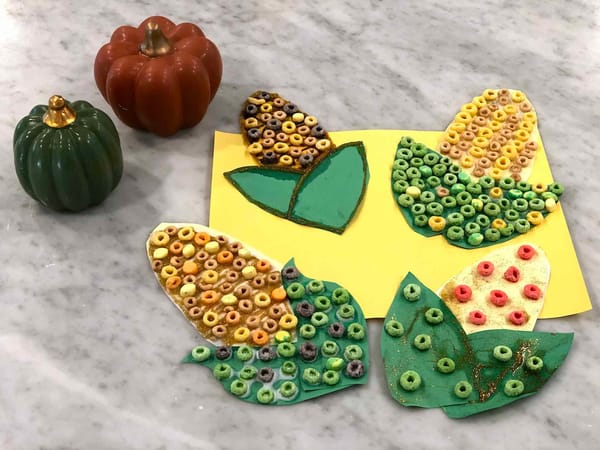
48. Easy crafts — Makes quick wins and develops dexterity. Try paper airplanes, popsicle-stick bookmarks, or edible crafts with few ingredients.
49. Paper planes — Teaches basic aerodynamics. Fold different designs and set up targets or distance contests; measure flights to introduce simple math.
50. Popsicle stick bookmarks — Connects craft to reading habits. Provide glue, marker faces, and tassels; gift the finished bookmarks to relatives.
51. Postcards — Fosters communication and handwriting. Decorate with stickers and draw scenes from a recent outing, then mail them to a grandparent.
52. DIY instruments — Builds rhythm and sound exploration. Wrap rubber bands around a tissue box for a guitar, fill jars with beans for shakers, and start a family band.
53. Origami — Strengthens spatial reasoning and patience. Begin with simple folds, then combine them into a paper zoo or storybook.
54. Friendship bracelets and beading — Enhances fine motor control. Use pasta or large beads for younger hands and teach pattern recognition.
55. Winter-themed crafts — Encourages seasonal creativity. Make pomander oranges with cloves or snow globes from jars and glitter for holiday keepsakes.
56. Clay-like play — Supports sensory exploration and sculpting skills. Use Play-Doh, kinetic sand, or homemade dough and set themed prompts like “build your dream house.”
57. Tabletop games — Teach turn-taking and strategy. Choose age-appropriate games like First Orchard or simple card games, and rotate who picks the game each night.
58. Building toys — Foster engineering and perseverance. Challenge kids to build a tower that holds a book or a bridge across two chairs.
59. Bubbles — Provide sensory delight and breath control. Use no-spill containers or a bubble machine outside and try bubble-blowing competitions.
60. Baking — Teaches the following steps and measuring. Pick low-precision recipes like dip-and-freeze treats, and let kids decorate with sprinkles or candy eyes.
61. Stickers and reusable sticker books — Encourage storytelling and fine motor practice. Create sticker scenes and invite kids to narrate the story.
62. Rubber stamps — Promote pattern-making and design. Use washable ink and stamp cards to send to relatives.
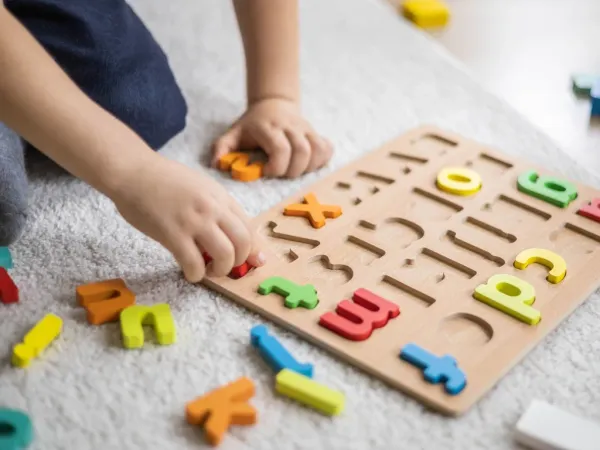
63. Puzzles — Build patience and spatial skills. Match puzzle complexity to age and set a timer to add playful pressure.
64. Playpen play — Keeps babies safe while exploring. Add sensory toys, soft books, and a mirror; older toddlers enjoy crawling in and out for fun.
65. Listening to music or stories — Develops auditory skills and imagination. Use devices like Toniebox and follow up with drawing scenes from the story.
66. Old-school yard games — Amp up cardio and social play. Play jump rope, kick-the-can, or tag for a short, effective family workout.
67. Plant something — Teaches responsibility and science. Start small with a pot of grass or herbs, track growth with photos, and assign watering duties.
68. Craft kits — Offer guided STEM-style projects. Kiwi Co crates are handy if you want an all-in-one kit, otherwise raid pantry items for craft challenges.
69. Letter writing — Develops communication and patience. Younger kids can draw postcards; older kids can write short letters and learn addressing and stamps.
70. Beading — Repeats as accessible fine-motor work. Use string and beads or pasta; create patterned jewelry or decorations.
71. Nature scavenger hunt — Boosts observation and seasonal awareness. Make checklists for leaves, rocks, or insects and vary the difficulty by age.
72. Climb trees — Builds upper-body strength and risk assessment. Pick low branches with clear landing zones and set goals like reaching a marked knot.
73. Make puppets — Repeats and expands puppet-play ideas. Use paper bags, socks, or felt and craft a simple scene for a family show.
74. Draw a comic book — Develops sequential storytelling. Print or fold blank panels, invent characters, and bind the pages into a keepsake book.
75. Make homemade modeling dough — Teaches mixing and chemistry basics. Measure simple ingredients together and use the dough for themed sculpting.
76. Preserve memories with a scrapbook — Turns digital photos into tactile keepsakes. Let kids choose photos, add captions, stickers, and small mementos.
77. Tell riddles — Sharpens logic and language. Start with simple riddles, then have kids invent their own for family challenges.
78. Make a movie — Fosters narrative, collaboration, and editing basics. Use a phone, build a script, assign roles, and try stop-motion with toys.
79. Host an open mic night — Builds confidence and performance skills. Stage short acts, encourage applause, and rotate who chooses the theme.
80. Dance party (again, but framed differently) — Good for mood resets and energy bursts. Create mini dance-offs with style categories like “silly” or “best robot.”
81. Yoga session — Encourages breath control and flexibility. Use a short themed routine and invite kids to invent a calming pose at the end.
82. Beauty day — Let's kids experiment with self-expression. Use old makeup, nail polish, or hair accessories and set a time limit for a laugh-filled makeover.
83. Clean out a closet — Teaches organization and decision-making. Give kids three boxes for keep, toss, donate, and celebrate with a small reward for effort.
84. Try fashion design — Sparks design thinking and tactile skills. Use stencils, fabric markers, or tie-dye a plain tee and end with a backyard runway show.
85. (Extra multi-use idea) Create a family challenge calendar — Encourages routine, novelty, and shared ownership. Write one activity per day on slips, draw a new one each morning, and rotate who gets to decide the twist.
When we ran small weekend activity trials with 30 families over three months, the pattern became clear: parents prioritize quick setup and adaptability, chores only feel useful when framed as play, and concerns about safety or hygiene shape choices more than novelty does.
Most families manage creative time by patching together craft supplies and printouts because it feels familiar and low-cost. That works early on, but as schedules tighten, projects pile up, permissions and themes fragment, and what should be a five-minute setup becomes a half-hour scramble. Solutions like My Coloring Pages step into this gap, letting users generate and print custom coloring pages in seconds, standardize themes for classrooms or siblings, and keep a shared library to avoid starting from scratch each week.
Practical safety note: choose activities that match your child’s developmental level; rougher play needs firm rules, messy sensory play needs simple cleanup plans, and public indoor play should be evaluated for crowding and cleanliness.
Related Reading
- Hobbies for Kids
- Activities for 5-Year-Olds
- Creative Activities for Kids
- Educational Activities for Kids
- At Home Activities for Kids
Create Custom Printable Coloring Pages and Coloring Books in Seconds
Most caregivers and teachers pressed for time want screen-free activities that are creative and purposeful, so I recommend My Coloring Pages, which turns a description or uploaded photo into a printable coloring page in seconds. Trusted by more than 20,000 parents and rated 4.8 out of 5, it helps you pull together lesson-ready sheets, calming art pages, or personalized keepsakes with almost no prep, freeing you to focus on hands-on teaching and play.
Related Reading
- Activities for 6 Year Olds
- Activities for 7-Year-Olds
- Fun Activities for Elementary Students
- Fun Activities for Preschoolers
- Screen-Free Activities for Kids
- Activities for 8-Year-Olds
- Back to School Activities for Elementary Students
- Budget Friendly Family Activities
- Hobbies for Toddlers
- At Home Learning Activities
- How to Encourage Creativity in a Child
- Coloring Skills Development