100+ Creative At-Home Learning Activities For Curious Kids
At Home Learning Activities that work: discover 100+ creative, low-prep ideas from My Coloring Pages to boost your child's learning and fun at home.

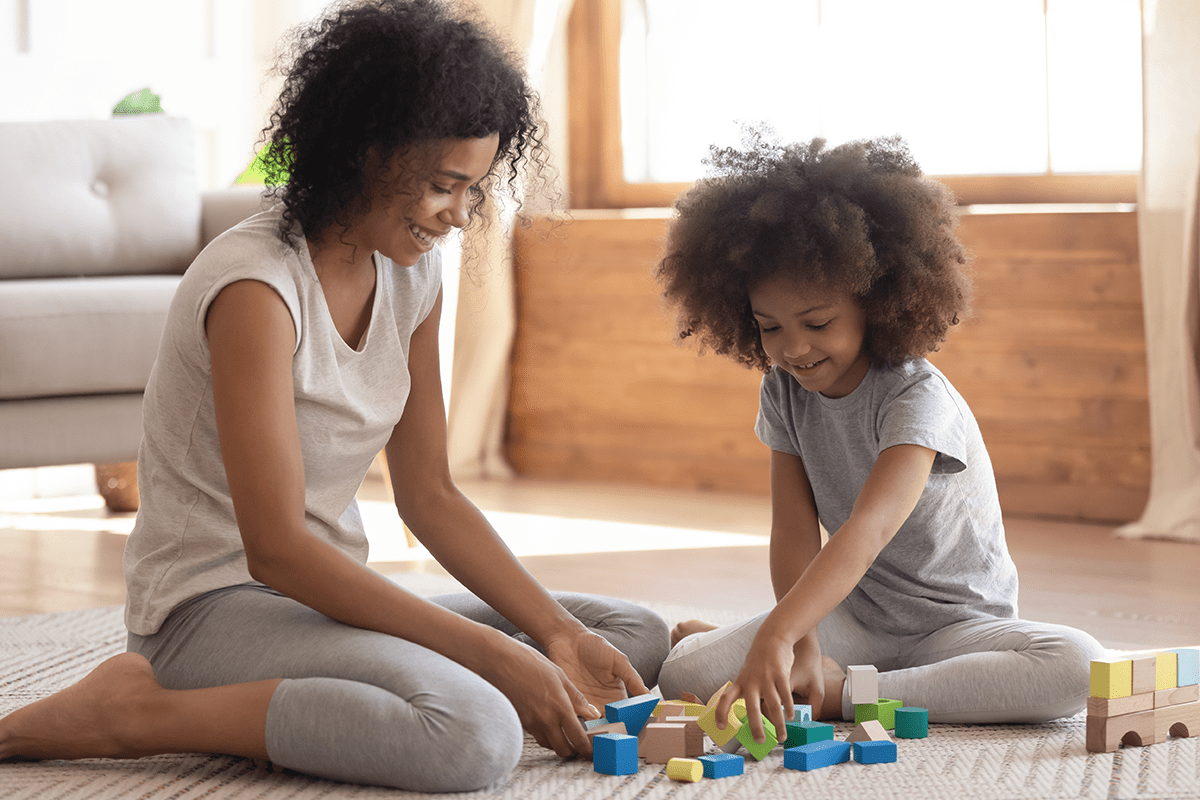
Parents often face mornings that quickly shift from calm to chaos when children express boredom and seek screen time. Creative activities for kids can transform idle moments into opportunities for developing fine motor skills, problem-solving, and creativity through reading, crafts, or simple science experiments. Encouraging engaging, hands-on play bridges the gap between fun and essential learning, making home time both productive and enjoyable.
Practical ideas inspire children to explore new concepts, build confidence in independent play, and reinforce core skills. This approach fosters an environment where learning is seamlessly integrated with play, turning routine moments into valuable developmental experiences. My Coloring Pages offers a resource that enriches at-home learning with its 10,000+ free coloring pages, helping children blend artistic expression with educational activities.
To put these ideas into practice, our 10,000+ free coloring pages help you get started right away.
Summary
- Short, repeatable micro-sessions keep skills fresh and reduce backsliding, with five- to ten-minute rehearsals compounded over weeks, and 60% of children engaged in at-home learning activities showing increased interest in subjects they previously struggled with.
- Tailoring activities to a child’s interests and pace builds creativity, independence, and confidence, as 85% of families report that homeschooling allows more personalized learning experiences.
- Predictable, routine-based practices reduce resistance and increase participation: 75% of parents report their children are more engaged in learning when they have a set routine at home.
- Early parental scaffolding matters: one study found that 60% of children showed improved performance when parents were actively involved in their at-home learning, before gradually stepping back into a coaching role.
- Low-prep formats that use household items scale better for busy families, as an eight-week trial found caregivers preferred activities requiring under ten minutes to set up.
- Home-based learning is widespread and growing, with about 2.5 million children homeschooled in the United States in 2019, and the homeschool population expanding at an estimated 2%-8% per annum.
- This is where My Coloring Pages fits in: 10,000+ free coloring pages that provide themed, ready-to-print practice for short, low-prep sessions and simple tracking.
What Are The Benefits Of At-home Learning Activities For Children?
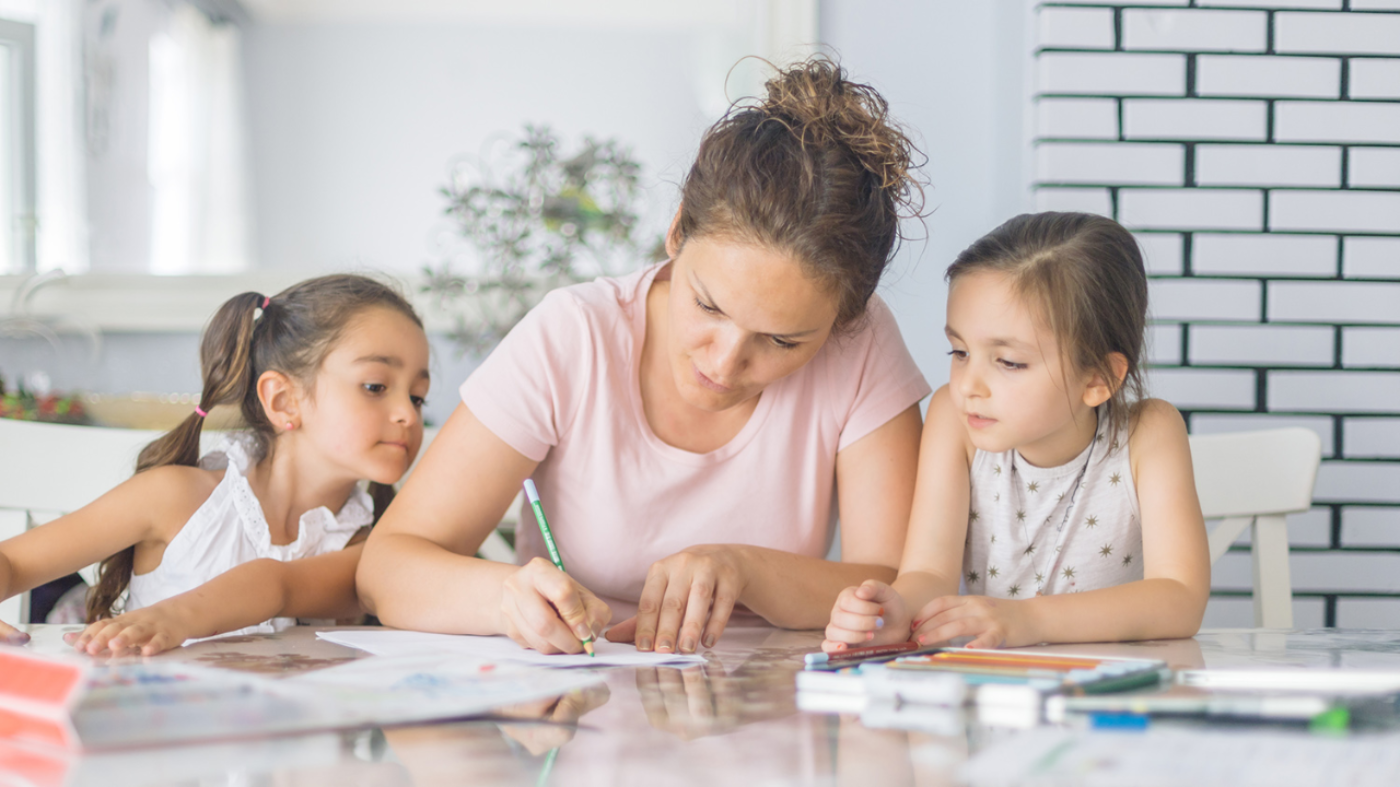
How does at-home work sharpen school skills?
At-home learning lets parents turn small, repeatable activities into focused skill practice. Instead of using a one-size-fits-all worksheet, parents can create a series of micro-lessons to support reading fluency, number sense, or scientific vocabulary. For example, a custom coloring page can serve several purposes: one day it can be a reading prompt, the next a vocabulary matching game, and after that a label-the-parts activity.This means a single printable can help achieve three learning goals. This repetition, spread across short daily sessions, keeps skills fresh and helps avoid the slide back that often happens after long breaks. This pattern shows that 60% of children who engaged in at-home learning activities showed increased interest in subjects they previously struggled with, according to Queen’s Online School, 2025. It suggests that small, fun practice often turns frustration into curiosity.
How does it grow creativity, independence, and confidence?
When a child is allowed to make choices during a learning activity, it fosters experimentation. For example, giving a child a themed coloring page and asking them to invent a two-sentence story about one character encourages creativity.Afterward, they can swap pages with a sibling to edit each other’s endings. This sequence trains imagination, sequencing, and the social skill of constructive feedback. Over time, the child transitions from following directions to setting them, marking the difference between compliance and creative ownership.
Families that prioritize tailoring their approach see significant benefits; a study found that 85% reported homeschooling enabled more personalized learning experiences, according to Queen’s Online School (2025).This personalization often leads to richer, confidence-building tasks.
What about the worry that at-home learning becomes a battleground?
This challenge arises during after-school routines and holiday plans, as parents often feel overwhelmed by the idea of continuing education. Many fear it will lead to arguments or become a daily burden.The critical issue usually lies not in the content, but in the setup. When activities feel like chores, children tend to resist, prompting parents to escalate the situation.
A better approach is to make practice short, predictable, and linked to rewarding outcomes. For instance, assembling a short booklet of completed coloring pages into a show-and-tell portfolio for the child to present on Fridays can be very effective. This predictability reduces friction, and using brief, game-like tasks can prevent nagging.
Why do these activities stick when school lessons sometimes don’t?
Think of learning like a muscle. Short, frequent practice builds strength much better than long sessions every once in a while. Activities you can do at home make good use of the time between soccer practice and dinner for focused five to ten minutes of practice, which adds up over weeks.One good printable can support fine motor skills, letter practice, and vocabulary prompts simultaneously. This innovative use of time is why parents often report better retention and smoother transitions back to school.
Most parents use familiar, manual workarounds to keep kids busy, which makes sense. Many families print generic worksheets or clip art because it is quick and feels safe; this familiarity works well for those nights when only ten minutes are available. However, a hidden cost arises as complexity increases: prep time increases, materials become repetitive, and children may tune out.Platforms like My Coloring Pages address this situation by enabling caregivers to create custom printables in seconds. With access to over 100,000 themed options and easy editing features, caregivers can keep themed lessons fresh without additional planning. This process reduces what used to take a half-hour of prep to just moments, keeping lesson quality as needs grow.
Practical, small ways to use coloring printables for growth
- Turn a coloring sheet into an emergent reader by adding three simple sentences under the illustration. Then ask the child to point and read.
- Use color-by-number pages to practice fractions and proportional thinking by assigning fractions to color choices.
After a few weeks of using this approach, many families report two key changes: children begin choosing activities themselves, and parents no longer dread preparation. This shift is not magic; it is design. Small wins build confidence, and confidence leads to a greater willingness to tackle more challenging problems.
That sounds like the end of the story, but the real complication lies just out of sight.
Related Reading
- Activities for Kids
- Hobbies for Kids
- Activities for 5-Year-Olds
- Creative Activities for Kids
- Educational Activities for Kids
- At Home Activities for Kids
At What Age Can Children Start Learning At Home?
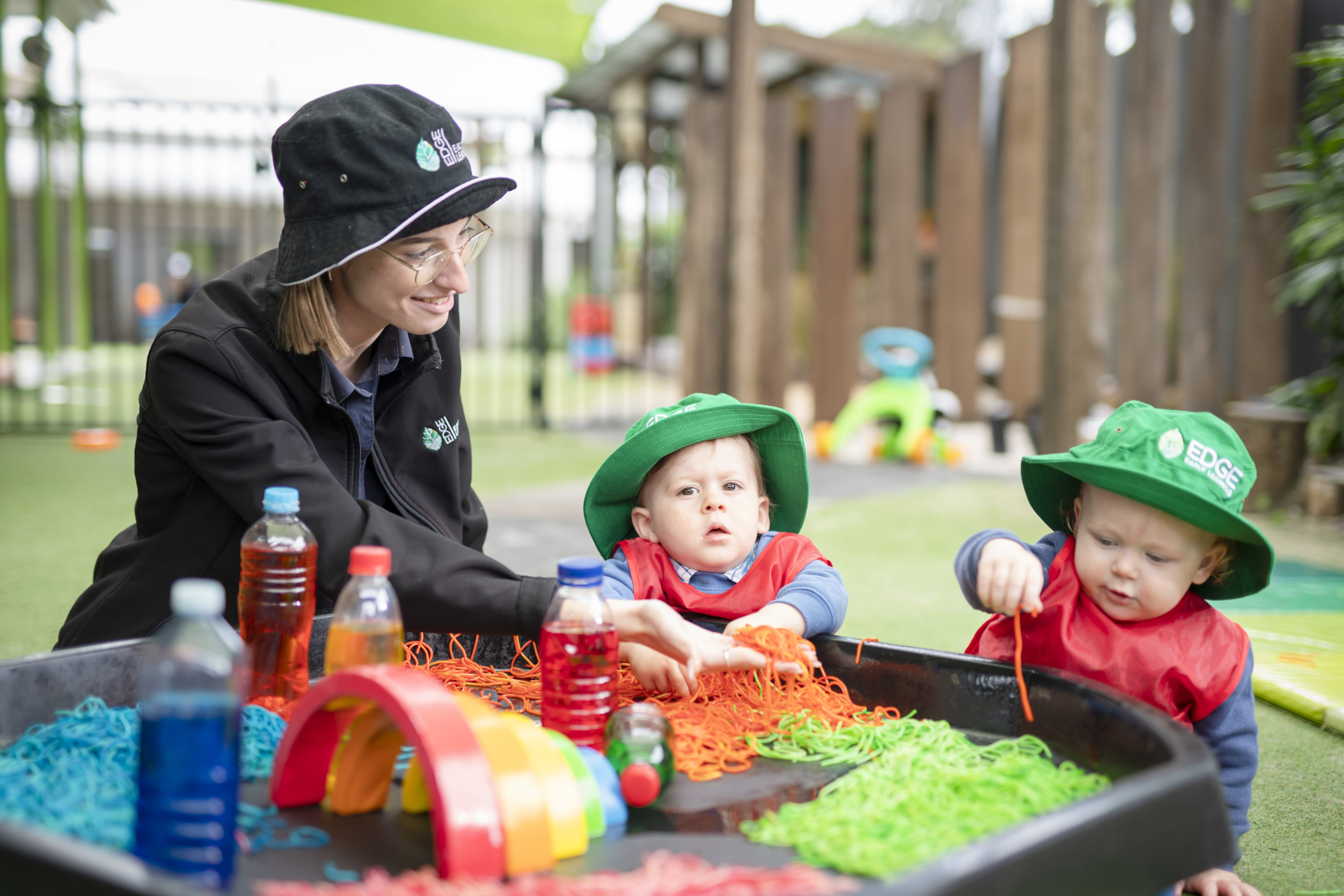
Children can start learning at home as soon as parents make the decision to turn moments into learning. This begins with playful activities during infancy, grows into playful preschool-style lessons around ages three to five, and becomes more structured when it’s time to go to school, usually between five and six.The exact start time is personal, so it's essential to assess readiness and what the family can handle rather than just following a calendar date.
What should infants and toddlers be doing at home?
Focus on interaction, not on formal teaching. Caregivers can sing, explain routines, and pay attention to the child's interests. Naming objects, providing safe cause-and-effect toys, and encouraging messy sensory play help develop both hands and mouths.Short, repeated activities build language and motor skills; for example, turning diaper changes into a one-minute naming game or making bathtime a time for simple experiments with floating and sinking create fun opportunities. Think of these months as building the scaffolding for future skills, quietly gathering small habits.
How should preschool activities be structured?
Aim for guided discovery instead of drills. Use short, hands-on challenges that mix language, number understanding, and social skills. Examples include: a three-piece puzzle that encourages vocabulary. This sorting game focuses on different characteristics and is a simple routine in which the child gives a stuffed animal a two-step instruction.Key points: Keep activities under 15 minutes and pay attention to the child's mood; they stay focused longer when activities are fun. A good rule is this: if your child wants to do the activity again, you’re doing it right. You can explore 10,000+ free coloring pages for additional fun and educational activities.
When is it time to introduce more formal lessons?
When is it time to introduce more formal lessons? Transition happens when the child can consistently follow multi-step directions, copy simple letters, and handle brief frustration while continuing to try.
At that point, educators can add short, scaffolded skill blocks: a five-minute reading warm-up, a ten-minute number game that practices counting and comparison, and a hands-on science activity in which the child records an observation. It is essential to move slowly, add predictable structure, and let mastery guide the next step rather than a set schedule.
How do you judge readiness across emotions and social needs?
Judging readiness across emotions and social needs involves observing three key signals rather than focusing solely on academic performance.Look for signs of curiosity about new tasks, comfort with brief separations, and the ability to maintain focus during turn-taking activities.
If a child shows anxiety or withdrawal after a negative school incident, families often prioritize stability and safety first, followed by learning. Support for several families after school safety failures revealed a clear pattern: emotional safety became the immediate goal. Parents adjusted academic expectations, shortening or changing them until routines and trust were restored.
How common is choosing at-home learning?
Choosing home-based education is not unusual. About 2.5 million children in the United States were homeschooled in 2019, according to the National Home Education Research Institute. This shows a large number of families already organizing learning at home.
That trend continued, with the homeschool population growing at an estimated 2% to 8% per annum over the past several years. This signals steady momentum and a wide range of approaches you can study and adapt.
What are practical signals that an activity is age-appropriate?
You can see practical signs that an activity is age-appropriate by looking at specific skill improvements over short periods. For toddlers, this might be a three-second increase in their steady grasp. For preschoolers, this could mean they can form a two-word sentence.For early elementary children, it might involve reading a five-word line accurately. When a child moves from resistance to voluntary repetition, it indicates the activity is at the right level for them. However, if they become bored or throw tantrums, you may need to make the task easier, change how it's done, or reduce the time spent on it.
What analogy helps keep decisions simple?
A helpful analogy for keeping decisions simple is to treat development as stacking blocks rather than grading papers. You add one reliable piece, let it settle, and then place the next.Rushing can break the stack; instead, small, repeated placements create a resilient tower.
What common trap do parents face with at-home learning?
That simple plan works until parents fall into a common trap: trying to make home feel exactly like school. This approach often causes problems because the situation is different. The usual method includes printing worksheets and having long sessions, which is a good way to replace classroom learning. While this approach might work on busy nights, it can cause stress as expectations rise, attention wanes, and getting ready becomes a chore.Instead, solutions that allow caregivers to customize short, focused activities with minimal preparation can help sustain momentum, maintain a routine, and support their child's needs.
What unexpected outcomes can arise from simple activities?
While this topic seems settled, the following section shows how a one-sheet activity can lead to weeks of new skills and habits.
100+ At-Home Learning Activities
I’ll deliver a clear, numbered collection of short, ready-to-run activities formatted with a title, a one- to two-sentence “What to Do” and a brief “Impact” for each entry, organized so you can pick by mood, space, or age. This compilation follows a practical checklist approach and draws on the same compilation as 100+ At Home Learning Activities, giving you the range you need without extra prep. After that, you’ll find quick guidance on using the list in everyday family life and a brief status quo bridge showing how modern tools speed setup.
Why does this matter for stressed parents?
This pattern appears across blended and single-parent homes: parents feel nervous about becoming the “bad cop” when they try new routines, and they want predictable, low-prep tactics that actually advance skills. Keep choices short, predictable, and repeatable; that reduces friction and makes practice feel like play.
1. Storytime with a Twist
What to Do
Read a book together, then ask your child to invent an alternate ending or add a new character in two sentences.
Impact
Strengthens reading comprehension, narrative sequencing, and creative thinking.
2. Math Scavenger Hunt
What to Do
Hide clues around the house, each requiring a short math problem to reveal the following location.
Impact
Turns arithmetic into a problem-solving adventure and builds number fluency.
3. Cooking with Measurements
What to Do
Let your child measure and pour ingredients for a recipe while you narrate fractions and units.
Impact
Teaches practical measurement skills and reinforces fractions through hands-on practice.
4. Science Experiments at Home
What to Do
Try a simple experiment, such as a baking-soda volcano or a floating/sinking test, and explain the predictions first.
Impact
Builds scientific thinking, hypothesis testing, and curiosity about cause and effect.
5. Family Game Night
What to Do
Pick an age-appropriate board or card game and play with short debrief questions after each round.
Impact
Develops social skills, turn-taking, critical thinking, and strategy.
6. Theme Science Day
What to Do
Choose one science topic, gather a few experiments and readings, then rotate short, hands-on stations.
Impact
Builds deeper conceptual understanding through concentrated, repeated exposure.
7. Classic Volcano Build
What to Do
Construct a papier-mâché cone, or use a bottle, and mix baking soda and vinegar with food coloring.
Impact
Demonstrates chemical reactions and measurement while keeping engagement high.
8. Cultural Cooking Lab
What to Do
Pick a recipe from another country, read a short background story, and prepare it together.
Impact
Teaches cultural literacy, sequencing, and practical kitchen math.
9. Reading Aloud Together
What to Do
Read aloud and alternate pages or characters, then ask targeted questions about motives and consequences.
Impact
Boosts fluency, voice recognition, and deeper text comprehension.
10. Creative Writing Chain
What to Do
Start a story sentence, then each family member adds a sentence until the tale ends.
Impact
Practices narrative structure, collaboration, and sentence-building.
11. DIY Craft Projects
What to Do
Use recyclables and household materials to build a themed craft, with a short plan before starting.
Impact
Encourages design thinking, fine motor skills, and resourcefulness.
12. Puzzles & Strategy Games
What to Do
Work on a jigsaw or strategic board game together, dividing tasks by skill level.
Impact
Enhances spatial reasoning, patience, and planning.
13. DIY Escape Room
What to Do
Create a short sequence of puzzles and clues that leads to a final “escape” prize, keeping the challenges age-appropriate.
Impact
Builds logical reasoning, reading for detail, and collaborative problem-solving.
14. Historical Reenactment
What to Do
Research a short historical event, script a 3–5 minute scene, and perform it using simple props.
Impact
Reinforces historical understanding, public speaking, and empathy.
15. Build Stuff! Forts & Models
What to Do
Build a blanket fort or design a Lego city tied to a topic you’re studying.
Impact
Strengthens engineering thinking, spatial awareness, and creative play.
16. Origami Geometry
What to Do
Follow step-by-step folding instructions to create simple origami shapes and discuss angles.
Impact
Teaches geometry, precision, and sequential instruction following.
17. Documentary Watch & Discuss
What to Do
Watch a short educational documentary and then ask three focused comprehension questions.
Impact
Expands background knowledge and critical viewing skills.
18. Astronomy Night
What to Do
Use a phone app or a small telescope to find constellations and note one interesting fact each.
Impact
Builds observational skills, astronomy vocabulary, and long-term curiosity.
19. Gardening Basics
What to Do
Plant seeds in pots, track growth with a simple chart, and discuss needs like sunlight and water.
Impact
Teaches life cycles, responsibility, and scientific observation.
20. Guided Art Gallery Visit
What to Do
Visit a local gallery or virtual exhibit, choose a favorite piece, and sketch or describe why it matters.
Impact
Develops visual literacy, art vocabulary, and personal expression.
21. Museum Exploration
What to Do
Visit a museum and pick one exhibit to study closely, then write three facts learned.
Impact
Builds domain knowledge and research sequencing.
22. Live Performance Attendance
What to Do
Attend a theater or music show and afterward discuss the story, mood, and production elements.
Impact
Enhances cultural literacy, listening, and critical thinking.
23. Local Fair Learning
What to Do
Attend a community fair and map one new thing to learn about from each booth.
Impact
Teaches civic engagement, observation, and local culture.
24. Landmark Field Trip
What to Do
Visit a historical site and complete a short scavenger sheet about its era and significance.
Impact
Connects local history to national narratives and critical inquiry.
25. Community Art Class
What to Do
Enroll in a short pottery or painting session and follow the instructor’s sequence.
Impact
Builds technique, focus, and fine motor control.
26. (Reserved — keep format consistent if you add later.)
27. Music Lessons
What to Do
Start short, regular sessions with an instrument or use online tutorials and small, achievable goals.
Impact
Develops auditory discrimination, fine motor control, and discipline.
28. Performing Arts Participation
What to Do
Join a local theater or dance program with weekly rehearsals and a performance goal.
Impact
Builds confidence, teamwork, and expressive skills.
29. Community Electives
What to Do
Try a short elective (gardening, coding, pottery) at a community center and document learning progress.
Impact
Broadens skills and social networks while exposing kids to new interests.
30. Gymnastics or Martial Arts
What to Do
Sign up for a trial session and practice basic skills and safety rules at home between classes.
Impact
Enhances coordination, strength, and discipline.
31. Social Playgroups
What to Do
Arrange a weekly meetup with other families for playdates, book clubs, or mini-projects.
Impact
Supports social skills, turn-taking, and peer learning.
32. Library Visit Routine
What to Do
Make a habit of checking out themed books and using library programs for guided learning.
Impact
Encourages literacy, research skills, and community use.
33. Park Nature Walks
What to Do
Walk in a local park with a checklist of plants, insects, and sounds to document.
Impact
Teaches observation, classification, and environmental awareness.
34. Community Sports & Pools
What to Do
Use local facilities for structured lessons or free play that practice specific skills.
Impact
Improves physical fitness, teamwork, and motor planning.
35. Backyard Exploration
What to Do
Identify plants, make art from natural materials, and observe weather and shadows across the day.
Impact
Encourages observational science, classification, and creativity.
36. Get Moving: Indoor PE
What to Do
Run short movement breaks like freeze dance, hallway soccer, or obstacle courses sized to your space.
Impact
Burn energy, build gross motor skills, and support executive function.
37. Guided Pretend Play
What to Do
Provide a dress-up box or props and give a two-step prompt to start imaginative scenes.
Impact
Builds language, social negotiation, and symbolic play.
38. Curated Online Activities
What to Do
Use vetted educational sites for short, interactive lessons and follow up with a hands-on task.
Impact
Reinforces digital literacy, content curation, and applied learning.
39. Lazy Learning Movie Night
What to Do
Watch a film and then ask your child to retell the plot in three sentences or draw a story map.
Impact
Builds comprehension and summarization skills.
40. Audiobook Listening Session
What to Do
Listen to a short audiobook and pause to predict what will happen next at two key moments.
Impact
Improves listening comprehension, memory, and inferencing.
41. Create a Scavenger Hunt
What to Do
Make a short list of visible household items or natural finds, and time the search using clues.
Impact
Practices observation, spatial memory, and teamwork.
42. Build a Fort
What to Do
Use blankets, boxes, and cushions to design a fort, then use it as a reading or quiet workspace.
Impact
Encourages planning, spatial reasoning, and focused play.
43. Nature Journal Keeping
What to Do
Sketch or note one outdoor observation daily and label at least one plant or animal.
Impact
Trains scientific observation, vocabulary, and record-keeping.
44. Sunflower Word Family
What to Do
Create a paper sunflower with word endings on petals and letters in the center for spinning blends.
Impact
Reinforces phonics, decoding, and letter-sound relationships.
45. Backyard Treasure Map
What to Do
Hide a small treasure, have the child draw a map, and trade maps to find each other’s treasures.
Impact
Teaches map skills, spatial concepts, and planning.
46. Color-Mixing Experiment
What to Do
Use safe dyes or food coloring in small cups of water, and let kids explore mixing primary colors.
Impact
Teaches color theory, experimentation, and fine motor control.
47. Family Flag Project
What to Do
Study simple flag design rules, then have the family design and explain a personal flag.
Impact
Builds understanding of symbolism, design thinking, and civic literacy.
48. Mental Math Practice
What to Do
Keep a stack of quick math problems on craft sticks for five-minute warm-ups during car rides.
Impact
Strengthens mental computation and number recall.
49. Mental Math Timed Drills
What to Do
Challenge participants to complete as many head-calculation sticks as possible in two minutes.
Impact
Builds speed, focus, and working memory.
50. Sound Exploration Lab
What to Do
Gather household items to shake, beat, or scrape and sort by pitch or material.
Impact
Enhances auditory discrimination and vocabulary for sound descriptors.
51. Color Sorting & Matching
What to Do
Put out colored objects and matching targets for children to pair and group.
Impact
Strengthens categorization, visual discrimination, and vocabulary.
52. Stack and Crash Play
What to Do
Provide safe objects to stack into towers and discuss balance and size before knocking them down.
Impact
Teaches cause-and-effect, size comparison, and fine motor control.
53. What’s Missing Memory Game
What to Do
Show 4–6 objects on a tray for 10 seconds, remove one out of sight, then ask which is missing.
Impact
Builds working memory and attention.
54. Guess the Food Sensory Game
What to Do
Blindfold the child and have them smell or touch foods to identify them.
Impact
Develops descriptive language, smell discrimination, and focus.
55. Saucepan Lid Matching
What to Do
Mix up lids and pots and have the child match each correctly.
Impact
Encourages problem-solving and visual matching.
56. Ball Ramp Physics
What to Do
Create a slope with cardboard or a board and roll different balls to observe speed and distance.
Impact
Teaches gravity, motion, and comparative testing.
57. Elastic Ball Box
What to Do
Stretch rubber bands across the opening of a shoebox, fill it with balls, and have kids retrieve them by reaching.
Impact
Builds hand strength, persistence, and fine motor planning.
58. Posting Toy Cars into Bottles
What to Do
Cut a large hole in a bottle lid or use a large-mouth bottle and let toddlers post cars inside.
Impact
Teaches object permanence, coordination, and cause-and-effect.
59. Small-Object Posting Variations
What to Do
Use bottle caps or tokens and a tin with a hole to drop items through, changing difficulty.
Impact
Refines fine motor control and persistence.
60. Cognitive Development Toy Play
What to Do
Offer toys with predictable buttons, levers, or sorting elements and narrate cause-and-effect relationships.
Impact
Teaches sequencing, prediction, and early problem solving.
61. Tiny Toy Rescue & Recapture
What to Do
Tape small toys to a vertical surface so toddlers can peel them off, then reattach them for repeat play.
Impact
Builds finger strength, persistence, and fine motor control.
62. Twist-Top Board Practice
What to Do
Glue various lids to a board or use bottles for children to practice twisting on and off.
Impact
Develops rotational wrist control and fine motor precision.
63. Toddler Tinker Tray
What to Do
Fill a divided tray with a variety of safe objects for exploratory handling and sorting.
Impact
Encourages sensory exploration and fine motor development.
64. Shape Tracing Activity
What to Do
Draw large shapes and have children line up items along the outline.
Impact
Teaches shape recognition and precision placement.
65. Playdough Baking
What to Do
Provide playdough and simple tools to "bake," shape, and decorate pretend items.
Impact
Strengthens hands, encourages creativity, and teaches sequencing.
66. Rice Scooping Cupcakes
What to Do
Provide dyed or plain rice and measuring spoons so children can scoop into cupcake papers.
Impact
Teaches volume, transfer skills, and concentration.
67. DIY Bracelets & Necklaces
What to Do
Offer large beads and string or pipe cleaners for children to thread patterns.
Impact
Builds fine motor skills, pattern recognition, and patience.
68. Pompom Transfer & Sorting
What to Do
Have children use tongs to move pompoms between containers and sort by color.
Impact
Improves pincer grasp, categorization, and focus.
69. Sponge Squeeze Water Play
What to Do
Give sponges and a small tub of water for squeezing, dripping, and transferring.
Impact
Strengthens hand muscles and supports sensory exploration.
70. Clothespin Pinch Practice
What to Do
Give clothespins and a board or fabric to clip, then turn it into a matching game.
Impact
Enhances pinch strength and visual matching.
71. Spray Art Exploration
What to Do
Use a spray bottle with watercolor or plain water to decorate cardboard or canvas.
Impact
Builds hand strength, cause-and-effect understanding, and creative exploration.
72. Tear-and-Glue Collage
What to Do
Let toddlers tear paper and glue pieces onto cardboard to form a collage.
Impact
Strengthens bilateral coordination and early craft skills.
73. Cutting Straws Activity
What to Do
Provide child-safe scissors and plastic straws for cutting practice into small pieces.
Impact
Develops scissor skills, hand strength, and concentration.
74. Sort Cars by Size
What to Do
Have children group toy cars into small, medium, and large piles.
Impact
Teaches size comparison and early categorization.
75. Puzzle Mix-Up Challenge
What to Do
Combine pieces from several puzzles and ask the child to sort and complete one.
Impact
Enhances visual discrimination and sorting strategies.
76. Count-to-Match Number Mats
What to Do
Draw or print number mats, then place the corresponding number of objects on each mat.
Impact
Builds number sense and one-to-one correspondence.
77. Color Scavenger Chase
What to Do
Send the child to collect items of a specific color from a limited area.
Impact
Practices categorization and observational speed.
78. Play "Odd One Out."
What to Do
Present a small set of items and ask the child to find the one that does not belong and explain why.
Impact
Develops logical reasoning and vocabulary.
79. Themed Treasure Box
What to Do
Curate a safe box of tactile objects around a theme for open-ended exploration.
Impact
Encourages sensory play, classification, and imaginative storytelling.
80. Sound Guessing Game (duplicate entry variant)
What to Do
Place objects in containers and have the child guess the contents by shaking before revealing.
Impact
Builds auditory memory and descriptive language.
81. Color Sorting Repeat (alternate variation)
What to Do
Use various household items to match colored targets, and add timed rounds for older kids.
Impact
Reinforces categorization and reaction speed.
82. Knockdown Stack Play (alternate)
What to Do
Build towers from cups or boxes and test stability using different base shapes.
Impact
Explores balance, engineering basics, and experimentation.
83. Missing Object Memory Game (repeat variant)
What to Do
Offer a tray of items, hide one, and ask which item disappeared to sharpen recall.
Impact
Strengthens attention and visual memory.
84. Food Guessing Sensory Repeat
What to Do
Blindfold the child and have them identify foods by smell or touch while describing textures.
Impact
Improves sensory discrimination and expressive vocabulary.
Practical questions parents ask: How do we pick activities that actually stick?
When you pick, focus on three constraints: time available, the child's emotional state, and material simplicity. If you have five minutes and an energetic child, choose a quick movement break like freeze dance; if you have calm focus and twenty minutes, pick a tinker tray or a small craft. The right match reduces resistance and prevents the “chore” spiral that drains both motivation and progress.
Status quo disruption: the real cost of old prep habits and a faster path
Most families default to printing generic worksheets because they’re familiar and feel like immediate action. That works when demand is low, but as you try to run varied, age-tailored activities week after week, prep time increases and engagement declines.
Platforms like My Coloring Pages centralize customization, allowing caregivers to create themed, age-appropriate printables in seconds with an intuitive editor and 100,000-plus template options, reducing the time many parents spend on repetitive planning from half an hour to one to five minutes while maintaining consistent quality.
How to use this list without burning out?
Pick three repeatable items for your weekly rotation: one movement, one language-rich task, and one hands-on experiment. Tuck them into predictable anchors, such as after snack or before bath, and measure success by willingness to repeat, not by perfection. When a child moves from resisting to choosing an activity, you have the right level of support.
A short note on picky eating and routines
This list supports food-related practice without pressure. Try “taste mapping,” where the child describes textures and colors rather than forcing bites, and pair a low-pressure “try it once” rule with small rewards for descriptive language, not consumption. That keeps care consistent between partners and avoids the emotional trap of becoming the sole enforcer.
One final practical tip before you go on: Label and reuse printables. Keep a small folder of favorites so you can rotate them without re-prepping, and file new winners into a “repeat” stack for quick access the following week.
That simple strategy changes the daily rhythm more than a dozen new lesson plans, and it leads directly into a surprising next idea you won’t want to miss.
Related Reading
- Activities for 6 Year Olds
- Activities for 7-Year-Olds
- Fun Activities for Elementary Students
- Fun Activities for Preschoolers
- Screen-Free Activities for Kids
- Activities for 8-Year-Olds
At Home Learning Activities
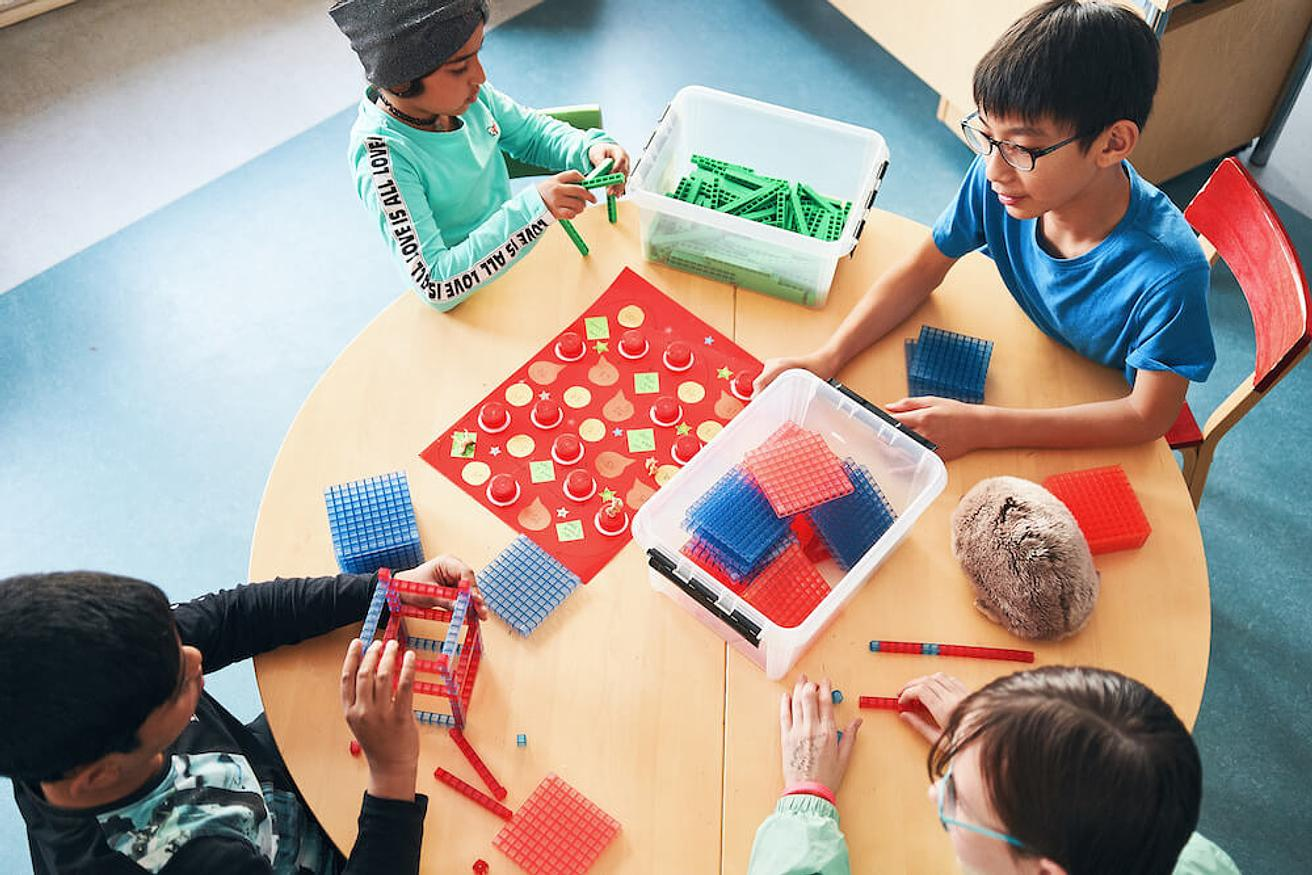
85. Saucepan lid matching — How do you move this from a one-off trick to measurable skill work?
Use the lids as a short, repeatable task where you change only one variable at a time: swap in lids with subtly different rim widths, add a timer for older toddlers, or blindfold a child and ask them to identify the correct lid by feel. Watch for two signs of progress, not perfection: faster independent matching and fewer attempts in which the child needs help aligning the lid. Turn a completed round into a language moment by asking the child to name attributes they used, like “big,” “small,” or “heavy,” then record that vocabulary on a simple printable so you can track growth across sessions.
86. Ball ramp — What minor tweaks accelerate STEM thinking?
Instead of repeating the same slope, set up two ramps with different angles and ask the child which ball will reach the bottom first, prompting a prediction first and observation next. Use a stopwatch or count steps to create a rough speed comparison and note which experiment the child repeats by choice, because voluntary repetition is the best sign of conceptual uptake. For older toddlers, introduce a simple variable chart on a printable that records ball type, ramp angle, and outcome, converting play into an emergent experiment log.
87. Elastic ball box — How do you tune the challenge to build persistence and fine motor control?
Raise the difficulty gradually by tightening the elastic grid or by switching from large foam balls to slightly smaller ones, and offer only one clear strategy when frustration rises, for example, “push with two fingers.” Measure progress by counting successful retrievals in a two-minute window or by how long the child persists before asking for help. Capture the sensory vocabulary they use during the task, then attach that language to a follow-up coloring sheet that reinforces the exact words.
88. Posting toy cars into a large bottle — How can posting games teach sequencing and attention?
Turn the posting action into a three-step routine: choose, post, retrieve, then ask the child to repeat the sequence without prompts to increase independence. Substitute objects with different weights or shapes to prompt problem-solving: which items slide in more easily, which need angling, and why. Keep a small booklet of pictures showing the sequence, and have the child check off steps as they complete them, turning an invisible skill into an observable habit.
89. Toys that support cognitive development — How should parents judge which toys to keep in rotation?
Use two filters: predictable cause-and-effect and adjustable complexity. Keep one toy that always gives the same response, such as a simple button box, and another toy whose challenge can grow, such as a shape sorter with removable inserts. After a two-week rotation, note which toy the child returns to and why; preference plus repeated practice equals learning leverage. Make a one-page inventory printable listing toys, target skills, and the child’s current strategy so you can rotate intentionally, not randomly.
90. Tiny toy rescue and recapture — How do you convert peeling tape into finger-strength diagnostics?
Vary tape adhesion to create graded resistance and time how many toys your child frees in a minute, recording improvements over a week. If peeling becomes routine, add a storytelling layer: each freed toy has a “rescue reason” the child must name, which links fine motor work to expressive language. Keep safety in mind by using painter’s tape and supervising small pieces; track successes on a sticker chart to encourage persistence.
91. Twist-top board — When do you move from passive success to self-correction?
Once a child can unscrew and screw a single lid several times, introduce lids with different thread types or slight damage so they must try more than once to achieve a proper fit. Encourage self-correction by asking, “What can we try next?” and only stepping in after two attempts. Photograph attempts and place the images on a quick, printable checklist so the child can see how attempts decrease as skill improves.
92. Toddler tinker tray — How do you keep variety without overwhelming preparation time?
Rotate only one tray compartment per session, keeping the rest constant, so novelty is focused, and setup stays fast. If a child shows persistent avoidance, reduce visual clutter by using fewer items and larger objects; when curiosity returns, reintroduce smaller pieces. Record favorite materials and the child’s handling strategies on a one-line log so future trays match interest and skill, saving prep time while boosting engagement.
93. Shape tracing — How can you nudge tracing into early writing readiness?
After a child lines up items to form a shape, ask them to trace the outline with a crayon, first with your hand guiding, then alone, then freehand from memory a day later. Success is not perfect lines; it is consistent directionality and progressive reduction in hand-over-hand help. Make a simple printable with three boxes, “guided,” “solo,” and “from memory,” to chart fast wins and small steps toward pencil control.
94. Playdough baking — How do you scale tactile play into planning and sequencing?
Give a minimal recipe task, for example, “Make three cookies, give two to the teddy, save one for later,” which forces counting, turn-taking, and memory. Periodically add a planning card with two steps the child must follow before starting, increasing executive function demands without adding frustration. Keep a photo diary of finished creations and let the child choose one to turn into a coloring page later, preserving creative output and linking modalities.
95. Scooping and pouring rice “cupcakes” — What observational cues tell you a child’s transfer skills are improving?
Watch for smoother wrist movement, reduced spills, and the ability to switch tools without prompts, then log those behaviors in a two-line progress note. Introduce measuring spoons labeled with numbers to seed early number vocabulary and capture the child's narration of quantities as they go. Turn a favorite scoop pattern into a themed printable that reinforces number words and serial order.
96. DIY bracelets or necklaces — How do threading activities shift from fun to focused pattern work?
After basic threading is mastered, present a two-color pattern for the child to follow, then ask them to teach the pattern back to you, which helps practice sequencing and expressive language. Offer thicker beads before graduating to smaller ones, and time sessions to see if attention lengthens naturally; longer voluntary sessions mean internalized skill. Store finished pieces in a labeled pouch and snap a photo for a keepsake sheet that links fine motor practice to pride and ownership.
97. Pompom transfer and sorting — How do you move from sorting by color to categorizing by rule?
Once color sorting is fluent, ask the child to sort by a new attribute, such as size or texture, and let the child decide the rule, which builds abstract categorization. Offer tongs of varying resistance to strengthen different grip patterns and record which grip the child prefers. Convert a winning sort into a printable sorting chart to reinforce the concept through repetition.
98. Squeezing water sponges — What emotional skills grow from simple squeeze-play?
Observe whether the child uses squeezing to calm down when upset, and, if so, deliberately offer sponge play as a brief regulation strategy during transitions. Measure emotional benefit by how many tantrums are shortened after introducing a five-minute sponge routine over two weeks. Document these changes in a one-line mood tracker paired with the activity to see cause and effect.
99. Playing with clothespins — How do you prevent frustration while still building pinch strength?
Use larger, softer clothespins to start, then switch to standard wooden ones as strength improves, and limit sessions to five minutes to avoid fatigue. Turn pinning into a matching game by color or shape to add cognitive demand without extra pressure. Keep a quick checklist of pin counts per minute to observe steady gains.
100. Spray art and alternatives — How can you preserve the sensory gains while reducing setup and cleanup?
If a spray bottle is too hard for small hands, substitute with a turkey baster or sponge, and move the activity outdoors whenever possible. For every messy session, pair it with a single-sheet printable for the child to decorate afterward, extending the creative sequence into a calmer fine-motor task. Track preferences to offer the version that yields the longest focused time with the least parental prep.
101. Tear-and-glue, lacing crafts, cutting straws — How do you combine these for compound skill targets?
Design a single mini-project that sequences tearing, lacing, and cutting in that order, so each step naturally primes the next and the child experiences progress through a finished object. Timebox each step, set one small measurable goal per session, and use a project card printable that lists the three steps and celebrates completion. This approach keeps preparation low while producing layered skill practice.
102. Push pins into cardboard or cork pinboard — What safety and progression rules matter?
Always use child-safe push pins with a larger head and provide a solid backing. Begin with pre-punched holes and progress to forcing pins through thicker layers as grip strengthens. Record successful placements per minute for objective tracking and stop if the child shows fatigue or frustration. Keep a single safety checklist near the activity to remind caregivers of supervision needs.
103. Dot marker activities — How do you turn dotting into visual discrimination and fine control?
Ask the child to fill only the specified areas or follow a dotted path that narrows each round, increasing precision incrementally. After three sessions, swap markers for a simple brush to practice control with a different tool and track steadiness improvements. Store best sheets in a short-term portfolio and use them as visuals when creating a follow-up printable naming shapes or colors.
104. How to prioritize activities when time or energy is limited?
If you have under ten minutes, pick a one-step fine motor activity that produces a visible outcome, for example, a short thread or a single lid match, because visible completion builds momentum. When you have twenty minutes, choose a slightly longer sequence with a language wrap-up to double the cognitive return. This constraint-based triage reduces friction and makes progress visible even on the busiest days.
105. What did we learn working with families, and how does that change setup choices?
When we ran a focused trial with a cohort of families over eight weeks, the pattern became clear: caregivers preferred activities that used household items, required under ten minutes to set up, and could be graded in place. We prioritized these formats when designing follow-up materials. The result was more frequent practice and less prep anxiety, because simple, repeatable tasks fit into real days without turning playtime into a project.
106. Status quo disruption: why familiar prep practices break down, and what fixes them
Most caregivers print generic sheets and rotate toys because that pattern is fast and familiar. That works for a session or two, but as you try to scale targeted practice across weeks, context gets lost, repetition becomes stale, and tracking progress turns into guesswork.
Platforms like My Coloring Pages let caregivers create tailored printables in seconds from a library of over 100,000 themed options, so instead of rebuilding the same worksheet each week, you produce a fresh, skill-aligned sheet that reinforces the exact vocabulary or sequencing used in the activity, compressing prep from many minutes to just a few and keeping lessons coherent as you repeat them.
107. How to know an activity is working, not just occupying time?
Use three quick, observable metrics: voluntary repetition, fewer prompts needed, and transfer of the skill to a new context, for example, using the same pincer grasp to thread beads and pick up small Cheerios. Track those on a simple one-line log after each session; cumulative small wins show up fast and keep momentum high.
108. How to integrate printables without adding work?
Make a one-step habit: after every hands-on session, hand the child a themed coloring page or a one-question worksheet that references what they did, then file that page in a dated folder. Over two weeks, you build an evidence trail, and the pages themselves become both reinforcement and a low-effort record of growth.
Because short, repeatable practices change behavior and many families already read together weekly, the next section will address the single surprising barrier that keeps even motivated parents from turning that momentum into consistent at-home learning.
What comes next is the one obstacle almost every parent runs into, no matter how clever the activities are.
Related Reading
- Back to School Activities for Elementary Students
- Budget Friendly Family Activities
- Hobbies for Toddlers
- How to Encourage Creativity in a Child
- Coloring Skills Development
Create Custom Printable Coloring Pages and Coloring Books in Seconds
Consider My Coloring Pages for fast, low-prep at-home learning activities that help build fine motor skills and provide literacy practice while keeping kids engaged off screens. Describe what you want or upload a photo, and we turn it into ready-to-print, customizable coloring pages in seconds.You can browse 10,000+ free community designs, assemble personalized pages or coloring books for kids, classrooms, or stress relief, and join more than 20,000 parents who rate the platform 4.8 out of 5. Explore our collection of 10,000+ free coloring pages.