What Attachment Parenting Isn’t (And What Builds Secure Kids)
Not all responsive parenting is "Attachment Parenting." Learn what it isn't—and what truly builds secure, confident kids.


You wake at 2 a.m. to a baby who will not stop crying and wonder whether holding them, offering the breast, or letting them learn to self-soothe is the right move. Those nightly choices shape attachment, emotional development, parent-child bonding, and your role as an attuned, responsive caregiver, so small decisions matter more than you might think.
What is Attachment Parenting, and how does it differ from permissive or anxious approaches to raising kids? This guide explains what Attachment Parenting is—and is not—so you can adopt clear strategies such as responsive caregiving, emotion coaching, and consistent soothing to help build secure, confident, emotionally healthy children.To help make those strategies practical, My Coloring Pages offers 16,879+ free coloring pages that create calm moments for bonding, teach emotion words, support self-regulation and soothing, and give parents simple activities to practice attunement and build trust.
Summary
- Small, repeated rituals beat rare big gestures for building trust; one 10-minute post-dinner connection session is framed as more effective than three rushed apologies on a weekend, and the article recommends 5 to 15-minute windows for repeatable micro-rituals.
- Emotional co-creation during play reduces escalation by providing children with a predictable framework for naming feelings, which matters given that 75% of parents report struggling to build a strong connection and 60% of children say their parents do not understand their emotional needs.
- Insecure attachment has measurable costs, with approximately 40% of children who do not feel securely attached showing behavioral problems and children with insecure attachments being about 30% more likely to develop anxiety disorders.
- Attachment parenting is a toolkit, not a guarantee: roughly 60% of children develop secure attachments from generally responsive caregiving, while about 20% develop ambivalent patterns, so repeated repair matters more than any single practice.
- Practical tradeoffs drive sustainability, so plan explicit swaps like two-night rotation windows, schedule three 60-minute breaks per week for exhausted caregivers, and revisit routines every 2 to 4 weeks to prevent burnout and uneven attention.
- This is where My Coloring Pages' 16,879+ free coloring pages fit in, making it easier to sustain predictable 5- to 15-minute micro-rituals with ready-to-print, customizable activities that support attunement and repair.
Struggling to Build a Strong Parent-Child Connection?

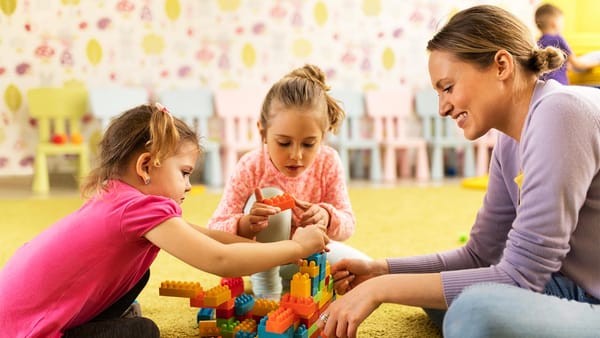
You feel frustrated, exhausted, and a little guilty when your child seems distant, and that is precisely where attachment work needs to start: with small, predictable rituals that restore safety and repair the missed moments. When you turn art time into a short, focused one-on-one—no phones, no multitasking—you create a low-pressure space where a child practices being known, and you practice listening back.
Why do tiny routines matter more than big gestures?
The familiar approach is to wait for the perfect weekend, the long talk, or the milestone moment. That works when schedules are open, but in real family life, it collapses under competing demands. The pattern is the same for new parents and those farther along: busy calendars turn good intentions into rare events, and rare events feel negotiable. What breaks is not intention, it is consistency. Small rituals, repeated daily, build an implicit ledger of trust; one 10-minute coloring session after dinner does more for attachment than three rushed apologies on Sunday.
How do emotions get translated into connection?
When we frame play as co-creation rather than performance, children feel invited rather than judged. This changes the emotional currency of interactions: instead of correcting behavior, you notice feelings. Parents who adopt brief, guided activities see calmer transitions and more sharing because the child learns a simple rule: you are present for X minutes, and then everyday life resumes. That predictable container helps children name emotions without escalation and reduces the pressure that leads them to shut down or act out.
What common traps make parents feel farther away?
One common trap is overcompensation: trying to fix past misses with big gestures while neglecting everyday moments. Another is valuing solo productivity, which turns shared time into a to-do checkbox instead of a real encounter. These patterns leave children feeling unheard, a dynamic I see repeatedly: parents who expected traditional roles feel resentful when plans change, and children respond by withdrawing into pet relationships, hobbies, or quiet compliance. The result is emotional distance that manifests as behavioral problems, rooted in gaps in connection.
Most parents manage art time by winging it or treating it as free play because it is familiar and requires no extra planning. Still, this approach creates fragmented moments with inconsistent attention and teaches the child to expect unpredictability. As those interruptions mount, opportunities for emotional attunement evaporate, and everyday caregiving becomes reactive rather than intentionally connecting.
Platforms like My Coloring Pages, with 15,260+ free pages and a simple customization tool, offer an alternative path, allowing caregivers to quickly tailor short, age-appropriate activities that fit 5- to 15-minute windows. Hence, the connection becomes repeatable without adding planning overhead. Parents find that when the activity is ready to go, they are more likely to show up consistently, turning scattered intentions into reliable micro-rituals that support emotional safety.
How do kids signal they need a different approach?
This challenge appears across households where expectations and priorities diverge: children pull away when their emotional needs are misunderstood, milestones are missed, or attention is uneven between siblings, and that withdrawal manifests as defiance, silence, or seeking attachment elsewhere. These are not isolated incidents but predictable failure modes of a system that values occasional fixes over daily closeness. Recognizing those signals lets you adjust the container—shorter sessions, tailored themes, or collaborative page design—so your child sees you trying in ways they can actually receive.
What should you try first tonight?
Start with a two-minute invitation: pick one coloring page together, ask one open question about the picture, and put phones out of reach. If the child responds, extend to five minutes; if they resist, keep the invitation gentle and predictable for three nights in a row. The aim is not perfect art; it is a repeated, nonjudgmental presence. Over time, these small practices rewire expectations so your child comes to expect to be heard.
According to the Child Mind Institute, 75% of parents report struggling to build a strong connection with their children. The consequence is evident in the next generation: the Child Mind Institute reports that 60% of children feel their parents do not understand their emotional needs. These numbers show why predictable, low-friction tools matter now more than ever.
That pattern of missed moments and quick fixes explains the problem, but what happens when a child never feels securely held?
Related Reading
- Parenting Tips
- Bad Parenting
- Parenting Styles
- Parenting
- Gentle Parenting
- Co-Parenting
- Permissive Parenting
- Parallel Parenting
- Best Parenting Books
- Parenting Quotes
- Parenting Plan
- Parenting App
- Parenting Advice
What Happens When Children Don't Feel Securely Attached?

Insecure attachment rewires how a child expects safety, turning ordinary stress into chronic mistrust and emotional volatility that follows them into school, friendships, and eventually adult relationships. The consequences are concrete and cascading: behavior problems, difficulty trusting, heightened anxiety, and social patterns that push others away.
How do attachment issues differ from attachment disorders?
The difference is in severity and intervention. Mild attachment problems are often responsive to consistent caregiving and coaching. At the same time, disorders like RAD and DSED usually require trauma-informed treatment and specialized therapy because the child’s expectations of safety are profoundly altered. This matters practically because the same parenting tactic that soothes a worried toddler may fail when a child has learned to view adults as unpredictable or dangerous.
What does insecure attachment look like in behavior and peer life?
You will see attention-seeking escalate into acting out, and withdrawal harden into isolation. These patterns are not random; they are strategies a child developed to survive inconsistency. As evidence of the behavioral cost, approximately 40% of children who do not feel securely attached exhibit behavioral problems — Secure base and mental health in children: a narrative review. In classrooms, this shows up as rule-breaking, bullying, or repeated office referrals; at home, it often looks like constant testing of limits.
How does insecure attachment affect mental health over time?
Attachment shapes emotion regulation. When safety signals are unreliable, the stress response remains elevated, and worry becomes a chronic habit. Note how anxiety shows up not as shy behavior but as persistent vigilance and avoidance, which is why Children with insecure attachments are 30% more likely to experience anxiety disorders — Secure base and mental health in children: a narrative review. That boosted risk changes schooling, friendships, and the child’s willingness to try new things.
How does this change the child’s ability to form relationships?
Think of trust as a road map. Insecure attachment rips out key bridges, so the child builds detours that work short-term but make close relationships harder. They may mimic closeness without commitment, push people away before being rejected, or latch on too quickly to peers or adults who are unsafe. This pattern appears consistently across homes and classrooms: children who bully often do so to avoid feeling vulnerable, and children who withdraw often do so to avoid disappointment.
Why does this matter to parents right now?
Because behavior is a signal, not evidence of a broken child, it is exhausting and guilt-producing to respond with punishment alone. Parents, I’ve worked alongside them repeatedly, and they tell me the same emotional loop: they try harder, the child resists harder, and both end up worn down. That pattern makes repair harder the longer it goes unaddressed, and adolescent years amplify risks for mood disorders and relationship problems.
How can parents spot the signs as kids grow older?
Look for persistent patterns: sudden spikes in school conflicts, chronic mistrust of adults, a pattern of forming friendships quickly, then burning them, or emotional swings that seem disproportionate to the events. In older children, attachment wounds often present as identity defenses and social strategies rather than simple misbehavior. In practical terms, the failure mode is predictable, not mysterious. The child’s behavior is tied to past experiences of unpredictability.
Is attachment shaped more by biology or caregiving?
The strongest signal is environment; caregiving patterns dominate outcomes, though some children carry vulnerabilities that are harder to address. That means parents and systems can still change the trajectory, but the approach needs to be steady, skilled, and emotionally literate rather than reactive.
This challenge appears across pediatric clinics and classrooms, and the tradeoff is clear: familiar, ad hoc fixes feel easier, but they let the problem calcify. What most misses the mark is assuming bigger gestures replace daily predictability; the hidden cost is time lost while patterns harden and treatment becomes more complex.
You want to help, and that desire is the raw material of change, but the next question is critical and often surprising.
What Is Attachment Parenting and Its Core Principles?

Attachment parenting is a structured, evidence-informed framework that trains you to read cues, respond consistently, and build emotional attunement so your child learns safety and trust. It is practical and flexible, a set of caregiving tools you can pick from rather than a rulebook, with responsiveness, predictable routines, and respectful limits at its core.
Birth bonding
How should parents prioritize those first hours and weeks?
Early physical contact shapes stress chemistry and caregiver confidence. When possible, skin-to-skin contact after birth helps stabilize breathing, temperature, and early feeding cues, and repeated close contact over the first six weeks reinforces the caregiver’s ability to interpret subtle signals. If a cesarean or medical separation happens, focus on sustained, short sessions of skin contact and high-attention signaling when you can, because consistency matters more than a single perfect moment.
Breastfeeding
Why is breastfeeding central in many attachment plans?
Breastfeeding pairs nutrition with touch and timing, providing repeated, natural opportunities to tune in to hunger, comfort, and sleep cues while supporting oxytocin-linked calming for both parent and infant. Practical tactics matter: provide frequent on-demand feeds early, offer lactation support when supply or pain becomes an issue, and develop realistic pumping strategies if you return to work. When breastfeeding is strained, targeted supports, such as a certified lactation consultant or a planned pumping schedule, preserve bonding without sacrificing health or sleep.
Our position: Fed is best
What if breastfeeding is not possible or chosen?
Fed is best, period. Nutrition and emotional closeness can be delivered through donated milk, formula, paced bottle-feeding, or shared feeding routines that keep the dyad emotionally attuned. The caregiving relationship is what shapes security, not a single feeding method.
Baby wearing
How does carrying help regulation and learning?
Close carrying keeps a baby’s vestibular input and social cues in sync with a caregiver’s voice and movements, which calms the stress response and accelerates social learning. Use ergonomic carriers that support the baby’s hips and your posture, and limit long sessions if you experience back or shoulder strain. If a baby appears overstimulated while worn, shift to quiet, face-to-face settling for a few minutes; that simple swap teaches co-regulation.
Bed-sharing
Why is bed-sharing controversial, and what should you weigh?
Bed-sharing can ease night feedings and reduce parental anxiety about separation, but it also raises safety risks, including suffocation and sleep entrapment in specific contexts. This risk pattern appears consistently when soft bedding, adult intoxication, or profound parental sleep is present. Room-sharing on a separate, firm surface near the parent offers many of the same calming benefits while reducing risk. If parents choose to sleep closer, consult a pediatrician about strict safety measures before proceeding.
Our position: Safety first
What guardrails should caregivers follow?
Prioritize separate, firm sleep surfaces and avoid loose bedding, smoking, alcohol, and sedating medications around the infant. If a parent is exhausted to the point of falling into deep, unresponsive sleep, shift overnight caregiving to ensure the safer adult is awake for feedings as needed.
Belief in baby’s cries
How do you decode crying without falling into constant reactivity?
Treat cries as information, not manipulation. Listen for patterns across a day and label them: hunger cues, pain cries, sleepy fuss, and overstimulation calls all sound different. Track a short log for 48 to 72 hours, noting times, preceding events, and what settles the baby, so your responses become calibrated rather than reactive. That method builds reliable parental intuition within a week or two.
Balance and boundaries
What happens when the approach becomes all-consuming?
Implementing high-touch tools often taxes the primary caregiver’s sleep, work, and partnership, a strain that regularly shows up across families with breastfeeding-centered routines. If one parent is shouldering most night care, plan structured swaps: set two-night rotation windows, schedule three 60-minute breaks per week for the exhausted caregiver, and use low-friction activities to maintain connection while protecting downtime. Think of it like maintenance on a machine, brief but regular, preventing breakdowns later.
Most parents manage ad hoc soothing by improvising, which feels natural at first. Still, as days compress and responsibilities pile up, inconsistency becomes the hidden cost: the well-intentioned caregiver is the one who runs out of energy. Platforms like My Coloring Pages with 15,260+ free pages and a friendly customization tool provide a reliable, low-prep micro-ritual that parents find replicable in short windows, reducing setup time and making consistent, intentional one-on-one moments easier to keep.
Attachment parenting infants (birth to age 1)
Birth
- Begin with safe, frequent skin-to-skin contact when permitted.
- Start feeding on infant cues and prioritize comfort-based settling.
- Observe and note baseline rhythms in the first two weeks so later changes stand out.
0 to 12 months
- Use a safe carrier for upright closeness during wakeful hours.
- Follow infant-led feeding; use short logs to spot actual hunger patterns versus comfort-seeking.
- Respond quickly to distress signals to teach recovery and trust.
- Keep sleeping arrangements safe; room-sharing is recommended for nights.
- Use calm, consistent language about feelings to help early communication link to words.
Attachment parenting toddlers
How does responsiveness shift when they start asserting independence? The core gesture remains the same, but tools change from continuous physical proximity to emotionally attuned presence. Continue to use touch and brief carriers for transitions, validate big feelings with short phrases and calm eyes, and let children make small choices in safe domains to grow autonomy. For discipline, prefer clear limits, natural consequences, and guided repair (sometimes called time-in), which keep the connection while teaching responsibility.
Pros of attachment parenting
What measurable benefits do parents report?
Attachment-focused strategies often promote a stronger perceived connection and fewer behavioral struggles. According to Healthline, 75% of parents who practice attachment parenting report feeling more connected to their children, suggesting greater caregiver confidence and perceived relationship quality when responsiveness and routine are present.
The same source found that Healthline, 50% of parents using attachment parenting techniques report a decrease in behavioral issues in their children, suggesting this approach can lower day-to-day conflict and improve regulation in many families.
Cons of attachment parenting
What are the real costs and failure modes?
The most serious practical risk is unsafe sleep when bed-sharing is chosen without precautions, and this risk is predictable when bedding or caregiver impairment is a factor. The emotional and physical burden is the other significant cost; extended on-demand feeding and constant close contact can erode a primary caregiver’s sleep, work capacity, and partnership intimacy, creating resentment or burnout if support systems are weak. When those supports are not put in place, the method that starts as nurturing can become unsustainable.
Practical tradeoffs and what to choose when
If you need faster returns to work and shared night sleep, prioritize scheduled pumping, partner-led bottles, and room-sharing with a bedside sleeper. When your top goal is stronger early emotional attunement, and you can secure community support, leaning into on-demand feeding and frequent carrying will pay off. Each choice involves trade-offs among caregiver rest, partner involvement, and infant regulation; make the trade-offs explicit, plan for them, and revisit every 2 to 4 weeks as conditions change.
A brief analogy to hold this together
Think of attachment parenting like tuning a radio, small turns on the dial over weeks that reduce static; big jumps feel decisive but usually miss the fine adjustments that create lasting clarity.
That simple pattern of choices and tradeoffs feels resolved until you realize a deeper distinction is still unresolved.
Related Reading
- Tiger Parenting
- ADHD Parenting
- Solo Parenting
- PACE Parenting
- Parenting Research News
- Parenting Hell
- Therapeutic Parenting
- Positive Parenting
- Permissive Parenting Style
- Parenting Styles Psychology
- FAFO Parenting
- Uninvolved Parenting
- Indiana Parenting Time Guidelines
- Authoritarian Parenting Style
- Parenting Classes
- Good Parenting
- Authoritative Parenting Style
- Montessori Parenting
- Snowplow Parenting
- Co-Parenting With a Narcissist
Why Attachment Parenting Is Not the Same as Secure Attachment

No, practicing attachment parenting does not automatically produce a securely attached child. Attachment parenting is a set of caregiving practices; secure attachment is an outcome that grows from a caregiver’s reliable emotional availability over time, shaped by consistency, sensitivity, the child’s temperament, and broader context. Think of methods as tools in your kit, not as a guarantee stamped on the finished product.
What is the scientific view of attachment?
The science treats attachment as a relationship system that organizes how a child seeks comfort and explores, not a checklist of behaviors. Researchers study patterns probabilistically, using observations like reunion responses and stress reactivity to infer how a child expects caregivers to respond. That means attachment classifications predict tendencies, not fate; they describe likely strategies a child uses to manage emotion and threat.
Why does this confusion persist, and what happens when plans derail?
A clear pattern appears across birthing classes, pediatric visits, and new-parent groups: parents assume certain practices equal secure attachment. I know one pregnant woman who embraced the Baby Bs wholeheartedly, then faced a cascade of medical interruptions—an emergency Cesarean, a painful breast infection, and frazzled nights of bed-sharing that left everyone upset. Her experience shows the harm of framing practices as promises. When expectations collide with reality, guilt and frantic compensations often follow, and those emotional spirals are the real cost, not the missed ritual itself.
What does secure attachment actually look like in everyday life?
Look for flexible, trust-based behavior: a child who checks in with you when uncertain, accepts comfort, then returns to play, or an older preschooler who asks for help and tolerates brief limits without imploding. According to the Greater Good Science Center, approximately 60% of children develop secure attachments through generally responsive caregiving over time; most children form that foundation, but a substantial minority follow other patterns. These observable habits matter more than any single feeding choice or sleeping arrangement.
How does the brain make attachment practical, and where can caregivers intervene?
Pattern recognition from neuroscience shows caregiving tunes stress circuits by shaping hormone responses and neural connections in early life, so repeated repairs after misattunement teach a child that adults can be trusted again. Children who experience inconsistent responsiveness are more likely to develop anxious or ambivalent strategies; in fact, the Greater Good Science Center reports that 20% of children develop ambivalent attachments, a profile linked to unpredictable caregiving. The takeaway is actionable: you cannot erase a missed hour, but you can accumulate moments of predictable repair that recalibrate the child’s internal set point.
Most parents handle repair attempts by trying bigger gestures or searching for a single perfect solution. That feels reasonable at first, but as missed routines pile up, those big fixes fragment into more guilt. Caregivers find that platforms like My Coloring Pages, with easy customization and abundant ready-to-use activities, provide short, structured opportunities to practice gentle repair and predictable presence without heavy planning, so consistent repair becomes possible even in chaotic weeks.
How vital is attachment across a child’s life, and what is changeable?
Attachment sets patterns that influence emotional regulation, relationships, and learning, yet it is not destiny. Later supportive relationships, a thoughtful teacher, or therapy can shift an earlier trajectory because the brain retains plasticity across childhood and adolescence. In practice, that means current caregivers should prioritize repeated, minor repairs and predictable contingencies over chasing perfect practices, because change accumulates incrementally and visibly.
Think of attachment like a footpath through a field, worn by repeated steps; you can lay down new stones and redirect the trail, but it takes steady repetition.
That next part raises a practical question you will want concrete help with.
Download 16,879+ FREE Coloring Pages.
I recommend My Coloring Pages when you want a low-friction way to turn a few quiet minutes into meaningful, attuned time with your child. Describe what you want to color or upload a photo, and the app creates a ready-to-print, customizable coloring page in seconds. With a library of 16,879+ free pages and simple tools for personalizing pages and coloring books, it makes it easy to build short, age-appropriate micro-rituals that support bonding, co-regulation, and emotional attunement.
Related Reading
- Helicopter Parenting
- Toxic Parenting Phrases
- Best Parenting Advice
- Authoritative vs Authoritarian Parenting
- Parenting Styles Chart
- Parenting Therapy
- Lighthouse Parenting
- Parenting Memes
- Parenting With Love and Logic
- Parenting Techniques
- Soft Parenting
- Triple P Parenting
- Parenting Agreement
- Bible Verses About Parenting
- Nacho Parenting
- Styles of Parenting
- Elephant Parenting
- Parenting Hacks
- Horizontal Parenting
- Parenting Resources