
How To Spot Authoritative vs Authoritarian Parenting in Yourself
Learn the key signs that separate authoritative vs authoritarian parenting—understand your approach and how it shapes your child’s growth.


You've just told your child "no" for the third time today, and you're wondering if you're being firm or just controlling. Understanding Authoritative vs Authoritarian Parenting matters because the line between setting healthy boundaries and crushing your child's spirit can feel impossibly thin in the moment. This guide will help you spot the difference in real time, so you can guide your children with confidence, rather than questioning every decision you make, raising kids who are both respectful and secure in who they are.
While you're learning to recognize when discipline is supportive versus controlling, giving your child creative outlets can reinforce the emotional safety you're building. My Coloring Pages offers 21,838+ FREE Coloring Pages that create calm spaces for self-expression, helping children process feelings and build confidence through choice and creativity. When kids have healthy ways to explore their independence through simple activities like coloring, the balance between structure and freedom that defines Authoritative vs Authoritarian Parenting becomes easier to maintain in your daily routine.
Summary
- Authoritative parenting combines high warmth with high structure, setting clear boundaries while remaining emotionally responsive. This approach, which originated in the 1960s, prioritizes reasoning over punishment and teaching over compliance.
- Children raised this way develop stronger self-regulation because they practice decision-making within safe boundaries, and research shows they demonstrate higher academic achievement, better emotional regulation, and lower rates of depression and anxiety compared to other parenting styles.
- Authoritarian parenting operates on obedience over understanding, with parents enforcing strict rules through punishment rather than conversation. Children of authoritarian parents are 30% more likely to experience anxiety and depression because their nervous systems learn the world is fundamentally unsafe when primary caregivers respond to distress with anger or dismissal.
- This approach produces immediate compliance through fear but creates long-term costs, including hypervigilance, difficulty with independent decision-making, and impaired emotional regulation that persists into adulthood.
- The difference between these styles lies in how power gets wielded, not just whether boundaries exist. Both authoritative and authoritarian parents set limits and expect compliance, but authoritative parents explain their reasoning and maintain emotional warmth while authoritarian parents enforce rules through fear and distance.
- Communication flows in one direction in authoritarian homes (rules get announced, not discussed), while authoritative parents invite age-appropriate conversation, offer structured choices, and use natural consequences as teaching opportunities rather than punishment to assert dominance.
- Children need co-regulation to develop emotional self-management, meaning they borrow their parents' calm nervous system during distress until their own prefrontal cortex matures enough to handle big feelings independently.
- When parents stay regulated while children are dysregulated and narrate emotions without judgment ("You're really upset that the banana broke, that's disappointing"), they build neural pathways for self-soothing that last a lifetime. This process requires parents to separate the child's identity from their behavior, addressing specific actions that can change rather than attacking character with shame-inducing labels.
- Praising effort over outcomes fundamentally changes how children approach challenges and setbacks. Children praised for being "smart" often avoid difficult tasks that might reveal their limitations, while those praised for working hard tackle challenges because they trust that effort leads to improvement.
- Research on academic outcomes shows that authoritative parenting leads to 60% better academic performance, partly because children internalize routines and develop self-regulation through consistent structure paired with appropriate autonomy, rather than through constant external monitoring.
- My Coloring Pages offers 21,838+ FREE Coloring Pages that create low-pressure opportunities for children to practice autonomy, process emotions through creative choice, and experience validation without performance pressure, supporting the balance between structure and independence that defines healthy development.
How Do Parenting Styles Shape Your Child's Behavior and Confidence?
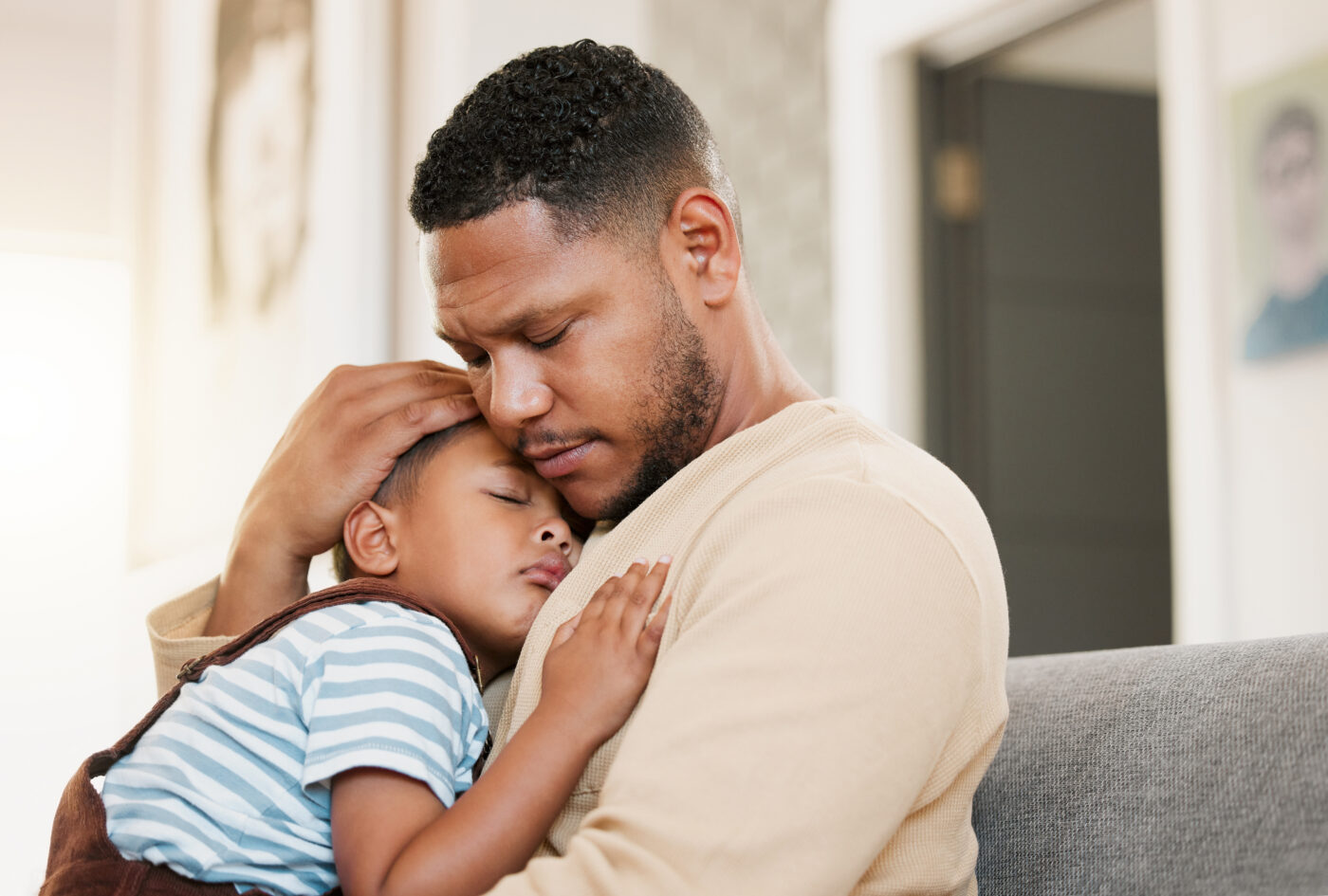
The way you respond to your child's emotions, set boundaries, and handle daily conflicts doesn't just affect the moment; it shapes your child's future. It shapes how they see themselves, how they navigate relationships, and whether they develop the resilience to handle life's inevitable frustrations. Parenting styles aren't abstract categories. They're the lived experience of being raised with warmth or coldness, structure or chaos, and those patterns echo through a child's entire development.
When a five-year-old refuses to put on shoes before school, your response teaches more than compliance. If you yell, threaten, or physically force the issue, you're modeling that power wins and feelings don't matter. If you negotiate endlessly until you're both late and frazzled, you're teaching that boundaries are optional and persistence outlasts authority. If you acknowledge the frustration, offer limited choices, and calmly follow through, you're teaching emotional regulation, respect for structure, and the safety of predictable consequences. That single interaction, repeated across thousands of moments, builds either confidence or doubt.
According to research published in the Premier Journal of Social Sciences, there are eight distinct parenting styles, each associated with different developmental outcomes. But the divide that matters most sits between approaches that control through fear versus those that guide through connection. Children raised under rigid, punishment-heavy systems often comply in the short term. They follow rules because disobedience brings consequences they want to avoid. But that external pressure rarely translates into internal motivation. When the authority figure isn't watching, the behavior often disappears because the child never learned *why* the boundary mattered, only that breaking it hurt.
The long-term costs show up in unexpected ways. A child who grows up walking on eggshells around a parent's anger learns hypervigilance, not confidence. They become skilled at reading moods and avoiding conflict, but struggle to advocate for themselves or trust their own judgment. Their inner voice sounds like criticism because that's what they heard most. When they encounter challenges, they either freeze or rebel, because they never developed the middle ground where you can disagree respectfully, make mistakes without catastrophe, or ask for help without shame.
What Happens When Children Aren't Emotionally Mirrored
Most parents weren't equipped with the skills needed for healthy child development because they themselves experienced inadequate emotional attunement in childhood. When a toddler falls and looks to you before deciding whether to cry, they're checking your face for cues about how to interpret what just happened. That moment of mirroring, where you reflect calm presence or acknowledge their surprise without panic, teaches them how to regulate their own nervous system. Without it, children grow up emotionally unmoored, unsure how to name what they feel or whether their reactions are valid.
The pain of not being seen properly creates lasting confusion about identity. A child whose emotions get dismissed ("You're fine, stop crying") or punished ("Go to your room until you can behave") learns that feelings are dangerous and needs are burdens. They adapt by suppressing, performing, or disconnecting. Years later, as adults, they struggle with relationships because they never developed the foundational trust that someone will stay present with their pain instead of looking away.
Simple creative outlets can help rebuild some of that emotional safety, even when parents are learning as they go. My Coloring Pages offers 21,838+ FREE Coloring Pages that create calm spaces for children to express themselves without judgment, process feelings through color and choice, and experience the quiet confidence of completing something entirely their own. When a child selects a dragon to color or decides purple belongs on a tree, they're practicing autonomy in a low-stakes environment where there's no wrong answer and every choice gets honored.
The Hidden Stakes of Getting This Wrong
Parenting approaches directly predict mental health outcomes in ways most people don't realize. Children who experience chronic invalidation, neglect, or harsh discipline show dramatically higher rates of depression and anxiety later in life. The mechanism isn't mysterious. When your primary caregivers respond to distress with anger or indifference, your nervous system learns the world is unsafe, and you're alone in it. That wiring persists long after childhood ends.
The US Census Bureau reports that three-quarters of children resided with two married parents as of 2014, but family structure matters far less than interaction quality. A single parent who responds with warmth and consistency raises more secure children than two parents locked in criticism or emotional absence. The question isn't who's in the house. It's whether the child experiences reliable emotional safety, clear expectations, and the freedom to be themselves without fear of rejection.
The frustration many feel toward parents who don't engage properly comes from watching preventable harm unfold. When parents can't be bothered to do the basic work of attunement and boundary-setting, their children carry the cost forward into every relationship, every workplace conflict, every moment of self-doubt. This isn't about blame. Most struggling parents are repeating the only patterns they know, stressed and unsupported in systems that don't value caregiving. But recognizing the pattern matters because it's the first step toward choosing differently.
What actually creates confident, emotionally regulated children requires a specific combination most people can name, but few know how to practice.
Related Reading
- Parenting Tips
- Bad Parenting
- Parenting Styles
- Parenting
- Gentle Parenting
- Co-Parenting
- Permissive Parenting
- Parallel Parenting
- Attachment Parenting
- Best Parenting Books
- Parenting Quotes
- Parenting Plan
- Parenting App
- Parenting Advice
What is Authoritative Parenting and What are Its Core Characteristics?

Authoritative parenting combines high warmth with high structure. Parents set clear, consistent boundaries while remaining emotionally responsive and supportive. This approach, which originated in the 1960s according to EBSCO Research Starters, prioritizes reasoning over punishment, connection over control, and teaching over simply demanding compliance.
The core practice looks like this: when conflict arises, you validate the feeling first, then set the boundary with warmth. A child refuses to leave the playground. Instead of threatening or dragging them away, you acknowledge their disappointment ("I know you want to keep playing, that's hard to stop when you're having fun"), then offer structured choice within a firm limit ("We're leaving in two minutes. Do you want to go down the slide one more time or swing?"). You're not negotiating whether you leave. You're teaching them how to navigate disappointment while maintaining autonomy within boundaries.
This matters because children learn emotional regulation through co-regulation. When you stay calm while they're upset, you become the external nervous system they borrow until their own develops. When you explain why a rule exists rather than simply enforcing it through fear, you build internal motivation. They start following guidelines because they understand the reasoning, not because they're afraid of what happens if they don't.
Daily Practice Looks Different Than You'd Expect
Bedtime offers the clearest window into differences in parenting style. A three-year-old refuses to stop building with blocks. An authoritative parent doesn't escalate to yelling or physically removing the child. They also don't endlessly negotiate until everyone's exhausted. Instead, they might say, "I see you're working hard on that tower. Building time is over for tonight, but we can take a picture so you remember how to rebuild it tomorrow. Do you want to walk upstairs or should I carry you like a baby bear?"
This approach acknowledges the child's developmental stage. Three-year-olds struggle with transitions. Their prefrontal cortex isn't developed enough for smooth task-switching. Fighting bedtime isn't defiance; it's neurodevelopment. Authoritative parents adjust their expectations and tools to match the child's actual capabilities, not some considered standard of how kids "should" behave.
Homework provides another testing ground. A ten-year-old procrastinates on a science project until the night before it's due. An authoritative response doesn't rescue them or shame them. You might ask, "What made it hard to start earlier?" and listen without judgment. Then guide them through breaking the remaining work into manageable chunks. You're teaching project management and self-reflection, not just ensuring the assignment gets completed. The natural consequence (staying up late, feeling stressed) teaches more than a lecture would.
The difference shows up in how you handle mistakes. A child lies about breaking a vase. Authoritarian parents focus on punishment for the lie. Permissive parents might ignore it to avoid conflict. Authoritative parents address both the broken vase and the lie, but separately. "The vase broke, accidents happen. But when you lied about it, that damaged trust between us. Let's talk about why you felt scared to tell the truth." You're teaching accountability and emotional safety simultaneously.
Why This Builds Confidence Instead of Compliance
Children raised with authoritative parenting develop stronger self-regulation because they practice decision-making within safe boundaries. When you offer choices ("Do you want to wear the red shirt or the blue one?"), You're not being indecisive. You're teaching them that their preferences matter while maintaining the non-negotiable (you're getting dressed). Through thousands of small decisions, they build confidence in their own judgment.
The emotional support component matters just as much as the structure. When a child struggles with frustration, naming the feeling helps them develop emotional vocabulary. "You seem really angry that your sister took your toy without asking" gives them a way to describe what's happening internally. Over time, they learn to identify and express their emotions rather than acting them out through tantrums or aggression.
Independence grows through scaffolded responsibility. You don't suddenly expect a teenager to manage their entire schedule if you've micromanaged every moment until then. Authoritative parents gradually transfer age-appropriate control. A seven-year-old picks their after-school snack. A twelve-year-old manages their homework schedule with check-ins. A sixteen-year-old negotiates curfew based on demonstrated responsibility. Each stage builds competence for the next.
Social skills develop differently under this approach because children learn conflict resolution through observation and practice. When you model apologizing after losing your temper, they learn that mistakes don't define you and repair is possible. When you negotiate solutions ("You both want the tablet. How could we solve this fairly?"), They internalize problem-solving strategies they'll use with peers.
The research outcomes align with what you'd predict. Children from authoritative homes show higher academic achievement, better emotional regulation, and lower rates of depression and anxiety. They're more socially competent because they've practiced navigating boundaries and emotions in a safe environment. They take healthy risks because they trust that failure won't result in rejection or harsh punishment.
Many parents find that simple tools help reinforce these patterns even when stress makes consistency hard. Shared creative activities create natural opportunities for connection without performance pressure. When a child chooses what to color and how, they're exercising autonomy. When you sit together without correcting their choices, you're communicating acceptance. My Coloring Pages offers 21,838+ FREE Coloring Pages that give families low-pressure ways to practice presence and choice-making, whether a four-year-old wants to make grass purple or a parent needs a quiet activity that doesn't require facilitation.
The Gap Between Knowing and Doing
Understanding authoritative parenting intellectually doesn't automatically translate into practicing it under stress. When you're late for work, and your child refuses to put on shoes, your own childhood programming often takes over. If you were raised with yelling, yelling feels normal even when you know better approaches exist. The gap between knowledge and implementation trips up most parents.
Consistency proves harder than it sounds. Setting a boundary with warmth when you're well-rested is manageable. Maintaining that same approach after three hours of sleep, a demanding work deadline, and a child's fifth meltdown of the day requires reserves most parents don't have. This isn't about trying harder. It's about recognizing that parenting happens in systems that often don't support the emotional labor required.
The other challenge is that authoritative parenting takes longer in the moment. Explaining why we don't hit, offering choices, validating feelings—all of this requires more time than "Because I said so" or letting them do whatever stops the crying. Short-term efficiency often wins when you're overwhelmed, even when you know the long-term cost.
Cultural context matters too. Some communities view authoritative approaches as permissive or disrespectful of parental authority. Your extended family might criticize your choices, making it harder to maintain confidence in your approach. The social pressure to parent the way previous generations did can undermine your resolve, especially when you're already doubting yourself.
But the most significant barrier is that you can't give what you didn't receive. If your own emotional needs were dismissed growing up, attuning to your child's feelings requires first learning to recognize and validate your own. That healing work happens alongside parenting, not before it. You're simultaneously trying to meet your child's needs and reparent yourself, which explains why this feels impossibly hard some days.
What makes this approach break down entirely is when it tips into something that looks similar on the surface but operates from a fundamentally different place.
Related Reading
- Tiger Parenting
- ADHD Parenting
- Solo Parenting
- PACE Parenting
- Parenting Research News
- Parenting Hell
- Therapeutic Parenting
- Permissive Parenting Style
- Parenting Styles Psychology
- FAFO Parenting
- Uninvolved Parenting
- Indiana Parenting Time Guidelines
- Authoritarian Parenting Style
- Parenting Classes
- Good Parenting
- Authoritative Parenting Style
- Positive Parenting
- Montessori Parenting
- Snowplow Parenting
What is Authoritarian Parenting and What are Its Core Characteristics?

Authoritarian parenting operates on a simple premise: obedience matters more than understanding. Parents set strict rules, expect immediate compliance, and respond to resistance with punishment rather than conversation. The hallmark phrase "Because I said so" captures the philosophy in a nutshell. There's no negotiation, limited emotional warmth, and consequences designed to enforce control rather than teach skills.
This style centers parental authority above all else. When a child questions a rule, the question itself becomes the problem. The goal isn't raising someone who thinks critically or understands why boundaries exist. The goal is to raise someone who follows orders without hesitation. In practice, this looks like micromanaging homework not to support learning but to ensure perfect execution, demanding immediate silence when a parent speaks, or removing privileges for weeks over minor infractions.
The behavioral patterns cluster around control and consequence. An authoritarian parent constantly monitors, frequently corrects, and rarely explains their reasoning. They might check a teenager's phone without permission, enforce rigid schedules with no flexibility for developmental needs, or punish emotional expression (crying, anger, frustration) as misbehavior rather than recognizing it as communication. The underlying message transmitted through thousands of interactions: your feelings don't matter, your perspective is irrelevant, and compliance is the only acceptable response.
What This Looks Like in Daily Conflicts
Return to that playground scenario where a child doesn't want to leave. An authoritarian response skips past the child's emotional experience entirely. "We're leaving now. If you don't come, you won't go to the park for a month." No acknowledgment of disappointment. No teaching moment about transitions or managing feelings. Just threat, enforcement, and if the child still resists, physical removal or escalating consequences.
Homework provides another clear example. A ten-year-old struggles with math and asks for help. An authoritarian parent might respond with criticism ("You should know this by now"), take over the assignment entirely to ensure it's done correctly, or implement punitive consequences for not finishing independently. The focus stays on the completed product, not the learning process. The child learns that struggle equals failure and asking for help invites judgment.
Mealtime conflicts reveal the pattern, too. A child refuses to eat vegetables. Instead of offering choices within boundaries ("You need to eat two bites of broccoli or two bites of carrots"), authoritarian parents often force the issue through threats ("Sit there until it's gone") or shame ("Your sister eats her vegetables, what's wrong with you?"). The vegetable is forced down, but the child learns nothing about nutrition, bodily autonomy, or healthy relationships with food.
The discipline approach relies heavily on punishment, often corporal. Spanking, yelling, isolation in rooms for extended periods, and removal of seemingly unrelated privileges. A child talks back, loses their bike for two weeks. A teenager misses curfew by ten minutes and gets grounded for a month. The severity rarely matches the infraction because the point isn't natural consequences or skill-building. It's demonstrating who holds power.
The Emotional Climate Created
Children in authoritarian homes quickly learn to be hypervigilant. They develop sophisticated radar for parental moods, scanning for signs of impending anger or disappointment. This skill, which might look like emotional intelligence from the outside, is actually a survival mechanism. When love and approval feel conditional on perfect obedience, you learn to constantly adjust your behavior to avoid punishment.
The chronic fear this creates doesn't stay contained in childhood. Adults who survived authoritarian parenting often describe walking on eggshells as their baseline state. They struggle to trust their own judgment because their perspectives were invalidated for years. Decision-making triggers anxiety because mistakes once brought harsh consequences. The internal voice sounds like criticism because external criticism was the primary feedback mechanism they experienced.
People-pleasing becomes a core strategy. If you learned that your needs and feelings were irrelevant, you adapt by making yourself small, agreeable, and compliant. You become skilled at reading what others want and delivering it, even at the cost of your own preferences. This looks like success in some contexts (school, early career), but it creates relational difficulties because authentic connection requires showing up as yourself, not as whoever you think others need you to be.
According to Gateway to Solutions, children of authoritarian parents are 30% more likely to experience anxiety and depression. The mechanism isn't complicated. When your primary attachment figures respond to distress with anger or dismissal, your nervous system learns the world is fundamentally unsafe. That wiring doesn't reset when you turn eighteen. It persists into every job interview, every conflict with a partner, every moment when you need to advocate for yourself but freeze instead.
Why This Approach Persists Despite Evidence
Many parents default to authoritarian methods because that's what they experienced. When you were raised with "Because I said so," that phrase feels normal even when research shows better alternatives exist. The pattern replicates itself not through conscious choice but through automatic response under stress. Your toddler refuses to get in the car seat, and before you've thought about it, you're yelling the same threats your father used.
Cultural context reinforces these patterns too. Some communities view strict obedience as respect, warmth as weakness, and questioning authority as fundamentally wrong. Extended family members criticize parents who explain their reasoning to children, calling it 'permissive' or 'indulgent'. That social pressure makes it harder to break the cycle, especially when you're already doubting yourself.
The other appeal is efficiency, at least in the short term. Authoritarian parenting produces immediate compliance through fear. A child stops the unwanted behavior right now because the consequence is swift and unpleasant. This feels like it's working, which makes it hard to see the long-term costs accumulating invisibly. The anxiety, the damaged trust, the inability to self-regulate without external control—none of that shows up in the moment when your child finally stops arguing and does what you demanded.
Some parents genuinely believe harsh discipline builds character and resilience. They point to their own upbringing: "I turned out fine." But "fine" often means functional despite the harm, not because of it. The chronic shame, the difficulty with emotional intimacy, the reflexive flinching at authority figures—these outcomes get normalized rather than recognized as preventable damage.
The Developmental Costs That Compound
Children raised this way struggle with independent decision-making because they never practiced it in a safe environment. Every choice was made for them, every mistake met with punishment rather than guidance. When they reach adolescence or adulthood and suddenly face decisions without a rulebook, they either freeze in anxiety or rebel completely. There's no middle ground where you can weigh options, make informed choices, and learn from natural consequences.
Emotional regulation suffers because these children never learned to process their feelings; they only learned to suppress them. When anger or sadness arose, the response was punishment for the emotion itself. They learn that feelings are dangerous, so they push them down until they explode or turn inward as depression. The skill of naming an emotion, understanding its source, and responding appropriately never develops because it was never modeled or practiced.
Creativity and intrinsic motivation wither under constant control. When every activity is monitored and corrected, children stop exploring or taking healthy risks. They wait to be told what to do rather than taking the initiative out of curiosity. The internal compass that guides the passionate pursuit of interests never calibrates because external directives drown out internal signals.
Simple activities that allow choice without consequence can help rebuild some of this lost autonomy, even when broader patterns remain stuck. When a child selects what to color and how, they practice decision-making in a context where no choice is wrong. My Coloring Pages offers 21,838+ FREE Coloring Pages that create low-stakes opportunities for children to exercise preferences, complete projects on their terms, and experience the quiet validation of having their choices respected without correction or criticism.
Social development follows a predictable pattern, too. Children from authoritarian homes either become aggressive (modeling the power-over approach they experienced) or excessively passive (having learned that asserting needs brings punishment). Healthy conflict resolution, where you can disagree respectfully and negotiate solutions, never gets practiced because disagreement itself is forbidden.
But the distinction that matters most isn't about whether you sometimes raise your voice or set firm boundaries.
What's the Difference Between Authoritative and Authoritarian Parenting?

The difference lies in how you wield power. Authoritative parents hold boundaries while staying emotionally warm. Authoritarian parents enforce rules through fear and distance. Both involve structure and expectations, but one teaches through connection while the other controls through intimidation.
The confusion happens because both styles set limits and expect compliance. A casual observer might watch two parents tell their child "no" and miss the entire difference. But the child feels it immediately. One "no" comes with explanation and empathy. The other comes with threat and dismissal. That gap between warmth and coldness, between teaching and controlling, creates entirely different humans.
Communication: The Clearest Divider
Authoritative parents explain their reasoning. When you tell a seven-year-old they can't have ice cream before dinner, you might add, "Because your body needs protein and vegetables first, then you'll enjoy dessert more." You're teaching nutrition and cause-and-effect thinking, not just enforcing arbitrary power. The child might still be disappointed, but they understand the logic. Over time, they internalize that reasoning and make similar decisions independently.
Authoritarian communication flows in one direction only. Rules get announced, not discussed. "No ice cream" comes with no explanation beyond "because I'm the parent." Questions get interpreted as disrespect. The child learns that curiosity is dangerous and compliance is survival. They follow rules when monitored, but lack the internal framework to make good decisions when unsupervised.
The warmth difference shows up in how you respond to mistakes. A child spills milk at breakfast. Authoritative parents might say, "Accidents happen, let's clean it up together," and use it as a teaching moment about carrying cups with two hands. Authoritarian parents yell about carelessness, maybe assign punishment, and create shame around normal childhood clumsiness. One interaction builds competence. The other builds anxiety.
Negotiation separates the approaches, too. When your ten-year-old wants to stay up later on weekends, an authoritative parent might discuss it. "What time feels fair to you? Let's try 9:30 for a month and see if you're still getting enough sleep." You're teaching compromise and self-awareness. An authoritarian parent shuts down the conversation entirely. Bedtime is 8:30; discussion is over. Asking again brings consequences. The child learns their input is worthless.
Discipline: Consequences vs. Punishment
Both styles involve consequences, but the intent differs completely. Authoritative discipline teaches. A teenager misses curfew, loses car privileges for a week, and sits down with you to discuss why curfews exist and how to rebuild trust. The consequence connects directly to the behavior. The conversation focuses on problem-solving for next time, not shaming for this time.
Authoritarian discipline punishes to assert dominance. That same missed curfew might result in grounding for two months, loss of phone privileges, and a verbal berating for irresponsibility. The severity doesn't match the infraction. The goal isn't teaching time management or communication. It's demonstrating who holds power and making the experience painful enough that fear prevents future rule-breaking.
Natural consequences are honored in authoritative homes. Your child refuses to wear a coat, you let them be cold (within safety limits), and they learn firsthand why coats matter. You're not rescuing them from every discomfort. You're allowing reality to be the teacher. Authoritarian parents either force compliance (physically putting the coat on) or shame the child for being cold later. Neither approach builds judgment.
Research published in the Premier Journal of Social Sciences found that children of authoritarian parents are 30% more likely to be obese, likely because rigid food rules and lack of autonomy around eating create unhealthy relationships with hunger cues and self-regulation. When you control every bite, children never learn to listen to their bodies. When you offer structured choices within healthy boundaries, they develop internal guidance.
Emotional Climate: Safety vs. Fear
The feeling in authoritative homes centers on emotional safety. You can be upset, make mistakes, disagree with your parents, and still feel loved. Boundaries exist, consequences happen, but your worth as a person never comes into question. A child who fails a test doesn't face rage or rejection. They face support in figuring out what went wrong and how to improve.
Authoritarian homes run on conditional approval. Love feels like something you earn through obedience and lose through failure. Mistakes bring disproportionate anger. Expressing sadness or frustration gets labeled as misbehavior. Children learn to hide their true feelings and perform whatever version of themselves keeps the peace. The hypervigilance this creates exhausts them and follows them into adulthood.
Simple activities that require no performance can offer relief in tense households. When families sit together with coloring pages, there's no right answer to get wrong, no standard to fail. A child picks colors, makes choices, and completes something entirely their own. My Coloring Pages offers 21,838+ FREE Coloring Pages that create these low-pressure moments where autonomy gets practiced safely, choices get respected without criticism, and connection happens without the weight of evaluation or correction.
Long-Term Outcomes: Confidence vs. Compliance
Children from authoritative homes develop genuine self-esteem rooted in competence. They've practiced decision-making, experienced natural consequences, received support through failures, and built skills through scaffolded independence. They trust their judgment because it's been respected and refined, not controlled or dismissed. They handle setbacks better because mistakes were framed as learning opportunities, not character flaws.
Authoritarian parenting produces two distinct outcomes, both problematic. Some children become aggressive, modeling the power-over approach they experienced. They learn that force wins arguments and feelings are weaknesses. Others become excessively passive, having learned that asserting needs brings punishment. They struggle to advocate for themselves, set boundaries, or trust their own preferences.
Academic performance shows interesting patterns. Authoritarian children sometimes achieve high grades through fear of consequences, but they rarely develop intrinsic motivation or creative thinking. They excel at rule-following and rote memorization but struggle with open-ended problems requiring independent thought. Authoritative children perform well academically while also developing curiosity and self-directed learning because achievement comes from interest, not terror.
Social skills diverge predictably. Authoritative parenting teaches conflict resolution through modeling. Children watch parents apologize, negotiate, and repair relationships. They practice these skills in low-stakes family conflicts. Authoritarian children either avoid conflict entirely (having learned that disagreement is dangerous) or escalate immediately to aggression (having never seen a healthy resolution modeled).
Self-Assessment: Where Do You Fall?
Most parents blend styles inconsistently. You might be authoritative during calm moments and slip into authoritarian patterns under stress. The question isn't whether you're perfect. It's whether your default approach prioritizes connection alongside boundaries or control through fear.
Ask yourself what happens when your child questions a rule. Do you get defensive and shut it down, or do you explain your reasoning and invite discussion? When they make mistakes, does your response focus on teaching better choices or expressing your anger about their failure? When they're upset, do you validate the feeling before addressing the behavior, or do you punish the emotional expression itself?
The gap between your values and your actions under pressure reveals your true style. You might believe in warm, respectful parenting but find yourself yelling threats when you're overwhelmed. That's normal. The work is noticing the pattern and building different responses, not achieving perfection immediately.
Cultural and generational patterns make this harder. If you were raised with "children should be seen and not heard," treating your child as someone with valid perspectives feels wrong, even when you intellectually know it's healthier. The automatic responses embedded through your own childhood keep surfacing despite your best intentions.
But recognizing these patterns is how you break them, and the stakes for getting this right run deeper than most parents realize.
How to Use Authoritative Parenting to Raise Confident, Resilient Kids

Start by naming the emotion before you address the behavior. When your child throws a toy across the room, your first sentence matters more than the consequence that follows. "You're really frustrated right now", acknowledges their internal state before you add, "and throwing hurts people, so let's find another way to show that feeling." This two-part structure first validates, then teaches. Over hundreds of repetitions, your child learns their emotions are real and manageable, not shameful or dangerous.
The practical application requires adjusting your language patterns. Replace "Don't run" with "Walking keeps us safe inside." Swap "Stop whining" for "I can't understand you when you use that voice. Can you try again with your regular words?" The difference lies in what you're teaching. Negative commands tell children what not to do but leave them guessing about acceptable alternatives. Positive framing shows them the path forward while explaining why it matters.
Build Decision-Making Through Structured Choice
Offer two acceptable options whenever possible, starting young. A two-year-old can choose between the red and blue cups. A five-year-old picks whether homework happens before or after snack time. A twelve-year-old decides how to organize their weekend schedule within family commitments. You're not asking whether they want to do homework or drink from a cup. You're teaching them to exercise judgment within reasonable boundaries.
The skill compounds as they age. Teenagers who've practiced small decisions for years can handle bigger ones like course selection, part-time job choices, or college applications. They've built the neural pathways for weighing options and living with outcomes. Teenagers who never practiced decision-making either freeze when faced with choices or rebel against any structure because they never learned to find a middle ground.
Watch what happens when you gradually transfer age-appropriate responsibility. A seven-year-old who packs their own lunch might forget the sandwich twice, eat crackers instead, feel hungry by noon, and remember the sandwich thereafter. That natural consequence teaches more than your reminder ever would. You're building competence through experience, not protecting them from every discomfort.
Separate the Child from the Behavior
Your words after a mistake shape how children see themselves. "You made a poor choice" differs fundamentally from "You're a bad kid." The first addresses specific behavior that can change. The second attack identity creates shame that persists long after the incident fades. When your child lies about breaking something, respond to the specific actions. "The lamp broke, and then you weren't truthful about it. Let's talk about both of those things separately."
This matters because children believe what you tell them about who they are. Repeated messages of "you're irresponsible" or "you never listen" become self-fulfilling narratives. They start acting out the identity you've assigned them. Frame mistakes as temporary setbacks in an ongoing growth process instead. "This math test didn't go well. What do you think made it hard? Let's figure out a different approach for next time."
According to research on parenting outcomes, children raised with authoritative parenting are 70% more likely to develop high self-esteem compared to those raised under other parenting styles. The mechanism connects directly to this practice of separating behavior from identity. When children receive consistent messages that their worth isn't conditional on perfect performance, they develop genuine confidence rooted in self-acceptance rather than a fragile ego dependent on external validation.
Practice Repair After You Lose Your Temper
You will yell sometimes. You'll say things you regret when you're overwhelmed, sleep-deprived, or triggered by your own childhood wounds surfacing. The mistake isn't the explosion. The mistake is pretending it didn't happen or justifying it because your child "made you" angry. Children don't make you lose control. They trigger reactions you're responsible for managing.
Model a genuine apology without qualification. "I'm sorry I yelled at you about the spilled juice. I was stressed about being late, but that's not your fault. You didn't deserve to be spoken to that way." You're teaching them that adults make mistakes, repair is possible, and relationships can withstand conflict. This lesson serves them for life. They'll mess up in friendships, romantic relationships, and workplace dynamics. If they've seen healthy repair modeled, they'll know how to do it themselves.
The repair conversation also rebuilds trust that anger damaged. When you acknowledge your overreaction, you're telling your child their perception was accurate. They weren't being "too sensitive." You actually did respond disproportionately. That validation prevents them from doubting their own reality, which is how gaslighting patterns begin.
Create Consistent Routines with Flexible Execution
Structure reduces daily power struggles when applied thoughtfully. Morning routines might include getting dressed, eating breakfast, brushing teeth, and packing backpacks in that order. The sequence stays consistent, but how it happens allows for autonomy. Your child picks which task to do first, chooses their outfit from weather-appropriate options, and decides between two breakfast choices. They're following the structure while exercising control over the details.
Bedtime routines work the same way. The steps stay predictable (bath, pajamas, teeth, two books, lights out), but which books, which pajamas, whether they want you to read or they'll read to you, all those details belong to them. Predictability creates safety. Choice within predictability builds competence. The combination produces children who can handle structure without feeling controlled by it.
Research on academic outcomes shows that authoritative parenting is associated with 60% better academic performance than other parenting styles. Part of this advantage comes from children who've internalized routines and developed self-regulation through consistent structure paired with appropriate autonomy. They don't need constant external monitoring to complete homework or manage their time because they've practiced these skills within supportive boundaries for years.
Teach Emotional Vocabulary Through Co-Regulation
When your toddler has a meltdown because their banana broke, they're not being ridiculous. They lack the prefrontal cortex development to regulate big feelings and the language to express what's happening internally. Your job isn't to fix the banana or dismiss the tears. Your job is to stay calm while they're dysregulated and help them build the neural pathways for self-soothing.
Narrate what you observe without judgment. "You're really upset that the banana broke. You wanted it whole. That's disappointing." Then model calming strategies. "Let's take some deep breaths together. I'm going to breathe slowly, and you can match me if you want." You're lending them your regulated nervous system until theirs develops the capacity to manage independently.
Older children need the same co-regulation with a more sophisticated vocabulary. "You seem anxious about the science presentation tomorrow. Your body might feel tight in your chest or stomach. That's normal before something new. Let's talk through what you're worried about specifically." You're teaching them to identify physical sensations, connect them to emotions, and address the underlying concern rather than just feeling overwhelmed by unnamed dread.
Many parents find that quiet, pressure-free activities help children process emotions they can't yet verbalize. When a child colors after a difficult day, they're engaging their hands and eyes in repetitive motion that calms the nervous system. They're making small choices (which color, where to start, how much detail) that rebuild a sense of control after feeling powerless. My Coloring Pages offers families access to thousands of themed pages that create these natural decompression opportunities without requiring conversation, performance, or adult facilitation beyond sitting nearby if the child wants company.
Acknowledge Effort Over Outcomes
Praise the process, not just the result. When your child brings home a good test grade, ask what study strategies worked instead of just saying "great job." When they finish a difficult puzzle, comment on their persistence when pieces didn't fit rather than just celebrating completion. You're teaching them that effort and strategy matter more than innate ability.
This distinction shapes how they handle future challenges. Children praised for being "smart" often avoid difficult tasks that might reveal they're not as naturally gifted as they believed. Children praised for working hard tackle challenges because they trust that effort produces improvement. The growth mindset research confirms what authoritative parents practice instinctively: competence comes from trying, failing, adjusting, and trying again, not from being born with fixed traits.
The same principle applies to character development. When you catch your child sharing without being asked, name the specific behavior. "You noticed your brother wanted a turn and gave it to him without me asking. That was kind and showed you were thinking about his feelings." You're reinforcing specific actions they can repeat rather than vague identity statements like "you're such a good kid."
Set Limits Without Shame
Boundaries protect children, but how you enforce them determines whether they build security or resentment. When your ten-year-old wants to walk to a friend's house alone for the first time, you might say no for safety, distance, or because of their demonstrated level of responsibility. The limit isn't the problem. How you communicate it creates either understanding or anger.
"I know you want more independence, and you're getting old enough for that. This particular route crosses two busy streets, and I'm not comfortable with that yet. Let's plan some supervised practice walks, and we can revisit this in a few months," acknowledges their developmental need while explaining your specific concern. It shows you're thinking about their growth, not arbitrarily controlling them.
Contrast that with "absolutely not, you're too young, end of discussion." Same boundary, entirely different message. One invites future conversation and shows respect for their developing autonomy. The other shuts down communication and frames their desire for independence as unreasonable. The first approach builds trust even when the answer is no. The second builds resentment that surfaces later as defiance.
Expect Gradual Progress, Not Immediate Transformation
You won't master these techniques overnight, especially under stress. When you're running late and your child refuses to put on shoes, you might default to yelling or threats, even though you know better approaches exist. That's normal. Parenting happens in real time with real constraints, not in ideal conditions with unlimited patience.
The goal is to increase the percentage of interactions where you respond intentionally rather than reactively. If you catch yourself mid-yell and shift to a calmer approach, that's progress. If you apologize an hour after overreacting instead of three days later, that's progress. If you notice your automatic response and choose differently next time, that's progress. Small improvements compound across thousands of interactions.
Your children benefit from watching you grow, too. When they see you struggle, make mistakes, acknowledge them, and try again, they learn that growth is messy and ongoing. Perfection isn't the standard. Intention and repair are what matter. That lesson might be more valuable than getting it right the first time because it models the reality of being human.
But knowing what to do and actually doing it when your four-year-old melts down in the grocery store requires more than information.
Related Reading
- Helicopter Parenting
- Toxic Parenting Phrases
- Best Parenting Advice
- Parenting Styles Chart
- Parenting Therapy
- Lighthouse Parenting
- Parenting Memes
- Parenting With Love and Logic
- Parenting Techniques
- Soft Parenting
- Triple P Parenting
- Parenting Agreement
- Bible Verses About Parenting
- Nacho Parenting
- Styles of Parenting
- Elephant Parenting
- Parenting Hacks
- Horizontal Parenting
- Parenting Resources
Spark Creativity While Teaching Important Lessons at Home
Understanding your parenting style is just the first step — helping your kids explore, create, and learn makes the lessons stick.
My Coloring Pages lets you:
- Instantly create custom, printable coloring pages that reinforce lessons about emotions, behavior, or independence
- Browse 21,838+ free designs for creativity, focus, and fun
- Encourage parent-child bonding as you color together and discuss ideas from your parenting reflections
- Use coloring to reinforce positive behaviors, communication, and emotional skills
- Trusted by 20,000+ parents and rated 4.8/5, My Coloring Pages is the easiest way to combine learning, creativity, and quality time.
Download My Coloring Pages today and turn free time into moments of growth, connection, and fun.